Time fact files

  • Time
    Find out about the many types of time: atomic, universal, civil, local, sidereal and solar. 
    Time
  • John Harrison and the Longitude problem
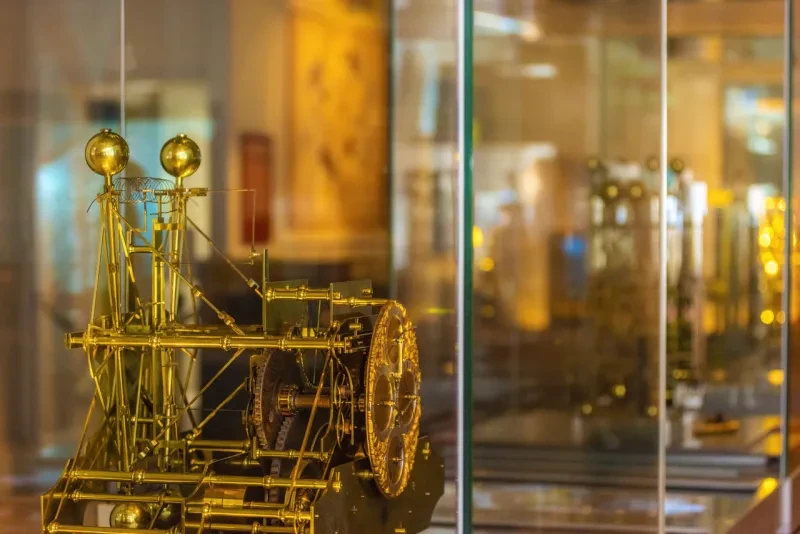
    Harrison's marine timekeepers are the centrepiece of a permanent display at the Royal Observatory.
    John Harrison and the Longitude problem
  • The Seasons
    The seasons are divisions of the year which relate to the annual changes in the weather.
    The Seasons
  • British Summer Time (BST)
    At 1.00 am GMT on Sunday 31 March 2012 clocks go forward one hour. Find out more about BST in our fact file.
    British Summer Time (BST)
  • Lighting-up time, sunrise/sunset and twilights
    The Road Vehicles Lighting Regulations 1989 make the use of front and rear lamps compulsory on vehicles between sunset and sunrise.
    Lighting-up time, sunrise/sunset and twilights
  • Equinoxes and solstices
    Find out about equinoxes and solstices and why they don't always occur on the same dates every year.
    Equinoxes and solstices
  • The equation of time
    The measurement of time no longer uses sundials but relies on devices, such as clocks, to determine a uniform rate.
    The equation of time
  • The calendar
    A calendar is a system of reckoning the time over extended intervals by combining days into longer groupings.
    The calendar
  • The date of Ramadan
    Times of first sighting and setting of the new crescent moon at the start and end of the Islamic holy month of Ramadan.
    The date of Ramadan
  • Leap years and leap seconds
    Leap years are inserted to bring the average length of the calendar year into line with the tropical year.
    Leap years and leap seconds
  • What's the time?
    Nowadays we can easily find out the time by looking at a watch or clock, but it has not always been so easy.
    What's the time?
  • The 'six pips' and digital radios
    BBC radio has been broadcasting the six-pip time signal since 1924.
    The 'six pips' and digital radios
  • The Greenwich Time Ball
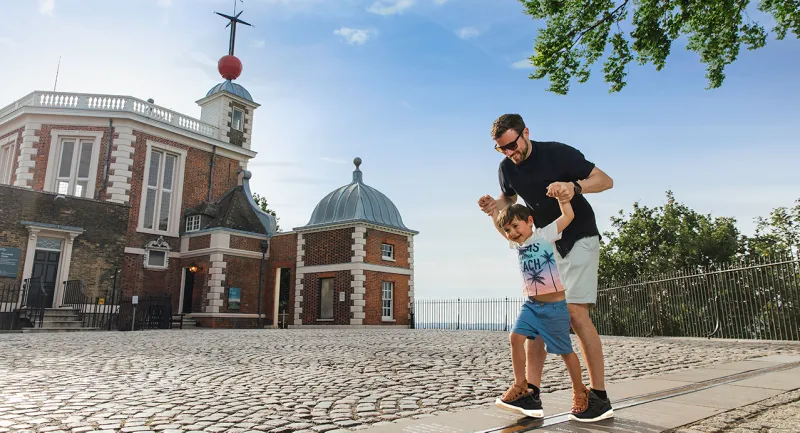
    The bright red Time Ball on top of Flamsteed House is one of the world's earliest public time signals.
    The Greenwich Time Ball
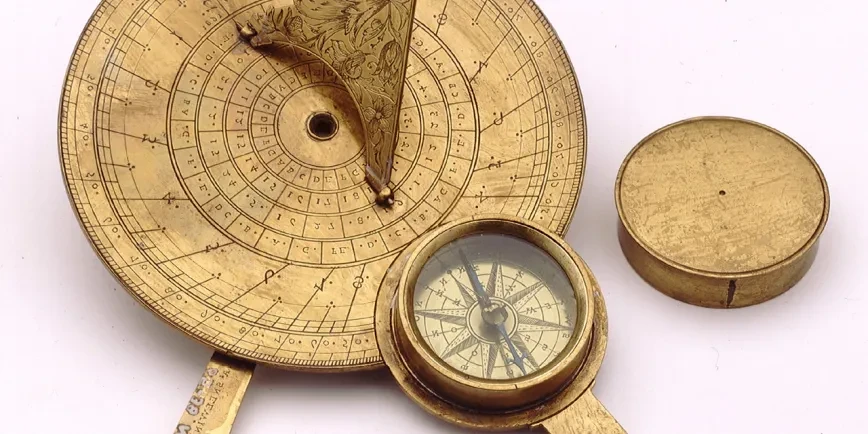
  • Sundials
    The earliest known sundial, found in Egypt, dates from at least 3,500 years ago.
    Sundials
  • Chinese New Year and the Chinese calendar
    The Chinese Year of the Dragon starts on 3 February 2011. Find out more about the Chinese luni-solar calendar.
    Chinese New Year and the Chinese calendar
  • The date of Easter
    Easter is usually said to be the first Sunday after the first Full Moon on or after the Vernal Equinox, but the true definition is more complex.
    The date of Easter
  • The first day of the Islamic New Year in 2008 is 10 January (1 Muharram, 1429 AH). Find out more about the Islamic (Hijri) lunar calendar in our fact file.
  • Answers to all your questions about the start of the new Millennium and the first sunrise of the year 2000.
  • Spring Forward: 100 years of British Summer Time
    2007 marked 100 years since British Summer Time was first proposed. But why change the clocks, which way and whose idea was it?
    Spring Forward: 100 years of British Summer Time