
The Annie Maunder Open Category is a special prize in ZWO Astronomy Photographer of the Year that is free to enter.
This special category challenges you to combine art and science to create a new vision of our universe. It is your opportunity to bring your innovative, out there, creative, and different ideas to the field.
It is the only area of ZWO Astronomy Photographer of the Year where you can include open-source data in your work; taking advantage of the greatest telescopes in the world, such as Hubble or James Webb, to give your astro-processing the best datasets available. Or you can take your own data and remix it in a way that wouldn’t be allowed in the other categories. Or, you could even combine the two into a truly unique artwork.
Find out more about the Annie Maunder Open Category below. Check the rules, discover what the judges are interested in seeing, and hear from previous winners about their work.
The prize for winning the Annie Maunder Open Category is £750.
Entries for ZWO Astronomy Photographer of the Year 18 are now closed.
Who this category is for
Image
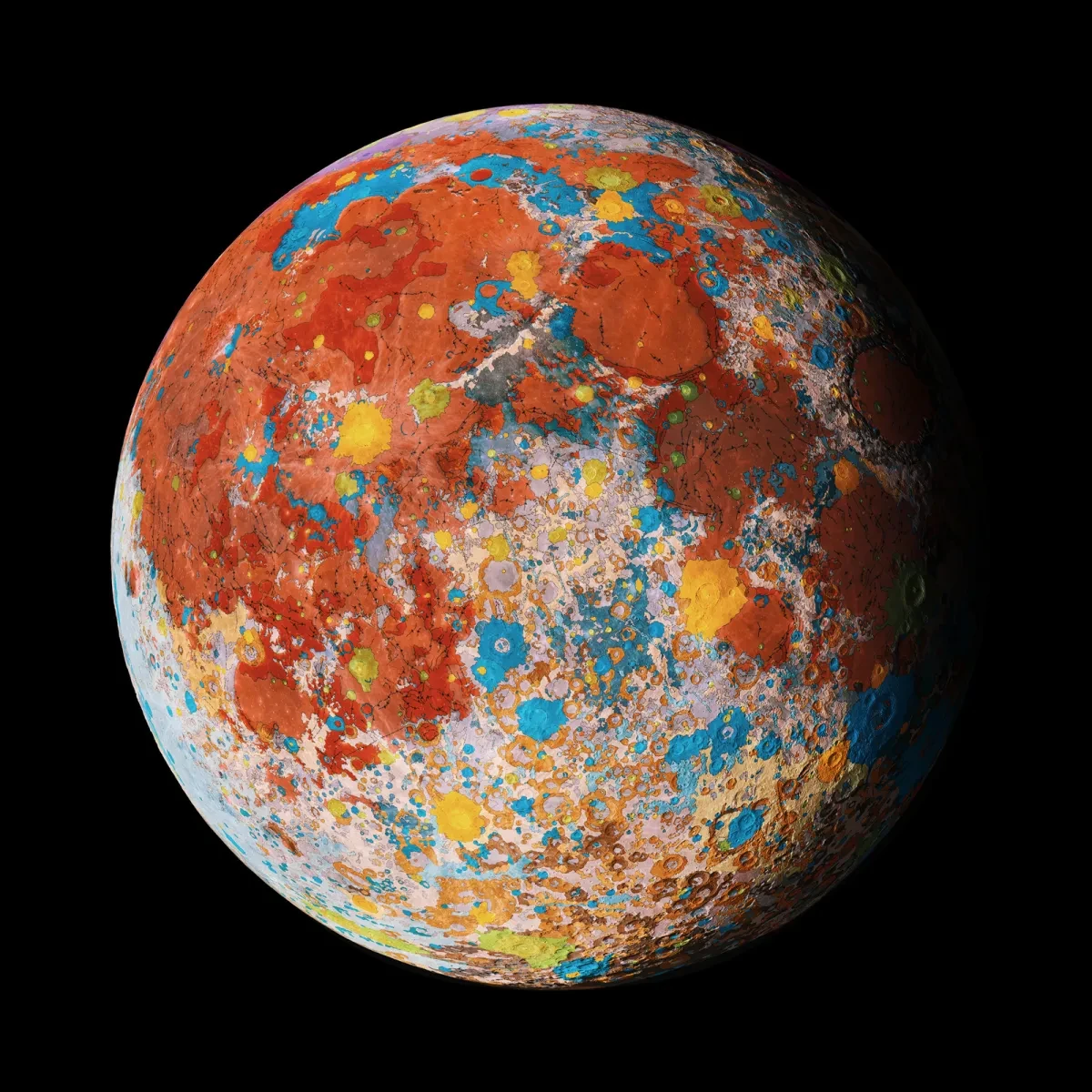
There are endless options available to entrants into this prize.
Whether you're an astronomer able to communicate complex ideas in creative ways, an artist interested in giving us new ways of seeing the Universe, or someone who simply has a quirky idea that they'd like to share with the world, the judges want to hear from you.
"It's a category which allows people to let their creativity run wild," says former Astronomy Photographer of the Year judge and Royal Observatory astronomer Dr Ed Bloomer. "The ethos is very much, 'Show us something cool!' We're trying not to hold anyone back."
Most categories in ZWO Astronomy Photographer of the Year involve capturing astronomy events and phenomena from the past year, and photographing the wonders of the night sky as they happen.
The Annie Maunder Open Category is a bit different. Here you're not limited by when an event occurred, and you don't even need to have taken the photograph yourself. Instead, this category encourages innovative concepts and creative processing.
This is an astrophotographer’s playground, where you are free to really let your creativity loose on the Universe. You can bring your own data or see what you can do with publicly available data – or a mixture of the two. Entrants are free to use any software, analogue or digital manipulation, or AI processing they choose. The only thing you can't do is use AI-generated data or any other artificial data; the data and science underpinning the concept must be genuine.
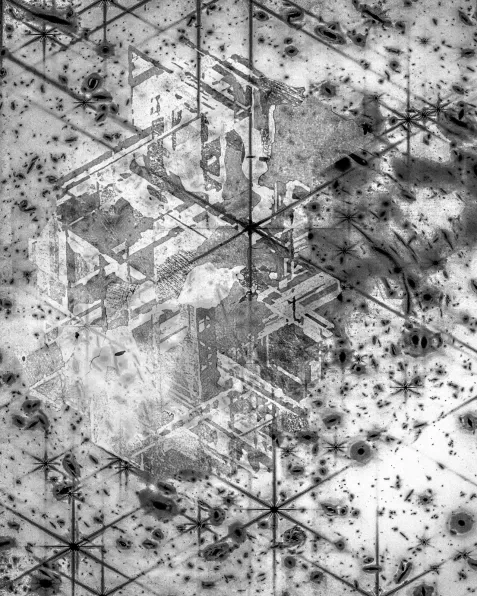
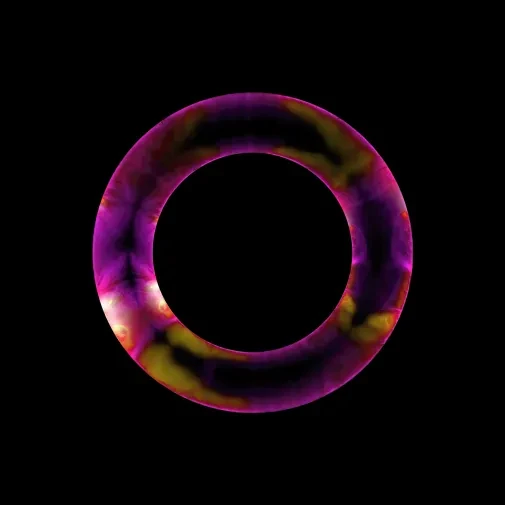
Astronomy is a science digging into the deepest reaches of what humanity can access; and astrophotography combines that science with the visual arts to make the invisible visible and bring the most distant stars and galaxies up close. Previous winners have shown us how the sound of a black hole looks, showcased what Earth might look like to an alien visitor, and compared galactic lensing of our universe with the crystalline structures of a meteorite. If you have an idea that challenges the boundaries between art and science, between space and humanity, send it to us!
Frequently asked questions
What happened to the Annie Maunder Prize for Image Innovation?
This is it, but better! Feedback from previous years suggested the Image Innovation rules were a little confusing, and prevented prospective entrants from fully engaging. We’ve launched the Open Category to tackle these issues. It’s broadly the same, but with easier-to-follow rules and a light rebrand.
Where should I enter images that would have previously been entered into the Annie Maunder Prize for Image Innovation?
Anything that would have been entered into the Image Innovation category can be entered into the new Open Category.
I'm not sure which ZWO Astronomy Photographer of the Year category I should enter. What should I do?
You can email us at astrophotocomp@rmg.co.uk for guidance. In the meantime, you can enter it into the category you think is most fitting and we can work with you to move it to the best category later.
Can I enter sculpture made using astronomical data into this category?
This category is still only for 2D images – but so long as your sculpture is produced from astronomical data you can still enter an image of it. The category winner in 2020 did just that, as explored in this video.
Can I enter audio or video of space, either from my own recordings or from open-source data?
This is still ZWO Astronomy Photographer of the Year, so although we have loosened the definition of ‘photograph’ for this category you do still need to submit an image. But visualisations of the moving cosmos or sonification are allowed.
Are AI-generated images allowed?
AI-generated images are not allowed. Entrants are allowed to use AI to process astronomical data in new and interesting ways, but it does need to be genuine astronomical data.
The fine print
Read the rules about entering the Annie Maunder Open Category. To see the full rules click here:
- This special prize is open to Entrants of all ages.
- Images can be of any astronomical subject.
- Images can use any data (including open-source data) that does not infringe on any third-party Intellectual Property rights.
- Data for this prize can be from any time period.
- There is no restriction on tools used for processing. Entrants are free to use any software, analogue or digital manipulation, or AI processing they choose. Entrants may NOT use AI-generated data or any other artificial data. Failure to disclose all processes may result in disqualification for dishonesty and misrepresentation.
- Entrants can use multiple sources of data. These sources must be appropriately acknowledged in the Image description.
- The data must not have any restrictions on use, or publication that would prevent its publication as part of the competition and outputs as detailed in Section 8 of the rules.
- You must ensure that you are the sole copyright owner of the submitted image and have cleared all rights with the data supplier. It is your responsibility to ensure that any terms and conditions of the data source entitle you to enter your images into the competition.
- Any data source will be credited according to the terms and conditions requested by the data owner.
- If you are uncertain whether your image qualifies for this prize, please contact the competition organisers for clarification at astrophotocomp@rmg.co.uk.
Image
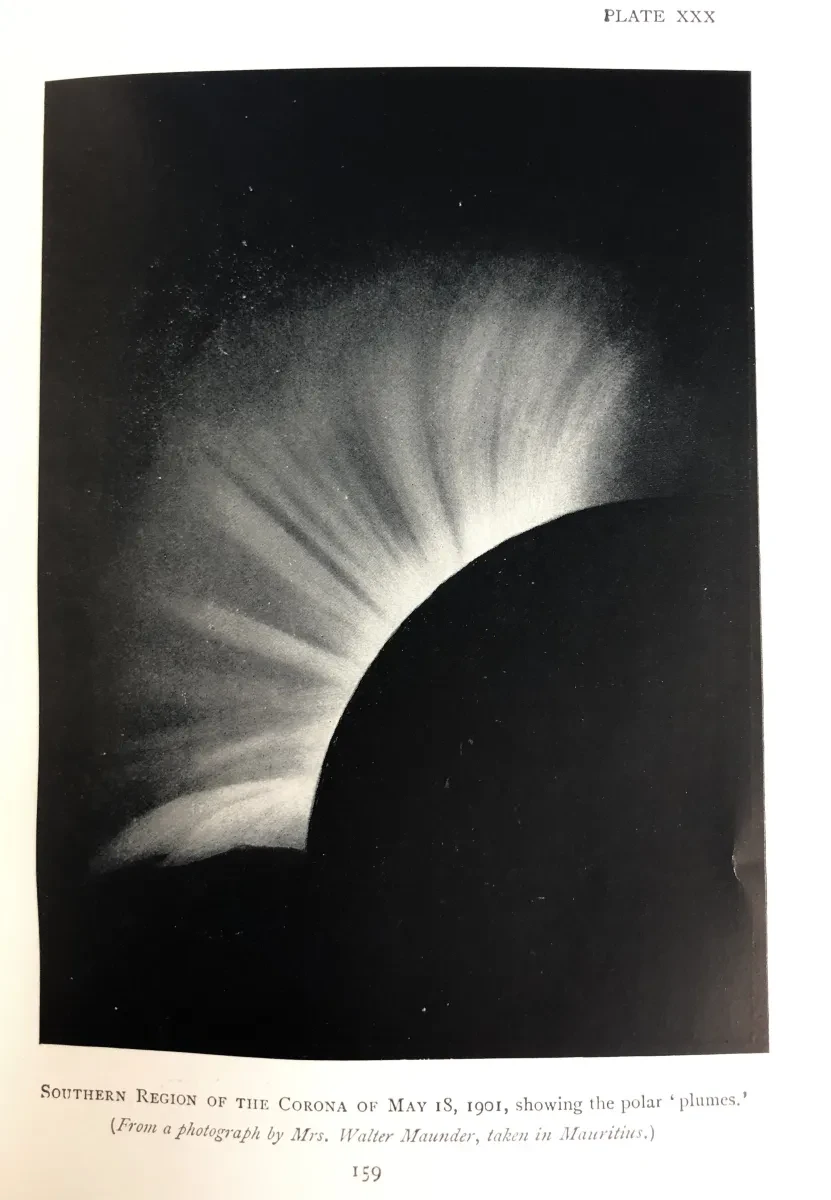
Who was Annie Maunder?
This prize is named after Annie Maunder, an astronomer who worked at Royal Observatory Greenwich at the turn of the 20th century. She was an avid astrophotographer who overcame adversity to pursue her passion for astronomy. She even published some of the first popular astronomy books, featuring some of her ground-breaking images of space.
Our partners

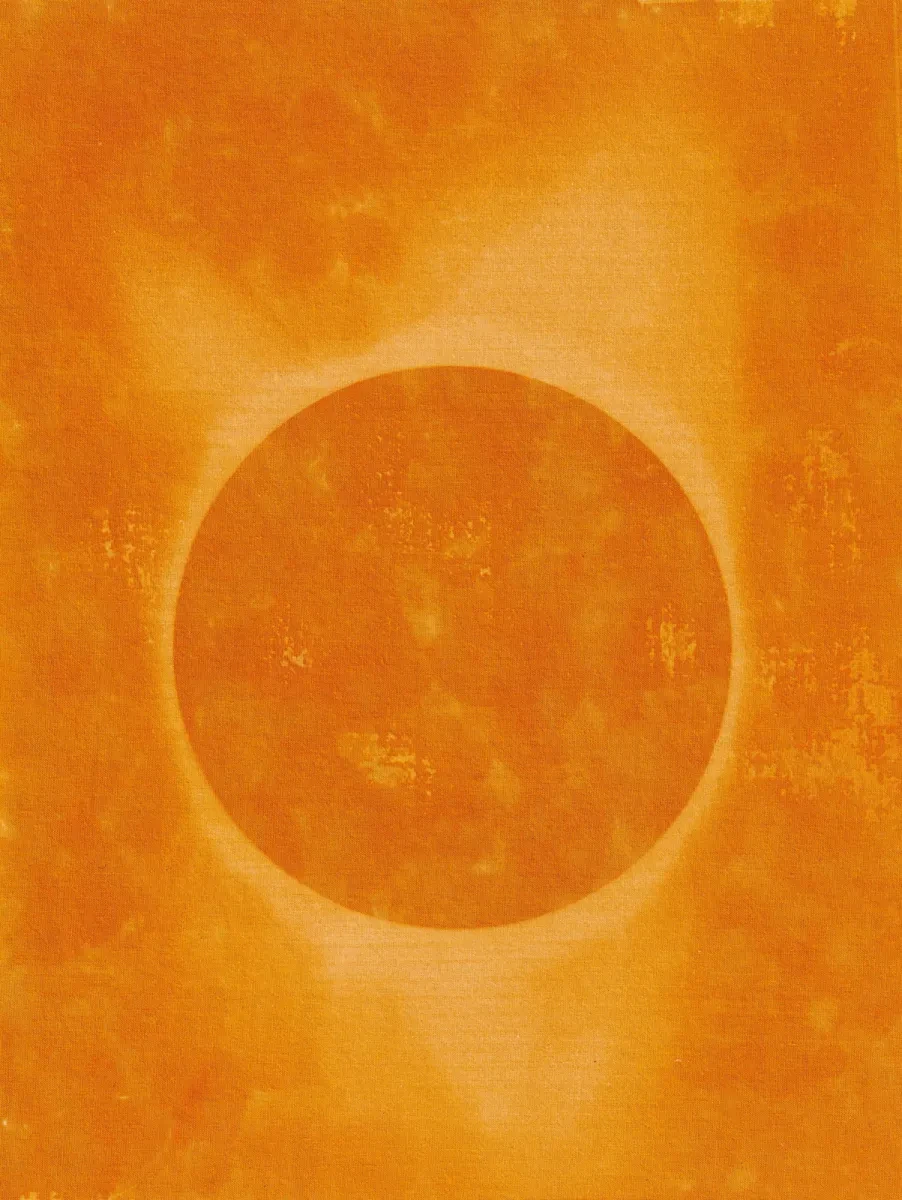
Main image: Anatomy of a Habitable Planet © Sergio Díaz Ruiz - winner of the Annie Maunder Prize for Image Innovation category of Astronomy Photographer of the Year 2024