
Known as the Virgin Queen, Gloriana and Good Queen Bess, Queen Elizabeth I ruled England for 45 years during a period of exploration, religious change, political intrigue and extraordinary cultural achievement.
But how much do you really know about Elizabeth I? Was she really a redhead? Did she have lovers? Was she ever imprisoned in the Tower of London? And why did she never marry?
Born at Greenwich Palace in 1533, the daughter of Henry VIII and Anne Boleyn, Elizabeth's early life was far from straightforward. Her mother was executed when Elizabeth was just two years old, and her position in the royal line of succession changed several times during her childhood.
Discover the truth behind some of the most fascinating facts and enduring myths about Queen Elizabeth I.
Elizabeth I was born at Greenwich: FACT
Elizabeth I was born at Greenwich Palace on 7 September 1533.
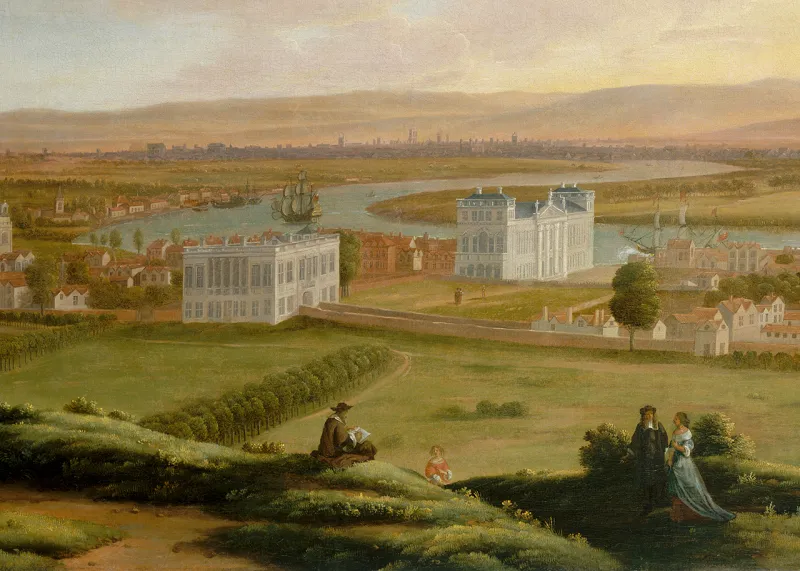
The palace, also known as the Palace of Placentia, was a favourite royal residence of the Tudor monarchs. Her father, Henry VIII, was also born at Greenwich, as was her half-sister Mary I.
Today, the site is occupied by the Old Royal Naval College, close to the Queen's House and the National Maritime Museum.
Greenwich remained an important location throughout Elizabeth's life. It was also where her mother, Anne Boleyn, was arrested in 1536, and where Elizabeth later signed the execution warrant for Mary, Queen of Scots, in 1587.
Queen Elizabeth I had many lovers: MYTH
Famously, Elizabeth lived and died as the 'Virgin Queen', resistant to being married off and obviously childless.
However, Elizabeth had many favourites and close friends who were men, including:
- Robert Dudley
- Walter Raleigh
- Francis Drake
- and Robert Devereux.
Elizabeth also had many prominent suitors, including many of the crown rulers of Europe and their heirs.

We may never know if Elizabeth had non-platonic relationships with any of them. No evidence has ever conclusively proved that she took lovers or companions before or after taking the crown.
Queen Elizabeth loved sweets: FACT
Elizabeth had a notoriously sweet tooth, and had a particular taste for candied violets.
Eventually, the sugar cane caused many of her teeth to go black.
Elizabeth was declared illegitimate: FACT
Following the execution of her mother, Anne Boleyn, in 1536, Henry VIII declared Elizabeth illegitimate.
This meant she was removed from the line of succession, despite being the daughter of the king.
However, the Third Succession Act of 1543 restored Elizabeth and her half-sister Mary to the line of succession, behind their younger half-brother Edward.
Elizabeth eventually became queen in 1558, following the death of Mary I.
Elizabeth spoke and read at least seven languages: FACT
Elizabeth received an exceptional education for a royal woman of her time.
She spoke five languages fluently by the age of 11, and continued to learn bits of other languages, including German, as she grew older. In adulthood, she could speak or read English, Welsh, Greek, Latin, Spanish, French, and Italian.
Under the guidance of distinguished tutors, including Roger Ascham, she studied languages, history, philosophy and theology.
Elizabeth's education helped establish her reputation as an intelligent and highly capable ruler, able to communicate with foreign ambassadors and engage with European scholars.
Elizabeth nearly married Thomas Seymour: FACT
Thomas Seymour was the husband of Catherine Parr, Henry VIII's sixth and final wife.
Following Henry's death, Elizabeth lived in Seymour's household for a period. Seymour behaved inappropriately towards the young princess, and his conduct towards her became the subject of an investigation.

There were reports of flirtatious and physically intimate behaviour, although the full extent of what happened remains uncertain.
Seymour was eventually arrested and executed in 1549 after being convicted of treason.
To this day, we only have partial accounts of what took place between them. This episode has been much-discussed in both historical and fictional accounts of the Queen’s reign.
Elizabeth was a natural redhead: FACT
Portraits of Elizabeth I typically depict her with striking red or auburn hair, a feature that became part of her distinctive royal image.
Early portraits suggest her red hair was natural. As she grew older, Elizabeth became increasingly associated with elaborate wigs, elaborate hairstyles and an unmistakable royal appearance.
Her famously pale complexion was enhanced with cosmetics, including lead-based white lead-based makeup that may have led to health issues in her later life.

Elizabeth I was imprisoned in the Tower of London: FACT
Although Elizabeth eventually became one of England's most powerful monarchs, she was once imprisoned in the Tower.
In 1554, during the reign of her Catholic half-sister Mary I, Elizabeth was suspected of involvement in the Protestant Wyatt rebellion, opposing Mary's marriage to Philip II of Spain.
Elizabeth was taken to the Tower of London and questioned. She denied any involvement in the rebellion, and no evidence was found to prove her guilt. She stayed in the Tower for around two months.
Elizabeth remained under close supervision after her release, and was eventually placed under house arrest at Woodstock.
The experience had a lasting impact on Elizabeth and reinforced her awareness of the dangers of political and religious opposition.
Elizabeth was a murder suspect: MYTH
One of the most enduring mysteries associated with Elizabeth's private life concerns the death of Amy Robsart, the wife of Robert Dudley, Earl of Leicester.
Amy died in 1560 after being found at the bottom of a staircase at her home, with injuries to her head and neck.
Her death prompted widespread speculation, particularly because Dudley was one of Elizabeth's closest favourites and there were rumours that the Queen might eventually marry him.
Although the circumstances were suspicious and rumours persisted, there is no conclusive evidence that Elizabeth was involved in Amy's death. The story remains one of the most intriguing episodes of Elizabeth's personal life.
Elizabeth was a bit Catholic: FACT
Despite ruling as a Protestant monarch, Elizabeth adhered to her sister’s Catholicism during Mary’s reign.
When Elizabeth became queen in 1558, she introduced a new religious settlement that re-established Protestantism in England, although she sought to avoid some of the more extreme divisions between Catholicism and Protestantism.
Her religious policies were an important feature of her reign and shaped England's relationship with other European powers.
Elizabeth I was a man: MYTH
Many misogynists and conspiracy theorists have argued that, due to her extraordinary leadership qualities, noted academic brilliance, and financial acumen, Elizabeth must have been a man.
An overwhelming amount of evidence declares this notion to be false and discriminatory.

Elizabeth nearly married her sister's husband: FACT
Mary’s husband, Philip II of Spain, proposed to Elizabeth after Mary’s death. Mary and Philip were cousins, and Elizabeth’s father, Henry VIII, had divorced Mary’s mother in part because he became convinced it was wrong for a man to marry his brother’s wife.

Philip apparently had less compunction about creating a parallel situation with Elizabeth.
Elizabeth turned Philip down and eventually fought a war against him, the Spanish Armada.

Elizabeth wrote Shakespeare's plays: MYTH
Elizabeth I was highly educated and had a great appreciation of literature, poetry and the arts.
During her reign, English theatre flourished, with playwrights such as William Shakespeare and Christopher Marlowe producing some of their most famous works.
Conspiracy theorists have proposed that Elizabeth, a gifted wit and writer herself, might have written some or all of Shakespeare’s plays.
This argument often has classist origins – many scholars have been reluctant to ascribe some of the greatest works of literature of all time to the son of a glover from Stratford – and is almost certainly false.
Elizabeth was a survivor: FACT
Queen Elizabeth survived smallpox as a young woman, though none of the portraits of her show the scars she probably had from the disease.
Elizabeth I was succeeded by James VI of Scotland: FACT
Queen Elizabeth I never married and had no children, meaning the Tudor dynasty ended with her death in 1603.
The question of who would succeed her had been a major political concern for years. The strongest claim belonged to James VI of Scotland, the son of Mary, Queen of Scots. Through his great-grandmother Margaret Tudor, Henry VIII's sister, James was also a great-grandson of Henry VII.
When Elizabeth died on 24 March 1603, James VI of Scotland became James I of England.
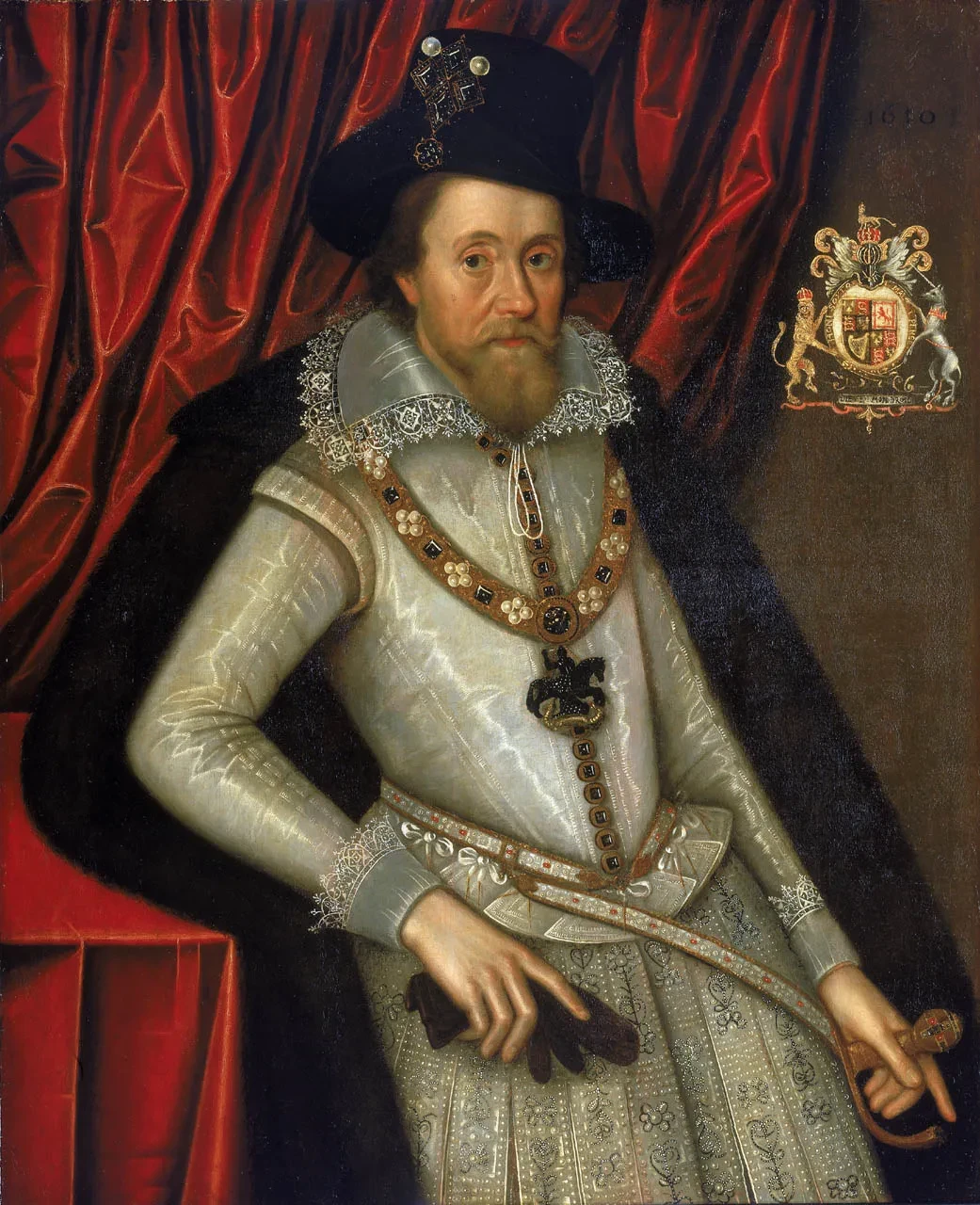
This brought the crowns of England and Scotland together under one monarch, beginning the Stuart dynasty in England.
James's accession marked the end of the Tudor period and the beginning of a new chapter in British royal history: the Stuarts.

See the Armada Portrait at the Queen's House
Come face to face with the Queen and see the Armada portrait of Queen Elizabeth I at the Queen's House.
Read more


Shop for gifts inspired by an iconic Queen


