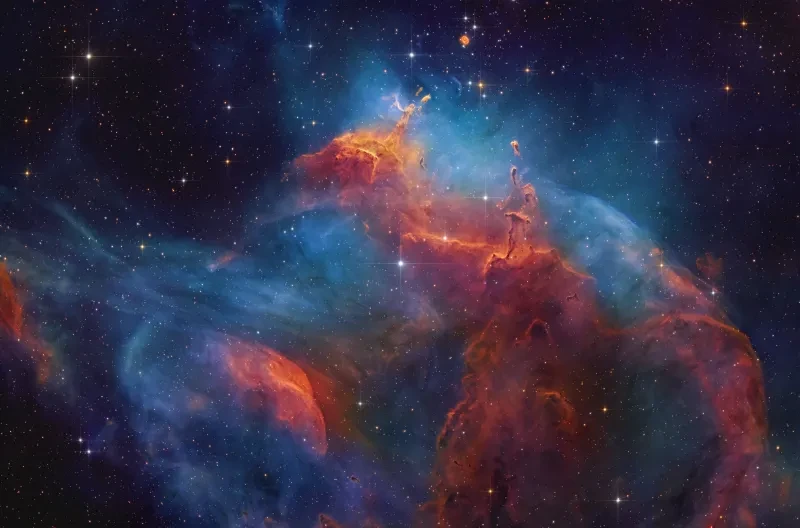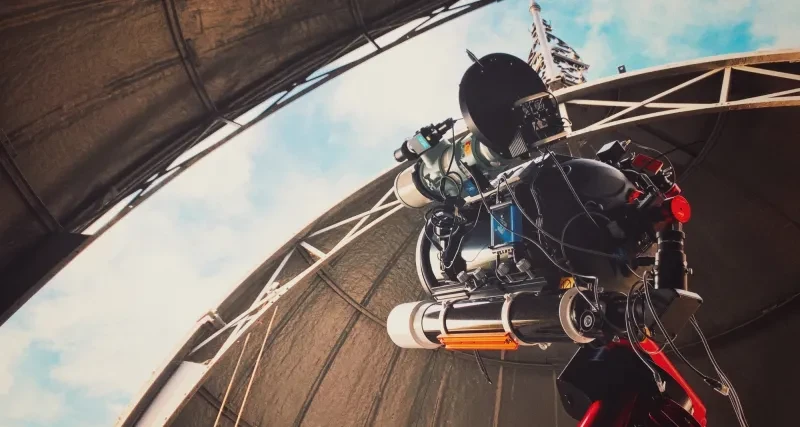
The winning images in the ZWO Astronomy Photographer of the Year 2026 competition have been announced!
All the winners and runners-up were revealed during an online awards ceremony on Thursday 17 September.
Explore all the category winners below, and click through to see the full shortlist for each category.
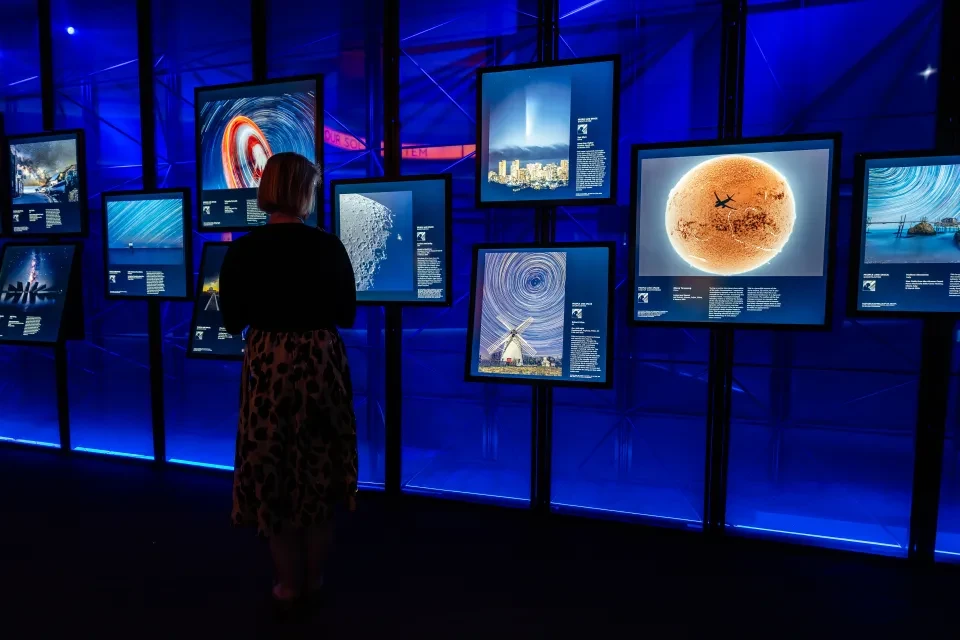
The images are now on display in a special exhibition at the National Maritime Museum.
Stars and Nebulae category winner and overall winner
Image
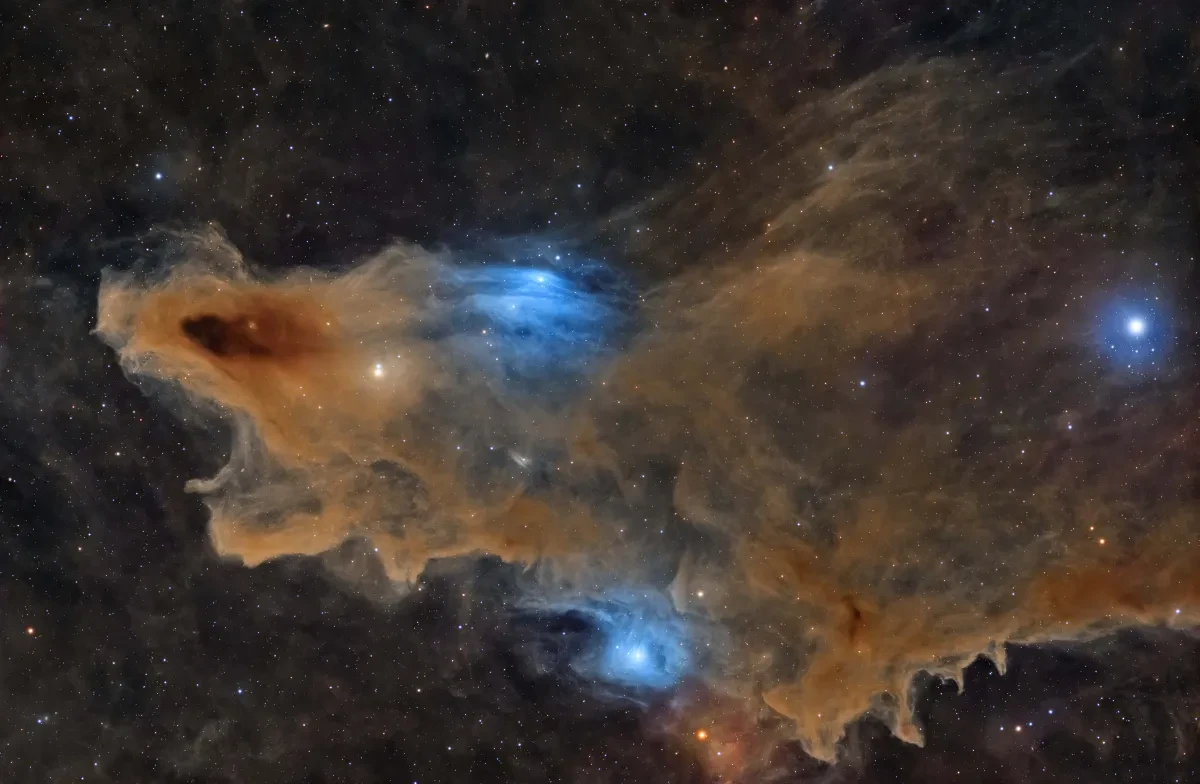
The Quiet Predator by Ali Alobaidly
"Sometimes a photograph comes alive through its flawless presentation, pin-sharp details and dynamic contrast of light and dark. This is such an image. The Shark Nebula is already a striking object, but when it is resolved to the point where even detail-rich distant galaxies can be seen through it, you know you’re looking at something very special.
"Perfectly rendered, softly glowing stars visible to the very edges of the frame, thin wisps of tenuous nebulosity consistent across the whole ‘shark’ and a brilliantly resolved dark nebula patch for its eye put this image at the very forefront of modern astrophotography."
- Steve Marsh, competition judge
Galaxies category winner
Image
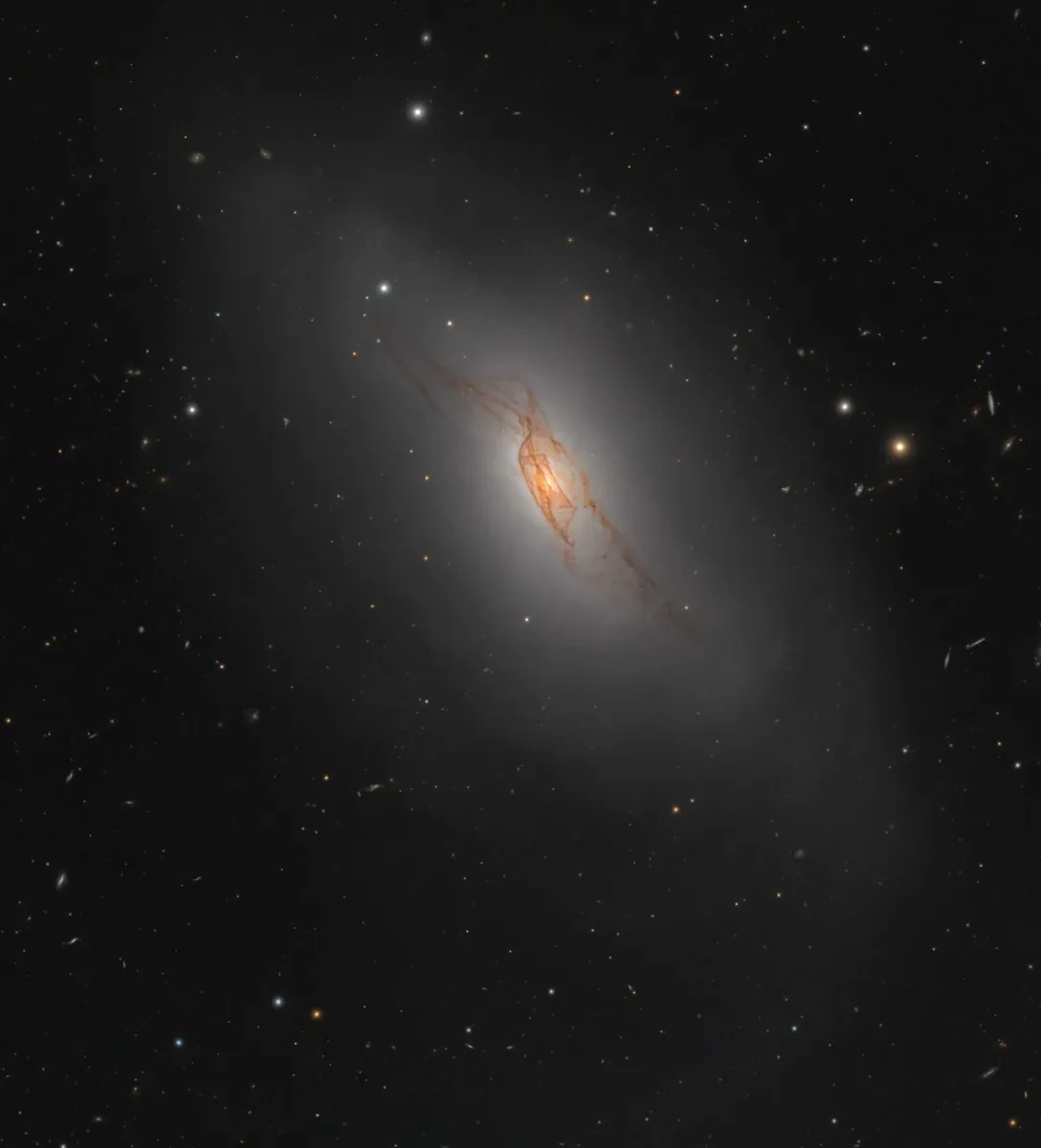
NGC 4753: A Symphony of Dust Lanes in Virgo by 智鹏 严 and Xinran Li
"We often view the Universe as a static backdrop to our lives, forgetting that it is a theatre of constant, violent motion occurring on scales that dwarf our own existence. Capturing this cosmological dynamism in a still photograph, especially one of a galaxy 60 million light years away, is a rare feat.
"Yet, in this subtle and masterful work, the photographers have done exactly that. Looking at the elegant ribbons of dust streaking through the galactic core, you can almost sense the tip of a conductor’s baton, orchestrating the celestial motion of billions of stars.”
- Joe DePasquale, competition judge
Skyscapes category winner
Image
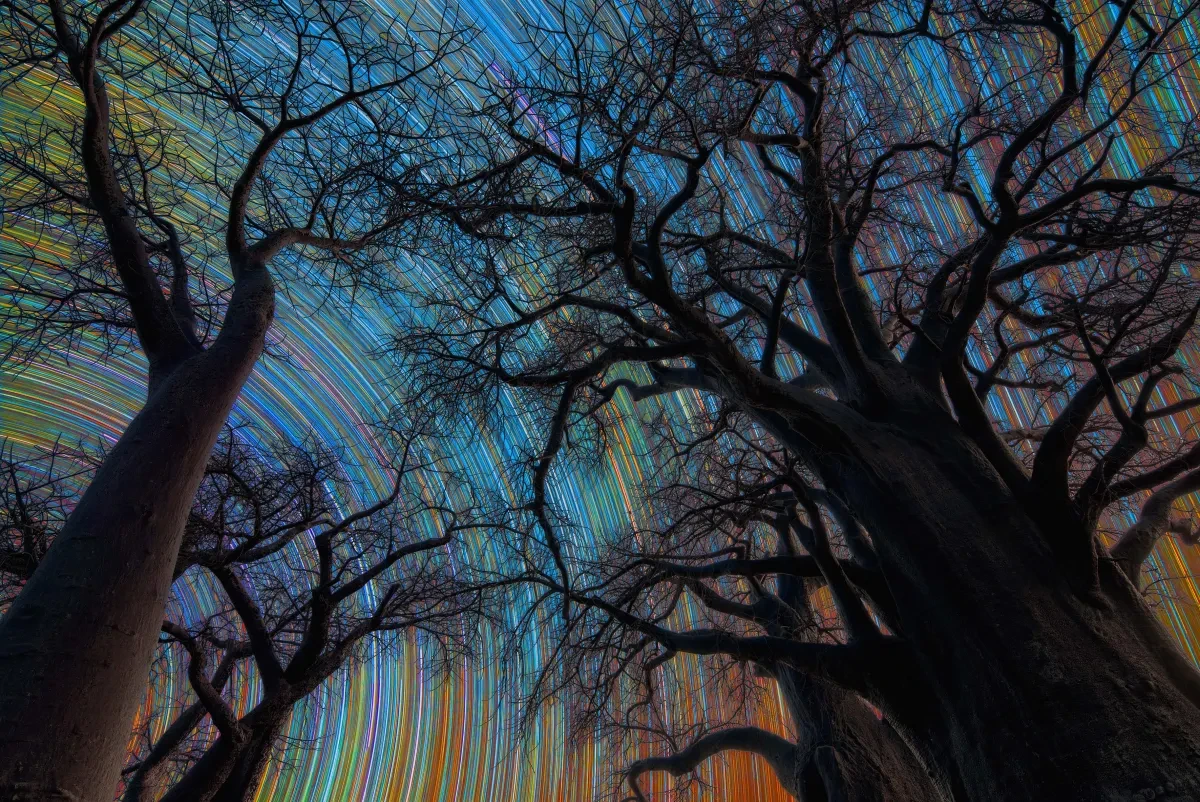
Botswana Star Trail by Stefano Pellegrini
“Star trails are some of the most amazing astronomy images and this is one of the best. Many of us have sat in the garden on a summer evening watching the skies above and thought: ‘If only I could record it all.’ Well, here is someone who has.
"The location is a terrific advantage; the photograph was taken in Botswana where the lack of light pollution has enhanced the trails of light left by the stars. The magnificent trees seem to reach out to capture the stars as they appear to streak overhead. This is a marvellous winning image for the Skyscapes category.”
- Alan Sparrow, competition judge
Our Sun category winner
Image
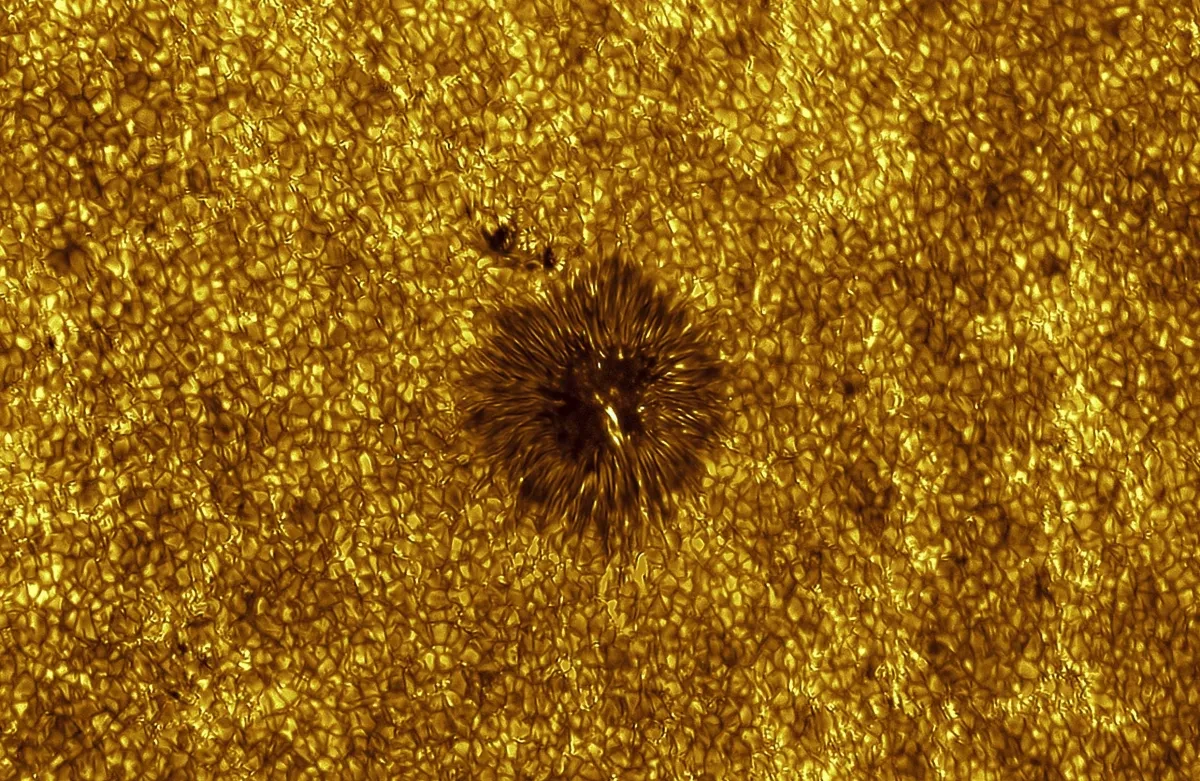
Active Region 4122 by Miguel Claro
"This is one of the most detailed images I’ve seen showing the convective cells on the Sun’s surface. It is incredible to see the diversity in the granulation and how it transitions into the sunspot. The contrast between the bright cellular patterns and the darker sunspot regions makes the entire image especially dramatic, while also highlighting just how dynamic and turbulent our Sun really is."
- Kerry-Ann Lecky Hepburn, competition judge
Our Moon category winner
Image
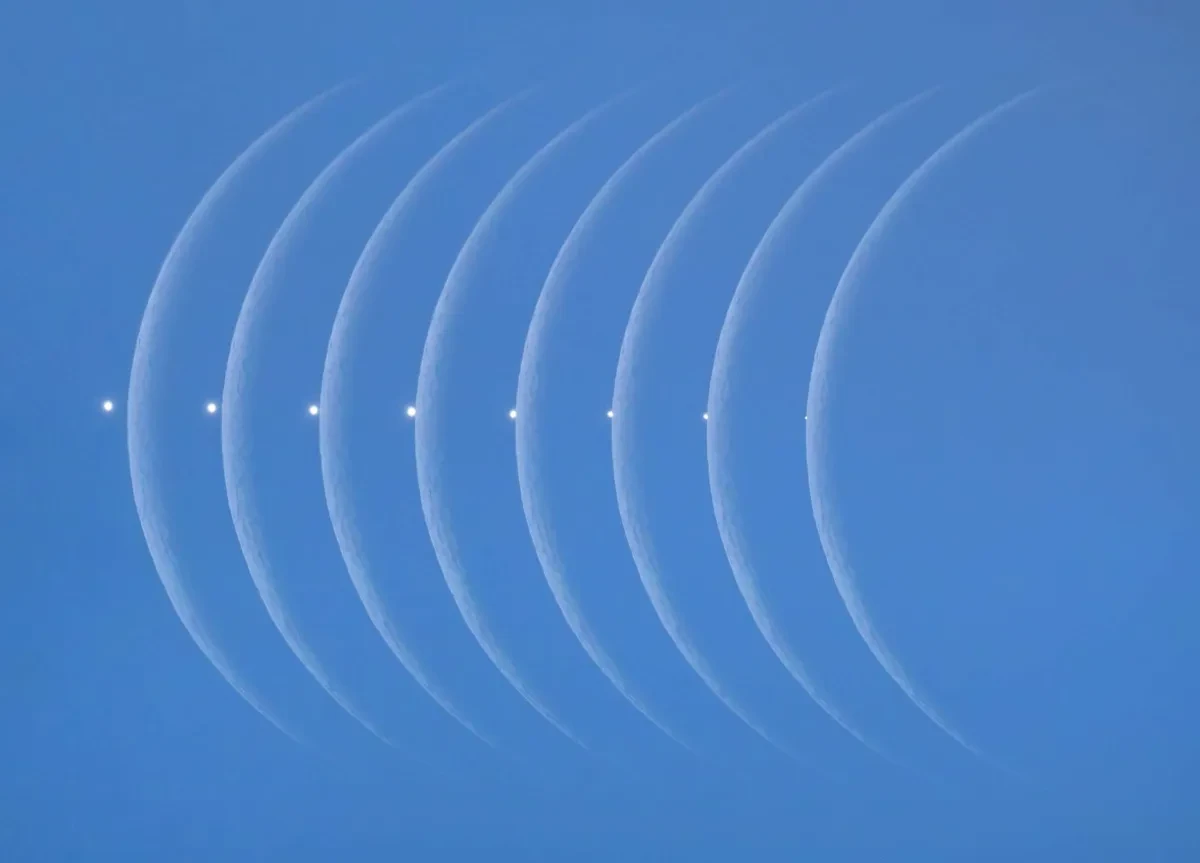
Venusian Pearl on the Moon by Petr Horalek
"In the blue daytime sky, a ghostly and delicate crescent Moon glides silently towards the brilliant disc of Venus and slowly covers it. This is a beautifully composed montage of this occultation event, which nicely contrasts the relative brightness and angular sizes of the two celestial bodies.”
- Martin Lewis, competition judge
Aurorae category winner
Image
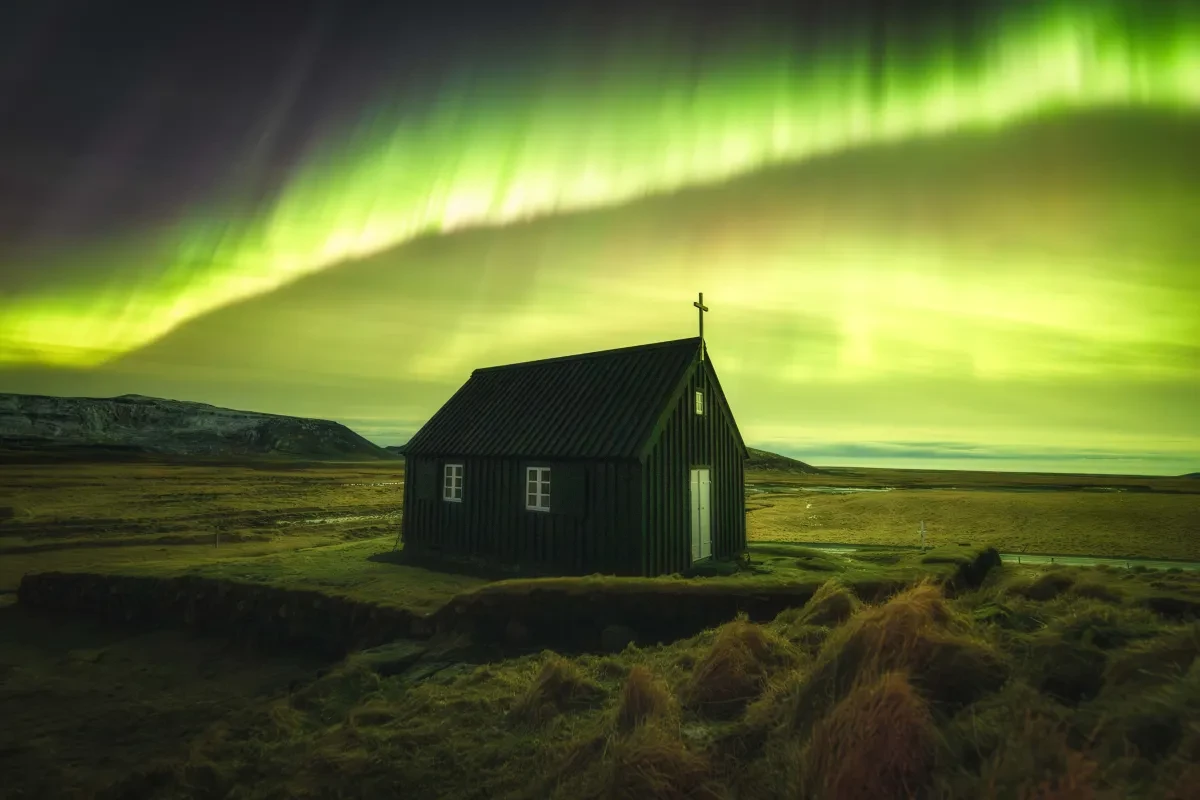
The Crown by Radoslav Sviretsov
“This wonderful photo is one that will delight many. It has a fantastic setting: the small church stands defiantly in the wilderness. The photographer has captured the moment when the Aurora Borealis bathed the chapel with a magnificent green glow gifted by the geomagnetic storm.”
- Alan Sparrow, competition judge
Planets, Comets and Asteroids category winner
Image
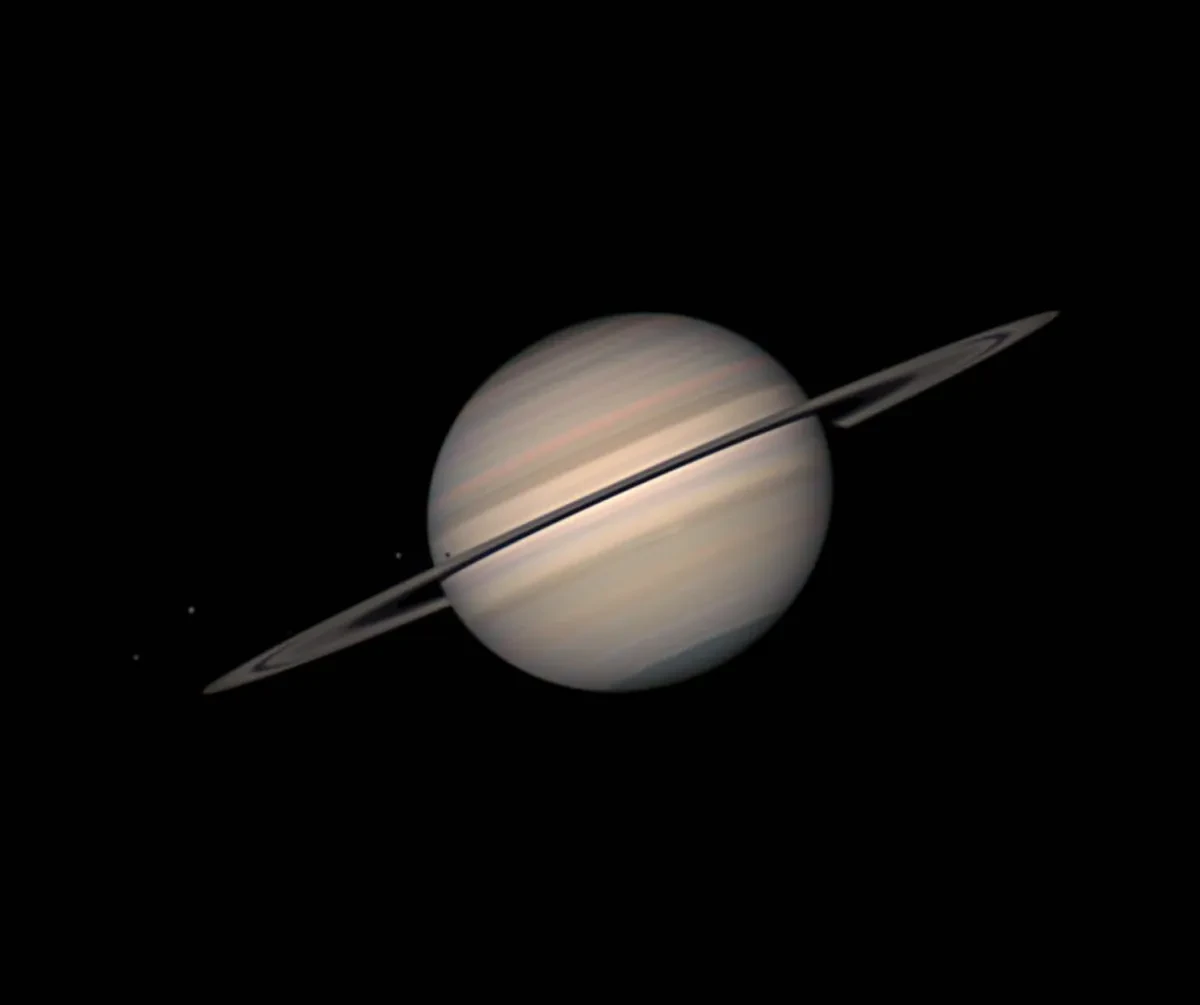
Saturnian Equinox by Tom Williams
“Here we see a mesmerising view of Saturn, with multiple small moons hanging over its exquisitely detailed rings. The shadow cast by Tethys on the planet’s surface matches perfectly the size of the moon’s disc – a testament to the quality of the image. Multiple delicate belts in pastel shades cross the planet and add to the impression that you are really viewing it from close quarters.”
- Martin Lewis, competition judge
People and Space category winner
Image

A Message From the Ancients by Max Inwood
“While landscape astrophotography often pits the vastness of Earth against the vastness of space, this work focuses on a deeply human story. The photographer masterfully guides our gaze from the ancient petroglyphs toward the heavens, bridging the immense span of time between ourselves and the ancestors who first etched the patterns on these rocks. The warm, earthy tones of the rocks and vegetation provide a grounding contrast to the rich tapestry of the Milky Way, while the soft veil of Earth’s airglow unites the two worlds in a single, timeless narrative.”
- Joe DePasquale, competition judge
Stay up to date
Subscribe to our monthly space newsletter for amazing space stories, astronomy guides and the latest news from ZWO Astronomy Photographer of the Year.
The Sir Patrick Moore Prize for Best Newcomer
Image
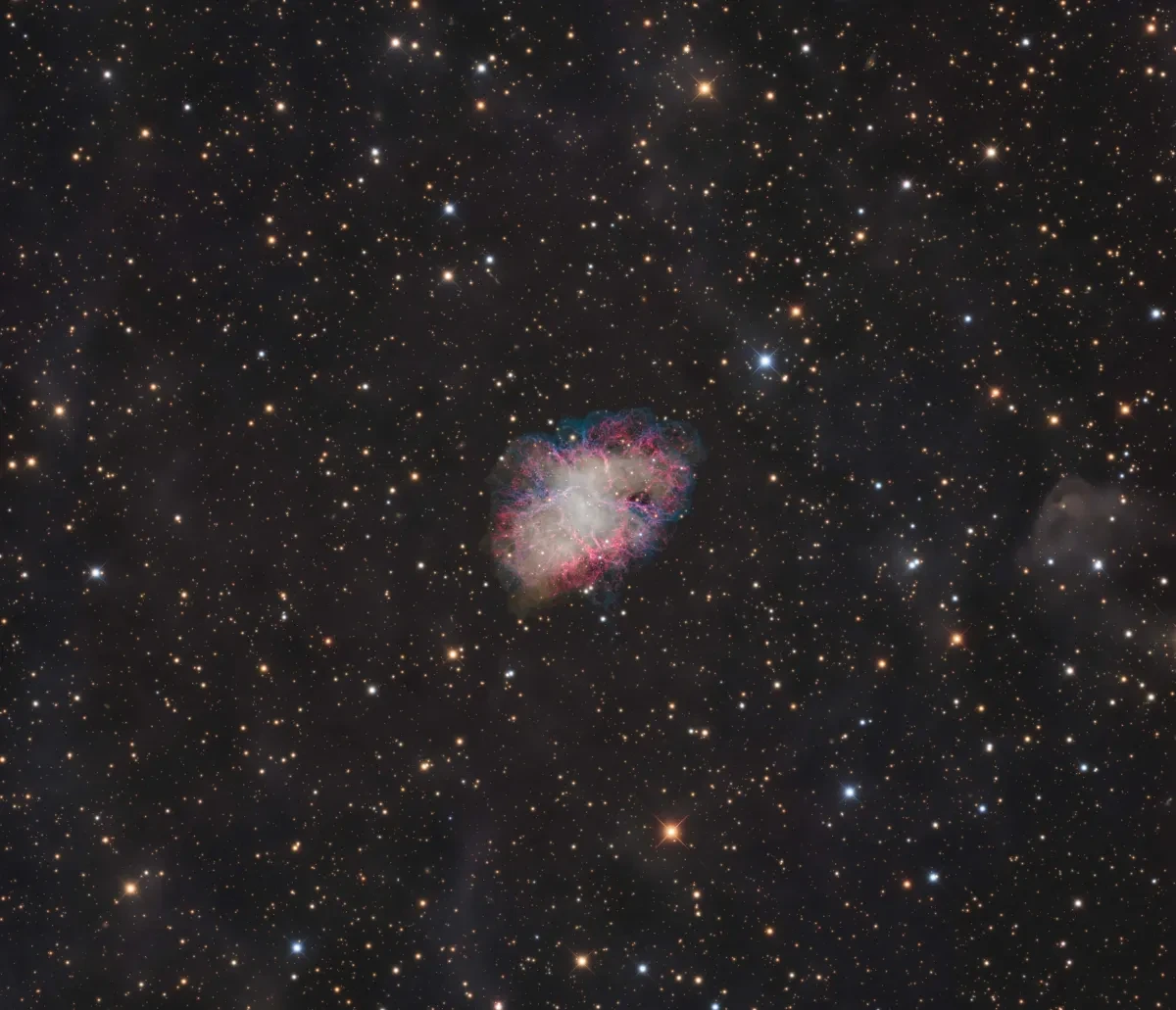
M1: Echoes of an Ancient Explosion by Haocheng Zhu
“What an image this is! M1 is already a favourite target of mine; it is a beautiful jewel in the sky. This composition emphasises the supernova remnant’s remote and isolated position, surrounded only by a sparse field of stars and faint wisps of gas and dust. Yet the remnant itself is a complex tumult of roiling gas that is still expanding almost a millennium after the original explosion.
"The fine detail visible in the nebula is among the best we’ve ever seen and for the image to have come from an astrophotographer with limited experience is all the more impressive. May we see more from them in the future!"
- Greg Brown, competition judge
The Annie Maunder Open Category
Image
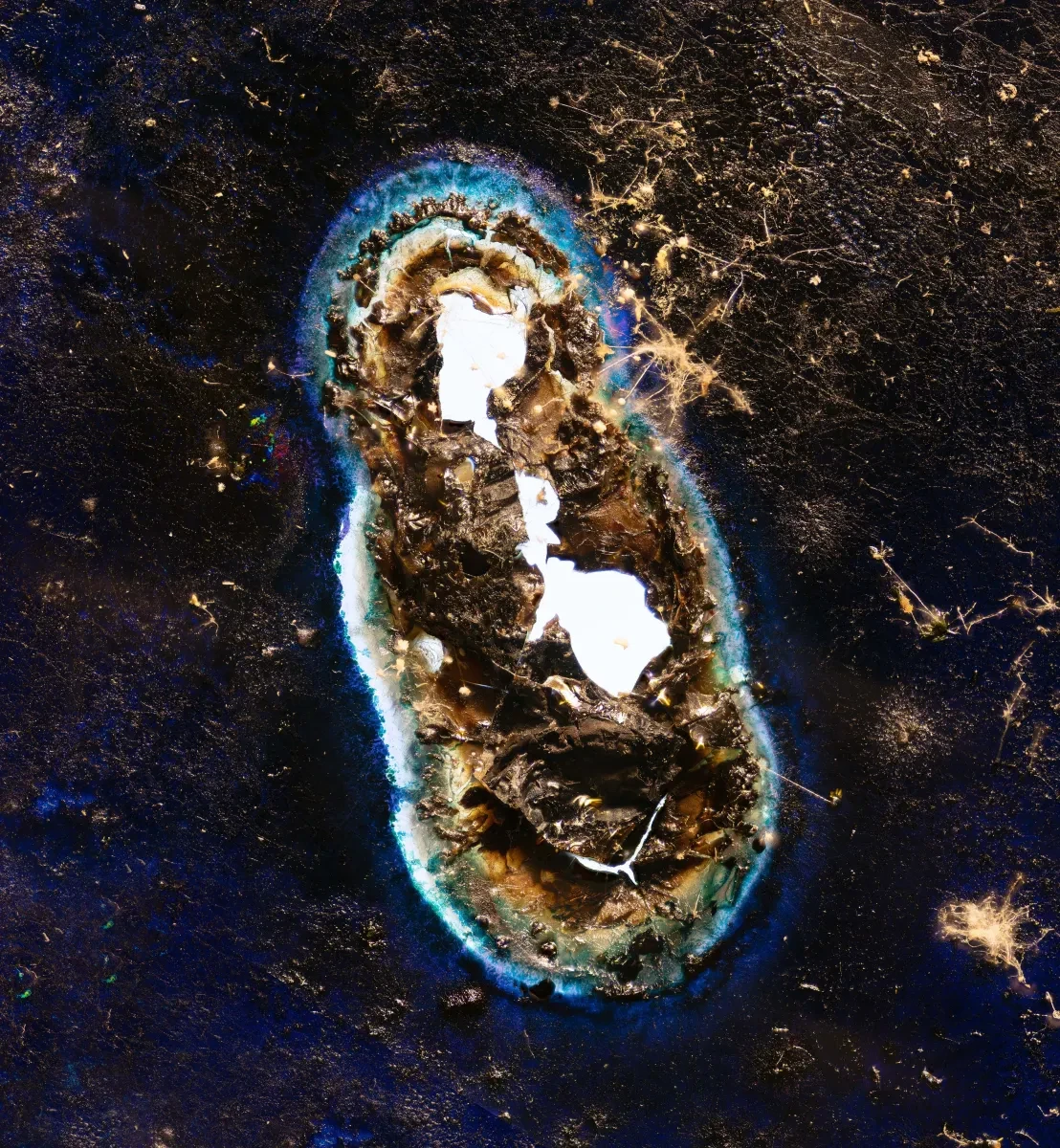
Reverse Astronomy: Mother by Paweł Wawrzyniak
“This photograph brings back childhood memories of trying to start a fire by focusing sunlight through a magnifying lens onto dry leaves. The experiment teaches us that the Sun’s rays have physical as well as visual impacts on the world around us and this image is a visceral reminder of that lesson. It shows the microscopic damage wrought by the Sun on a piece of photographic film. Further damage resulted from the effects of chemicals used to develop the film and its interaction with biological organisms over time. The result is flaking and fragmented, dirty and distorted, yet also eerily beautiful.”
- Katherine Gazzard, competition judge
ZWO Young Competition
Image
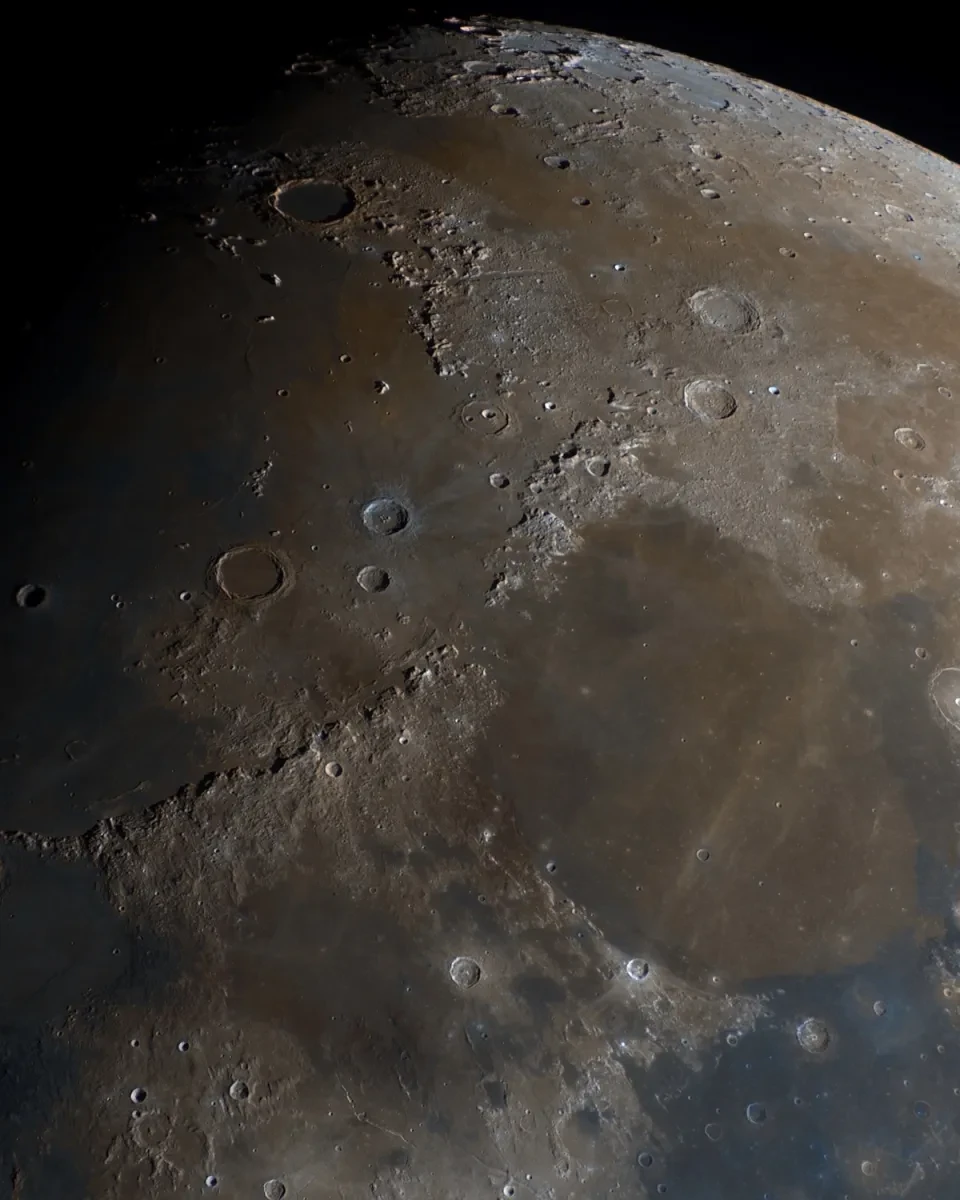
Mineral Moon by Nikolaos Strimpoulis
“Many of us start our astrophotography journey with the Moon – some of us stay there forever! But often we don’t delve deep into the subtle colours of its mineral deposits until much later. This amazing young astrophotographer has achieved perfectly developed colouring in this photograph, combined with a sharp, detailed cross-section of Montes Apenninus and Mare Serenitatis. I could stare at this image for hours and still find new things to see.”
- Steve Marsh, competition judge
Image
About ZWO Astronomy Photographer of the Year
From amazing aurorae to glittering galaxies, discover the world’s greatest space photography at the ZWO Astronomy Photographer of the Year exhibition at the National Maritime Museum.
Now in its 18th year, ZWO Astronomy Photographer of the Year showcases the very best space photography from a global community of photographers.
The new exhibition showcases 100 photographs on brilliant lightbox displays.
Each image has been selected by a panel of international experts and showcases some of the best space photography in the world.
See stories from the exhibition

Photographing a deep-space shark from the Kuwait desert
Explore Ali Alobaidly’s incredibly detailed photo of the Shark Nebula, which was crowned the winner of ZWO Astronomy Photographer of the Year 2026

‘I think everyone benefits from being out under the night sky’
Go behind the lens with Jennifer Rogers, who was shortlisted in ZWO Astronomy Photographer of the Year 2026 with her photo of star trails above a Cornish tin mine
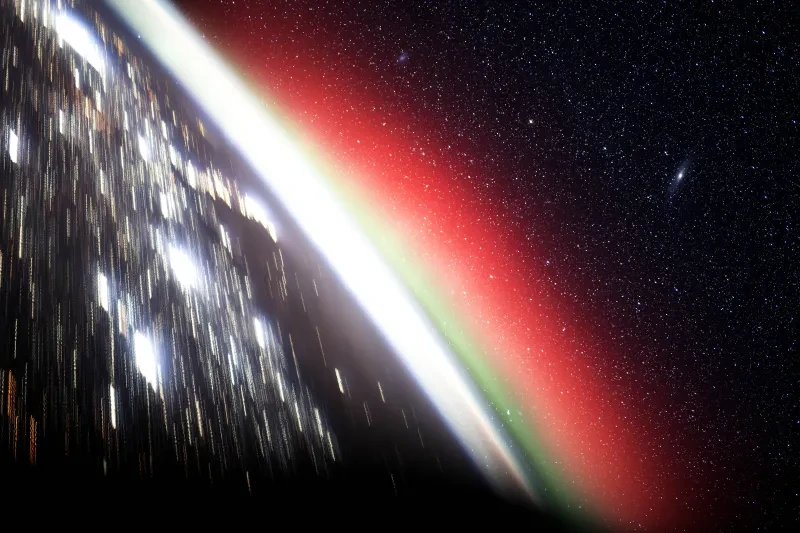
Earth and space through an astronaut's lens
Discover how NASA astronaut Don Pettit takes out-of-this-world photographs from the unique and constantly moving vantage point of the International Space Station
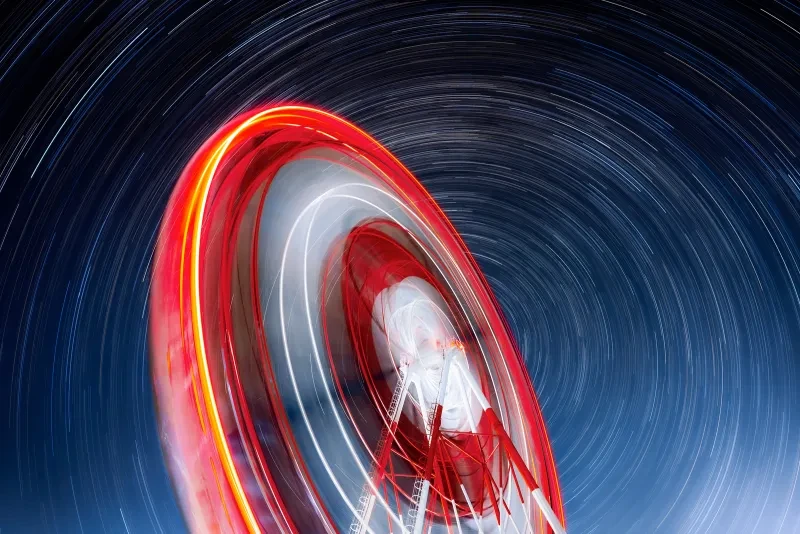
'Observing the Universe reveals how small yet precious we are'
An accident led Takanobu Kurosaki to rediscover life’s beauty and fall in love with astrophotography. Explore his image shortlisted in ZWO Astronomy Photographer of the Year 2025
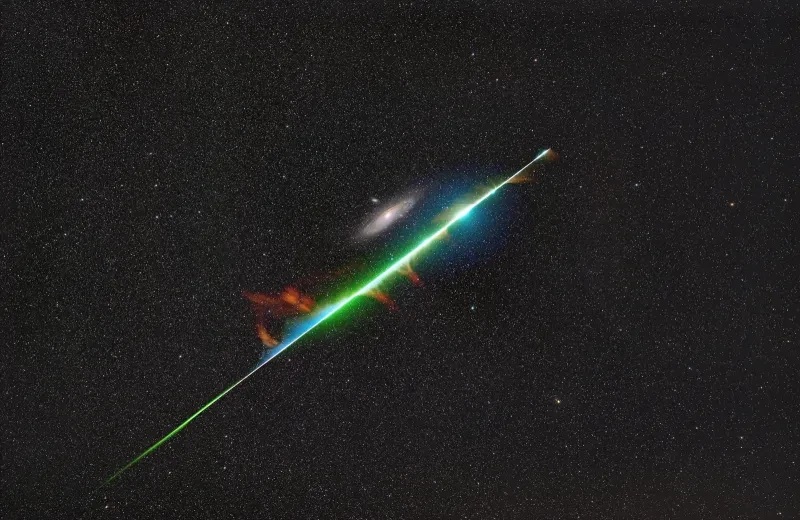
A happy accident: photobombed by a meteor
Learn more about this breathtaking accidental capture of a fleeting fireball meteor, winner of Best Newcomer in ZWO Astronomy Photographer of the Year 2025
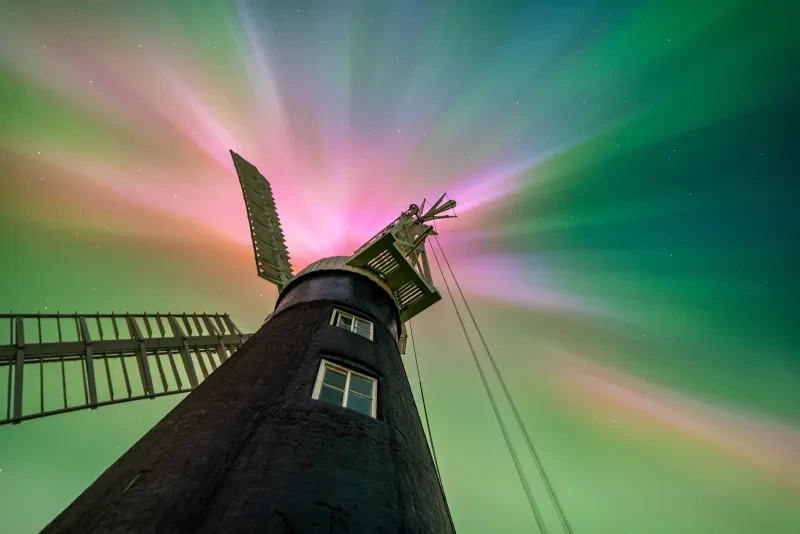
A rare spectacle: photographing the aurora in England
An incredibly strong solar storm in May 2024 made the aurora visible across the UK. Astrophotographer Darren Flinders seized this once-in-a-lifetime opportunity
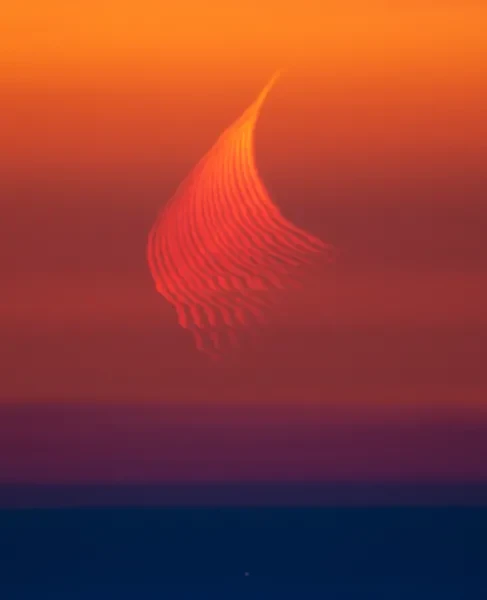
Photographing a natural optical illusion
Meet Marcella Giulia Pace, who won the Our Moon category of the ZWO Astronomy Photographer of the Year 2025 competition with her unique image of a natural optical spectacle
Visit and explore