
When is the first day of spring in the UK? There's no set answer: it all depends on which definition of the seasons you follow.
For example, the first day of spring in the UK occurs astronomically on the spring (vernal) equinox, when Earth’s axis is neither tilted towards or away from the Sun. In 2027 the spring equinox falls on 20 March.
Meanwhile, meteorologists divide seasons into three-month periods based on average monthly temperatures. Spring spans March, April and May, so according to this definition spring begins on 1 March.
Some look to nature for the answer. The phenological definition of the start of spring is based on the behaviour of plants and animals in response to the weather and climate, such as when the first daffodils flower or animals come out of winter hibernation.
Learn more about the different ways of determining when spring starts below.
What are the seasons?
The seasons are divisions of the year which relate to the annual changes in the weather. There are four seasons: spring, summer, autumn and winter.
The seasons relate to weather patterns in parts of the world such as Europe and North America where the beginning of growth in plants and the reawakening of nature (spring) can be separated from the hot season when crops ripen (summer) or when trees lose their leaves (autumn) and a final cold period (winter).
Image
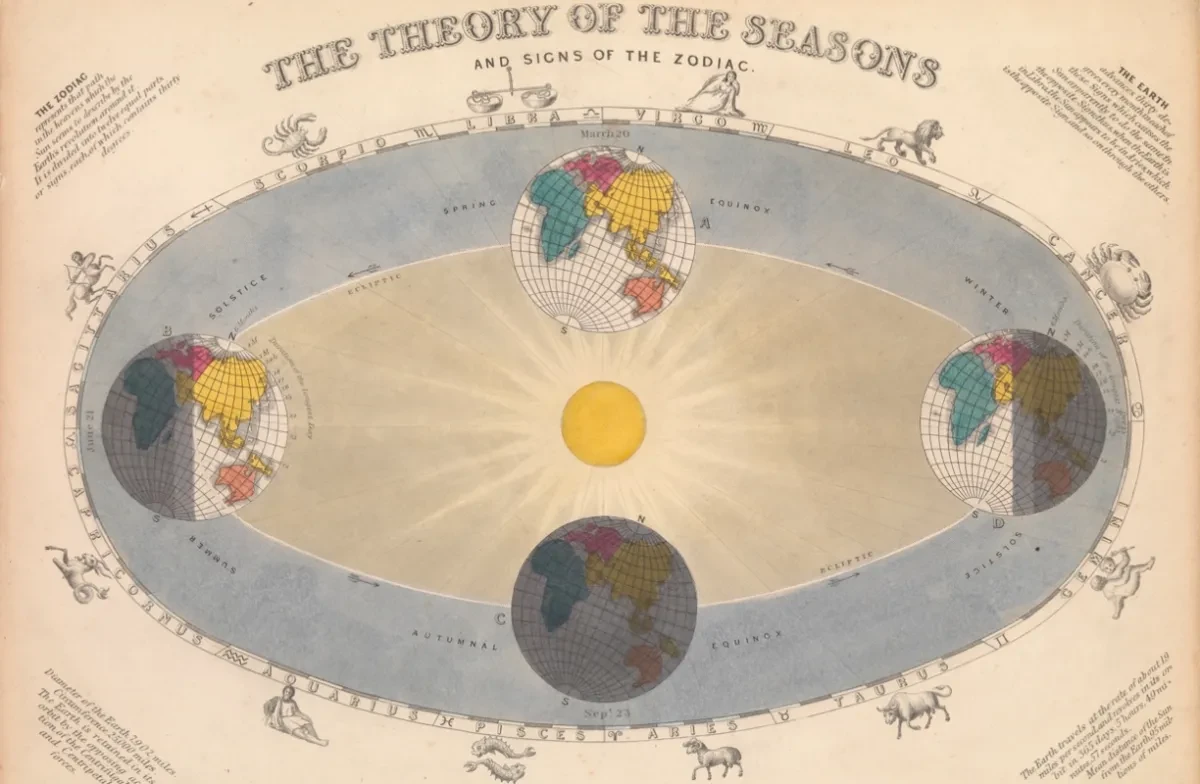
Astronomical spring: the spring equinox
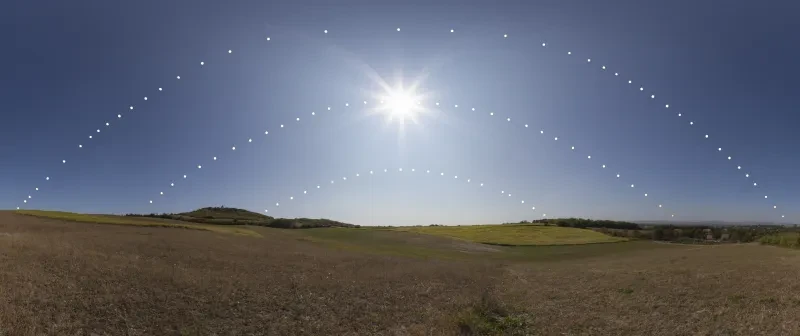
Astronomical definitions of the seasons are based on the equinoxes and solstices.
An equinox is either of the two occasions in the year when the centre of the Sun is directly above the equator, and day and night are approximately equal in length. Equinoxes are midway between the solstices, the longest and shortest days.
The word equinox is derived from the Latin 'equi', meaning equal, and 'nox', meaning night.
Therefore for us in Europe:
- Spring is deemed to start at the vernal/spring equinox (near 20 March)
- Summer at the summer solstice (near 21 June)
- Autumn at the autumnal equinox (near 23 September)
- Winter at the winter solstice (near 22 December).
In the Southern Hemisphere, the cycle is displaced by half a year.
Learn more about equinoxes and solstices
Image
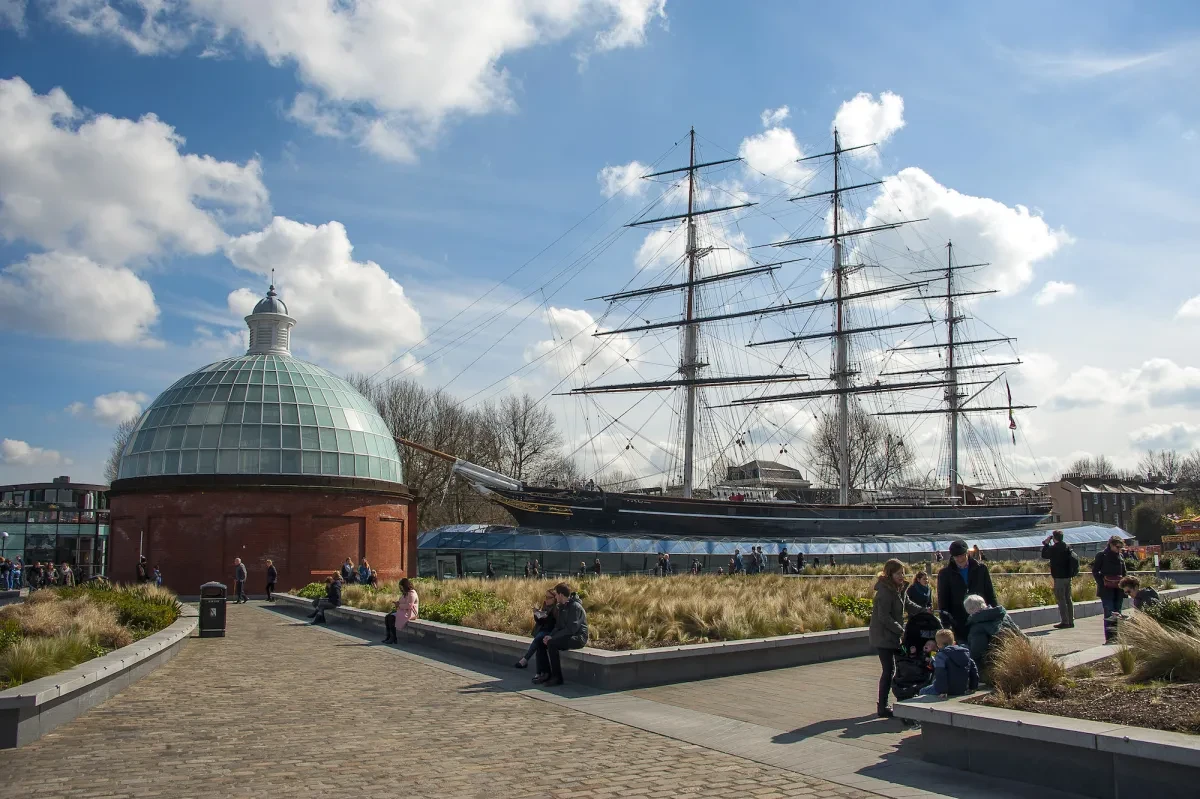
The spring months: meteorological spring
For most of the Northern Hemisphere, seasons are broken down into calendar months. The spring months are usually March, April and May, and so by this definition spring starts on 1 March and ends on 31 May.
This is because meteorologists tend to divide seasons into periods of three whole months based on average monthly temperatures.
Image
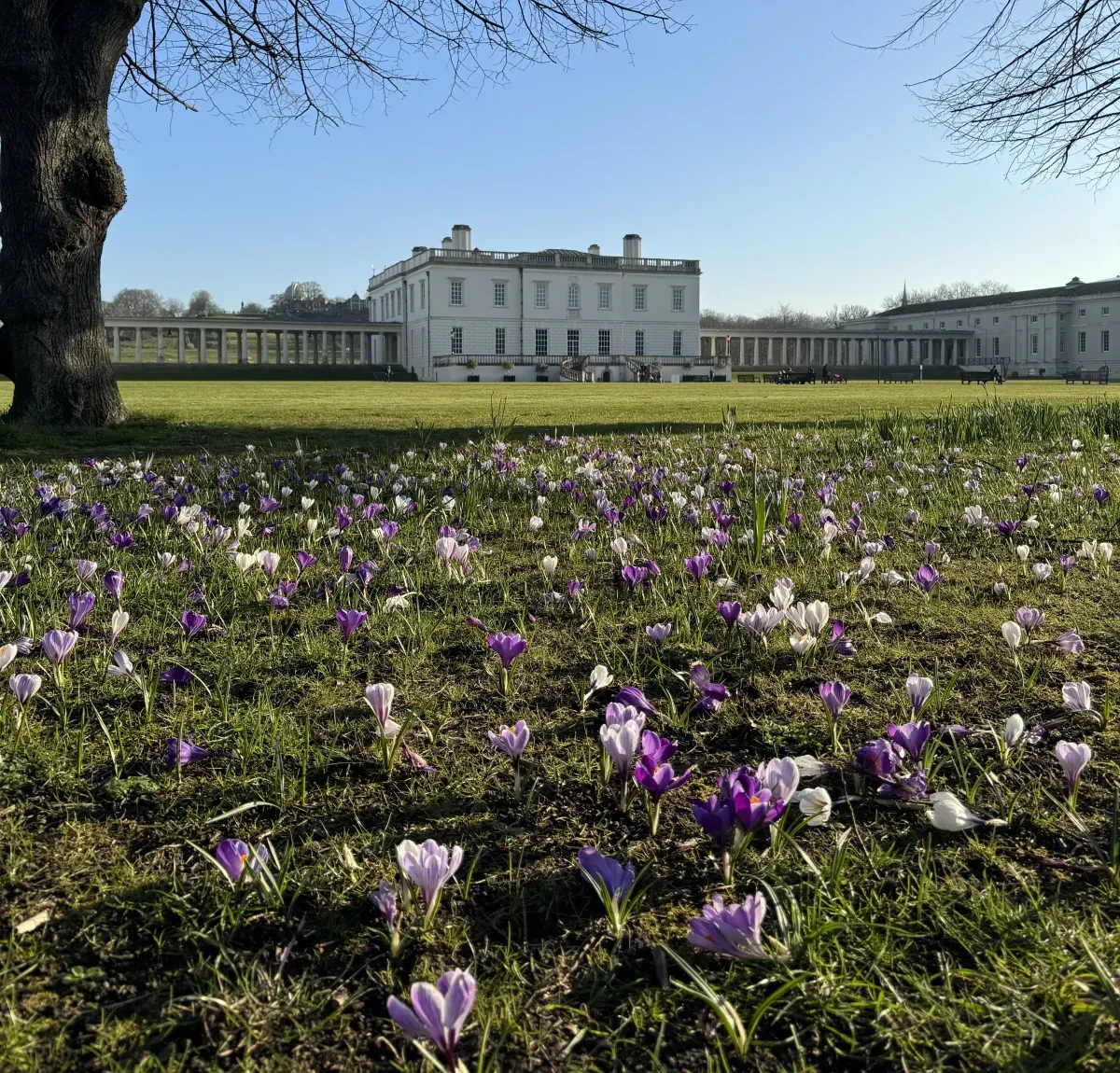
The phenological definition: behaviour of plants and animals
Some follow the ‘phenological’ definition of the start of spring. Phenology is the study of plant and animal life cycles and their relationship to climate and weather.
This definition says that spring starts, for example, when the first daffodil flowers or the first birds make their nests.
However, the dates of these events are not only extremely difficult to determine but also vary quite dramatically throughout the United Kingdom, let alone the rest of the world.
Seasons in the UK and elsewhere
In temperate latitudes such as the UK, the cycle of four seasons per year is a good representation of the weather pattern, but in other parts of the world this is not the case.
For example, in the polar regions there are effectively only two seasons: winter, when the Sun never rises, and summer, when it never sets.
In the tropics, there can be two wet and two dry seasons, both hot, each year.
In parts of East Asia the weather is dominated by the monsoons and there are three seasons: cool-dry, hot-dry and hot-wet.
We experience seasons because the plane of the Earth's orbit around the Sun is inclined to the plane of the Equator.
This means that the direction of the Sun's rays relative to the ground and the number of daylight hours change during the year, meaning the amount of solar energy received at different latitudes changes during the year.
Because they are well-defined dates, the equinoxes and solstices are easy to follow, although just as many people prefer the simple use of three calendar months for each season.
Got a spring in your step?



Header image: daffodils in front of the Queen's House in Greenwich.