
NASA's Artemis missions aim to land humans on the Moon again, explore the lunar surface, build a lunar space station and lay the groundwork for sending astronauts to Mars.
Find out more about this groundbreaking new era in space exploration.
Jump to
What is the Artemis programme?
The Artemis programme is a series of ongoing lunar missions run by NASA.
One Artemis mission has already been completed: in late 2022 Artemis 1, an uncrewed test flight, orbited and flew beyond the Moon.
Artemis 2 finished on 10 April 2026. This was a crewed test flight beyond the Moon, which took humans the farthest they’ve ever been in space.
The next missions are currently in preparation:
- Artemis 3 will be a crewed demonstration mission in low Earth orbit to test one or both of the lunar landers being made by commercial partners.
- Artemis 4 will be the first crewed moon landing mission since Apollo 17 in 1972. Astronauts will do scientific studies on the Moon before returning to Earth.
- Artemis 5 will land another two astronauts on the Moon's surface and begin building a Moon base.
NASA is aiming to launch future missions around once a year following Artemis 5.
NASA's long-term goals are even more ambitious: using the technology and research developed during the Artemis flights, the space agency intends to launch a future crewed mission to Mars.
This 'Moon to Mars' plan also involves establishing a habitable Moon base.
Never miss a shooting star
Sign up to our space newsletter for exclusive astronomy highlights, night sky guides and out-of-this-world events.
Why is the programme called Artemis?
Artemis is the mythological Greek goddess of the Moon – and twin sister of Apollo. The name is intended to link this programme with the Apollo missions that first landed humans on the Moon over 50 years ago.
The crewed spacecraft, meanwhile, is called Orion. Orion is the name of one of the most recognisable constellations in the sky. In Classical mythology, Orion is the hunting companion of Artemis.
Duration: 2017–present
Launch vehicles: Space Launch System (SLS); Commercial launch vehicles
Crew modules: Orion, Human Landing System (HLS)
Launch dates:
- Artemis 1: After being delayed four times, Artemis 1 launched on Wednesday 16 November 2022 at 1:47am EST (6:47am GMT)
- Artemis 2: Artemis 2 successfully launched on 1 April 2026 at 6.35pm EDT (11.35pm BST), after being delayed from February and March 2026
- Artemis 3: Late 2027
- Artemis 4: Early 2028
- Artemis 5: Late 2028
Why is NASA going back to the Moon?
NASA is not simply aiming to repeat the feats of the Apollo missions with Artemis. Instead, its goal is to go to the Moon 'and stay there'.
NASA initially aimed to establish bases both in lunar orbit and on the Moon's surface – though the orbital base has since been shelved. The primary goal for the short term is returning humans to the Moon.
Key NASA mission objectives include:
- Technology: from rockets to spacesuits, the technologies currently being developed are designed to pave the way for future deep-space missions.
- Partnerships: the Artemis programme is one of NASA's first large-scale collaborations with commercial companies such as SpaceX and Boeing.
- Long-term presence: where the Apollo 17 crew spent three days on the lunar surface, Artemis aims to establish a base to extend the trips to weeks and possibly months.
- Knowledge: as more is known about the Moon compared with 50 years ago (and technologies have greatly advanced), NASA claims that this next series of missions will be able to retrieve samples more strategically than during the Apollo era.
- Resources: the discovery of water on the Moon and potential deposits of rare minerals hold promise for both scientific and economic exploration and exploitation.
- Competition: NASA is aiming to put humans back on the Moon ahead of China, who are planning to make a human moon landing by 2030 as part of the Chinese Lunar Exploration Programme (also known as the Chang'e Project).
- Equality: an original goal of the programme, which was removed under the Trump administration, was to land the first woman and first person of colour on the lunar surface.
How will NASA get back to the Moon?
There are four main components to the Artemis Moon missions. These include:
Space Launch System (SLS)
The Space Launch System is the launcher that will carry astronauts beyond Earth's atmosphere and into space. This super heavy-lift rocket is taller than the Statue of Liberty at 322ft. The SLS is one of the most powerful rockets in the world – 15% more powerful than the original Saturn V launcher that first took astronauts to the Moon.
Orion spacecraft
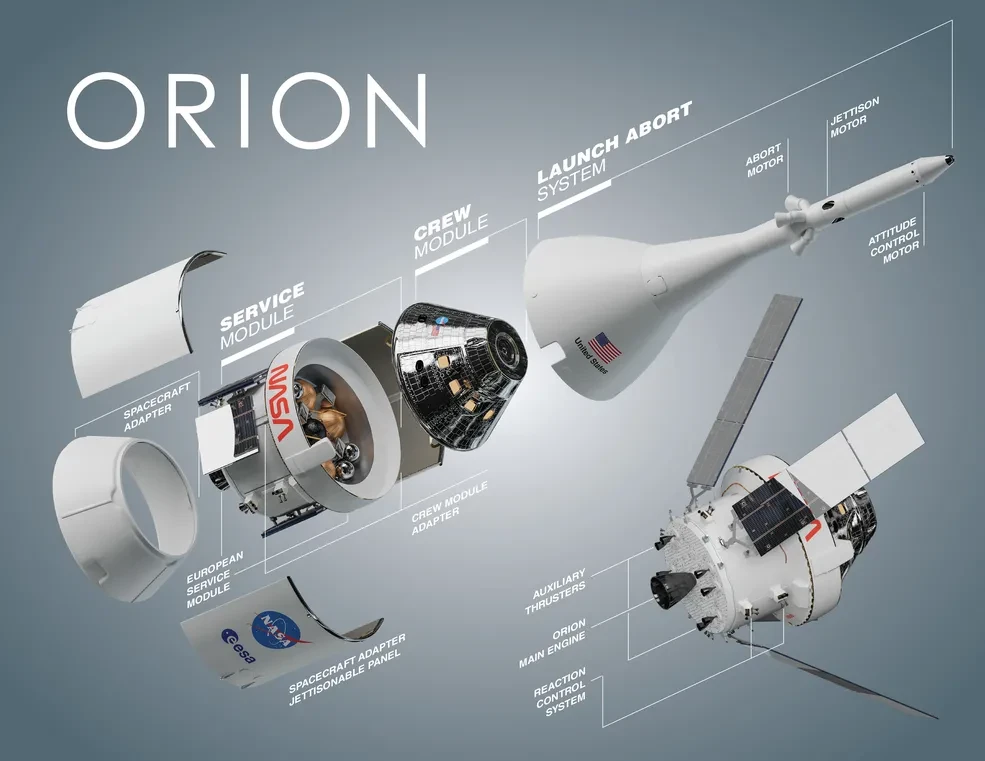
Equipped with life support systems and shuttle interfaces, Orion is the command module that will transport the astronauts through space.
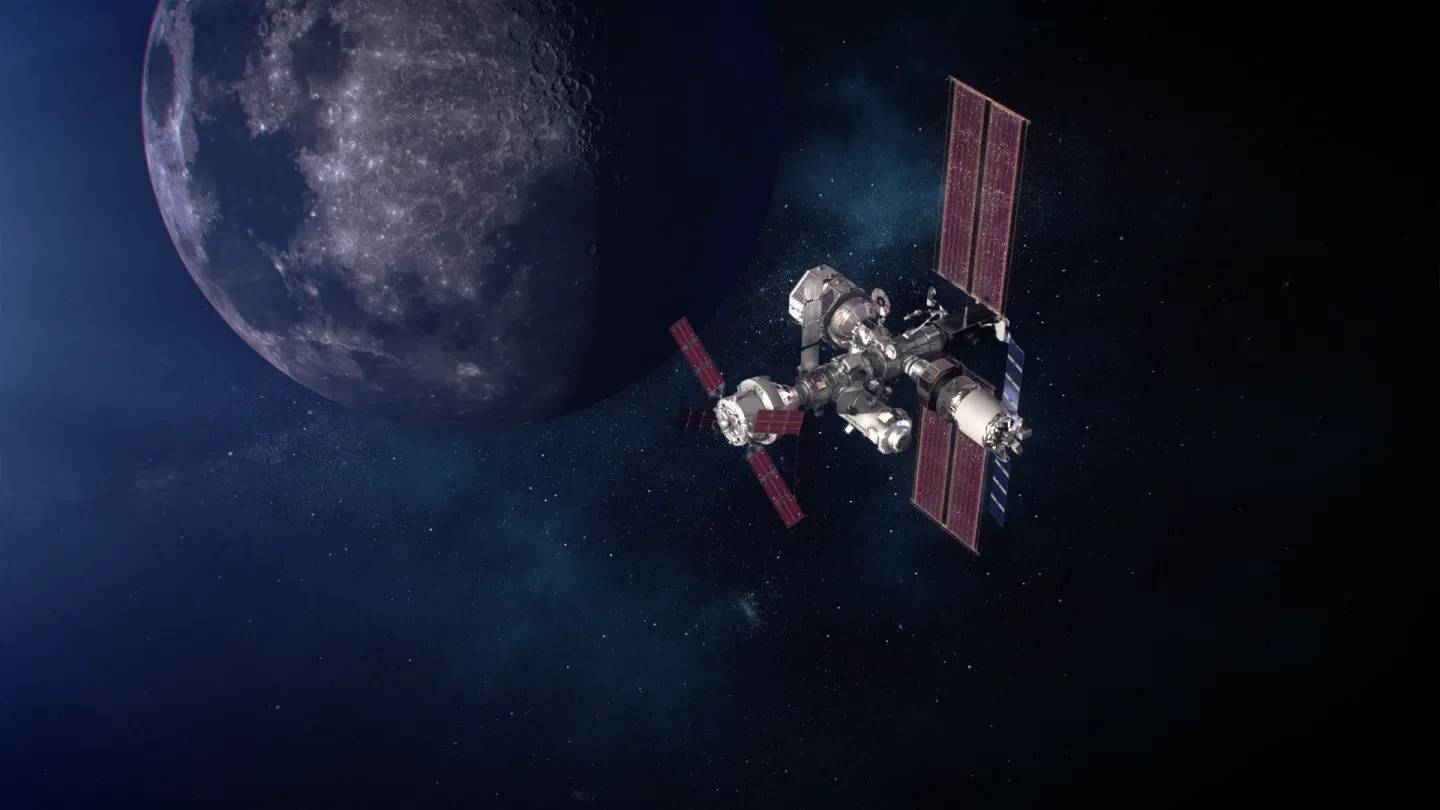
Lunar Gateway (cancelled)
In March 2026, NASA shelved plans to make 'Lunar Gateway', a small space station that would have orbited the Moon. It was designed to be a flexible platform for missions to the Moon and beyond.
The original plan was for the Orion module to dock with Gateway, and from there the astronauts would transfer into the lunar landing module.
NASA will instead prioritise building a base on the Moon - with more details to be announced.
Human Landing System (HLS)
The Human Landing System will carry cargo and humans to the Moon's surface. NASA has contracted commercial companies to develop Human Landing Systems (HLS) and a series of other vehicles for robotics and cargo.
While Apollo's Lunar Module was designed to be used for one return journey to the Moon's surface, the landing systems for the Artemis missions are planned for use across multiple missions.
SpaceX and Blue Origin are both developing separate Human Landing Systems for Artemis 3 and 4. SpaceX will make a lunar version of its Starship rocket.
Before either lunar lander can be used on a real mission and human crew are allowed on board, SpaceX and Blue Origin must perform at least one demo showing they can land safely on the lunar surface. When one of the landers has passed all the rigorous safety tests, it will be ready for use on a crewed mission.
Will going to the Moon help humans land on Mars?
While the journey to the Moon takes three days, reaching Mars is a far longer and more complicated goal. NASA sees Artemis as laying the foundation for both international space agencies and private companies to build a lunar settlement and economy, and from there eventually send humans to Mars.
Who will be part of the Artemis crew?
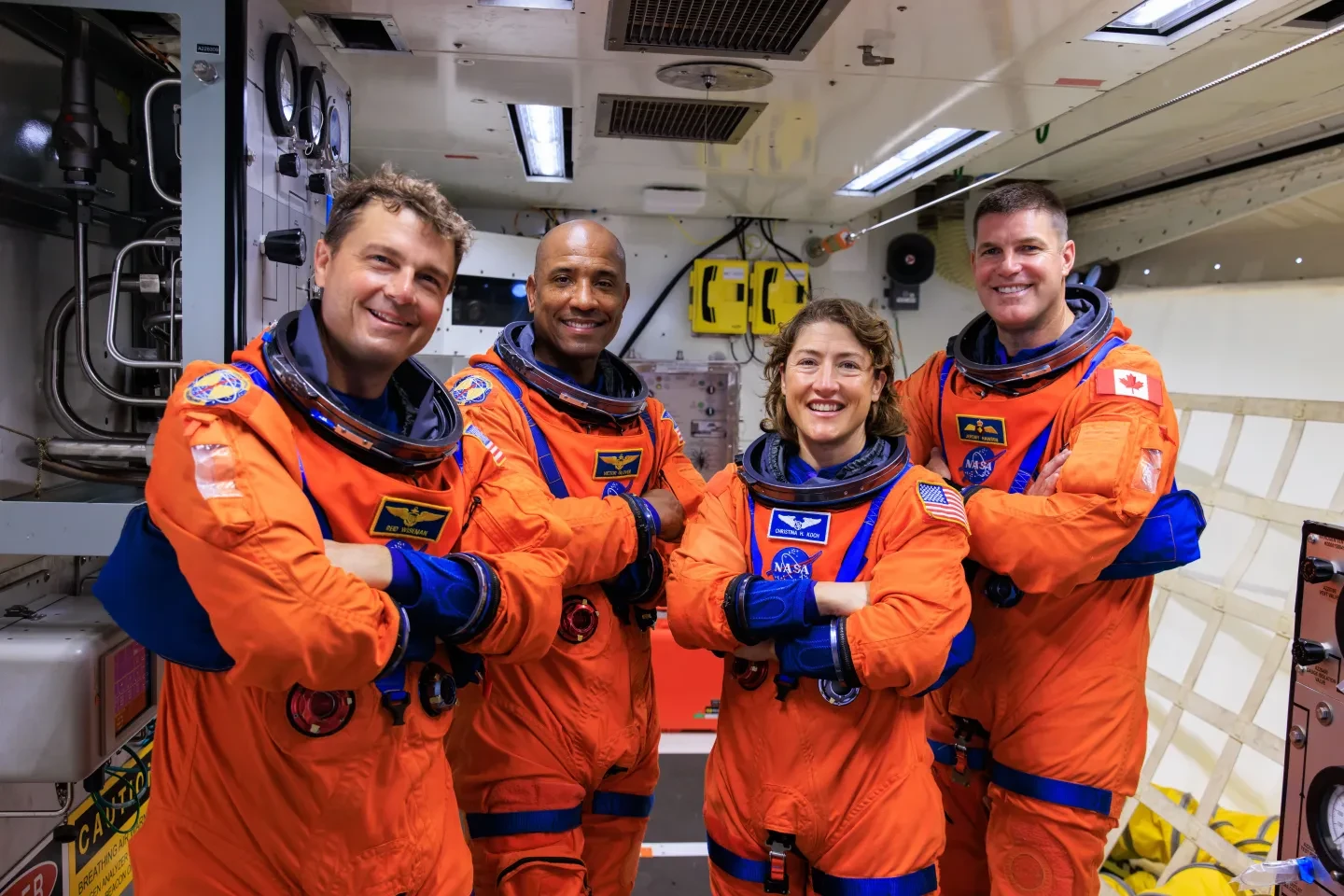
Artemis 2 crew were:
- Christina Koch, mission specialist
- Jeremy Hansen, mission specialist
- Reid Wiseman, commander
- Victor Glover, pilot
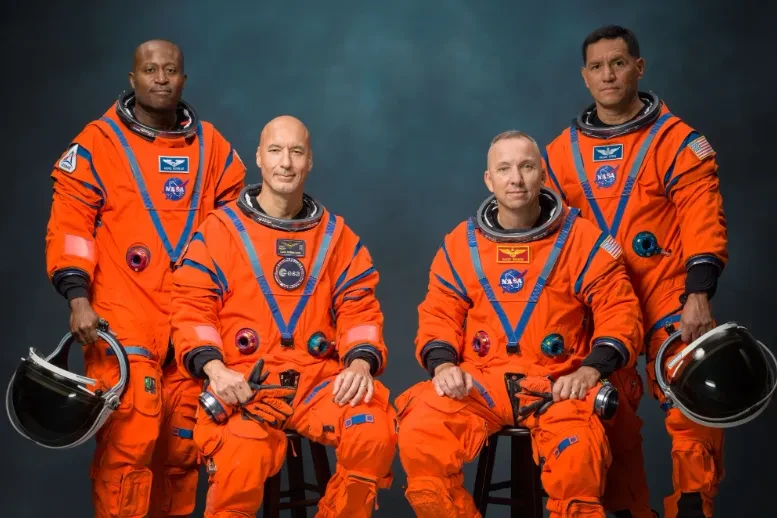
Artemis 3 crew will be:
- Randy Bresnik, commander (NASA)
- Luca Parmitano, pilot (ESA)
- Andre Douglas, mission specialist (NASA)
- Frank Rubio, mission specialist (NASA)
The crew who will be flying on future Artemis missions are yet to be announced.
Artemis 1
This uncrewed mission took place in November and December 2022, and was an extensive test of the Space Launch System (SLS) and the Orion module.
Artemis 1's journey took it 450,000 km to the Moon, where it orbited 130 km above the lunar surface, before continuing approximately 64,373 km beyond into deep space. After a mission length of 25.5 days, the module splashed down in the Pacific Ocean near California on 11 December.
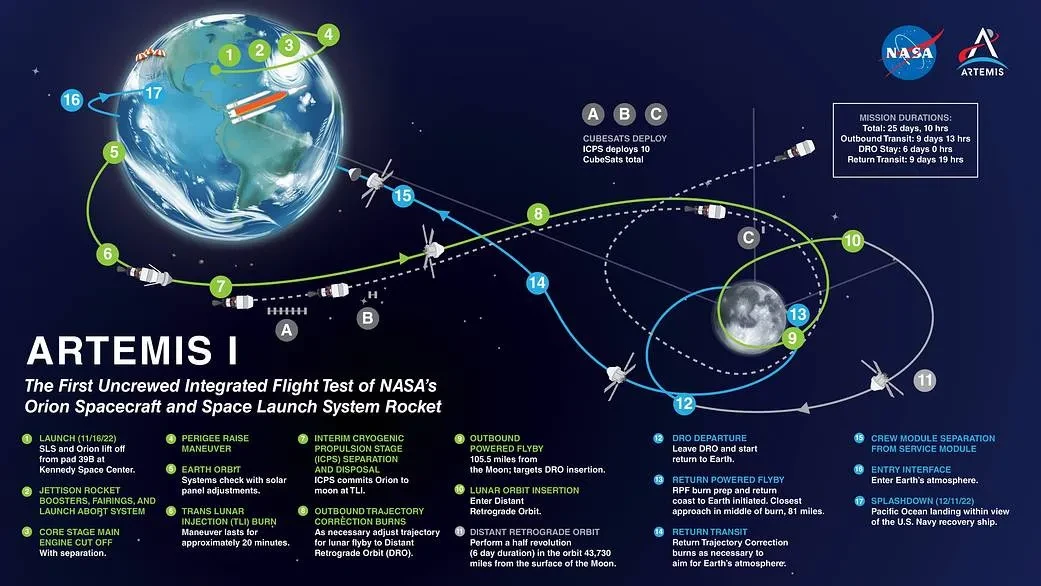
On board were a range of science and technology experiments that took place in deep space. These were designed to expand lunar knowledge, make further technological developments, and shed light on deep space radiation.
Also on board were three 'Moonikins': mannequins wearing the First-Generation Orion Crew Survival System spacesuit, which the real astronauts will wear on Artemis 2 and 3. Sensors on the Moonikins provided crucial data on what human crew members may experience during flight.
What happened during the Artemis 1 mission?
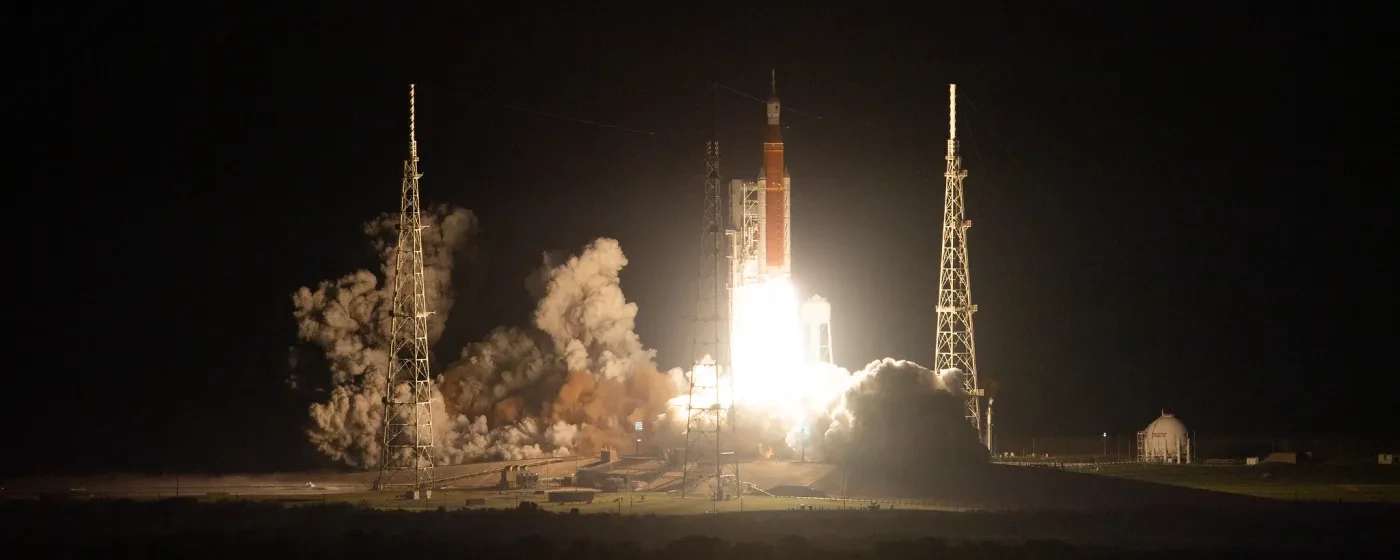
Following four cancelled launch attempts due to engine issues and tropical storms, Artemis 1 successfully launched from the Kennedy Space Center at 1.47am EST (6.47am GMT) on 16 November 2022.
The Space Launch System generated 8.8 million pounds of thrust on liftoff, making it 1.3 million pounds more powerful than the Saturn V rocket used in the Apollo missions.
Watch the moment Artemis 1 took off below.
On day 6 of its mission, Orion reached and performed a flyby of the Moon, flying approximately 130 kilometres above its surface.
The spacecraft performed an engine burn to enter 'Distant Retrograde Lunar Orbit' on day 10. This was called 'distant' as the craft flew at a high altitude from the lunar surface, and 'retrograde' because it flew around the Moon in the opposite direction the Moon travels around Earth.
On 26 November (day 11), Orion broke the record for the farthest distance travelled by a spacecraft designed to carry humans into space and back. The record was previously held by Apollo 13, which travelled 400,171 km away. Orion reached a max distance of 432,210 km from Earth on day 13, as part of its lunar orbit.
Another burn was performed on day 16 to exit distant retrograde lunar orbit, sending Orion back towards the Moon, where it performed another flyby approximately 128 km above the Moon's surface. Orion then used the Moon’s gravity to slingshot back toward Earth, and landed in the Pacific Ocean on 11 December.
Artemis 1 successfully proved that the SLS, Orion and the systems on Earth for communications and recovery are capable of safely flying real astronauts to the Moon and back.
1 / 6
Artemis 1 launches from the Kennedy Space Centre at 1:47am EST (6:47am GMT) on 16 November 2022 | Image credit NASA
2 / 6
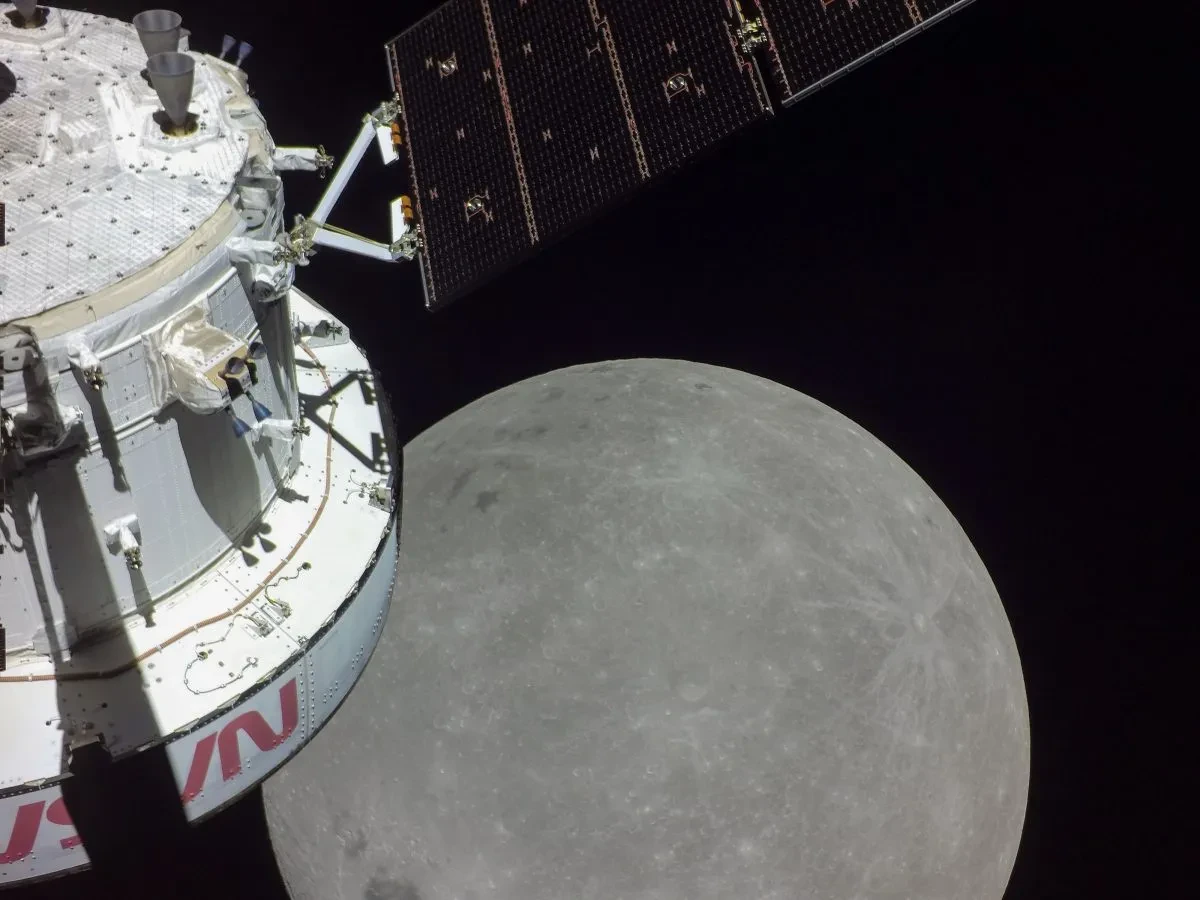
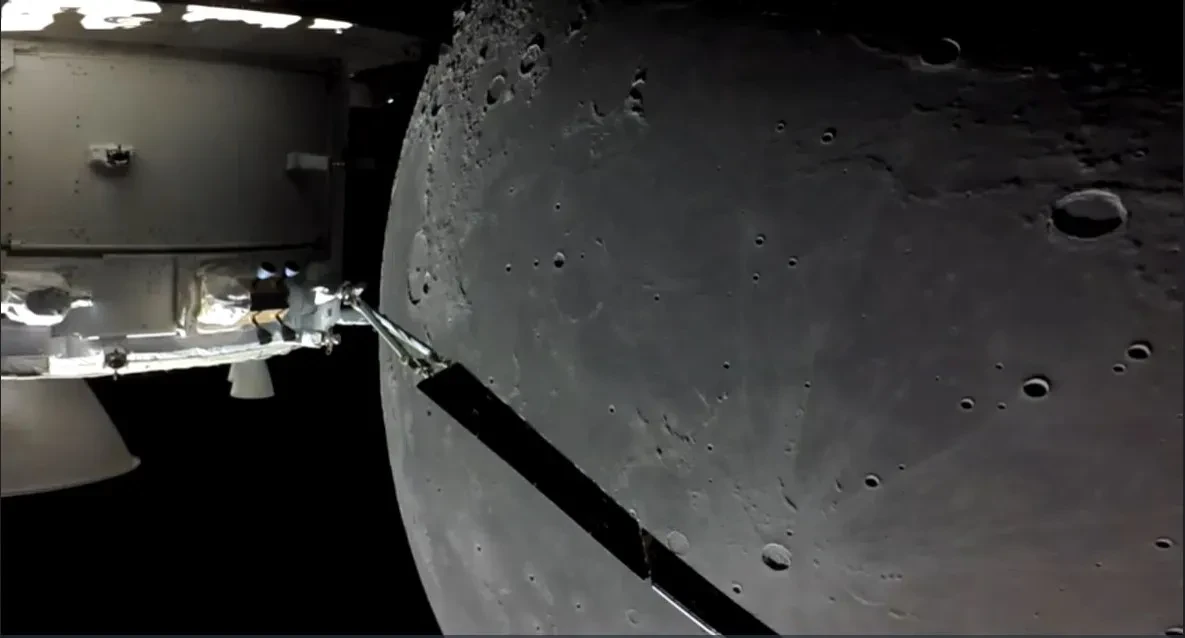
A portion of the far side of the Moon as photographed by the Orion spacecraft on 21 November | Image credit: NASA.
3 / 6
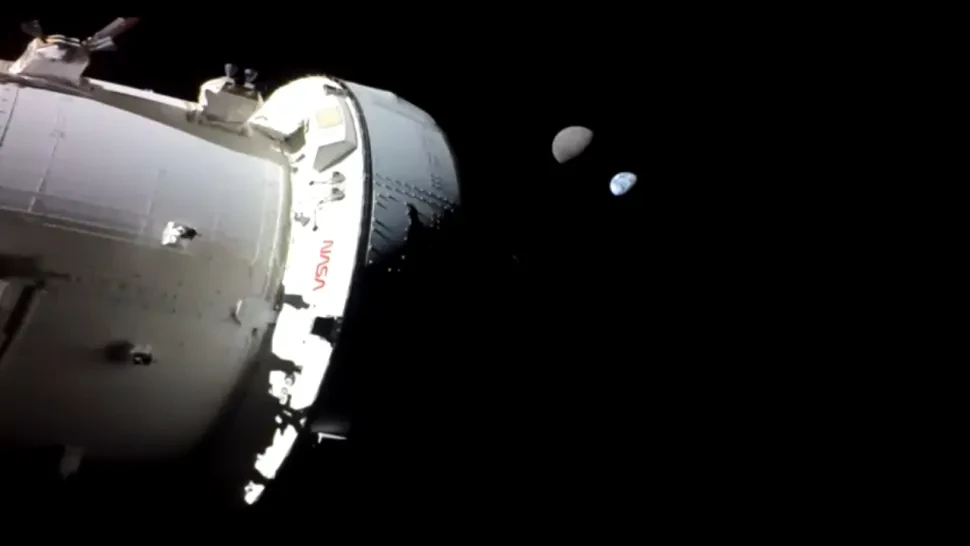
The Orion spacecraft photographs Earth and the Moon using a camera on one of its solar arrays during an Artemis 1 livestream on Nov. 28, 2022.
4 / 6
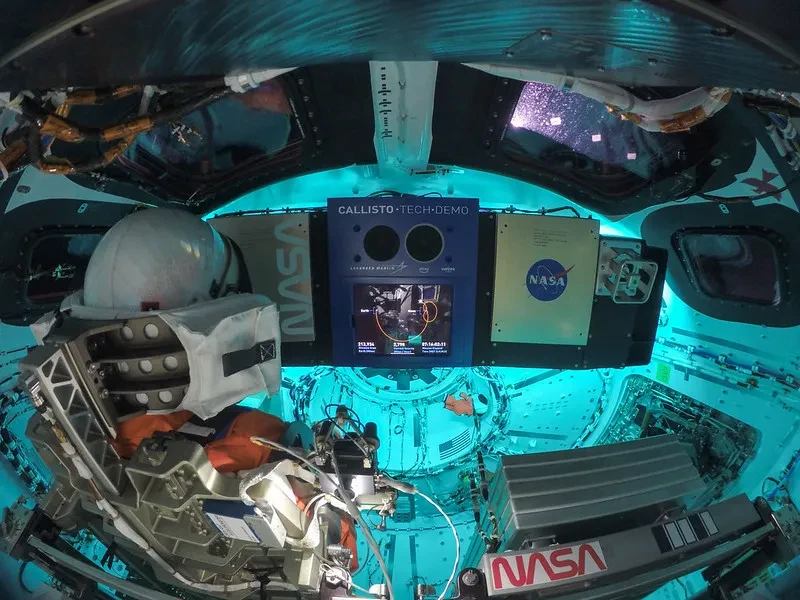
The interior of the Orion capsule. A Moonikin is visible on the left wearing the spacesuit the real astronauts will wear on later Artemis missions.
Sensors were placed all over the Moonikin's body to collect valuable data about what the astronauts' bodies will be subjected to during the flight.
Snoopy is just about visible floating around the capsule wearing an identical orange spacesuit!
5 / 6
The Orion capsule making a close lunar flyby on its return journey, coming within around 128 km of the lunar surface | Credits: NASA
The spacecraft used the Moon's gravity to slingshot itself back to Earth.
6 / 6
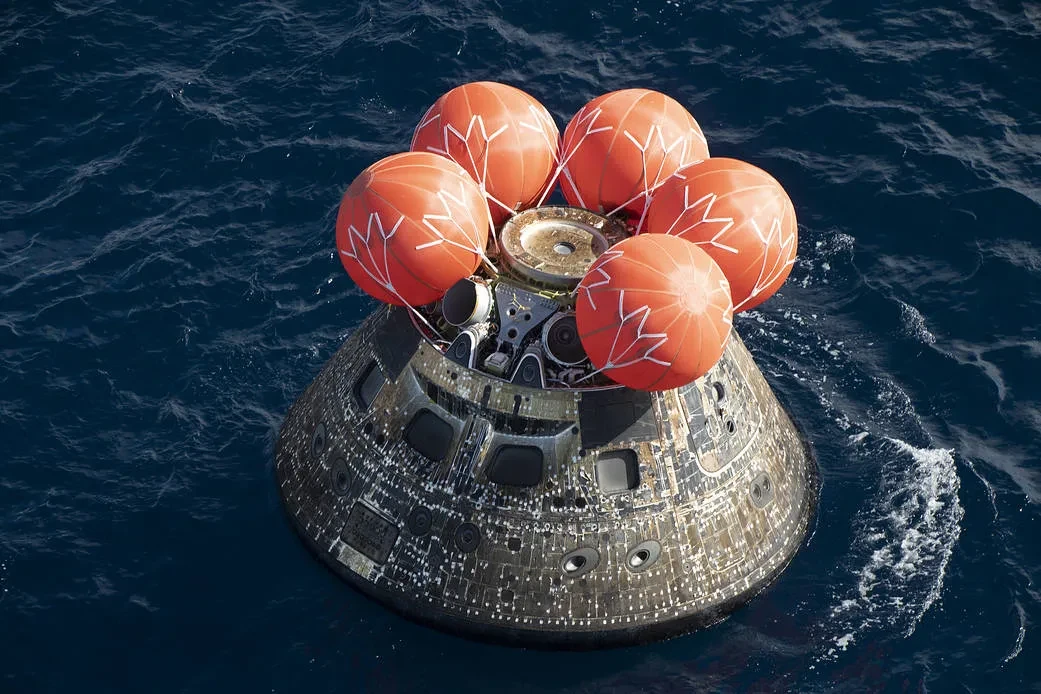
The Orion spacecraft successfully splashed down in the Pacific Ocean at 12:40pm EST on December 11 2022, marking the end of its 25.5 day mission.
The capsule was promptly picked up by search and rescue teams.
Artemis 2
Artemis 2 was a pioneering crewed spaceflight for the Artemis programme, taking humans farther than they've ever been in space.
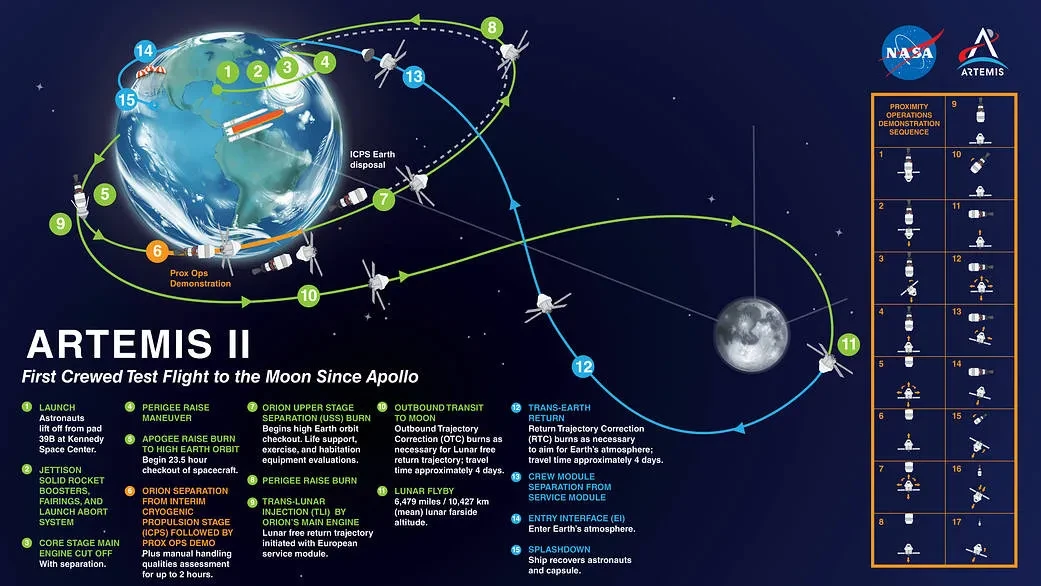
On this 10-day mission, the four-person crew circled around Earth for a few days before beginning the 240,000-mile journey to the Moon. Once there, they looped around the Moon, reaching about 4,600 miles beyond it, before making the journey home to splash down in the Pacific Ocean.
The mission was a crucial test of the technology needed to return humans to the lunar surface, from the launch system to the crew’s spacesuits and the Orion spacecraft.
Artemis 2 faced multiple delays. NASA's original plans targeted launch in November 2024, which was initially delayed until September 2025. This was reforecast for early 2026, but launches were called off in both February and March 2026 due to hydrogen leaks and other problems.
Artemis 2 launched on 1 April 2026 at 6.35pm Eastern Time (11.35pm British Summer Time).
On board were astronauts Christina Koch, Victor Glover, Reid Wiseman and Jeremy Hansen. They named their Orion capsule 'Integrity'.
Scroll down to see what happened on the successful Artemis 2 mission.
Day one (1 April) - three (3 April)
Artemis 2 launched from Cape Canaveral at 6.35pm ET under clear blue skies. Any issues that might have caused a launch scrub were quickly resolved - including a problem with the toilet on Orion, which astronaut Christina Koch fixed.
Watch the moment Artemis 2 launched below:
After launch, the crew in Orion orbited Earth twice over the course of a day. Once everything was confirmed to be in order, the astronauts were ready to head to the Moon. They performed a 'translunar injection burn' which set them on a course to our closest neighbour.
Day four (4 April)
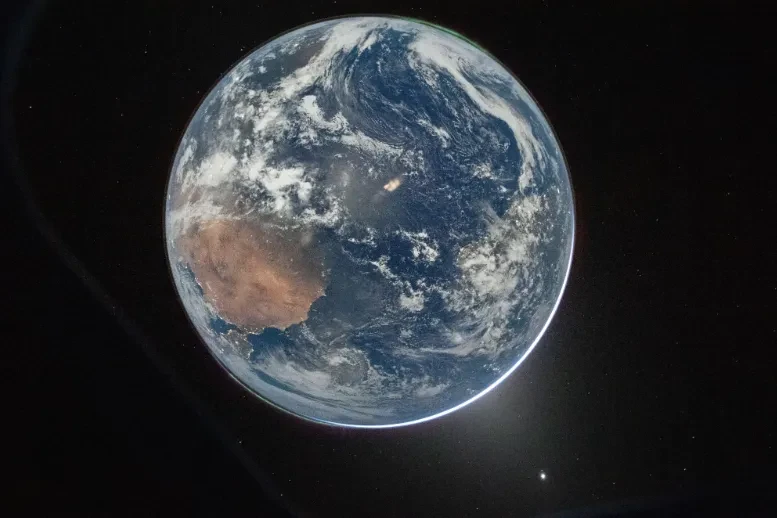
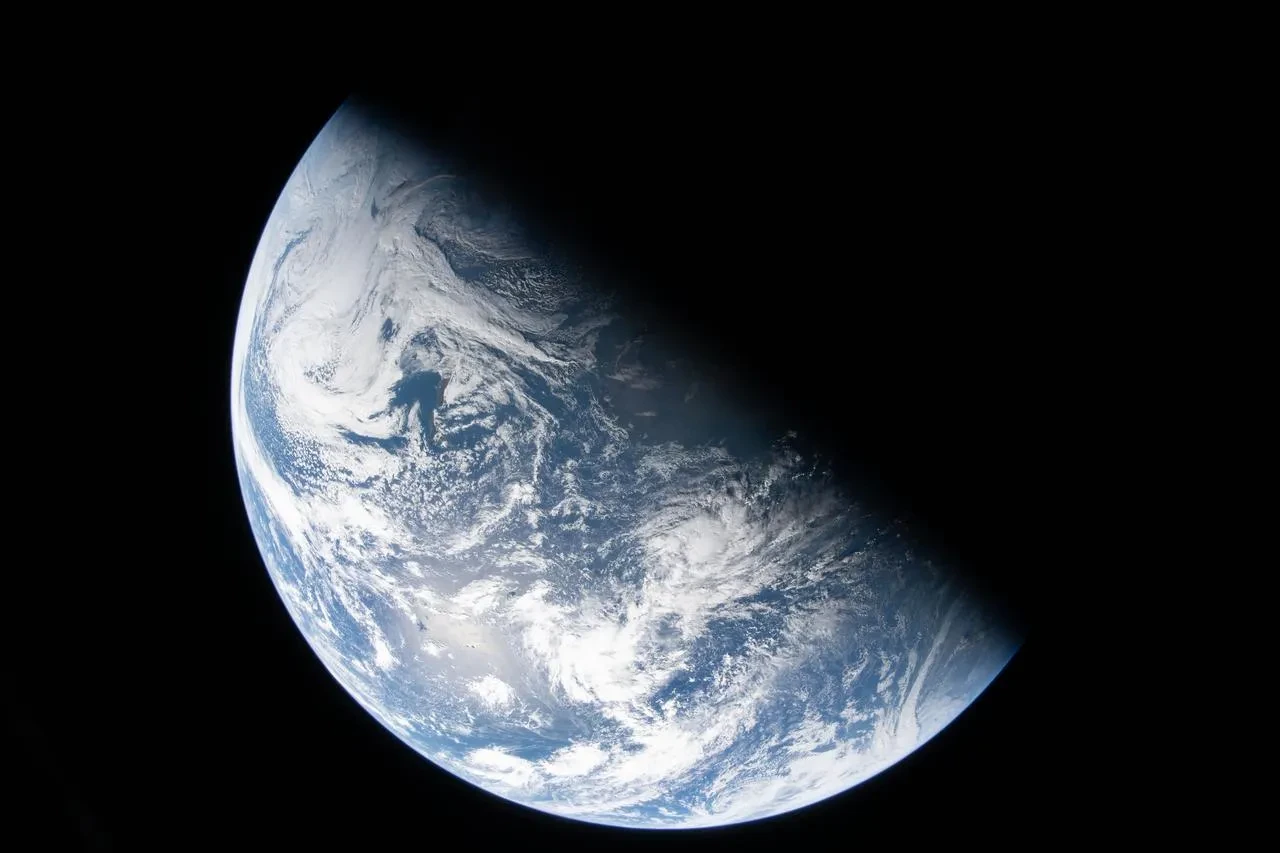
As they made their journey to the Moon, the astronauts had a golden opportunity to photograph Earth and the Moon from a unique vantage point.
Reid Wiseman snapped this incredible photo of Earth, with aurorae visible at both poles.
Day five (5 April)
Reaching an important milestone in their journey, the crew entered the Moon's gravitational pull, becoming the first people to enter lunar space since Apollo 17 in 1972.
Day six (6 April) - lunar flyby
The best part of the trip arrived: Orion's swing around the far side of the Moon, which took seven hours.
During the flyby the crew became the first people to see some parts of the far side of the Moon with their own eyes.
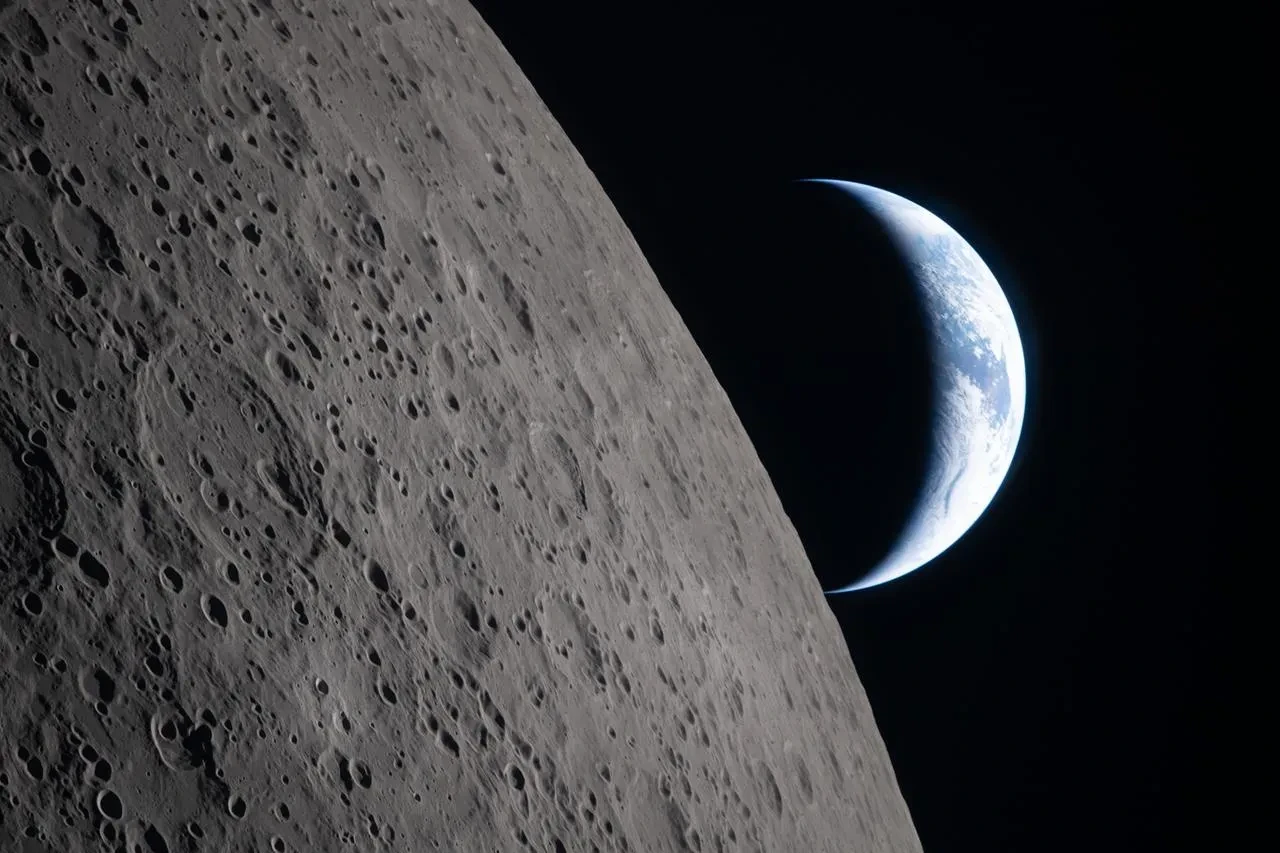
The astronauts took turns taking photos out of the windows, snapping incredible photos of Earth and the Moon, as well as close-ups of the lunar surface.
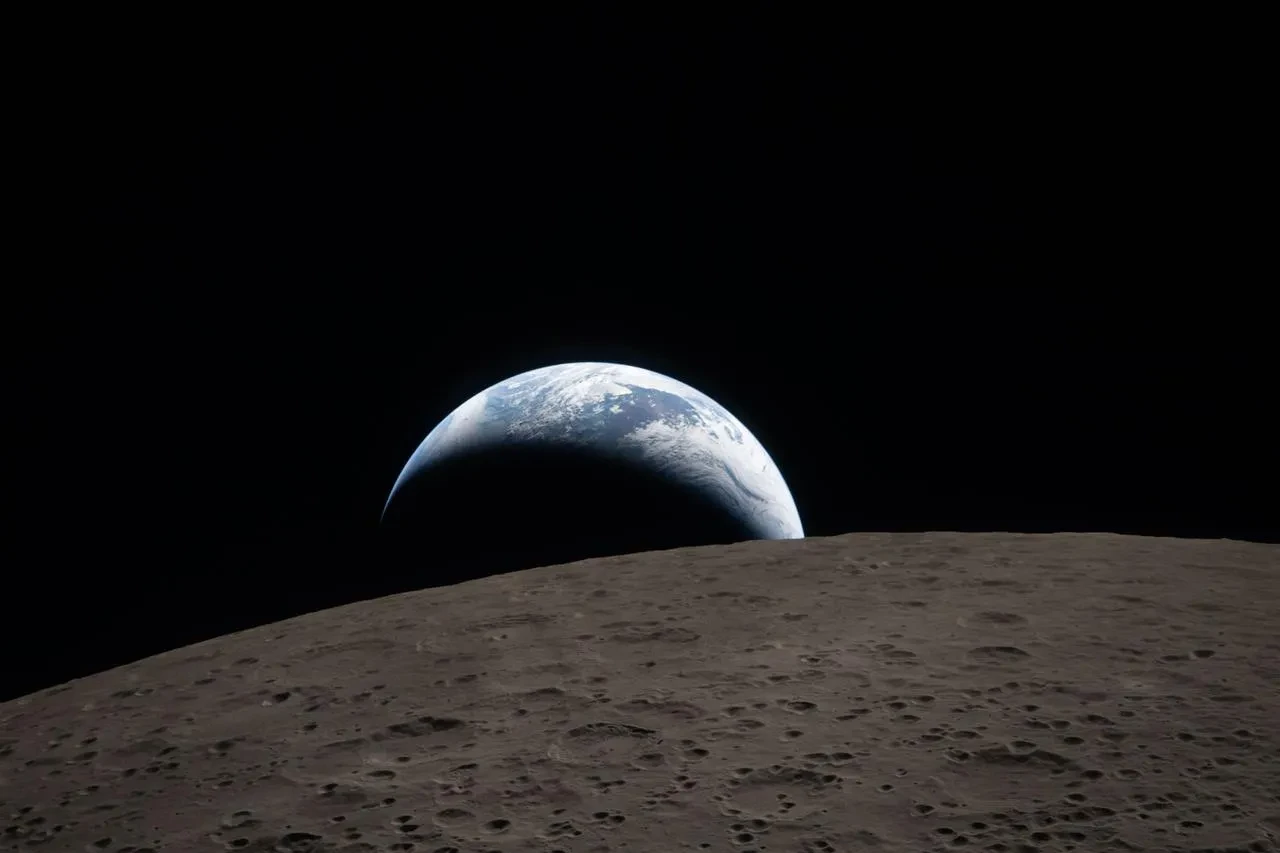
They also became the people who have travelled the farthest from Earth in human history - reaching 252,756 miles away. This broke the record set by Apollo 13 astronauts.
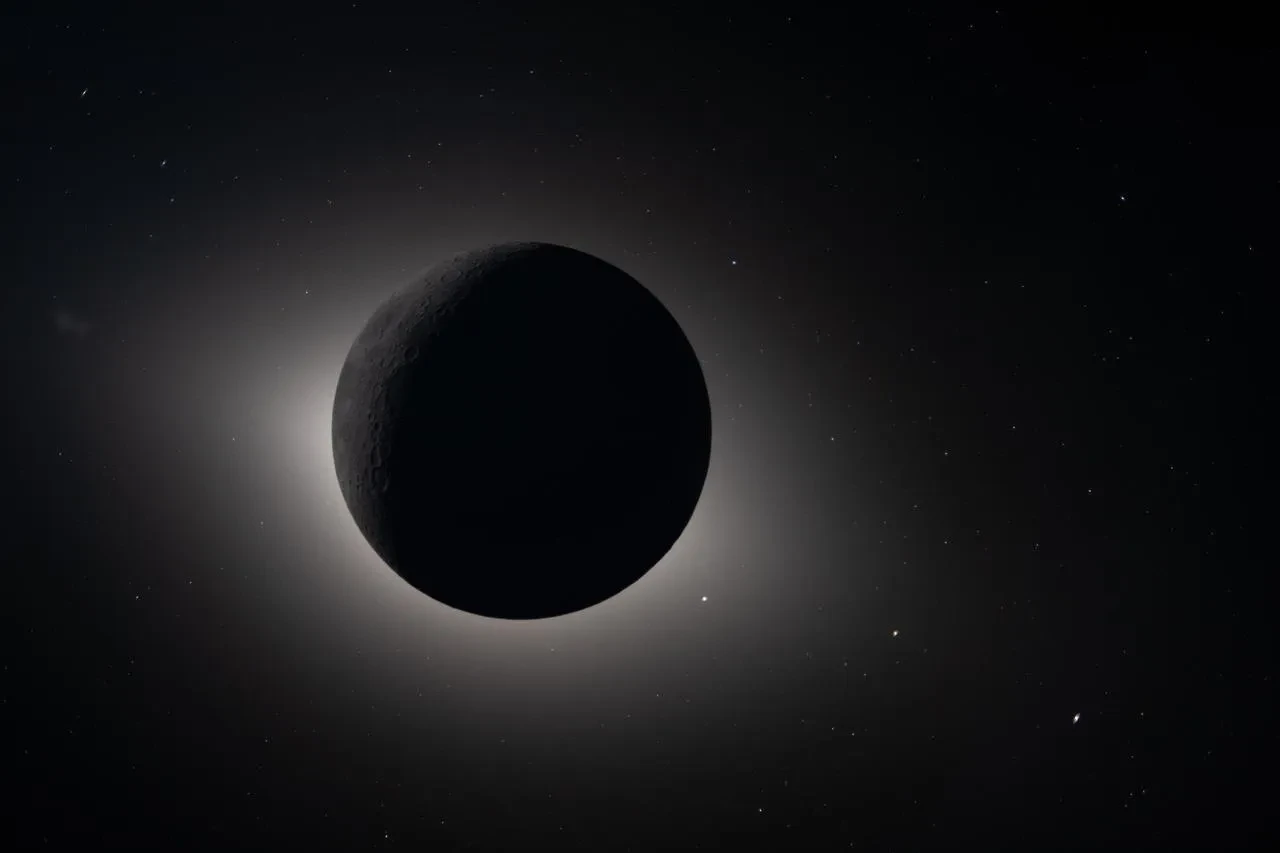
Artemis 2 crew were treated to their very own solar eclipse. The Moon was large enough from their perspective to fully block the Sun for 54 minutes.
The astronauts spotted two new lunar craters. They asked NASA permission to name one 'Carroll' in honour of Artemis astronaut Reid Wiseman's late wife, who passed away in 2020. They also asked permission to name the other 'Integrity', the name they chose for their Orion spacecraft.
Day seven (7 April) - nine (9 April)
The astronauts made the long journey back from the Moon, preparing the capsule for reentry and splashdown.
The end of the mission - 10 April
The astronauts splashed down in the Pacific Ocean on 10 April at around 8.07pm Eastern Time (1.07am BST on 11 April).
You can watch back the live stream of the astronauts' reentry here via the official NASA channel:
Photos from Artemis 2
Photos from Artemis 2
1 / 6
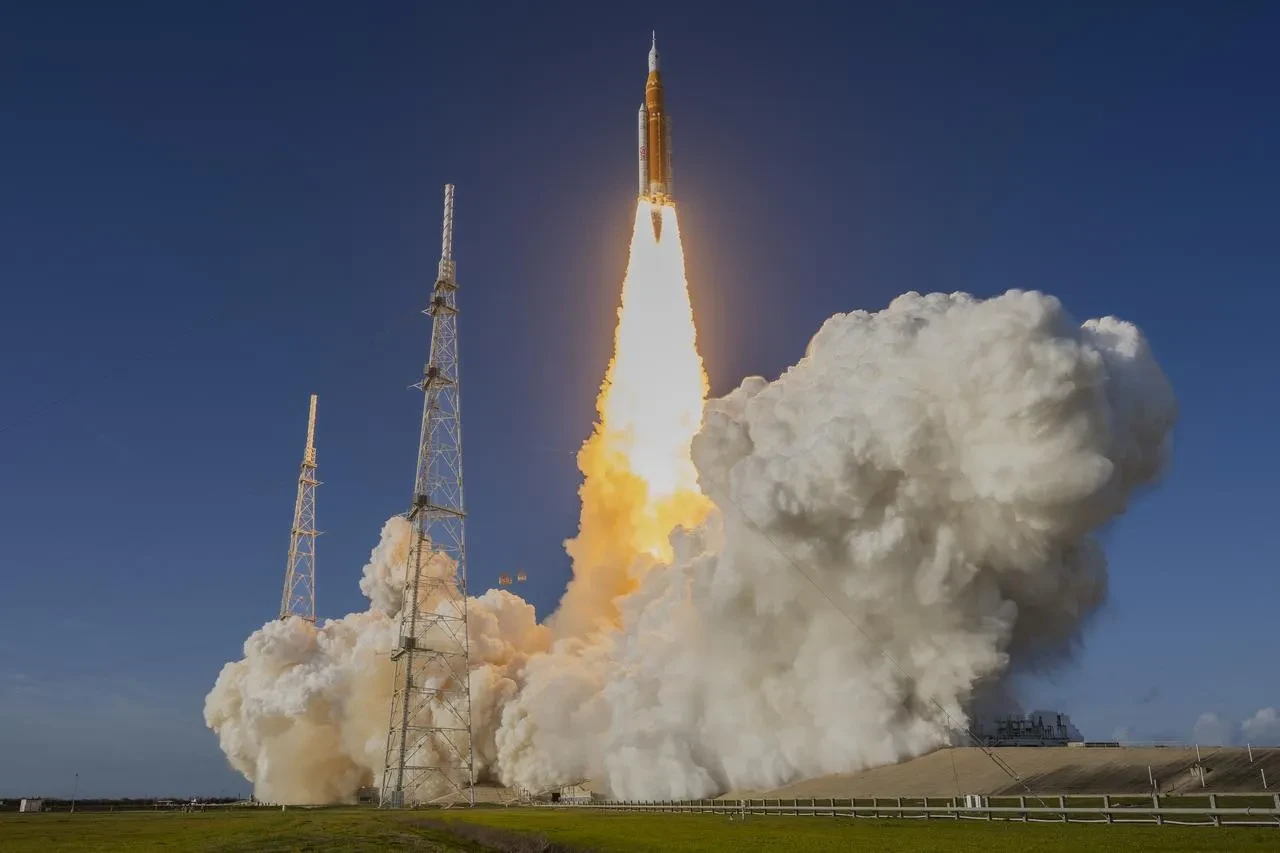
Artemis 2 launching from Cape Canaveral
Photo by NASA/Jim Ross
2 / 6
Earth as seen from Orion
3 / 6
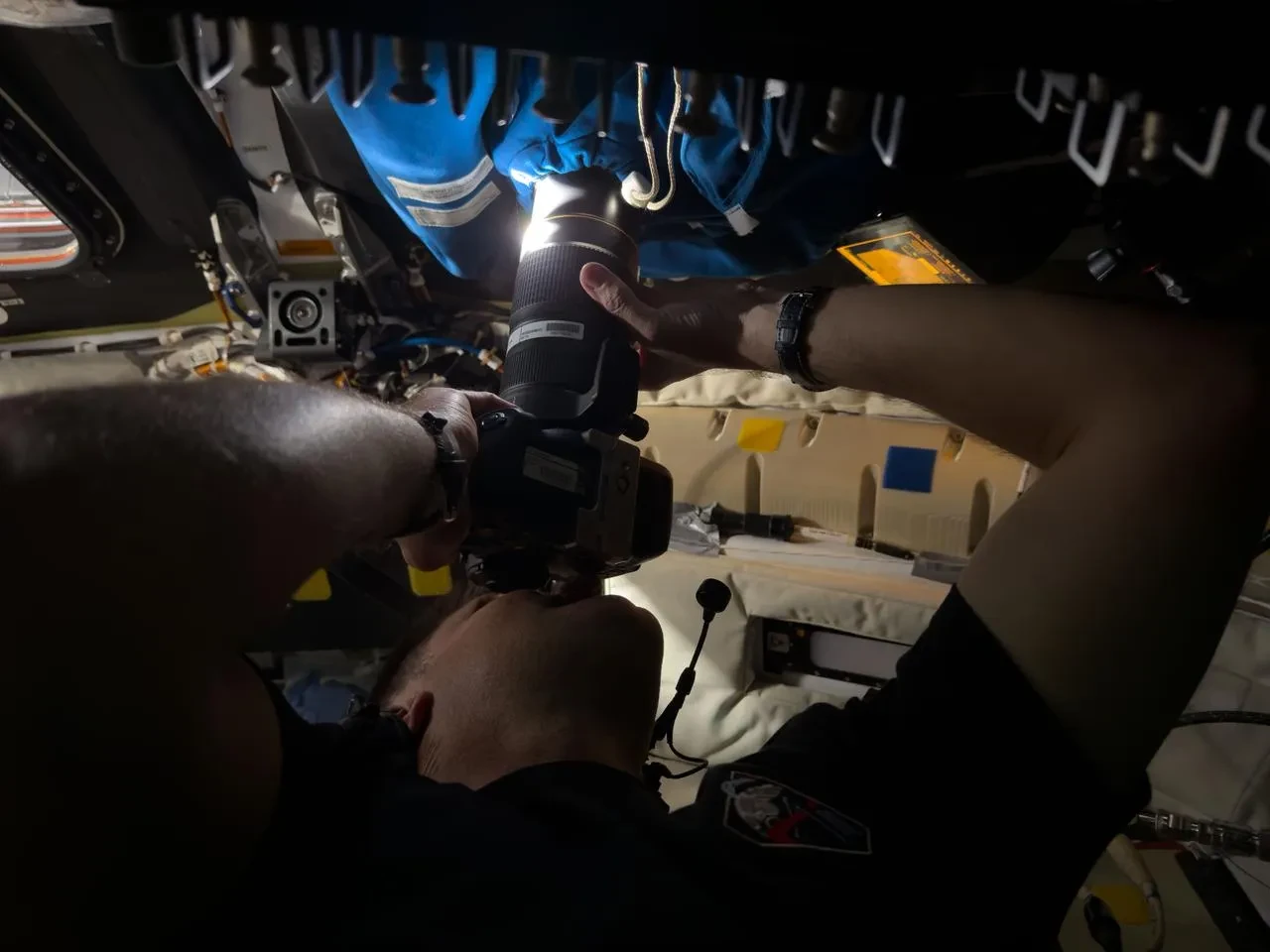
Jeremy Hansen taking photographs out the window of Orion
The astronauts poke the camera lens through a hole in a curtain covering the window of the Orion spacecraft. This stops light from the spacecraft reflecting on the windowpanes and spoiling the photos.
4 / 6
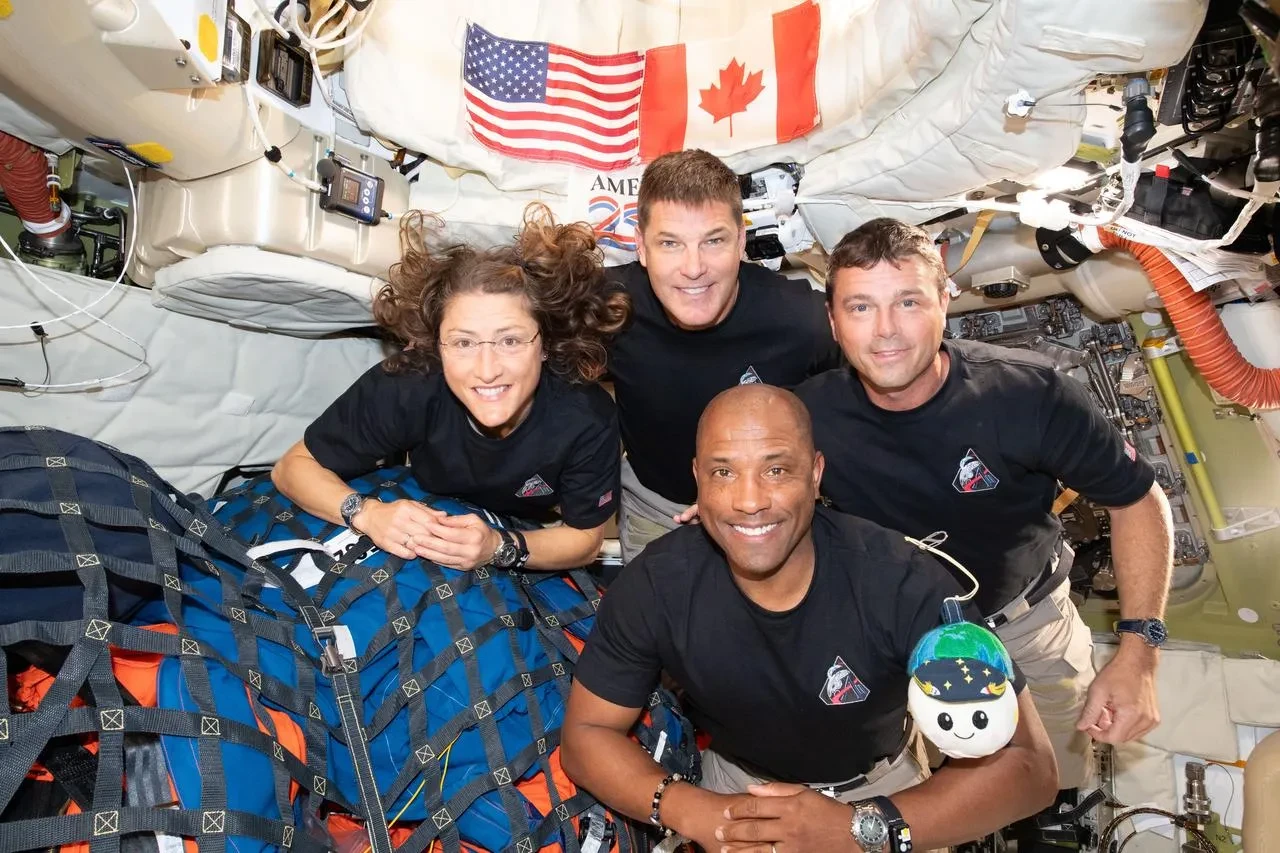
Artemis 2's crew
Christina Koch, Jeremy Hansen, Victor Glover and Reid Wiseman gather for a picture in zero gravity in the Orion capsule
5 / 6
The Moon and Earth photographed from Artemis 2
6 / 6
The lunar surface photographed from Artemis 2
The next Artemis missions
Artemis 3
The third Artemis mission was originally meant to feature the first human moon landing since Apollo 17 in 1972. However, an update to the programme's structure in late February 2026 changed Artemis 3 to another demonstration mission, with a human moon landing taking place during Artemis 4 instead.
Exact plans for Artemis 3 are to be confirmed, but the mission will involve testing the meeting and docking procedure with one or both of the lunar landers in development. One is being made by SpaceX and one by Blue Origin.
Artemis 3 will also be another opportunity to test the life support capabilities of Orion, its communication systems, and the new Extravehicular Activity space suits.
Artemis Programme Manager Jeremy Parsons said: "Artemis 3 will be a highly choreographed dance with a demanding launch sequence across multiple launch pads and equally demanding mission operations for our ground and flight crews, making it one of the most complex and ambitious missions NASA has ever undertaken."
Artemis 3 crew will be Randy Bresnik (commander), Luca Parmitano (pilot), Andre Douglas (mission specialist) and Frank Rubio (mission specialist).
Artemis 4
Artemis 4 will now be the first lunar landing mission in the Artemis programme.
Four astronauts will fly to the Moon on board Orion, where they will dock with the Human Landing System (HLS).
The Human Landing System will be designed by either SpaceX or Blue Origin. The craft will take two astronauts down to the Moon's South Pole, a region previously unvisited by humans.
When the programme began, one of its primary goals was to land the first female astronaut and first astronaut of colour on the lunar surface. However, this was removed from NASA's website around March 2025.
The astronauts are likely to perform a variety of scientific studies on the lunar surface.
Artemis 5
As part of Artemis 5, another lunar landing will take place, with two astronauts doing science on the surface and collecting samples to bring back to Earth.
NASA also expects to begin building its Moon base during this mission.
Artemis 6, 7, 8, and more?
NASA are hoping to launch lunar missions once a year after Artemis 5.
The Artemis programme is currently in flux following a press conference in late February 2026, where the mission structure and frequency of missions were changed, and the first moon landing was moved from Artemis 3 to Artemis 4.
A further update in March 2026 announced that Lunar Gateway is being sidelined and NASA is instead focusing on building infrastructure on the Moon's surface. As Gateway was a key component in missions from Artemis 3 onwards, the exact plans for missions beyond Artemis 4 are yet to be confirmed.
The whole programme is also dependent on the readiness of lunar landers and habitation modules being built by commercial partners - which is likely to delay the human moon landings.
Find more stories like this

The new space race: a high-stakes competition of politics and power
Competition between the USA, China and Russia will have consequences for all of us here on Earth. But how is this 21st century space race different to the last one?
Moon landing conspiracy theories, debunked
The Moon landings were faked. Apollo 11 didn't happen. Humans never set foot on the Moon. Heard all this before?
How could humans live on Mars?
Astronomer and author Brendan Owens examines the challenges of sending humans to Mars - and what the future holds for our study of the Red Planet
Why did we stop going to the Moon?
In July 1969 humans landed on the Moon for the first time, as part of the Apollo 11 mission. But why haven't we been back since the Apollo 17 mission in 1972?
Space race timeline
Explore and learn about the key events and achievements that shaped almost twenty years of competition between the United States and the Soviet Union

Space and astronomy highlights in 2026
What should you keep your eyes on the skies for in 2026? Discover this year's standout moments with Royal Observatory astronomers
How many people have walked on the Moon?
The first crewed lunar landing in 1969 was a historic triumph for the USA and humankind. Including the Apollo 11 mission, 12 men have walked on the Moon. But who were they?
15 awe-inspiring astronomy discoveries
Discover 15 incredible astronomy facts that might just change how you see the Universe
The missions before the Moon landing
2019 was the 50th anniversary of the Apollo 11 mission and humans walking on the Moon. But it also saw the anniversaries of Apollo 9 and 10.

Visit the Royal Observatory
The home of Greenwich Mean Time and the Prime Meridian of the world


(Main image and graphics courtesy of NASA)
Header image: NASA/Brandon Hancock