
Essential information
| Location | |
|---|---|
In 2024 the National Maritime Museum introduced a new ‘Object in Focus’ programme, featuring a changing display of objects picked from the collection by members of the Museum’s Visitor and Sales team.
The idea is to create small displays of objects that are not often seen and provide a platform for our passionate and knowledgeable Visitor and Sales Assistants to share these stories with visitors.
At least one of our free Gallery Favourite talks each day is related to one of the objects in these displays. The content of these talks depends on the staff giving them.
Come and see the objects in the Voyagers gallery at the National Maritime Museum and explore our talks and tours programme.
On display
Image
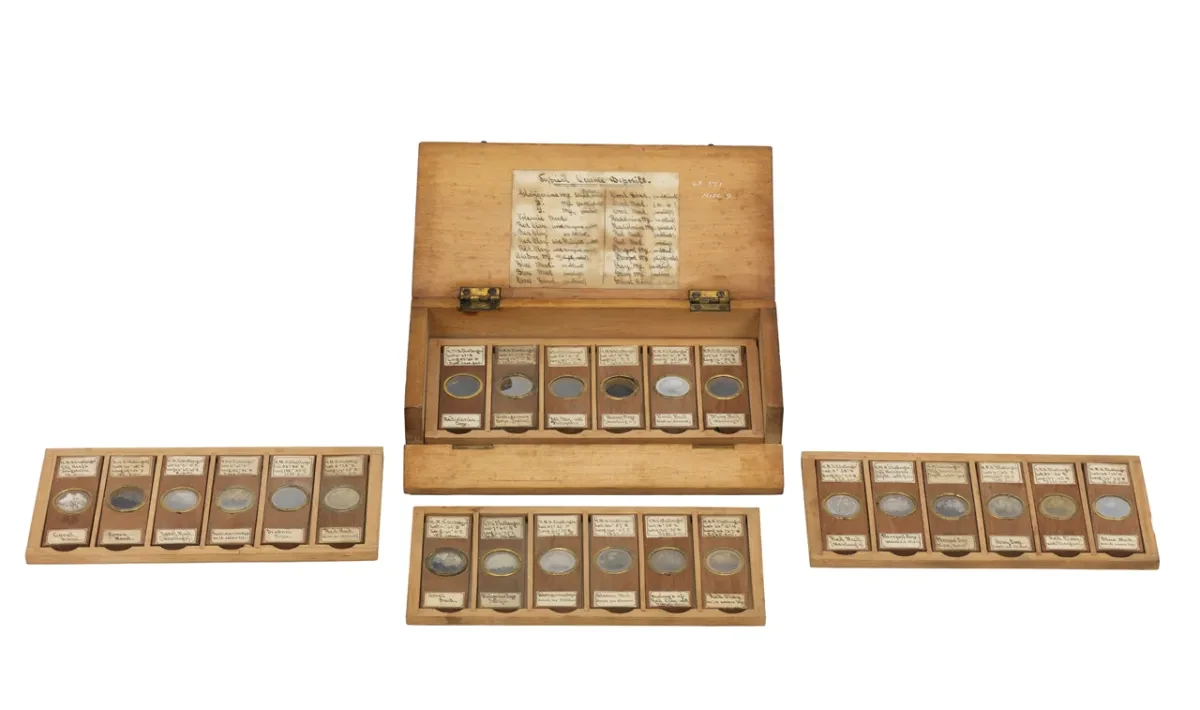
Seabed samples collected by the Challenger Expedition
The Challenger Expedition (1872–76) carried out the first deep-sea survey of the world’s ocean. 2026 marks 150 years since HMS Challenger, the ship specially converted for the expedition, arrived back in Britain after the voyage.
One of the Challenger Expedition’s key scientific objectives was to understand the makeup of seafloor sediments.
Scientists collected these 24 geological samples from the seabed using a special deep-sea sounding device. The deposits identified include volcanic mud, red clay, coral sand and ‘globigerina ooze’ – soft mud made from the microscopic shells of single-celled organisms.
In 1895, following his time on the expedition, oceanographer John Murray published the first global map of deep-sea sediments.
Learn more about the Challenger Expedition
I chose this object because it challenges how we see the ocean, bringing a once inaccessible realm to the forefront of public imagination. As a teaching device, this box was used to disprove previous scientific theories and enabled oceanographers to develop their own research. This could be in marine conservation, deep-sea technology or the use of Indigenous heritage to understand the ocean. I hope that this object inspires today’s visitors to continue to think about the importance of the world’s seas to us all.
Isaac Davey, Visitor and Sales Assistant
Also on display in the Voyagers gallery
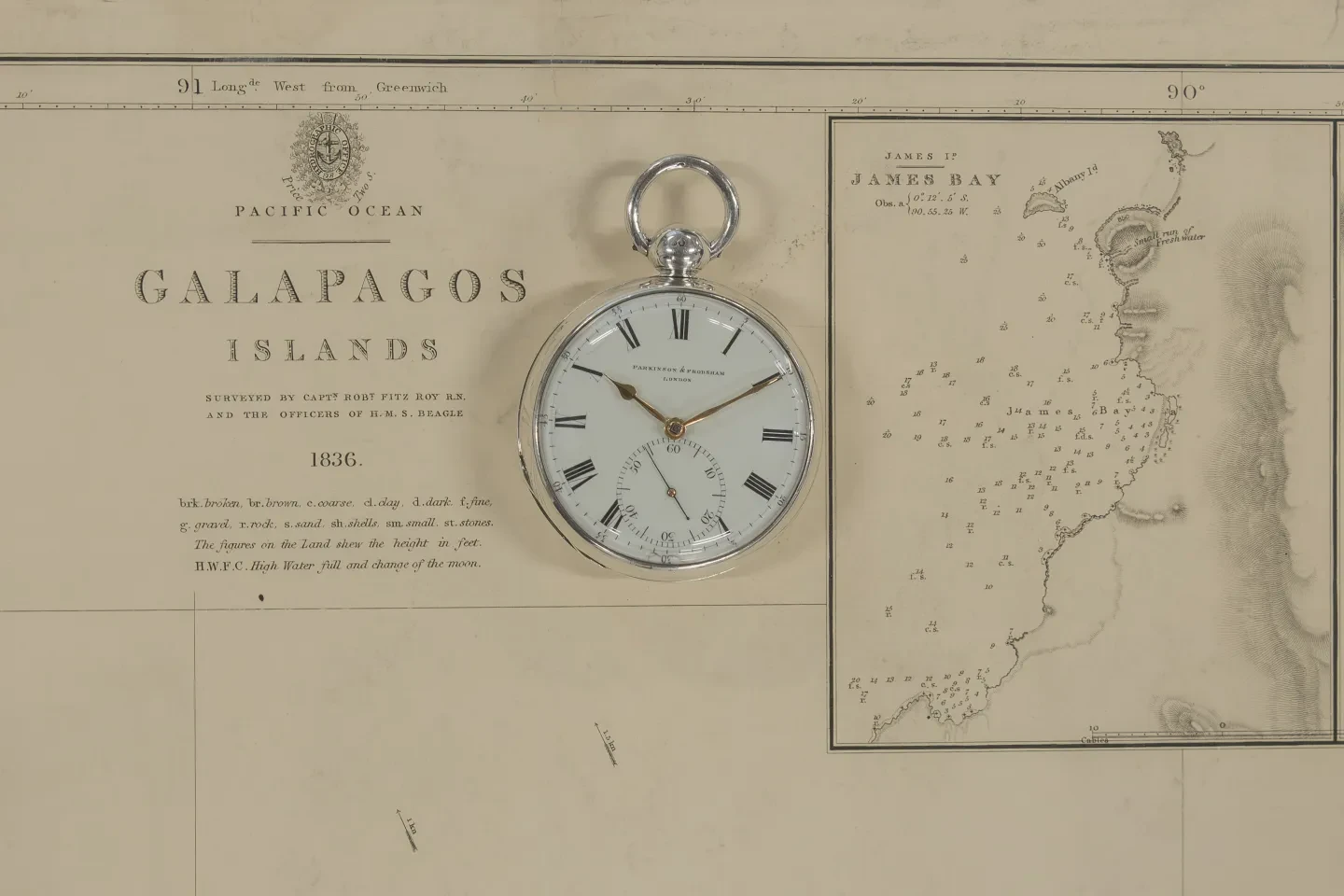
No 1042 – Beagle pocket chronometer
This rare pocket chronometer – a precision timekeeper used to determine longitude at sea – is known as No 1042 and travelled on the Beagle's second voyage along with Charles Darwin. This little device was one of 22 chronometers taken on the voyage; only two pocket chronometers survive today.
Captain Robert FitzRoy selected 1042 as the observation chronometer and referred to it affectionately as the 'journeyman watch'. While most of the chronometers remained in the captain's cabin, FitzRoy took this pocket watch on shore to aid the celestial observations essential to his timekeeping measurements.
FitzRoy described it as 'a very good pocket chronometer, carried by hand, in a box, [...] always used for taking time' on shore.
See it on display now.
Plan your visit to the National Maritime Museum
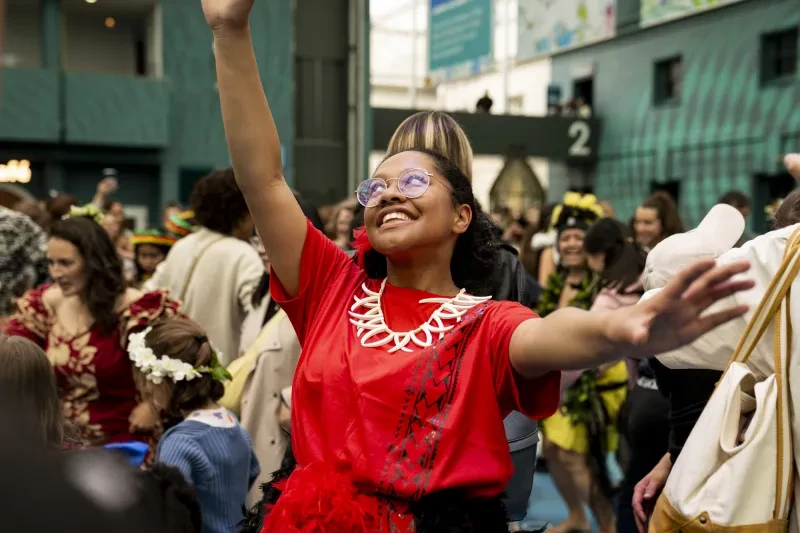
Explore the National Maritime Museum

Pigott Family Gallery: Tudor and Stuart Seafarers
From debt to fortune: discover the emergence of a maritime nation at the National Maritime Museum

Traders: the East India Company & Asia
Explore Britain’s trade and connections with Asia – visit the Traders gallery at the National Maritime Museum
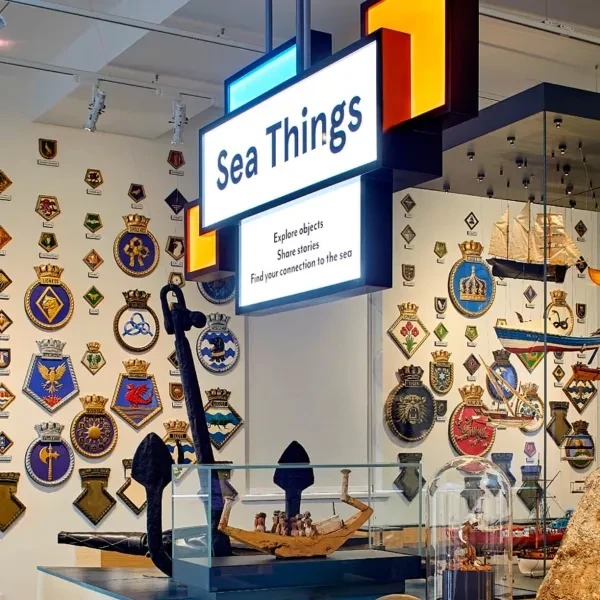
Sea Things gallery
Explore the sea through personal stories from the deep
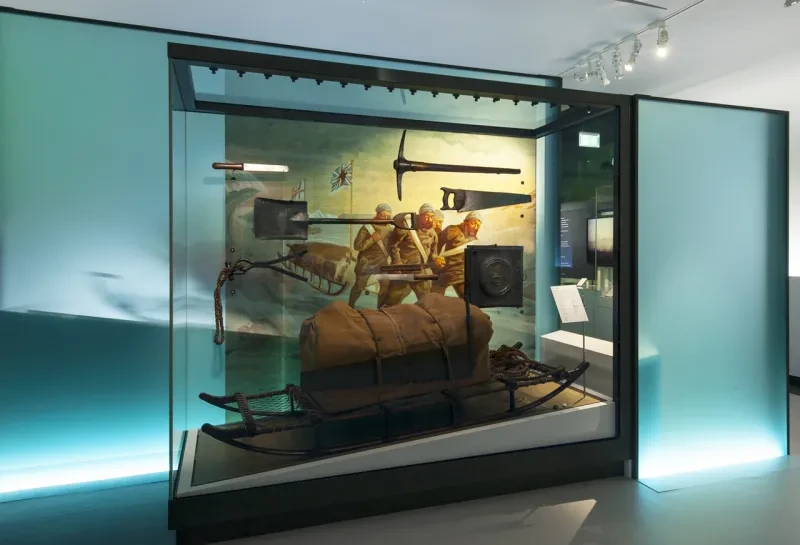
Kristian Gerhard Jebsen Gallery: Polar Worlds
Science, exploration and life in extreme environments – visit the Polar Worlds gallery at the National Maritime Museum

Forgotten Fighters gallery
Explore the hidden histories of the soldiers who fought at sea
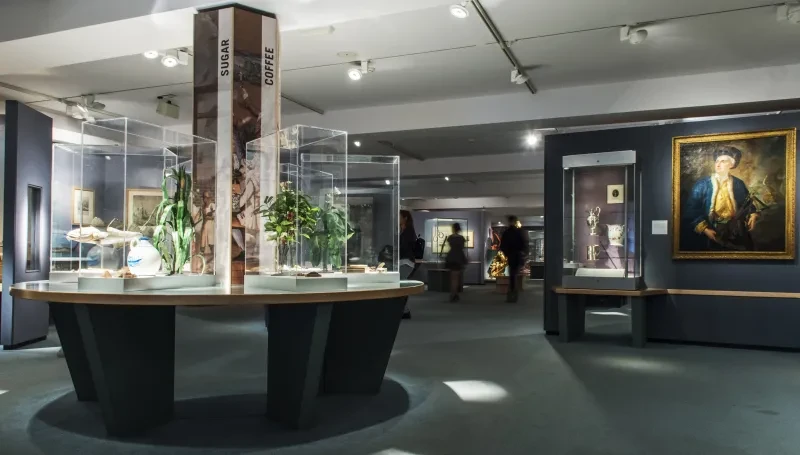
Atlantic Worlds gallery
Exploitation, enslavement, war and resistance - follow the unequal, sometimes brutal histories of the Atlantic Ocean at the National Maritime Museum
Pacific Encounters gallery
Discover the histories and cultures of the world's largest ocean – visit the Pacific Encounters gallery at the National Maritime Museum

All Hands children's gallery
Steer a ship, fire a cannon and explore life at sea in this interactive gallery for children aged 6-12