The incredible art hosted shown within the Queen’s House in Greenwich, the museum’s art gallery, is a semi-permanent hang. But each year, many objects come off display for conservation reasons. This gives us the opportunity to present unseen parts of our fine and decorative arts collection.
For 2026, exciting new commissions and loans enhance our displays, which are based around two themes. The first features new narratives around the Stuarts and the second creates dialogues between our historic collections and contemporary art.
Here are a few highlights to look out for when you visit:
Sharon Walters – The Many Invincible Ones
Image
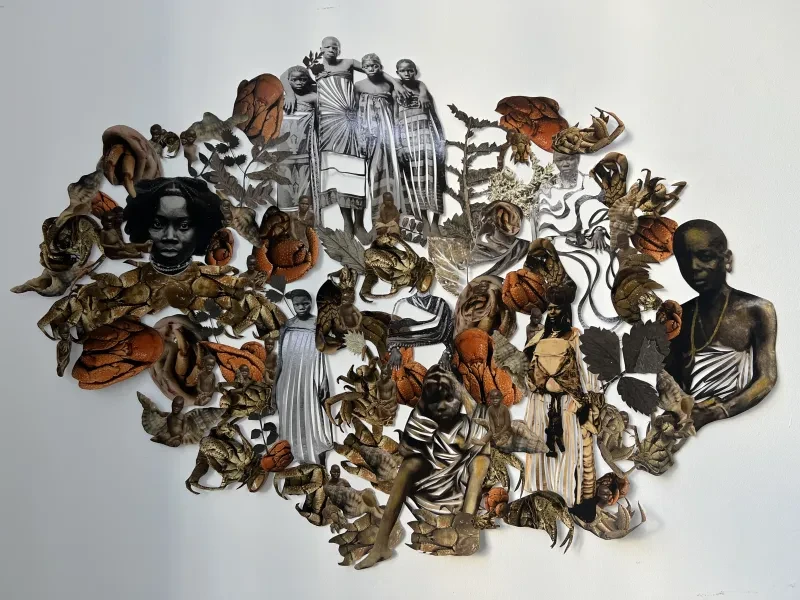
The Many Invincible Ones is a collection of artworks, created by Sharon Walters during her Practice-based Caird Research Fellowship at Royal Museums Greenwich.
From delicate paper collages to metal reliefs, the artworks took their starting point from a photograph in the Museum’s archive, which shows children aboard HMS Flying Fish. Described as ‘liberated’, they appear visibly traumatised by violent enslavement.
Walters’ work reclaims the stories of those children through intervention and care, creating space for their experiences and their humanity. Working with other images of Black people in the collection, Walters reflects on the legacies of colonial violence, including loss, separation, motherhood, resilience and healing, and brings tenderness and strength to overlooked histories.
Shorsh Saleh – Crossing Border
Image
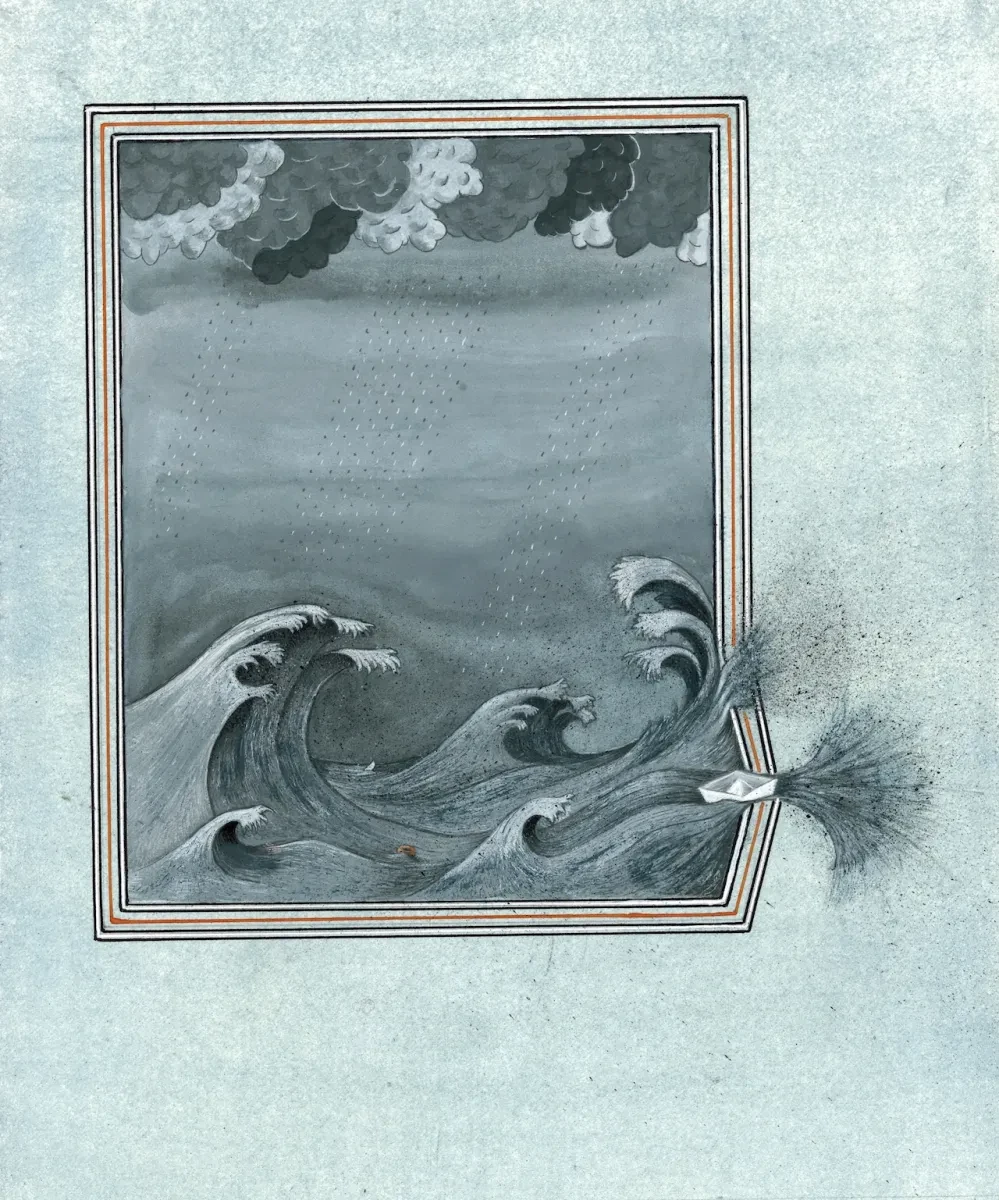
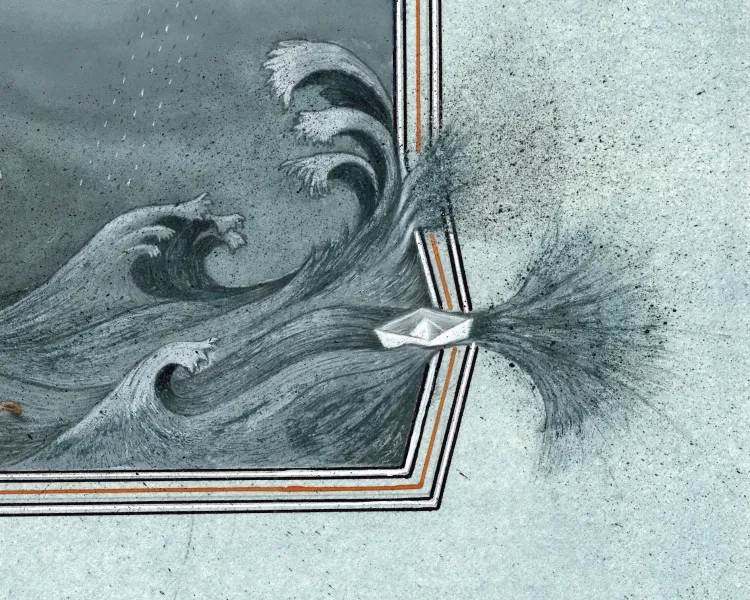
Shorsh Saleh (b. 1980) is a Kurdish mixed-media artist, carpet designer and weaver whose works focus on migration, borders and identity.
Saleh says, ‘Crossing Border combines the tradition of Indo-Persian miniature painting with contemporary politics. Art has always portrayed the immense power of the sea over human beings – a power that I experienced for the first time when I fled conflict and persecution in my homeland and crossed borders in search of safety. The painting shows the vulnerability, strength and immense courage of migrants attempting unauthorised crossings.’
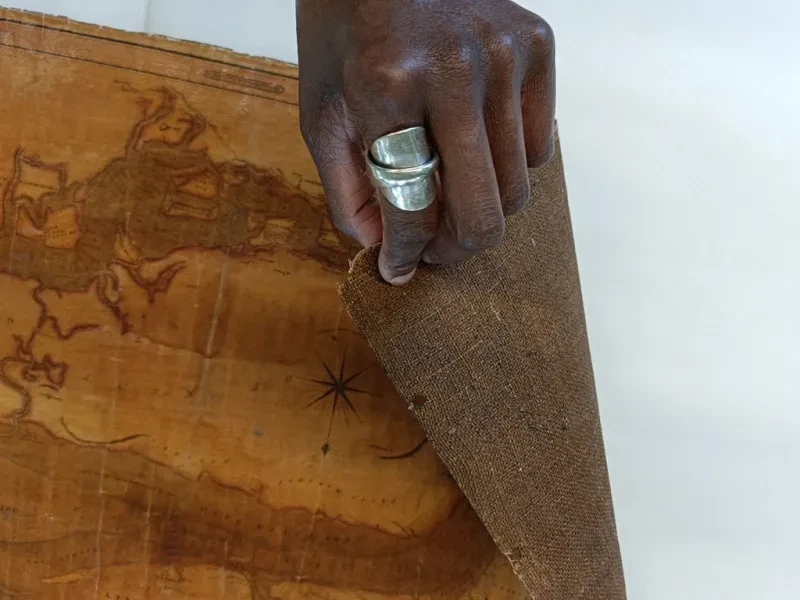
Remiiya Badru – The Rhumblineage of Penelope Steel
Image
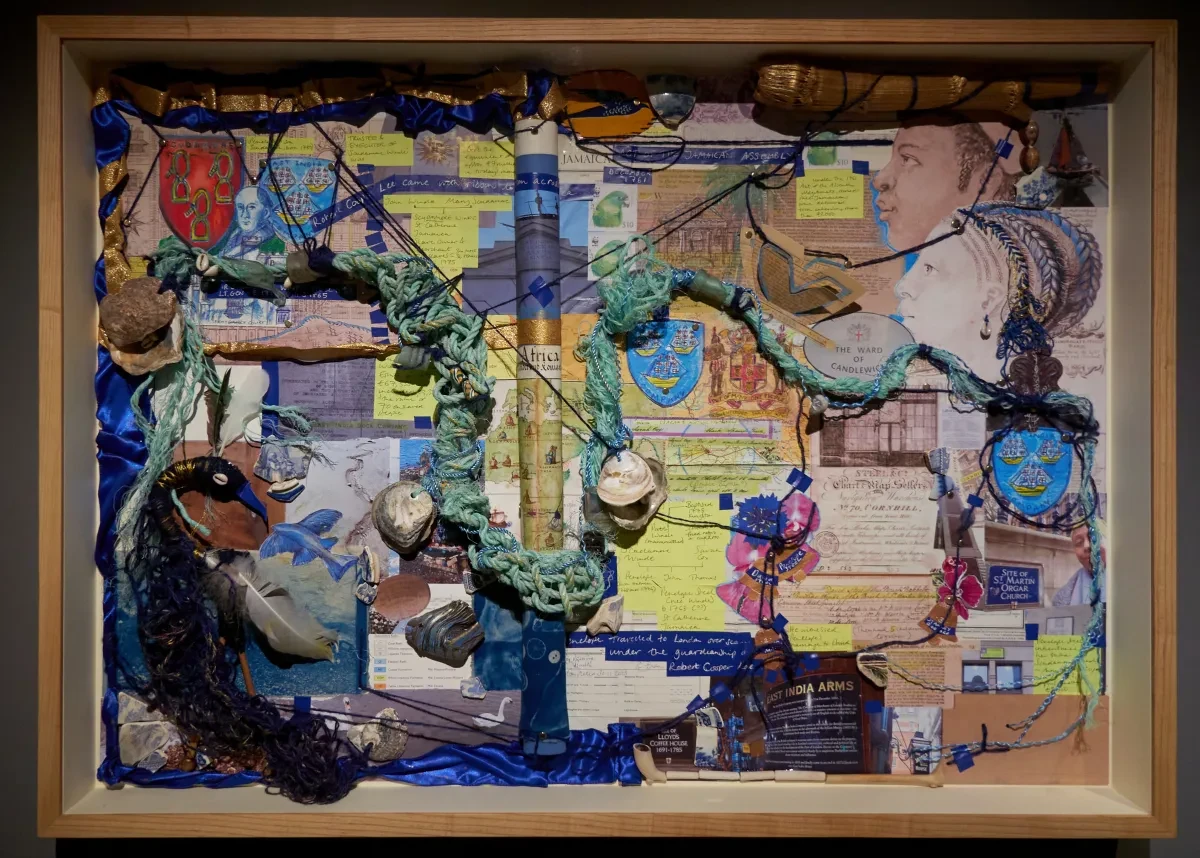
The Rhumblineage of Penelope Steel is a new commission by multidisciplinary artist Remiiya Badru, inspired by the extraordinary life of Penelope Steel, an 18th-century mapmaker who was born in Jamaica. Drawing on maps, archives, walking practices and found materials from the Thames, Badru reimagines Steel’s life as a living map, tracing journeys between Africa, Jamaica and London. Using the concept of rhumblines as lines of memory and connection, the artwork brings together hidden histories of Black women, maritime trade and migration.
Poetic, layered and deeply researched, the work invites visitors to consider how the legacies of colonialism and movement across water continue to shape the present.
Read more about the extraordinary life of Penelope Steel here.
Artemisia Gentileschi – Susanna and the Elders
Image
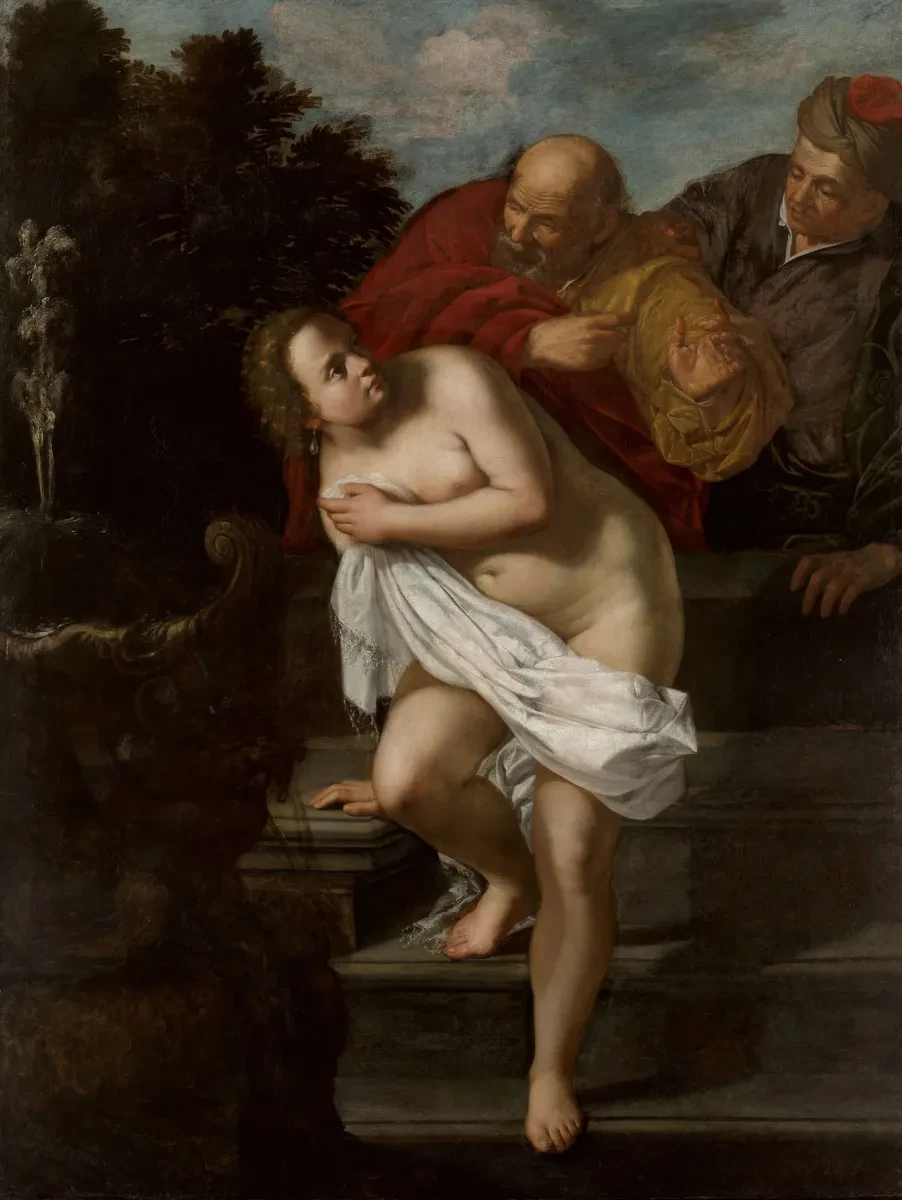
Don’t miss this stunning loan from the Royal Collection: a depiction of Susanna and the Elders with remarkable links to the Queen’s House.
Artemisia Gentileschi, an artist favoured by Henrietta Maria (the queen who finished and furnished the Queen's House), painted this beautiful artwork; she also worked on the original ceiling paintings for the Great Hall in the late 1630s.
There’s also a chance that one of her lost paintings (of the ancient Roman heroine Lucretia) once hung in the exact same room. Susanna and the Elders once hung above the fireplace in Henrietta Maria’s withdrawing chamber at Whitehall Palace around the time the Queen’s House interiors were being decorated.
Now, it’s on show above the fireplace in the room that was Henrietta Maria’s withdrawing chamber at the Queen’s House, the only surviving domestic space completed specifically for her.
Read more about Artemisia Gentileschi's connections to Greenwich here.
Güler Ates – Shore to Shore
Image
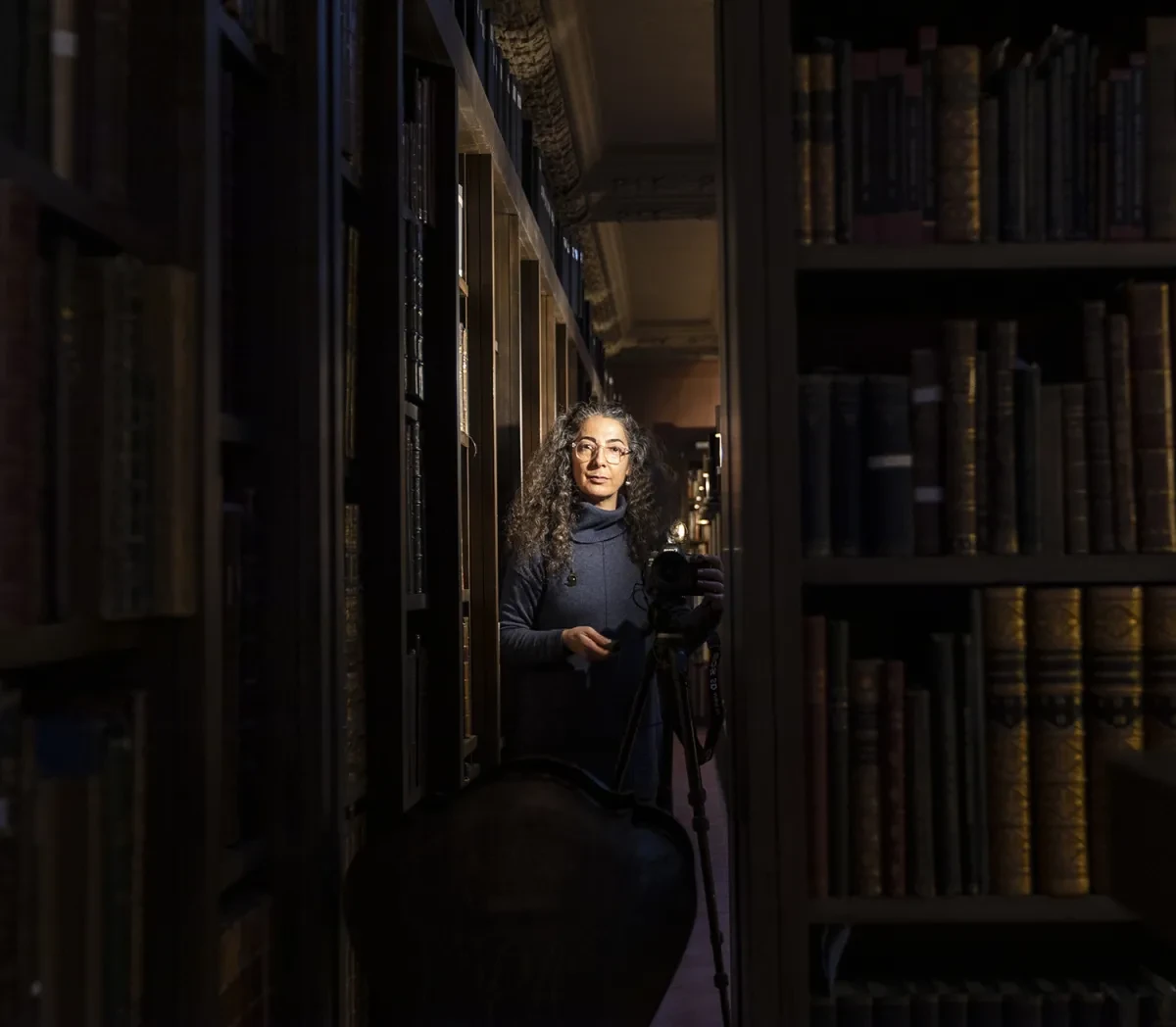
Shore to Shore is the first piece of sound art to be acquired for the collection – inspired by the story of a refugee family’s migration and exile. The soundscape is both a record of their experiences and an act of healing. The artist Güler Ates (b. 1977) explains:
‘At age nine, a profound experience of travelling in the back of a lorry for 24 hours with our belongings from eastern Turkey to Istanbul [is] deeply embedded in my memory. I became particularly interested in the journey of displaced people and often wondered what they might have experienced and felt.’
PositiveNegatives – A Perilous Journey
Image
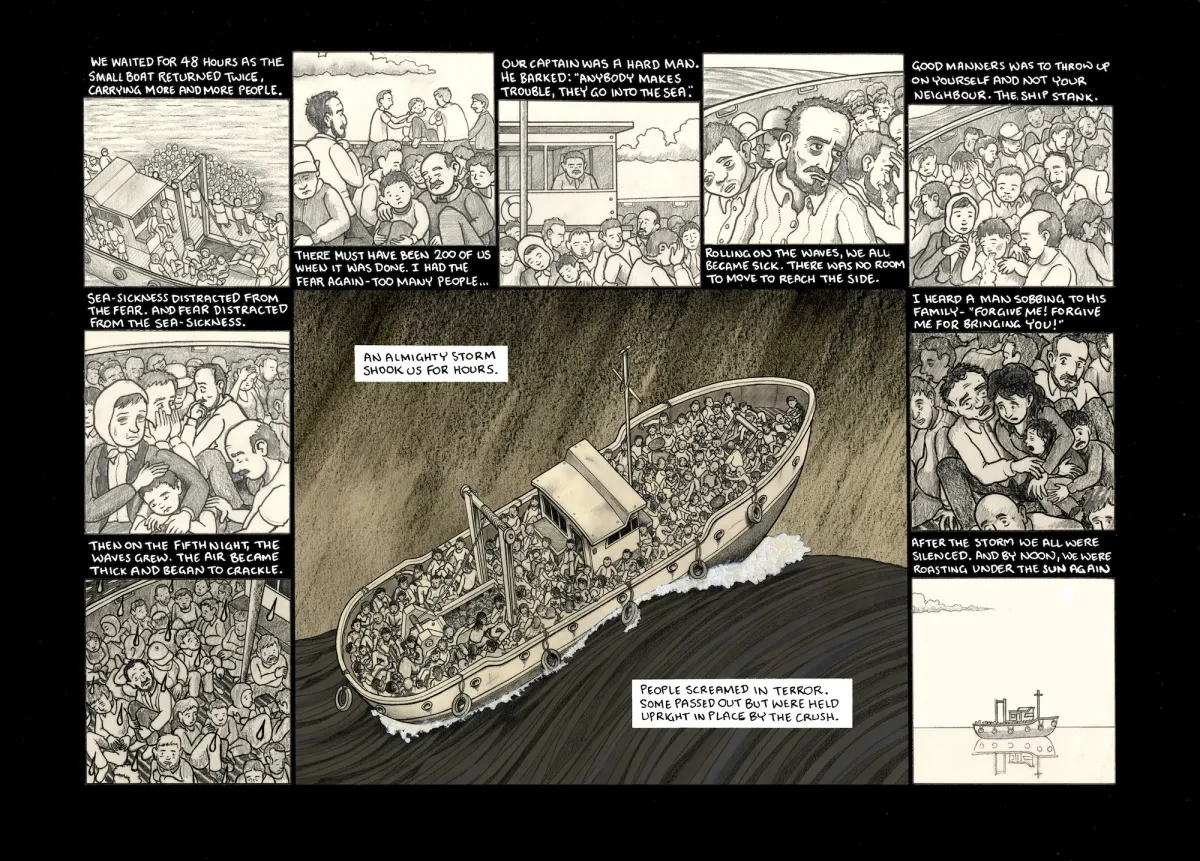
This comic illustrates part of Hasko’s story. Hasko is an artist from Syria who was forced to make this sea crossing to Scandinavia to secure a safer future for his family.
PositiveNegatives create animations, comics and podcasts about social, humanitarian and environmental issues. They combine ethnographic research with creative techniques to transform personal stories into art.
Explore this artwork further on the PositiveNegatives website here
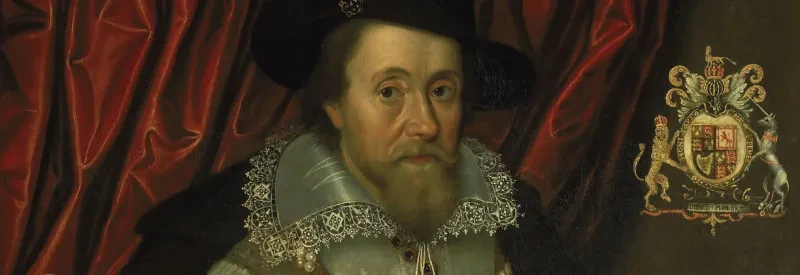
John de Critz – Portrait of James I
Image
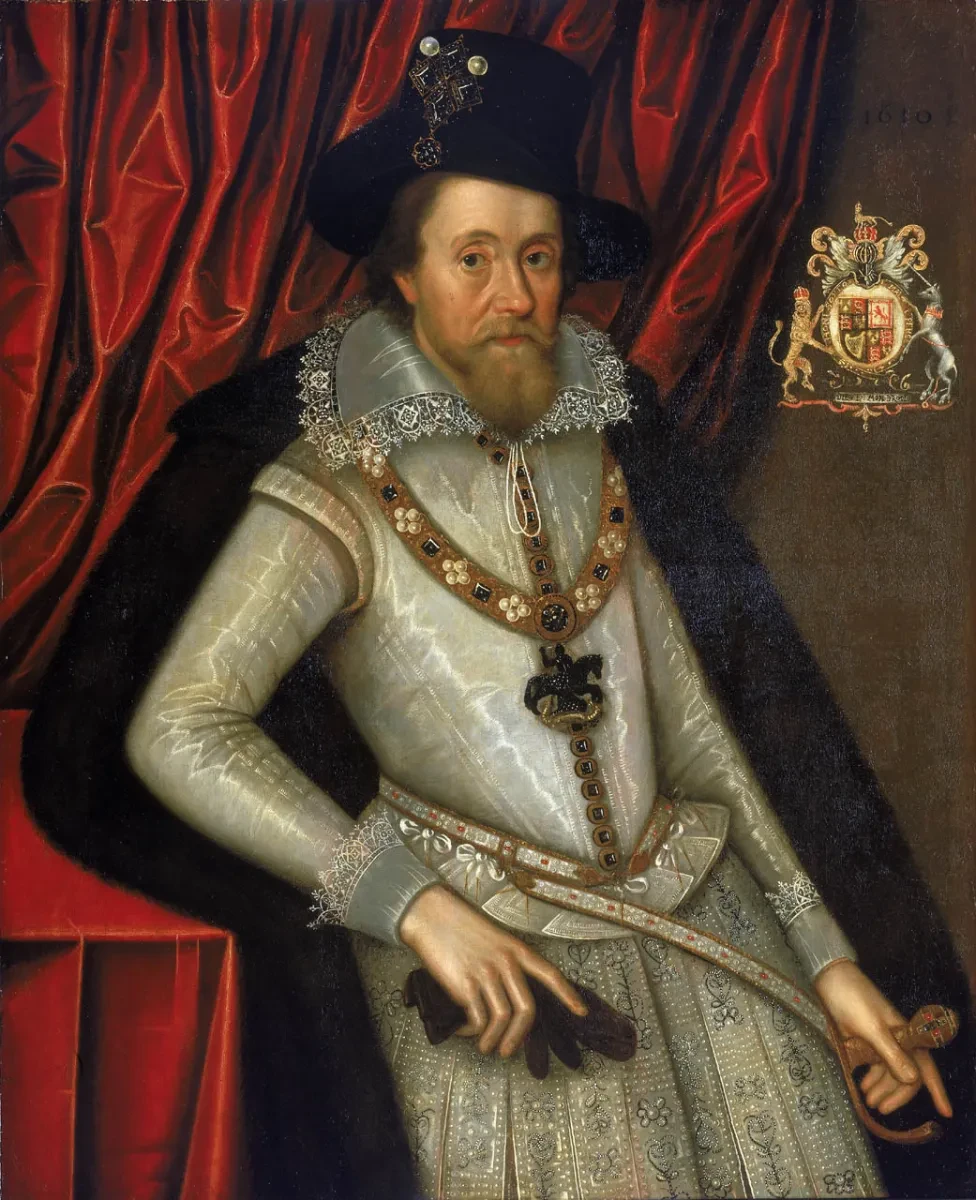
It’s a royal portrait that’s familiar to many visitors to the Queen’s House already.
But in 2026, we’re asking you to look beyond the surface – from James I’s extravagant dress to the global and personal histories it conceals. Drawing on cutting-edge research into gender, sexuality and empire, this year we’re exploring James’s intimate relationship with his favourite, George Villiers, alongside the colonial enterprises that shaped his reign. You can read our first co-curated label of the Queen's House, written in collaboration with Dr Kit Heyam of Gendering the Museum. Positioned opposite Villiers in the Queen’s House, the new interpretation encourages visitors to look again – across the room, through the windows down to the Thames, and out into the wider histories that connect power, identity and empire.
Read more about the reinterpretation of this fascinating royal portrait from Dr Kit Heyam
Tam Joseph – Migrants
Image
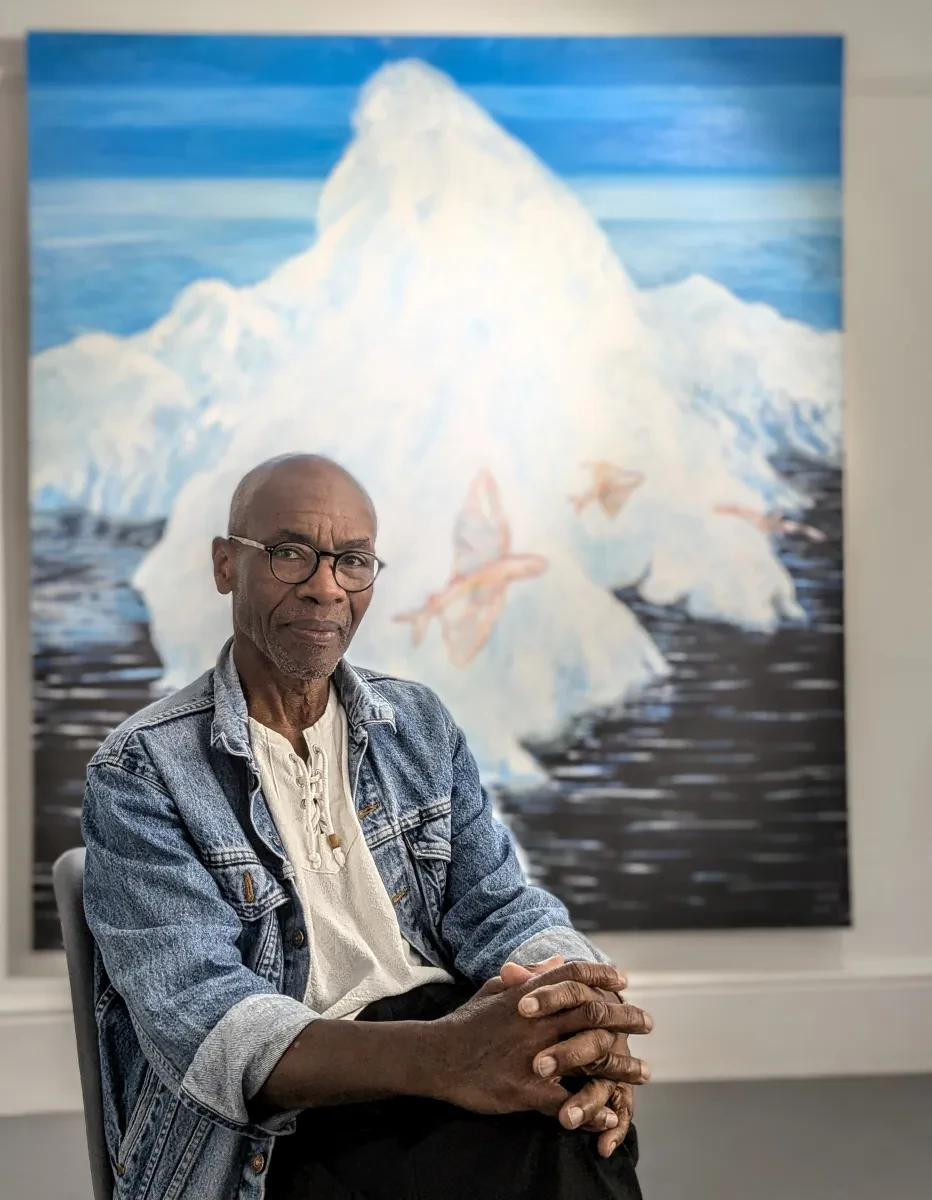
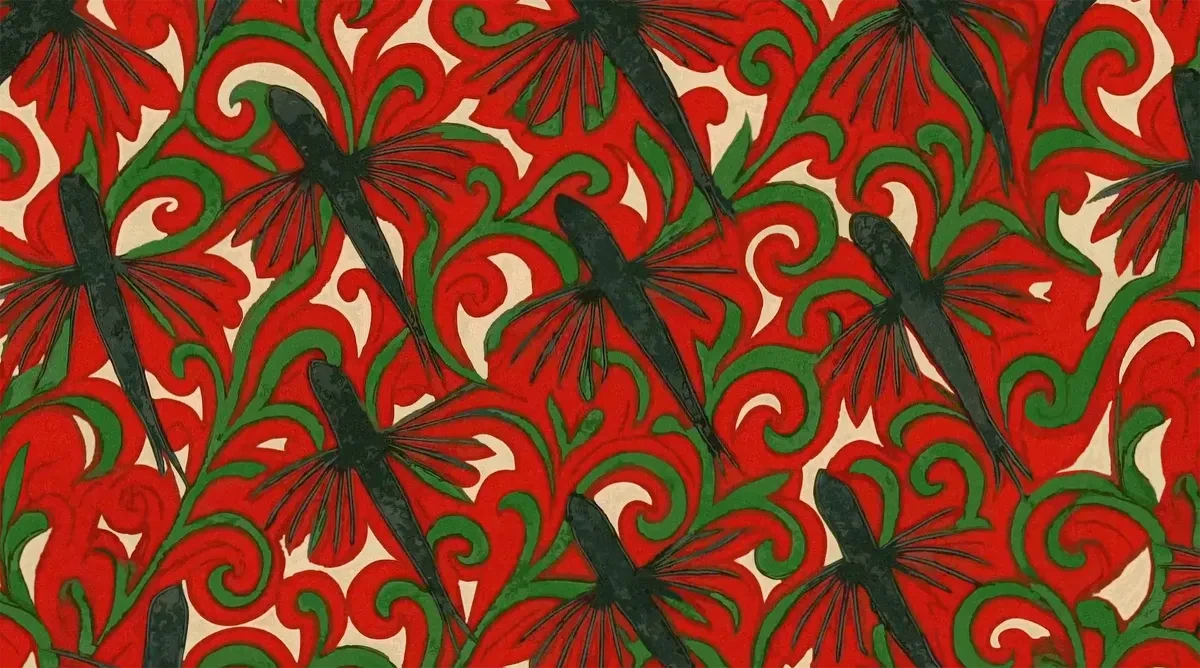
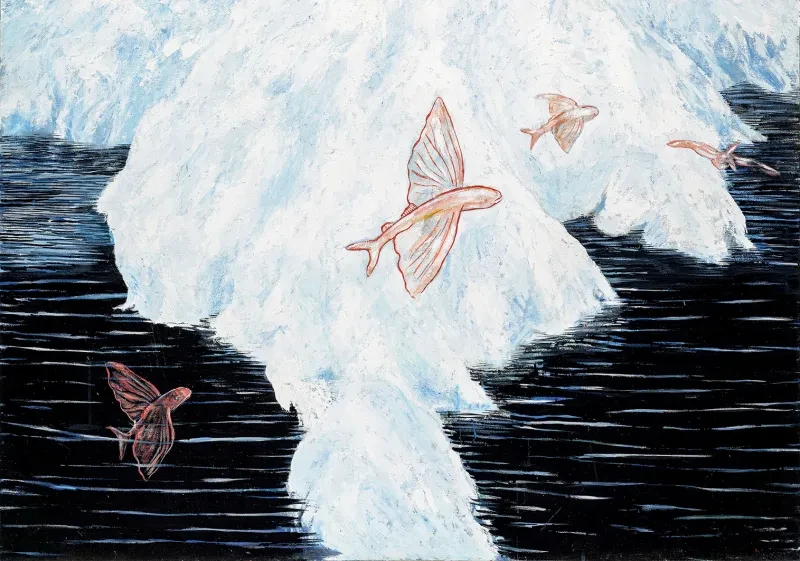
We are delighted to be displaying an exciting new loan from the artist, Tam Joseph and his gallery, Felix & Spears of his impressive painting Migrants, as part of the new display on migration called ‘Crossings' (located in the Orangery).
Migrants uses flying fish as powerful symbols of hope and survival, drawn from the artist’s childhood journey from Dominica to England. Inspired by his passage to Britain aboard the Lucania, the painting reflects the shared aspirations of Caribbean migrants setting out for new lives. The soaring fish suggest optimism, but their juxtaposition with a stark, white iceberg floating in dark waters introduces a note of danger.
Through this artistic metaphor, Joseph captures the emotional shock of arrival in an unfamiliar world: ‘We were fish out of water, travelling to colder waters, and a colder land, where the people were colder still.’
Martin Parr, Beach Life photographs
In 2017, the National Maritime Museum commissioned the late documentary photographer Martin Parr to capture seaside life in south-east England. Two of these works are now on display in the Queen’s House. Parr’s work reflects the diversity of these social spaces, and the communal joy of the Great British seaside experience.
In a podcast produced by the Museum in 2024, South Asian artist Nishant Shukla discussed Parr’s photographs and reflected on how complex these images are. His first impression was that Parr is, ‘looking down upon these communities... Martin Parr is always pointing [his camera] down… [which creates] a power imbalance… but as you inspect them and spend time with them… actually they’re quite sweet.’
Read more about the Queen's House rehang
Dive deeper into the artworks on display
Introducing new contemporary art at the Queen's House for 2026
Victoria Lane, Senior Curator of Art and Identity, explores highlights from some of the contemporary artworks that have gone on show
Artemisia Gentileschi at the Queen's House
A painting by Artemisia Gentileschi recently rediscovered in the Royal Collection is now on loan at the Queen's House. Allison Goudie reveals Artemisia's Greenwich connections – and why the Queen's House is a fitting place to see the painting
Look inside: The Many Invincible Ones by Sharon Walters
Find out about the artworks in Sharon Walters’ display, now on show in the Queen’s House
Migration and art: introducing the new Queen's House display 'Crossings'
As a new collection of artworks reflecting on migrant experiences opens at the Queen's House, curator Tim May explores the role of physical and invisible borders in the story of migration
‘I want people of the African diaspora to see ourselves in a positive light’
Artist Sharon Walters reveals the journey behind the making of her new display, 'The Many Invincible Ones'
Writing a museum label with 'Gendering the Museum'
Dr Kit Heyam explains the process behind writing the first co-curated label in the Queen's House for a painting of James I
Mapping uncharted histories: the 19th century woman who developed London’s map trade
Artist Remiiya Badru’s new display in the Queen’s House tells the story of maritime publisher, Penelope Steel
Reframing the Pacific in the Queen’s House
Curators Katherine Gazzard and Hannah Cusworth highlight the steps involved in redeveloping a room in the Queen's House
More about the Queen's House