At 8.07pm on the evening of 15 February 1996, the oil tanker Sea Empress ran aground.
The ship had been travelling towards the port of Milford Haven on the south-west coast of Wales. It was carrying more than 368 million litres (130,000 tonnes) of light crude oil – enough to fill more than 900 swimming pools.
At first, rescue teams managed to refloat the Sea Empress and move it back into deeper waters. With weather conditions deteriorating, however, tugs were unable to hold the tanker. During the following week the ship repeatedly ran aground on the Pembrokeshire coast.
In total more than 204 million litres (72,000 tonnes) of oil spilled into the sea. While less than 7 per cent of the oil reached the shore, the impact was traumatic: beaches and coastlines were contaminated and thousands of sea birds, invertebrates and marine plants were killed.
The incident remains one of the worst oil spills in British maritime history. It also fundamentally changed how the UK responds to emergencies at sea.
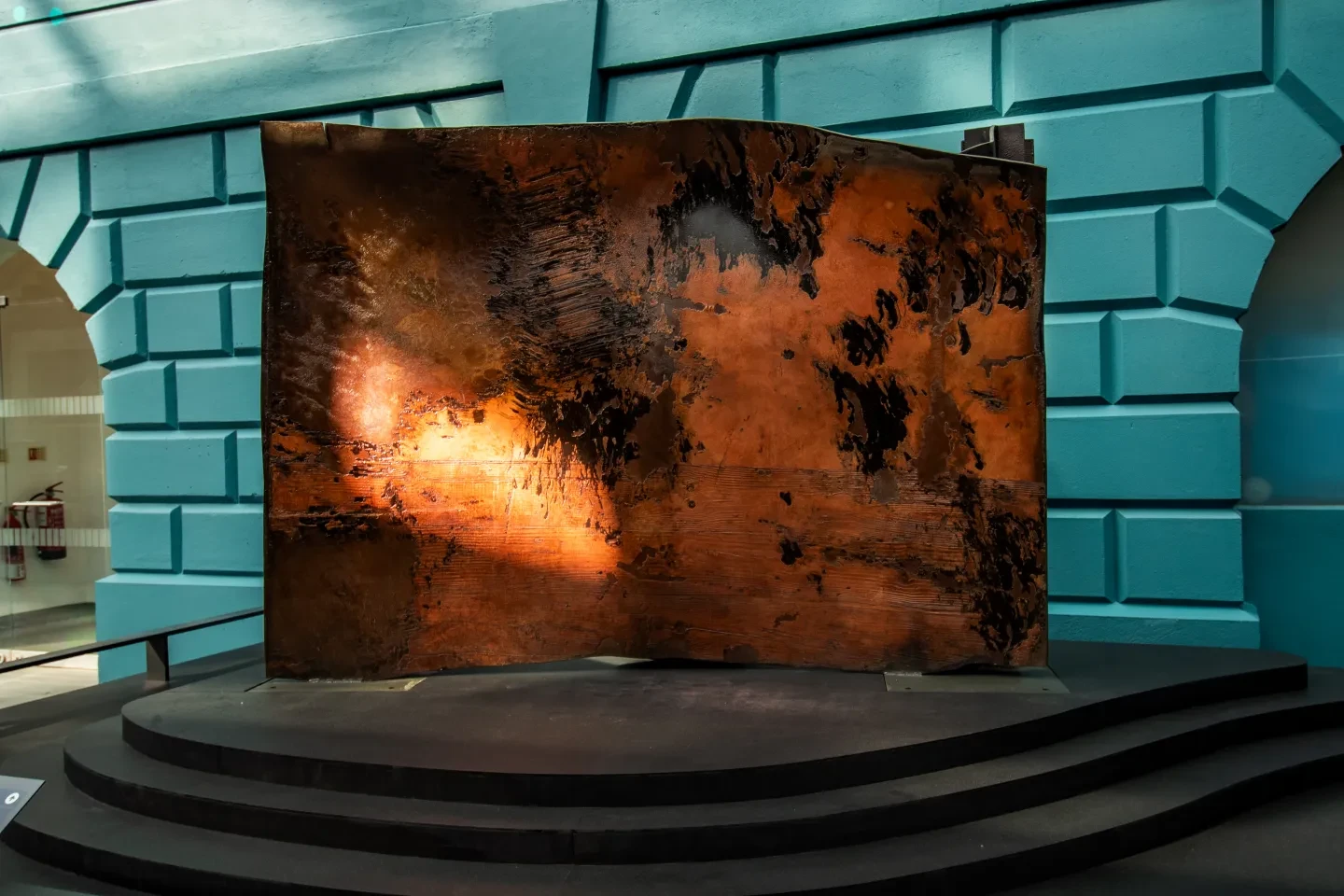
Thirty years on, a section of hull from the Sea Empress is on display at the National Maritime Museum – a symbol of the impact that maritime industry can have on the environment. But it also serves as a reminder of the people who work every day to protect the ocean and keep ships and seafarers safe.
Explore the legacy of the Sea Empress oil spill and meet the people working to prevent disaster at sea today.
Learning from the past
Image
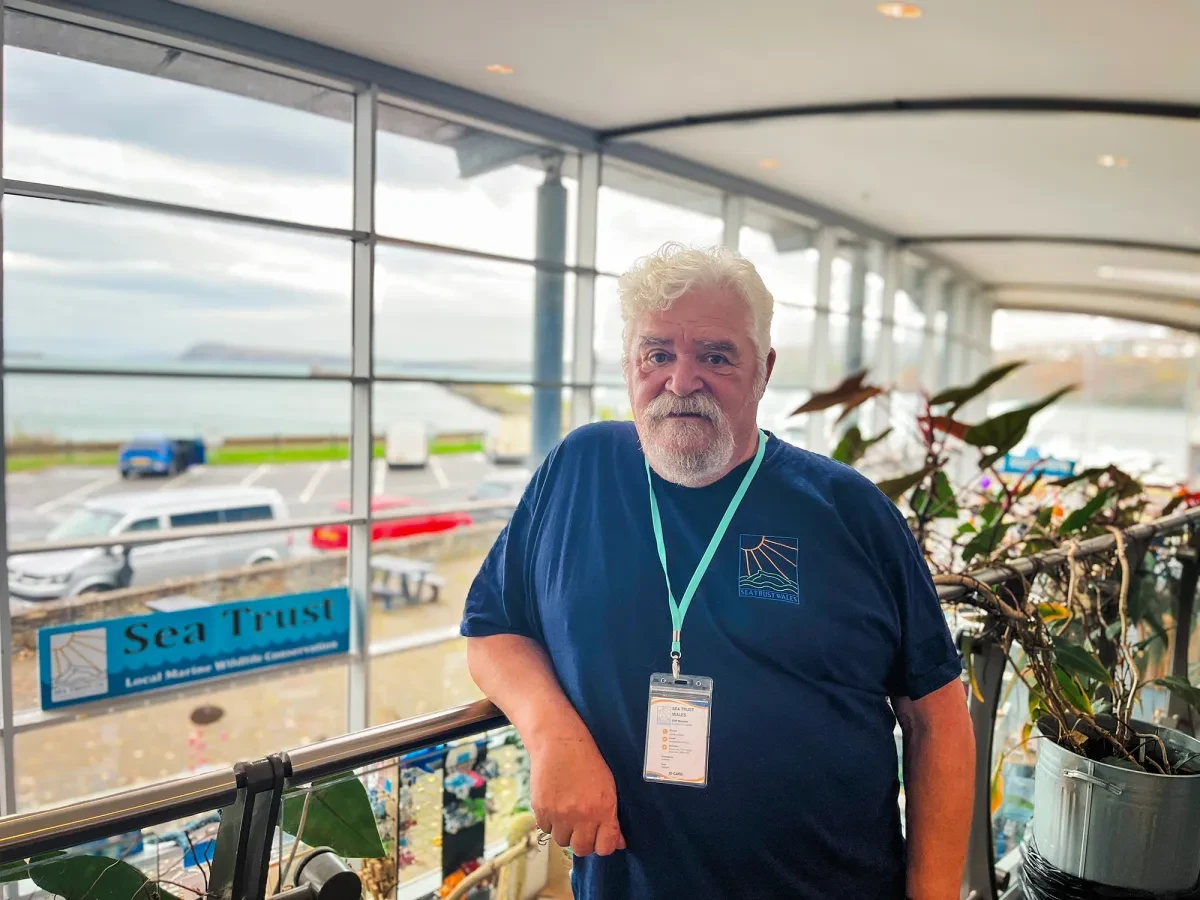
‘I never want to see something like that again’
Cliff Benson was lying in bed, listening to the radio and waiting for the shipping forecast when he heard a news report announcing that a ship had run aground off the coast of Wales.
‘The news said that an oil tanker had hit the rocks in Pembrokeshire going into Milford Haven. I just thought, “Oh no, I don't believe this.”’
Now in his 70s, Benson is the founder of Sea Trust Wales, a charity based in Pembrokeshire committed to studying and raising awareness of local marine wildlife. His efforts mobilising volunteers to rescue sea birds in the wake of the oil spill changed his life.
Remembering the Sea Empress oil spill
Image
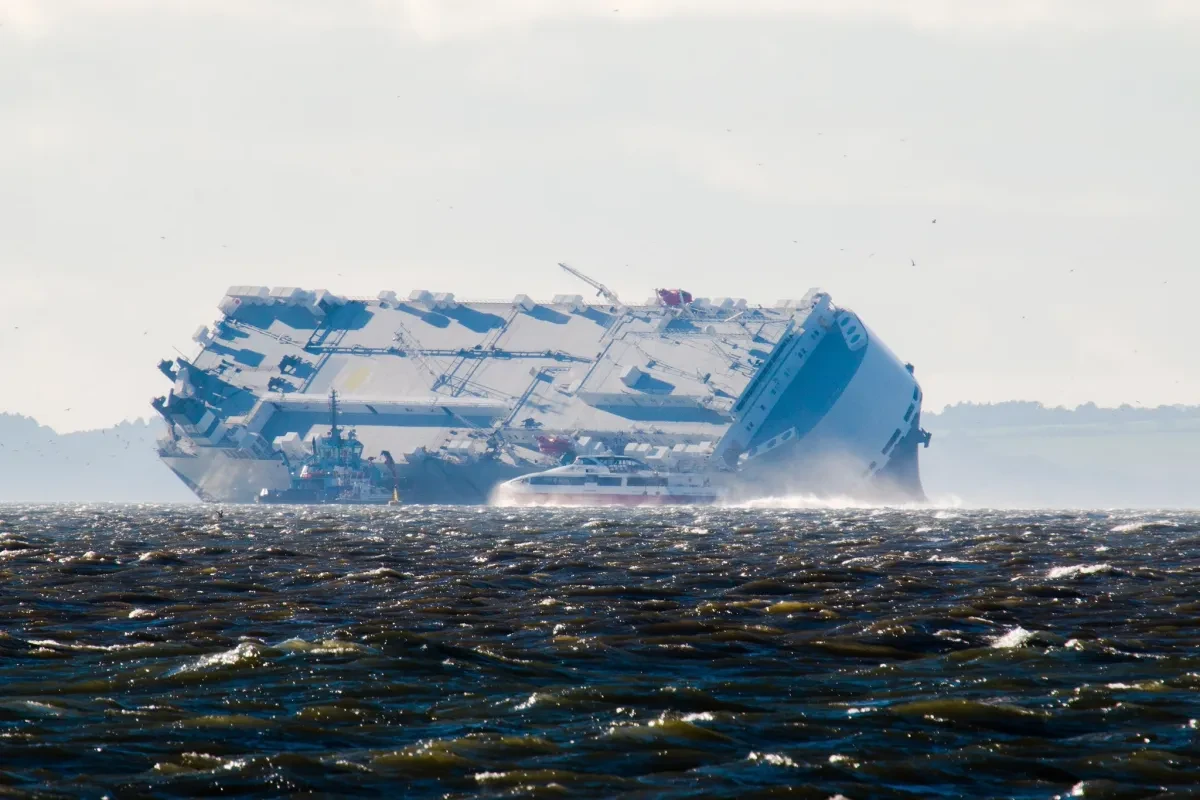
‘You will always be thankful, in that one moment when something goes wrong, that you’ve prepared for it’
If a ship runs into trouble in UK waters, an individual known as ‘SOSREP’ – the Secretary of State's Representative for Maritime Salvage and Intervention – is often one of the first to be notified.
The role was created in 1999 as a result of the investigation into the Sea Empress disaster. Today the post is held by Stephan Hennig. As a single individual tasked with coordinating the salvage response, he is uniquely placed to explain what happens when something goes wrong in UK waters.
What happens in a maritime emergency?
Visit the National Maritime Museum
Read more
Our relationship with the sea is changing. Discover how the ocean impacts us – and we impact the ocean – with the National Maritime Museum.