
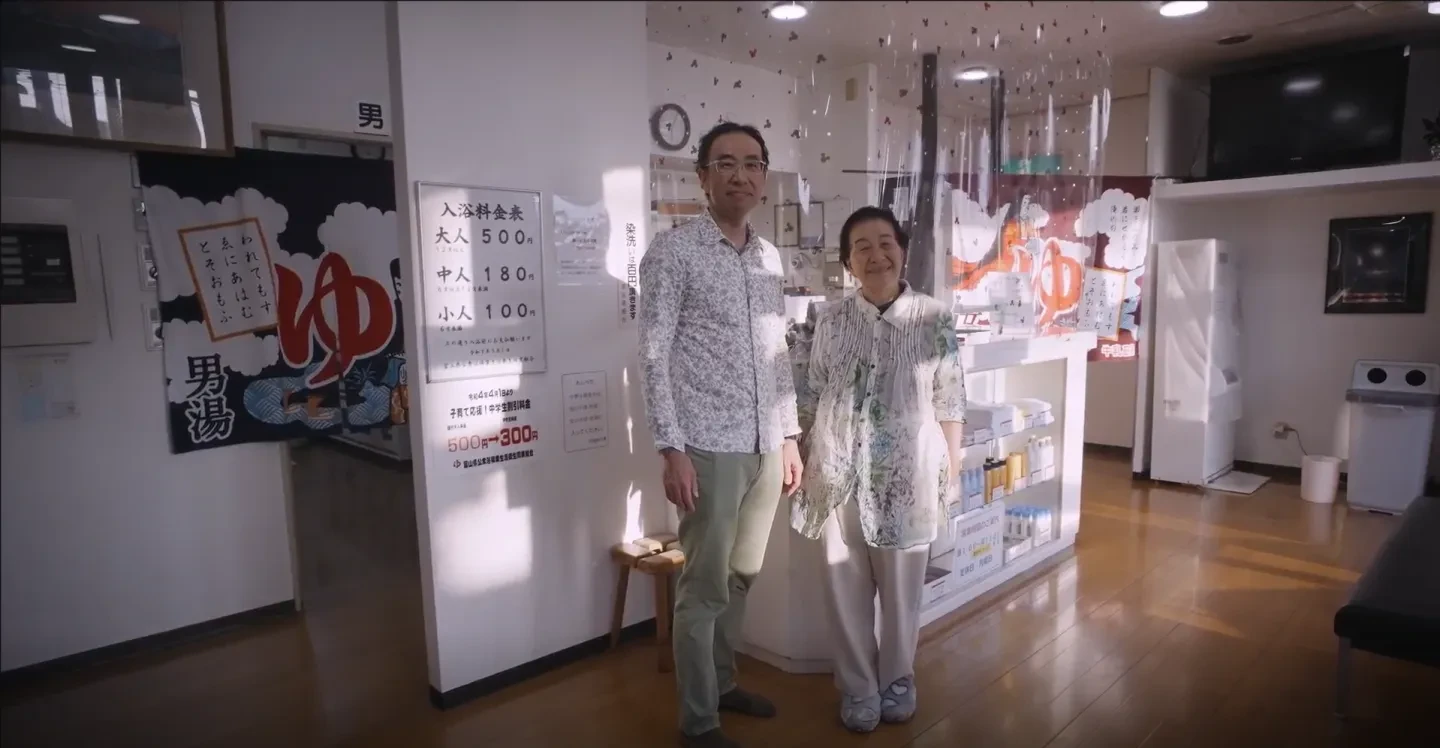
By day, Takanobu Kurosaki runs a traditional bathhouse in Japan with his mother. By night, taking advantage of rare clear skies over his hometown, he takes photographs of the cosmos.
Takanobu wasn’t always an astrophotographer: his main passion was underwater photography, which he explored whilst scuba diving and photographing in oceans worldwide.
In 2009, learning to walk again after a serious motorbike accident, Takanobu realised the wonder of everyday life. In doing so, he turned his lens towards the night sky.
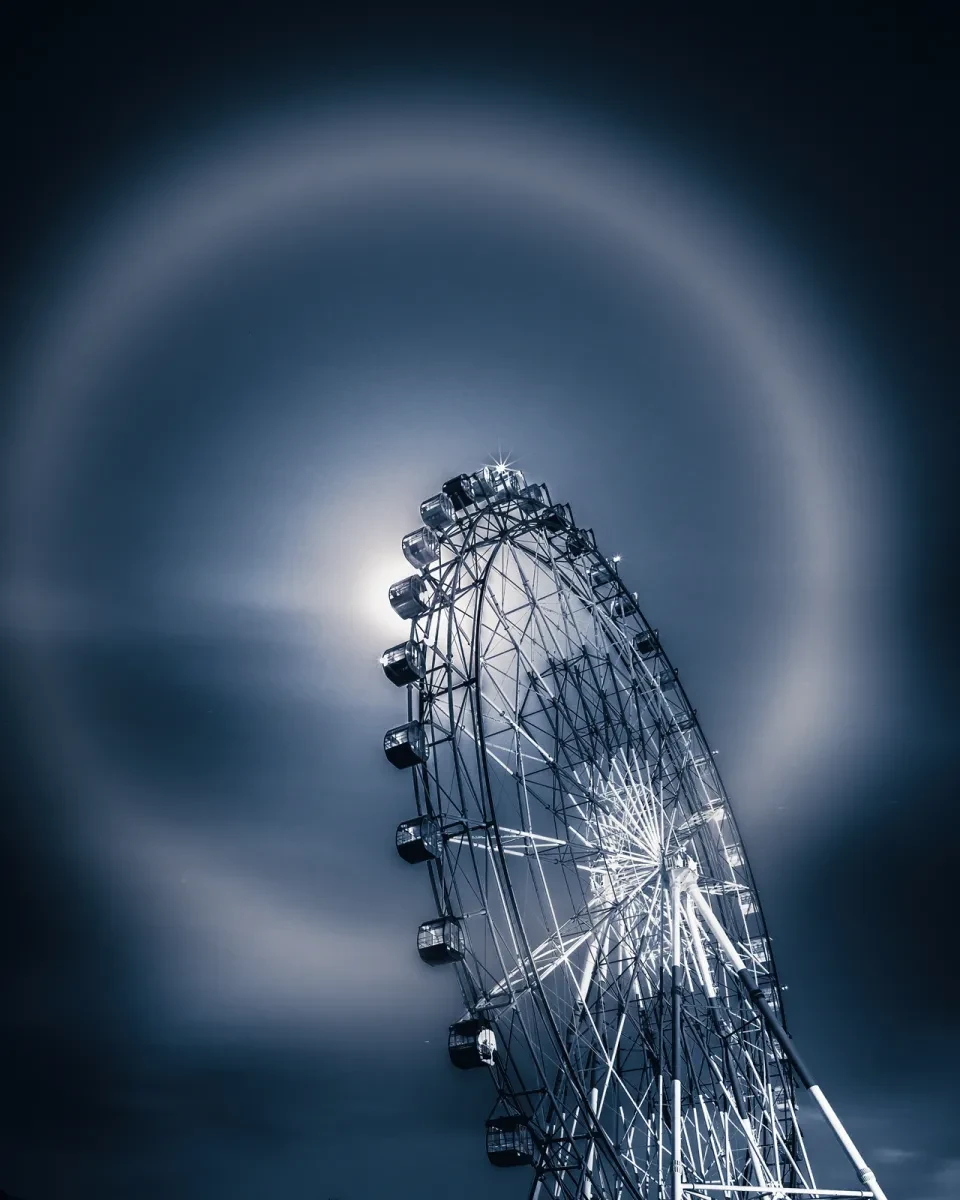
Takanobu was Runner-up in ZWO Astronomy Photographer of the Year 2025’s People and Space category with his image Rotation.
Learn more about Takanobu's journey through hometown fatigue, scuba diving, loss, new perspectives, and landscape astrophotography. He also discusses the five-year wait for the right conditions for Rotation, his connection to the Ferris wheel, and the symbolism behind the photograph.
Image
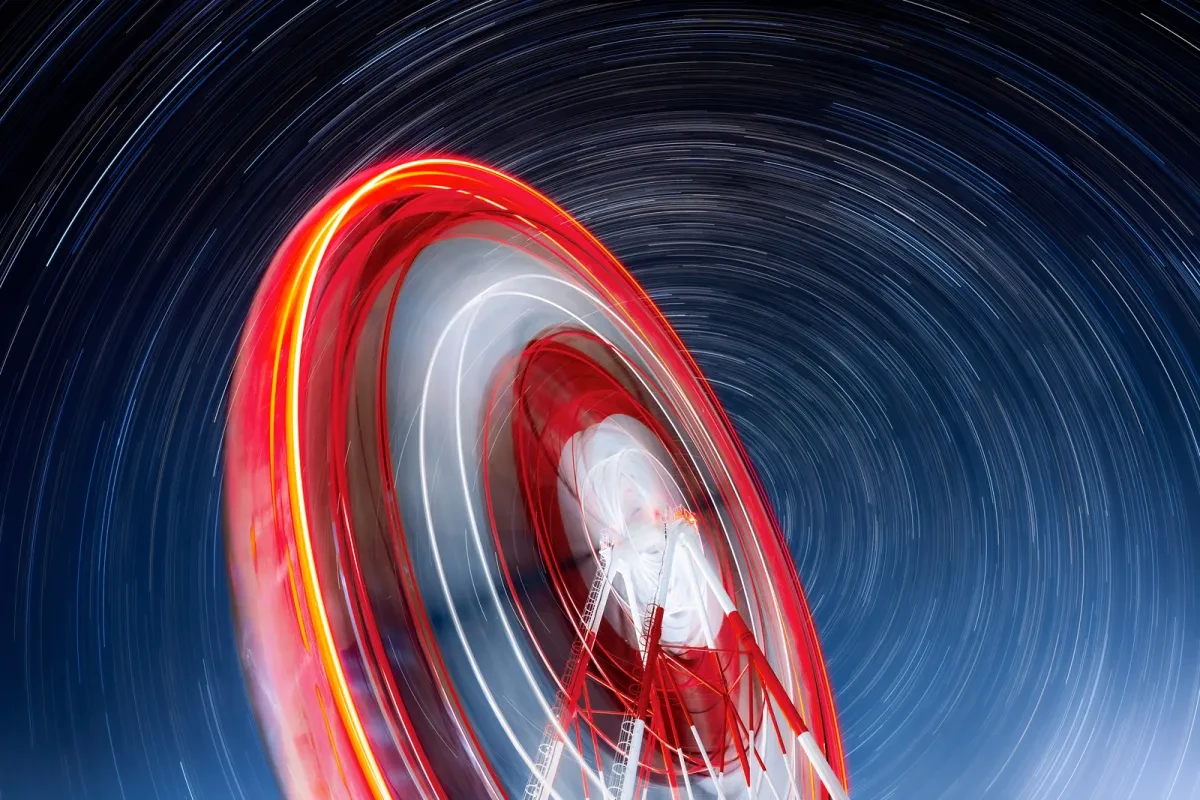
Rotation
By Takanobu Kurosaki
“This vibrant composition connects the rotating lights of the Ferris wheel with circular star trails. The image creates a dynamic cosmic dance, with both sets of rings centred around Polaris, as if choreographed by the Universe. The interplay of the revolving elements of the human-made and celestial produces a captivating and exciting photograph.” - Competition judge Victoria Lane.
Tell us about yourself and your journey in photography
I take astrophotographs in my hometown of Toyama in Japan, but I wasn't always interested in astrophotography.
When I was in my 20s, I disliked Toyama. My family runs a public bathhouse that's been in business for 100 years, and I grew up watching them work without any days off.
I felt Toyama was ordinary and unexciting. In winter, with the snow falling constantly, it felt like a lonely place - I just wanted to escape.
So, I became a scuba diving instructor. I went diving in the Southern Islands and took underwater photos, a complete contrast to Toyama. For eight years, as an instructor and underwater photographer, I dived and photographed in oceans all over the world.
However, in 2000 my father passed away, and I had to return to Toyama to take over the family business. I didn't even have the energy to take pictures. That was my first setback.
Then, in 2009, a serious motorcycle accident became my second setback. I was hospitalised for a year and underwent five surgeries during that time. The doctor told me, "Your job is to walk." I'd sneak out of the hospital, dragging my leg in a cast, and walk with all my might.
I suddenly felt how wonderful an ordinary life was. I just wished to return to my normal routine, to have a healthy body again.
I slowly continued to walk. Then, I started seeing things I had never noticed before. The flowers blooming by the roadside, the chirping of small birds... everything felt beautiful.
That's when I picked up my camera and started taking pictures with passion. The camera gave my dark heart a ray of light. I started photographing landscapes, festivals and fireworks.
When I was taking underwater photos, I used a film camera. But when I got a digital camera, high-sensitivity shooting became possible and I became completely absorbed in the fun of skyscape photography.
What is your personal style of astrophotography?
I don't just photograph celestial objects by themselves, I capture them together with the landscape. This is because I feel that celestial bodies are as precious as jewels.
Just as a jewel enhances the person wearing it, the heavens make the earthly scenery appear even more breathtakingly beautiful.
That's why I carefully choose my shooting locations, taking into account the season and the time of day when that particular spot shines the brightest.
What are your favourite astrophotography targets?
It varies: there are times when I spend years preparing for a piece, but often I'll head out to shoot on the spur of the moment.
Astrophotography truly is a battle with the weather. In Toyama, heavy snow continues through the severe winter. Even in other seasons there aren’t many clear days. So, I only get about 20 days a year to photograph the stars.
However, that's precisely why the moments I spend looking at the sky within those limited opportunities are an irreplaceable joy.
Why did you decide to submit your image to 2025's ZWO Astronomy Photographer of the Year competition?
I've been challenging myself with entering Astronomy Photographer of the Year since 2012, and I've been fortunate enough to be shortlisted five times so far: in 2020, 2022, 2023 and twice in 2025.
Participating in this, the most prestigious contest in the world, is a valuable opportunity for me.
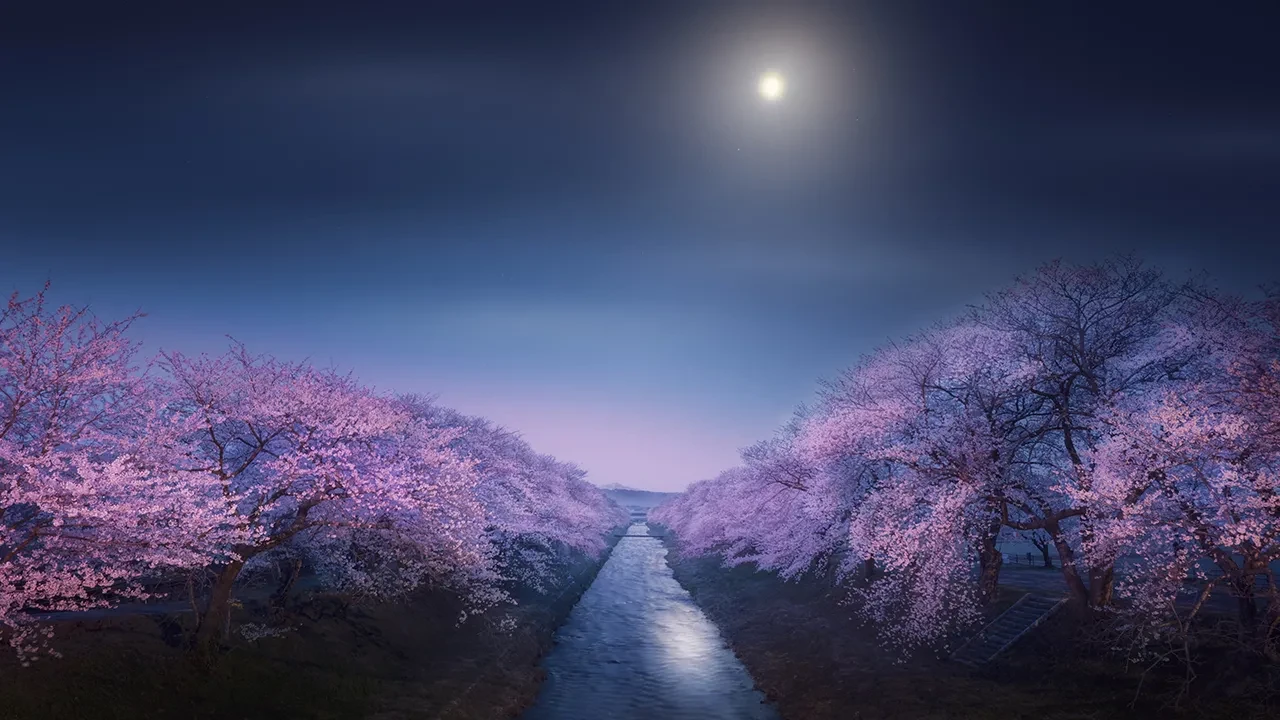
1 / 3
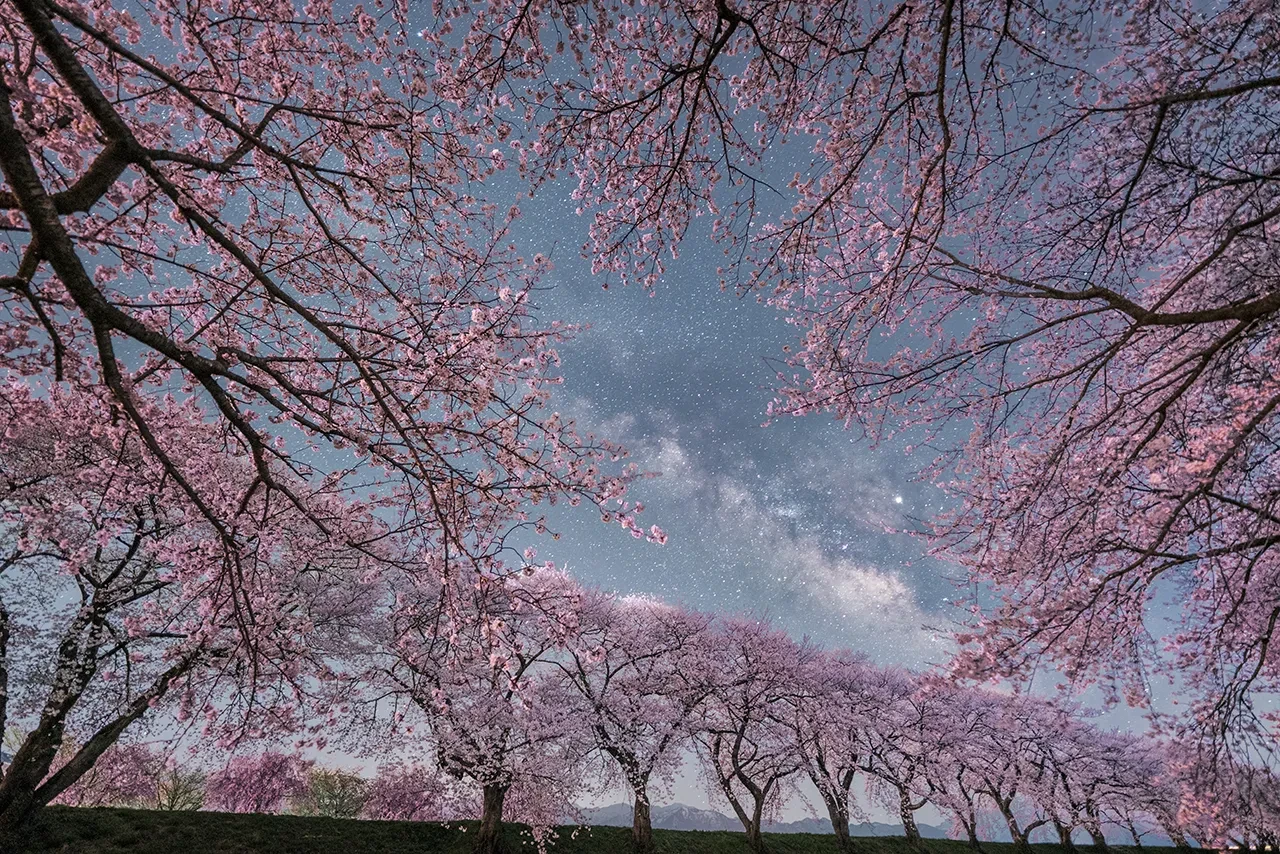
Sakura Hole © Takanobu Kurosaki
Shortlisted in Astronomy Photographer of the Year 2020.
2 / 3
Riverside of Funakawa in spring © Takanobu Kurosaki
Shortlisted in Astronomy Photographer of the Year 2022.
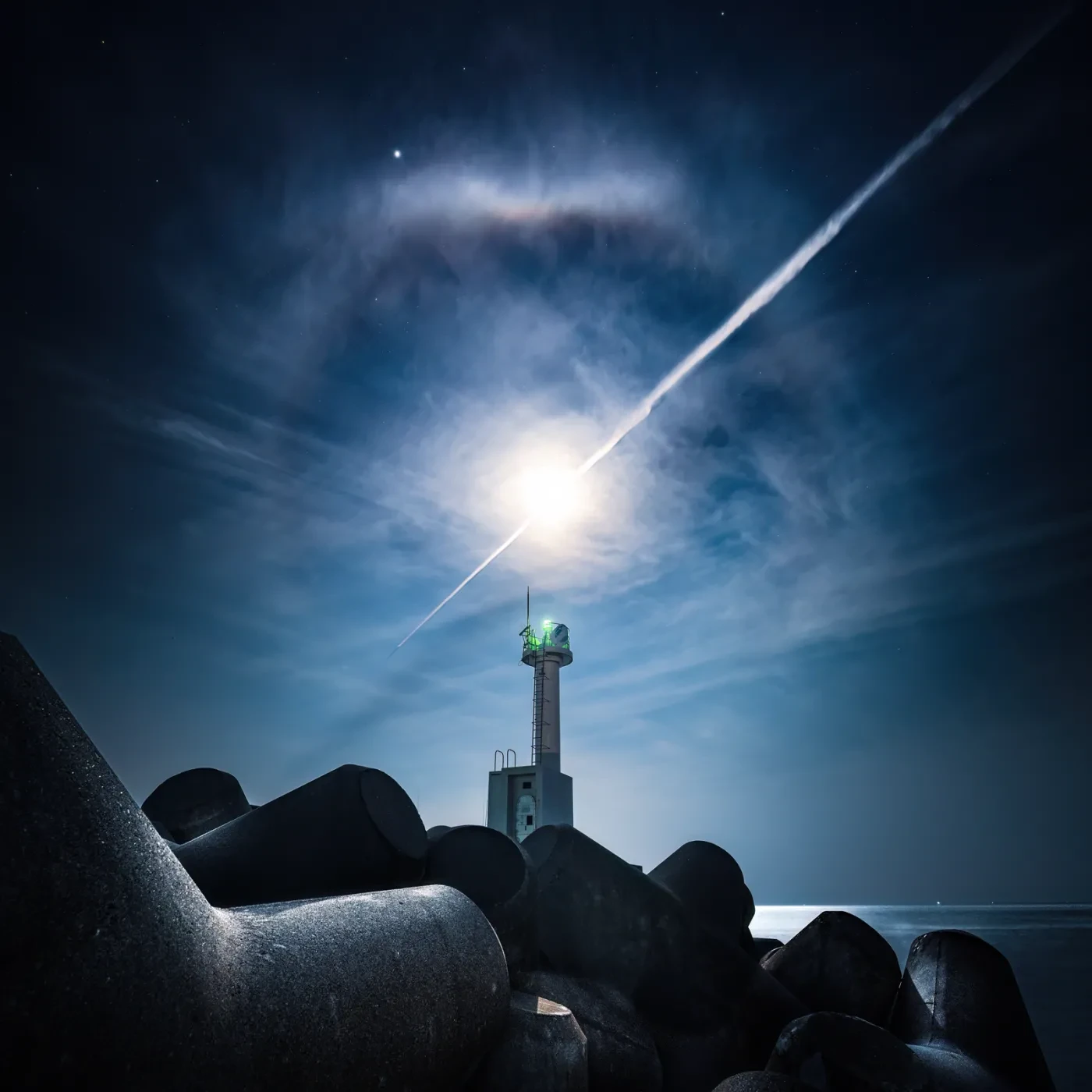
3 / 3
Φ © Takanobu Kurosaki
Shortlisted in ZWO Astronomy Photographer of the Year 2025
Image
How did you take your photo, Rotation?
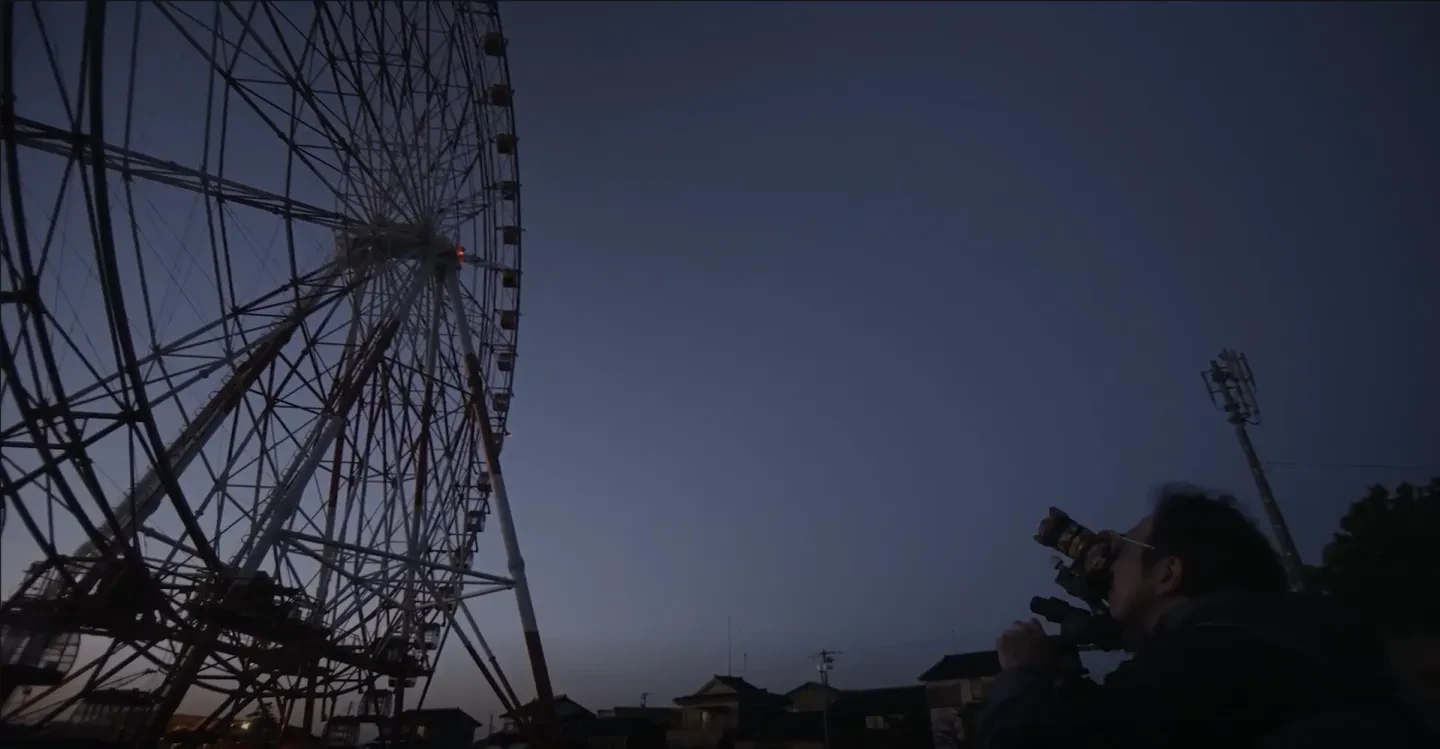
My life's work is photographing the Ferris wheel at my local amusement park, Mirage Land. This Ferris wheel, whether it's raining or snowing; morning, noon, or night; constantly serves as the model for my work.
The initial concept for this piece was to depict two large circles – the Ferris wheel and star trails. I shot it many times on clear days, but I felt something was missing with just the circles. The Ferris wheel isn't usually operated at night, but it does run on special evenings.
While the Ferris wheel completes a rotation in 15 minutes, the stars make a full circuit in 24 hours. I superimposed these two cycles onto life itself. I wanted to express how both good and bad things come and go, but tomorrow always arrives. To achieve this, I was meticulous about aligning the North Star with the axis of the Ferris wheel.
To complete this piece, I needed specific conditions: the Ferris wheel had to be operating at night, and it had to be a clear night without moonlight.
Because of these demanding requirements, and with the global lockdown period in between, it took me five years from conception to the final completion of the work.
This piece embodies not just technical skill, but also my deep affection for the Ferris wheel and my persistent dedication to creating the work.
The amusement park was bustling with many people, but I was the only one gazing at the night sky.
How does astrophotography make you feel?
Observing and photographing the Universe teaches us how small we are, yet how precious our existence is.
In the vastness of space, our daily lives here on Earth might sometimes feel monotonous. But by looking at our world from a cosmic perspective, we can rediscover the beauty hidden in the everyday and recognise the miracle of life.
Capturing the movements of celestial bodies and the laws of nature helps us truly feel the flow of time and the universal truth that everything is cyclical. This gives us hope, reminding us that life's challenges are just part of a larger journey, always leading forward.
What was the reaction to your photo?
The amusement park officials were astonished! They said, 'We never imagined this Ferris wheel could look so magnificent!’
What advice would you give to people interested in astrophotography?
Skyscapes exist within your everyday life. They are a world that can only be captured through your unique perspective.
You don’t need a powerful telescope when shooting skyscapes. Your everyday camera and lens, plus a tripod, are all you need. What's most important is the image you envision.

Find more stories from ZWO Astronomy Photographer of the Year
Billions of stars, one winning photograph: the core of Andromeda
A trio of photographers from China won the ZWO Astronomy Photographer of the Year 2025 competition with a breathtaking image of the core of the Andromeda Galaxy
Earth and space through an astronaut's lens
Discover how NASA astronaut Don Pettit takes out-of-this-world photographs from the unique and constantly moving vantage point of the International Space Station
A rare spectacle: photographing the aurora in England
An incredibly strong solar storm in May 2024 made the aurora visible across the UK. Astrophotographer Darren Flinders seized this once-in-a-lifetime opportunity
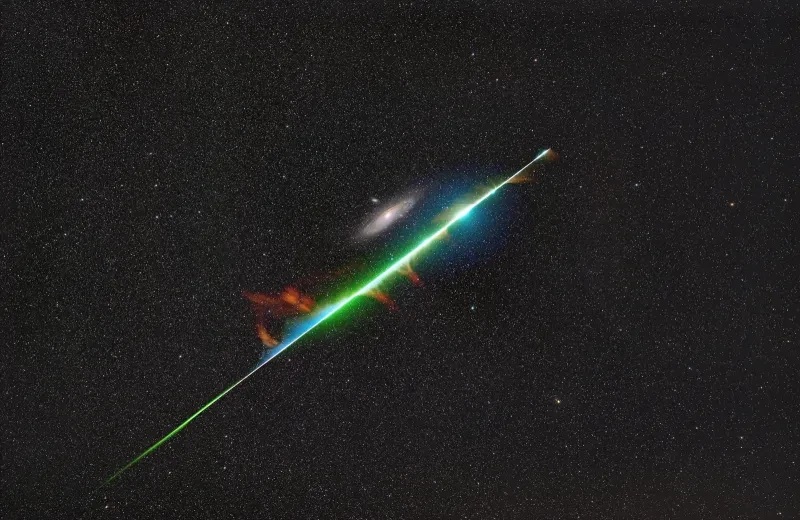
A happy accident: photobombed by a meteor
Learn more about this breathtaking accidental capture of a fleeting fireball meteor, winner of Best Newcomer in ZWO Astronomy Photographer of the Year 2025
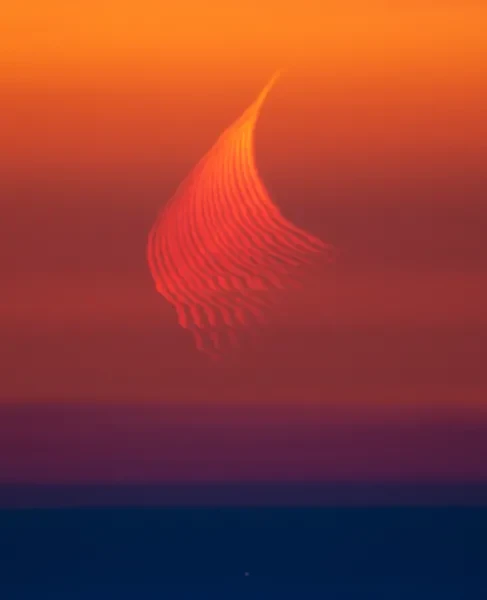
Photographing a natural optical illusion
Meet Marcella Giulia Pace, who won the Our Moon category of the ZWO Astronomy Photographer of the Year 2025 competition with her unique image of a natural optical spectacle
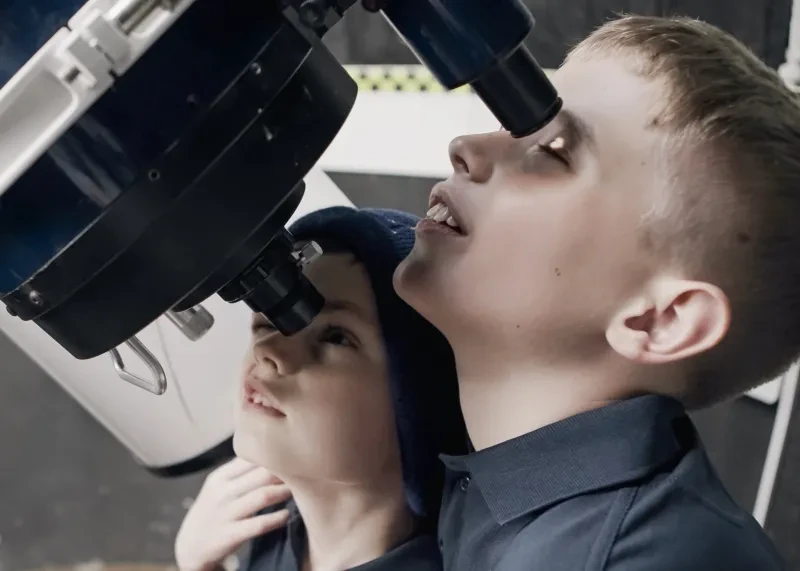
A stellar duo: two young astrophotographers shooting for the stars
Meet the youngest entrants in Astronomy Photographer of the Year 2024: brothers Benjamin and Joshua Lawler
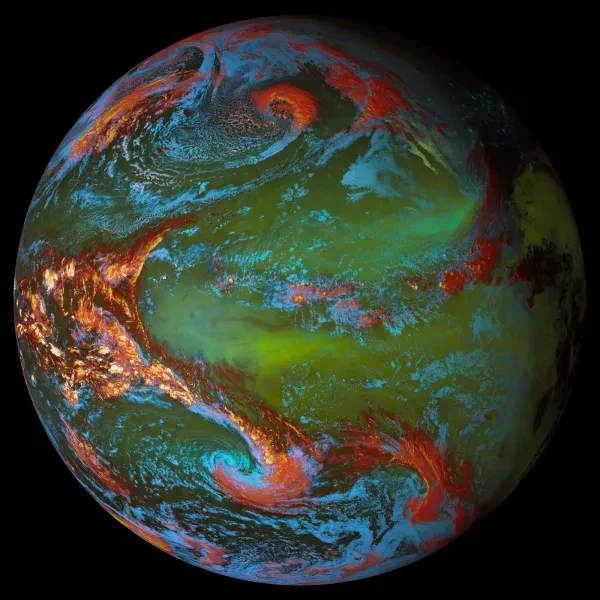
Anatomy of a habitable planet: Earth as you've never seen it before
Sergio Díaz Ruiz uses satellite imagery to explore climate change by creating an image of Earth as it might be analysed by a distant alien civilisation
Beads of sunlight: photographing an annular solar eclipse
Ryan Imperio's spellbinding image of our Sun earned him the top prize in Astronomy Photographer of the Year 2024
'Out with the camera, my senses are heightened' – behind the lens with Paul Haworth
Discover the vibrant nocturnal world of East Anglian astrophotographer Paul Haworth, shortlisted in 2024's Astronomy Photographer of the Year competition
Behind the lens with Monika Deviat
Dancer, educator, heavy metal fan and astrophotographer, discover more about the Aurorae winner of Astronomy Photographer of the Year 2023
Seeing the sound of a black hole: the story of Black Echo
How do you picture something that is invisible and inaudible to humans? Artist and photographer John White has the answer
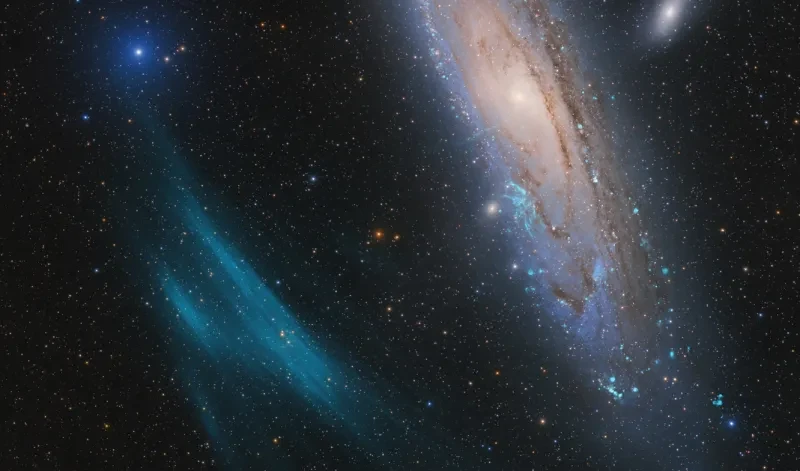
Andromeda, Unexpected - how three amateur astronomers and astrophotographers changed our view of the Universe
Learn about the brand-new discovery that earned Marcel Drechsler, Xavier Strottner and Yann Sainty the title of Astronomy Photographer of the Year – and a place in the science books
Explore the winning and shortlisted images
From ZWO Astronomy Photographer of the Year 2025.
ZWO Astronomy Photographer of the Year 2025 winners
Take a look at the winning images in the world's biggest space photography competition 2025
Skyscapes 2025 – ZWO Astronomy Photographer of the Year
See the stunning winning and shortlisted images in the ZWO Astronomy Photographer of the Year 2025 Skyscapes category
Our Sun 2025 – ZWO Astronomy Photographer of the Year
See the stunning winning and shortlisted images in the ZWO Astronomy Photographer of the Year 2025 Our Sun category
Galaxies 2025 – ZWO Astronomy Photographer of the Year
See the stunning winning and shortlisted images in the ZWO Astronomy Photographer of the Year 2025 Galaxies category
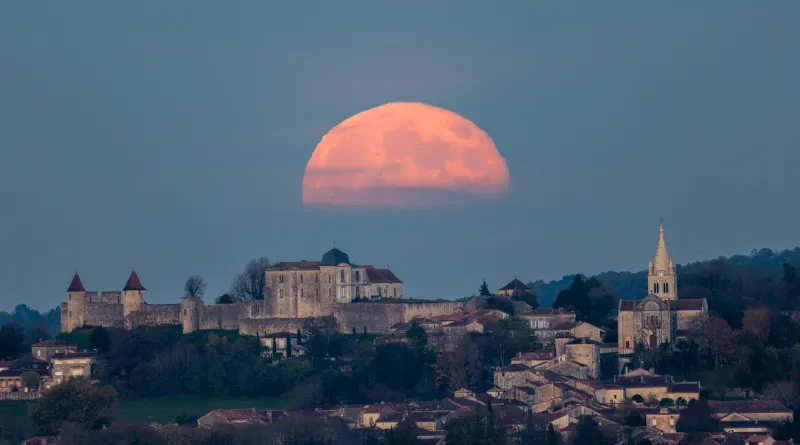
Our Moon 2025 – ZWO Astronomy Photographer of the Year
See the stunning winning and shortlisted images in the ZWO Astronomy Photographer of the Year 2025 Our Moon category
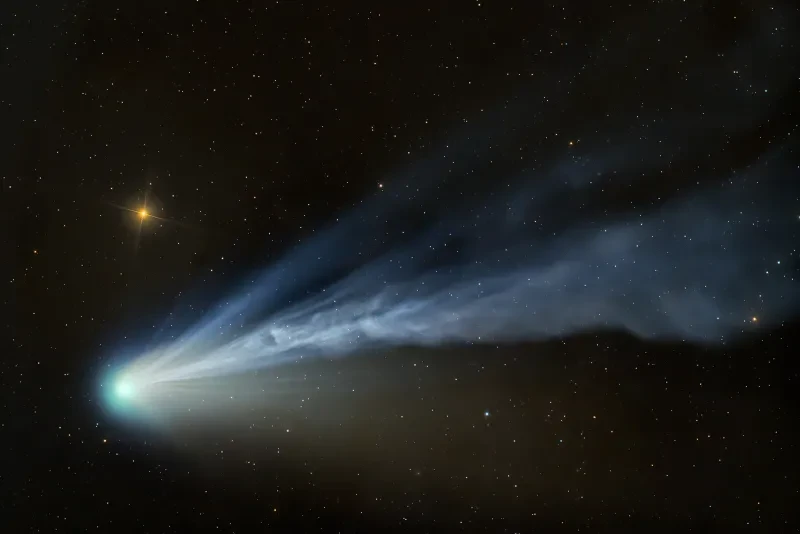
Planets, Comets and Asteroids 2025 – ZWO Astronomy Photographer of the Year
See the stunning winning and shortlisted images in the ZWO Astronomy Photographer of the Year 2025 Planets, Comets and Asteroids category
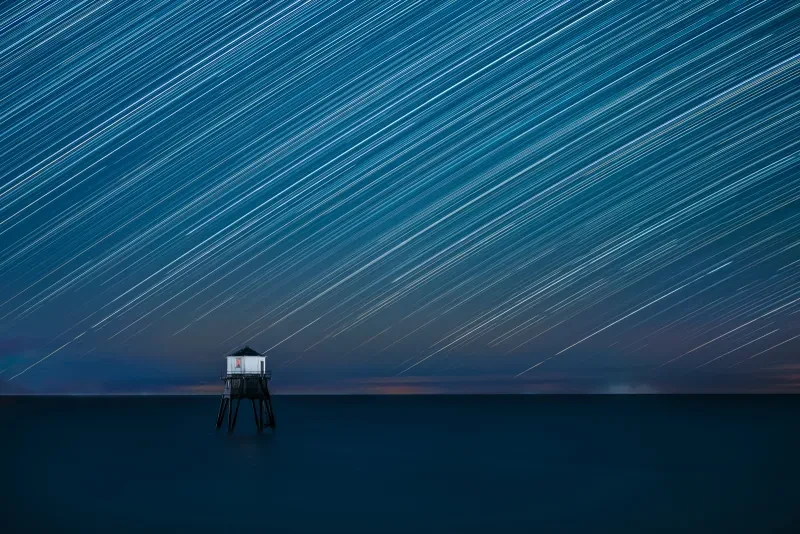
People and Space 2025 – ZWO Astronomy Photographer of the Year
See the stunning winning and shortlisted images in the ZWO Astronomy Photographer of the Year 2025 People and Space category
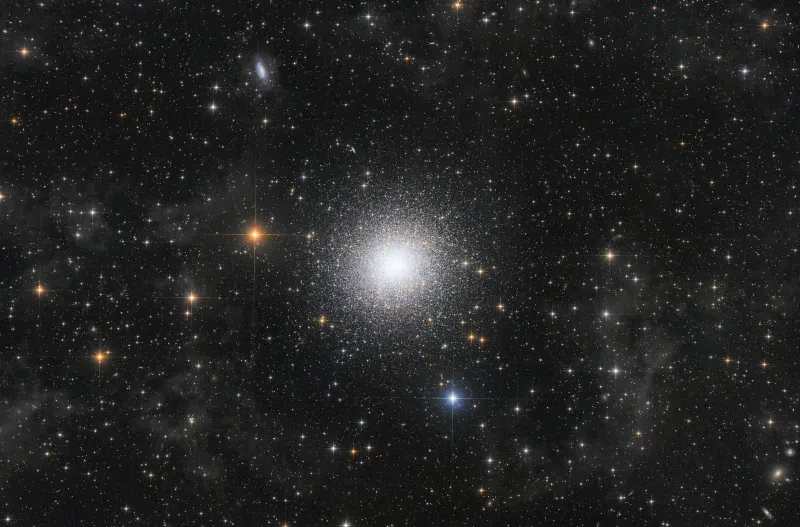
Stars and Nebulae 2025 – ZWO Astronomy Photographer of the Year
See the stunning winning and shortlisted images in the ZWO Astronomy Photographer of the Year 2025 Stars and Nebulae category
Best Newcomer 2025 – ZWO Astronomy Photographer of the Year
See the stunning winning and shortlisted images in the ZWO Astronomy Photographer of the Year 2025 Best Newcomer category
Annie Maunder Open Category 2025 – ZWO Astronomy Photographer of the Year
See the stunning winning and shortlisted images in the ZWO Astronomy Photographer of the Year 2025 Annie Maunder Open Category
Young Competition 2025 – ZWO Astronomy Photographer of the Year
See the stunning winning and shortlisted images in the ZWO Astronomy Photographer of the Year 2025 Young Competition
People's Choice Award 2025 - ZWO Astronomy Photographer of the Year
Who is YOUR ZWO Astronomy Photographer of the Year? Find out who won the people's vote