
250 years ago, in early July 1776, monumental news was dispatched from New York to British shores. Great Britain’s 13 American colonies had severed political ties and declared themselves an independent nation, publishing a ‘Declaration of Independence’ outlining their many reasons for doing so.
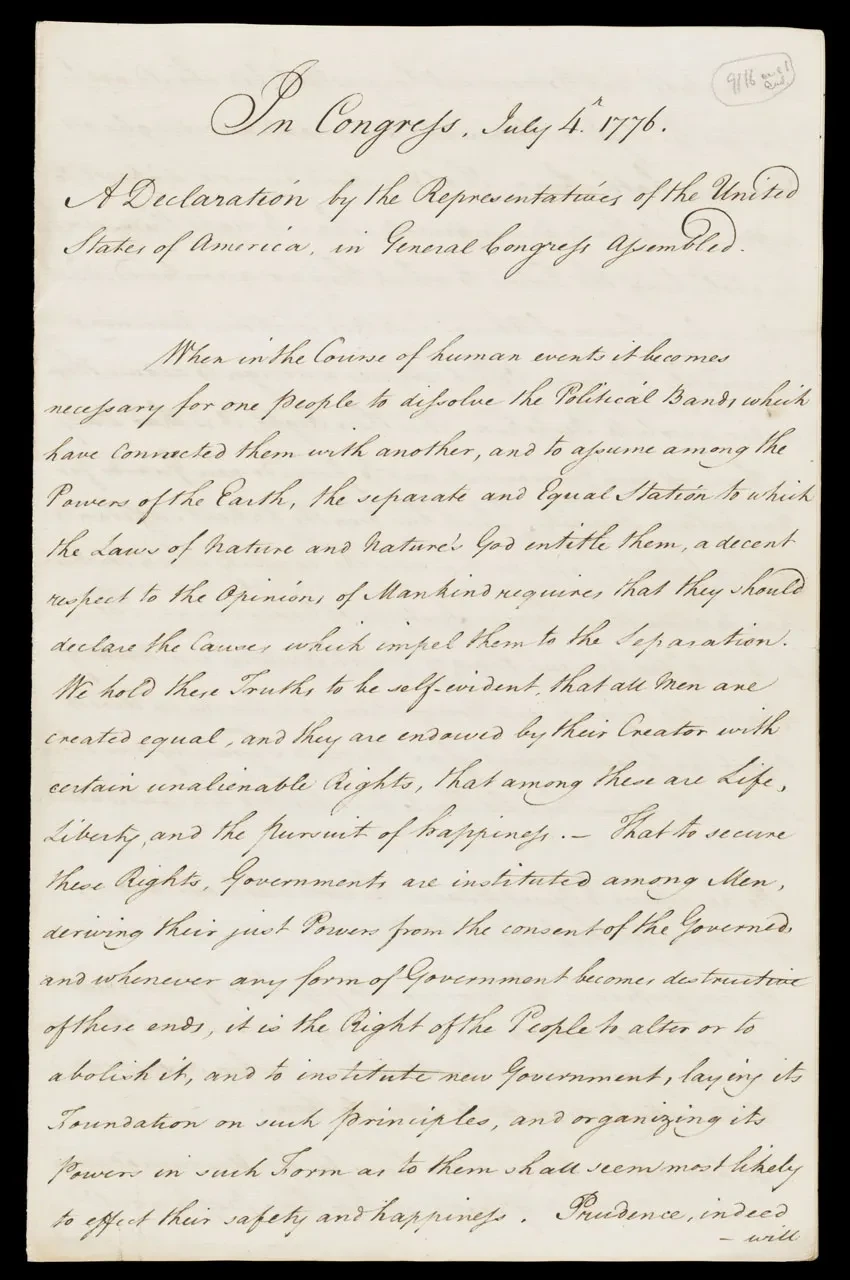
To mark the 250th anniversary of the Declaration on 4 July 2026, the National Maritime Museum is showcasing an early report of the Declaration of Independence that exists among papers of the Montagu family held in the archive of the Caird Library.
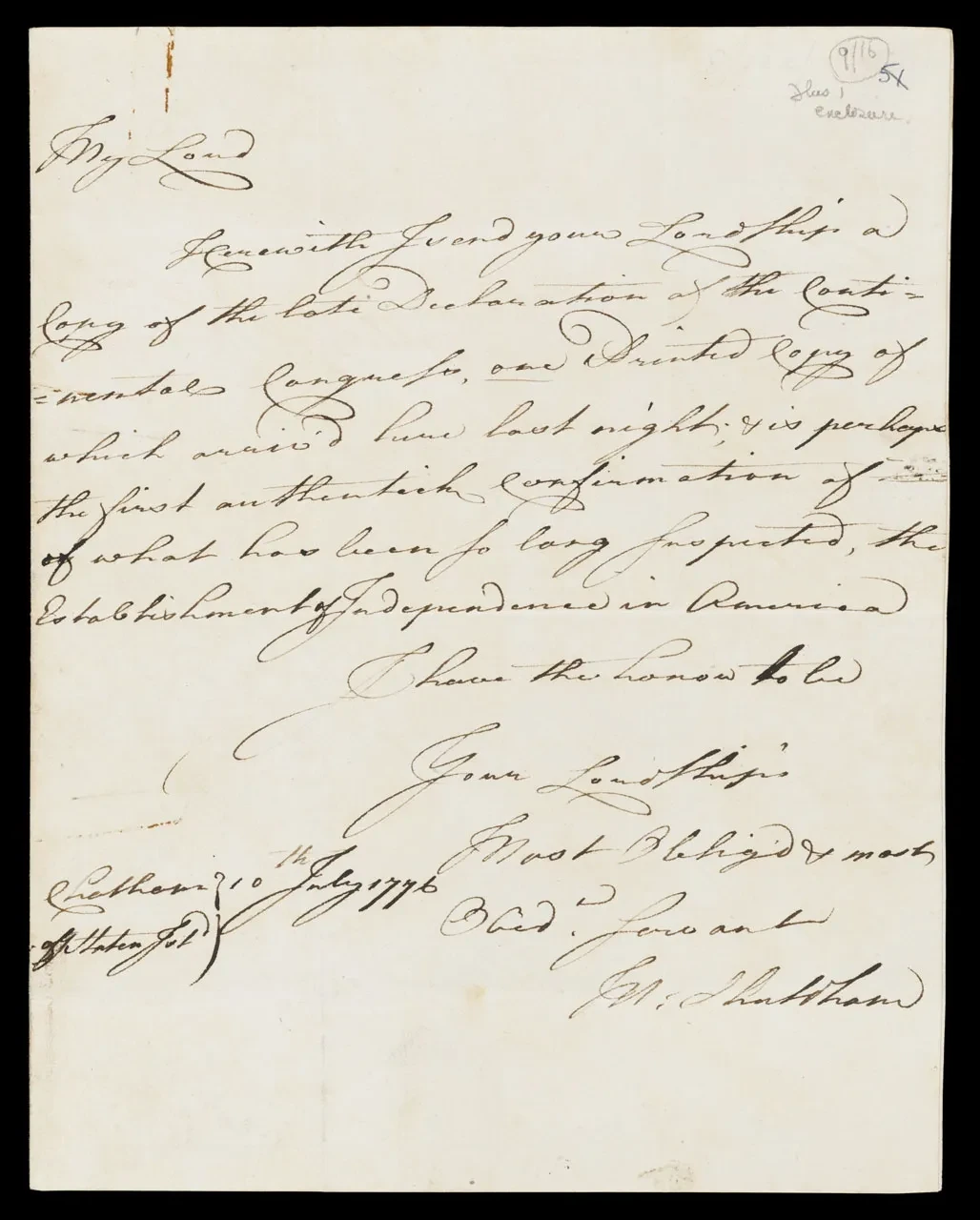
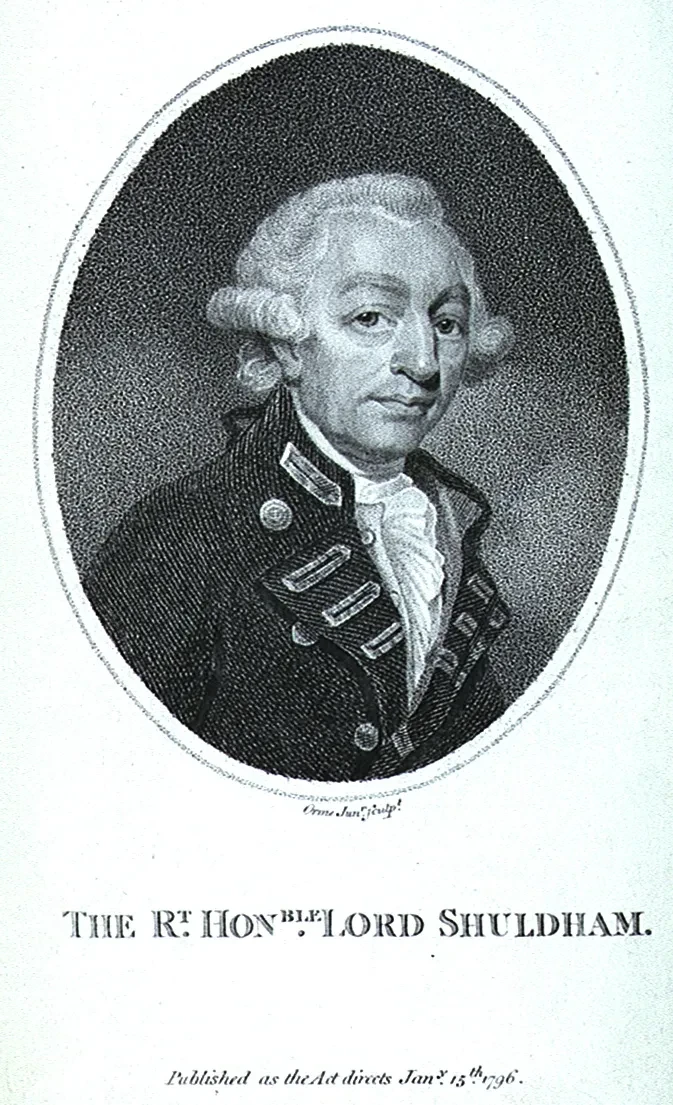
This includes a handwritten copy of the Declaration and an accompanying letter dated 10 July 1776, sent to Britain by Vice‑Admiral Molyneux Shuldham, who was commanding the British naval forces blockading New York at the time. The news was dispatched mere days after the Declaration was published in Philadelphia.
The letter penned by Molyneux Shuldham provides a rare British perspective on the revolutionary developments unfolding in America, which would have large and far-reaching repercussions for Britain.
1 / 2
Handwritten Declaration of Independence
© National Maritime Museum, Greenwich, London
2 / 2
Letter written by Molyneux Shuldham accompanying the handwritten Declaration
© National Maritime Museum, Greenwich, London
What was the Declaration of Independence?
The American War of Independence began in 1775 when Britain's 13 American colonies rebelled against British rule, following a series of political and economic disagreements about control of the colonies.
In June 1776, the Declaration of Independence was drafted by Thomas Jefferson, drawing on ideas developed by European philosophers about individual liberty.
The declaration states that ‘all men are created equal’, before listing the complaints against the British Crown that justified the breaking of the ties between the American colonies and Great Britain.
The Declaration was first printed on the night of 4 July 1776 in Philadelphia.
Image
The handwritten copy
On display at the National Maritime Museum is a handwritten copy of the Declaration and an accompanying letter written by Vice‑Admiral Molyneux Shuldham.
The letter is dated 10 July 1776, and was sent from on board HMS Chatham off Staten Island to John Montagu, the 4th Earl of Sandwich, first lord of the Admiralty.
Martin Salmon, Curator of Manuscripts at the National Maritime Museum, said: "...it is just possible this was the very first text of the Declaration of American Independence to reach British shores... yet it’s the accompanying letter that’s in some ways even more interesting, because it gives insight into the timing and circumstances in which the document was created."
The letter reveals that Shuldham had transcribed a printed copy of the Declaration shortly after it reached him while commanding the British naval forces blockading New York.
Shuldham highlights the significance of the Declaration in his letter:
“My Lord / Herewith I send your Lordship a Copy of the late Declaration of the Continental Congress, one printed copy of which arriv'd here last night, & is perhaps the first authentick confirmation of what has been so long suspected, the establishment of Independence in America.”
This means that within five days of it being published, a copy of the Declaration had been obtained, brought 90 miles to New York, made its way out to the blockading squadron, and was transcribed on the way to Britain.
It is likely that several copies of the Declaration were made and sent to Britain. During wartime it was safest to send several separate copies of any correspondence, so that it had the best chance of reaching its target.
However, thanks to travelling through naval networks, these documents on display are believed to be among the first written accounts to reach Britain.
Martin Salmon says, "Molyneux Shuldham was relieved of command, but his replacement did not arrive until 12 July 1776. It is likely that among the very last acts of his command was to ensure that the intelligence of American independence was communicated home."
See the display
The documents are currently on display outside the Caird Library and Archive at the National Maritime Museum and are free to visit – come and see this fascinating piece of history.
These historical artefacts have survived 250 years in remarkably good condition, thanks to their preservation among the papers of the Montagu family and more recent professional care they have received at the Caird Library. The important work they do preserving documents like these means we can still enjoy them today. If you would like to support this work, please donate to Royal Museums Greenwich.
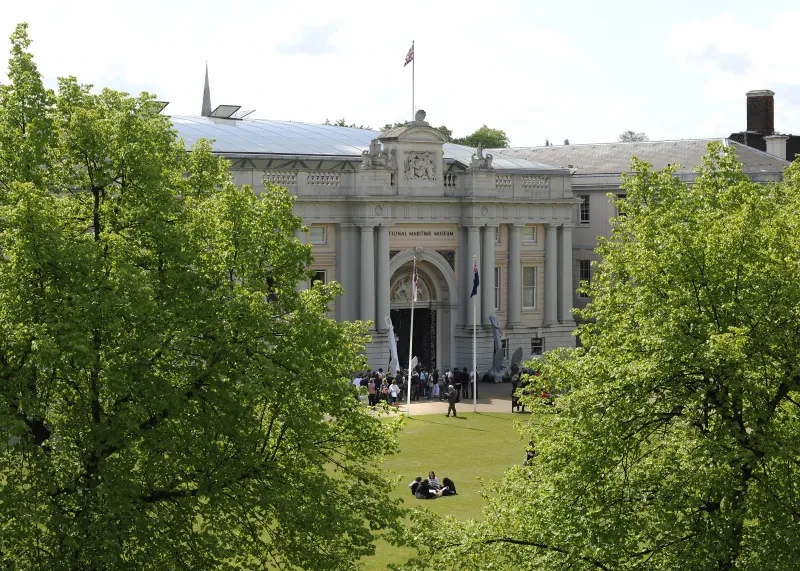
Header image: Declaration of Independence, July 4 1776, wood engraving (PAJ0182) © National Maritime Museum, Greenwich, London