

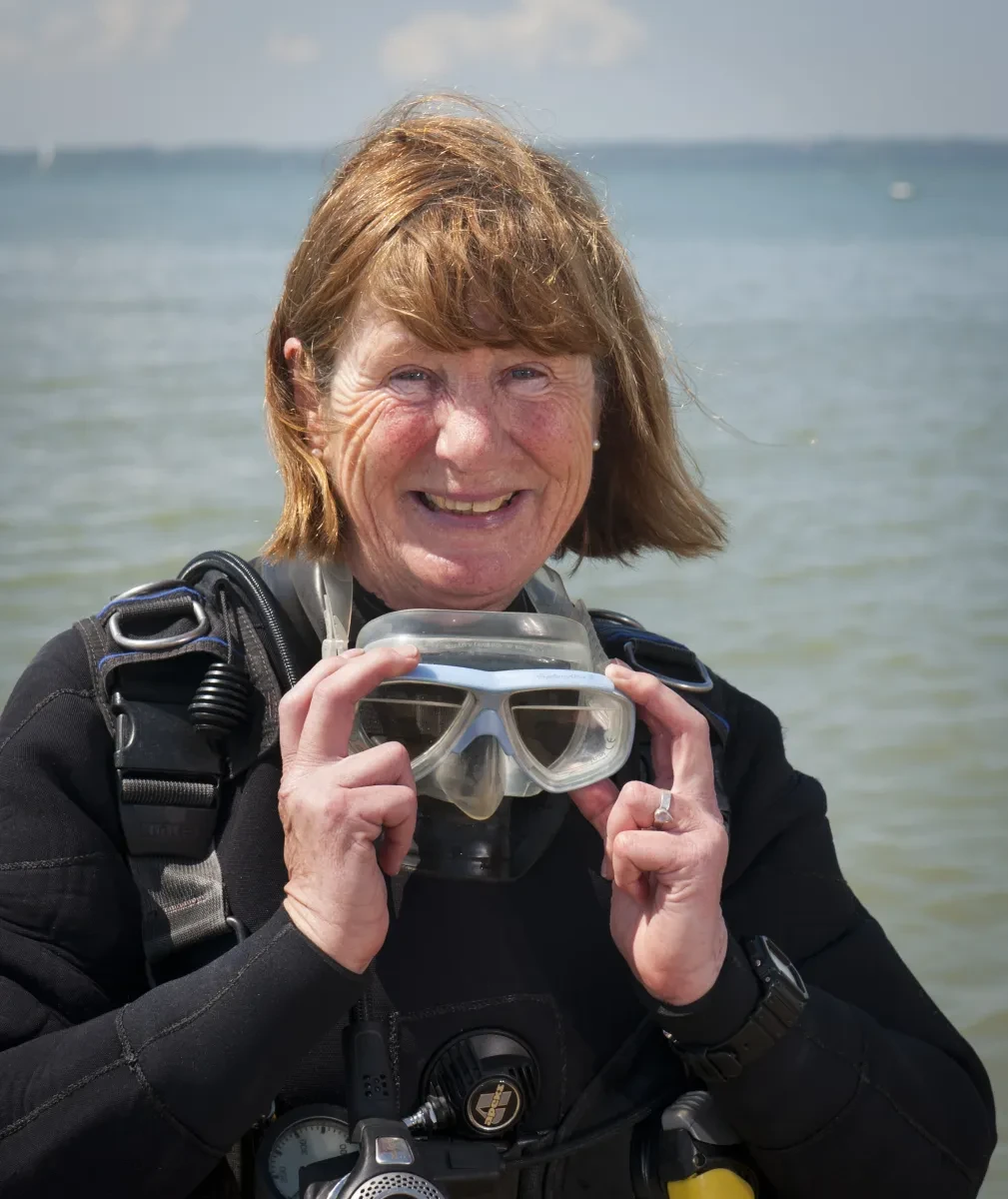
Jane Maddocks has been a maritime archaeologist for more than 50 years, yet she still gets excited whenever she goes on a dive. “You never know what you’re going to see,” she says. Jane’s love for archaeology began in childhood, with fond memories of exploring Hadrian’s Wall with her father.
A career as an archaeology teacher naturally followed, with weekdays spent educating students in Gosport, Hampshire. But her weekends were devoted to her other passion: wreck diving.
Since her first dive in 1971, Jane has explored some of Britain’s most iconic shipwrecks, including the Mary Rose and HMS Invincible. Through her research, she’s helped resurface tales of the people, place and objects connected to the nation’s sunken vessels.
She’s worked tirelessly to safeguard our underwater cultural heritage too, both in her former role as Wrecks and Underwater Cultural Heritage Advisor at the British Sub-Aqua Club – the national governing body for scuba diving and snorkelling – and now as the organisation’s Vice President.
Here, Jane provides a deep dive into the world of maritime archaeology, from unexpected discoveries to the stories buried beneath the sea.
Over the course of your career, you’ve dived on numerous wrecks. What have been some of your most memorable dives?
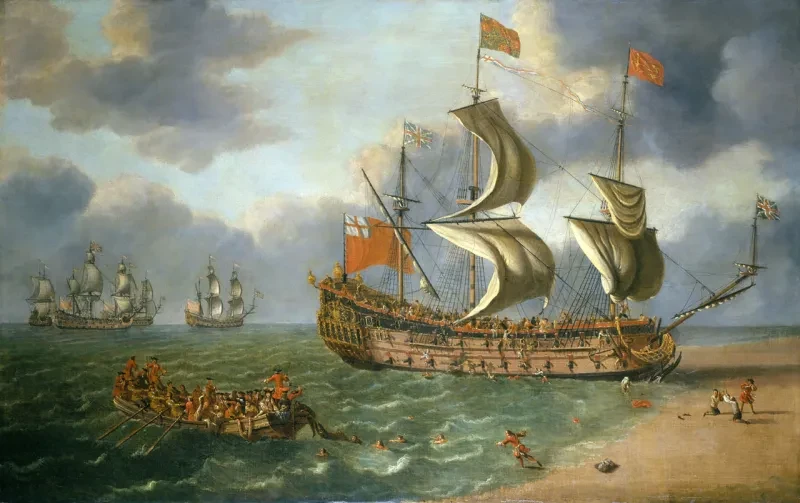
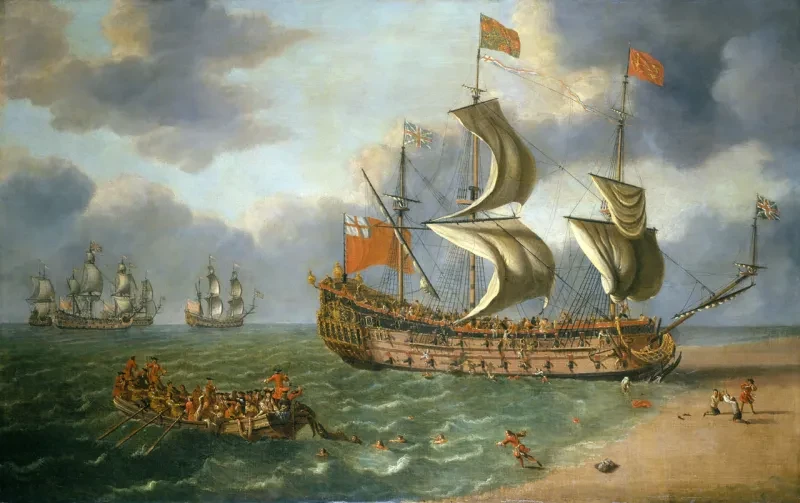
My very first dive on the Mary Rose was life changing. The ship was built for King Henry VIII and sank in the Solent (the stretch of water between the Isle of Wight and the south coast of England) in 1545.
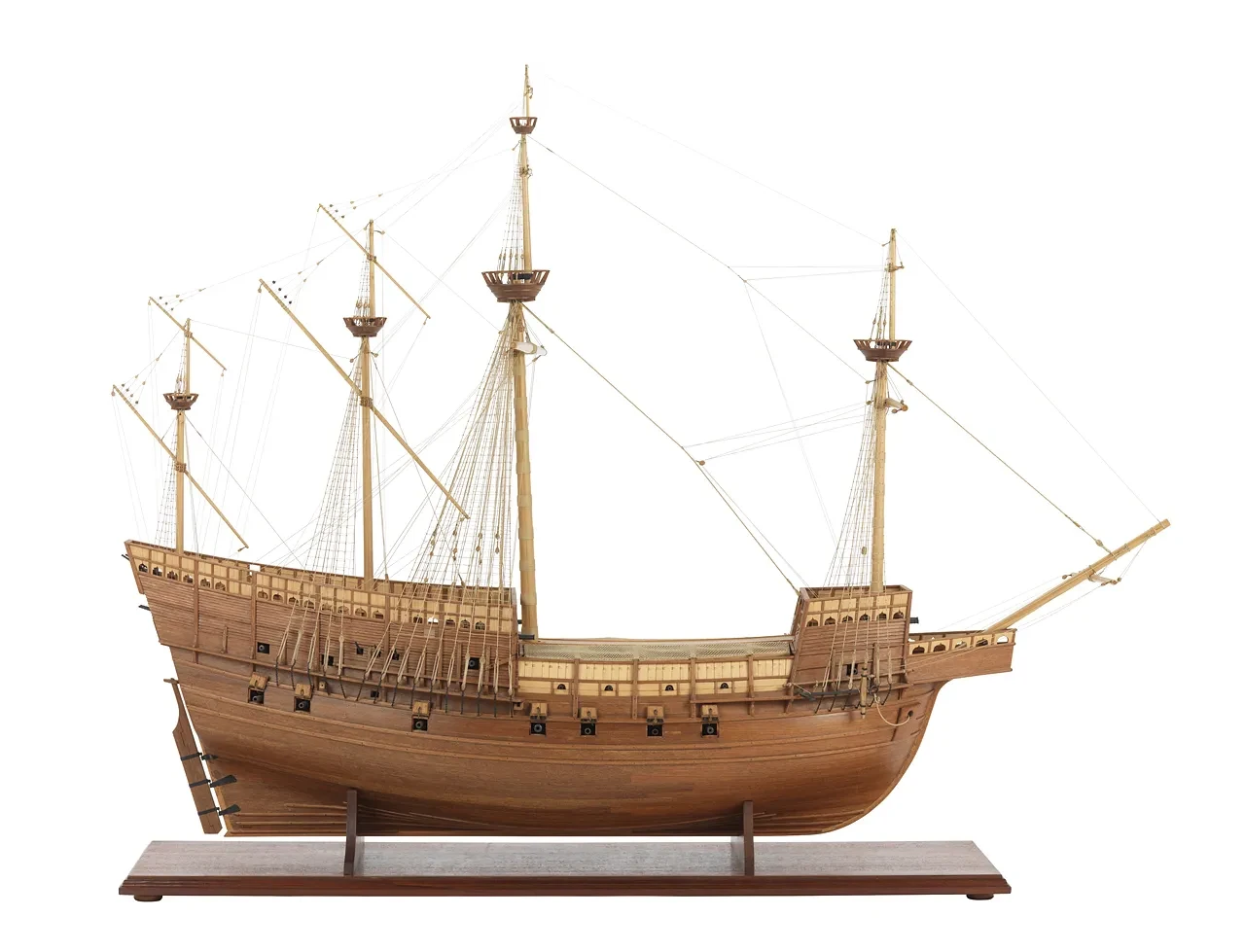
I was part of the volunteer team that dived on the warship in 1981, and spent two weeks helping to excavate the remaining material in the hull. I can still remember every detail of my first dive: from swimming around the wreck to holding a piece of wood that had become soft where it had come out of the mud.
One of my favourite moments was patting a gleaming bronze cannon. I remember thinking, “this is wonderful”. I had done wreck diving before, but this was the dive that changed things. From then on, all my spare time was spent diving wrecks, doing archaeology underwater, contributing to projects – and having a ball.
Image
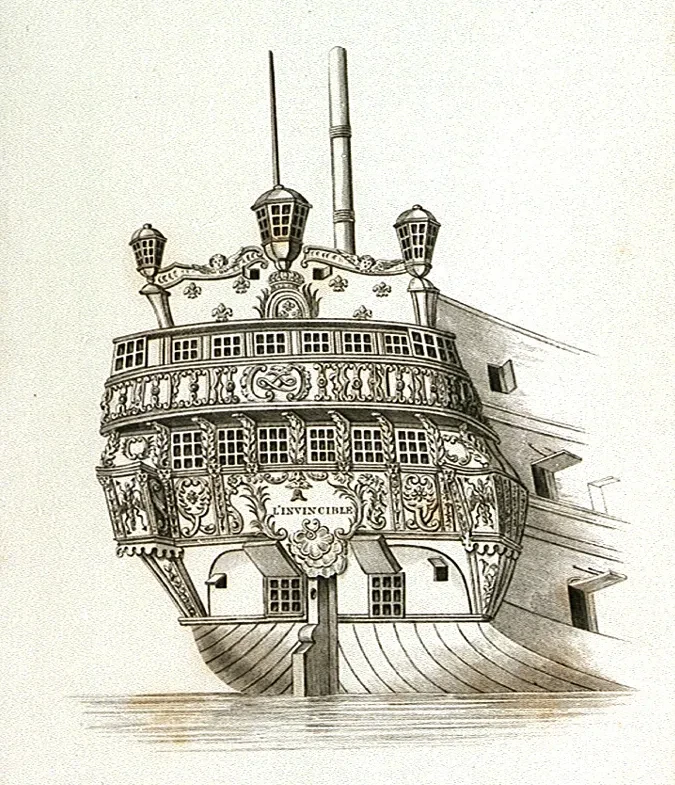
My time on HMS Invincible in the early 1980s was also a fantastic experience. I volunteered on the wreck for ten days, working alongside Commander John Bingeman to excavate and record the structure of the ship, which sank in the Solent in 1758.
On my initial dive, I found a case of early hand grenades, with the tray of flints underneath to strike the fuses. It was amazing to think that I was the first person to have seen them for over 200 years.
Unfortunately, the whole wreck smelled of rotten eggs, which meant that by the last day, the smell of sulphur was ingrained in me. The poor taxi driver who took me back to the ferry was very brave!
What are some of the tasks you carry out when diving on a wreck?
On a dive, we’ll be recording the wreck: making measurements and logging what’s there. We’ll bring small cameras with us, as well as lights, so we can record the dive. When I first started diving, we would wear thin wetsuits, which were nicely secured by yellow tape so the water would come in. If I go diving in the winter now, I wear a heated undersuit, a sealed dry suit and warm gloves.
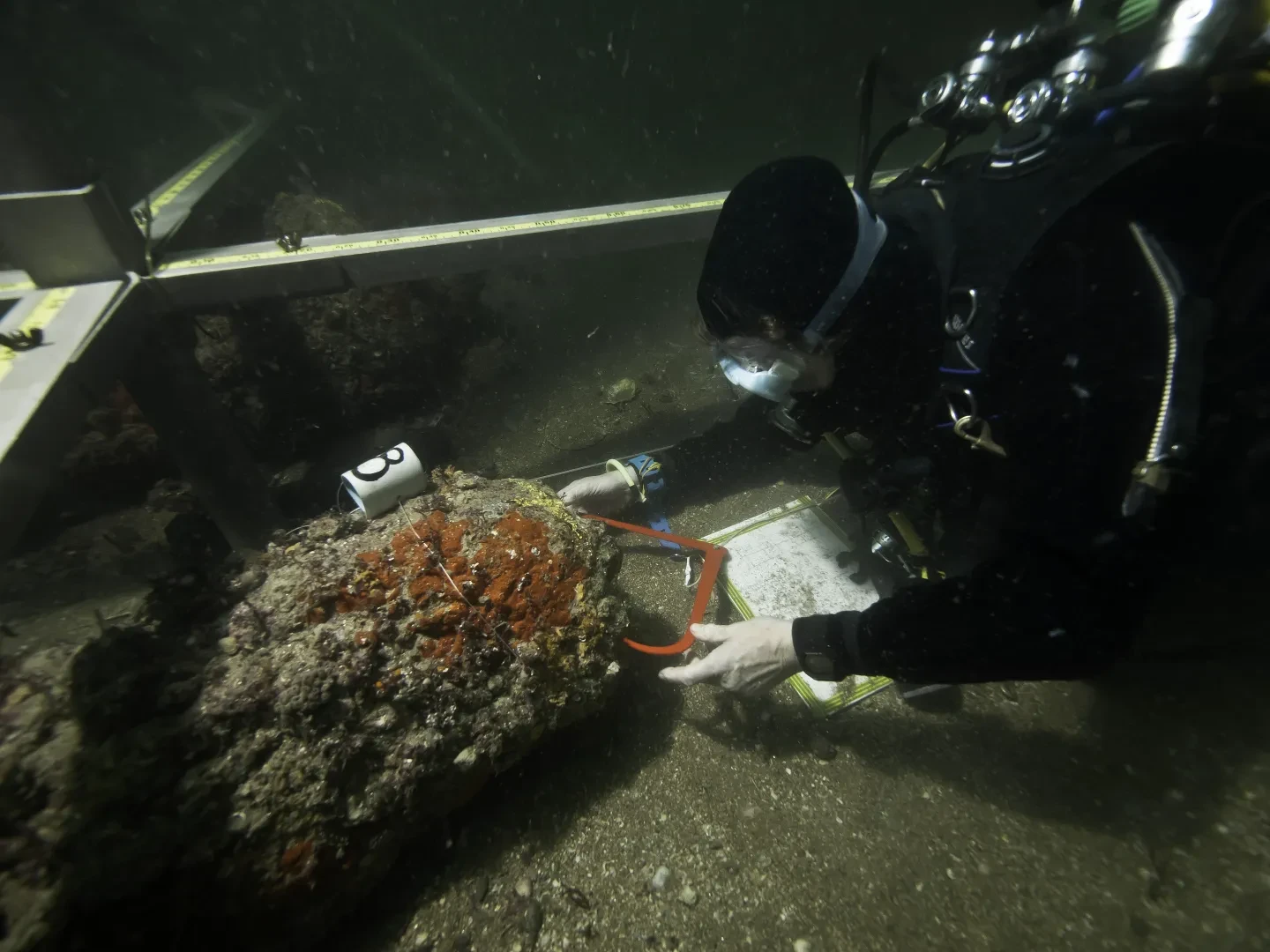
In maritime archaeology, you have to work with the tides. However, this can mean that you have limited time underwater if conditions aren’t favourable. When we were working on HMS Invincible, we needed the tide to be in, so the air lifts could carry away the sediment.
Strong winds significantly impact wave conditions too: no one wants to dive in 85 mph winds. When winds do stop us, we hone our skills in lakes instead. We also test our equipment, such as working out new ways to photograph things.
There is a misperception that diving in British waters is cold and uncomfortable, but it’s very exciting – and just so different.
You’re passionate about uncovering the tales connected to wrecks, sharing your findings in research papers and lectures. What are some of the stories shipwrecks can tell us?
A shipwreck is never in isolation; it forms part of a wider story about the people who sailed on it, the history of the vessel, what happened to it, and the objects found on board. A few years ago, I was involved in a research project about the cargo ship SS War Knight. This formed part of a wider initiative to raise awareness of the forgotten First World War wrecks along England’s south coast.
On 24 March 1918, SS War Knight collided with the world’s largest oil tanker, O.B. Jennings, off the Isle of Wight. Both vessels were engulfed in flames. There are extraordinary stories of heroism connected with the tragedy, including a War Knight apprentice who went back into the fire to rescue his chief.
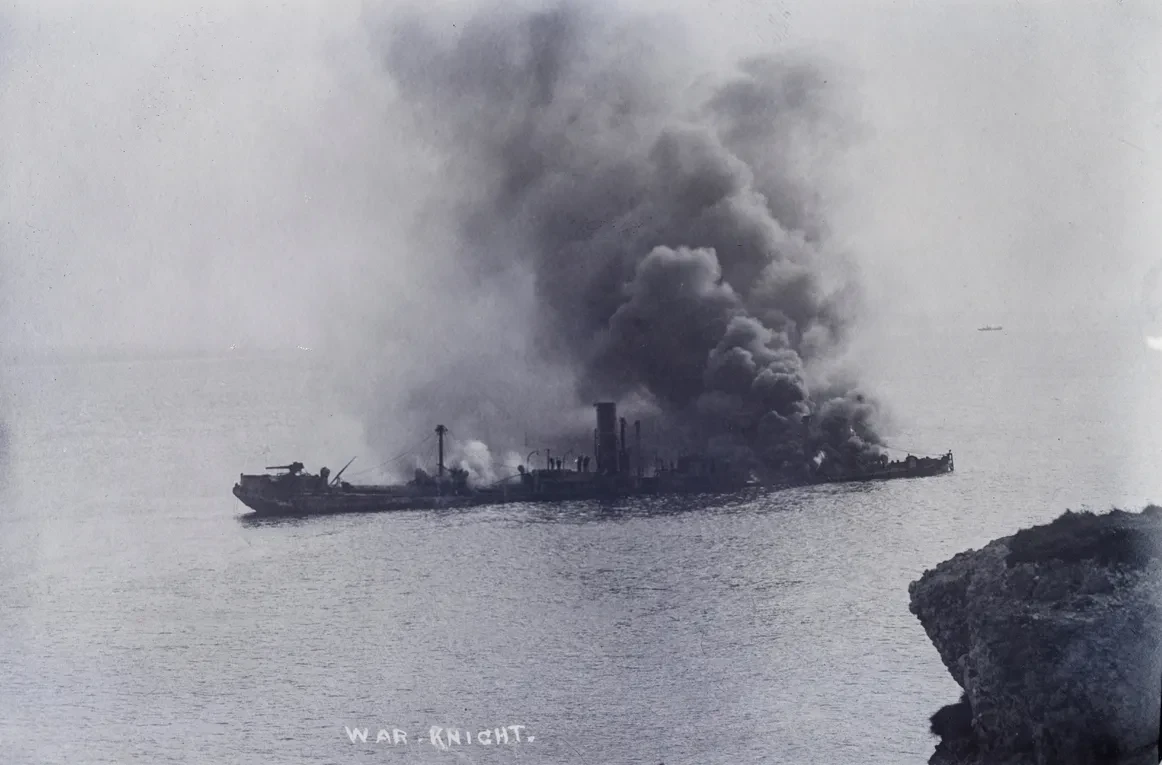
Logbooks from the Royal Navy vessel that rescued the War Knight’s crew reveal the scale of the disaster. You can read how the ship’s speed increased from eight to 16 knots, and you can imagine the stokers shovelling coal for everything they’re worth to get the injured men to Portsmouth Hospital.
Of the 47 crew on board SS War Knight, only 11 survived. SS War Knight was later sunk by gunfire in Watcombe Bay on the Isle of Wight, to extinguish the flames. As part of the project, we also tracked down descendants of the War Knight’s crew, to learn more about the lives of those on board.
In the UK, we have numerous wrecks that divers are visiting in order to record, research and find their stories. If you keep the stories alive, in some way you also keep the ships alive. If we don’t dive these wrecks, they get forgotten.
You’ve been instrumental in protecting Britain’s underwater cultural heritage. What are some of the threats facing it?
When we talk about underwater cultural heritage, we’re referring to anything that is underwater that has been made or adapted by humans, such as shipwrecks, harbour installations and drowned land surfaces.
The very nature of the underwater environment makes it hard to protect the human history beneath the waves. Strong tides and swift currents can disturb shipwrecks and whisk material away in the water. The seabed is a very busy place: there are so many pipes, lines, wind farms, as well as trawls from fishing vessels, that can impact wrecks.
Wrecks also provide habitats for marine species. They’re like a reef, they have places for fish to go, animals to hide, and areas for eggs to latch on to. If you trash the wreck, these creatures have nowhere to be concealed, and the larvae have nowhere to land.
We also have the unknown effects of climate change to contend with, such as the impact of increased storms, more turbulent waters and the migration of invasive species that might enjoy munching on a wooden shipwreck.
I have a horrible feeling that we’re going to be doing what we call ‘preservation by record’ which is preserving the wreck by recording it. However, that’s not the same as keeping it. I hope I’m wrong, but I think that’s where we have to start.
I don’t know what the solution is, but we’re trying to encourage divers to visit wrecks once a year, record what is there, take measurements and collect data relating to things like water temperature. We also have an ‘at risk’ register, where divers go to the wreck, and list the risks affecting it.
Image
How important is it for women of all ages to see themselves represented in maritime archaeology and STEM fields?
There is an issue that society does ‘old’ women – we make them old before their time. These days, women are able to go on well into their 70s and 80s and be productive: there are lots of women of my generation who are carrying on, doing things, and I applaud them.
I think enforced slowdown is bad news: if people make you feel as though you should be sitting down all day, that’s not helpful. On the other side of the coin, I’m noticing lots of younger women in STEM coming through, who will be carrying that torch onward.
I’ve been lucky to have had many career highlights, from diving unusual wrecks to working with incredible wreck finders who have been very generous in sharing their knowledge. Some of my favourite memories have been taking people on wrecks they haven’t dived before, and just watching them light up with excitement.
I started diving in 1971, and I still get excited when I dive on a wreck. There’s so much to be discovered in British waters, you never know what’s around the corner.

Making Waves
Stories of incredible women working at sea
Discover more
Image: © Inka Cresswell
Dive deeper
Banner image: C. Balcome, courtesy of BSAC
Our partners
With grateful thanks to The TK Foundation for its support of the Making Waves series.