
Essential information
| Type |
Talks and tours
|
|---|---|
| Location |
Online
|
| Date and times | Tuesday 2 June 2026 | 5.15-6.30pm |
| Prices | Free |
In this talk, Dr Manon C. Williams will explore the process of medical invaliding during the French Wars (1793-1815), where seamen, officers, and other naval employees were deemed 'unfit for service' due to injury, illness, or old age.
The decision about who qualified for support in the Navy's welfare system was an important one. Retired and disabled seamen could receive a place for long term accommodation and care at the Royal Hospital for Seamen at Greenwich, but there was not enough space for everyone. While many officers were granted comfortable pensions to live at home, the lower ranks of the ship frequently had to survive from meagre out-pensions, charity relief, or casual labour. Many seamen ended up in asylums.
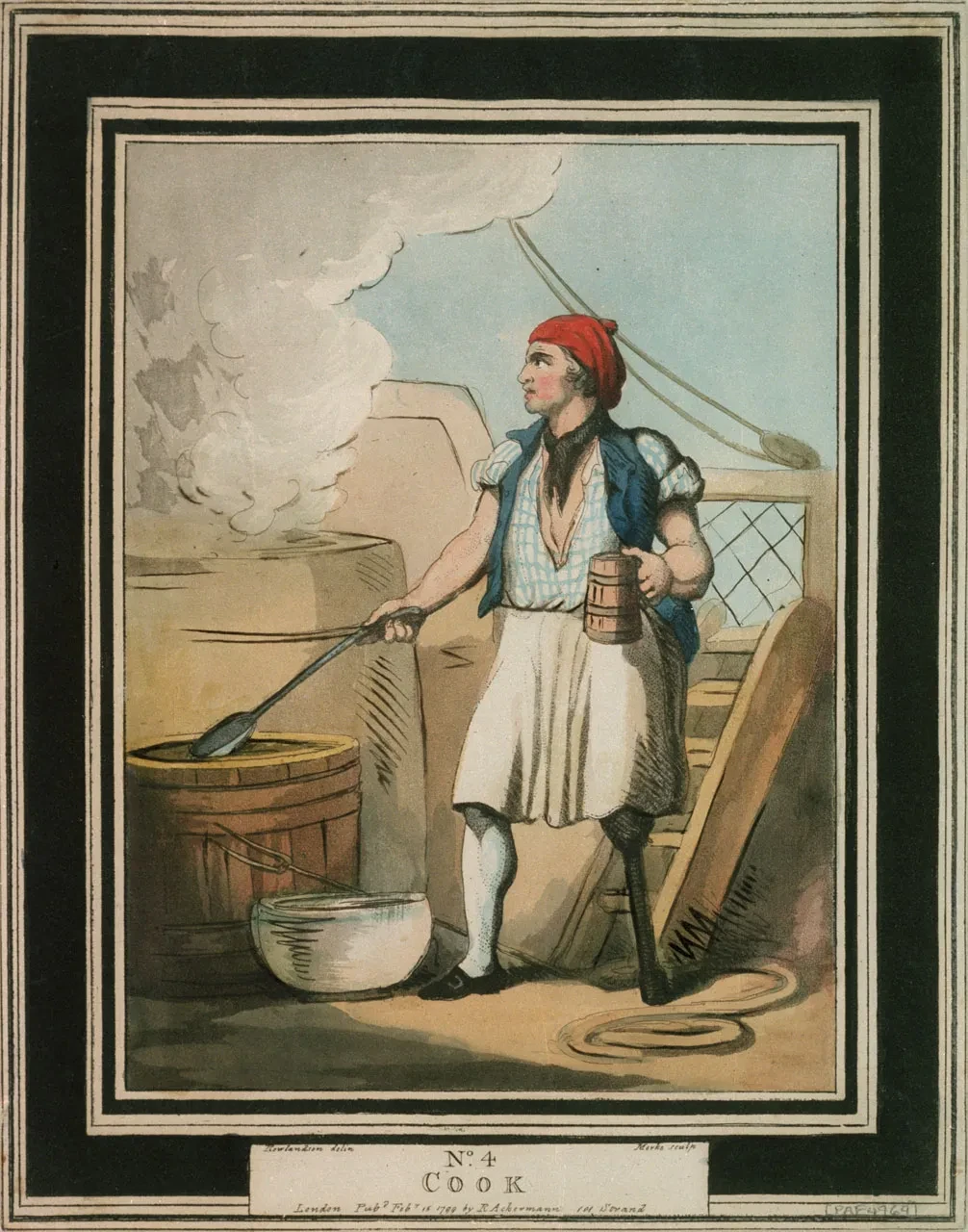
This talk will explore the role of medical professionals and medical decision-making in the invaliding process, examining tensions between the medical authority of surgeons and physicians and the occupational authority of captains and commanding officers.
About the speaker: Manon C. Williams
Dr Manon C. Williams is a historian of maritime health and medicine. She is currently a Pearsall Fellow in Naval and Maritime History at the Institute of Historical Research, University of London. Her research focuses on ship surgeons and the medical administration of the 18th and 19th-century Royal Navy. She has published on the post-mortem examinations conducted by surgeons on naval ships in the British Journal for the History of Science, and is working on her first book, Surgeons at Sea.
In 2025, she was a Caird Research Fellow at Royal Museums Greenwich where she investigated the involvement of medical professionals in assessments for disability and welfare in the Navy.
What’s on
See all upcoming Maritime History and Culture Seminars.
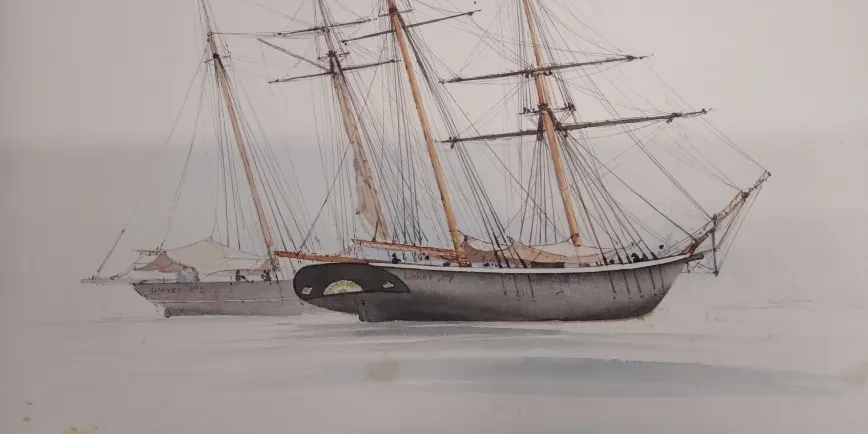

Maritime History and Culture Seminars
Our free talks cover a range of fascinating subjects, from maritime art and naval strategy to Black History and museum exhibitions.
Header image: Greenwich Hospital viewed from the north and showing pensioners, 1830 (PAH9662) © National Maritime Museum, Greenwich.