

June brings short nights and spectacular skies - from noctilucent clouds to the first true views of the Milky Way's glowing core.
Top 3 things to see in the night sky in June 2026
- 21 June - mark the summer solstice, the longest day of the year
- 16 June - spot Venus, Jupiter, Mercury and the crescent Moon in a line at dusk
Throughout the month - gaze south for the heart of the Milky Way
Look Up! podcast
Royal Observatory Greenwich astronomers Jess and Catherine cover this month’s must-see cosmic objects and events in this podcast. As usual, our hosts also discuss this month’s cosmic news stories, including the SMILE mission and the recent launch of SpaceX's Starship V3.
Got a question about space? Send it to us at ROGeducation@rmg.co.uk and our team of astronomers will answer it in next month’s podcast.
Astronomers have a complicated relationship with June. The Sun won't set until around 9:20pm from London, and even when it does, it won't sink far enough below the horizon for truly dark skies. We're stuck in astronomical twilight for most of the night.
But here's the flip side. If you've been following along over the past few months, we've been pointing our attention outward - away from the plane of our galaxy and into the deep Universe beyond. Well, June marks a shift. Now that Earth's orientation around the Sun has changed, when we look south at night, we're looking inward toward the bright, dense central core of our own galaxy. Milky Way season has finally arrived.
So: frustratingly short and late nights, but one of the most spectacular backdrops of the year, and you can usually leave your jacket at home.
The summer solstice
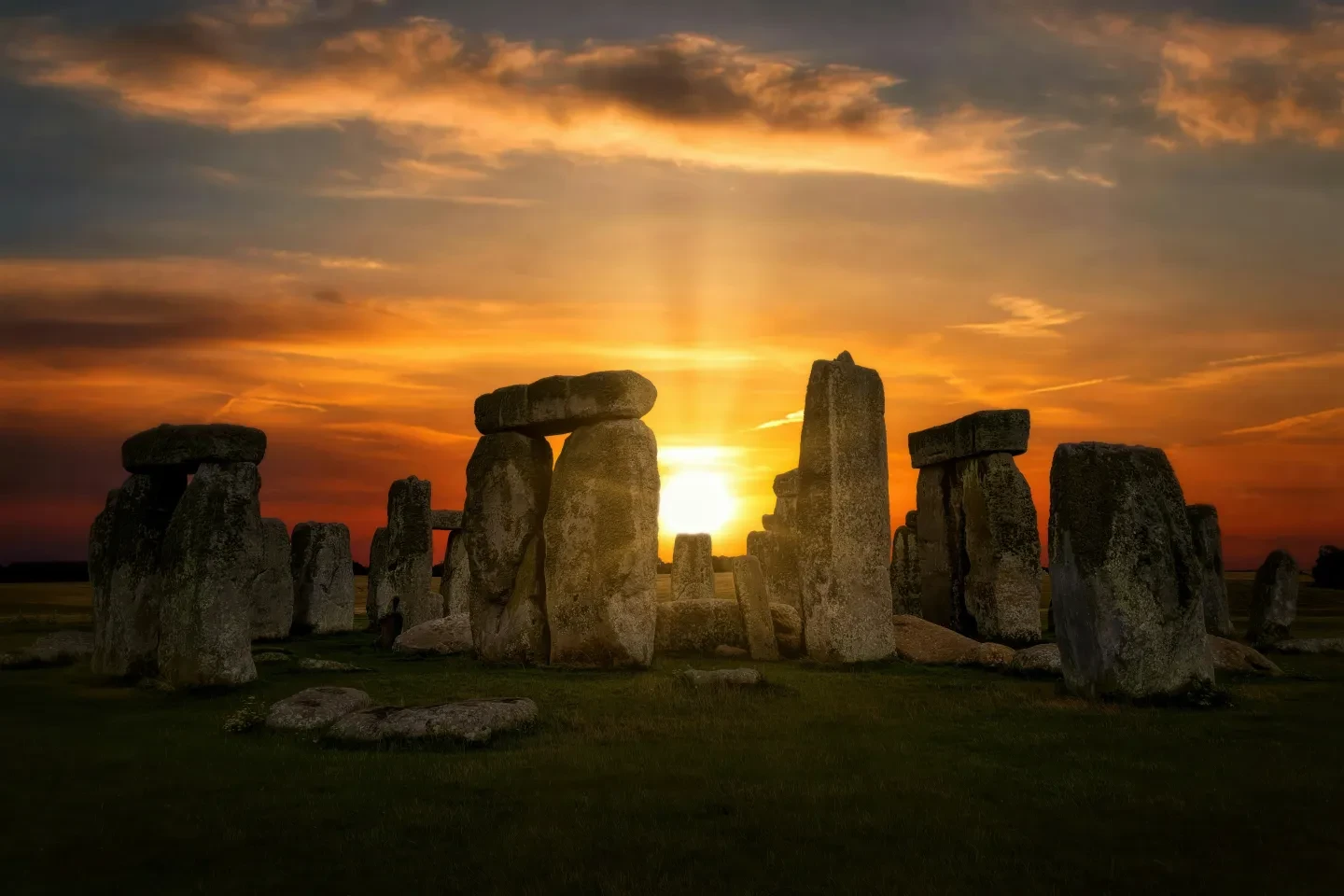
At the heart of the month is the summer solstice, falling on Sunday 21 June at 9.24am BST. This is the precise moment when Earth's Northern Hemisphere is tilted most directly toward the Sun, giving us the longest day and shortest night of the year.
On this day, the Sun rises and sets at its most northerly point on the horizon, climbs higher in the sky than at any other time of year, and sits directly overhead at noon for anyone standing on the Tropic of Cancer. From London, that means sunrise at around 4.43am and sunset at 9.21pm. From then on, the nights slowly begin to draw back in.
Humans across the world have been marking this moment for thousands of years. Close to home, the Heel Stone at Stonehenge was positioned so that the midsummer Sun rises almost exactly over it. As the Sun climbs past the stone on the morning of the solstice, the shadow it casts reaches inward through the main entrance of the circle, threading through the gap between two of the great standing stones.
Indeed, some researchers trace 'Heel Stone' back to the Anglo-Saxon word helan - ‘to conceal’. And if you turn around and look back from the Heel Stone toward the circle, the alignment reverses. On the winter solstice, the Sun sets directly into the heart of Stonehenge, and 4,500 years ago, it would have dropped precisely between the uprights of the Great Trilithon, the largest stone structure on the site.
For those in the Southern Hemisphere: 21 June is your winter solstice - the shortest day, the longest night, and the start of your finest stargazing season. More on what's waiting for you later.
Noctilucent clouds
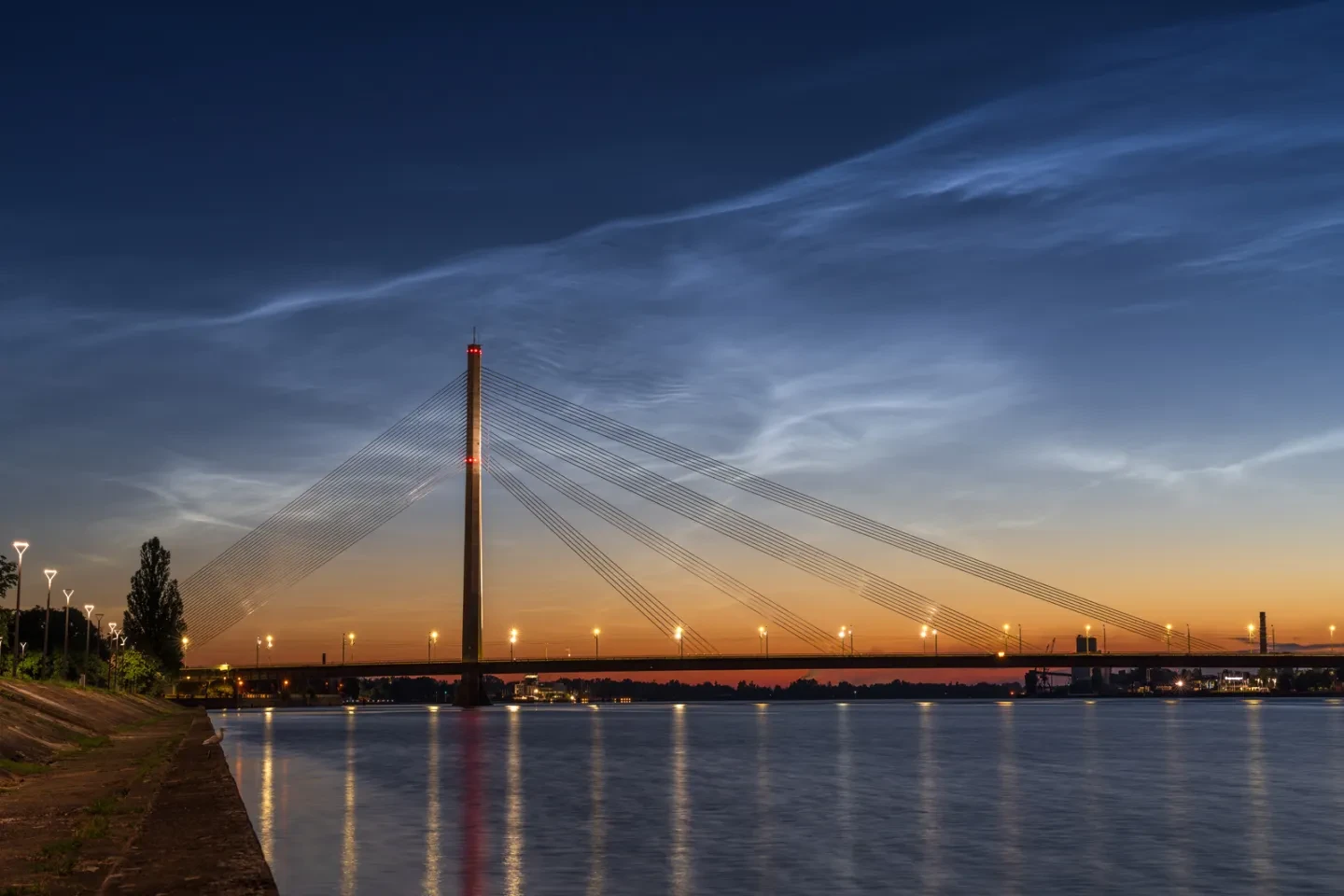
The sky does offer some compensation for these brief northern nights: noctilucent clouds.
The name comes from the Latin - nox, night, and lucere, to shine - and that is exactly what they do. They appear as eerie silver-blue wisps glowing low on the northern horizon after sunset, and June is peak season for them.
What makes them so extraordinary is where they form. Most clouds sit in the troposphere, no more than around 12km above the surface. Noctilucent clouds form in the mesosphere, at altitudes of 50 to 85 km - so high that they are still catching direct sunlight long after the Sun has set for us on the ground, glowing in the twilight while everything else has gone dim.
They are made of ice crystals that form on tiny dust particles, and the source of that dust is wonderfully exotic: micrometeorites, volcanic ash, and even exhaust from rocket launches. Somewhere in every noctilucent cloud is a small piece of space.
They're only visible between about 45 and 80 degrees north latitude, which puts the UK in the perfect position. Look toward the north-northwest around an hour after sunset. They are genuinely one of the finest things nature offers on a summer evening.
The Summer Triangle - and what's hiding inside it
As the sky darkens, the Summer Triangle rises in the east. Three bright stars marking the points of a large right-angle triangle that sits well placed from around 10.30pm throughout the season. Vega is the brightest, in the small constellation Lyra. Deneb marks the tail of Cygnus, the swan. And lowest in the sky is Altair, at the head of Aquila, the eagle.
We're going to use the triangle as a jumping-off point for two lovely deep-sky targets, and for these all you need is a pair of binoculars.
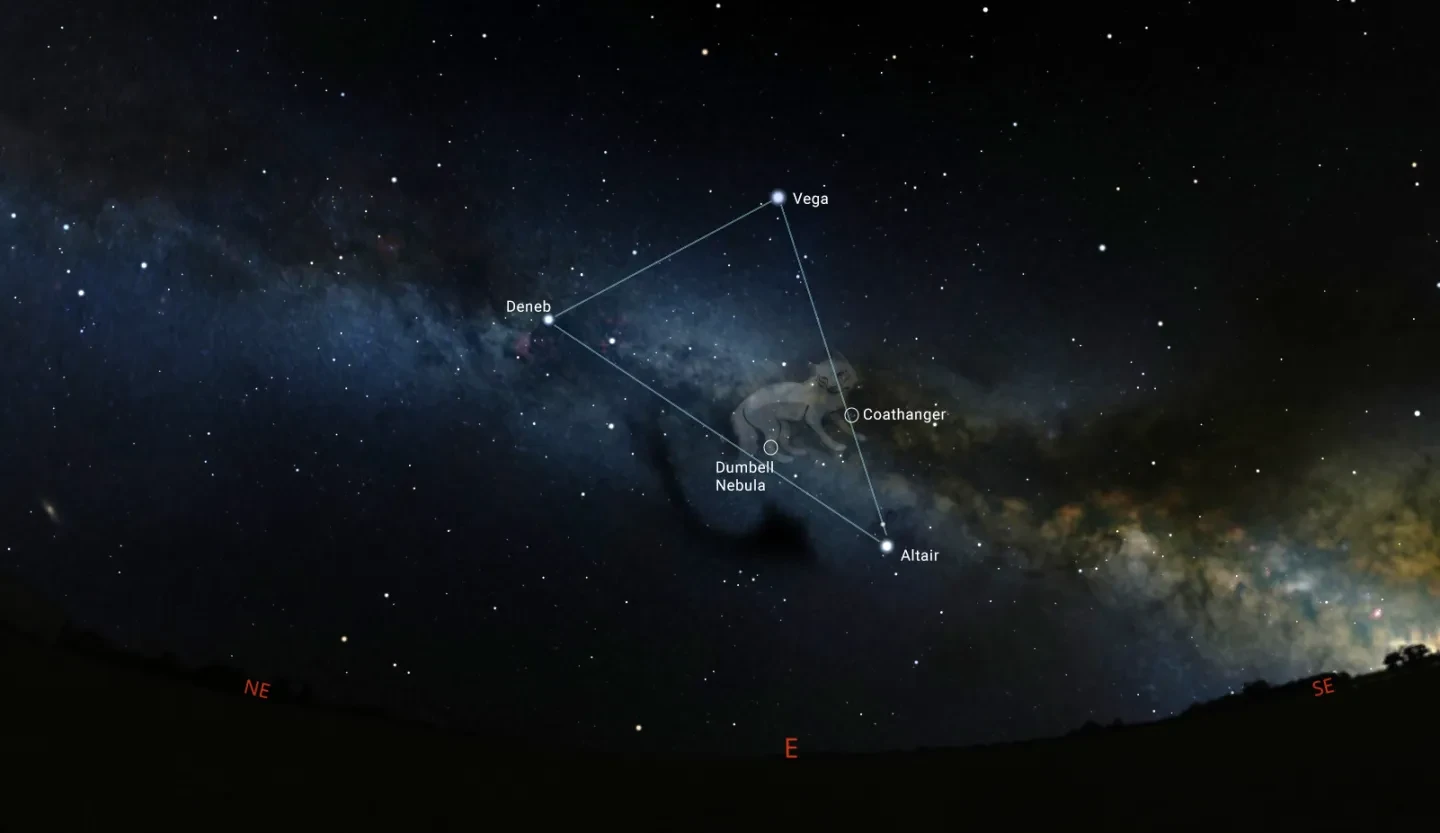
Look between Vega and Altair, along the spine of the Milky Way, and within the constellation Vulpecula - the little fox - you will find two brilliant binocular targets sitting close together.
The first is Brocchi's Cluster, better known as the Coathanger Cluster. It is exactly what it sounds like: a group of stars arranged in the unmistakable shape of a coat hanger - a straight bar of six stars with a hook of four curling below.
It spans roughly twice the width of the full Moon, which actually makes it too large for most telescopes. This is an object to view with binoculars, and it is one of the most immediately satisfying things you can find in the summer sky. It isn't a true cluster; the stars lie at varying distances and simply happen to line up along the same line of sight.
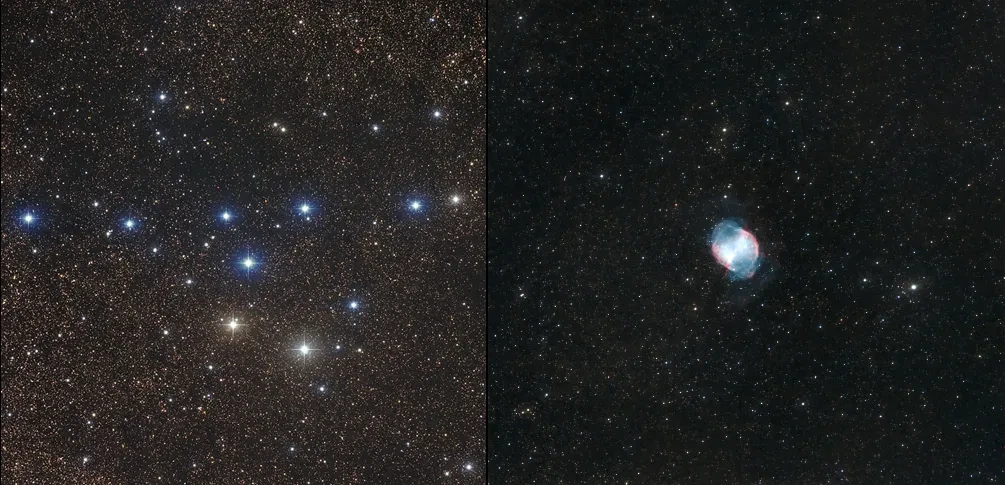
Just a few degrees to the northeast, still within Vulpecula and within binocular range, is the Dumbbell (or apple core) Nebula- M27. This was the first planetary nebula ever discovered, catalogued by Charles Messier in 1764.
The name describes what you see: two expanding lobes of glowing gas - the shell of material thrown off by a dying star not unlike our sun, giving us a glimpse into what the final throes of life of our own star might look like from afar.
Hints of blue-green emerge from ionised oxygen glowing in the expanding shell, and at its centre, too faint to see without a larger telescope, is a tiny white dwarf: all that remains of the original star.
These two remarkable objects, nearly side by side, are both found by following the Summer Triangle inward.
The June Bootids: expect the unexpected
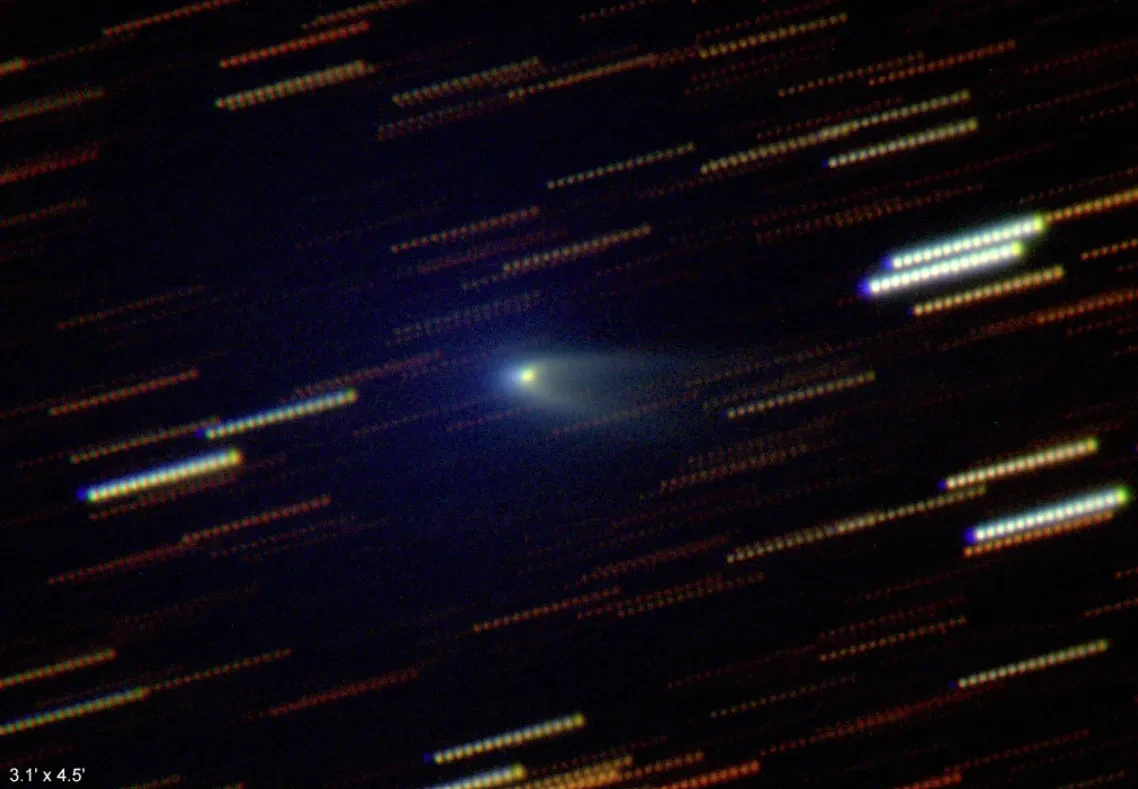
Most meteor showers are reassuringly predictable. The Perseids in August, the Geminids in December, you know roughly what you're getting. The June Bootids are different.
This shower comes from debris left behind by comet 7P/Pons-Winnecke, which orbits the Sun every six or so years, and peaks around 22–27 June at around midnight. In most years it produces roughly one or two meteors per hour - a rate you could generously attribute to wishful thinking and a passing aeroplane.
But episodically, there are outbursts. In 1998 it delivered up to 100 meteors per hour over seven hours. In 2004, somewhere between 20 and 50. In 2010, after an outburst had been predicted and eagerly anticipated, fewer than ten.
There are no predictions of an outburst this year. But there never are, until it happens.
So if you're feeling lucky, go outside, lie on a blanket, face the constellation Boötes in the west-southwest, keep the Moon out of your direct line of sight, and wait. You might see almost nothing. You might see a storm. We cannot tell you which. That makes the June Bootids, in their own chaotic way, one of the most exciting meteor showers of the summer.
The planets in June
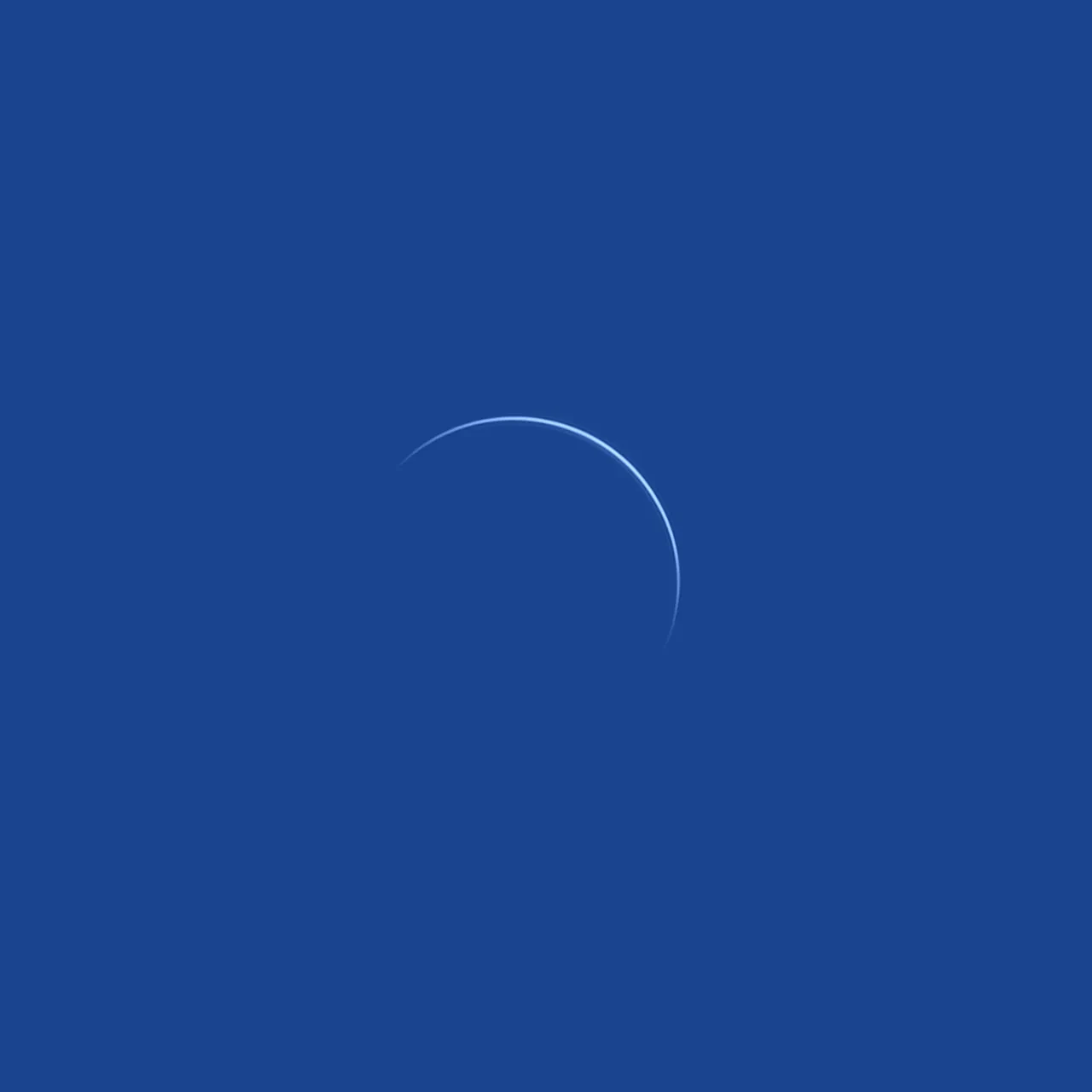
June is a genuinely exciting month for planets, and there are a few specific dates worth putting in your diary.
On 15 June, Mercury reaches its greatest elongation from the Sun - the point in its orbit where it appears farthest from the Sun as seen from Earth, making it easiest to spot. Look low in the western sky just after sunset.
Mercury is always a tricky target because it hugs the Sun so closely, so greatest elongation is your best chance to see it. If you are using a telescope or binoculars, be certain the Sun has fully set before you start sweeping the sky in that direction, as looking directly at the Sun can cause permanent eye damage.
The following evening, 16 June, is not to be missed. Look west at around 10pm and you will find Venus, Jupiter, Mercury and the crescent Moon all setting together in a line, laid along the ecliptic like a string of fairy lights.
Mercury will sit about 2.6 degrees from the Moon. It is a beautiful sight in itself, but it is also an elegant demonstration of why the planets all appear along the same arc in the sky: the Solar System formed from a single flat spinning disc of material, and the planets haven't strayed far from that plane since. On this evening, you will be able to trace it with your eye in a single glance.
Then on 17 June at around 9.21pm BST, Venus - already the brightest object in the western sky apart from the Moon itself - will pass just 0.3 degrees south of the crescent Moon. It is well worth stepping outside for.
Finally, on 27 June, a Moon that is 96% illuminated will sit just 0.5 degrees north of Antares, the brilliant, fiery heart of Scorpius. Antares roughly means 'rival of Mars', and the comparison is apt: its deep orange-red colour closely mirrors the red planet's. Plus, since Scorpius is a zodiac constellation, the path of the Moon, Sun and planets passes through it, occasionally bringing Mars and its stellar rival face to face. To catch the Moon next to Antares, look south around midnight.
Scorpius from the north

Before we hand over to the Southern Hemisphere, a brief note on Scorpius from our side of the equator. Firstly, Scorpius has such a shape that even those with no imagination at all can spot the scorpion in the sky.
From the UK, Scorpius barely clears the horizon. Antares scrapes along the south at little more than 15 degrees altitude, and you will need a flat, open southern horizon and a clear night to see it properly. From the Southern Hemisphere, all of this is effortless.
Southern Hemisphere stargazing: Maui's hook and the heart of the galaxy

June is when the Southern Hemisphere truly opens up. With the winter solstice bringing long, dark nights and the centre of the galaxy climbing high overhead, this is arguably the finest month for stargazing anywhere on Earth.
There is a beautiful relationship between two of the southern sky's most iconic landmarks at this time of year. As the Southern Cross reaches its highest point, Scorpius is rising in the east, and as the Cross descends toward its lowest, Scorpius is setting in the west.
They act as counterweights, trading places across the sky throughout the night. Through June, July and August, Scorpius climbs from the eastern horizon to nearly overhead, and from southerly latitudes the full scorpion is laid out above you: Antares blazing at its heart, the curling tail arching to the southeast, the raised stinger pointing into the thickest part of the Milky Way.
In Māori astronomical tradition, this shape is known as Te Matau a Māui - Maui's fishhook. According to legend, the demigod Māui used this great hook to haul the North Island of New Zealand up from the ocean floor. The South Island is said to be his canoe.
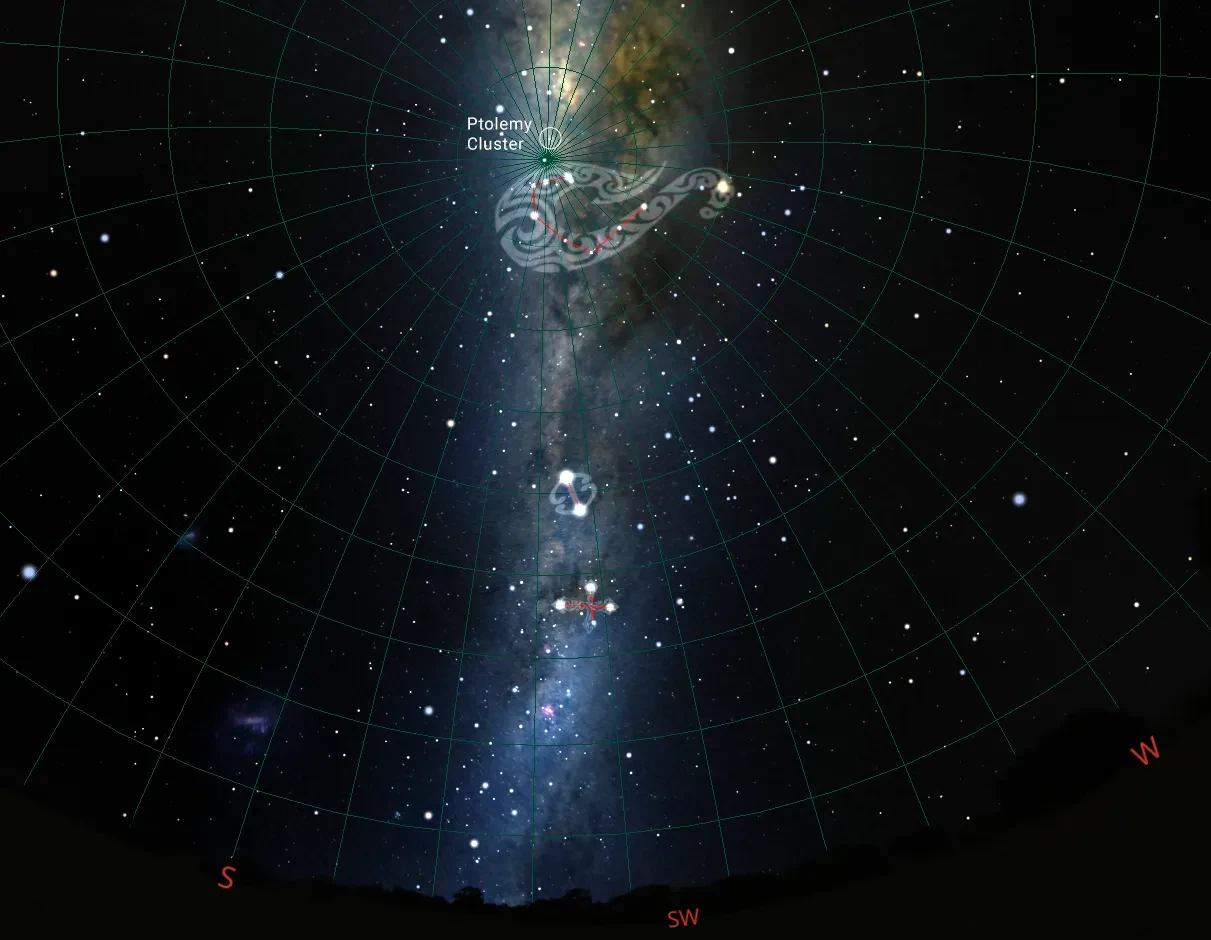
Polynesian navigators used the sky as a map, crossing thousands of miles of open ocean with no landmarks and no charts, relying on deep knowledge of positional astronomy, ocean currents, animal migrations, and more.
One technique was the use of zenith stars - stars that pass directly overhead at a specific latitude - to confirm position. For some tribes (iwi) in Aotearoa New Zealand, those zenith stars are the very stars that make up Maui's hook. Scorpius passes overhead at the latitude of the islands. Scorpius acts as a pin in the sky map.
While you're here, look toward the stinger - the very tip of Maui's hook- to find M7, Ptolemy's Cluster. Visible to the naked eye from a dark site as a rich, sparkling splash of stars, it was noted by Ptolemy in 130 AD, making it one of the oldest recorded deep-sky objects. Through binoculars, set against the dense and dusty backdrop of the galactic centre, it is magnificent.
And that brings us to the main event. From a dark site in the Southern Hemisphere in June, climbing high overhead, you will see the core of the Milky Way in its full glory - a dense, glowing bulge of hundreds of billions of stars, laced with dark dust lanes where clouds of gas obscure what lies behind. This is the central hub of our galaxy, some 26,000 light years away. While living and working under dark skies in Australia and New Zealand, I remember the first time I noticed shadows on the ground in the middle of the night, cast by nothing but the glow of the Milky Way.
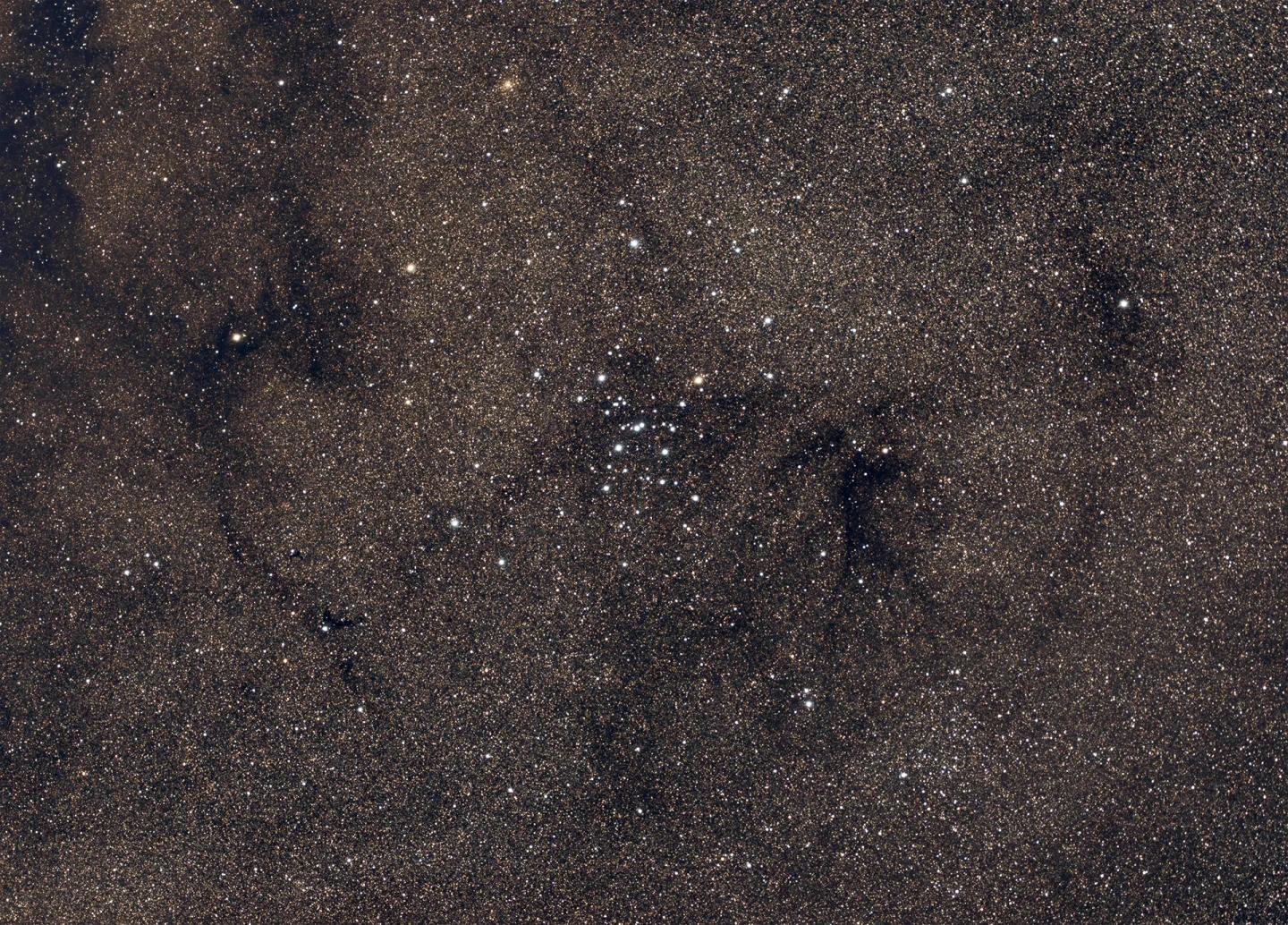
There is nothing quite like seeing the Milky Way properly for the first time. Sadly, many of us will never see it as over 80% of the world's population lives under heavily light-polluted skies. If you can, visiting a dark sky reserve or simply getting some distance away from the big smoke is a great way to see our galaxy.
The Moon's phases in June 2026
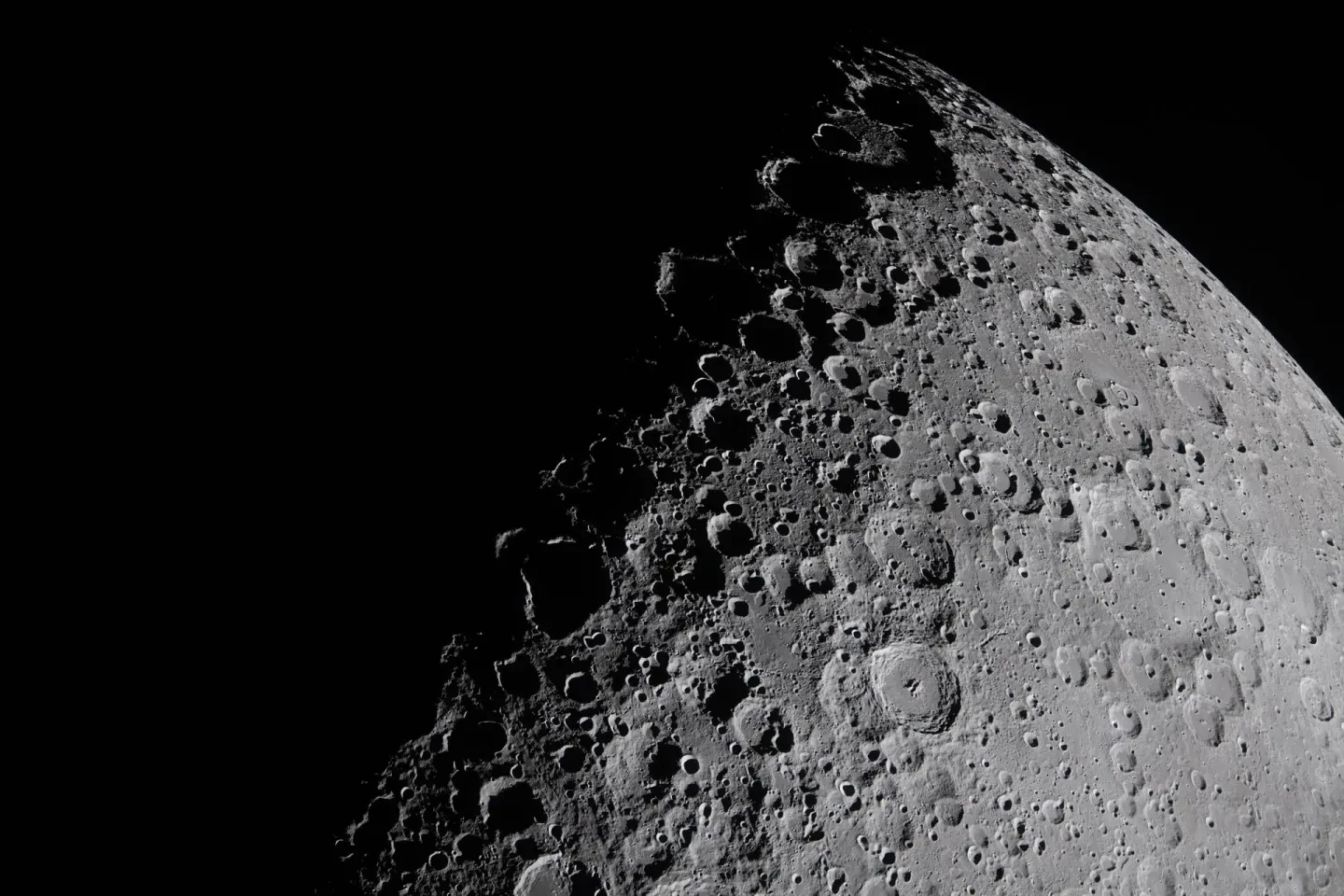
• Last quarter – 8 June
• New Moon – 15 June
• First quarter – 21 June
• Full Moon – 30 June
Stargazing tips
When looking at faint objects such as stars, nebulae, the Milky Way and other galaxies, it is important to allow your eyes to adapt to the dark so that you can achieve better night vision.
Allow 15 minutes for your eyes to become sensitive in the dark, and remember not to look at your mobile phone or any other bright device when stargazing.
If you're using a stargazing app on your phone, switch on the red night vision mode.
Read next
Night sky highlights - July 2026
This month Earth reaches its farthest point from the Sun, we look for a lunar crater named by the Artemis II crew, and a morning star cluster heralds in Matariki, the Māori new year.
How to see the 12 August 2026 partial solar eclipse
Learn more about the best solar eclipse visible from the UK and Ireland so far this century, when around 90-96% of the Sun will be covered by the Moon
Meteor shower guide 2026
Want to see shooting stars? Check the key dates for major meteor showers in the UK in 2026, and how to see them in the night sky
Artemis Programme: what you need to know about NASA’s Moon missions
NASA's Artemis missions aim to land humans on the Moon again, create a lunar base, and lay the groundwork for a future trip to Mars
Full Moon calendar 2026
Check the dates for every full Moon throughout the year, learn about the Moon's phases, 'supermoons' and more
Astronomy with the naked eye
Learn what you could see in the night sky with no equipment from the Royal Observatory Greenwich; from galaxies and meteor showers to comets, star clusters, cloud formations and more
'Observing the Universe reveals how small yet precious we are'
An accident led Takanobu Kurosaki to rediscover life’s beauty and fall in love with astrophotography. Explore his image shortlisted in ZWO Astronomy Photographer of the Year 2025
How could humans live on Mars?
Astronomer and author Brendan Owens examines the challenges of sending humans to Mars - and what the future holds for our study of the Red Planet
The new space race: a high-stakes competition of politics and power
Competition between the USA, China and Russia will have consequences for all of us here on Earth. But how is this 21st century space race different to the last one?


Header image: 500000km Solar Prominence Eruption © PengFei Chou, shortlisted in ZWO Astronomy Photographer of the Year 2025