Essential information
| Type |
Events and festivals
|
|---|---|
| Location | |
| Date and times | Sunday 23 August 2026 | 11am-5pm |
| Prices | Free |
International Slavery Remembrance Day commemorates the 1791 uprising in Saint-Domingue (present-day Haiti), a pivotal moment in the struggle against slavery that helped accelerate the abolition of the transatlantic slave trade.
Each year, we honour the lives, resistance and resilience of enslaved African people while reflecting on the enduring legacies of slavery and colonialism.
Never miss a moment
Sign up to our newsletter and receive all the latest news, stories and events from the National Maritime Museum.
This year's programme explores the relationship between remembrance and reparative practice, asking what role museums, artists and cultural institutions can play in addressing historical injustice today. Drawing on the collections of Royal Museums Greenwich, the programme brings together artists, filmmakers, researchers and community practitioners to explore how histories of slavery are interpreted, challenged and reimagined through artistic practice, archives and public engagement.
Through workshops, film, performances and conversations, the programme considers how remembrance can move beyond commemoration towards new ways of understanding the past and contributing to more just and equitable futures.
The programme approaches reparative practice as an evolving process of listening, reflection, creative intervention and institutional responsibility. By bringing together multiple perspectives, International Slavery Remembrance Day invites audiences to consider how museums and artists can contribute to a broader culture of historical justice, remembrance and repair.
International Slavery Remembrance Day Events
Introduction and Keynote Speech
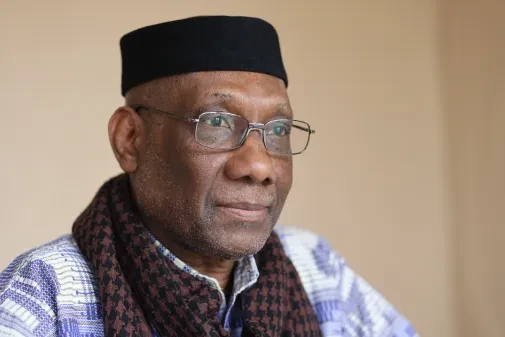
11am: Introduction to International Slavery Remembrance Day by Sarah, curator Nydia Swaby and Ese Onojeruo at the Queen's House
Keynote speech by Wanda Wyporska
Join historian, author and Chief Executive of Black Cultural Archives, Dr Wanda Wyporska, as she opens the day with reflections on the enduring legacies of transatlantic slavery and colonialism. Drawing on her work championing Black British history and heritage, Wanda will explore how museums, archives and cultural institutions can contribute to remembrance, dialogue and reparative practice.
Performance
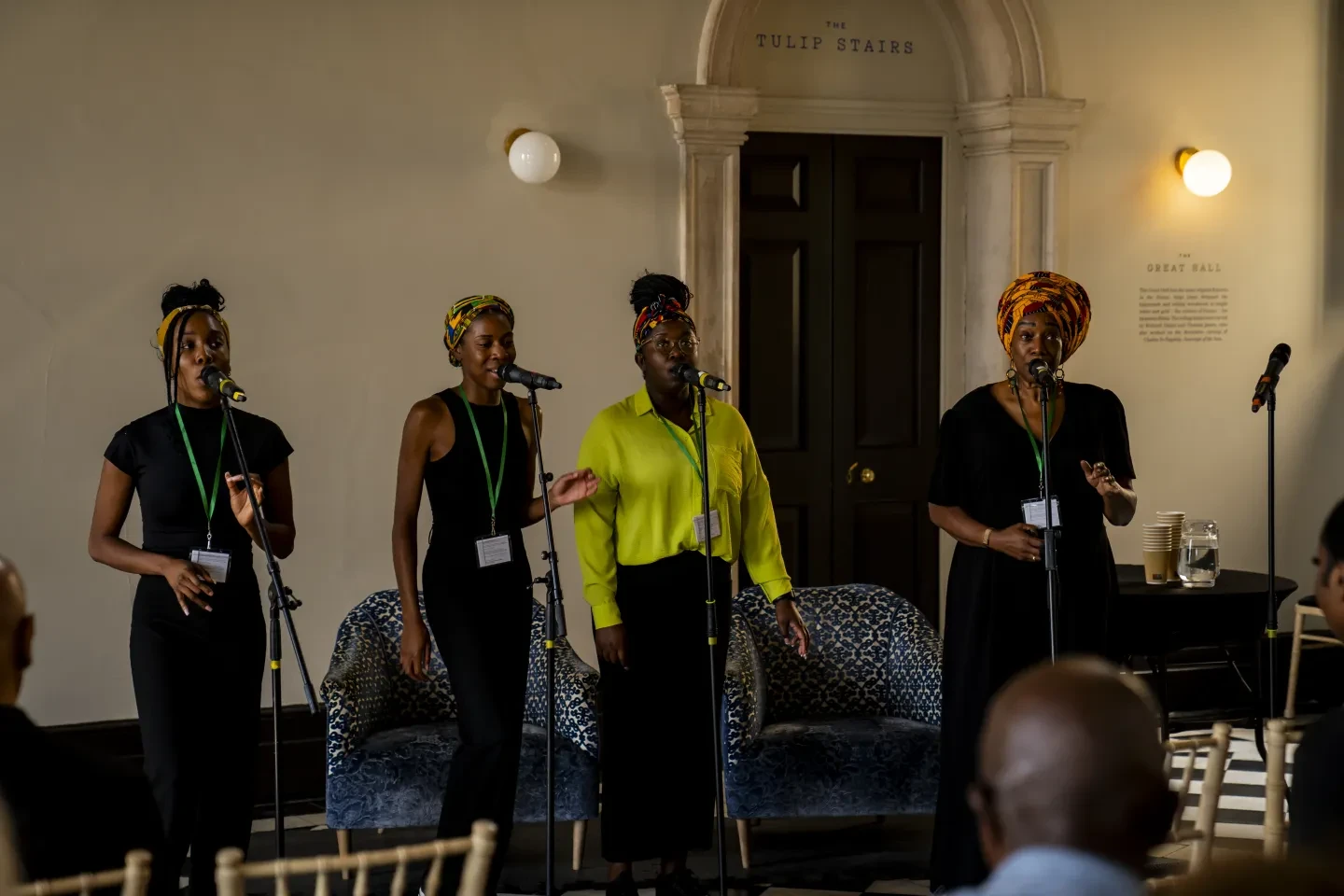
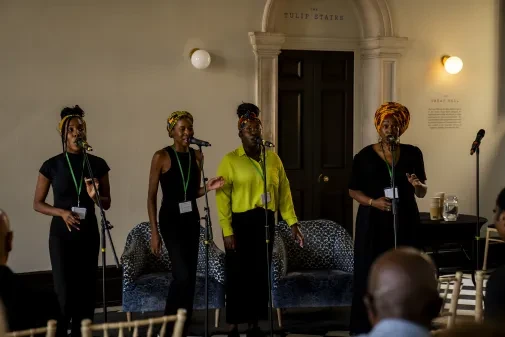
Performance by Ethno Vox
Ethno Vox choir opens the day with a powerful musical performance, bringing together songs of remembrance, resilience and hope to welcome audiences into a day of reflection, dialogue and reparative practice.
Film Programme
1.00 – 4.00pm: Film programme in the National Maritime Museum's Lecture Theatre
Curated by June Givanni of Pan African Cinema, watch a programme of films by leading contemporary artists and filmmakers exploring the legacies of slavery, colonialism, memory and resistance through moving image.
1-1.17pm: You Hide Me (1970, Nii Kwate Owoo) 17mins
1.23-3.27pm: Sankofa (1993, Haile Gerima) 124mins
3.32-3.59pm: Employing the Image (1989, Amanda Holiday) 27mins
Cinema archive display
11am–3.30pm: Cinema archive display in the National Maritime Museum's Propeller Space
Discover materials from the June Givanni Pan African Cinema Archive, celebrating the histories and global significance of Black filmmaking and moving image culture.
Artist Tour
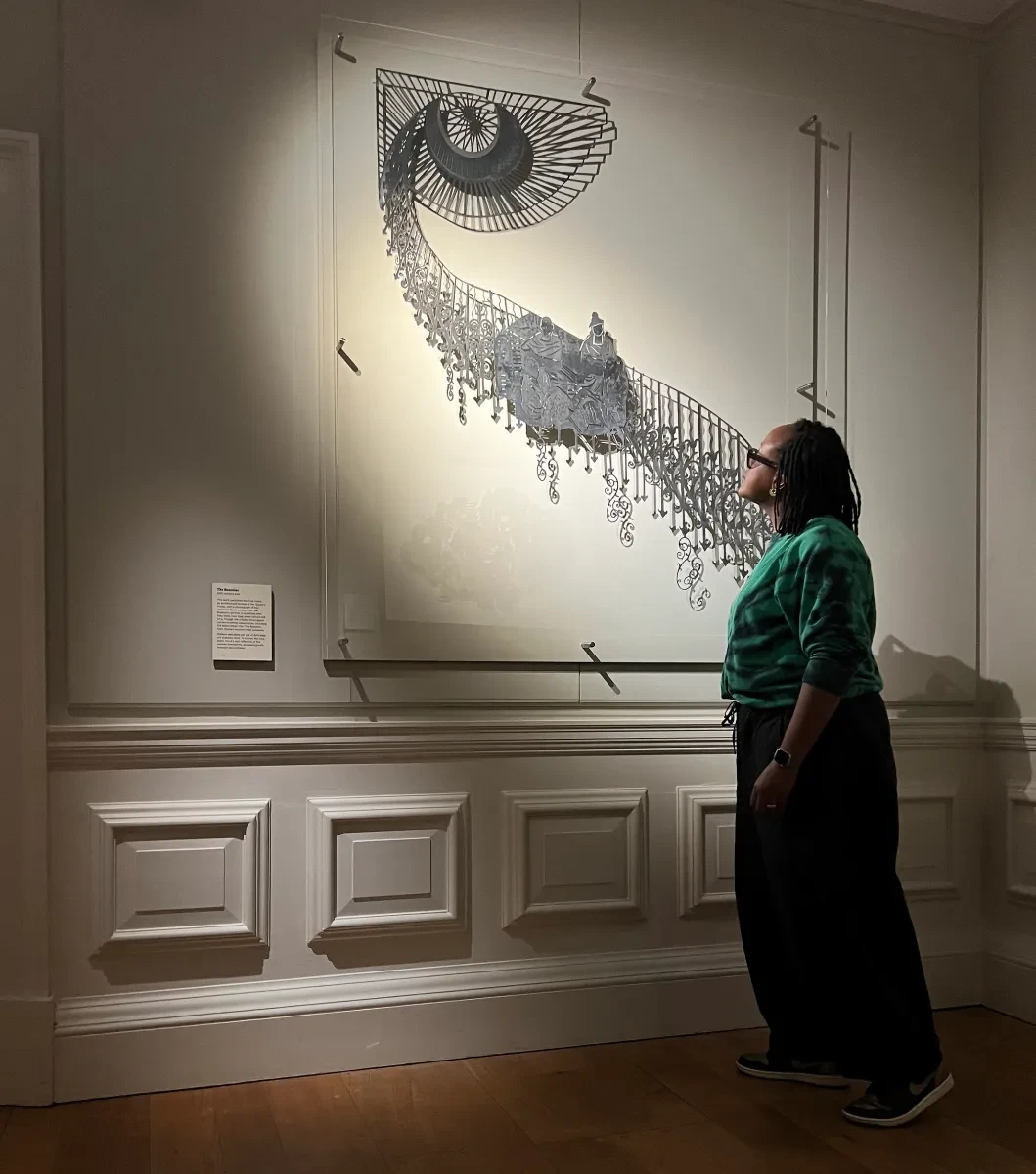
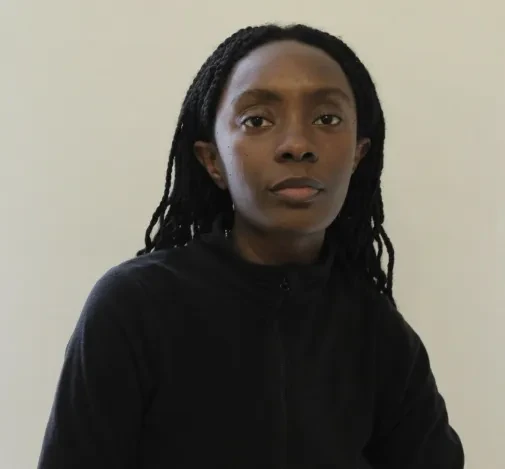
12.30–12.50pm: Artist Tour with Sharon Walters in the Queen's Closet, Queen's House
Join artist Sharon Walters on a bespoke tour of the Queen's House for International Slavery Remembrance Day.
We need to restrict the number of people on this tour due to space. To take part, please visit the Queen's House front desk where you'll be given a wristband for this tour. Wristbands will be available from the Queen's House front desk from 11am. If you don't have a wristband, you won't be able to join the tour at 12.30pm.
Closing ceremony
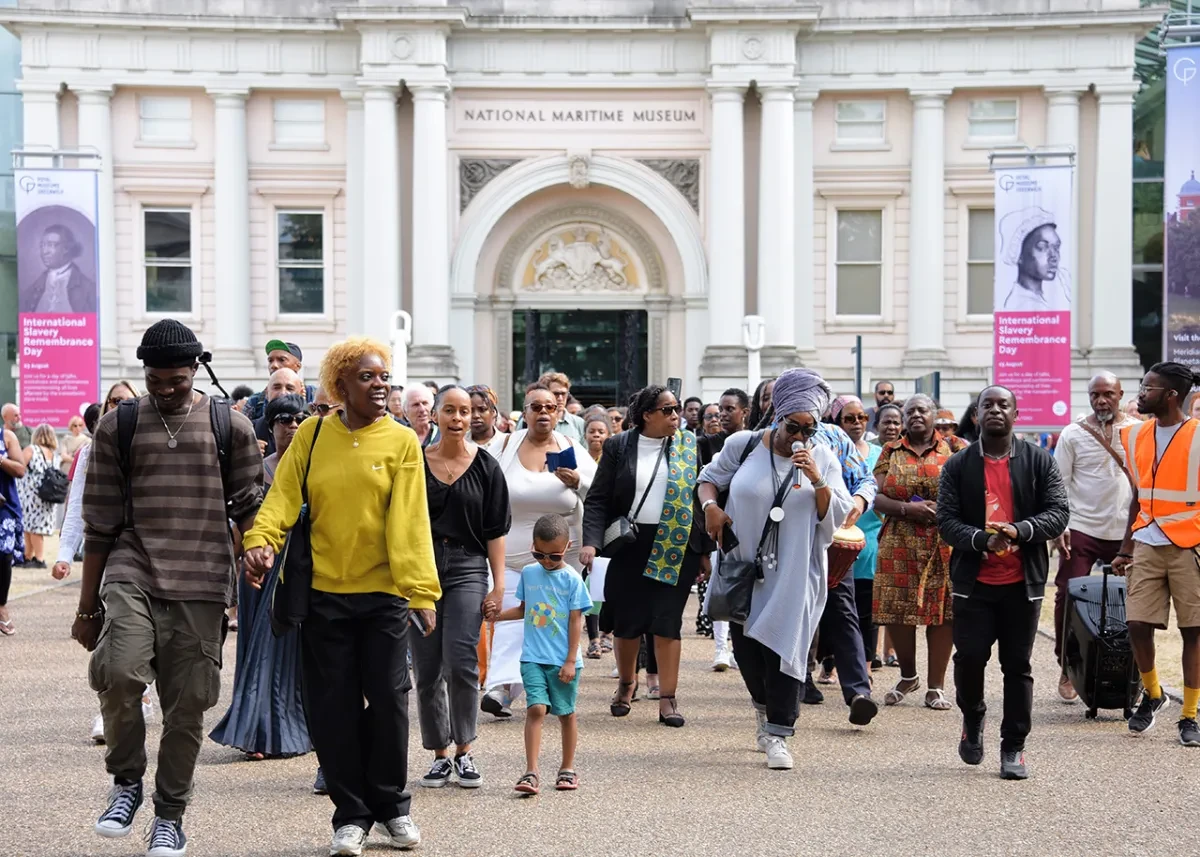
4–5pm: Closing ceremony: Emancipation walk to the river, with Ethno Vox | Great Hall and Central Lawn
Close the day with a collective act of remembrance led by Ethno Vox Choir.
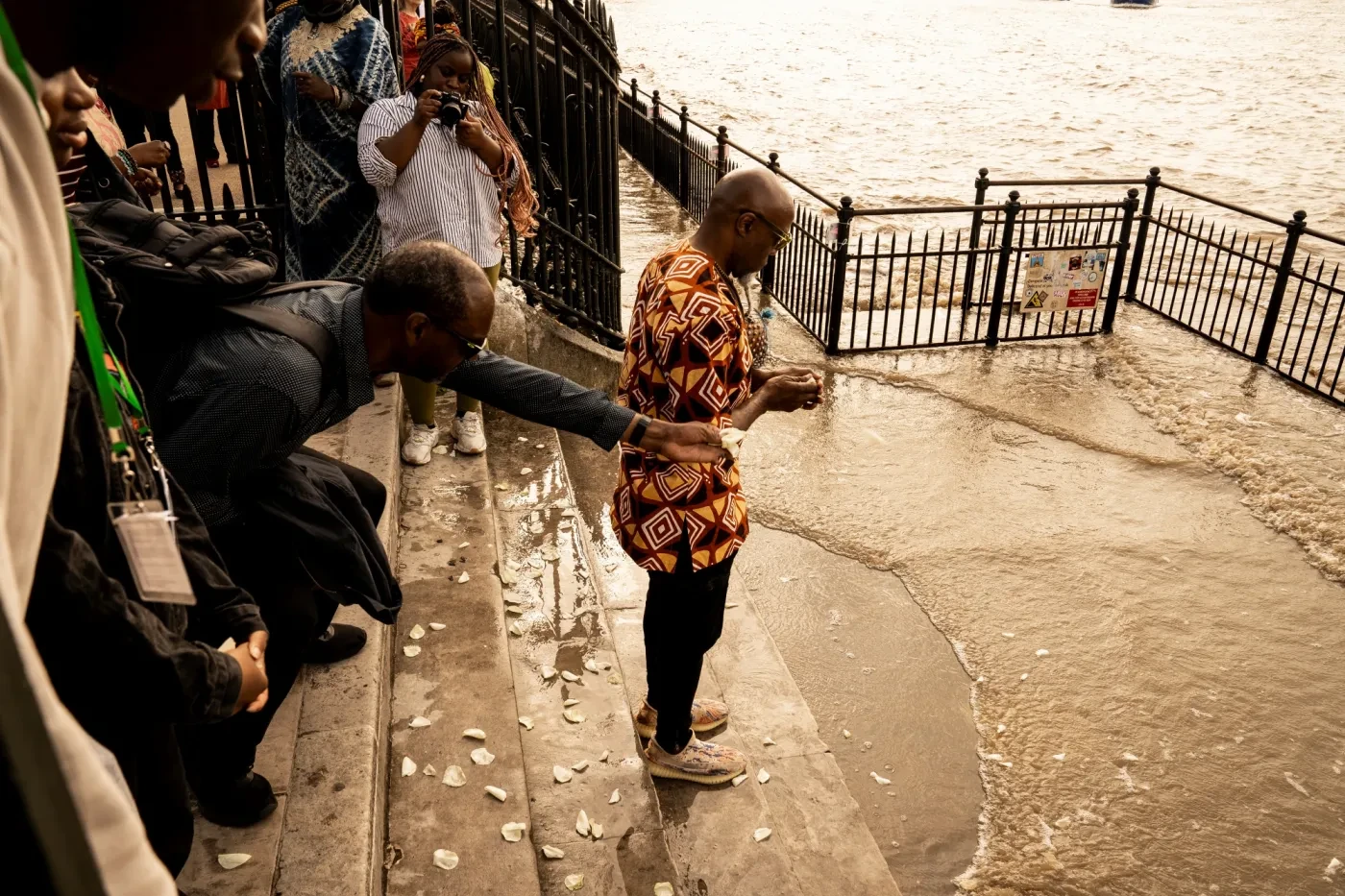
Through song and reflection, we will walk together to the River Thames, honouring the lives, resistance and enduring legacy of enslaved African people. At the river, participants are invited to scatter flower petals in memory of those affected by the transatlantic slave trade and all who fought for freedom, justice and equality.
Talks at International Slavery Remembrance Day
Image
June Givanni Pan-African Cinema Archive
12.15–1pm: Pan-Africanism and the archive, presented by Imbruh Bakari | Lecture Theatre, National Maritime Museum
This presentation explores the relationship between Pan-African cinema, archival practices and the preservation of collections and memory.
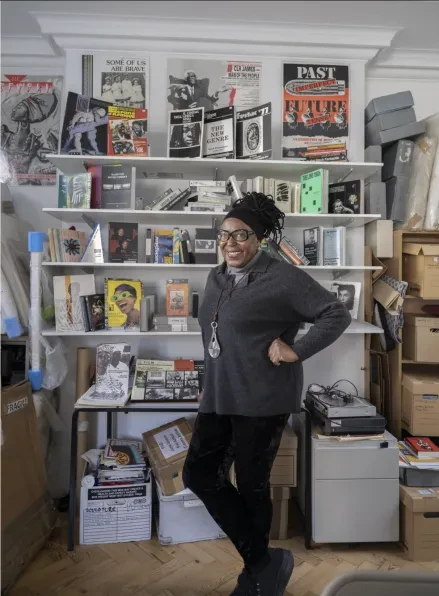
Sharon Walters in conversation
1.30–2.30 pm: Sharon Walters in conversation with Nydia Swaby | Great Hall, Queen's House
Join artist Sharon Walters in conversation with Curator of Atlantic Nydia Swaby, talking about her artworks The Many Invincible Ones.
Workshops
There are five different workshops on offer during International Slavery Remembrance Day 2026, giving you a chance to take part and get hands-on.
Textile workshop
12–2.30pm: Textile Workshop by Jahnavi Inniss in the Caird Library
Create a collaborative textile artwork inspired by Royal Museums Greenwich's collections, exploring themes of memory, resistance, community and repair through quilting traditions and collective making.
Craft workshop
11am–4pm: Make Your Own Symbol: Family Workshop with Love Hannington in the National Maritime Museum's Learning Space
Facilitated by Love Hannington, this workshop explores the question: What forms of imperial power emerged through and after abolition? Using the Fon Stool and its references to the alliance between King Toffa of Porto-Novo and French colonial powers, participants will discuss how power was represented through political relationships and symbolism.
You can create embossed aluminium foil artworks using cardboard, string, glue, and foil to design symbols representing power, alliance, resistance, or community.
Workshop and collective reading exercise
2.30–3.30pm with Damilola Lemomu in the National Maritime Museum's Rethink Space
Complementing the screenings of You Hide Me (1970), Sankofa (1993) and Imruh Bakari’s presentation, this workshop invites participants to engage with a curated display of materials from JGPACA through a collective reading exercise.
Together, participants will explore films, photographs, publications and ephemera from the archive, using these materials as a starting point for conversations around memory, history, Pan-Africanism and the ongoing work of repair.
Musical workshop
1.30–3pm: Sing Freedom workshop by Ethnovox in the Group Space at the National Maritime Museum
Join a singing workshop with Ethnovox. Sing Freedom includes African songs of struggle and hope; songs sung on the plantations in the US and West Indies; songs from the Windrush Generation and songs that continue to speak to our struggle for inclusion and equality today.
Performance
3.30pm: Performance with Esme Allman at the Queen's House
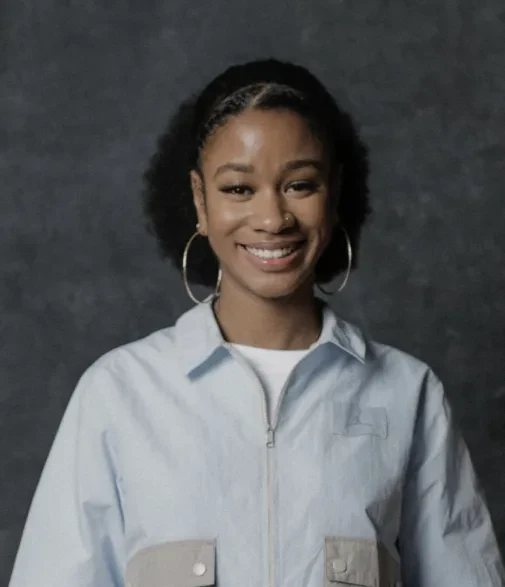
Esme Allman will use poetry to respond to this year's themes of reparation and repair, writing and performing a long from poem informed by her archival research.
Contending with notions of justice, agency and the deeply felt experiences slavery that continue to inform our collective day-to-day, she will use poetry as a means to re-/centre black perspectives in the difficult questions of how histories linger, disturb and haunt us.
Image
What is International Slavery Remembrance Day?
Between the 1400s and 1800s, 12-15 million men, women and children were forcibly transported from Africa to the Americas.
This day stands as a reminder of the bravery, courage, resilience and determination of enslaved African people who continuously fought for their freedom.
It is a time to remember that people fought and died to establish their own freedom and liberation from the tyranny of enslavement.
The day also raises the contemporary legacies of transatlantic slavery, which are manifested in the continued racism and prejudice against Black and Caribbean communities.
UNESCO selected the 23 August to mark the International Day for the Remembrance of the Slave Trade and its Abolition. 23 August was the day that self-liberated enslaved people on the island of Saint Domingue (today Haiti and the Dominican Republic) rose up against French colonial rule, and played a crucial role in the abolition of the transatlantic slave trade.

In pictures
Look back on previous Slavery Remembrance commemorations hosted at the National Maritime Museum.
1 / 12
The emancipation ceremony during Slavery Remembrance Day 2024
2 / 12
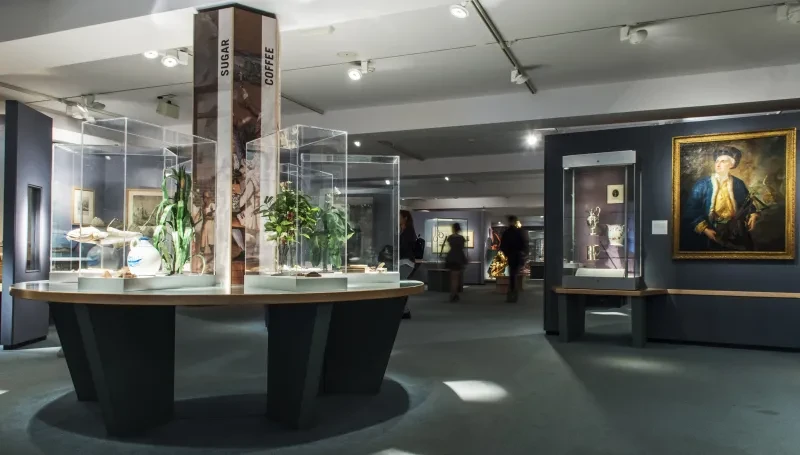
Inside the Atlantic Worlds gallery at the National Maritime Museum
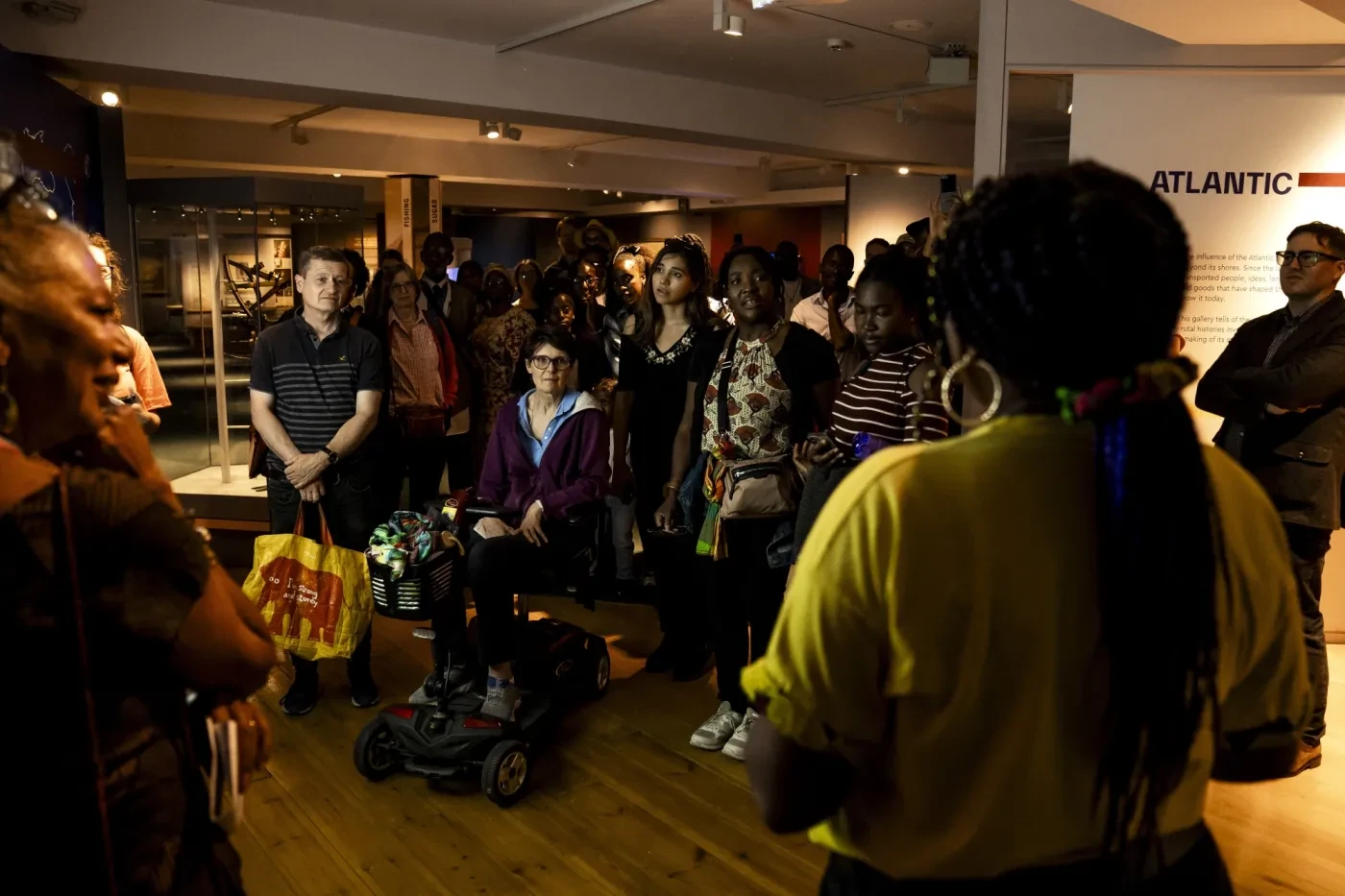
3 / 12
Procession from the National Maritime Museum to the River Thames
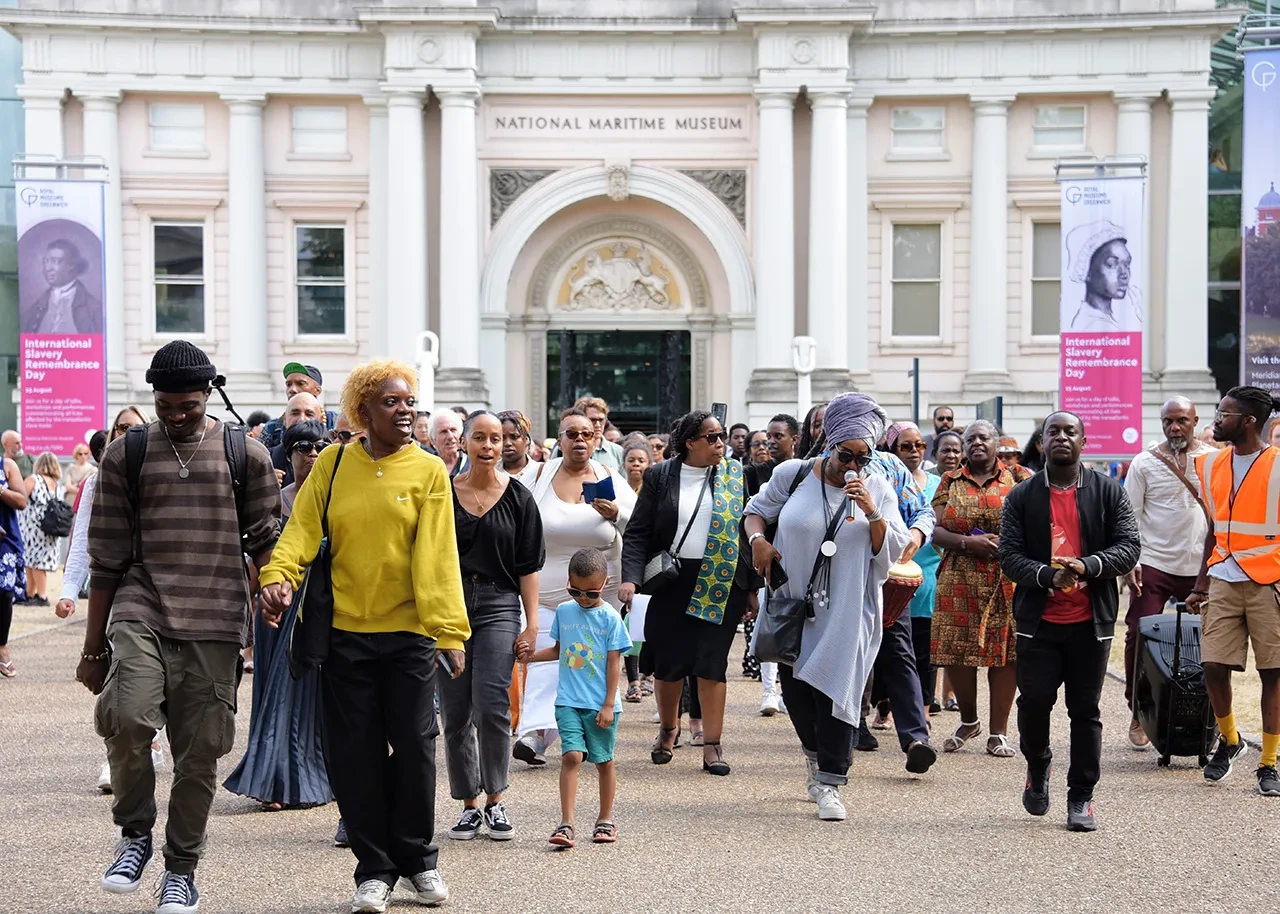
4 / 12
Music during the emancipation ceremony
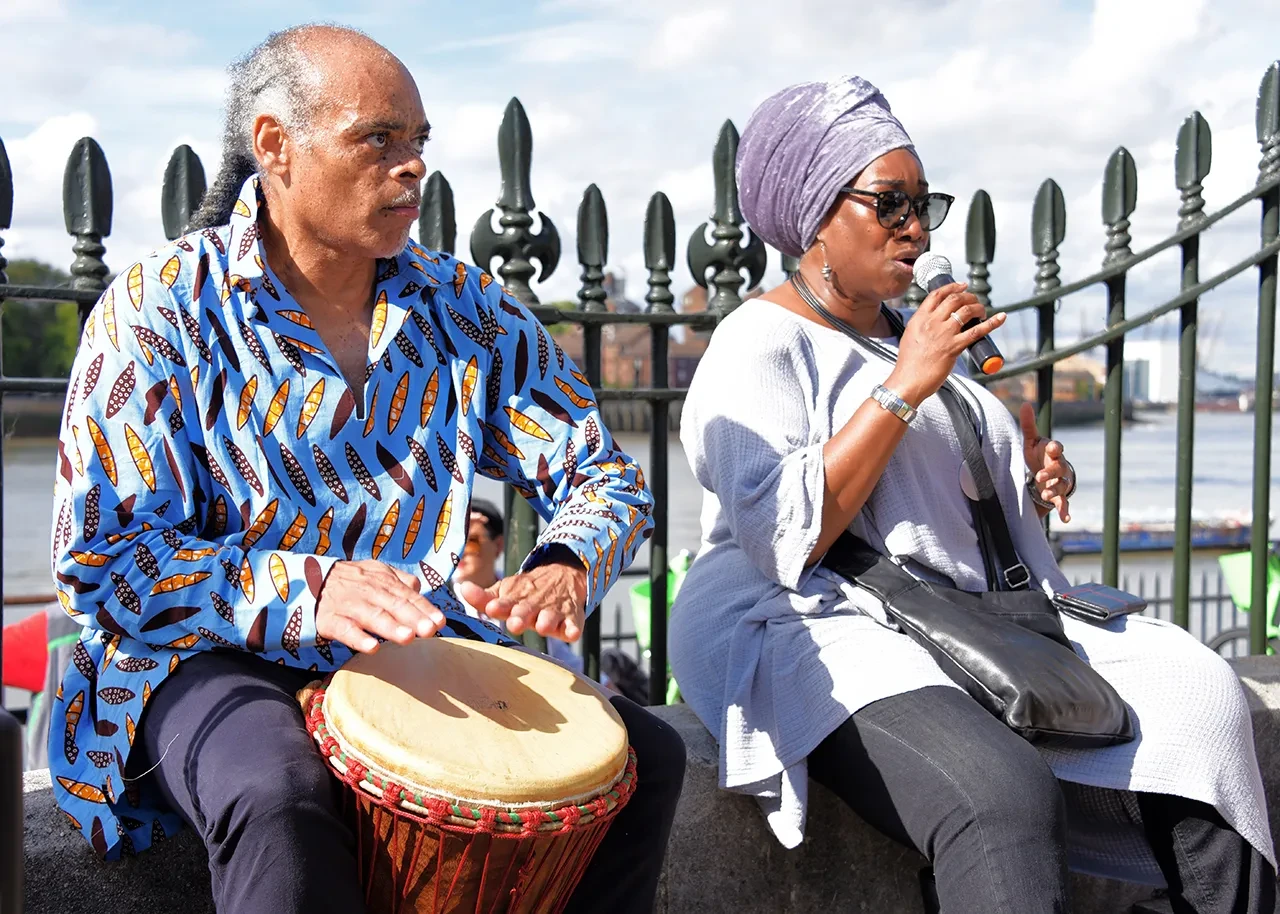
5 / 12
Jahmila Heath performs at the National Maritime Museum during Slavery Remembrance Day
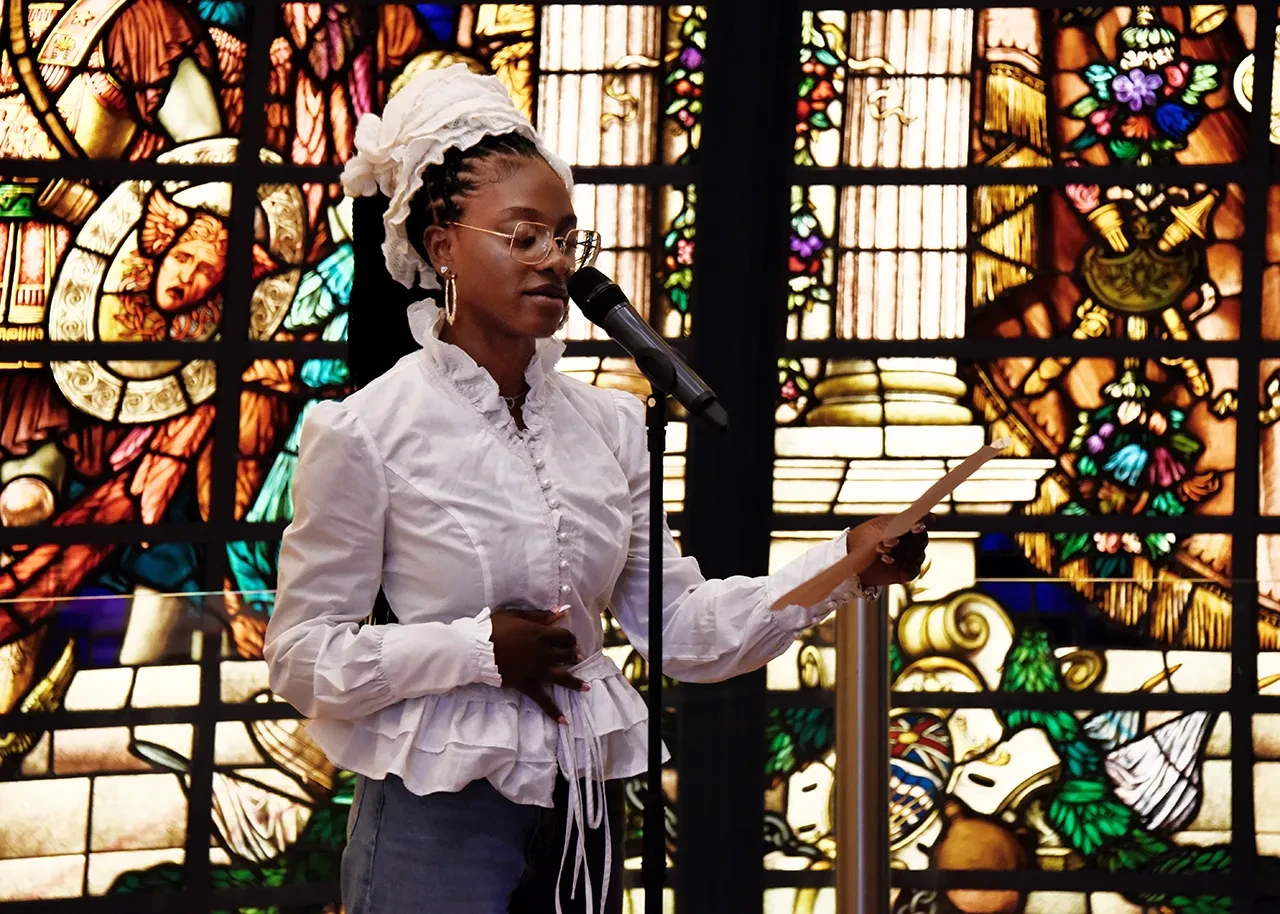
6 / 12
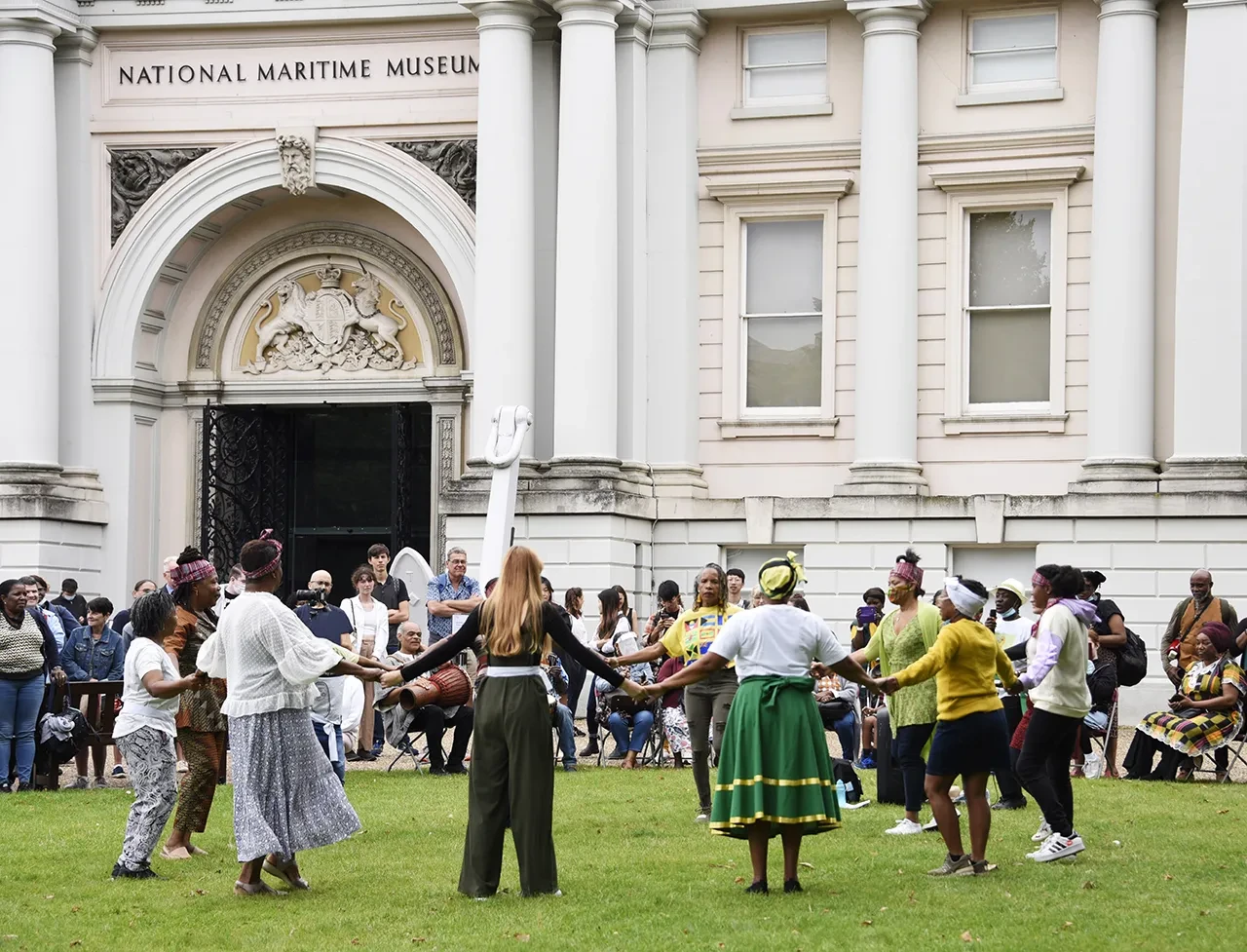
People dancing outside the National Maritime Museum
7 / 12
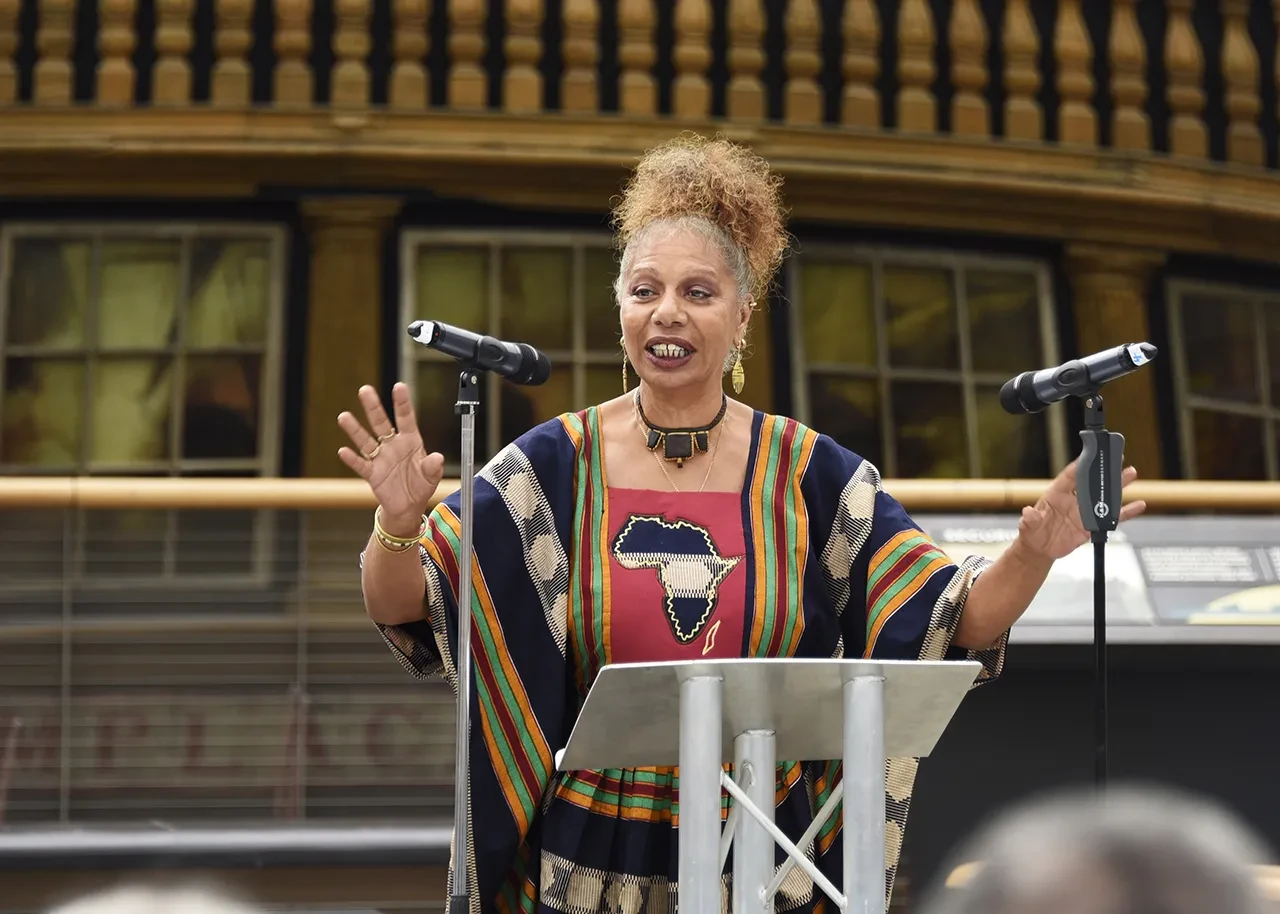
Author Stella Dadzie speaking at the National Maritime Museum
8 / 12
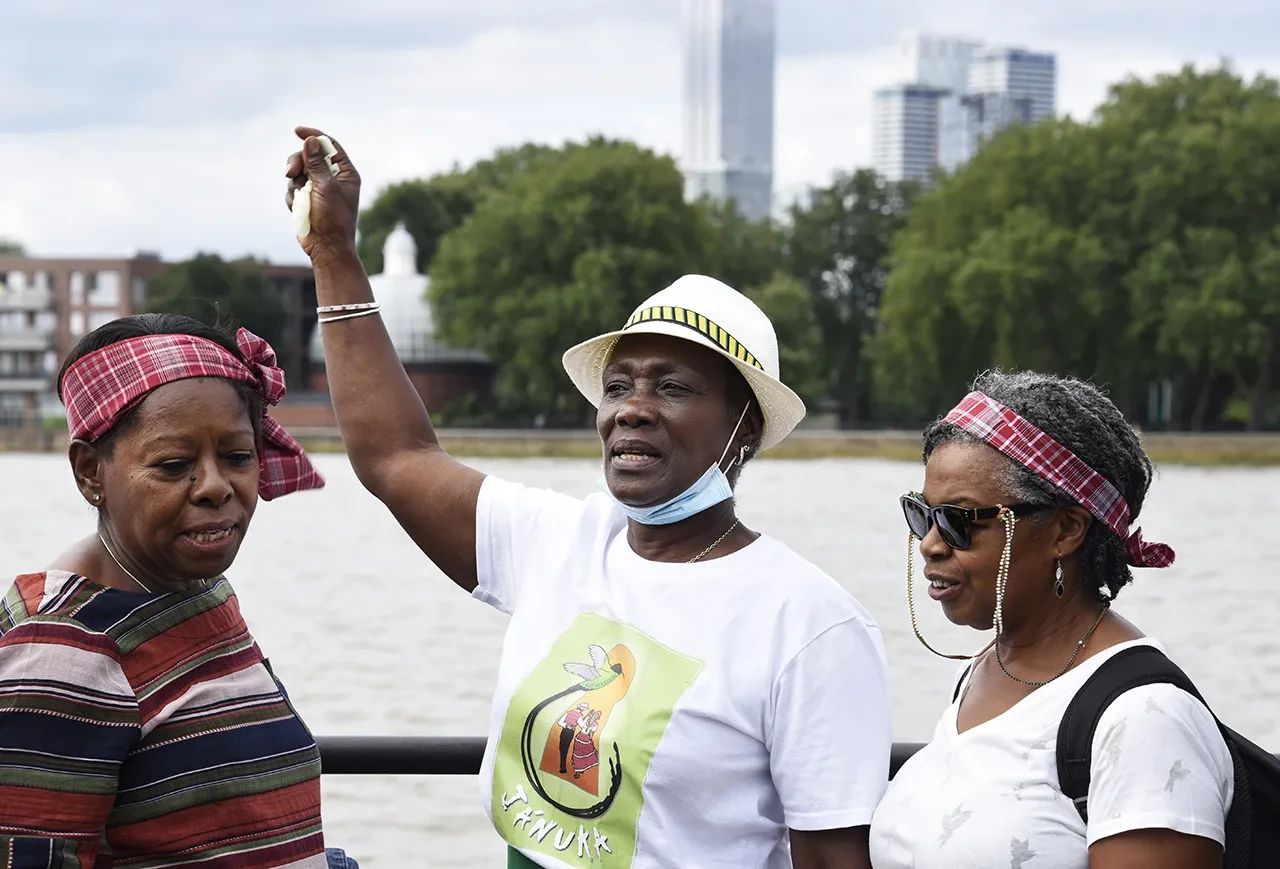
The emancipation ceremony by the River Thames
9 / 12
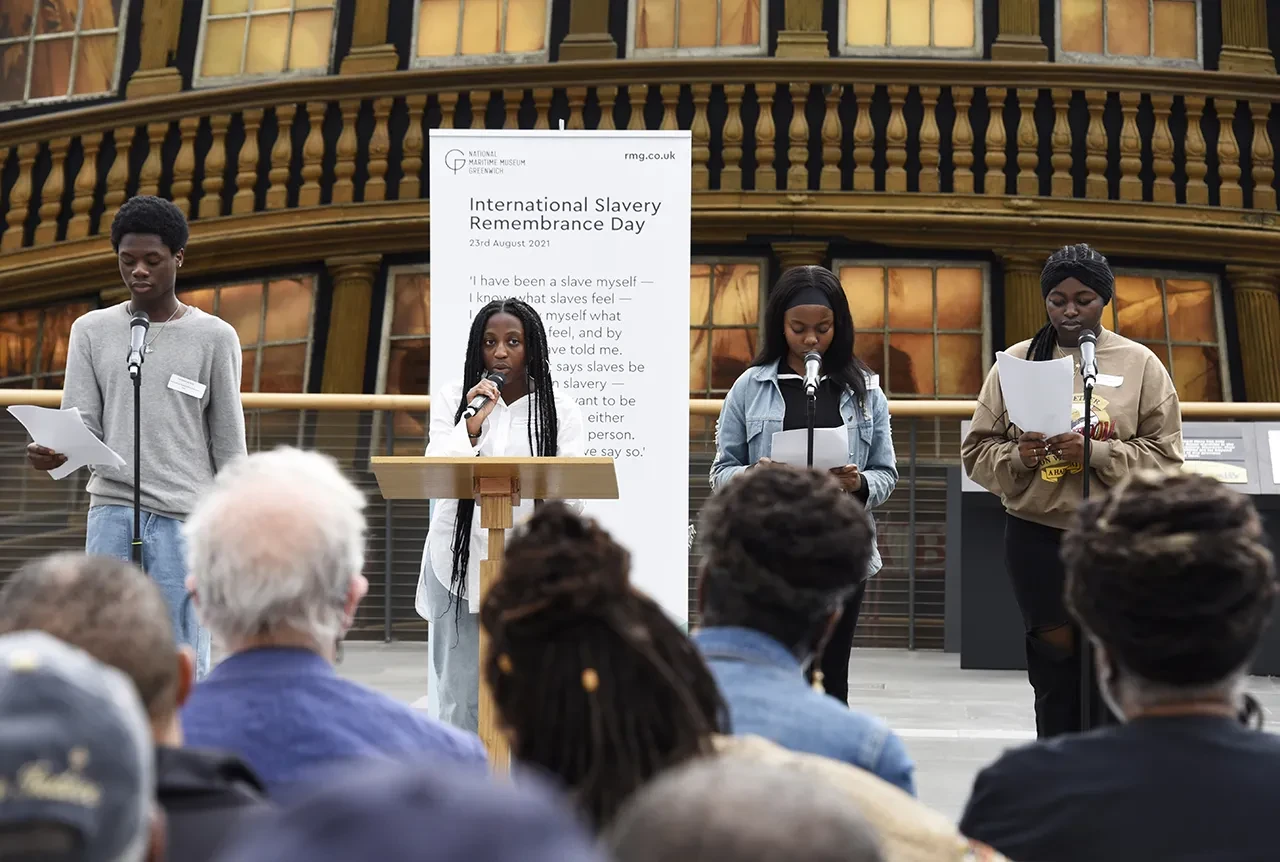
Young people at the National Maritime Museum
10 / 12
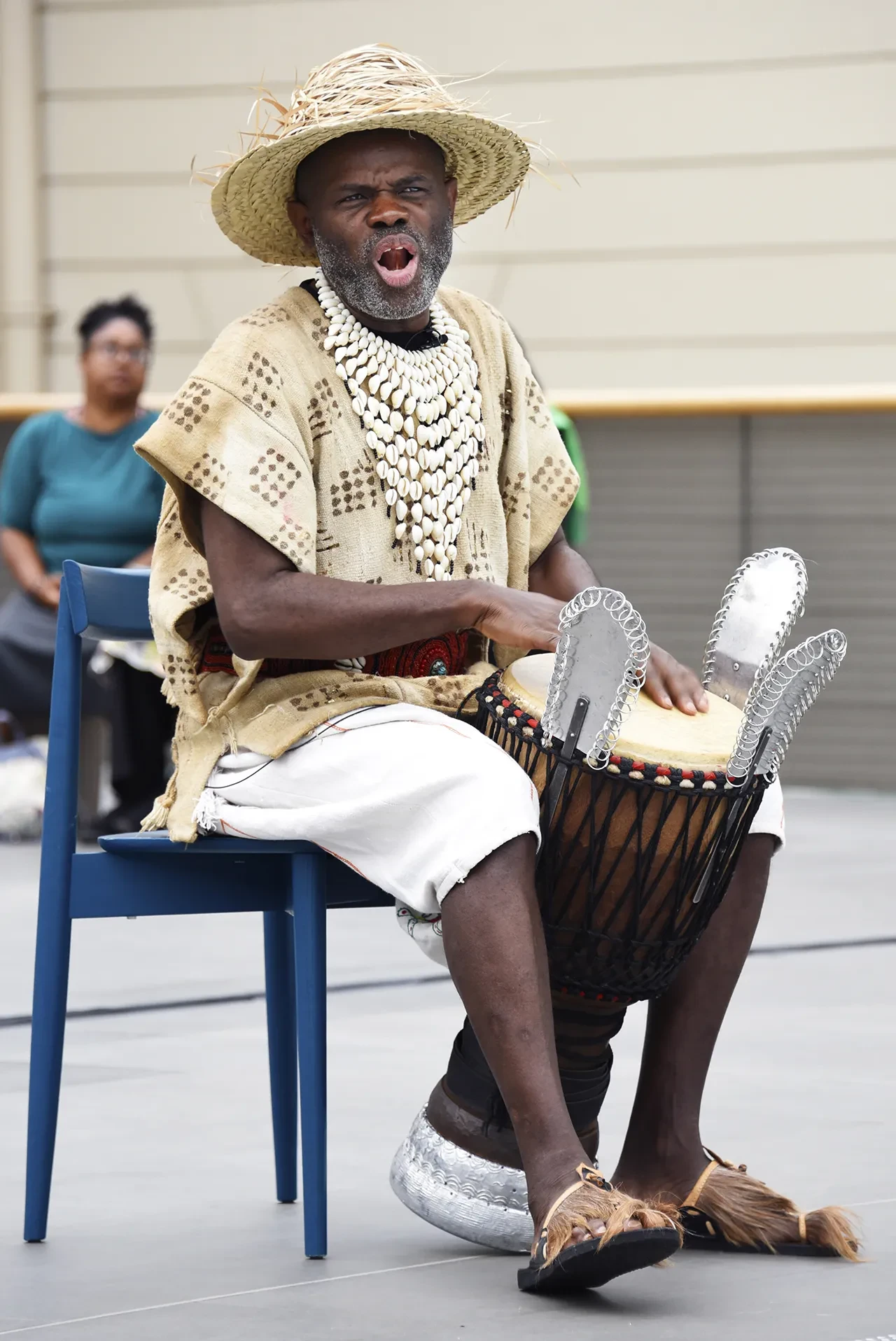
Musical performance
11 / 12
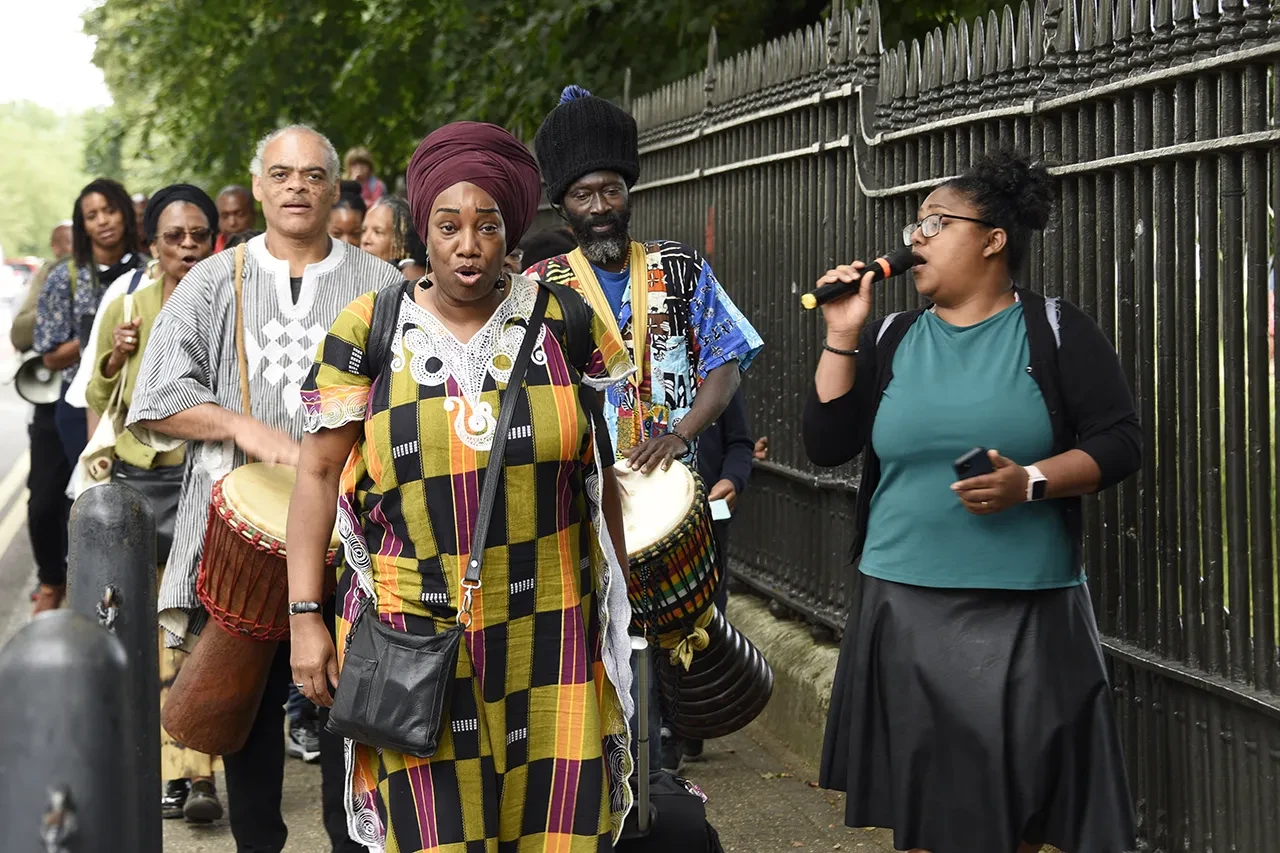
Procession to the River Thames
12 / 12
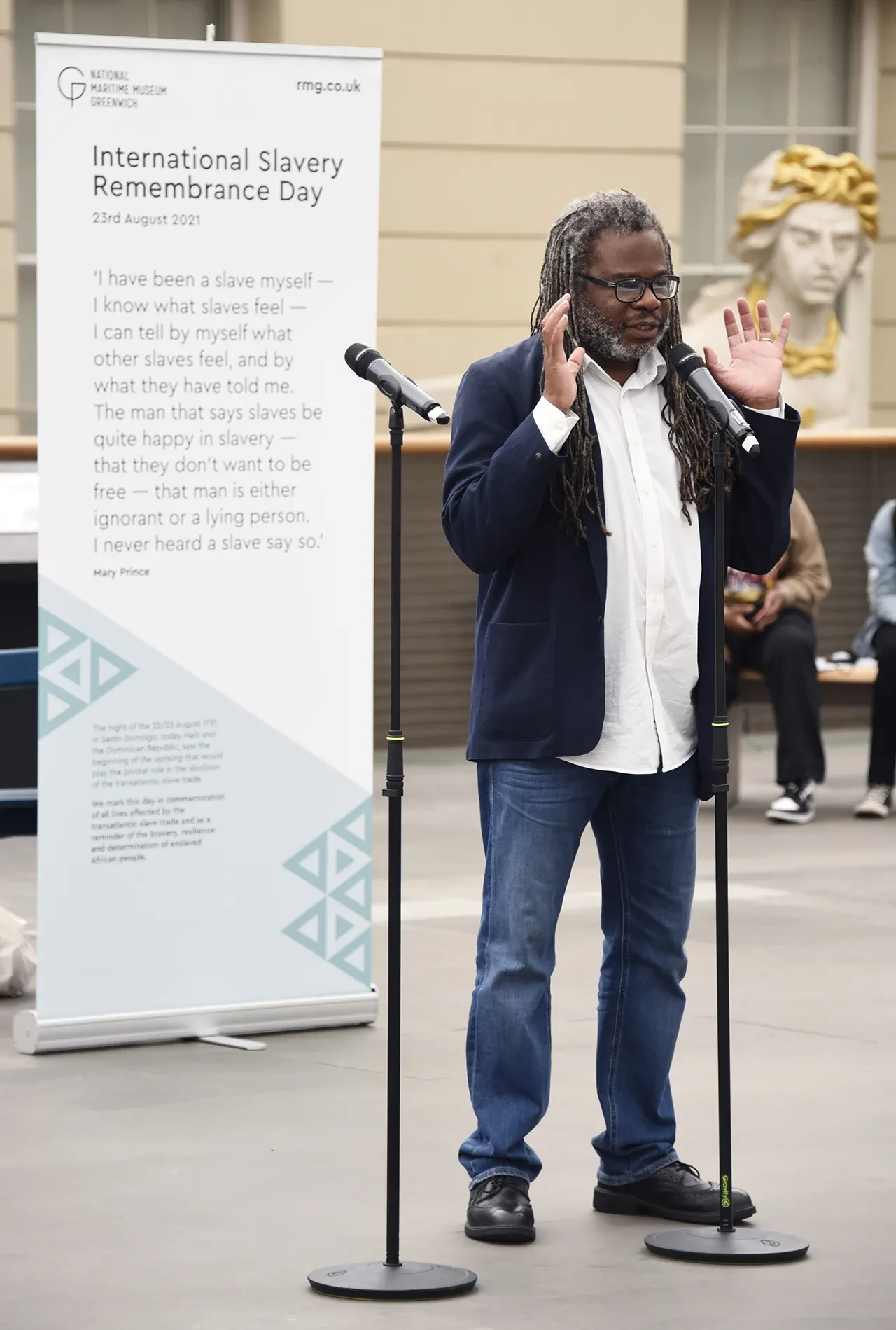
Historian S.I. Martin speaking at the National Maritime Museum
Resources and responses