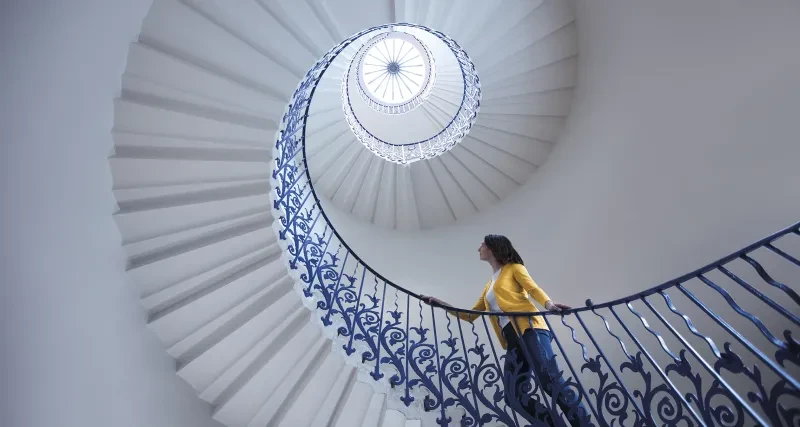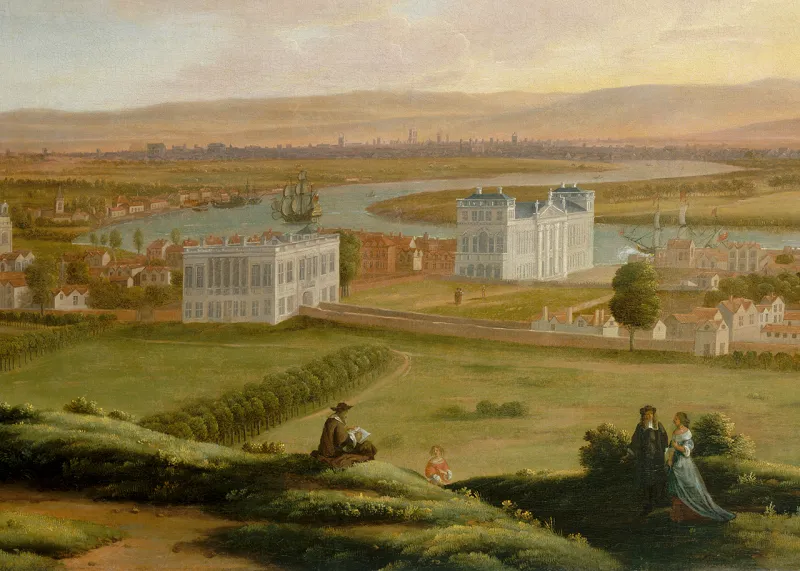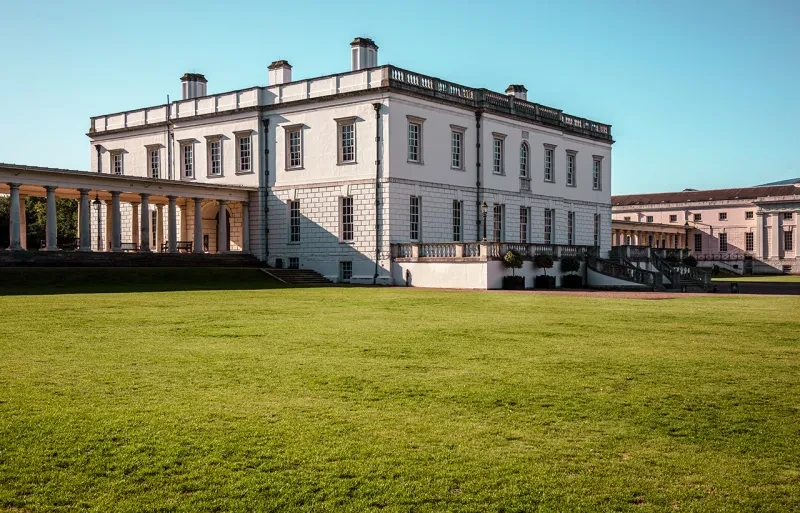
One of the many highlights to see in the Queen’s House is The Many Invincible Ones, a new display made by artist Sharon Walters.
Encompassing paper-cut collages, textiles and engraved stainless steel and bronze, the six pieces respond to a historic photograph in Royal Museums Greenwich’s collection, which depicts formerly enslaved children on board HMS Flying Fish in Madagascar.
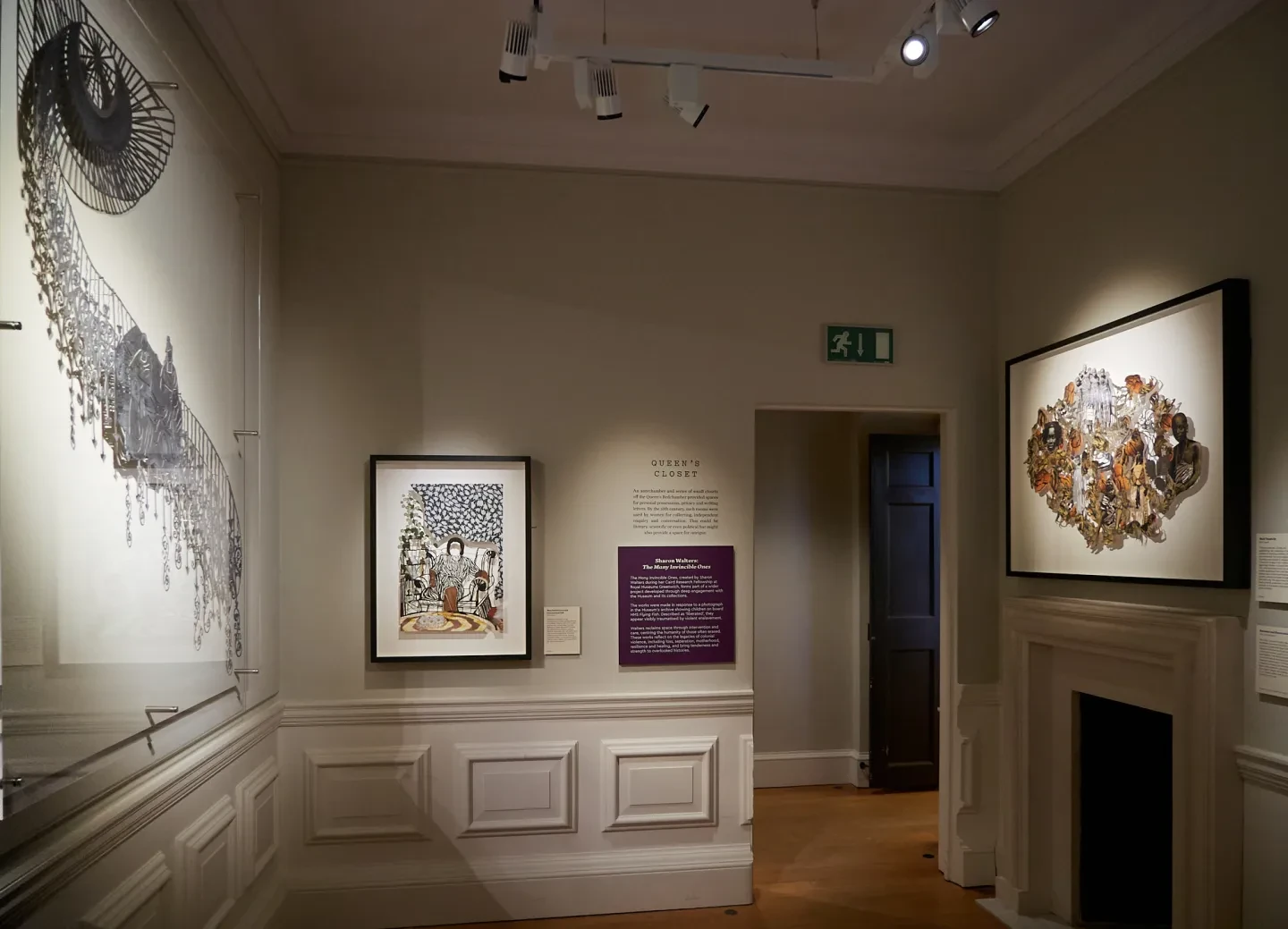
The display was created during Walters’ Caird Research Fellowship at the Museum in 2024-2025, and explores themes including resilience, reconnection, healing and hope.
Discover the stories behind the artworks below – and see The Many Invincible Ones for yourself in the Queen’s Closet.
The artworks on display
Image
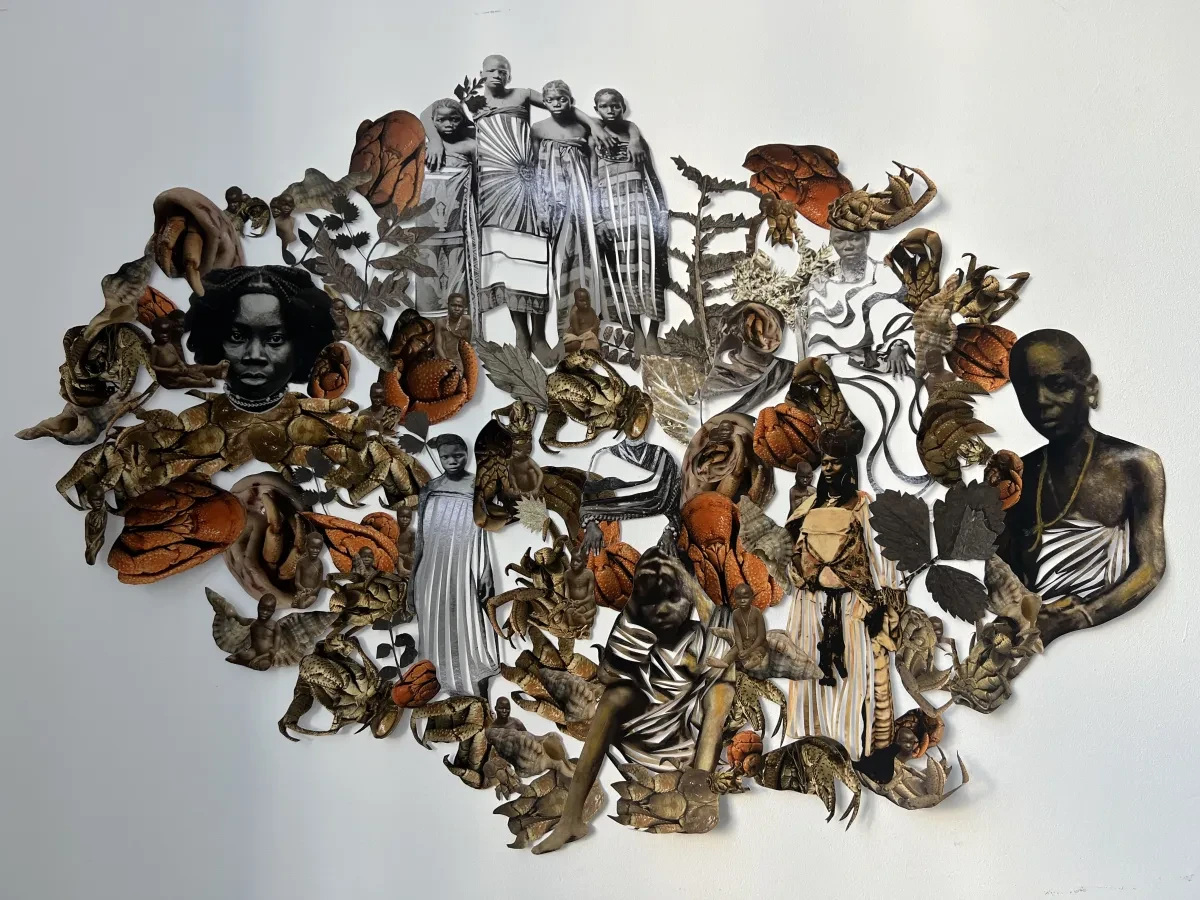
Held Tenderly
This large-scale collage piece reimagines an alternative future for the children who were on board HMS Flying Fish in 1875.
Walters explains that she had a strong reaction upon first viewing the historic photograph: “My response to the work was an overwhelming, visceral one,” she says.
In Held Tenderly, children, mothers and ancestors come together, assembled from photographs held in Royal Museums Greenwich’s archive and the curator and writer Catherine E. McKinley’s photographic collection. “Because the original image caused me so much pain, I wanted to create a work that reimagines the reunification of the children with their mothers,” she explains.
Images of crustaceans collected on the vessel’s later voyages – carefully preserved, catalogued and held in the collections of the Natural History Museum – starkly emphasise how the names and lives of the children on board have been overlooked.
Image
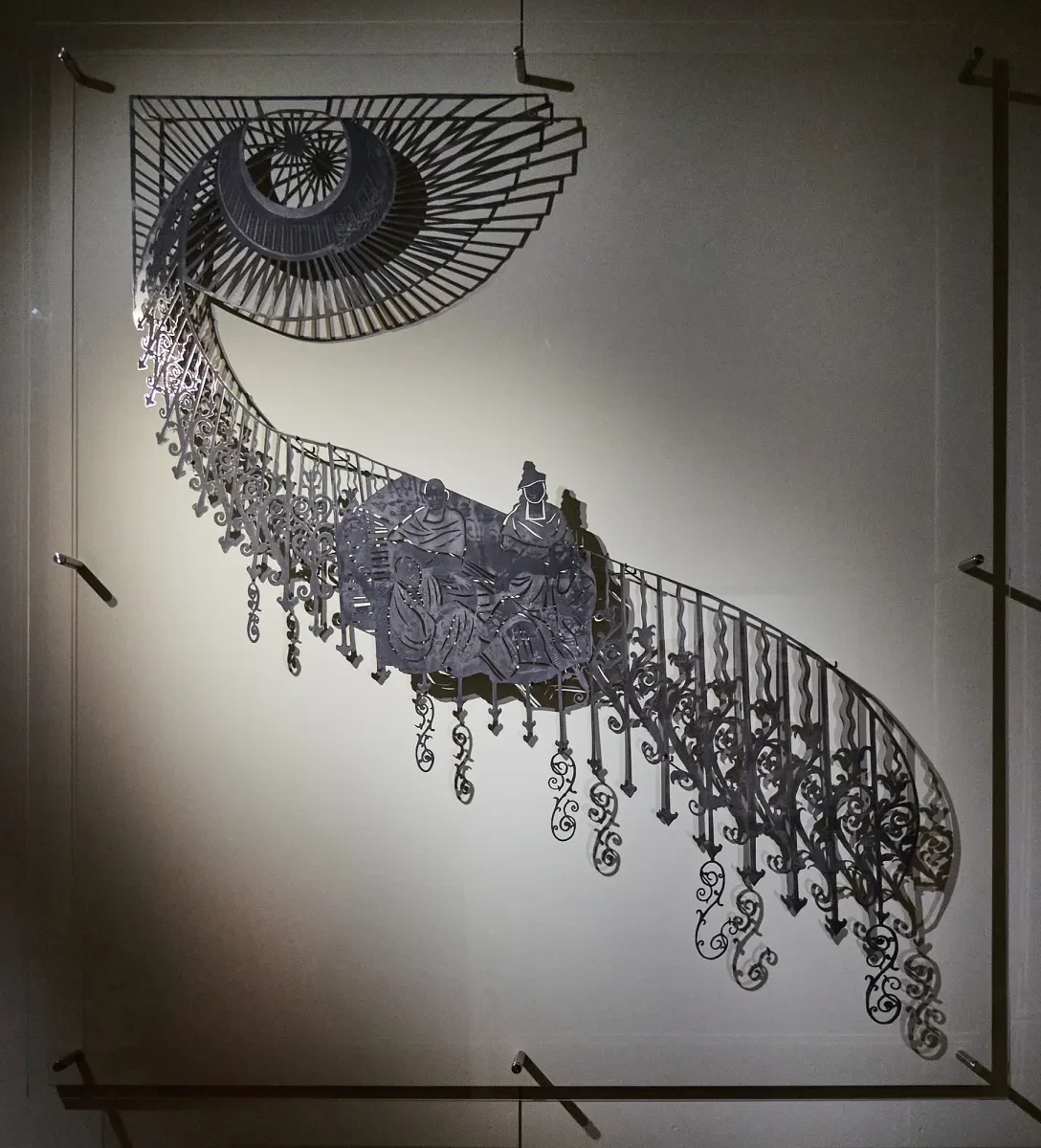
The Beauties
The Beauties was created in response to a historic photograph of four unnamed Black women in the Museum’s collection, annotated in an accompanying manuscript as ‘The Beauties’.
In this piece, Walters wanted to interrogate the idea of the objectifying gaze – and ask: ‘whose lens is a story being told through?’ This is a question that forms the core of Walters’ much larger body of work, Seeing Ourselves, a multidisciplinary series that celebrates the power, grace and dignity of Black women.
Bringing together photographs and delicately cut stainless steel, The Beauties centralises the women’s stories, placing them on a backdrop that echoes the Tulip Stairs in the Queen’s House.
Image
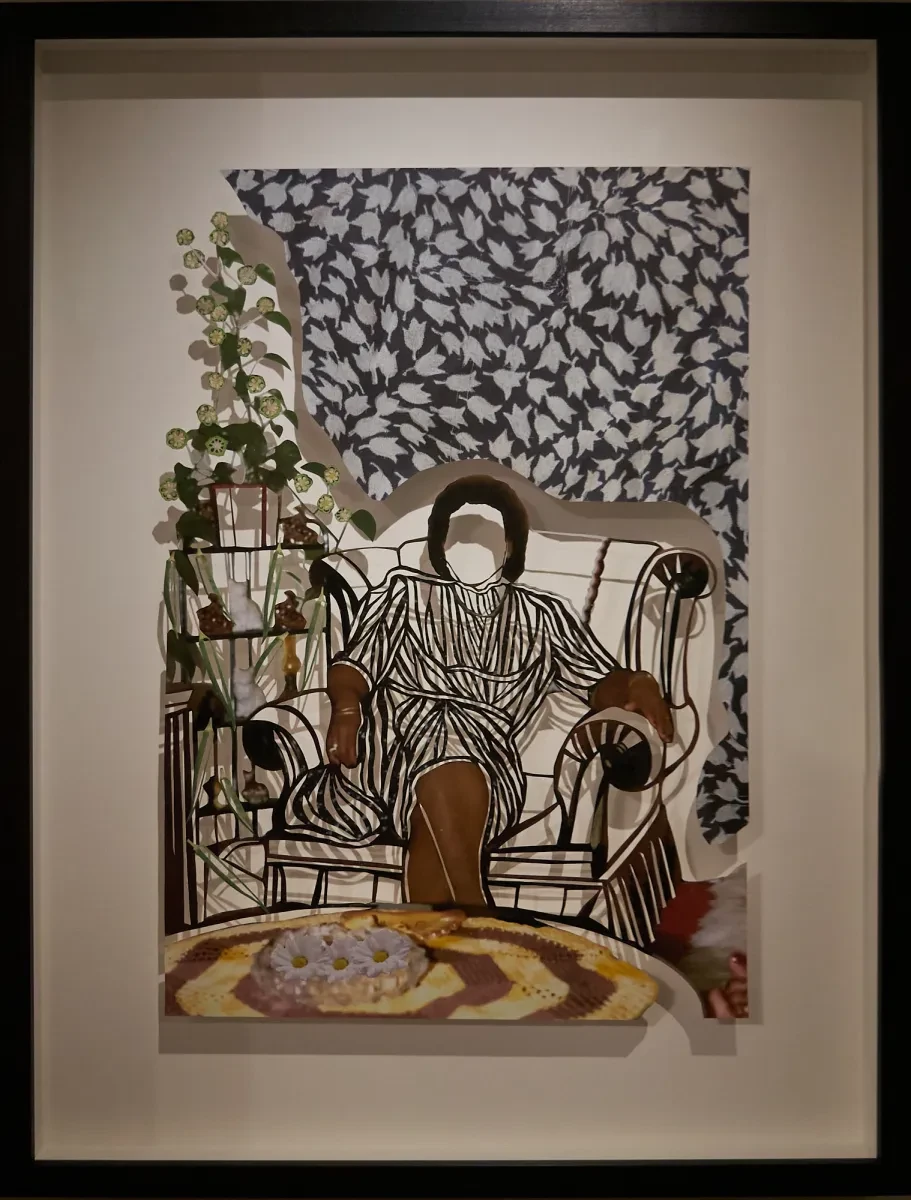
Nan Fed Us Love with Cou-cou and Fish
Maternal love is at the heart of this paper-cut collage work, which depicts Walters’ late grandmother. Its title was inspired by her childhood memories of eating flying fish and cou-cou – the national dish of Barbados – at her grandmother’s house.
When Walters discovered that the historic photograph of the children was taken on board a vessel called HMS Flying Fish, she experienced intense discomfort. “It tore me emotionally. For me, flying fish has always had a positive connotation,” she says. “Being of Caribbean heritage and looking at an image of children who looked like me – and could be from my family – was difficult to deal with.”
Instead of separation and trauma, Walters’ piece emphasises reconnection and safety, through the setting of her grandmother’s home. It is filled with intricate details, which link to her family stories. A blue and white pattern in the top right-hand corner replicates her grandmother’s scarf, while an ash tray overflowing with flowers references Walters’ bedtimes spent drinking her grandmother’s camomile tea. Other details to spot include the trailing green plant on the left-hand side, adorned with hand-cut photographs of sliced okra.
Like many of Walters’ works, Nan Fed Us Love with Cou-Cou and Fish uses paper cut-outs suspended in glass to create dramatic shadows – resulting in a piece that is sculptural in effect.
Image
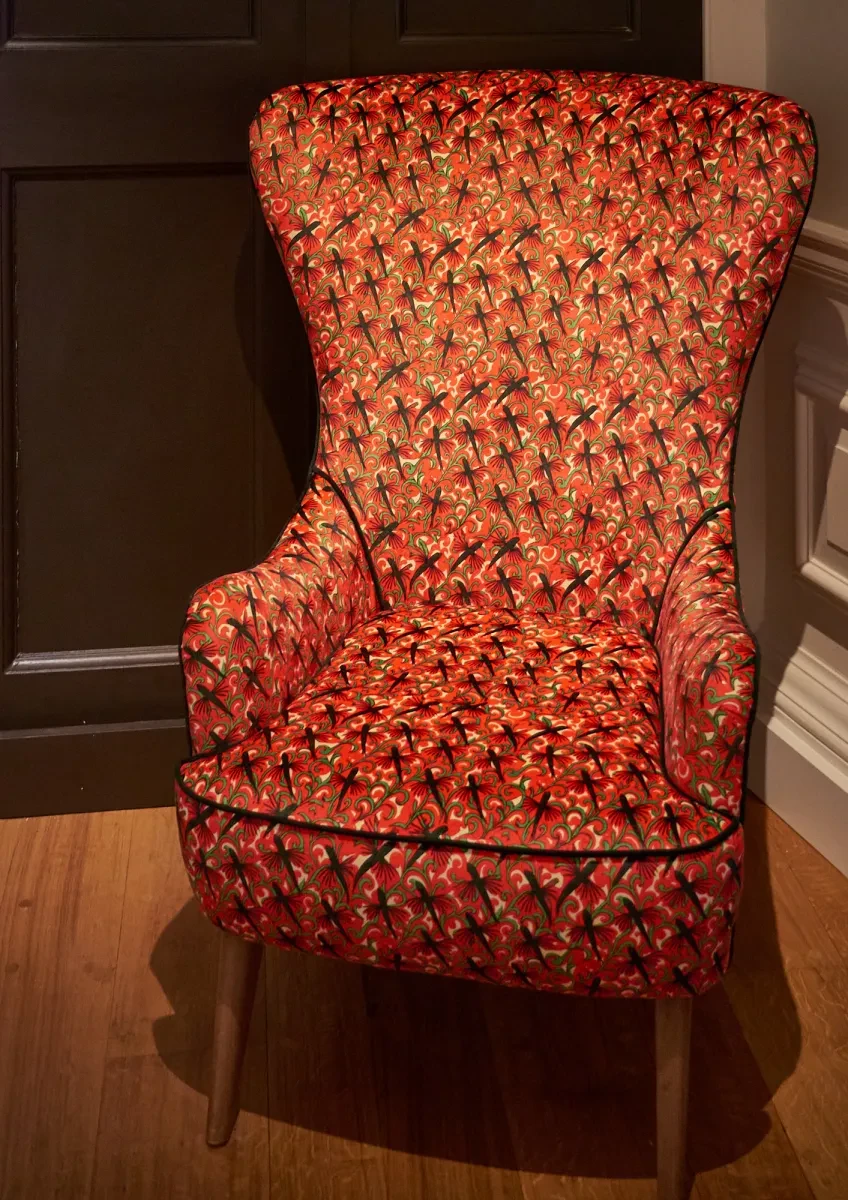
Renewal and Restoration
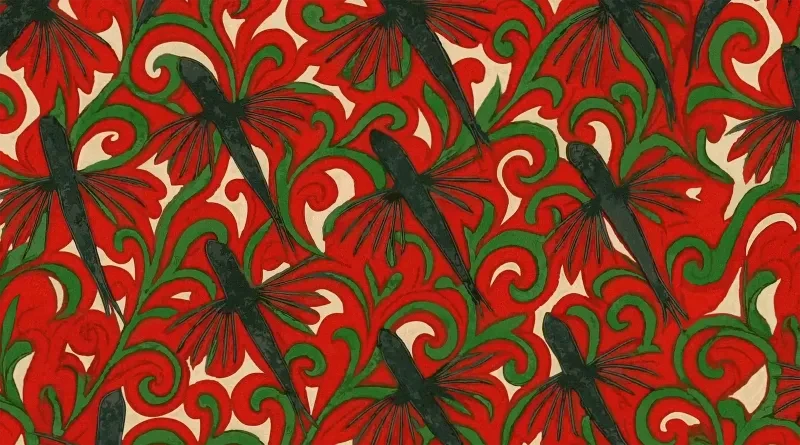
Rest is a key theme throughout the display, which is epitomised in Renewal and Restoration, an armchair covered in fabric designed by Walters. The colours are imbued with meaning, from the red of the armchair – her grandmother’s favourite colour – to the sandy yellow elements, which reference cou-cou.
Links to Walters’ Barbadian heritage can also be seen in the flying fish details, while the fabric’s swirling patterns nod to one of her large-scale paintings: a piece made from interconnected shapes, influenced by the architecture of the Tulip Stairs.
When creating the chair design, Walters was moved by the work of creative Tricia Hersey, who sees rest as a form of resistance. “I think there’s too much emphasis – especially for Black women – to be strong and resilient, which is all well and good, but I like the idea of us being able to take up space, to be softer, calm and more restful,” Walters explains.
Image
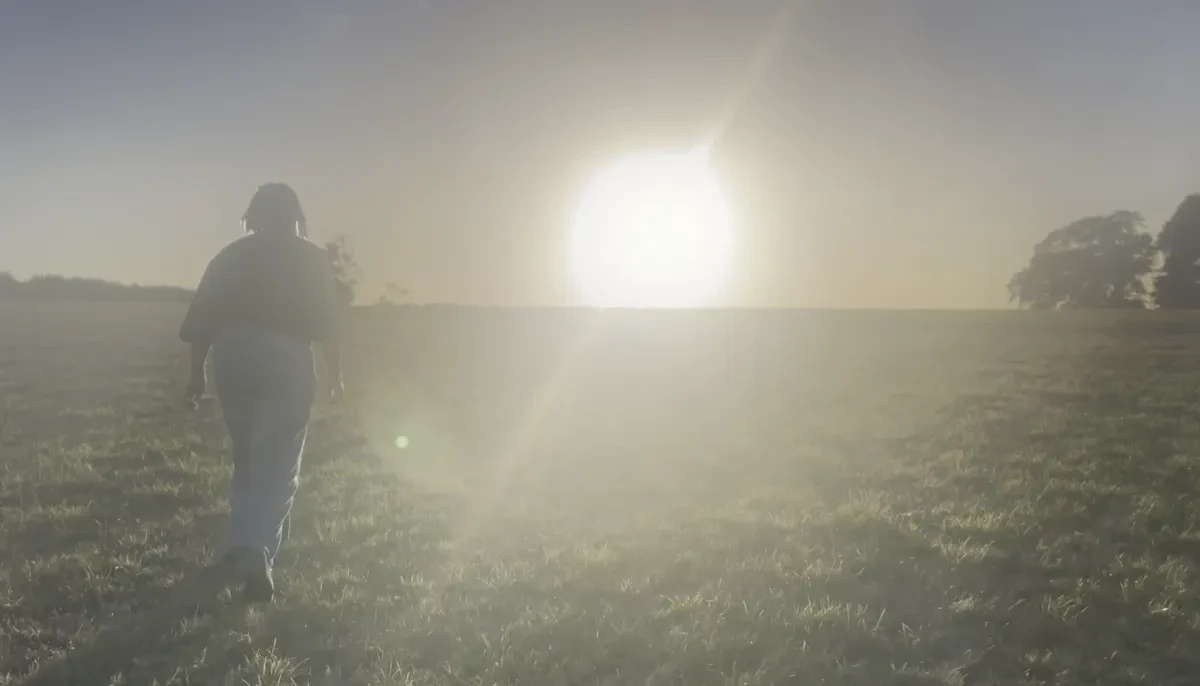
Reflection
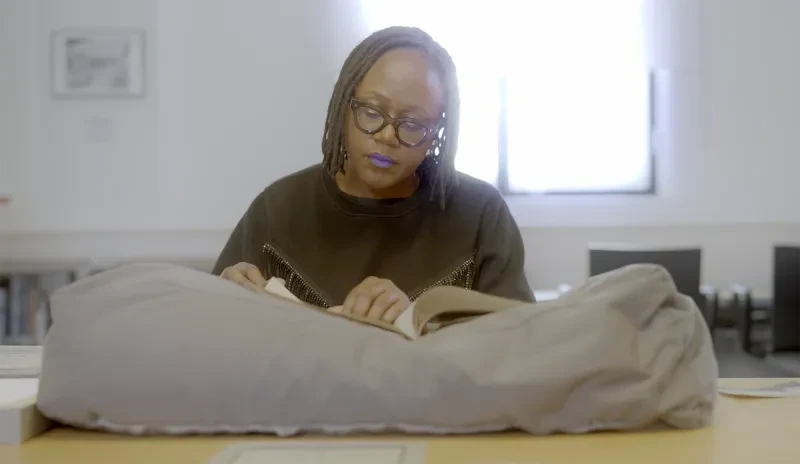
This film showcases Walters’ creative and emotional journey while making The Many Invincible Ones, produced in collaboration with filmmakers Leah Kharibian and Mat Sunderland. The display was created during Walters’ Caird Research Fellowship, a practice-based project that saw her make artworks in response to the Museum’s sites and collections.
For Walters, the Caird Research Fellowship has pushed the boundaries of her practice. “It’s enabled me to explore different materials and to look back historically at figures who I feel as though I connect with – and see myself in.” She adds: “The work has been all-encompassing, and it feels impossible to think of this as the end.”
Image
Ancestral Healing
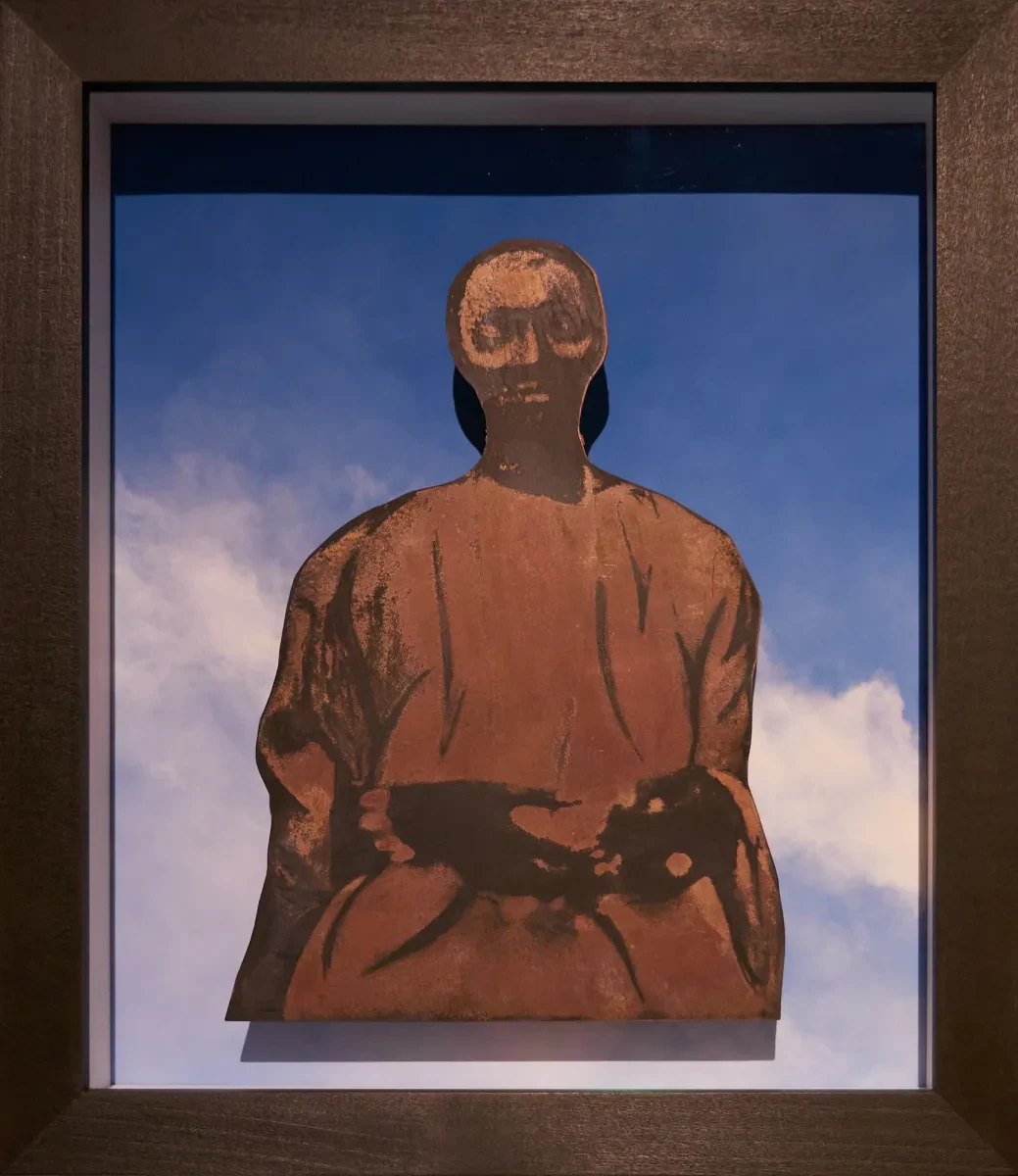
Ancestral Healing was inspired by an archival photograph of an unnamed woman in Royal Museums Greenwich’s collection. As soon as Walters saw her, she felt a deep connection. “She felt very spiritual,” she explains.
In this work, Walters creates a dialogue between the historic and the contemporary, reinterpreting the woman’s photograph through multiple formats, and layering her on top of an image of a bright blue sky.
"I began drawing into the image as an act of connection and then translated it into an engraved bronze to highlight the woman’s preciousness,” Walters explains. “The sky is a bridge between past and present, holding the memories, real or imagined."
Discover more

Read more about the Queen's House rehang
Introducing new contemporary art at the Queen's House for 2026
Victoria Lane, Senior Curator of Art and Identity, explores highlights from some of the contemporary artworks that have gone on show
Mapping uncharted histories: the 19th century woman who developed London’s map trade
Artist Remiiya Badru’s new display in the Queen’s House tells the story of maritime publisher, Penelope Steel
Artemisia Gentileschi at the Queen's House
A painting by Artemisia Gentileschi recently rediscovered in the Royal Collection is now on loan at the Queen's House. Allison Goudie reveals Artemisia's Greenwich connections – and why the Queen's House is a fitting place to see the painting
Migration and art: introducing the new Queen's House display 'Crossings'
As a new collection of artworks reflecting on migrant experiences opens at the Queen's House, curator Tim May explores the role of physical and invisible borders in the story of migration
Reframing the Pacific in the Queen’s House
Curators Katherine Gazzard and Hannah Cusworth highlight the steps involved in redeveloping a room in the Queen's House
Facing the waves: how Shorsh Saleh found power to share his story through art
In his work Crossing Border, the Khurdish artist reflects on his experience of fleeing his homeland and crossing the Mediterranean Sea by boat: ‘When I look at the artwork I just don’t see a painting. I see a story’
More about the Queen's House