How long do you spend reading the label for a portrait in a museum? Five seconds? Ten? Maybe 30, if you’re really interested?
Those of us who write museum labels don’t have long to catch your eye and tell you something interesting about the object you’re looking at.
But behind the 60-100 words in a label, there are usually pages of research and hours of conversation.
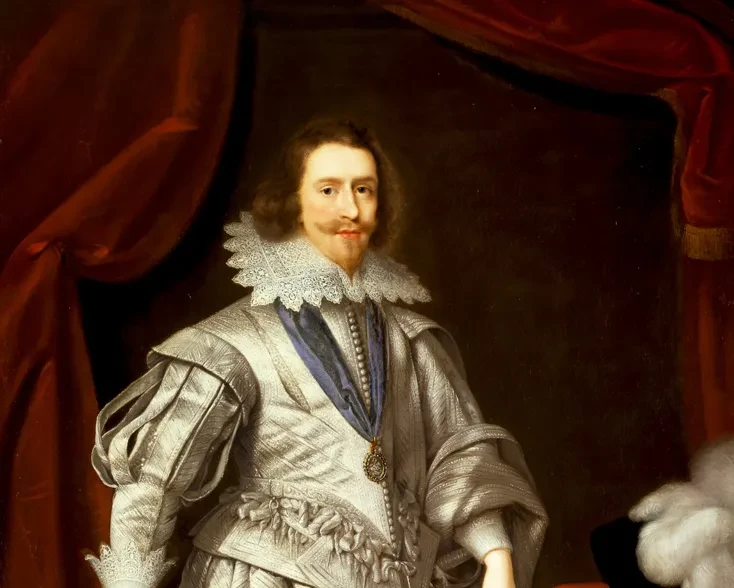
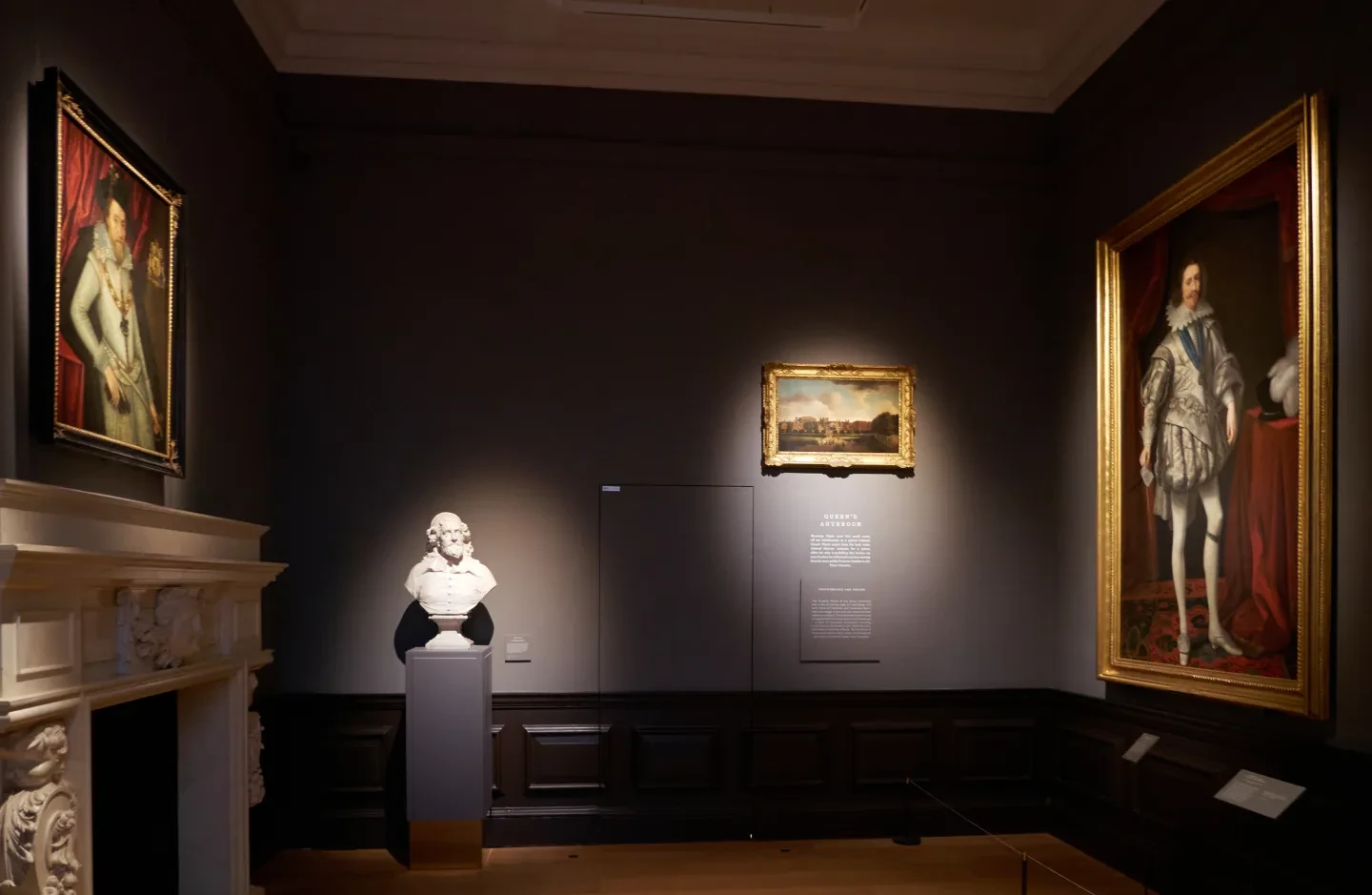
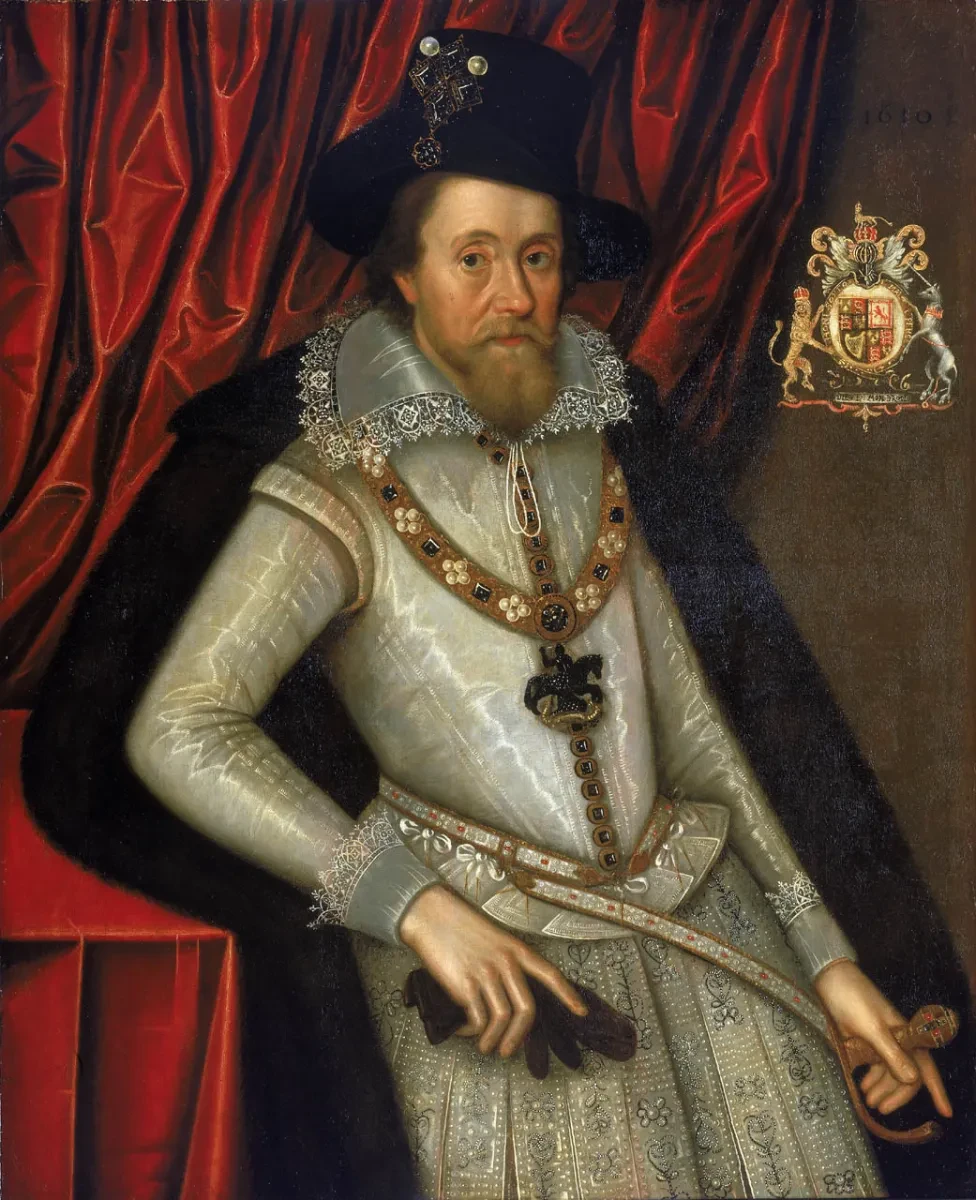
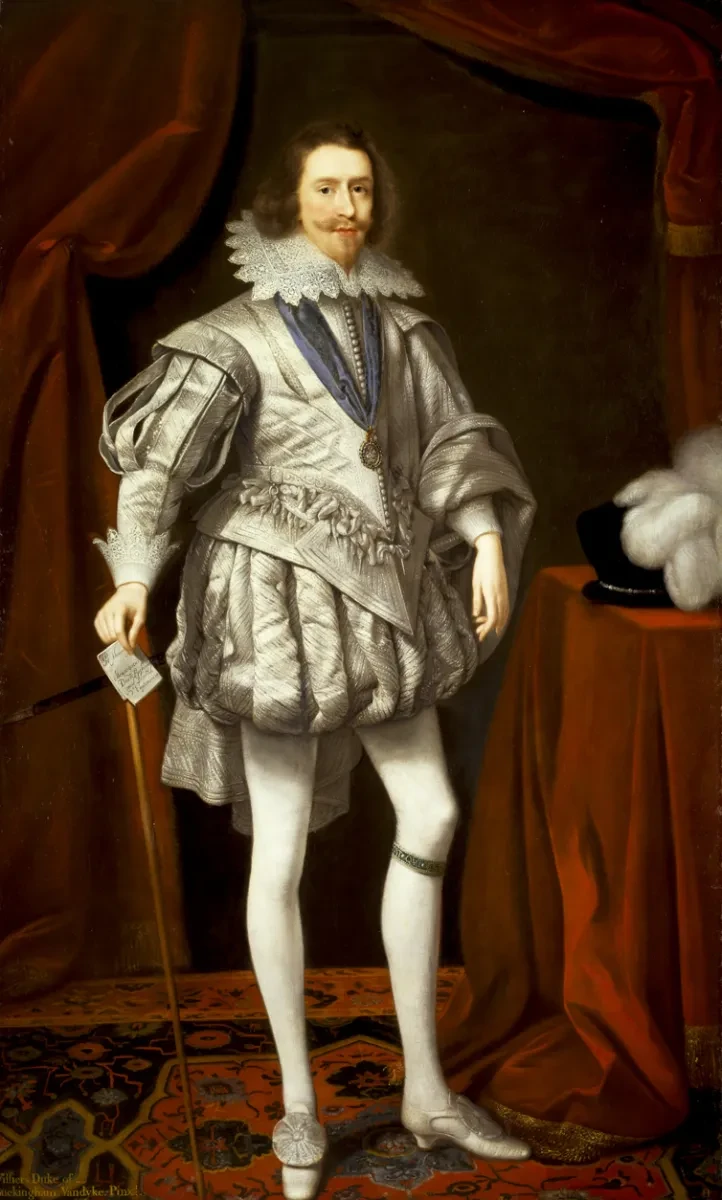
Here, I want to give you a glimpse of what went into the new label for the portrait of King James VI and I (so called because he was James the sixth of Scotland and the first of England) which hangs in the Queen’s House in a new location, opposite his 'favourite' George Villiers.
Image
Gendering the Museum
In the summer of 2025, I was asked to propose new wording for a label of this portrait of James. I was asked because I’d co-written a toolkit called 'Gendering the Museum' – a guide to finding hidden stories of gender and sexuality behind museum objects – with James Daybell, Professor of History at the University of Plymouth.
James is an expert in early modern letters, while my own background is in the early modern history of sexuality and gender – a combination that was especially relevant to this portrait.
The first step in writing the label was to decide on the key things we wanted to include. Of course, we wanted to mention what the portrait actually shows (especially James’s fabulous outfit!) and why it’s in the Queen’s House in the first place.
But as we argue in our ‘Gendering the Museum’ toolkit, looking beyond a museum object itself – thinking about the encounters and power relations that shaped it – can enable us to tell new stories about familiar artefacts.
Looking beyond that fabulous outfit
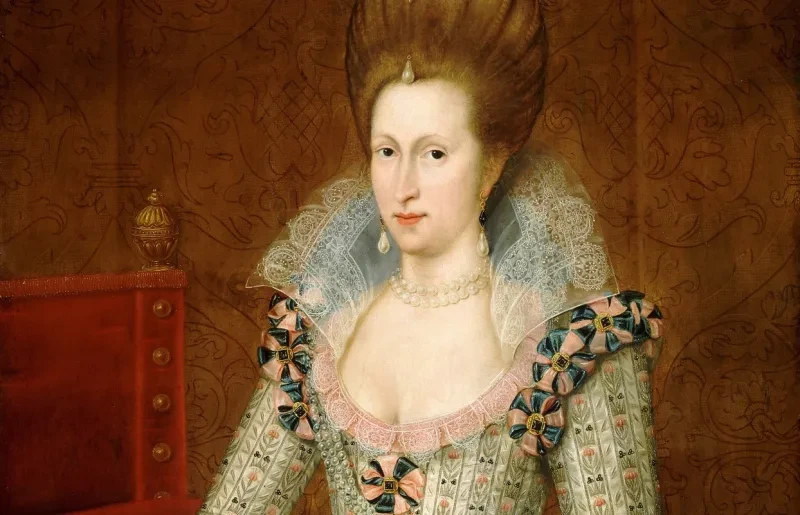
This meant looking beyond that fabulous outfit to see the colonial enterprises which shaped it, and which were one of the most significant innovations of James’s reign. And it meant acknowledging that, while James gifted the Queen’s House to his queen, Anne of Denmark, she wasn’t the only person he called ‘wife’. He also gave that name to his favourite, George Villiers.
Thinking about objects in this way is important for both historical and ethical reasons.
Often, investigating an object’s history like this can bring us new knowledge about an object’s connections to marginalised people – who are less likely to have owned the objects that survive in museum collections, but more likely to have had a hand in making them, or creating the wealth that funded them.
Historically, this enriches a museum’s understanding of an object. Just as importantly, it enables more visitors to feel seen and represented in a museum – something especially important for groups like LGBTQ+ people whose history is often denied or erased, and for groups like Black and Brown people who are often told they aren't part of Britain's history.
Image
Facts, research and evidence
Once we’d decided on the facts we wanted the label to cover, I was tasked with doing the research: developing an evidence base for the things we wanted to say.
Most of the facts were well-established, but exactly what we could say about James’s romantic and sexual relationships was much more contested. Many historians have pointed out that we can’t know for certain whether James and Villiers were in a romantic or sexual relationship – but the same is true of pretty much everyone in the past.
Sex doesn’t leave material or archival traces – sure, the fact that people in the past had children are evidence that sex happened, but without a lot of DNA tests, we can’t be certain who their birthing parents had sex with. And in the early modern period, even private letters are very rarely sexually explicit: there was too much risk of them being opened by a letter-carrier or a nosey member of the household.
But historians still tend to be perfectly happy assuming that opposite-sex couples were having sex. So why should we hold same-sex couples to a different standard of evidence – especially when some kinds of evidence (like marriage) are impossible for them to achieve?
In all my work, I believe in the importance of describing historical figures on their own terms – just as many LGBTQ+ people fight for the right to self-identification today – so I was keen to avoid using words for James that he didn’t use himself.
Luckily, many of the letters between him and Villiers survive, as do contemporary observers’ comments on their relationship. By relying on these documents, I was able to construct a label that clearly conveys James and Villiers’ physical and emotional closeness, while also paying them the respect of describing them in their own words.
The final version
My proposed label was only the beginning: the text went through many different iterations, and back and forth between many different museum staff, before we had a final version. But I’m so pleased that in the end, we developed a label that both illuminates James’s portrait and encourages visitors to look beyond it.
James I
by John de Critz, about 1610
oil on canvas (originally oil on board)
BHC2796
In this portrait, James I is shown wearing luxurious clothes covered in pearls and jewels that reflect Britain’s wealth, which expanded during his reign with the start of settler colonialism.
He gave the site for the Queen’s House to his wife Anne in 1616. James called two people ‘wife’: his queen, Anne of Denmark, and his ‘favourite’, George Villiers. He had seven children with Anne, and sometimes shared a bed with Villiers, attracting attention with his kisses, embraces and love for the man he missed like a ‘widow’ when they were apart.
Written by Dr Kit Heyam of Gendering the Museum
Look through the portrait, down to the Thames, and out to sea with the first boatloads of British colonial settlers. Or look out from the portrait, opposite, to meet the eyes of George Villiers.
Read more