
Explore what you can see in the night sky this February, including the Pleiades and the four biggest planets in our Solar System.
By Ramya (Work Experience student) and the Astronomy team
Top 3 things to see in the night sky in February 2026:
- Early in the month - Catch your last glimpse of Saturn for a while
- Throughout the month - See Orion the hunter
26 and 27 February - Spot Jupiter next to the Moon
Orion the hunter
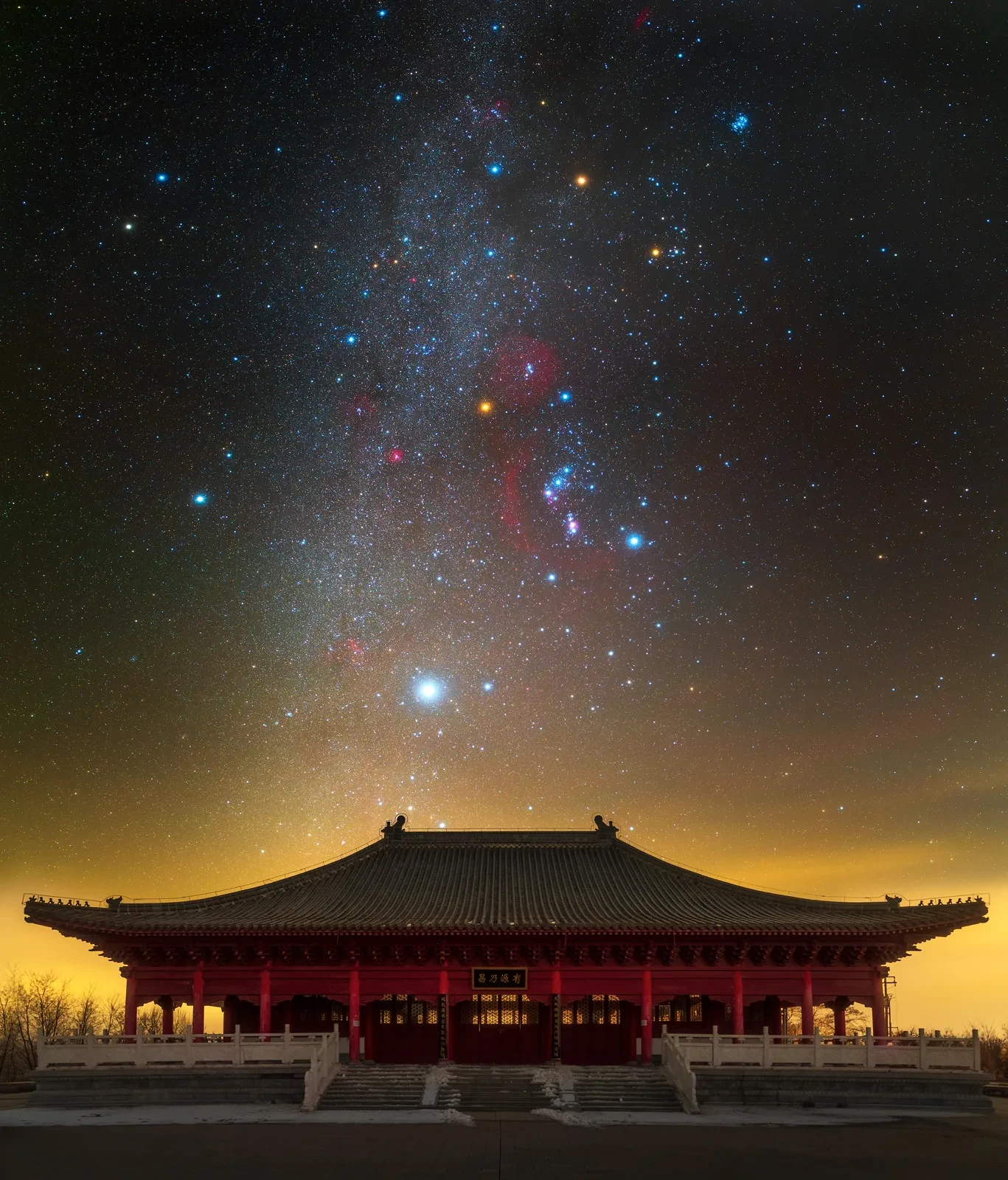
For those of us in the Northern Hemisphere, the constellation of Orion (the hunter) will be clearly visible in the south-east shortly after sunset, gradually moving towards the south as the month progresses.
In Greek mythology, Orion was an extremely skilled hunter who, due to his own prowess, became arrogant and boasted that he could kill any animal. Mother Earth, angry due to his boasts, sent a scorpion to kill him.
However, Zeus, king of the Greek gods, greatly admired Orion’s strength and sent him to the sky to save him. The scorpion also pursued him to the sky, but Zeus placed it on the other side of the sky to avoid conflict, where it is represented by the constellation Scorpius.
Orion and Scorpius lie on opposite sides of the sky, meaning they are never prominent in the night sky at the same time. When Orion is visible in the evening, Scorpius is below the horizon or too close to the Sun to be seen.
Scorpius is a summer constellation, so it will not be visible in February, but it can be seen in the evening sky during July and August.
The Pleiades star cluster
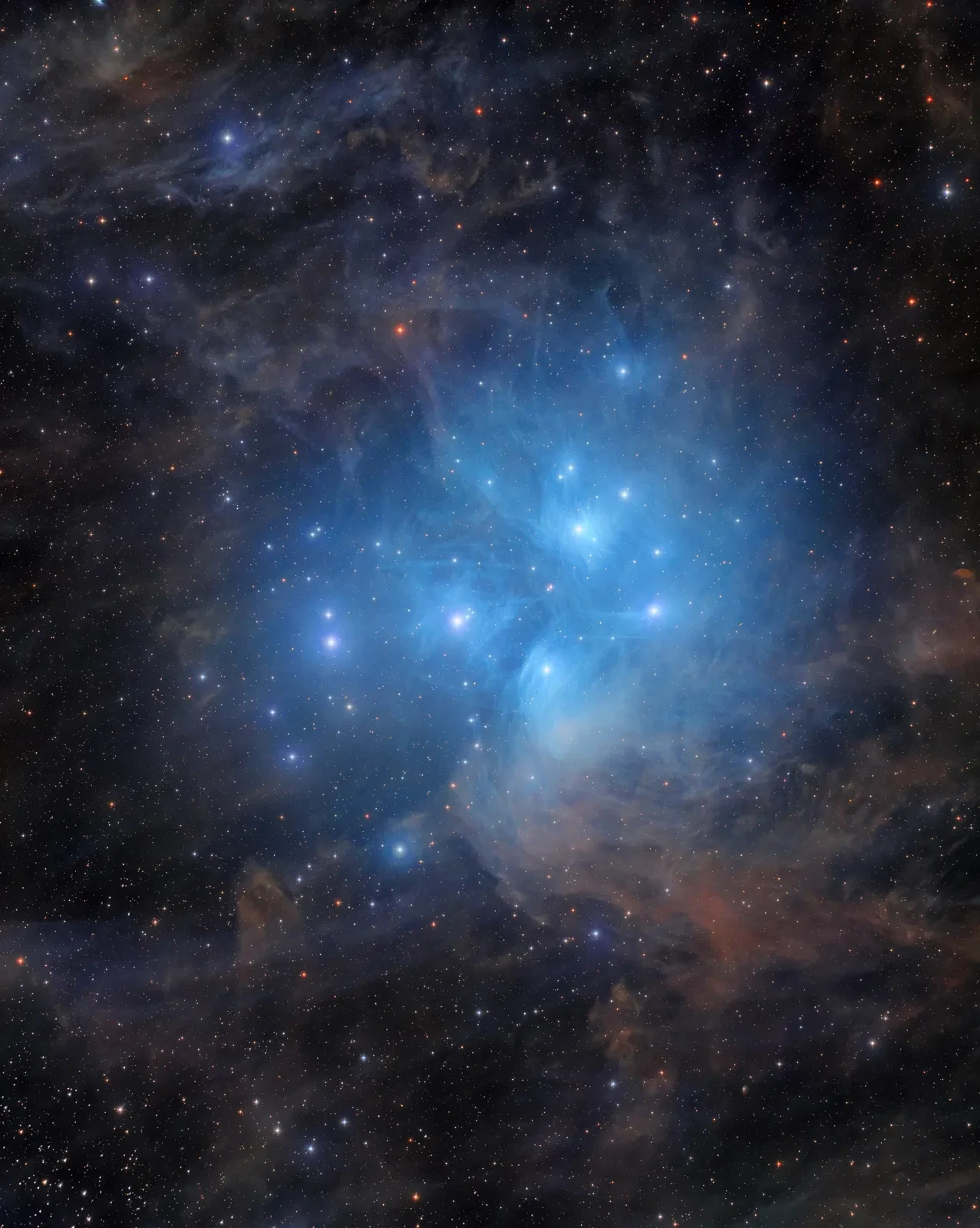
Another well-known celestial object to look out for in February is the Pleiades star cluster, also known as the Seven Sisters. Located in the constellation Taurus, they are visible shortly after sunset, appearing high in the south to south-western sky early in the month and lower toward the south-west later on.
As February progresses, the Pleiades set earlier in the night, a couple of hours after midnight. Although only seven of these stars are visible to the naked eye, there are over 1,000 stars in total in the cluster. To see these best, you can use a small telescope or a good pair of binoculars.
The seven brightest stars of the Pleiades feature in mythological traditions around the world. In Greek mythology, they are the daughters of the Titan Atlas and the sea nymph Pleione, with each star named after one of the sisters. Similar stories appear in many Aboriginal Australian cultures, where the Seven Sisters escape into the sky while being pursued by a male figure. In Aotearoa New Zealand, the cluster is known as Matariki, and its heliacal rising (rising with the Sun) in mid-winter marks the Māori New Year.
The Pegasus Cluster and Andromeda Galaxy
Readers in the Northern Hemisphere will also be able to see the Pegasus Cluster, also known as M15, in the west. M15 is one of the oldest and densest known globular clusters, and is a whopping 12.5 billion years old!
It can be viewed on clearer nights through a pair of powerful binoculars or a small telescope. It will, however, only be visible above the horizon shortly after sunset in the first part of the month. As you may expect, it's located in the constellation of Pegasus.
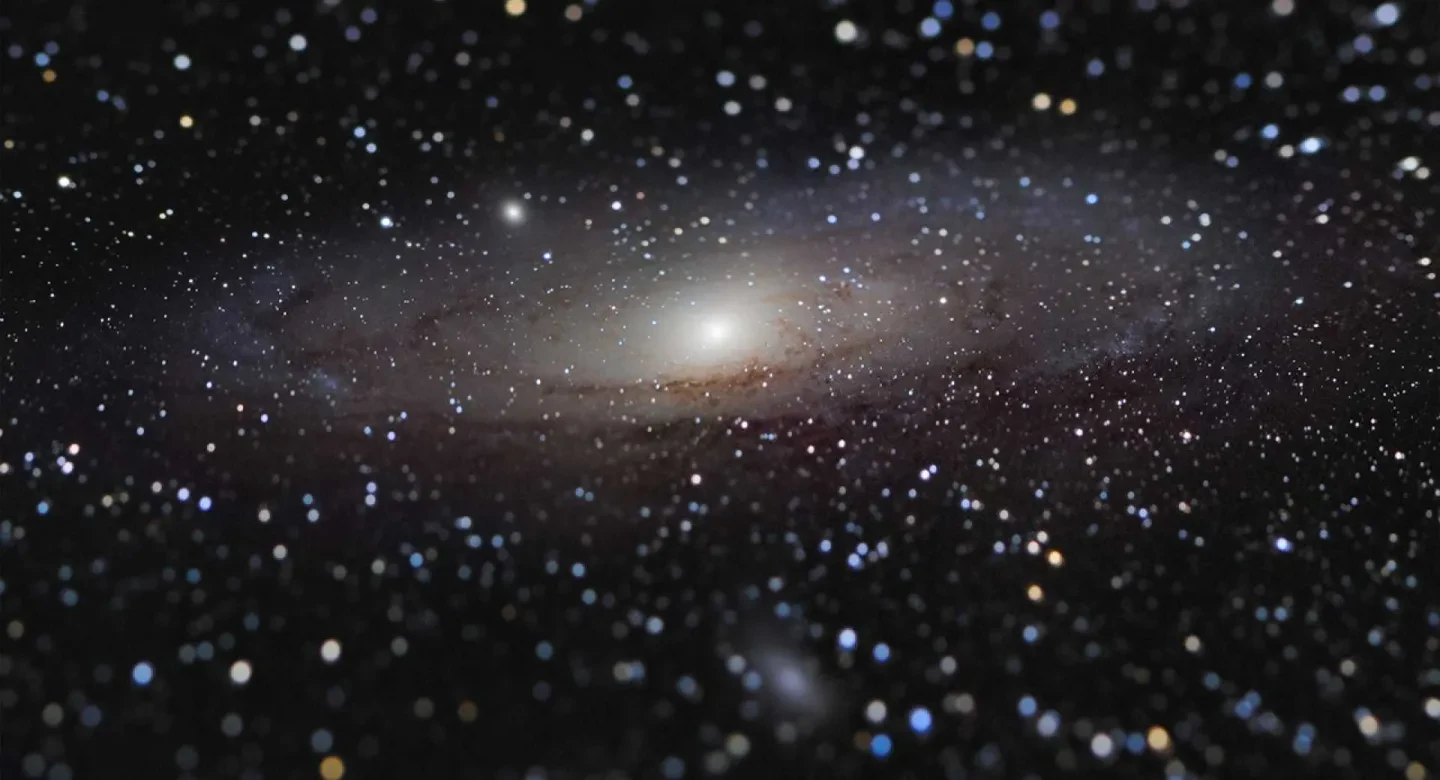
To the north of the constellation of Pegasus lies the constellation Andromeda, which is visible throughout the month. In this constellation, you can find the Andromeda Galaxy (M31), the nearest large spiral galaxy to the Milky Way.
On clear, dark nights it can be seen faintly with the naked eye as a hazy patch of light, while binoculars or a small telescope reveal its bright core and extended glow.
Planets in February 2026
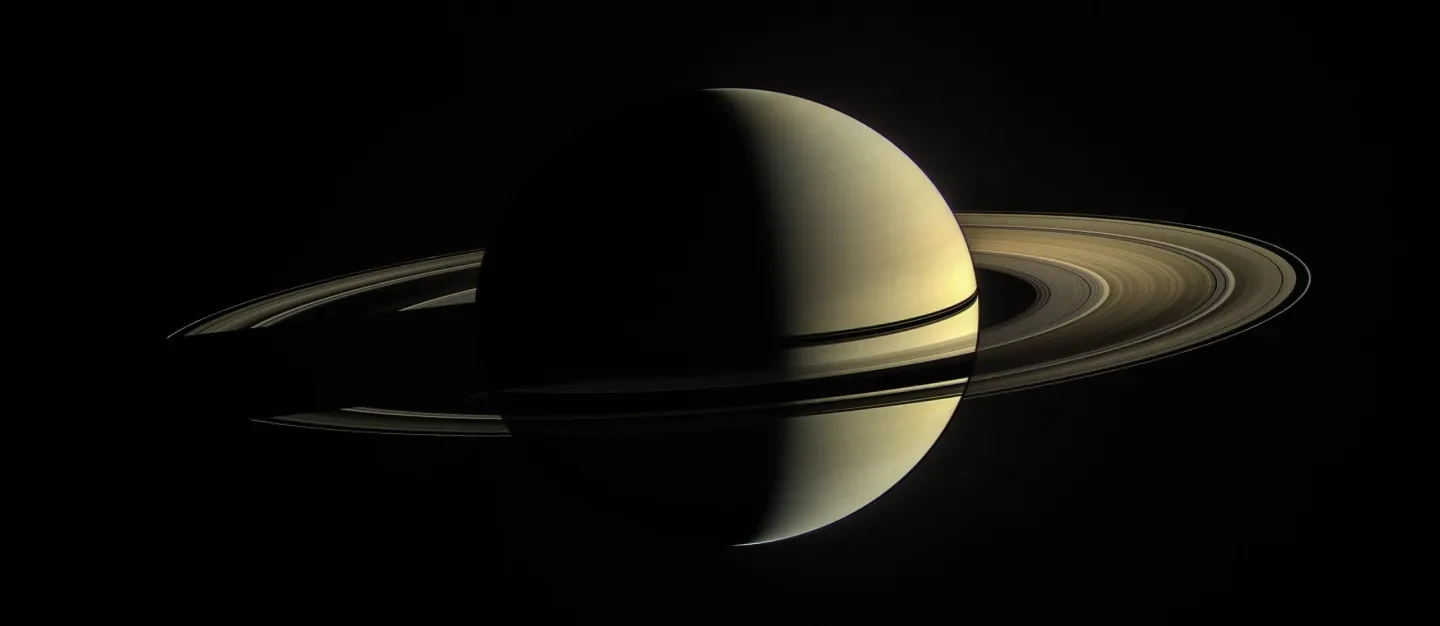
And, of course, we cannot forget the planets of our own Solar System! Saturn will be visible to the naked eye in the first part of the month for the first part of the night in the south-west, although it may be a bit hard to spot as it will be quite low in the sky, appearing close to the Sun.
Once it drops from view, the planet won't be visible again until it appears in the pre-dawn sky around the start of June.
Jupiter will also be visible as an especially bright spot in the sky, positioned between the two figures in the constellation of Gemini rising in the east. It will gradually move southward as the month and the night go on, and it will be visible throughout the month. On 26 and 27 February, Jupiter will be close to the bright waxing gibbous Moon, making it even easier to locate.
The ice giants Uranus and Neptune are also above the horizon in the early evening. Uranus is in Taurus in the south and Neptune very close to Saturn in the southwest. However, these two beautiful blue worlds are too faint to be seen with the naked eye, and so require a pair of powerful binoculars or a telescope to view them in their full glory. You can also view Jupiter and Saturn in this way, to spot Saturn’s beautiful rings or Jupiter’s largest moons, the Galilean moons.
Southern Hemisphere highlights
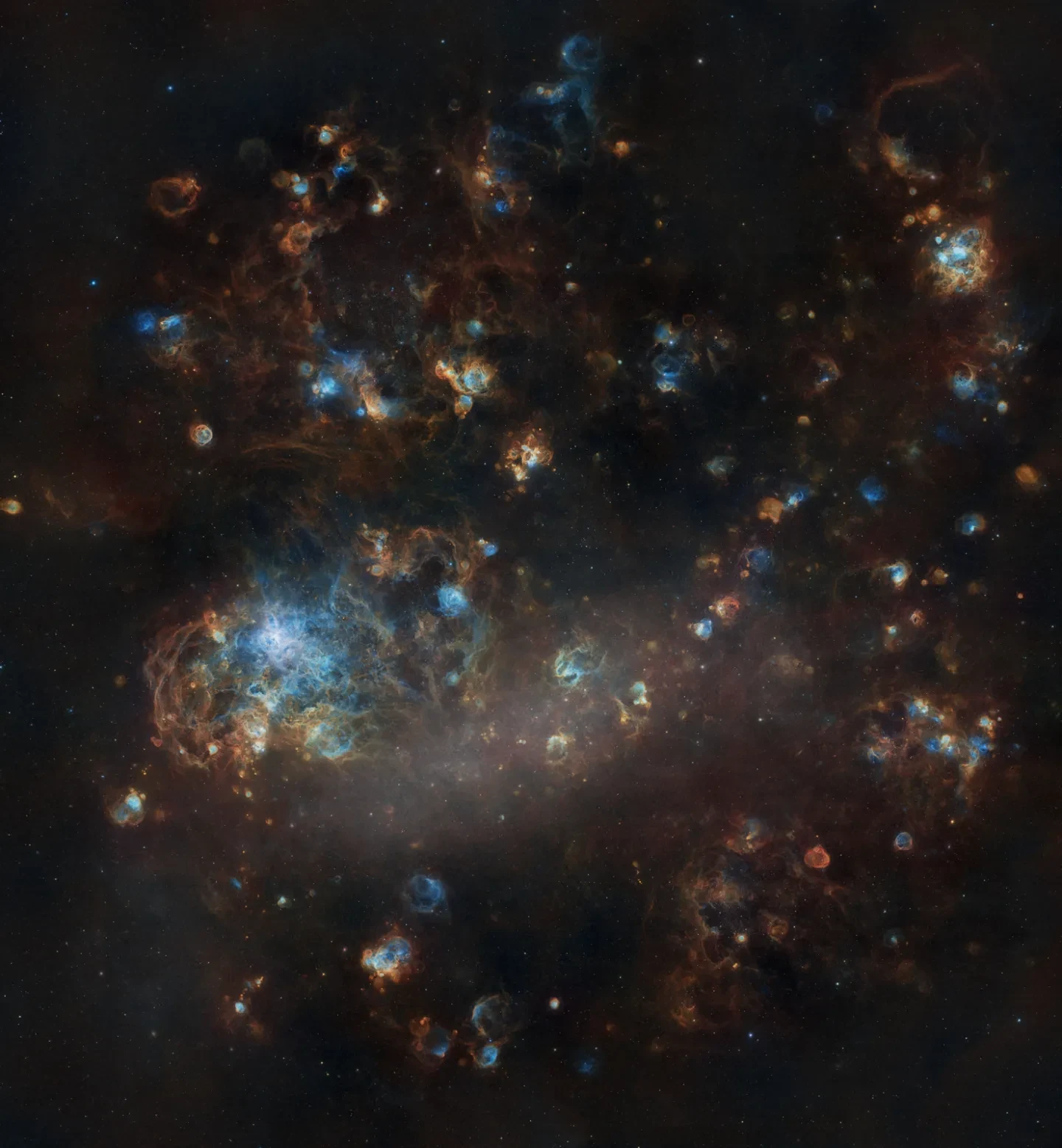
For viewers in the Southern Hemisphere, many other interesting celestial features will be visible shortly after sundown.
This includes the Small Magellanic Cloud in the south-west, which will be moving in a circular anti-clockwise movement around the south celestial pole throughout the night. This makes it an amazing target for skywatchers as it will be visible quite easily throughout the month.
The Small Magellanic Cloud is a dwarf irregular galaxy and is a ‘satellite’ galaxy of our Milky Way, meaning it is quite close to us at only 200,000 light years away. It is one of the closest galaxies to our Solar System.
Those in the Southern Hemisphere will also be able to see Sirius, the brightest star in the night sky, located in the constellation Canis Major. It can be best viewed at around midnight, when it will be high in the sky in the north.
Sirius is actually a binary star system, made up of the main bright star Sirius A and its tiny, faint white dwarf companion Sirius B. Those viewing from the Northern Hemisphere can see it in the south, however it may be harder to spot as it will be quite close to the horizon.
The Moon's phases in February 2026
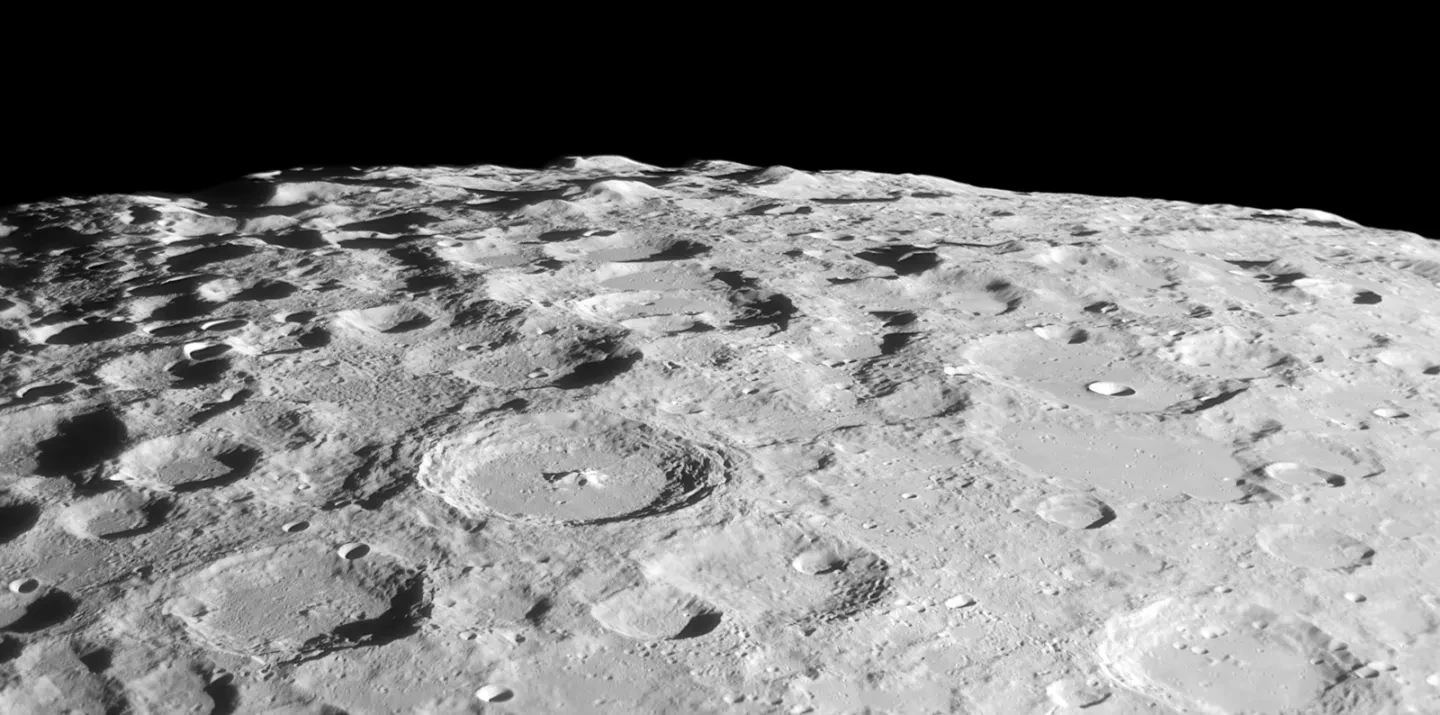
Full moon - 1 February (22:09)
Last quarter - 9 February (12:43)
New moon - 17 February (12:01)
First quarter - 24 February (12:27)
Stargazing tips
- When looking at faint objects such as stars, nebulae, the Milky Way and other galaxies, it is important to allow your eyes to adapt to the dark so that you can achieve better night vision.
- Allow 15 minutes for your eyes to become sensitive in the dark and remember not to look at your mobile phone or any other bright device when stargazing.
- If you're using a star app on your phone, switch on the red night vision mode.
More space and astronomy

Night Sky Highlights - March 2026
Discover what to see in March, from the last full moon of winter to a conjunction of Venus and Saturn.
Space and astronomy highlights in 2026
What should you keep your eyes on the skies for in 2026? Discover this year's standout moments with Royal Observatory astronomers

Artemis Programme: what you need to know about NASA’s Moon missions
NASA's Artemis missions aim to land humans on the Moon again, create a lunar base, and lay the groundwork for a future trip to Mars

ZWO Astronomy Photographer of the Year 2025 winners
Take a look at the winning images in the world's biggest space photography competition 2025
Astronomy with the naked eye
Learn what you could see in the night sky with no equipment from the Royal Observatory Greenwich; from galaxies and meteor showers to comets, star clusters, cloud formations and more
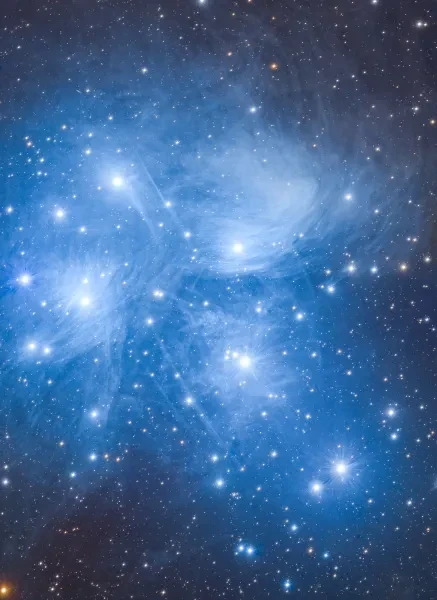
What are the Pleiades?
Take a closer look at the Pleiades, an extremely hot cluster of young stars. Also known as the 'Seven Sisters' or M45, this stellar family has been the subject of numerous myths in cultures worldwide
Full Moon calendar 2026
Check the dates for every full Moon throughout the year, learn about the Moon's phases, 'supermoons' and more
Meteor shower guide 2026
Want to see shooting stars? Check the key dates for major meteor showers in the UK in 2026, and how to see them in the night sky
Header Image: M45, the Seven Sisters: Sibling Rivalry © Timothy Martin – shortlisted in ZWO Astronomy Photographer of the Year 2025