

Discover what to see in March, from the last full moon of winter to a conjunction of Venus and Saturn.
Top 3 things to see in the night sky in March 2026
- 8 March - check out the close conjunction of Venus and Saturn
- Throughout the month - try to spot some zodiacal light
- This month and next - attempt the 'Messier Marathon'
See March's full Moon
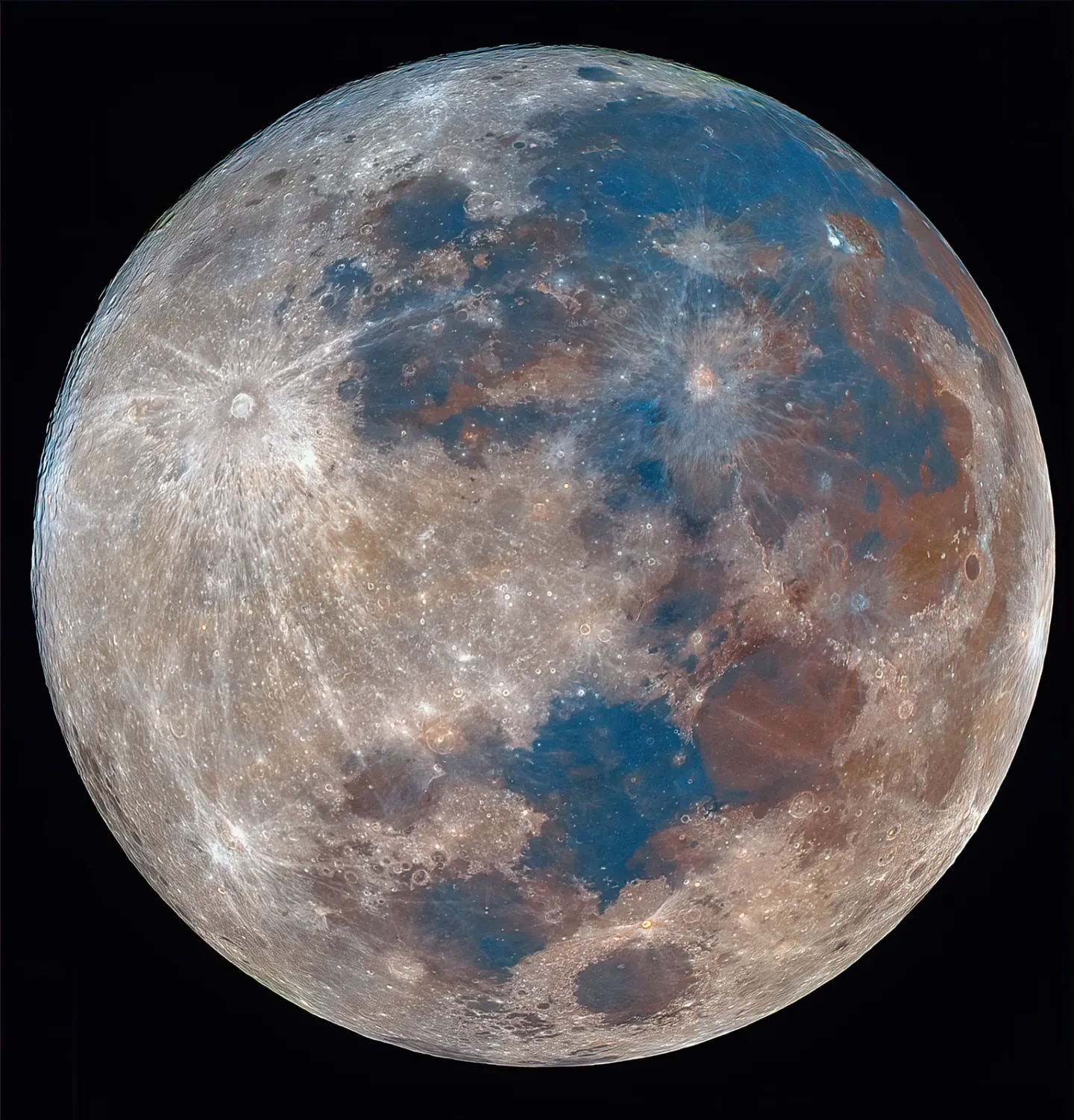
The full Moon on 3 March is the last full moon of winter, popularly known as the ‘worm moon’. The name originates from Native American culture, and comes from the worm trails that would appear in the newly thawed ground.
Other names for March's full moon include ‘chaste moon’, ‘death moon’, ‘crust moon’ and ‘sap moon’, after the tapping of maple trees.
On 3 March, about 30% of the world's population should be able to see a total lunar eclipse, which is visible from Asia, Australia, and North America. During this event the Moon will turn blood red as it moves through Earth’s shadow, with the red hue caused by sunlight being bent through Earth’s atmosphere.
This is one of the year’s most dramatic sights for viewers in those areas, with totality lasting for around 58 minutes.
The planets in March
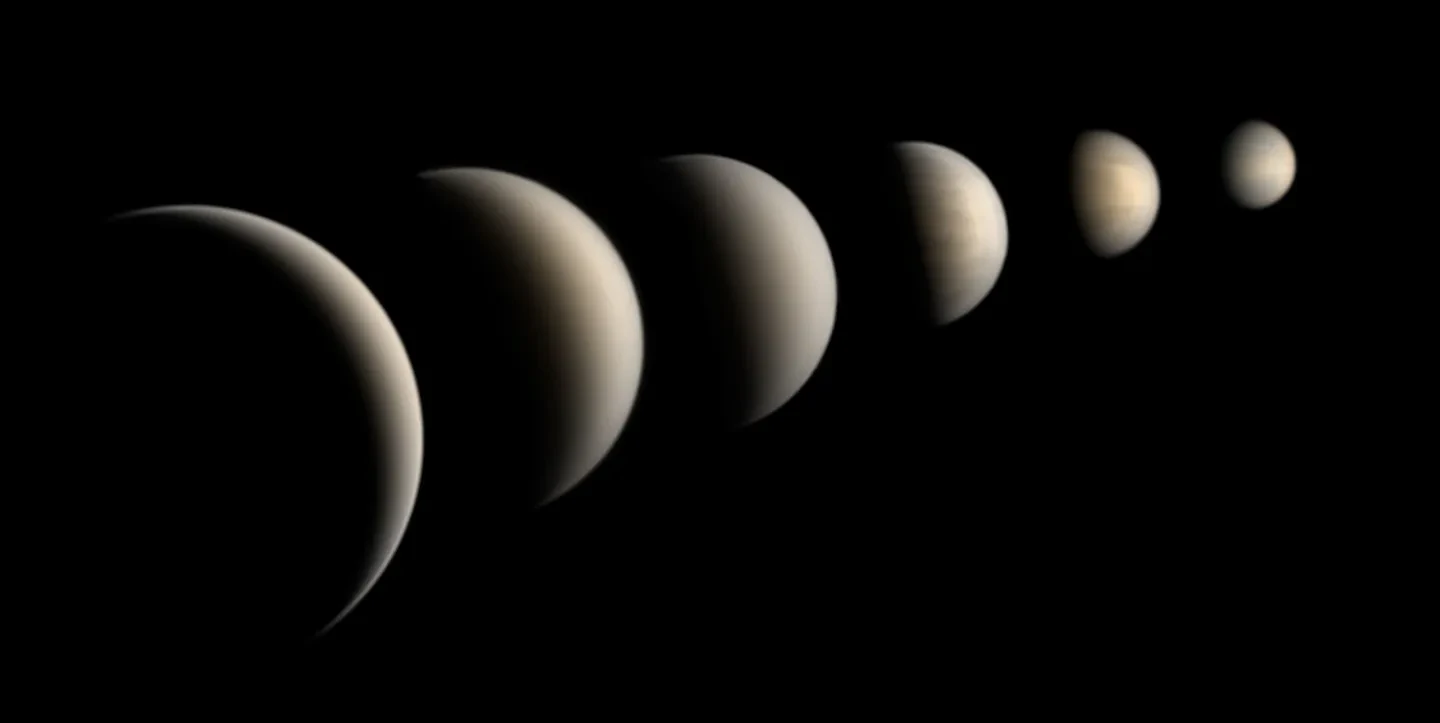
On March 8 we will see a conjunction of Venus and Saturn. Bright Venus will be very close to the dimmer Saturn very low in the sky after sunset. However, the pair will be quite challenging to spot together as they may be obscured by the Sun’s glare.
To have the best view of this conjunction you’ll need a clear view to the western horizon free of obstructions.
The spring equinox
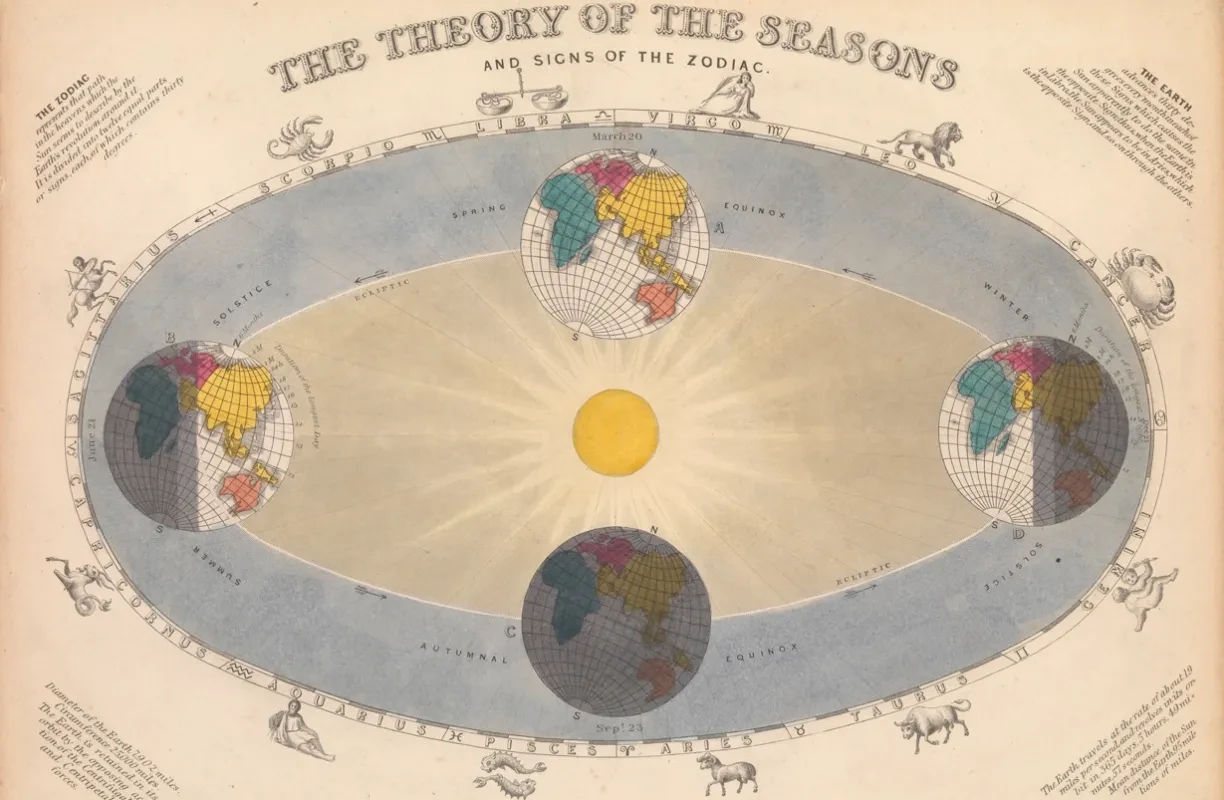
Each year we see the Sun cross the celestial equator, moving northwards in our skies. This is the vernal (spring) equinox, and at this time the Sun rises precisely in the east and sets precisely in the west.
Changes in the length of day and night are caused by the tilt of the Earth. When Earth orbits the Sun, at certain times of the year the Northern Hemisphere is tilted towards the Sun and the Southern Hemisphere is tilted away from it. For the other half of the year, the reverse happens.
Equinoxes happen when neither hemisphere is tilted towards or away from the Sun and there are roughly equal hours of daylight and darkness. Solstices, on the other hand, happen when a specific hemisphere is tilted towards or away from the Sun, which results in long days or long nights.
The spring equinox in the Northern Hemisphere will occur on 20 March, and this is when astronomical spring is said to start. In the Southern Hemisphere March 20 is the autumnal equinox.
I visited Peru and Machu Picchu recently, and you can see how astronomy was thoroughly interwoven throughout many facets of Inca society.
The Inca didn’t appear out of thin, crisp Andean air. Their civilisation rose on foundations laid by earlier cultures like the Huari and the Nasca, absorbing ideas, architecture, and cosmology along the way.
The Emperor, Pachacuti, made solar worship the official religion and imposed it across the territory, maintaining that he was the son of the Sun. His divine lineage wasn’t left to abstraction. Demonstrations of that genealogical link occurred during public festivals when the Sun rose on the horizon at significant times of the solar cycle - equinoxes and solstices. A prominent annual celebration included Inti Raymi at the March equinox. Archaeologists found that about a quarter of all shrines to the Sun (‘huacas’- Quechua) were oriented towards sunrise and sunset on the equinox.
One example of the Inca connection to equinoxes is the Intihuatana at Machu Picchu - a four-sided stone with each point representing the north, south, east and west. The Sun sits directly above the stone on the two equinoxes, casting no shadow at all.
Andean tradition links the equinoxes with fertility, and around March crops like maize are harvested.
Spring Triangle
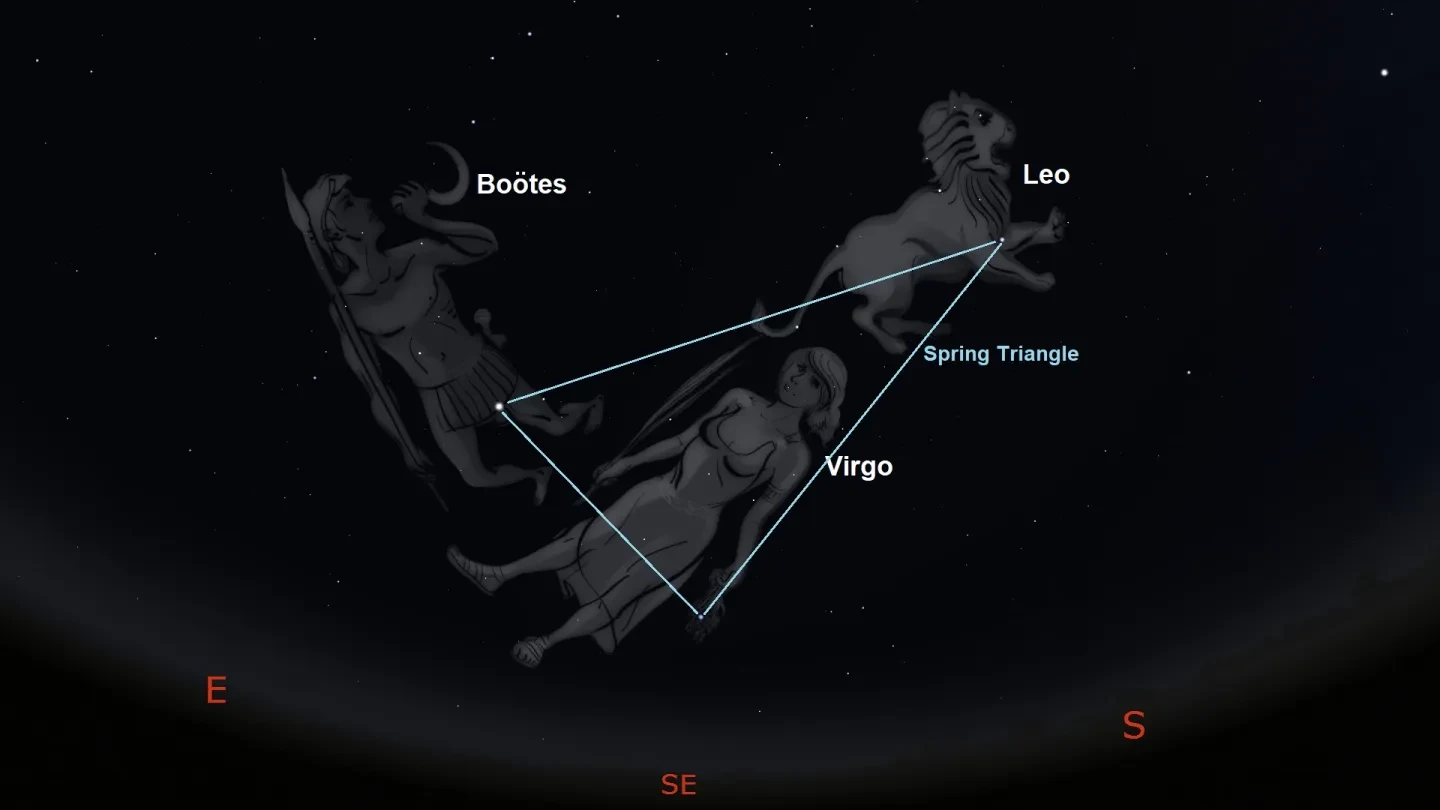
Now it’s time to connect the dots and find the Greeks' favourite shape, the Spring Triangle.
You can connect the stars Spica (within Virgo), Denebola (within Leo) and Arcturus (within Boötes) to find the small spring triangle.
You can also make a larger spring triangle by using the star Regulus, the heart of the lion and the brightest star in Leo, rather than Denebola.
This asterism is visible higher in the sky increasingly sooner after sunset as March progresses, so you don’t have to lose much sleep to see this.
The tip of the Spring Triangle will point you towards the constellation of Cancer, and if you keep gazing westwards you will find Jupiter. Jupiter is very hard to miss at this time as it's sandwiched between the Gemini twins, Castor and Pollux.
Just south of Gemini and Cancer you’ll find Canis Minor, the 'little dog'. It’s made of just two stars: Procyon in the backside of the dog and Gomeisa at the head.
Procyon is a double star system composed of one white main sequence star in orbit with a dwarf star companion.
Binary stars are very common. In fact, the Great Equatorial Telescope here at the Royal Observatory was tasked with observing and measuring binary star systems, partly because they are so common but mostly because they are useful for measuring properties of stars.
Zodiacal light
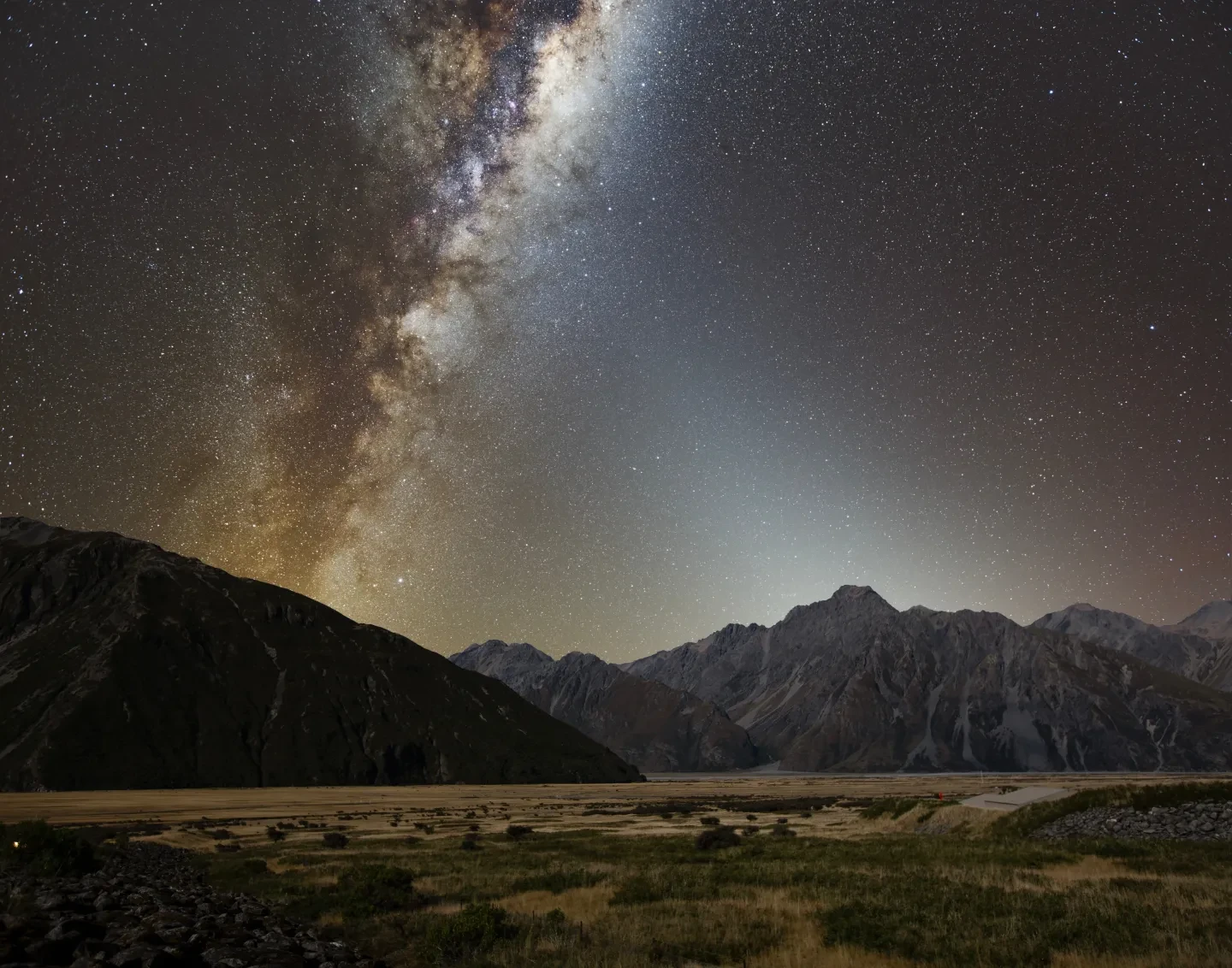
We’re entering the best time of year to see the zodiacal light – or false dusk – in a dark evening sky. This eerie cone of light can be found in the west, just as evening twilight draws to a close.
Or, if you’re in the Southern Hemisphere, look for it in the coming months in the east before twilight begins at dawn.
The light is easiest to see (for all of Earth) around the equinoxes. We would recommend heading to a dark sky area whenever you’ve got a moon-free sky.
For many years, the zodiacal light was thought to be an atmospheric phenomenon - a faint glow produced in Earth’s upper atmosphere after sunset or before sunrise.
Today we understand the zodiacal light to be caused by sunlight scattering off a broad cloud of dust particles orbiting the Sun in the inner Solar System. Under dark skies, this dust appears as a soft triangular glow extending along the ecliptic - the orbital plane in the sky of the Sun and planets.
Astronomers assumed that these particles were primarily leftover material from the formation of the Solar System around 4.5 billion years ago. More recently, there has been discussion about their possible origin in dust storms on the planet Mars.
A great way to see the zodiacal light is to go to a dark sky area. For example, this month the Elan Dark Sky Festival in the Elan Valley in Wales is kicking off for the first time after the area was granted silver-tier status by the International Dark Sky Association.
Messier Marathon
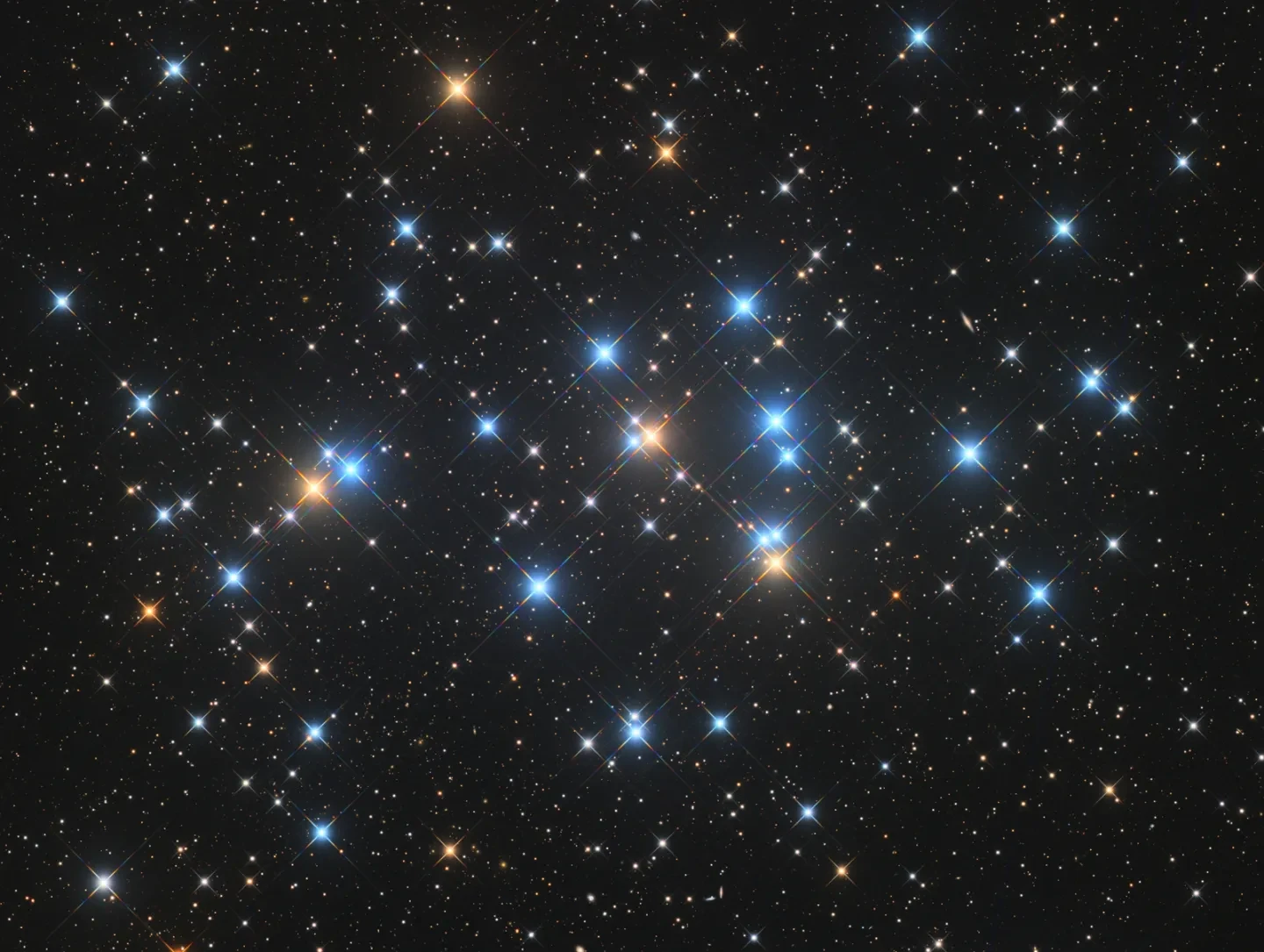
Charles Messier was a French astronomer and comet hunter. In his search for comets, which he did with his friend and assistant Pierre Mechain from downtown Paris (when you could actually see the night sky from a city), he observed 110 fixed fuzzy objects in the sky and then named them all after himself.
You might be familiar with the Orion Nebula (Messier 42 or M42) and the Andromeda Galaxy (Messier 31 or M31).
The 'Messier Marathon' is an attempt by astronomers to observe all of the Messier objects in one night, with a small viewing window in March and early April. Because the Sun moves between Pisces and Aquarius during this time and no Messier objects are in this area, marathoners can observe all 110 objects between sundown and sunrise.
Observers can attempt the Messier Marathon from most northern latitudes. As Messier compiled the original catalogue from a northern latitude, not all of the Messier objects are visible from the Southern Hemisphere. In particular, M81, M82, M52 and M103 make Southern Hemisphere Messier Marathons difficult, because they are all located at a declination of 60° north or greater.
Some regions of the night sky host many Messier objects. Sagittarius, for example, is home to 15 objects - the most of any constellation. The ideal time to participate in a Messier Marathon is during a new moon or on the weekends closest to a new moon, from mid-March to early April.
Some cool things to look at include Messier 87 in Virgo, and M44, the Beehive Cluster (pictured above).
Southern Hemisphere stargazing: Poutūterangi
The tenth lunar month of the Māori year, Poutūterangi, is approximately equivalent to March. Its name corresponds to Altair, the brightest star in the constellation of Aquila, whose appearance in the night sky heralds the start of the month. Other groups describe Fomalhaut in Pisces as the star of the lunar month of Poutūterangi.
Poutūterangi is also known as the harvest season, an important time for storing food for the coming colder months.
The Maori calendar tradition is a holistic one, and there are other signs of this changing month in nature, such as signs in the water when, during this period, eels start to migrate to the sea.
The Southern Cross or ‘Crux’ will be rising higher over the night. Crux is the smallest of the 88 constellations, made up of 5 stars.
Following the Greek alphabet in order of brightness, the stars are called Alpha, Beta, Gamma, Delta and little Epsilon Crux. Epsilon Crux was left out of the New Zealand flag but Australia, Samoa, Brazil, and Papua New Guinea decided to keep it.
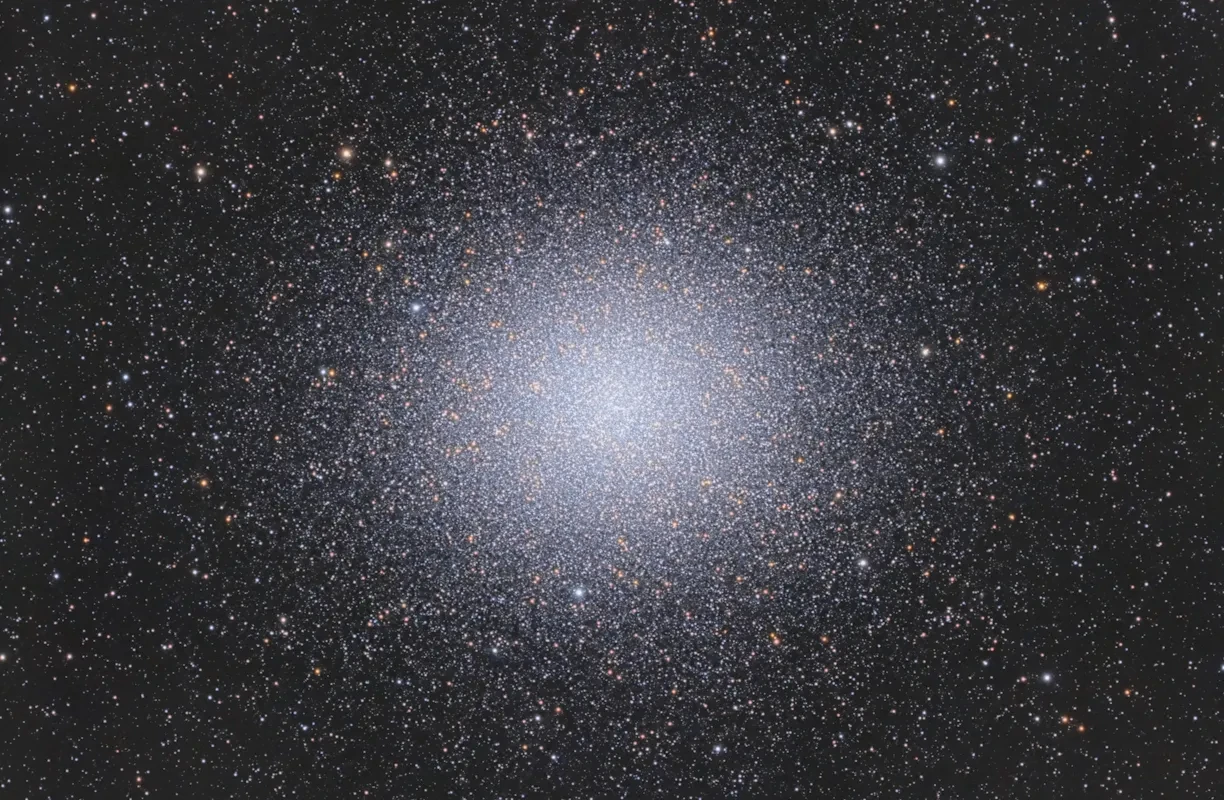
Rising high close to Crux is one of the most magnificent objects in the night sky - Omega Centauri - visible to the naked eye using averted vision and quite easy to find using Crux. Draw a line from Alpha to Delta Crux and keep going until you reach the next brighter star Delta Centauri. You can then draw a line to Gamma Centauri and extend the line roughly the same distance to find Omega Centauri.
Omega Centauri is the most massive globular cluster in our galaxy, a densely packed, roughly spherical gravitationally bound swarm of roughly 10 million stars.
Generally, the stars of globular clusters tend to share a common age and chemical composition, reflecting a single, early burst of star formation. However, studies of Omega Centauri reveal that it has different stellar populations that formed at varying periods of time. There may even be an intermediate mass black hole at its centre.
These features have led astronomers to question whether Omega Centauri is truly a globular cluster at all. One leading hypothesis is that it represents the stripped core of a small galaxy that was absorbed by the Milky Way billions of years ago. If so, what we see today could be the remnant of an ancient galactic merger.
The Moon's phases in March 2026
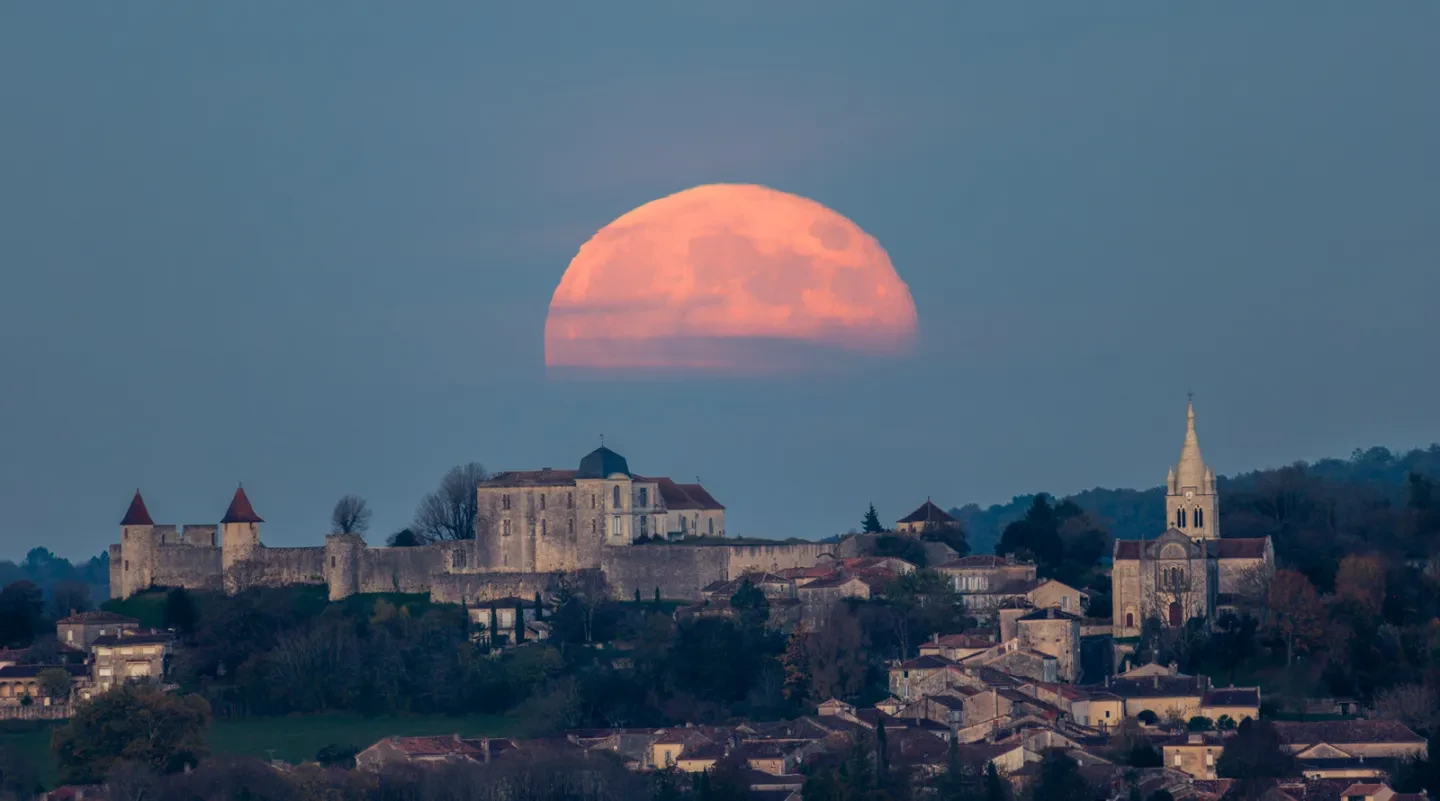
Full moon - 3 March (11:37)
Last quarter - 11 March (09:38)
New moon - 19 March (01:23)
First quarter - 25 March (19:17)
Stargazing tips
- When looking at faint objects such as stars, nebulae, the Milky Way and other galaxies, it is important to allow your eyes to adapt to the dark so that you can achieve better night vision.
- Allow 15 minutes for your eyes to become sensitive in the dark and remember not to look at your mobile phone or any other bright device when stargazing.
- If you're using a star app on your phone, switch on the red night vision mode.
More space and astronomy
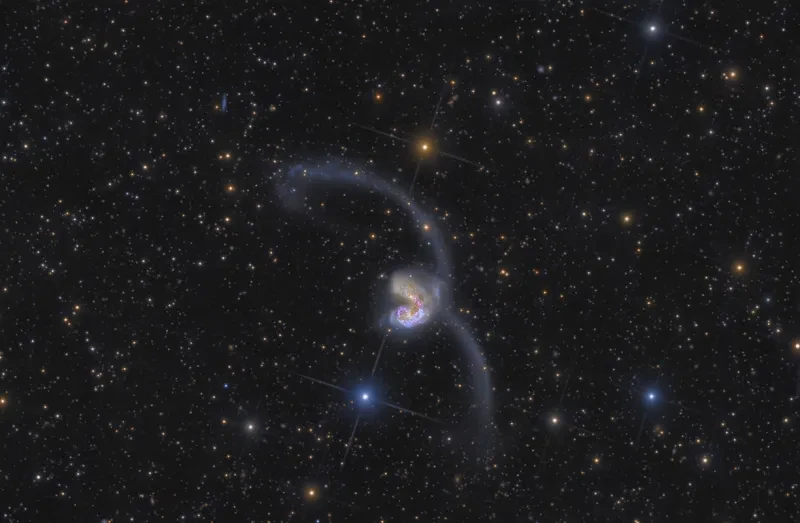
Night sky highlights - April 2026
April’s night sky brings a rich mix of sights, from the inner rocky planets Venus and Mercury to meteor showers and even distant colliding galaxies.
Space and astronomy highlights in 2026
What should you keep your eyes on the skies for in 2026? Discover this year's standout moments with Royal Observatory astronomers
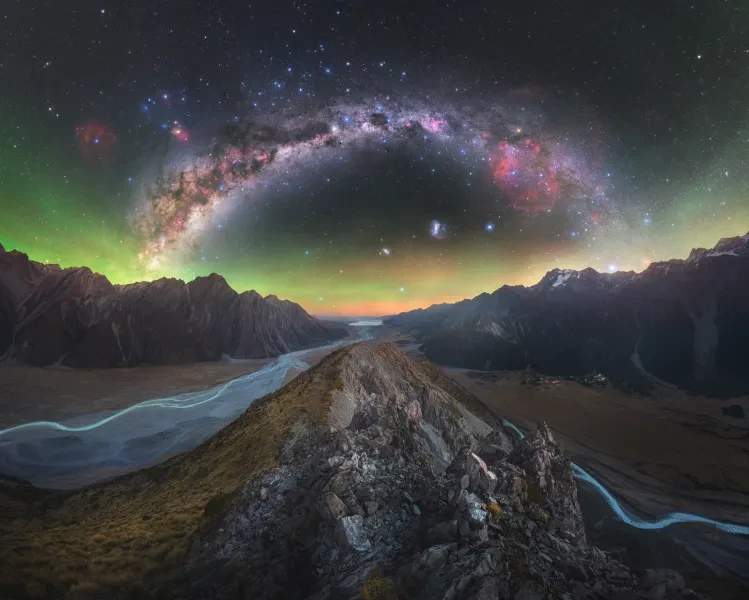
ZWO Astronomy Photographer of the Year 2025 winners
Take a look at the winning images in the world's biggest space photography competition 2025
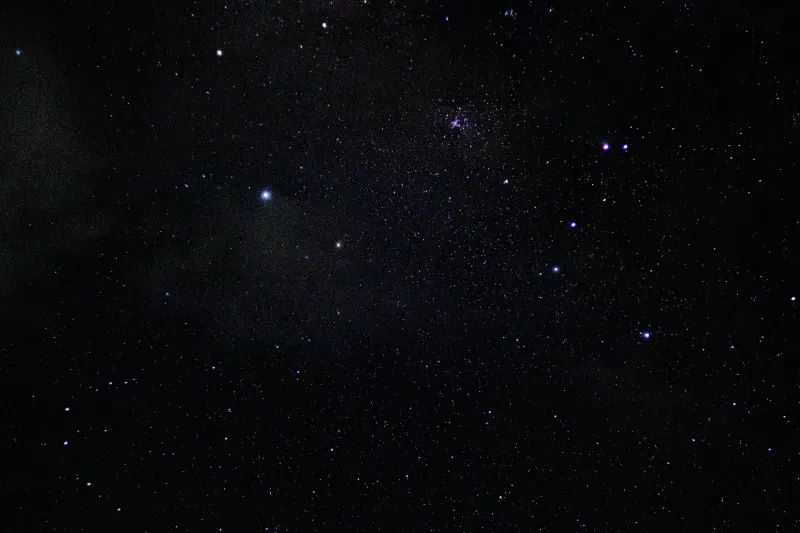
Astronomy with the naked eye
Learn what you could see in the night sky with no equipment from the Royal Observatory Greenwich; from galaxies and meteor showers to comets, star clusters, cloud formations and more
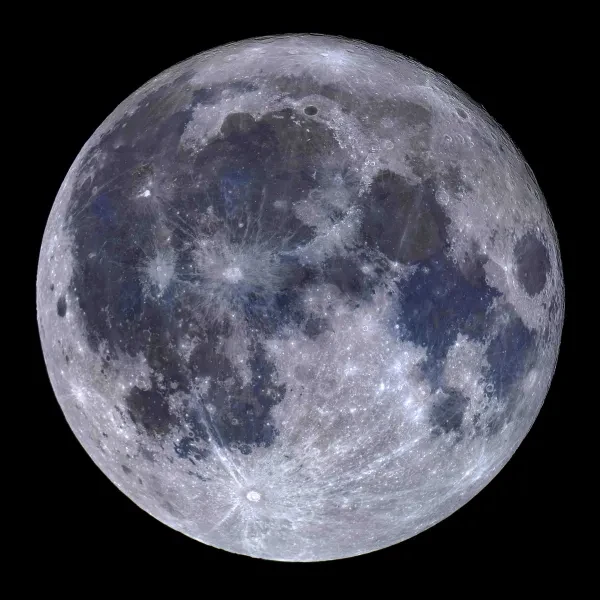
Full Moon calendar 2026
Check the dates for every full Moon throughout the year, learn about the Moon's phases, 'supermoons' and more
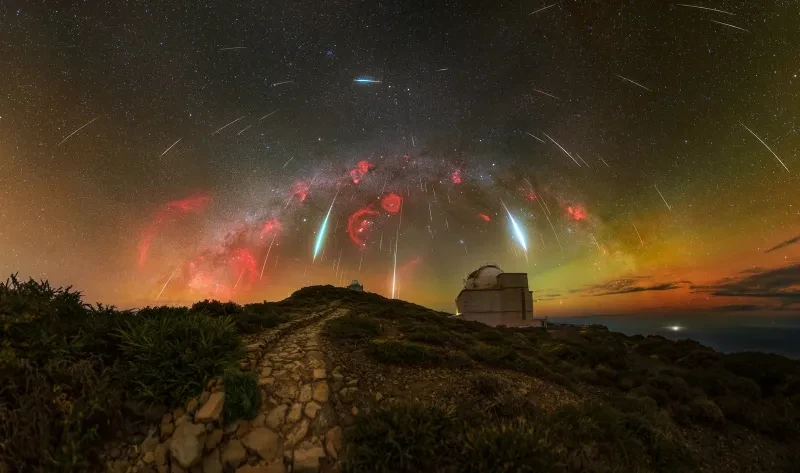
Meteor shower guide 2026
Want to see shooting stars? Check the key dates for major meteor showers in the UK in 2026, and how to see them in the night sky

Artemis Programme: what you need to know about NASA’s Moon missions
NASA's Artemis missions aim to land humans on the Moon again, create a lunar base, and lay the groundwork for a future trip to Mars
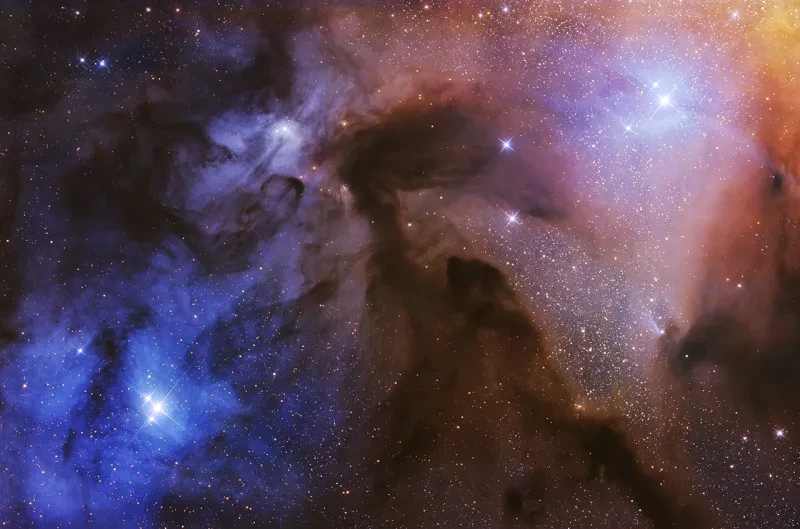
15 awe-inspiring astronomy discoveries
Discover 15 incredible astronomy facts that might just change how you see the Universe
Header Image: Moonrise Over Sunset Crater © Matthew Chatham – shortlisted in ZWO Astronomy Photographer of the Year 2025