Image
Category winner
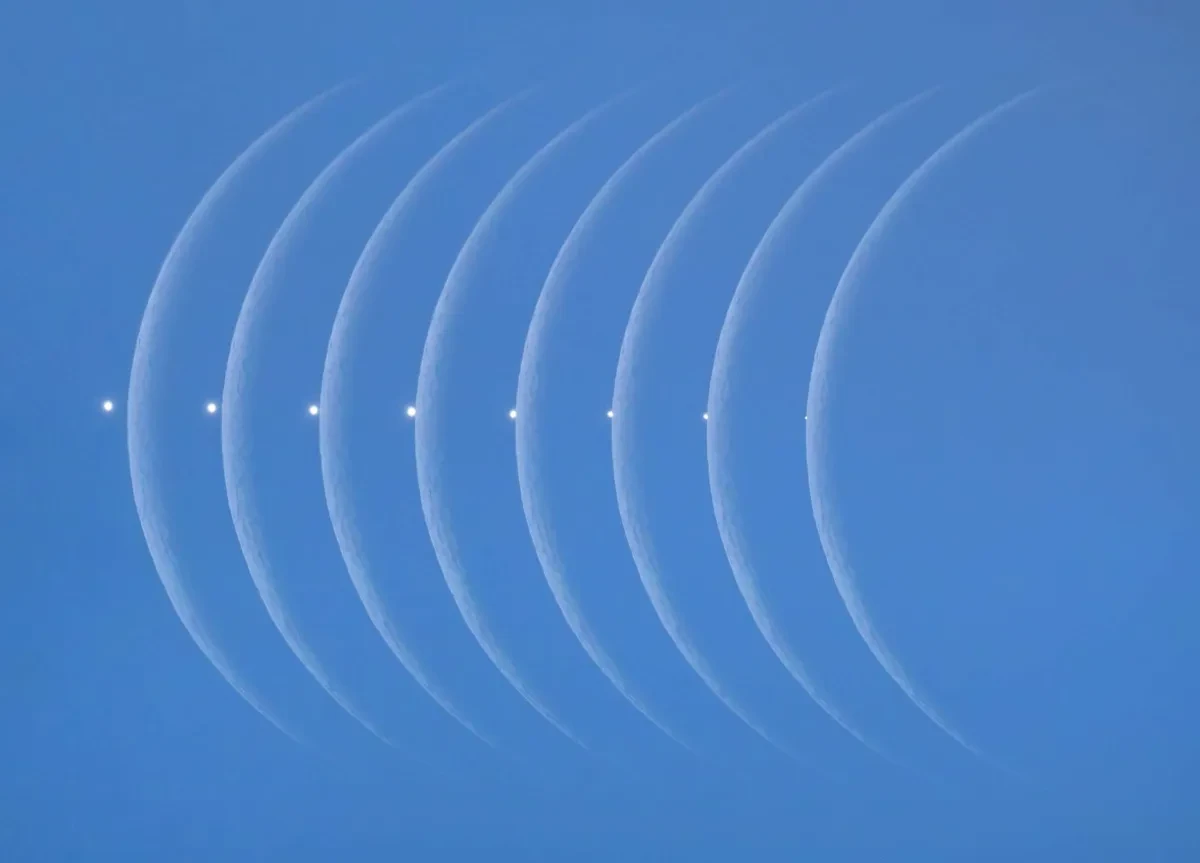
Venusian Pearl on the Moon by Petr Horalek
Petr says, "On 19 September 2025, a rare lunar occultation of Venus occurred as the Moon passed in front of the planet in the daytime sky. Venus disappeared behind the crescent Moon at 2.14 p.m. and reappeared just over an hour later. It was a big challenge to find both objects in the sky and produce good shots of this unusual view. Fortunately, the weather was perfect and I was able to do it. The most beautiful moment was when Venus had just started to disappear behind the crescent. It looked like a bright pearl on the lunar limb."
Taken in Ústupky, Seč, Pardubice Region, Czechia
Image
Runner-up
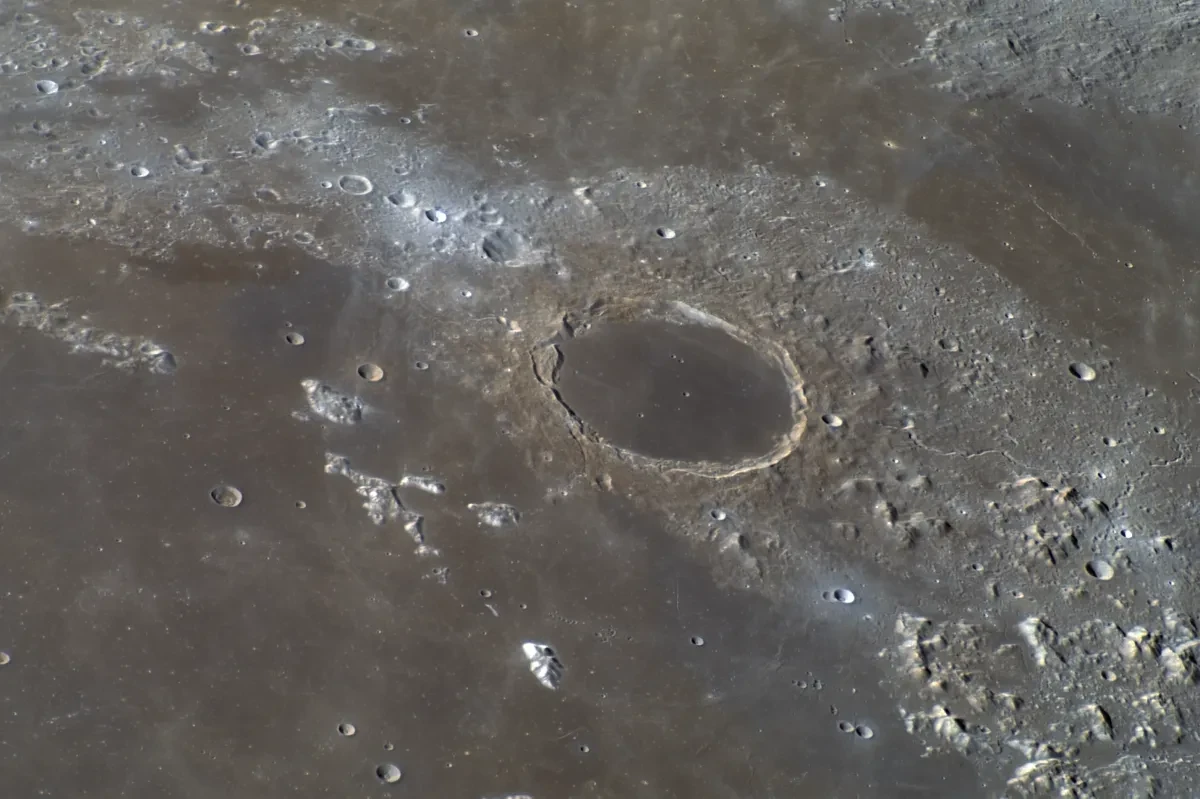
Plato and Vallis Alpes by Raul Cantemir
"This exceptionally detailed colour image of the Moon features the prominent crater Plato, which spans approximately 101 km (63 miles) in diameter. Its dark, smooth floor is covered in solidified basalt – a remnant of ancient volcanic activity. Several smaller impact craters can be seen within it, the largest of which measures more than 2 km (1.2 miles) across," says Raul.
"Along the eastern edge of the image, part of the striking Vallis Alpes (Alpine Valley) is visible. The narrow central rille (or trench) which cuts through the valley floor is particularly eye-catching. In this image, portions of it stand out clearly. The colour processing not only enhances visual appeal but also helps reveal subtle differences in the composition of the Moon’s surface, offering a glimpse into its complex geological history and mineral diversity."
Taken in Darmstadt, Hesse, Germany, 13 August 2025
Image
Highly commended
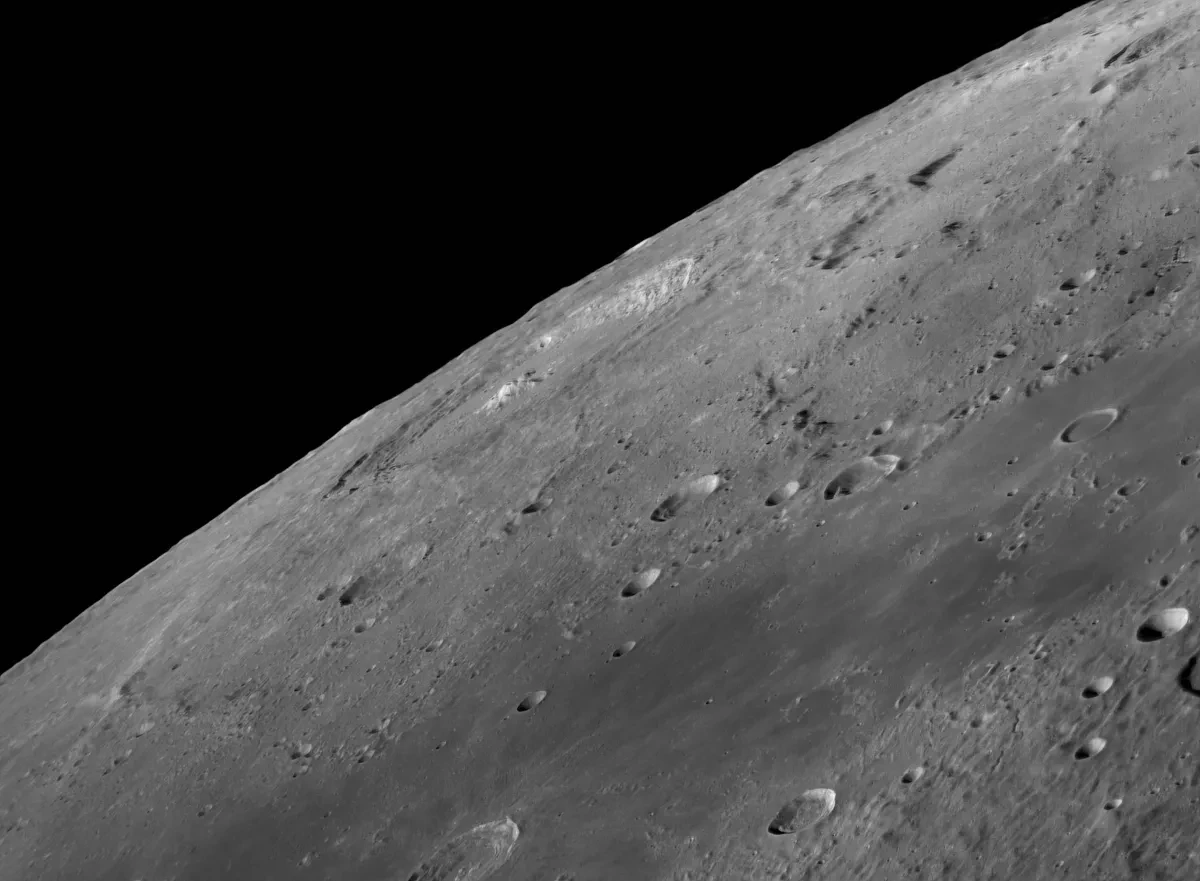
Pythagoras Crater by Tom Williams
Tom explains, "This image shows a close-up view of the Moon’s north-western limb, featuring Pythagoras Crater and its periphery. A favourable lunar phase meant that the central mountainous rise within the main crater is clearly visible. This double peak ascends to 3 km (1.9 miles) above the surrounding terrain."
Taken in Trowbridge, Wiltshire, England, 15 August 2025
See the full shortlist
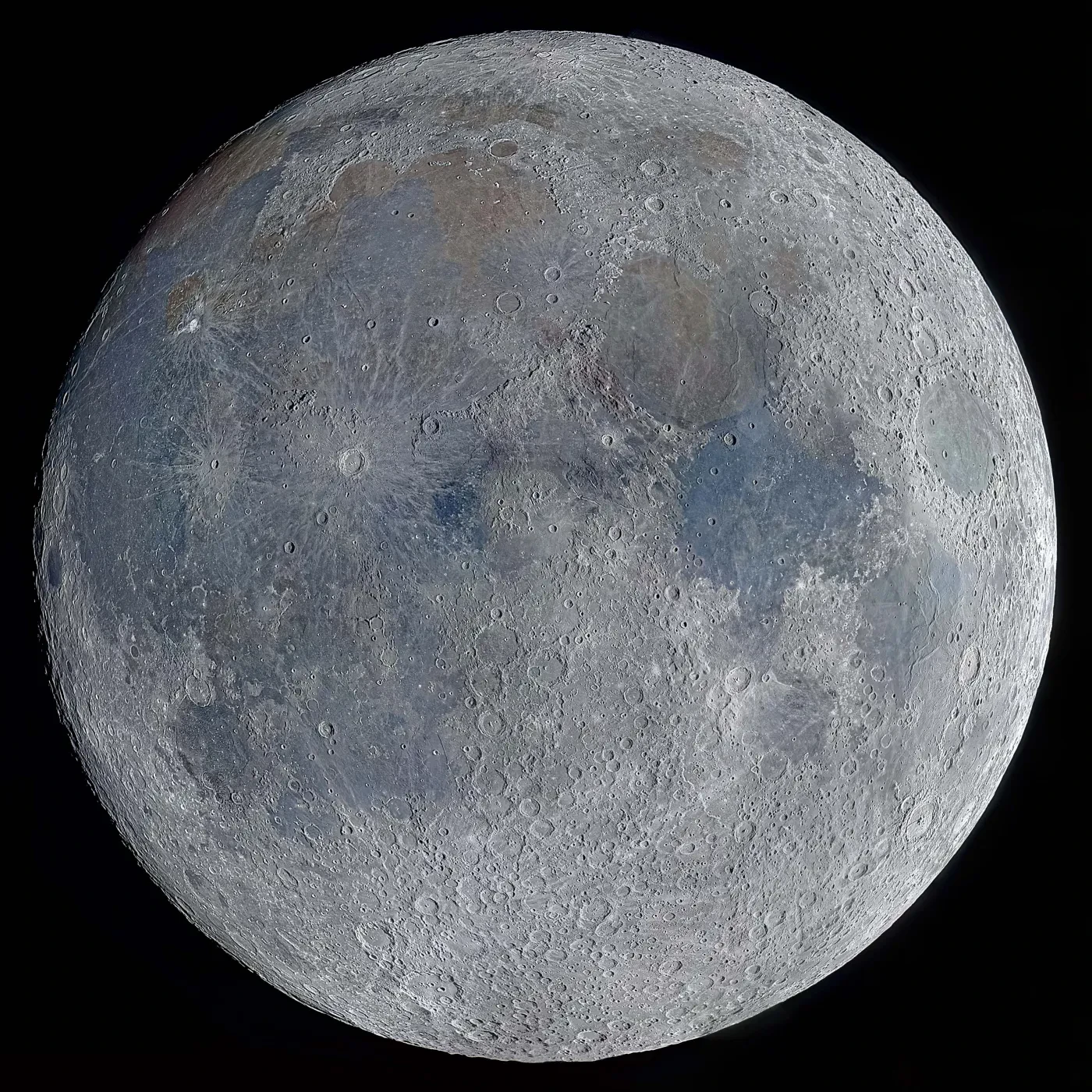
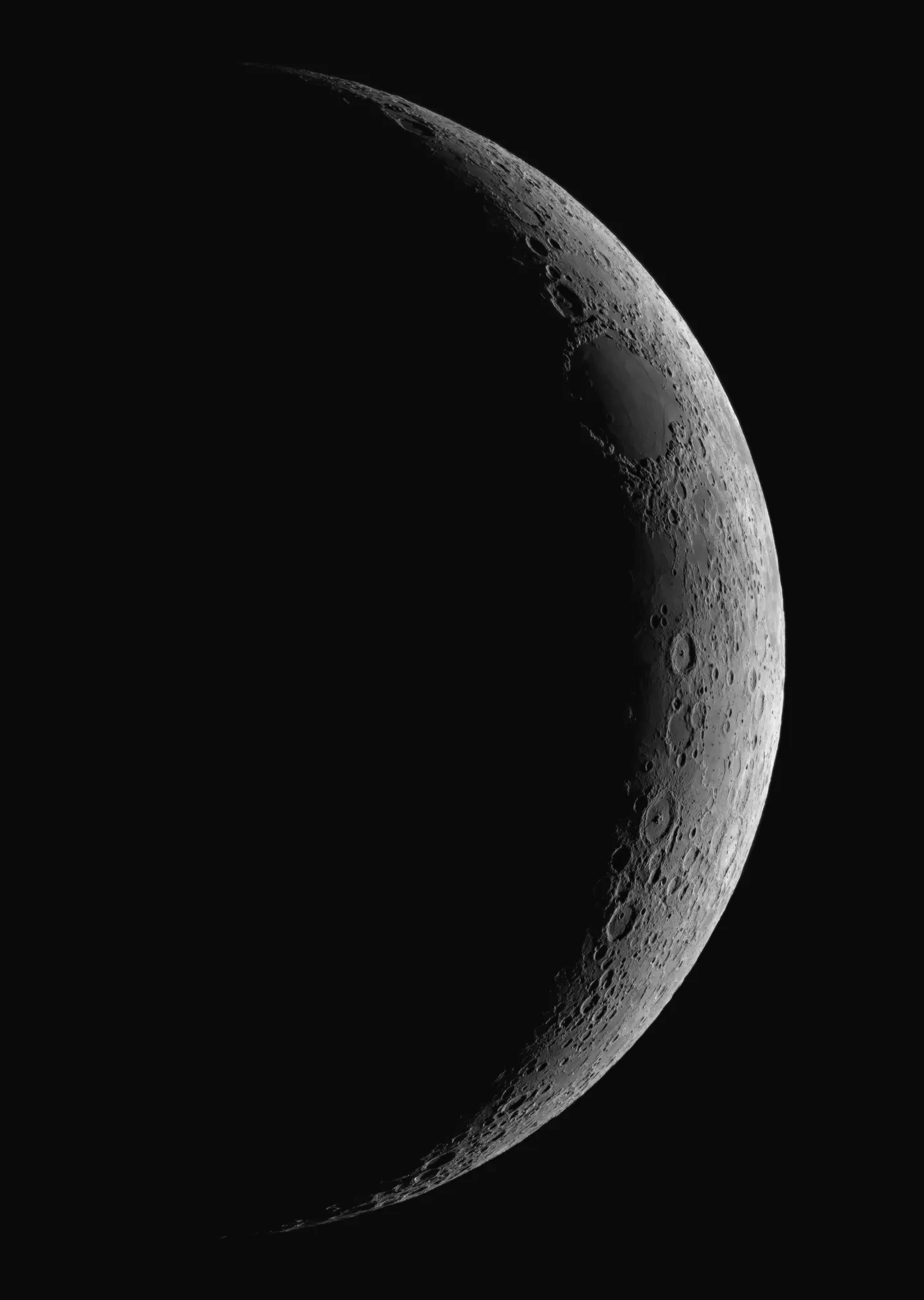
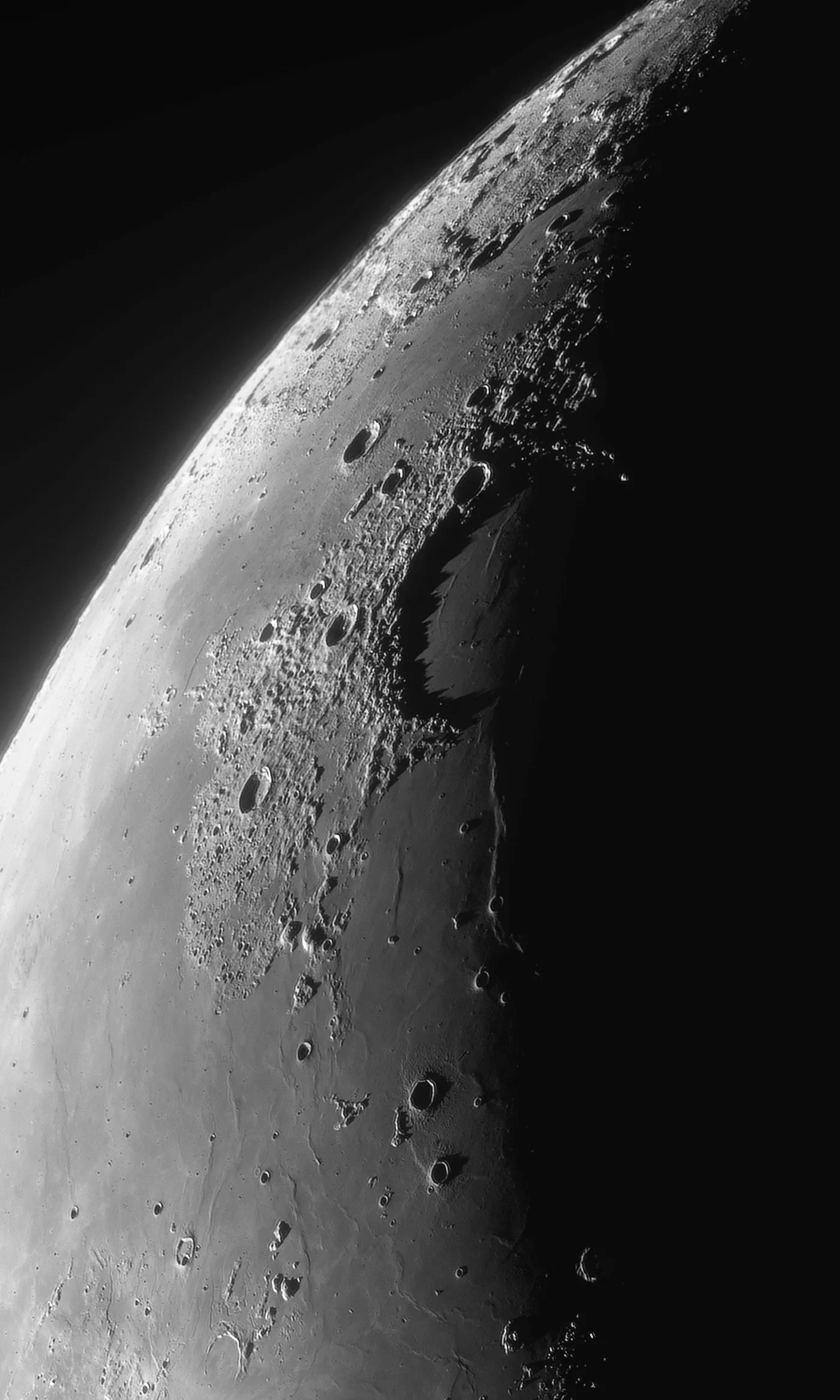
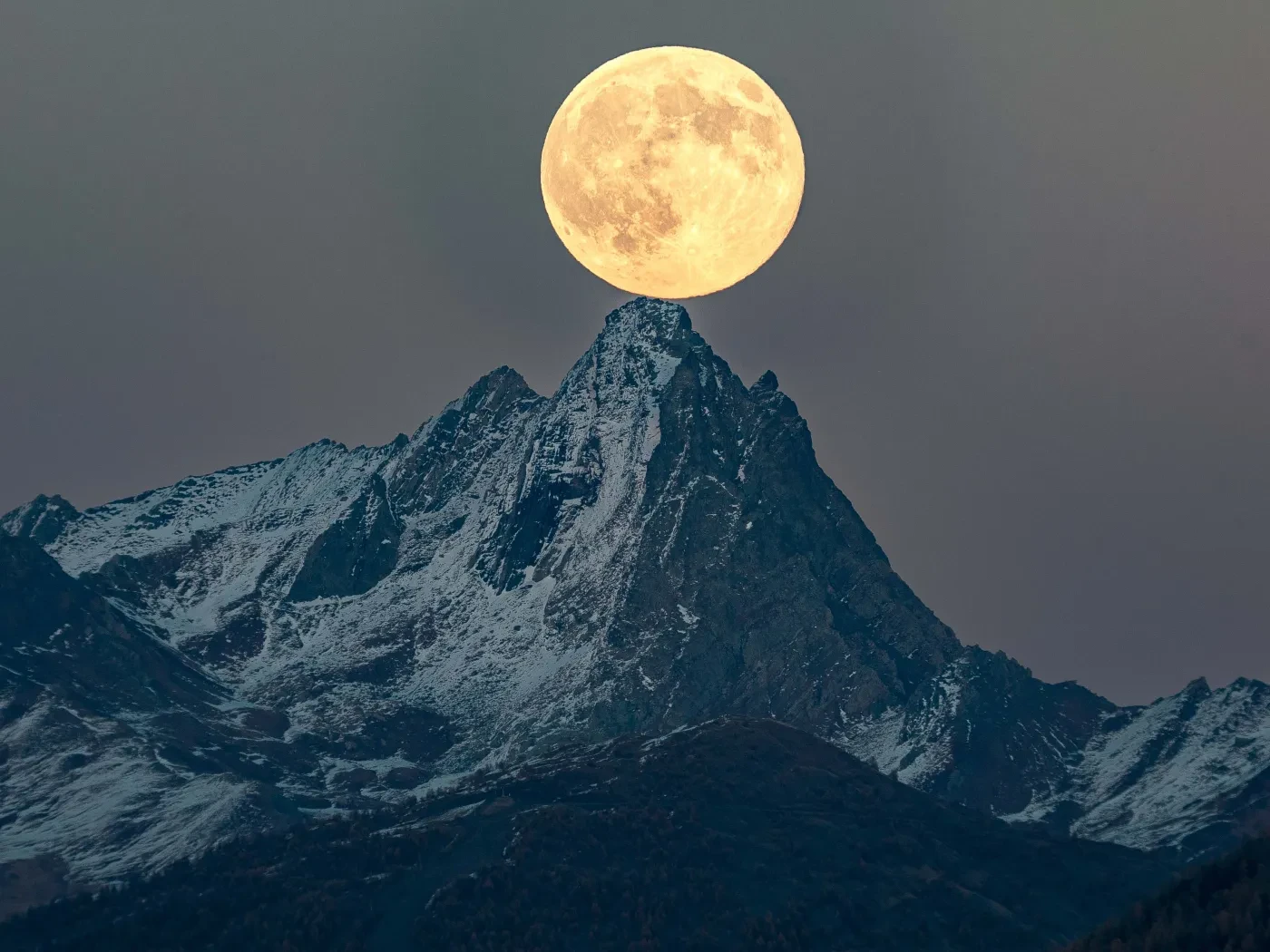
See the full shortlist
1 / 9
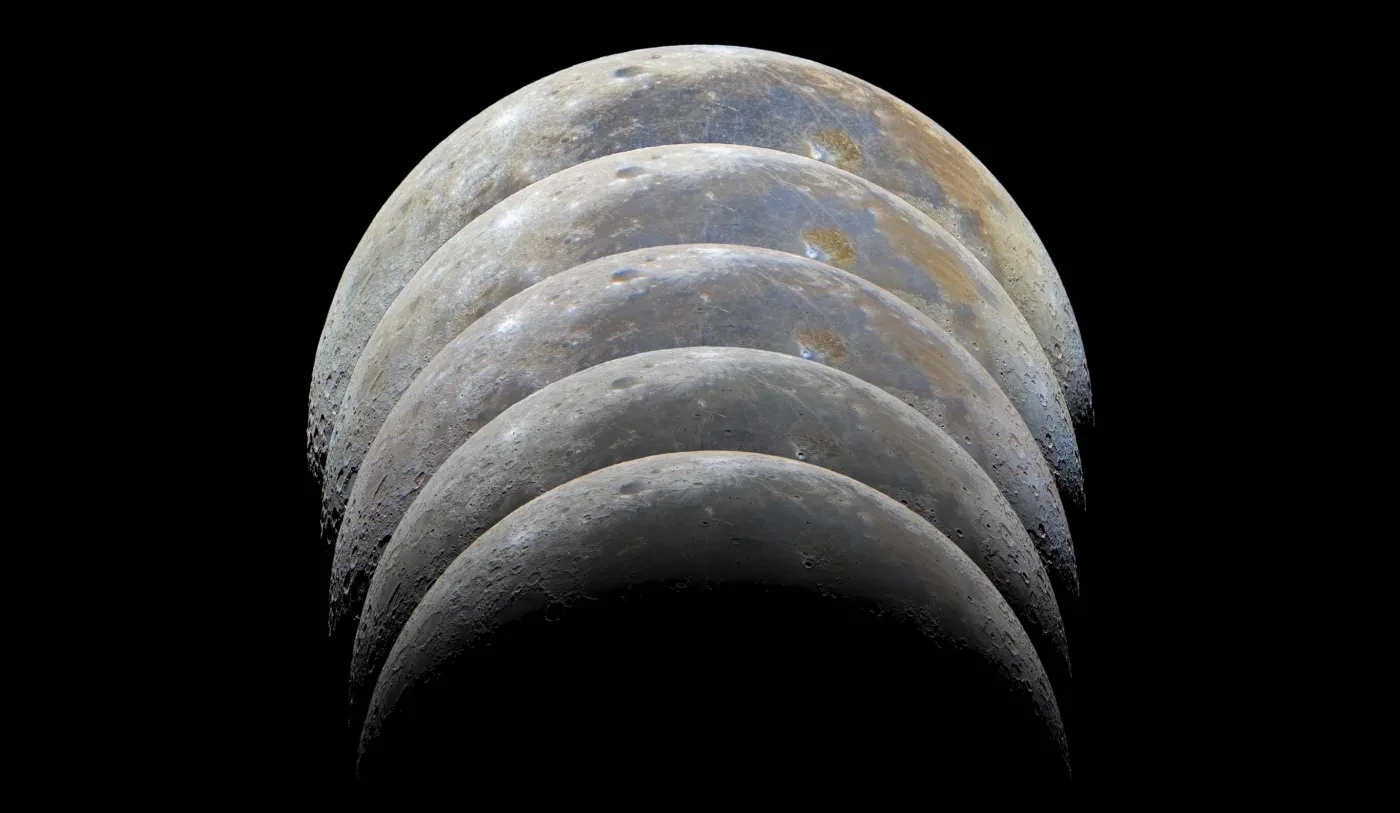
The Magnificent Montes Caucasus
© Lóránd Fényes
2 / 9
Waning Moon
© Chayaphon Phanitloet
3 / 9
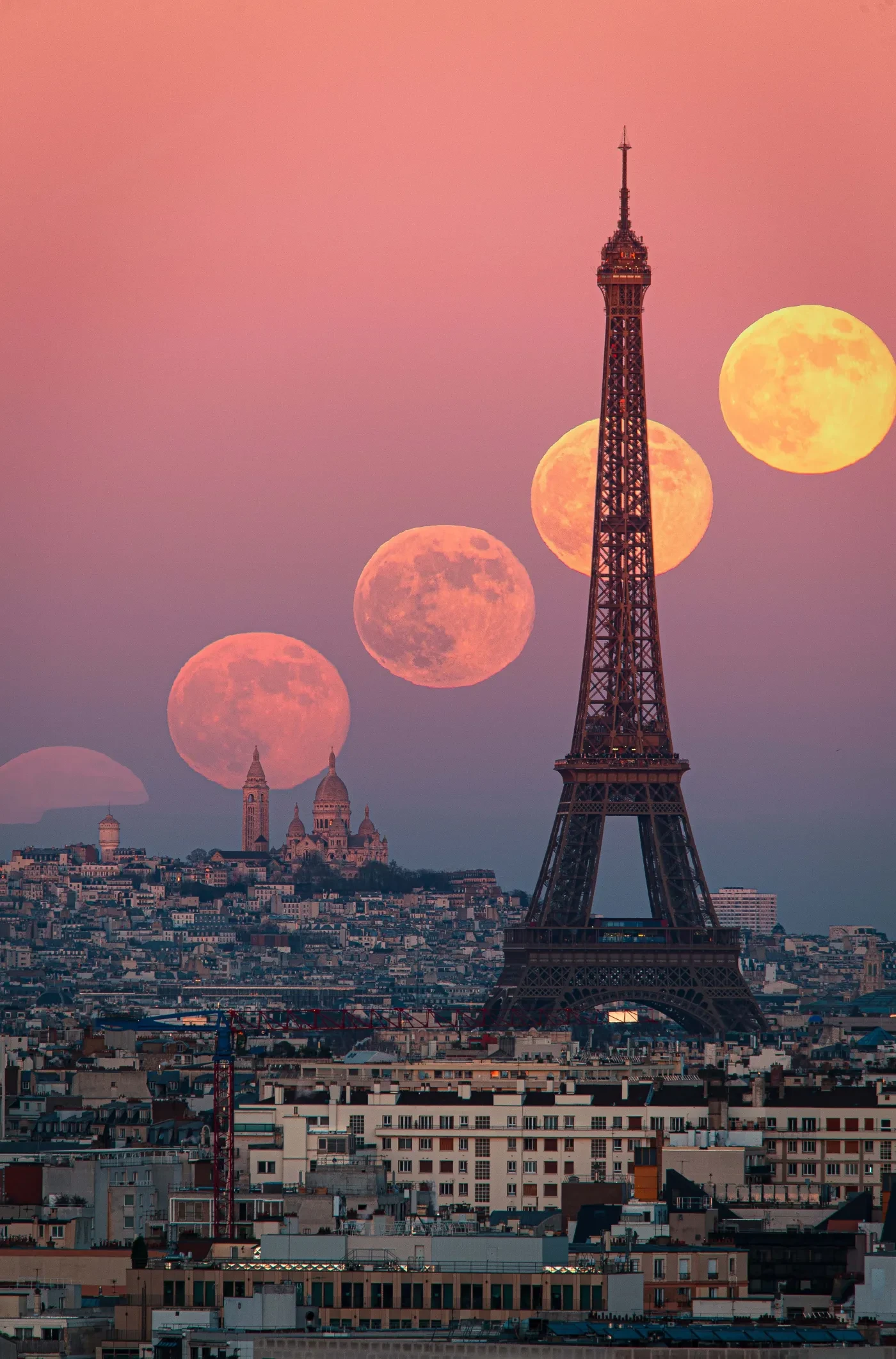
Supermoon Path Over Paris at Sunset
© Martin Giraud
4 / 9
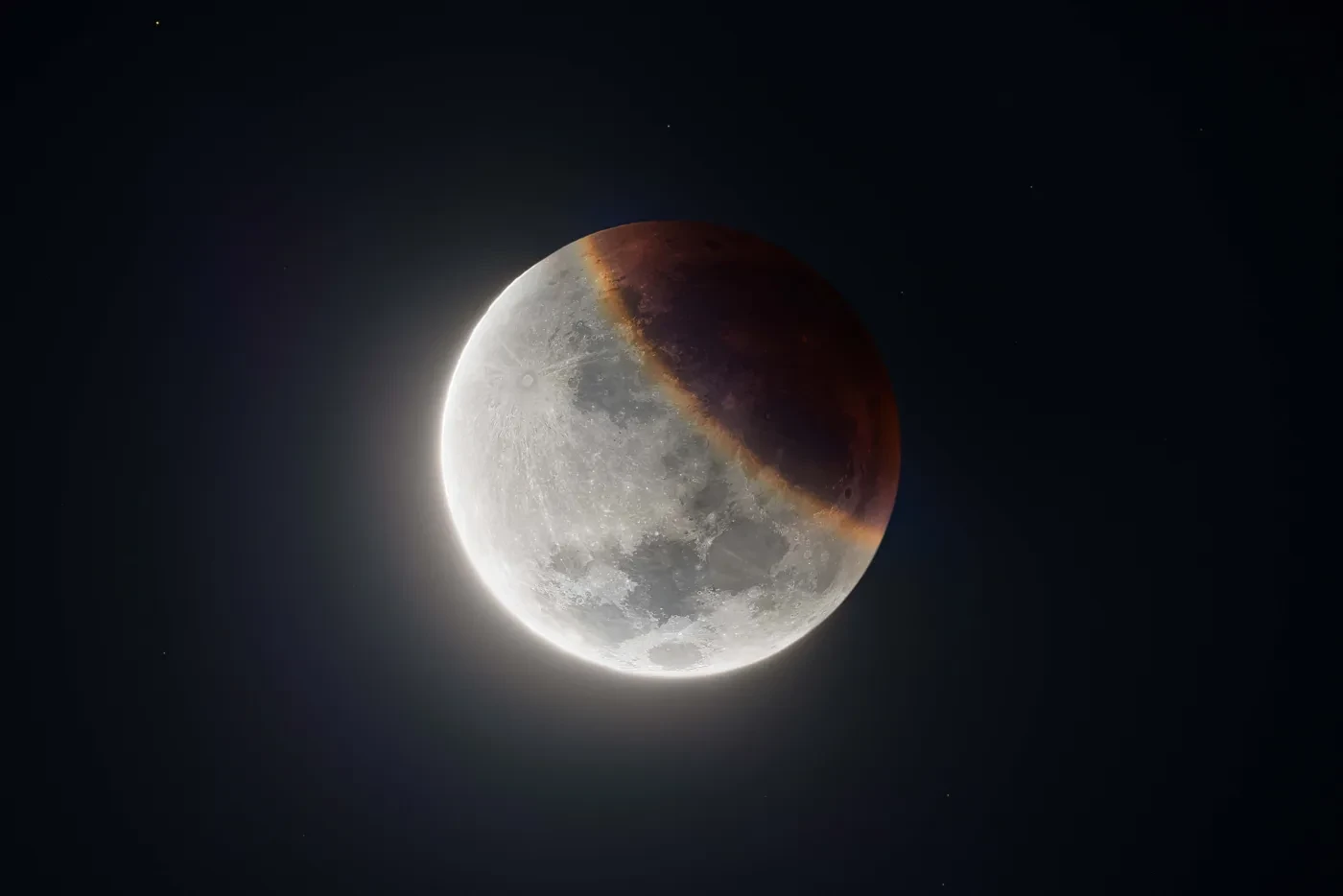
Approaching Darkness
© Peter Ward
5 / 9
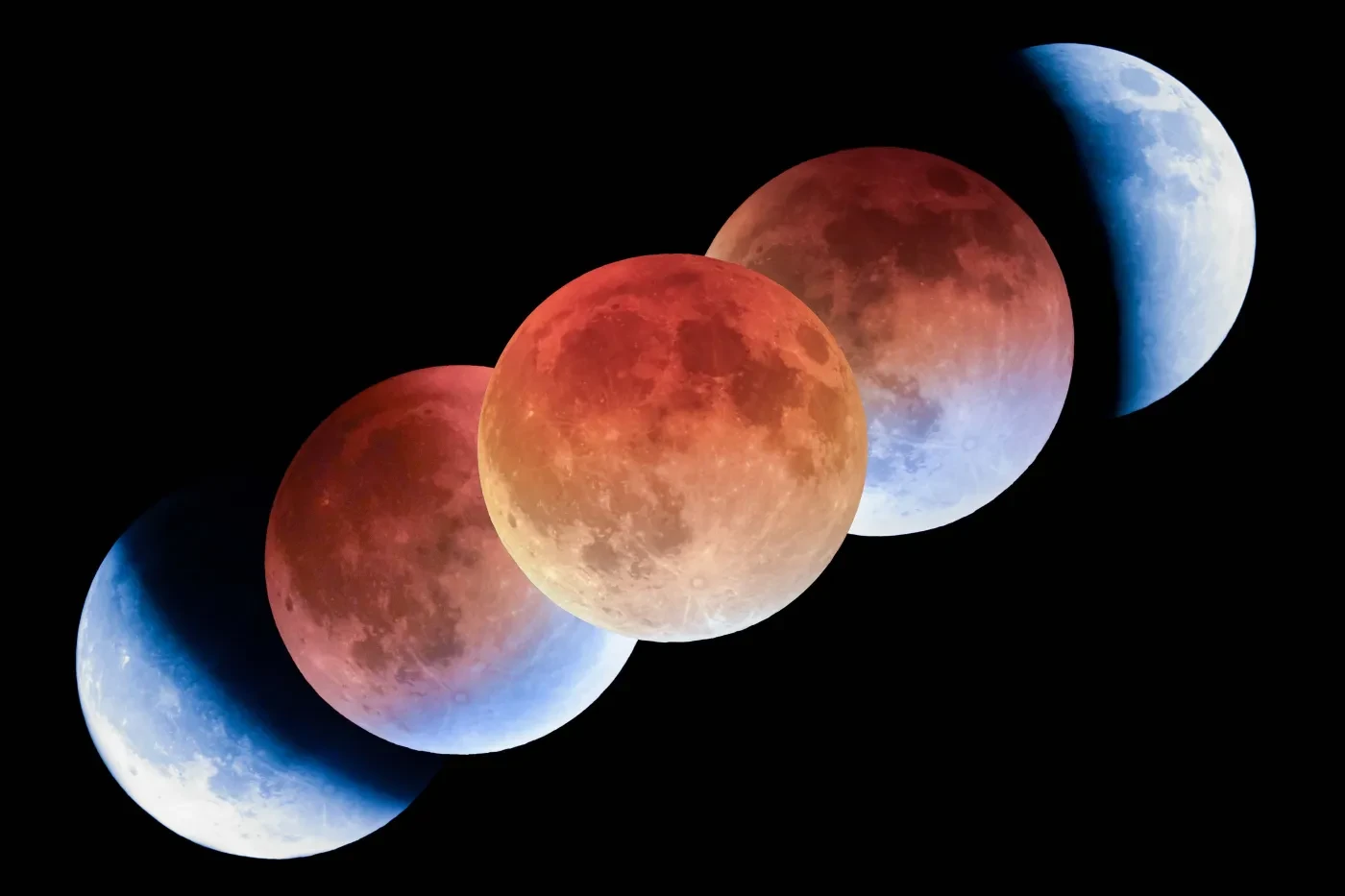
Blue Band on the Blood Moon
© Hassan Abdollahabadi
6 / 9
Shadow Moon
© Richard Addis
7 / 9
Crescent
© Lóránd Fényes
8 / 9
Glimpse of Sinus Iridum
© ZhiPu Wang
9 / 9
Watched by the Moon
© Jean-François Gely
Never miss a shooting star
Sign up to our space newsletter for exclusive astronomy news, guides and events from Royal Museums Greenwich.
Visit and explore

Read more
Browse the collection of award-winning astrophotography.

Our partners