
Essential information
| Type |
Events and festivals
|
|---|---|
| Location | |
| Date and times | Saturday 11 July 2026 | 12-4.30pm |
| Prices | Free |
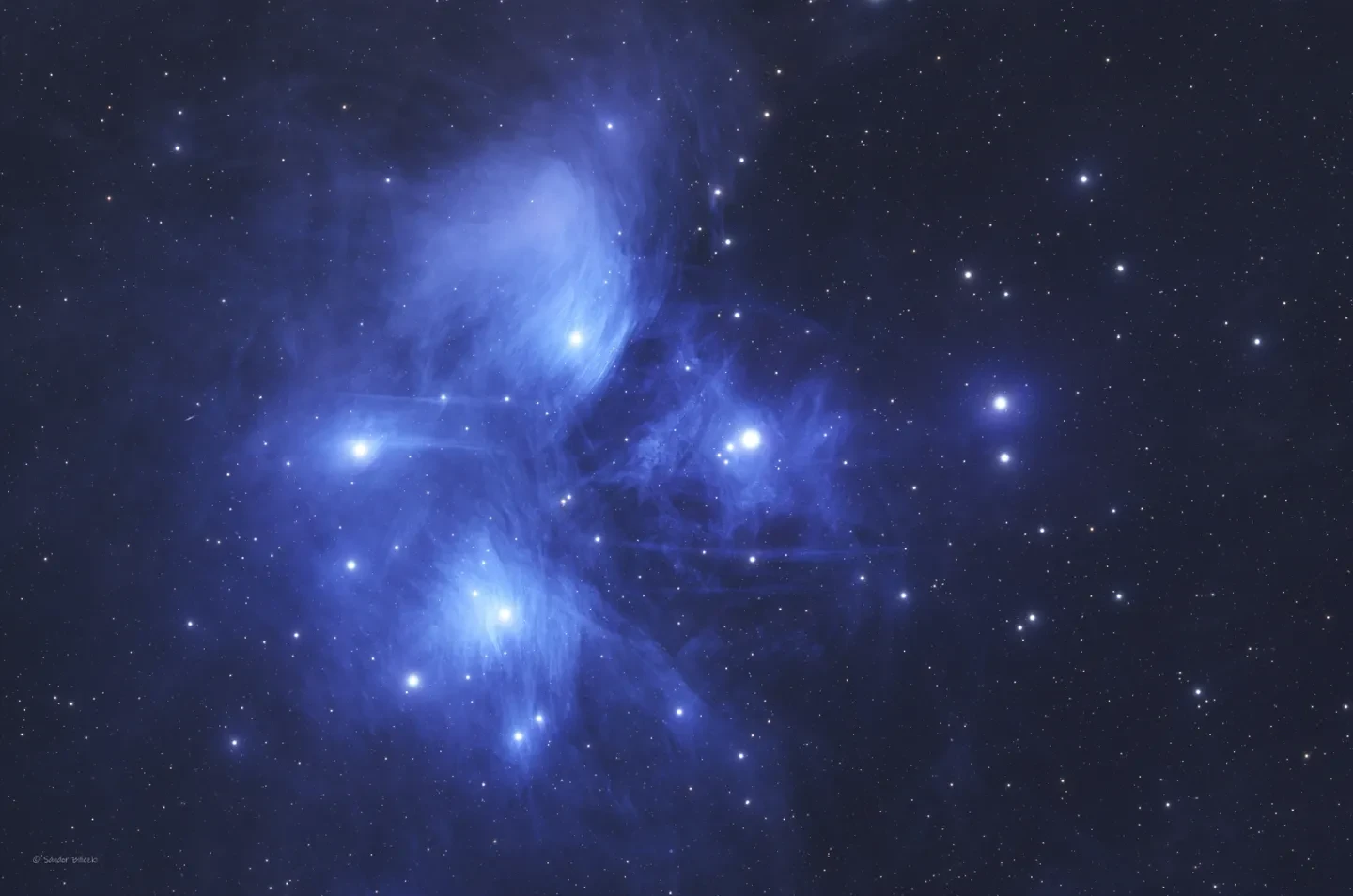
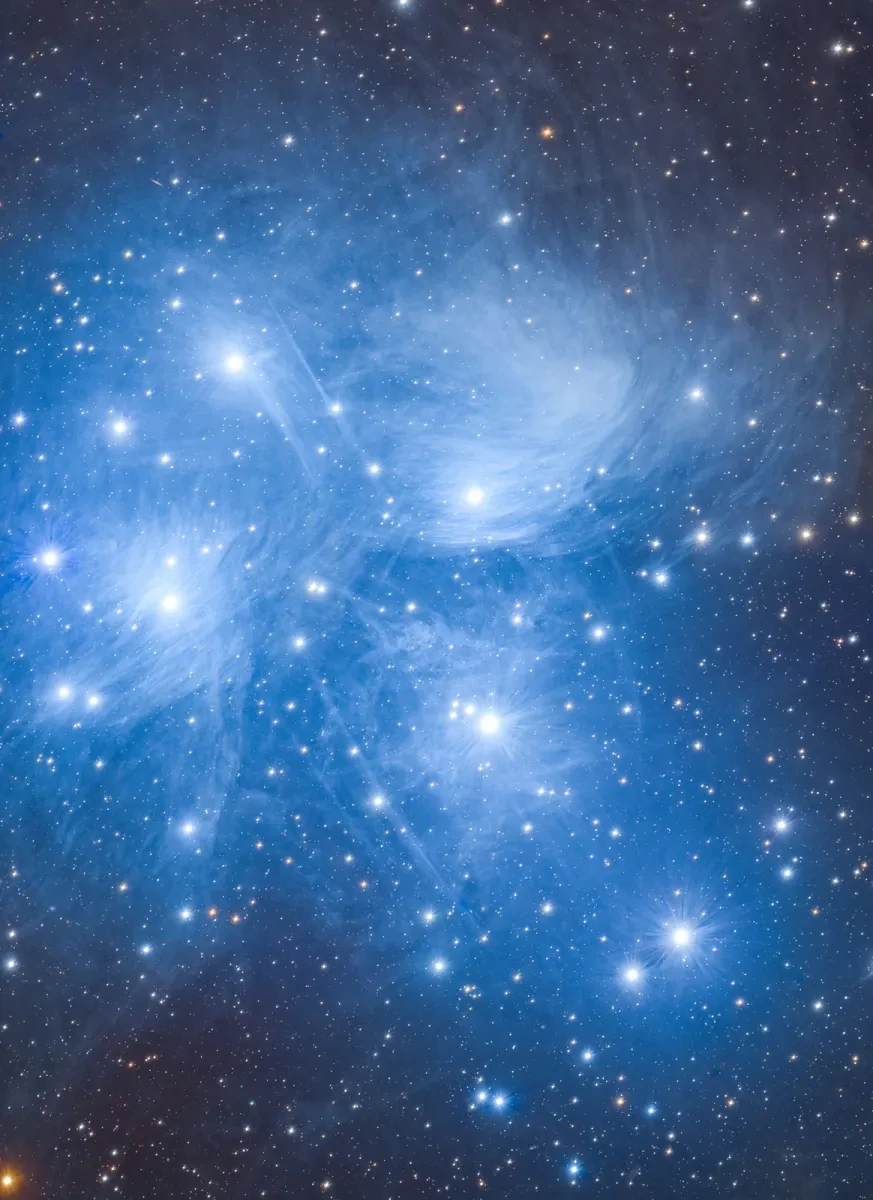
Matariki is a bright star cluster visible for most of the year across the Pacific.
Its first appearance in the night sky in late June or early July marks the beginning of the new year in Māori culture.
This year Royal Museums Greenwich is partnering with communities from across the vast Pacific Ocean based both in the UK and the Pacific to mark this important cultural moment. The festival will highlight the links between the stars, the seasons and Tangata Moana (people of the Pacific Ocean).
Join us at the National Maritime Museum for an afternoon of free family-friendly events and workshops.
See the full 2026 programme below.
Skip to:
Programme
Opening ceremony
12-12.05pm | Ocean Map | Free
Begin the celebrations with a special opening ceremony welcoming in Matariki through community, reflection and shared connection.
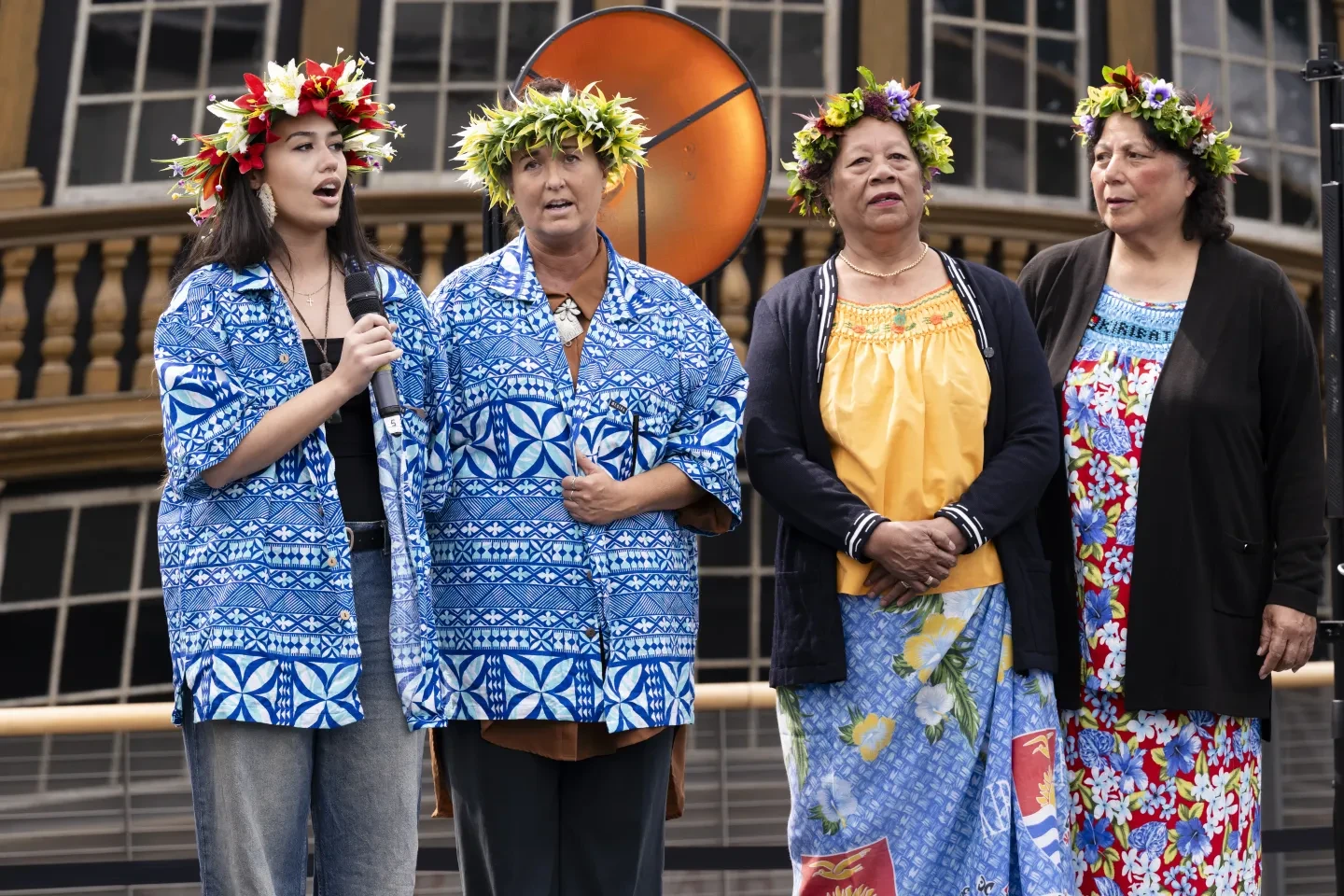
Introduction by co-curator Liddy Tutuvanu
12.05-12.15pm | Ocean Map | Free
Meet the Interisland Collective
12.15-12.30pm | Ocean Map | Free
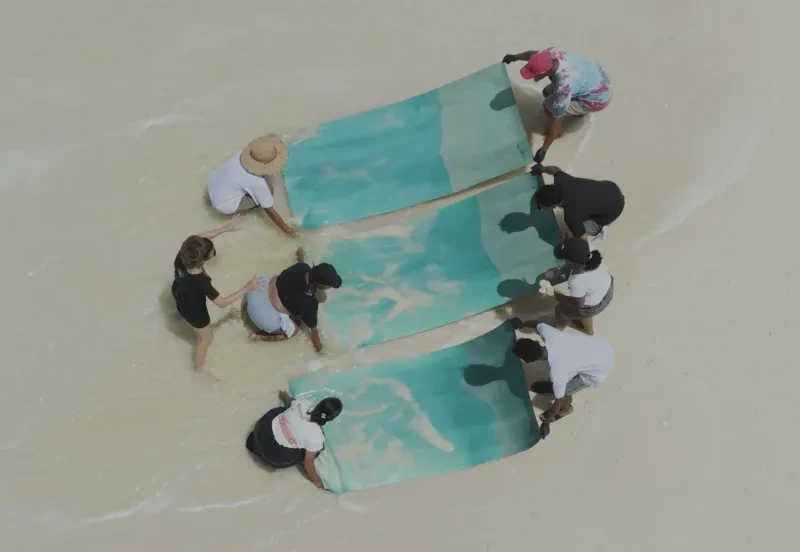
Meet the Interisland Collective and discover the stories behind their newly created Matariki banners, inspired by Pacific identity, navigation and the night sky.
The science behind Matariki with Jamie Tahana
Time: 12.40-1.10pm | Lecture Theatre | Free
Explore the stars of Matariki with Jamie Tahana and uncover the astronomy, science and cultural knowledge woven into this important celestial event.
Oral storytelling
1.10-2pm | Lecture Theatre | Free
Experience powerful oral storytelling traditions from Hawai‘i, Samoa and Mangaia, and hear how different Pacific cultures celebrate and connect with Matariki.
Kite-making workshop
2.35-3.30pm | Rethink Space | Free
Get creative in this family-friendly kite-making workshop led by Hatawa Vaike, member of the Tangata Moana Advisory Board. Suitable for all ages and abilities.
Dance Performance with Beats of Polynesia and Ngāti Rānana
3.45-4.15pm | Ocean Map | Free
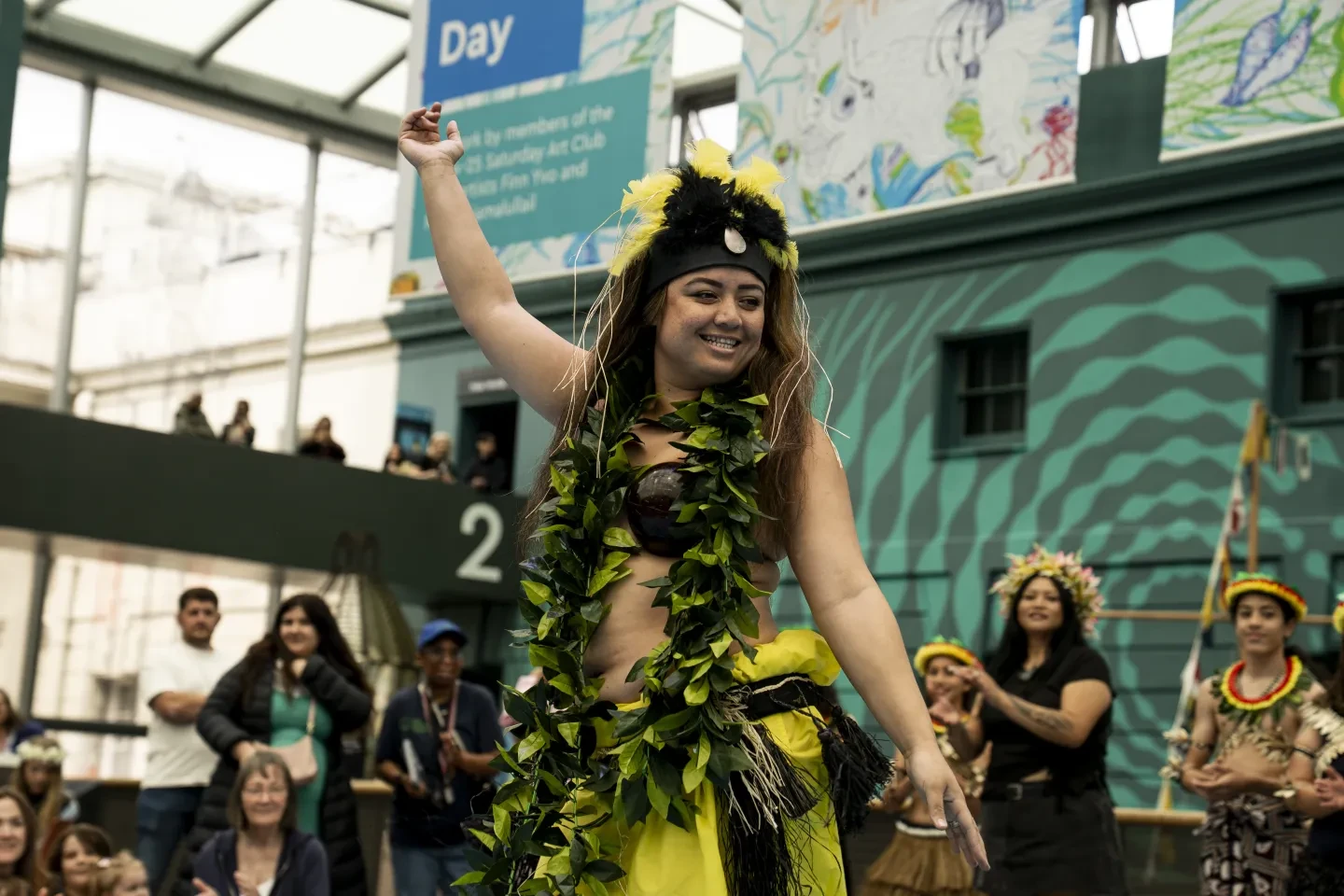
Celebrate the energy and spirit of the Pacific with vibrant live dance and musical performances from Beats of Polynesia and Ngāti Rānana.
Closing ceremony
4.15-4.20pm | Ocean Map | Free
Come together for a special closing ceremony as we reflect on the day’s celebrations, honour the spirit of Matariki and share a final moment of connection through community, culture and remembrance.
Image
What is Matariki?
Members of the Tangata Moana Advisory Board – a group that works with Royal Museums Greenwich to ensure Pacific Island perspectives are understood and respected – explain the meaning and significance of Matariki for different island groups:
"The word matariki or similar, referring to the Pleiades star cluster, is found in many Polynesian languages.
"In the Marquesas Islands the star cluster is known as Matai'i or Mata'iki, in the Cook Islands, as Matariki, and in the Tuamotu archipelago as Mata-ariki. In some languages, it has the meaning of 'little eyes', but in most it is a contraction of mata-ariki, meaning 'eyes of the god' or 'eyes of the chief'.
"For each island or group of islands, Matariki carries its own meaning and holds its own significance. In Hawai'i, the rising of Makali'i in November ushers in the four-month season Makahiki, which honours Lono, the god of agriculture and fertility.
"In Tahiti, the year was divided into two seasons, named according to whether the Pleiades are visible after sunset: Matari'i i nia (Matari'i above) and Matari'i i raro (Matari'i below).
"On Rapa Nui, Matariki heralded the New Year, and its disappearance in mid-April ended the fishing season.
"During the events in Greenwich our Pasifika diaspora UK will be telling the story of Matariki from their own island or group of islands, and what it means to us."
Designing the Matariki festival
The event is curated by Lidwina Seioriana Tutuvanu and co-hosted with the Tangata Moana Advisory Board.
Lidwina Seioriana Tutuvanu is a London-based filmmaker from Samoa, whose work is deeply influenced by her late grandmother, Seiuli Fuamatu Ta’atialeoitiiti Bernadette Grey of the Grey Sisters. After working with Sleeping Giant Films, she earned a Bachelor of Fine Arts from the Queensland University of Technology in 2023.
Now based in London, she has collaborated with organisations including the BBC while focusing on storytelling for her Pasefika community. Her recent short documentary, Tales of the Diaspora, co-produced with her sister Lena Mili Tutuvanu, explores connections between diaspora communities and cultural knowledge holders. She remains committed to telling community stories with authenticity.
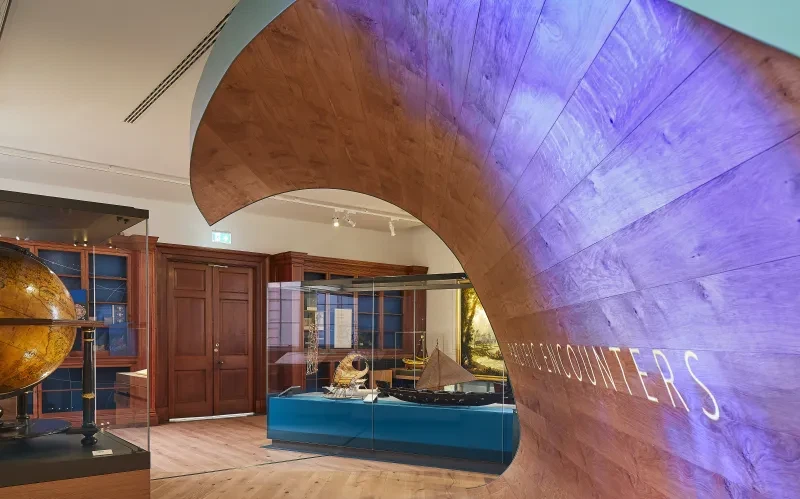
The Tangata Moana Advisory Board is a group that was established with the National Maritime Museum after their collaboration with the Pacific Encounters gallery that opened in 2018. The Board celebrates indigenous cultures and perspectives, and ensures that culturally significant taonga (treasures) in the Museum are understood and respected.
Never miss a moment
Sign up to our newsletter and receive all the latest news, stories and events from Royal Museums Greenwich.
Discover more
Main image courtesy of NASA, ESA and AURACaltech