
Essential information
| Location | |
|---|---|
| Price | Free |
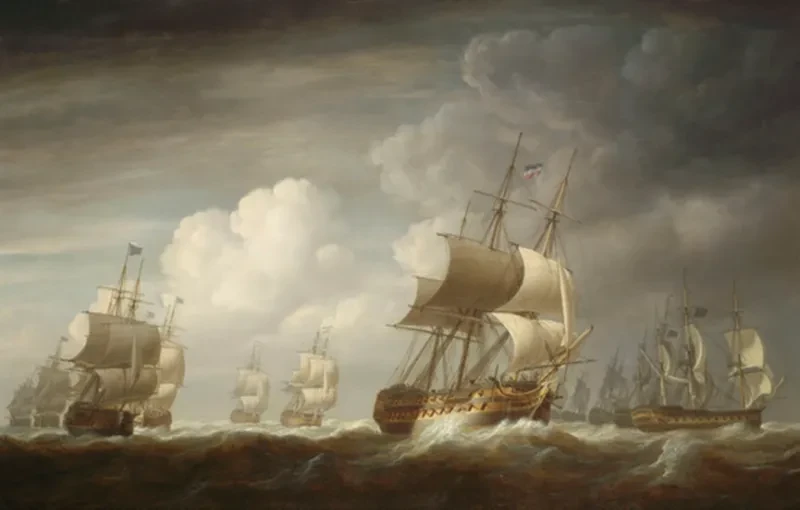
For more than 250 years, the East India Company shaped trade and commerce between Britain and Asia.
Initially founded as a trading corporation, the Company went on to become a dominant global and political force. However, its aggressive expansion – at the expense of local rulers and people – led to its decline.
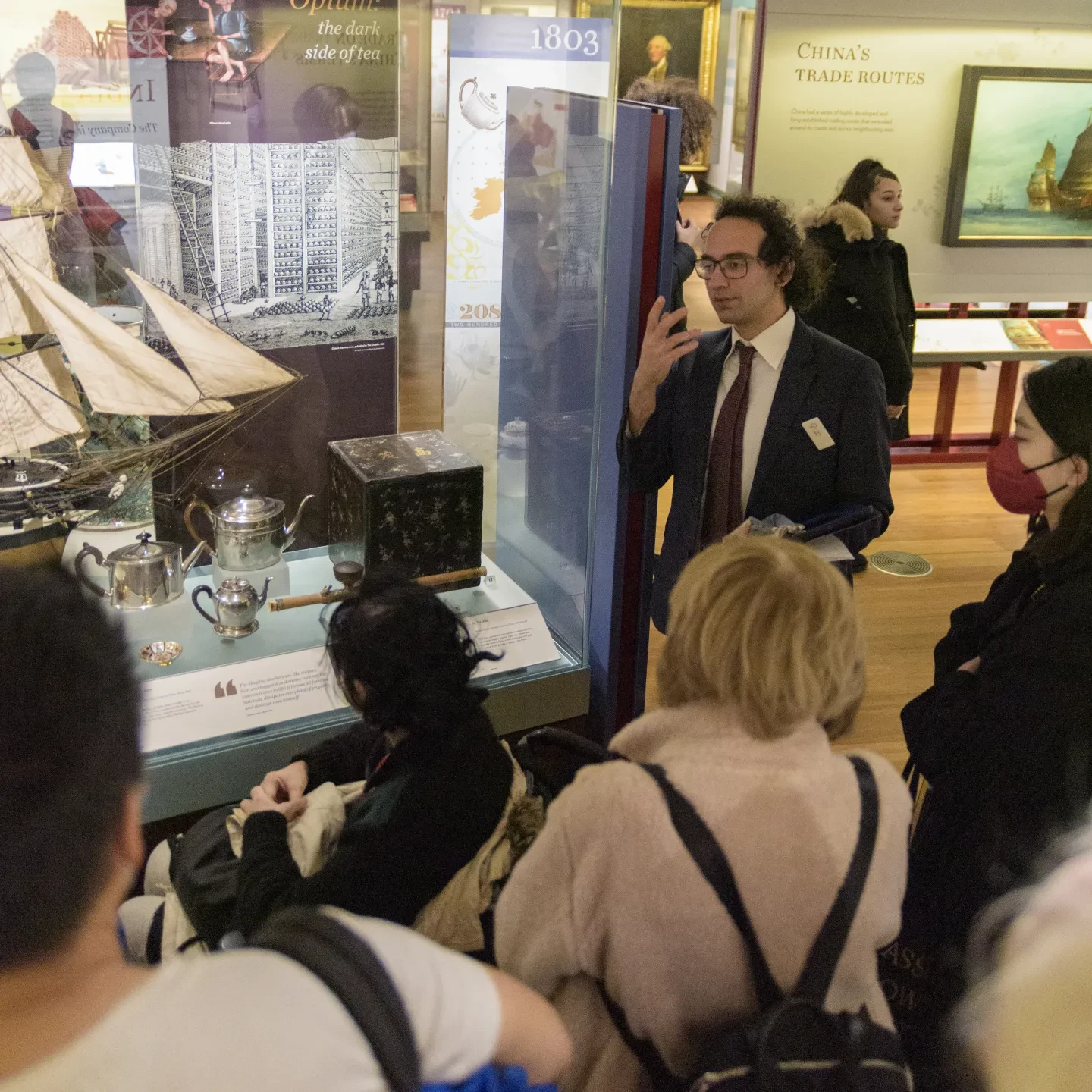
The Traders gallery looks at the rise and fall of the East India Company, and its lasting impacts in Asia. Visit for free at the National Maritime Museum.
Inside the gallery
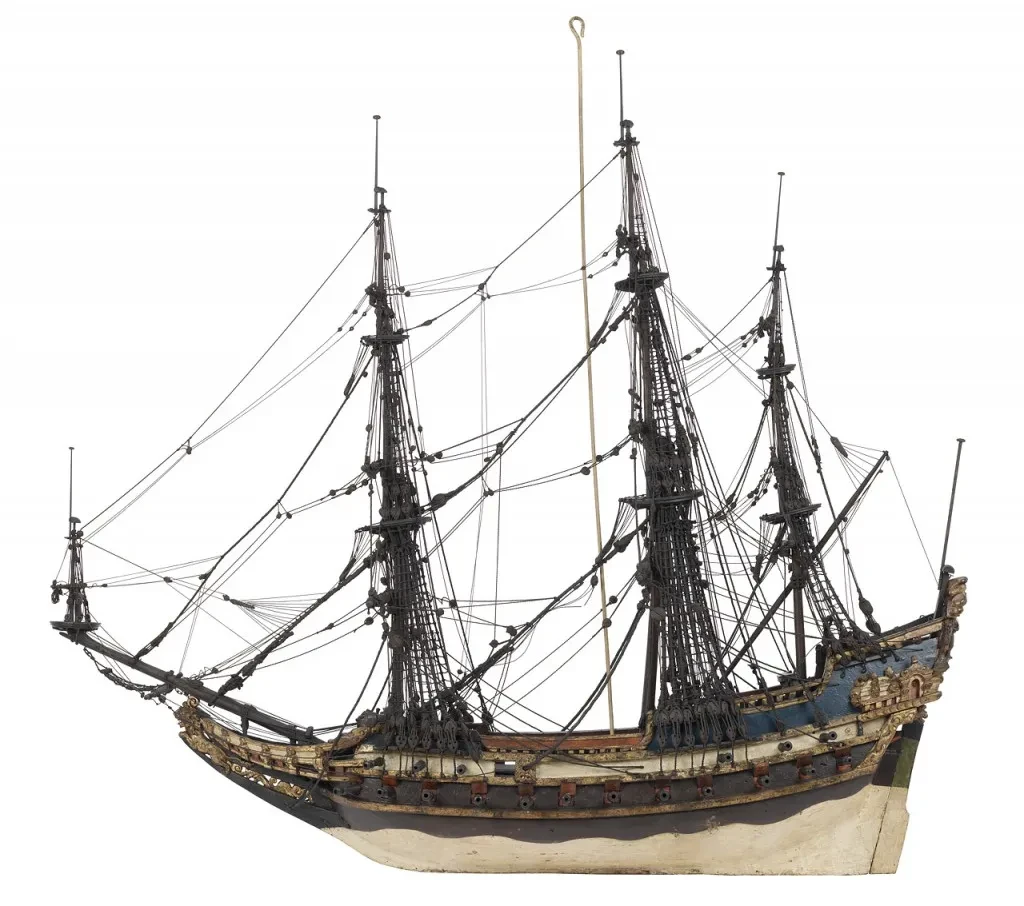
In 1600, Queen Elizabeth I granted London merchants a royal charter, which gave them exclusive rights over English trade east of the Cape of Good Hope.
Known as the East India Company, the corporation began life trading pepper and spices.
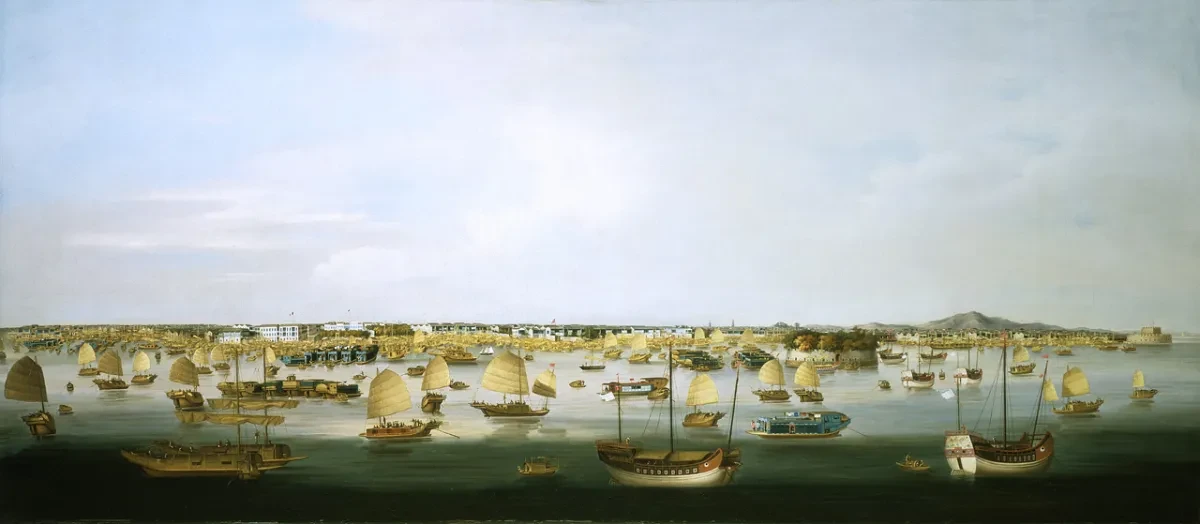
It soon expanded into new markets, transforming British fashions and tastes and fuelling the economy. The Company imported vast quantities of textiles from India, including high-quality cottons and silks. It extended its trade to China, ushering in a taste for tea.
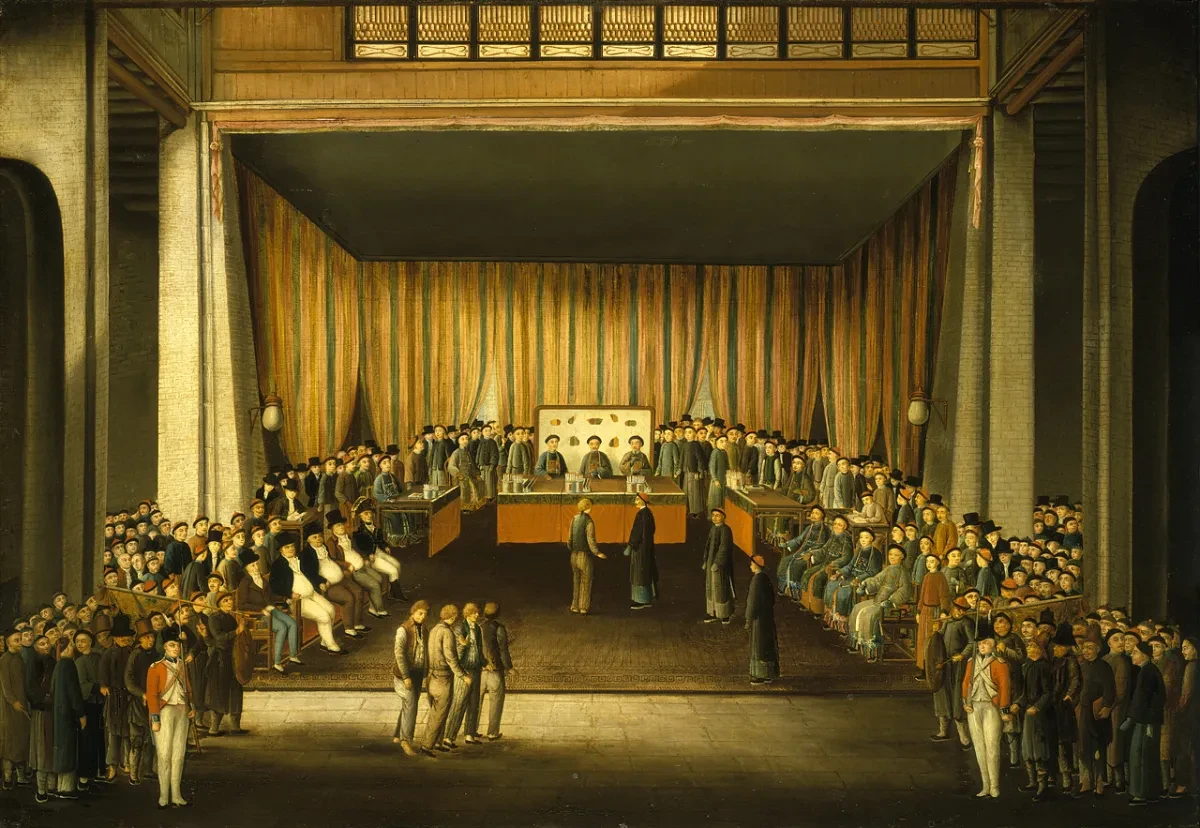
However, its growth came at a human cost. In India, the Company started to intervene in local politics, from enforcing laws to collecting taxes. As its power increased, the Company took control over vast areas of India, resulting in uprisings and conflict. To fund Britain’s growing tea trade, the Company illegally exported opium grown in India to China, which led to war between Britain and China.
In 1858, the East India Company was abolished by the British government. This gallery examines the corporation’s history and legacy.
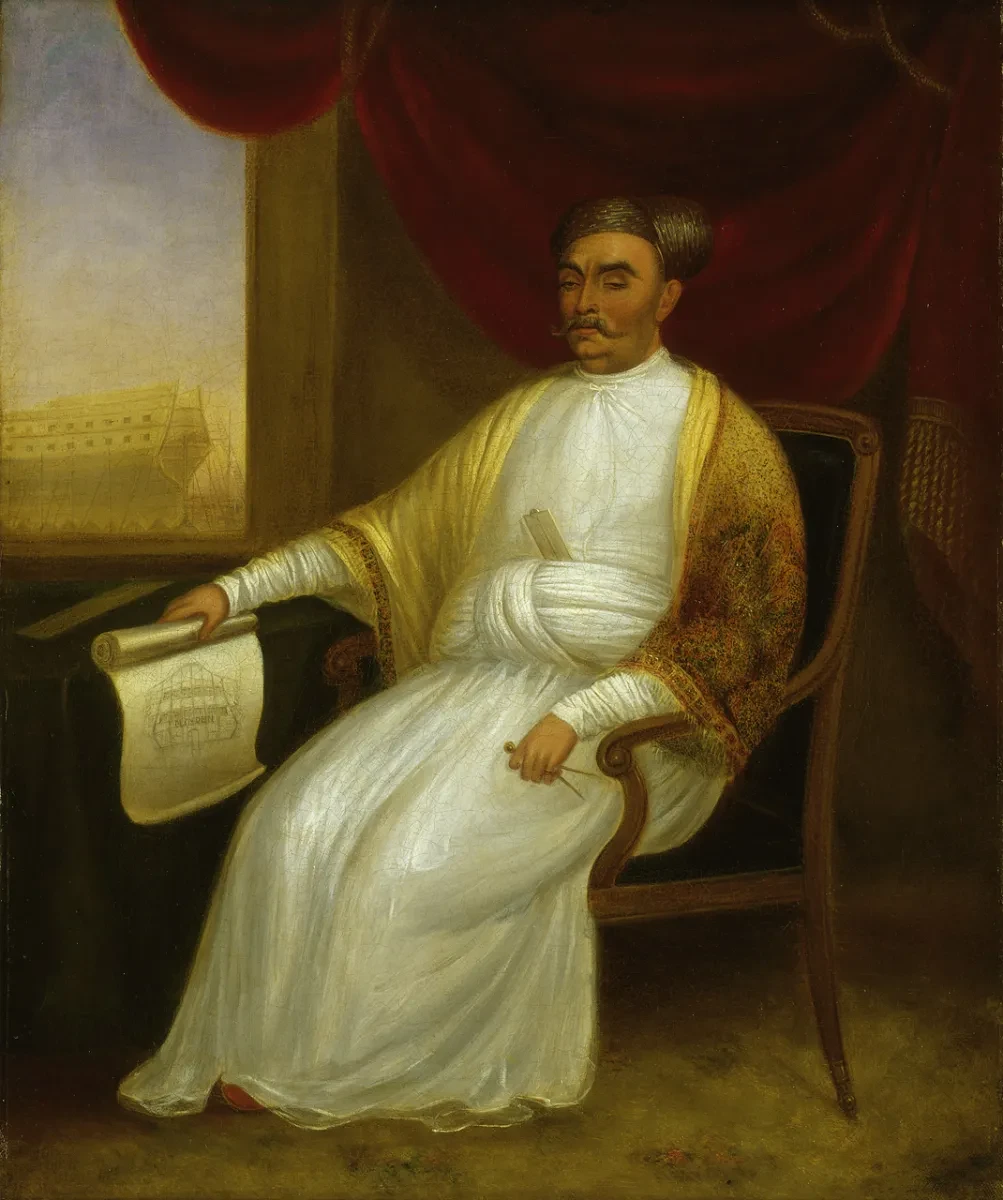
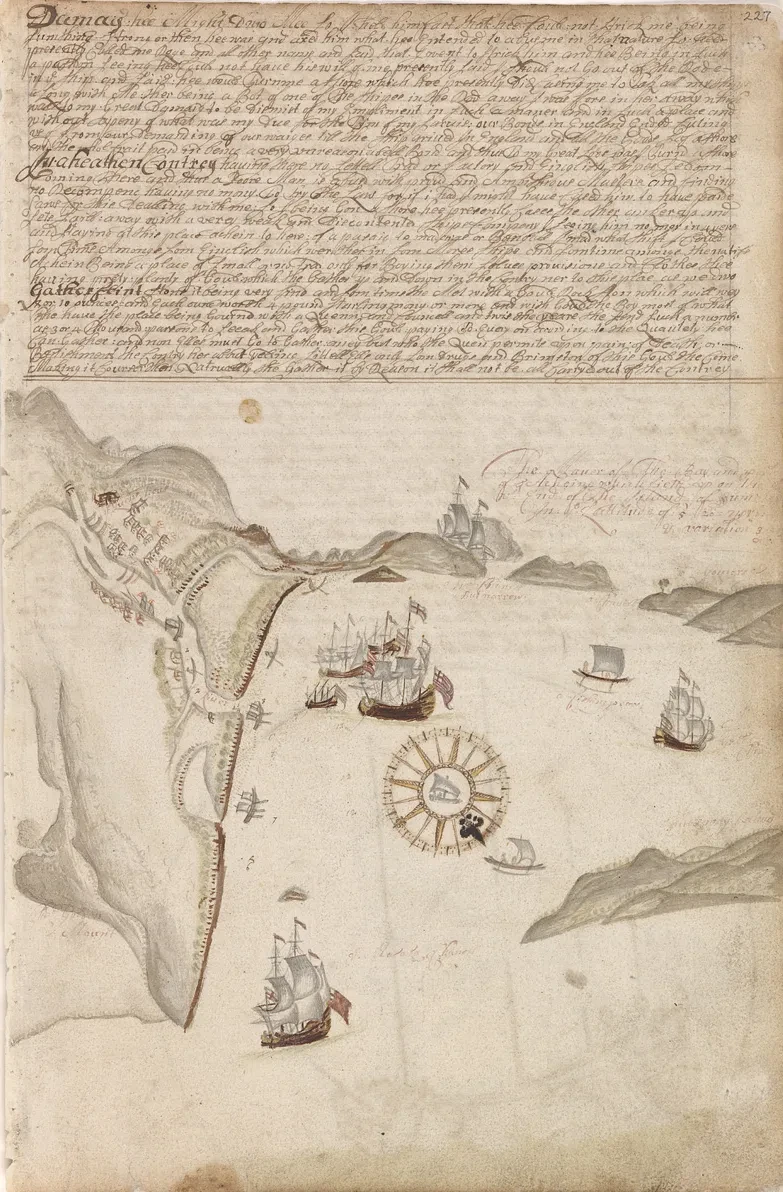
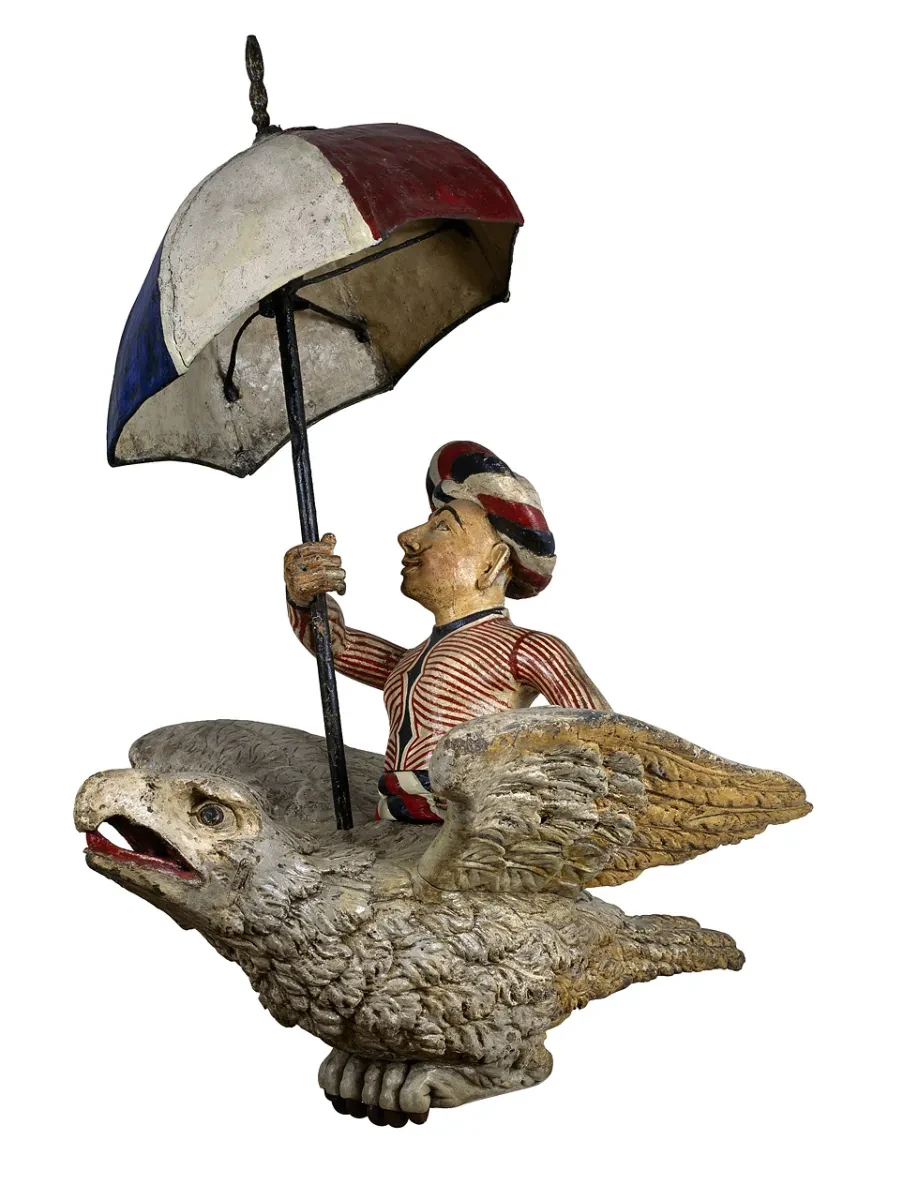
Visiting Traders
Where is the gallery?
Traders: the East India Company and Asia is a permanent gallery at the National Maritime Museum in Greenwich, located on the first floor. Entry to the Museum is free: book tickets online in advance to guarantee entry and receive updates before you visit.
Tours and audio guides
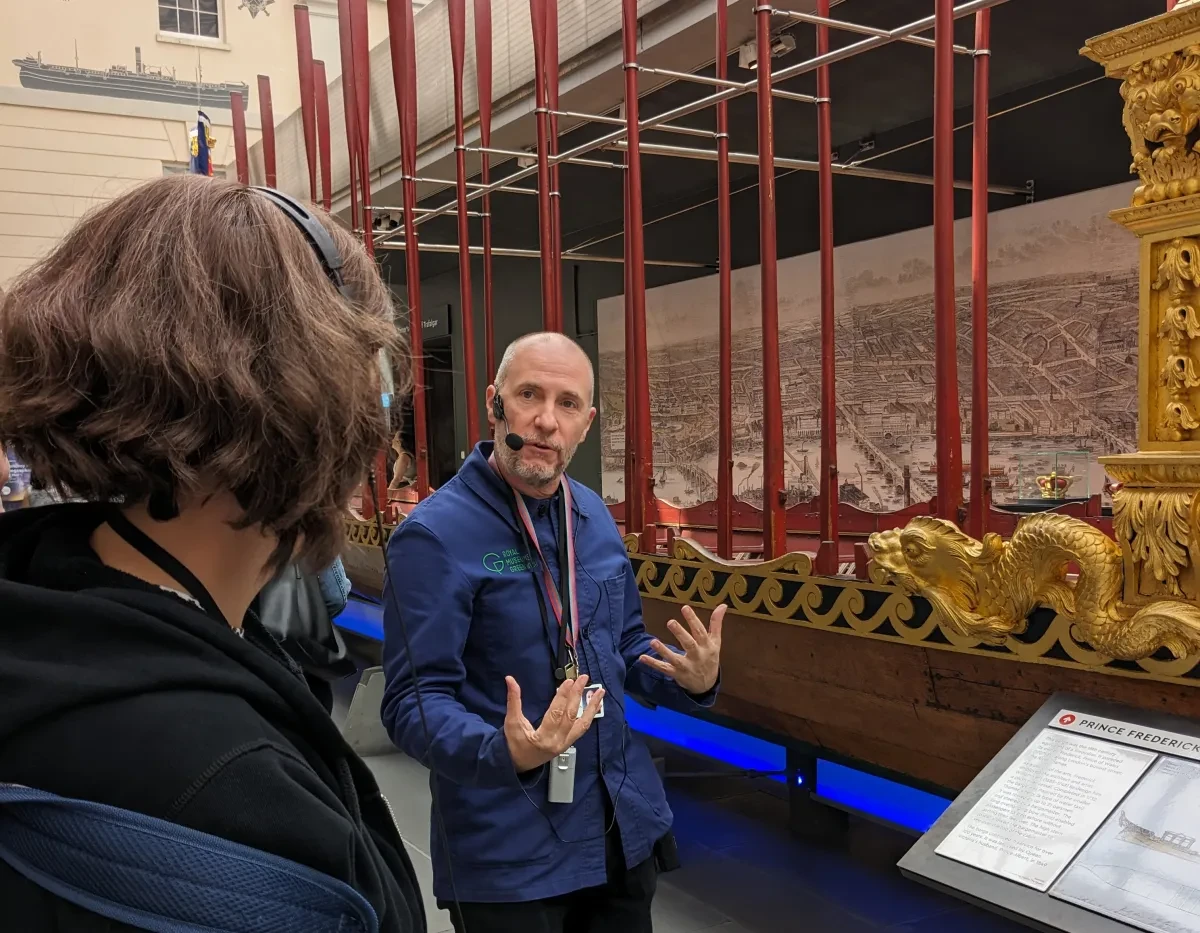
Traders: the East India Company and Asia features as part of the range of audio guides available at the National Maritime Museum. Listen to a free introduction to the gallery here.
Accessibility information
The Traders gallery has two aisles, one central and one to the side. At the south end of the gallery there is a television screen with video, audio and subtitles called ‘Where is the East India Company today?’. Nearby, you can write your thoughts on the subject. The desk for this is 79cm tall.
BSL is included as part of the National Maritime Museum audio guide. There are four chapters of the audio guide about the Traders gallery. Large print guides are available inside the gallery.
There are five interactive screens in the Traders gallery, with desk height 70 cm and screen height 90cm. Paintings are hung at a range of heights from 86cm to 108cm from the floor. Displays are visible from 71cm to 82cm from the floor. There are several description panels at 61cm. Some of these invite you to look closer and explore the painting.
There are two books with thick, hard pages to look through. Near these, at the north end are spice drawers at a height of 71cm, which you can open and smell the spices and a tactile flap. There are two canons in the gallery with embossing on, which can be touched.
At each end of the gallery are manual glass doors.
Gallery closures
Occasionally some gallery closures may affect your visit to the National Maritime Museum.
Make the most of your visit
Find more free galleries and attractions at the National Maritime Museum.
Tickets and Opening
Free entry
10am-5pm daily
- Greenwich Station
- Cutty Sark DLR
- Maze Hill Station
- Greenwich Pier
Delve deeper


Visit the National Maritime Museum
Discover epic stories of exploration and endeavour that have shaped our world today