
On the tiny island of Tresco in Scilly, Atlantic winds sweep over white sands and rocky coves. Here stands a remarkable fleet – the figureheads of ships lost long ago to the reefs surrounding the islands.
These carved guardians, known as the Valhalla Collection, have watched over Tresco Abbey Gardens for generations, sharing stories of trade and bravery that shaped life along the island's shores.
Since 1840, these 30 figureheads have lived among the islanders as neighbours, landmarks, and reminders of a long and sometimes tragic maritime history. Each comes from a shipwreck on Scilly's treacherous coasts, where over a thousand vessels met their fate. Plucked from the surf and carried to safety, they found new life in Tresco Abbey Gardens – standing proud among the subtropical flora in one of Britain's most extraordinary landscapes.
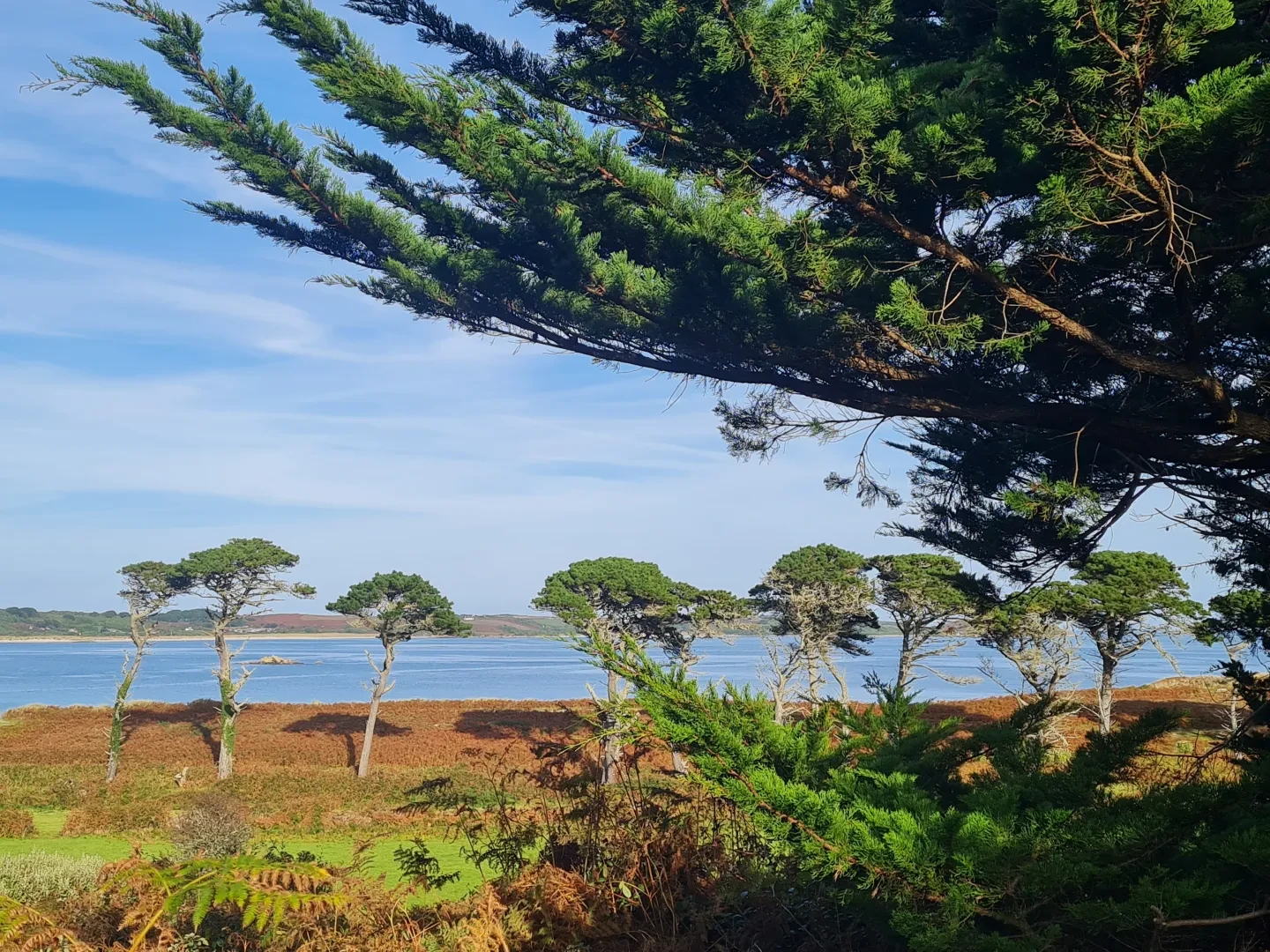
Over time, the Valhalla Collection has become part of the island's fabric. Tresco families grew up with them; they are symbols of home, loss, resilience and connection to the wider world. These carvings remain a visible trace of an endangered traditional skill and the heart of a community shaped by the sea.
In the 1970s, the Valhalla Collection was bequeathed to the National Maritime Museum on the condition the figureheads remain on Tresco, their ancestral home.
Today, they are among Royal Museums Greenwich’s most treasured and remote holdings and its expert conservators’ regularly journey from the mainland to safeguard their survival.
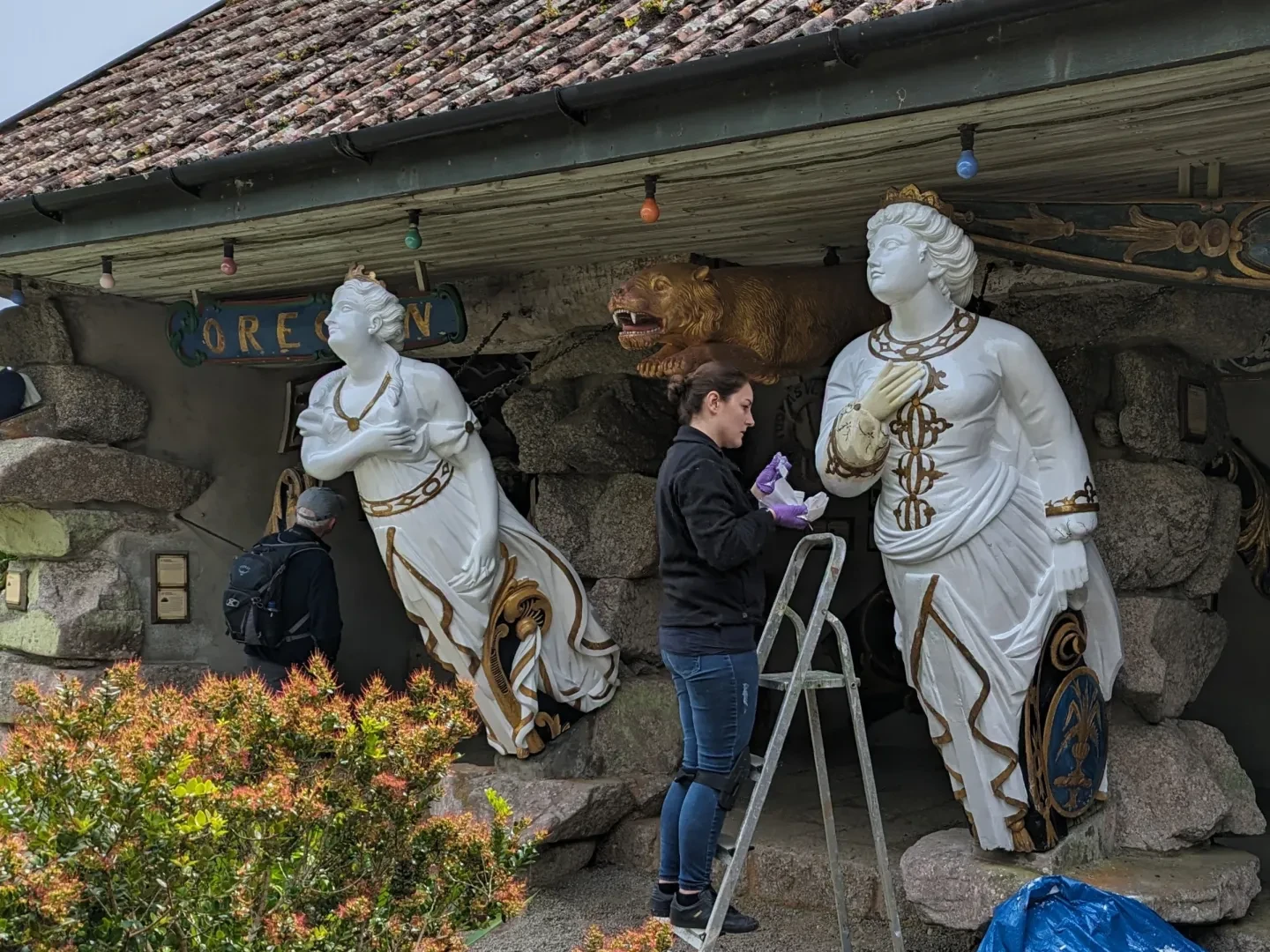
But time and weather press harder each year, putting the Collection's survival at risk. You can support this important work by donating today.
Guardians under threat
Image
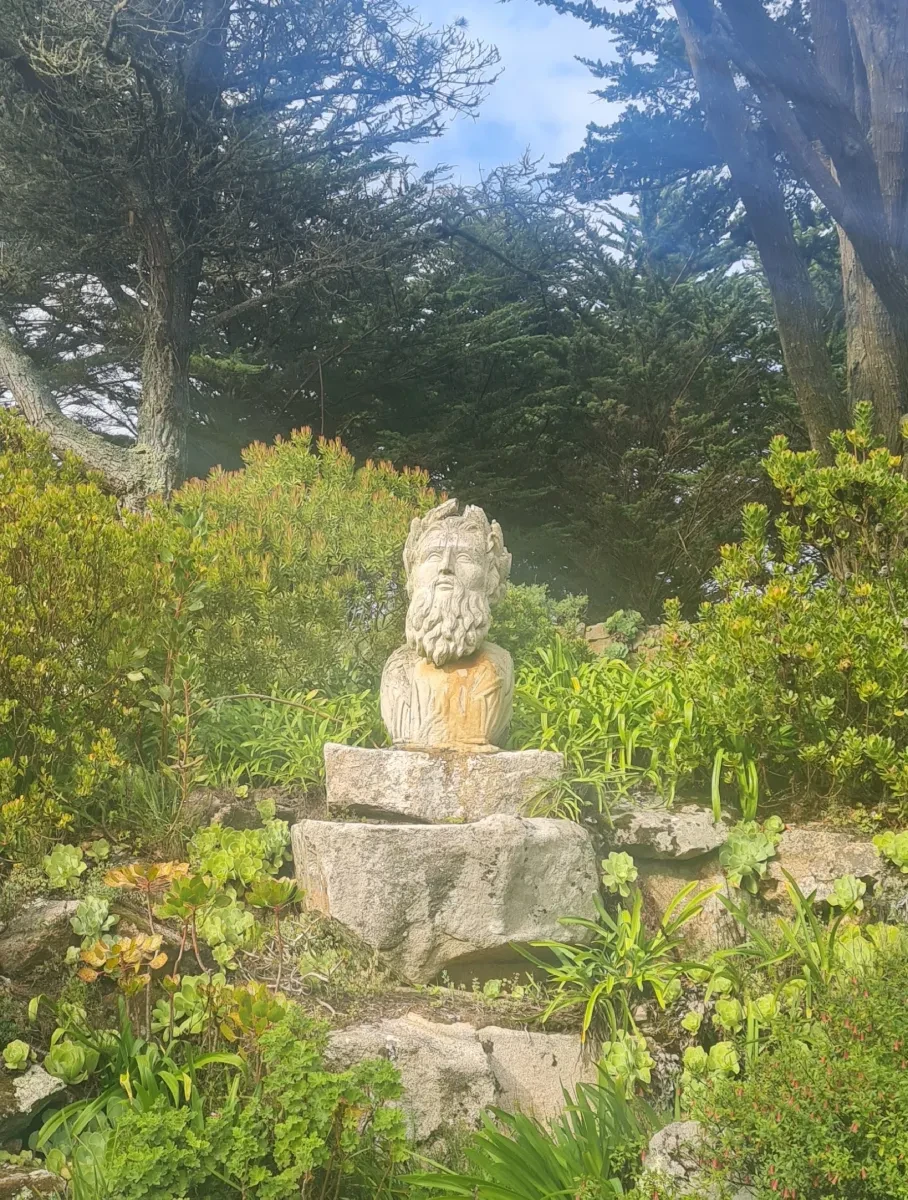
For almost two centuries, the figureheads have endured the very elements that once battered their ships. Their wooden forms, once brightly painted and built to withstand roaring seas, were made from a number of component parts and as such now face cracking, fading and decay. Every winter storm, every dry summer, every shift in temperature leaves its mark.
Unlike museum objects protected in climate-controlled galleries, the Valhalla figureheads continue to live outdoors, exposed to the elements while watching over Tresco as they have for generations. This is part of what makes the collection unique yet leaves them vulnerable.
Royal Museums Greenwich conservators face one of their toughest challenges on Tresco, a remote site demanding specialist skills, extensive travel, and careful preservation in harsh weather. Each visit, they are welcomed like old friends, because their work protects not only a national treasure but the island's heritage.
This effort grows more urgent each year, and it cannot continue without your help. You can help safeguard the Valhalla Collection for generations to come.
A collection at the heart of a community
Image
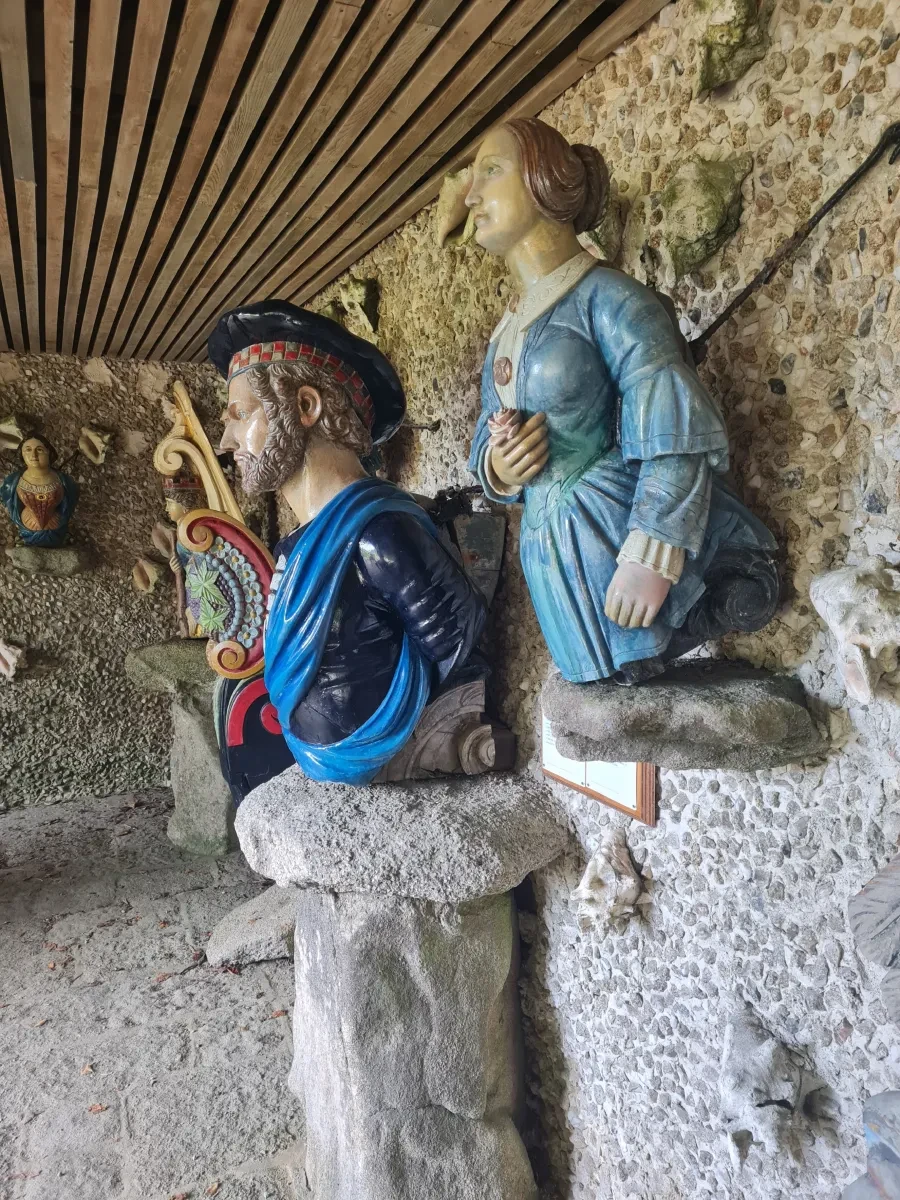
To walk among the Valhalla Collection is to step into a shared history.
Each carving embodies lives lived at sea from South America to Norway: the figureheads are a reminder of the human stories woven into Britain's maritime past, which Royal Museums Greenwich exists to protect.
But on Tresco, their meaning is even more intimate. For Scillonians, the sea is both livelihood and legacy. The figureheads represent a connection to ancestors who lived with the constant reality of shipwreck.
They also serve as symbols of the island's identity, drawing visitors from around the world to one of the most unique maritime collections in the country.
Losing even one of these figureheads would mean losing an irreplaceable part of local and national heritage. You can help safeguard the Valhalla Collection for generations to come by donating today.
Preserving Valhalla's future
Image
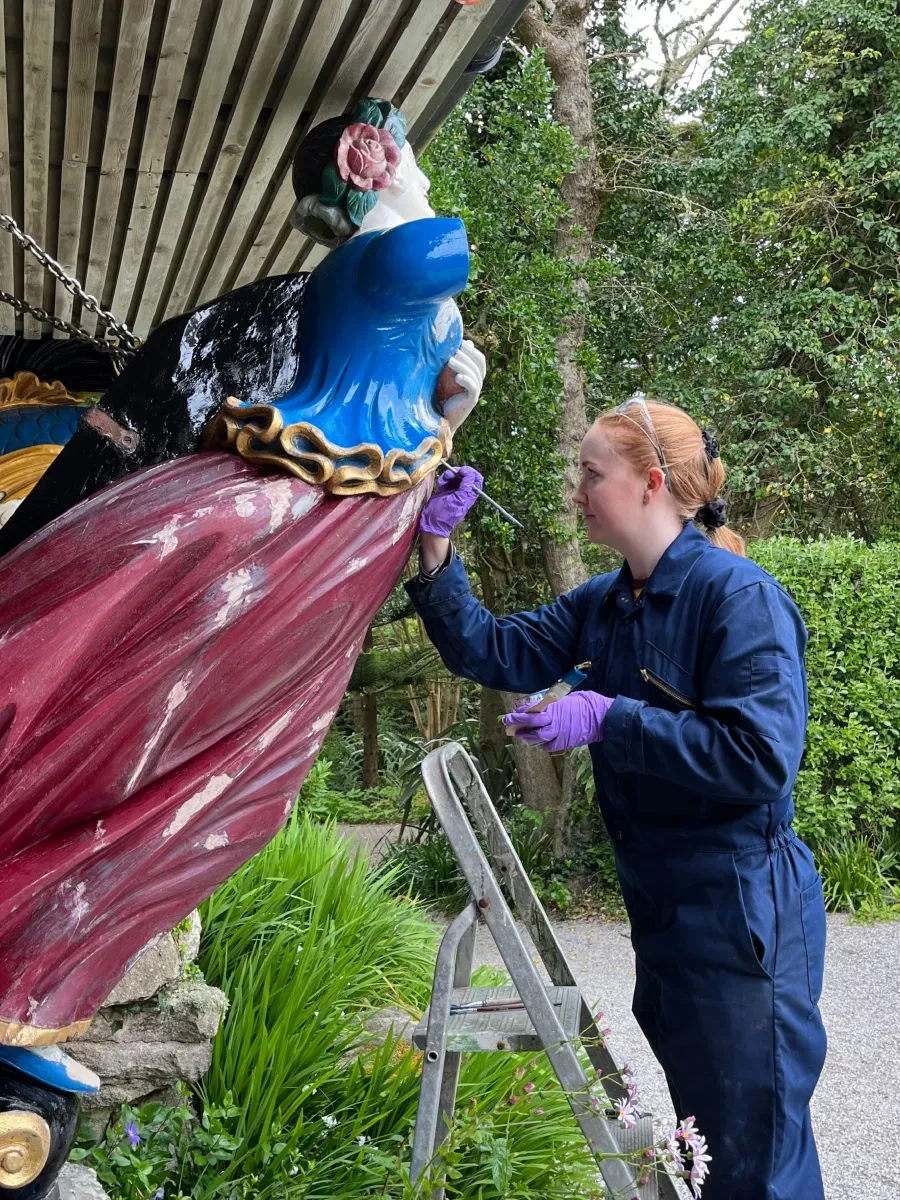
Expert conservation is the only way to secure the Valhalla Collection for future generations. These essential repairs include:
- stabilising fragile timber before cracks spread
- consolidating original paint layers
- protecting surfaces from moisture, salt, and biological growth
- undertaking sensitive repairs that preserve historic integrity
- ongoing monitoring, often under challenging outdoor conditions
Because the figureheads cannot be moved from Tresco, all conservation must happen on site. This means sending a team of conservators more than 300 miles across the sea. Their dedication ensures that the figureheads continue to stand watch – just as they have done since the 19th century.
Help safeguard Valhalla
Image
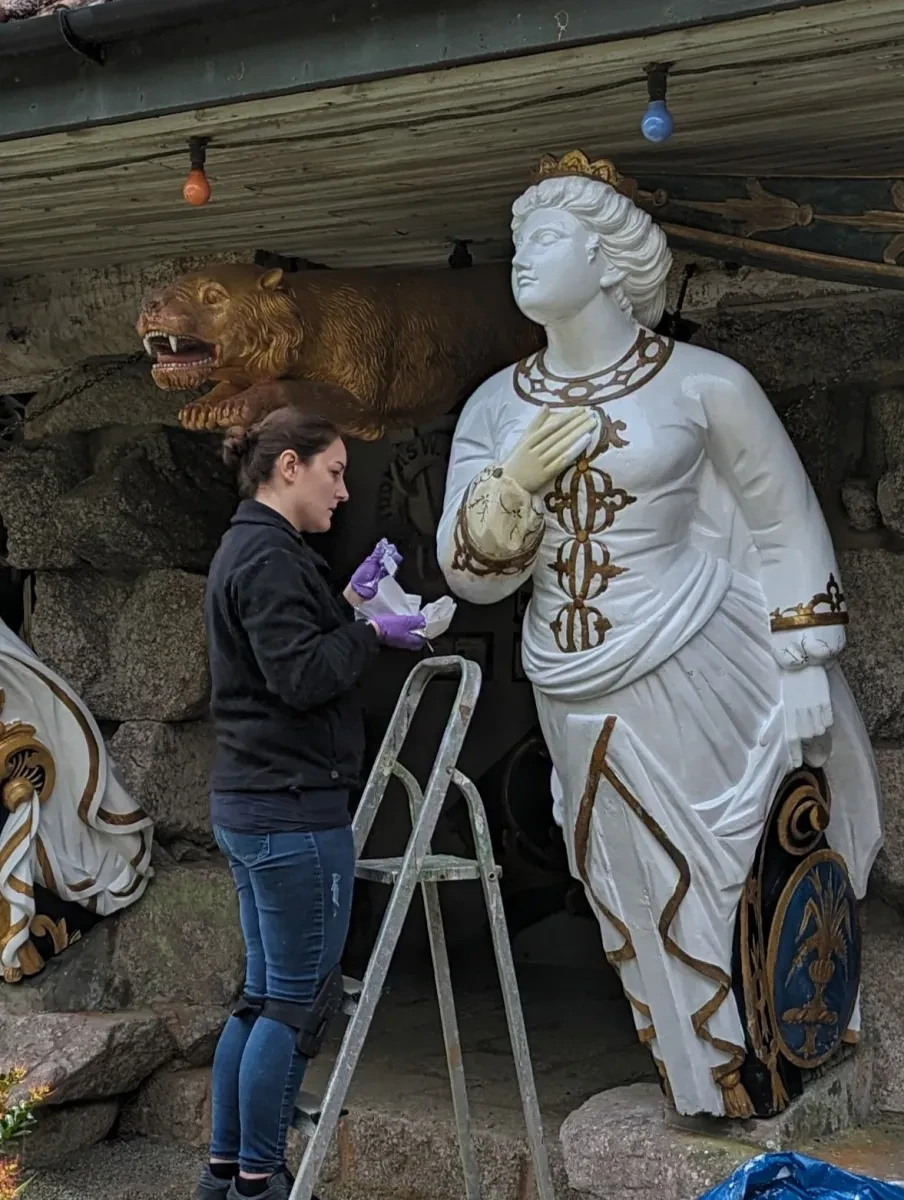
The Valhalla Collection stands as a powerful testament to courage, community and the enduring spirit of our maritime past.
With your support, it will continue to inspire all who encounter it – from islanders who have known it since childhood, to visitors discovering its significance for the first time.
Every donation, large or small, enables our conservators to journey to Tresco, undertake vital treatments and protect these extraordinary carvings from further deterioration.
Without this support, the figureheads face inevitable decline – lost to decay, and with them, the stories of ships and sailors that shaped our history.
You can ensure the figureheads remain standing for centuries to come, guarding the gardens, witnessing island life, and preserving the echoes of the past.
Donate today to protect the Valhalla Collection.
Every gift helps protect this irreplaceable piece of maritime heritage before it’s too late.

Support stories like this
Help conservators care for our collections and support future galleries, exhibitions and displays at Royal Museums Greenwich