

Beloved by students, young children and gastropub menus alike, the fish finger was first introduced to the UK in 1955.
Around 1.5 million fish fingers are eaten each day, according to manufacturers Birds Eye (that’s 18 fish fingers every second). One study estimated that 70 per cent of British children had their first taste of fish from a fish finger.
Here are seven more facts you might not know about the fish finger from the National Maritime Museum.
Image
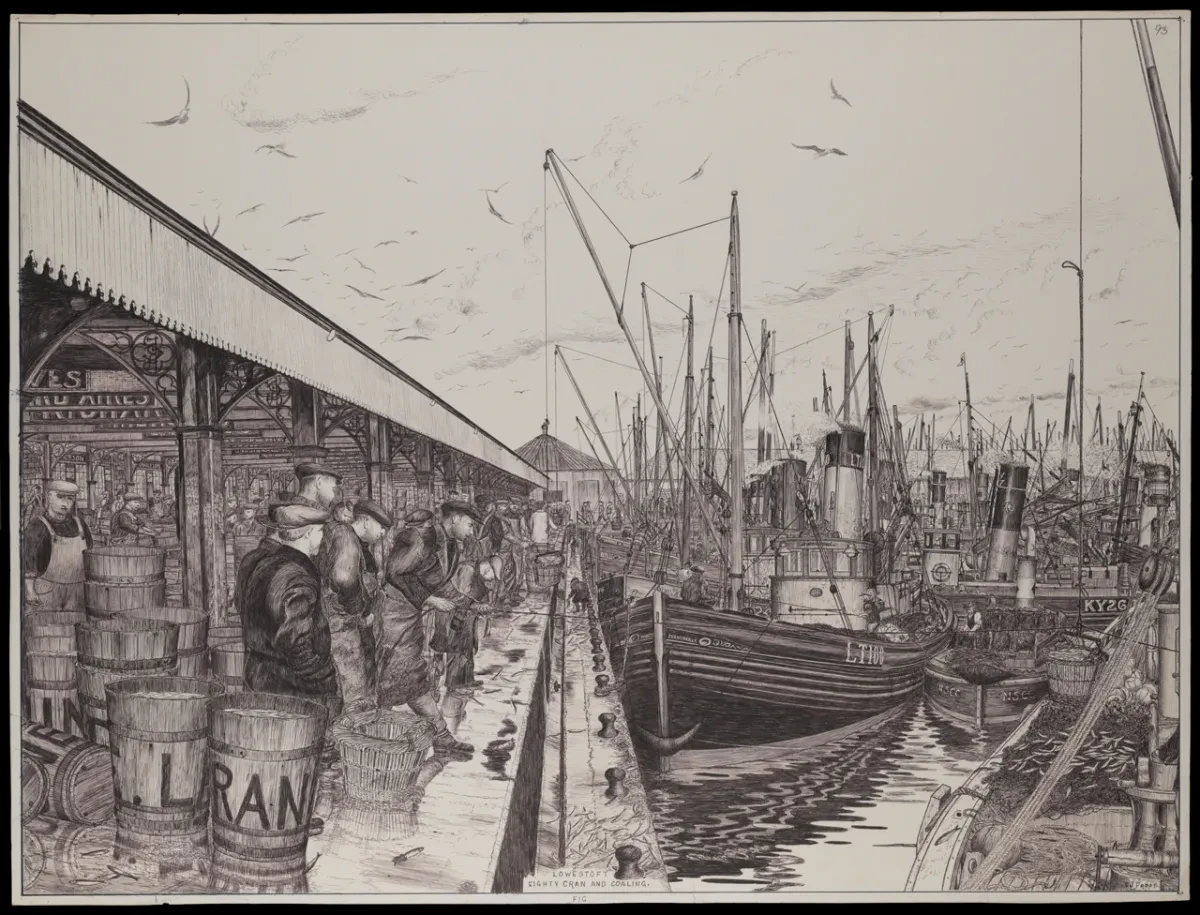
1. Birdseye was a real person… but alas not a sea captain
Clarence Birdseye invented the flash freezing process in 1924.
Food was tightly packed in waxed cardboard boxes then flash frozen at extremely cold temperatures. This resulted in a much higher quality of food compared to the slow-freezing method.
Flash freezing is still used today to preserve much of the frozen food we eat.
2. Before fish fingers, there were fish sausages
During the First World War when food was scarce, a recipe for fish sausages was distributed, combining fish with fillers such as oats to form a sausage shape. The recipe didn’t catch on once rationing ended.
Fish cakes in the Second World War proved slightly more popular, but given they were typically 90 per cent potato the amount of actual fish was low.
3. Fish fingers became popular before fridge freezers
Although the fish finger was introduced in 1955, freezers didn’t become common in UK homes until the 1970s.
This didn’t stop the runaway success of the fish finger: 600 tonnes of fish fingers were sold in 1955. In the 1950s most households would still shop for food every day, and fish fingers presented a time-saving option even without the option to freeze at home.
4. Captain Birds Eye once had an obituary in The Times
The initial advertising campaign from fish fingers was purely practical. The slogan 'No bones, no waste, no smell, no fuss' was designed to highlight their convenience to busy mothers.
That changed in 1967 with the introduction of Captain Birds Eye. Appealing directly to children, Captain Birds Eye was often depicted accompanied on adventures by a crew of kids.
The character was played by the same actor, John Hewer, from 1967 to 1998 – although there was a three-year hiatus in 1971, with the company even placing an obituary in The Times.
Captain Birds Eye was resurrected in 1974, in part to counteract the rising price of fish fingers caused by the cod wars. In 1993 he was voted the world’s most recognizable Sea Captain after Captain Cook.
5. Fish fingers aren’t 'fingers' everywhere
Fish finger is a uniquely British term. Other countries focus on the oblong shape.
The arguably less appealing term of 'fish stick' is used in the United States and in Germany (Fischstäbchen).
In case you were wondering, Captain Birds Eye is also not Captain Birds Eye everywhere: in parts of Europe he is known as ‘Captain Igloo’.
The process of covering the fish in breadcrumbs meanwhile is grandly referred to as ‘enrobing’.
6. Originally, the fish in fish fingers wasn’t cod
Tea-time almost tasted very different. Due to the abundance of herring following the Second World War, Clarence Birdseye originally started developing a herring-based product called the ‘herring savouries’.
Breaded cod was used for comparison, and to everyone’s surprise the much blander cod proved more successful in taste tests.
Initially named ‘battered cod pieces’, factory workers voted for the pleasing alliteration of fish fingers.
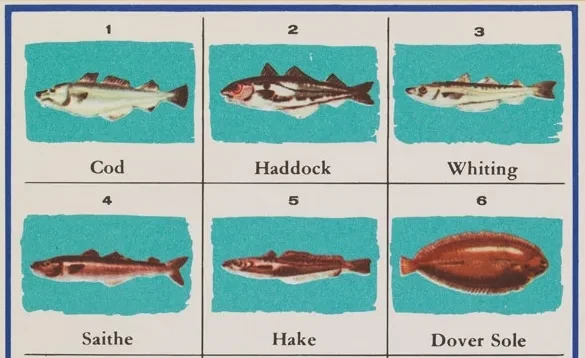
7. Fish fingers don’t just have to be made from cod
The most popular fish fingers are still made from cod – but due to most cod fishing stocks being overexploited, is it time we look for alternatives?
In large supermarkets it is now easy to find fishless-fish fingers: common options include banana blossom or soya-based products. For those wanting fish, alternatives such as pollock, hake or coley are available.
A project from Plymouth University in 2024 developed the ‘Plymouth Fish Finger’, working with the local community to develop fish fingers using locally caught fish.
For the truly adventurous, scientists are exploring if wood-eating shipworms (a white mollusc) could one day replace the cod in our fish fingers.
Are you hooked yet?
Find more stories you might like from the National Maritime Museum.
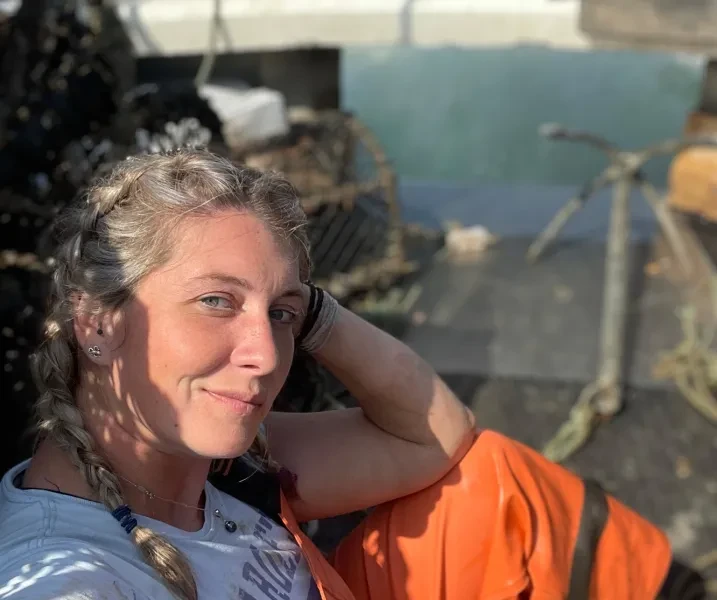
'We need to normalise seeing women in this industry'
Ashley Mullenger lifts the lid on the life of a female fisherman
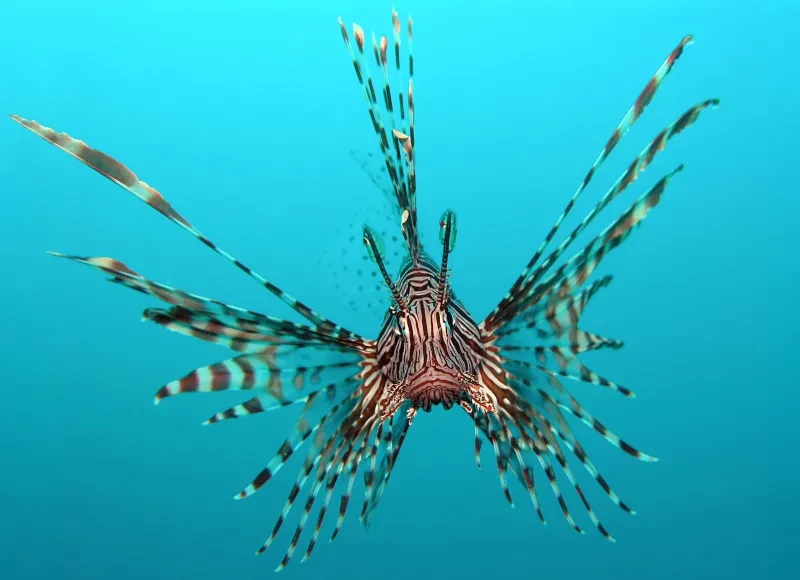
What are invasive species in the ocean?
Invasive species are everywhere in our ocean – but what does it mean when we say a species has 'invaded', and how do they spread in the first place?
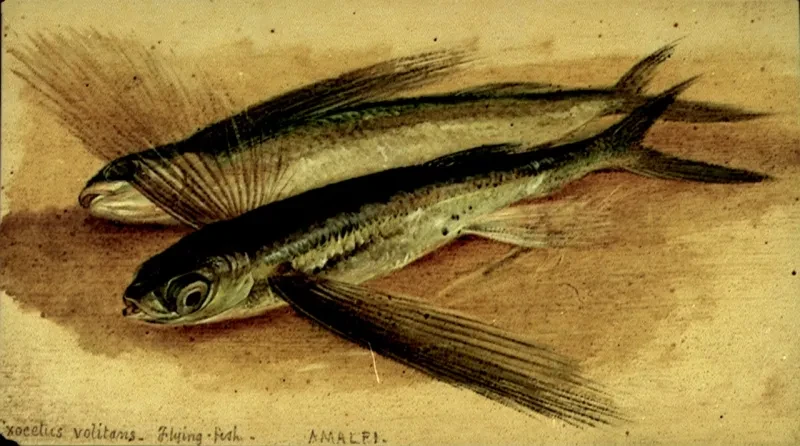
Protecting human rights in the fishing industry
Exploitation, slavery and even murder have been documented on board modern fishing fleets
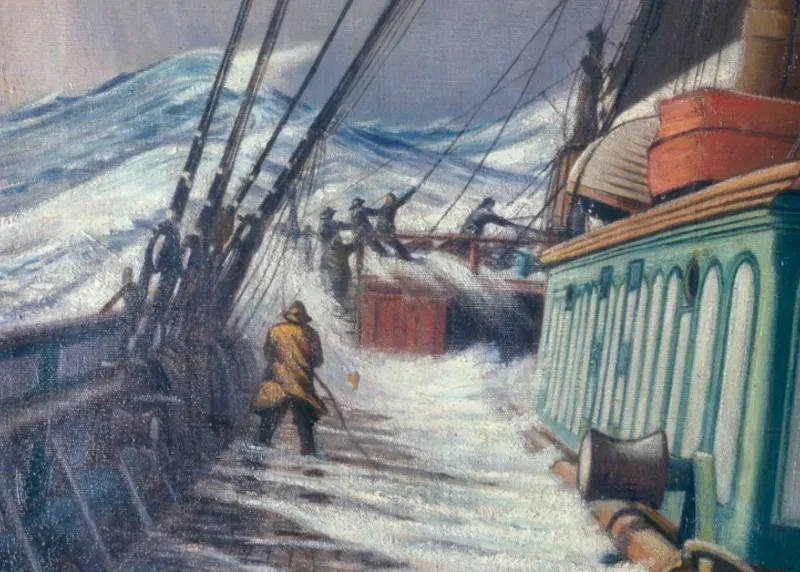
The Shipping Forecast
The Shipping Forecast was first broadcast on the BBC in 1925. Explore the history of the forecast with the National Maritime Museum, and discover objects connected with the power of our ocean
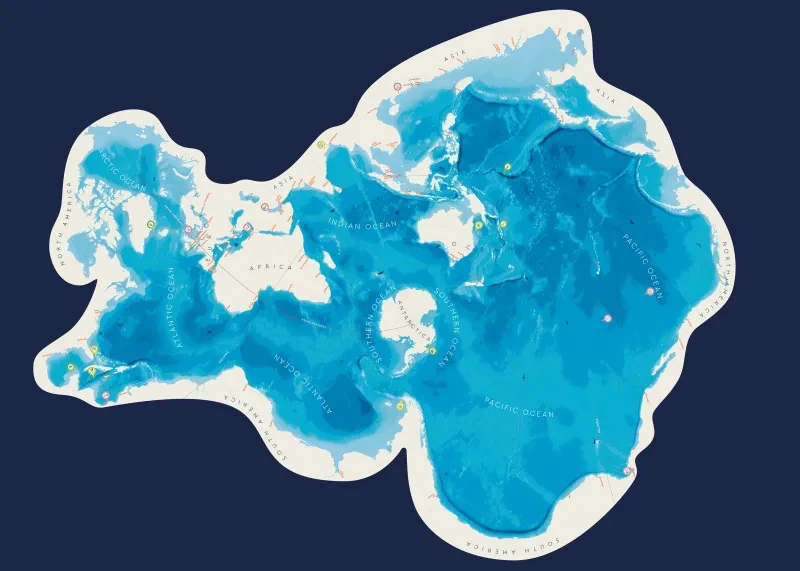
Turning our view of the world inside out: introducing the new Ocean Map
The National Maritime Museum's Ocean Map reminds us just how much of the Earth is covered by water – and how important the ocean is to our planet
Our Ocean, Our Planet
Our Ocean, Our Planet is a new online space at Royal Museums Greenwich dedicated to exploring the climate crisis and our relationship with the ocean
Visit and learn

Main image © Superbass / CC-BY-SA-4.0 (via Wikimedia Commons)