

Not many people are qualified to drive a ship in the extreme environments of the polar regions. Captain Philippa Bowden is one of them.
An ice navigation specialist, Captain Bowden has more than a decade’s experience of traversing the Arctic and Antarctic on scientific, passenger and expedition ships. She also holds an Unlimited Master’s license, enabling her to operate any size of vessel anywhere in the world.
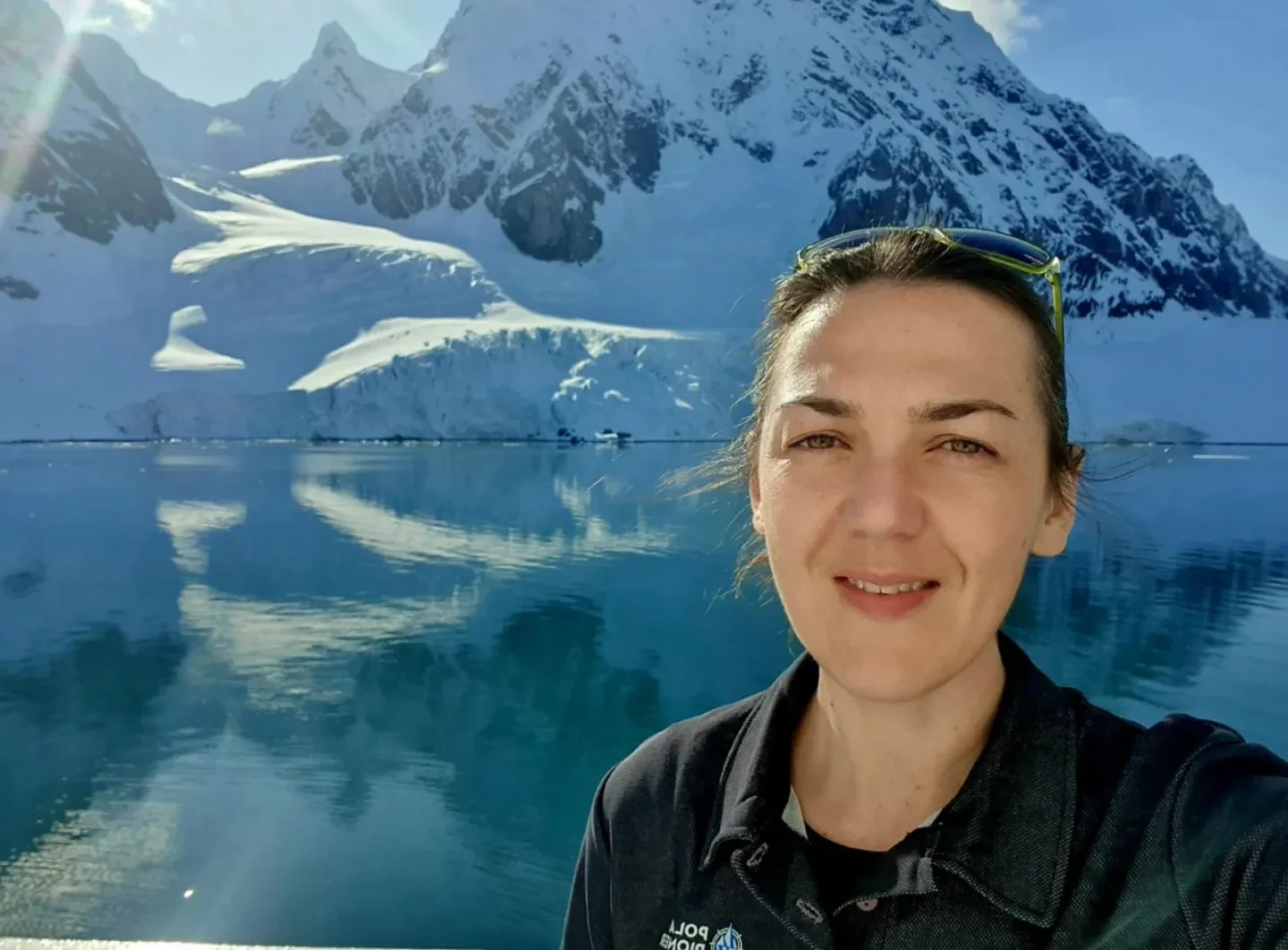
Protecting – and raising awareness of – the vulnerable polar environment is central to her work. From reporting wildlife sightings to leading polar courses, her dedication has seen her receive accolades including the Merchant Navy Medal and an award from the UK Meteorological Office.
In between her busy schedule at sea, she’s passionate about encouraging others into the maritime industry, as well as mentoring seafarers. In 2026, she was awarded an Honorary Doctorate from the University of Portsmouth in recognition of her contributions to maritime education.
She explains what being an ice captain is really like, sailing through unchartered waters – and why we need to stand up for polar ecosystems.
Image
How did you become an ice captain?
I didn’t know what I wanted to do after I left school, but I signed up for a cadetship and began my career working on cargo ships. The vessels carried all sorts of weird and wonderful things – from grain to scrap – they were also dirty and smelly, but it was a great experience.
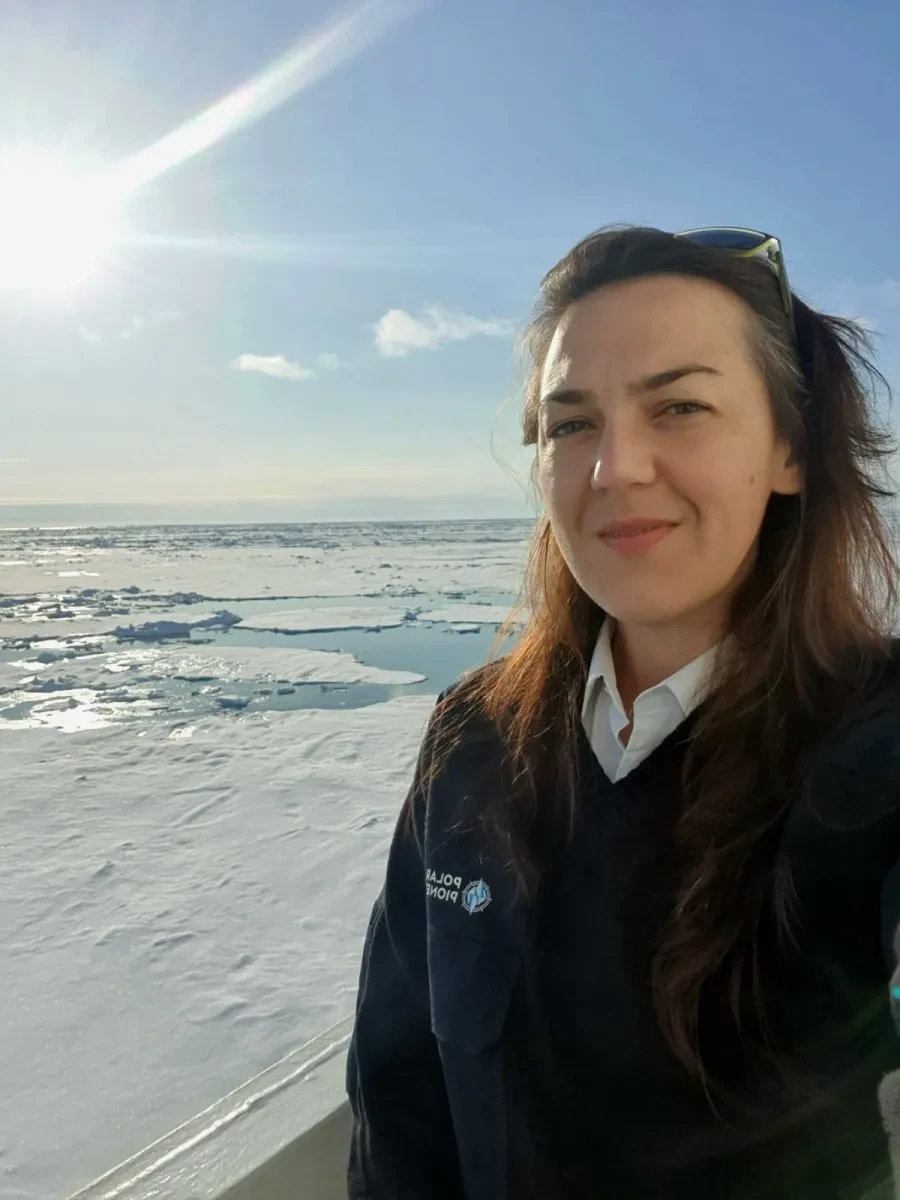
Before I knew it, I’d blinked and 10 years had gone by. In 2012, I got a temporary job with the British Antarctic Survey and it opened up another world for me. I travelled to the Arctic and Antarctic and gained experience steering and navigating in ice. The work was exciting. I journeyed to locations including the Ross and Weddell Seas and was involved with scientific observations, such as counting whales and tagging seals.
My move into the polar expedition market occurred a few years later in 2016. I’d just received my Unlimited Master’s license – a certification that allows you to drive any size of vessel with any number of passengers. And, as I had ice experience – as well as passenger experience – I found myself in demand. Suddenly, I was an expert in ice!
As an ice captain (or ice pilot, the terms are interchangeable), I have experience of ice movements, as well as navigational knowledge of the polar regions: everything from which bay we can go in for shelter overnight to the best place to see whales and penguins. While I do work in both poles, I’m more in love with Antarctica.
What is Antarctica like?
Going to Antarctica was a life-changing experience. When I first visited in 2012 with the British Antarctic Survey, I felt as though I was in another world: not only in terms of the wildlife and the scenery, but the wilderness of it all.
My work on expedition vessels takes place in the summer season, which typically lasts from October until March. If the weather is nice, you have these gorgeous blue skies and pristine ice, with temperatures of one to two degrees Celsius. Depending on how far south you go, you can get up to 24 hours of daylight. The Sun’s rays are intense, so you need to take lots of suncream.
However, the weather can change rapidly: you have to account for katabatic winds – powerful downhill gusts that can come out of nowhere – and strong wind chill.
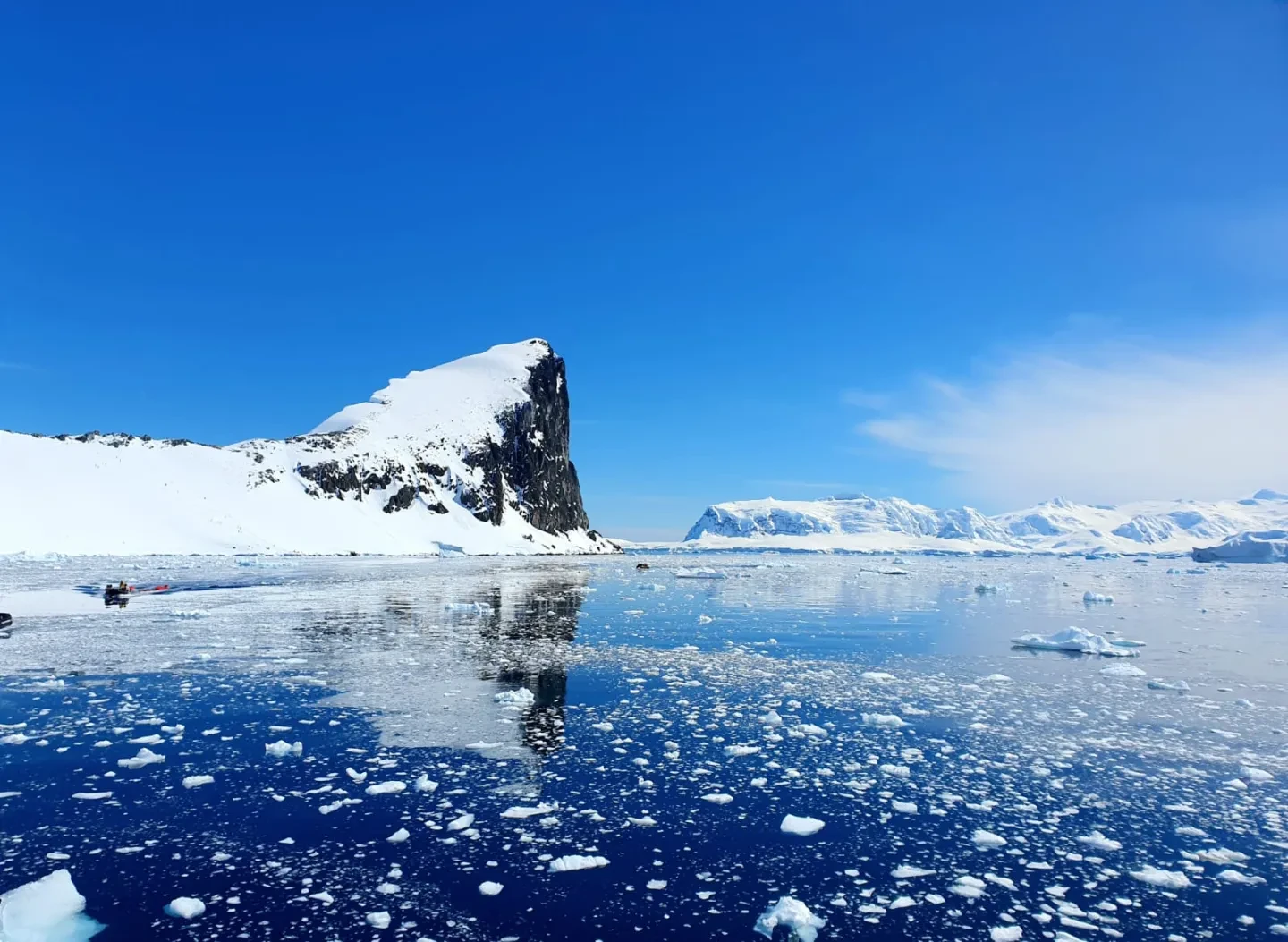
There are so many interesting areas of Antarctica – it’s hard to pick a favourite – but I do like Deception Island. It’s located in the South Shetland Islands in the Antarctic Peninsula and is formed from a sunken volcano. To get to it, you have to steer through the volcano’s caldera – a crater formed when a volcano erupts and collapses. Not many people can say they’ve sailed inside a volcano!
What does daily life as an ice captain involve?
There’s no typical day in Antarctica: the whole point of an expedition is we’re always exploring. It’s always an early start – around 5am to 6am – and it takes us a few hours to get to the day’s location (usually a bay). It’s nice for passengers to wake up and watch the approach as they’re eating their breakfast.
From 8am to 9am, the passengers will set off on their adventure, but our work doesn’t stop there! We spend lots of time on the bridge – the command centre of a ship – navigating the vessel, monitoring weather conditions and ice charts, revising daily plans and repositioning the ship if required. We also carry out inspections, maintenance checks and other administrative tasks.
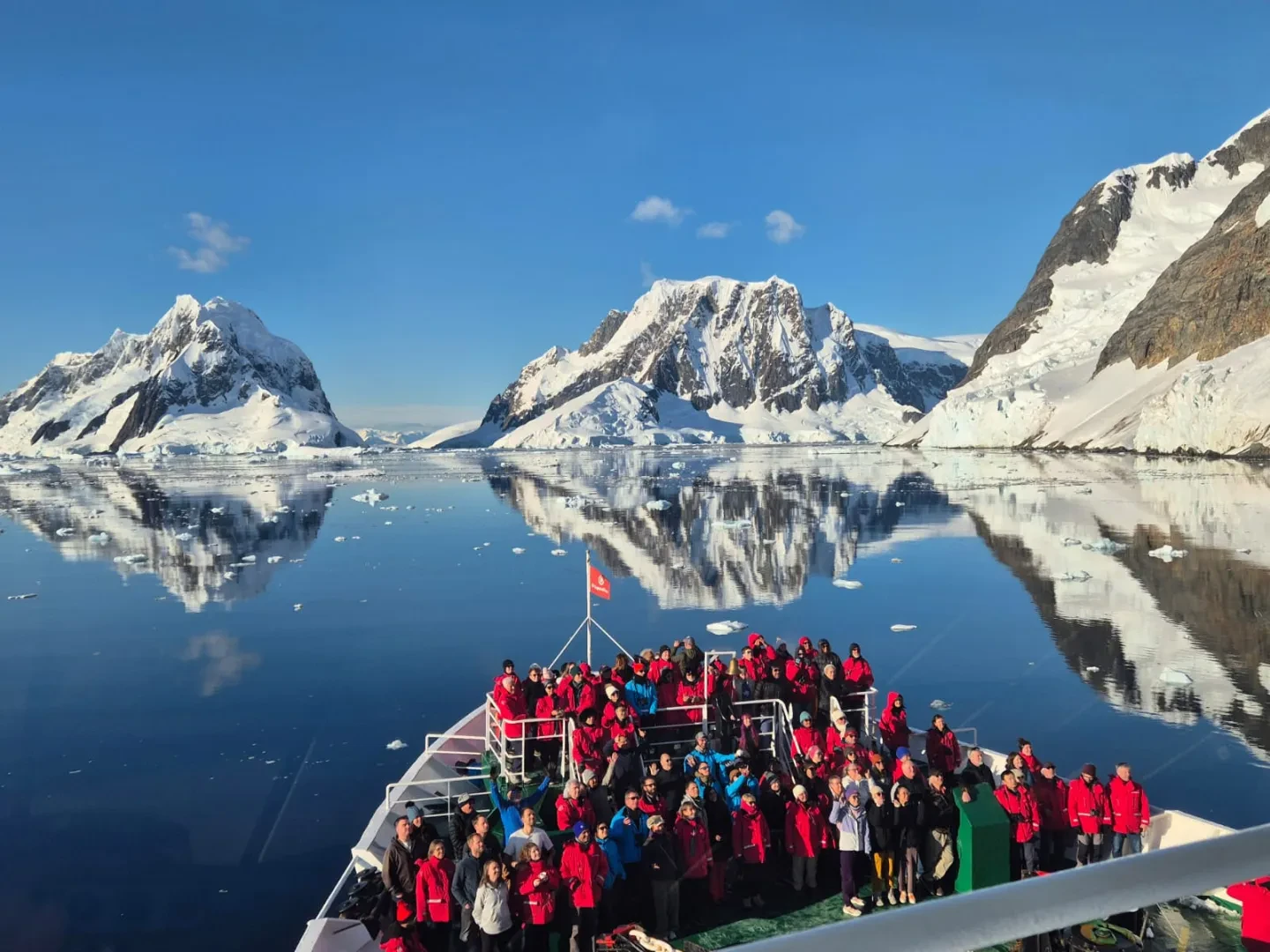
Before I go to sleep, I make sure the officers taking over the watch know the plan and the route they’re following. There’s a lot that happens behind the scenes, and it’s my job to ensure everything runs smoothly.
Image
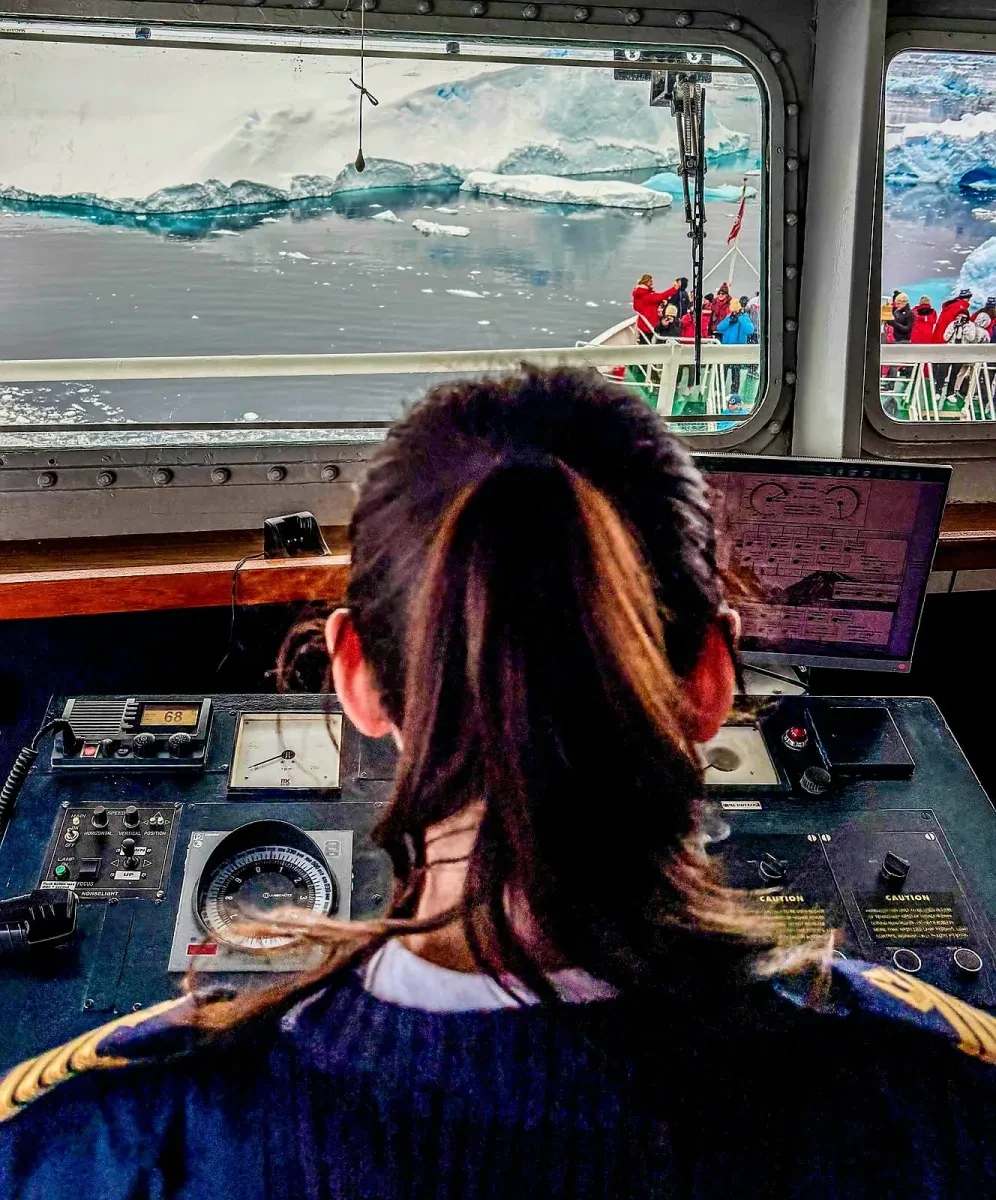
How do you navigate in Antarctica?
Everything in Antarctica is huge, which can be hard to fathom! The mountains are massive, the icebergs are colossal – even the whales can be three times the size of your vessel.
A lot of expedition ships are equipped with forward looking and side scanning sonars, which map the sea ahead and to the side of the vessel. This gives us information about the depth of the water and any obstacles, such as ice. It’s important to know what’s occurring underneath the vessel too, so echosounders can give us an indication if we’re moving from deep to shallower water.
As Antarctica is located near the Earth’s magnetic south pole, magnetic compasses aren’t a reliable form of navigation. Some of the more advanced vessels will have satellite compasses and fiber optic gyroscopes, which provide highly accurate directional data and precise motion sensing.
I also navigate by following the ice, so it’s crucial to know about the types of ice in the region, from glacial ice to sea ice – and the different stages of ice formation.
Some of the more challenging navigational conditions occur when it’s dark. It’s hard when you’re dodging bits of ice that you can’t pick up on your radar, trying to keep the ship steady, and relying on a search light to navigate – especially when the beam of light doesn’t give the overall perspective of everything surrounding you.
The beautiful thing about Antarctica is the journey is the destination. One of my favourite moments occurred last year, when I steered around a bay that was filled with humpback whales. The whales came up to us, rubbed their bellies against the side of the ship and were talking to each other. It was just incredible.
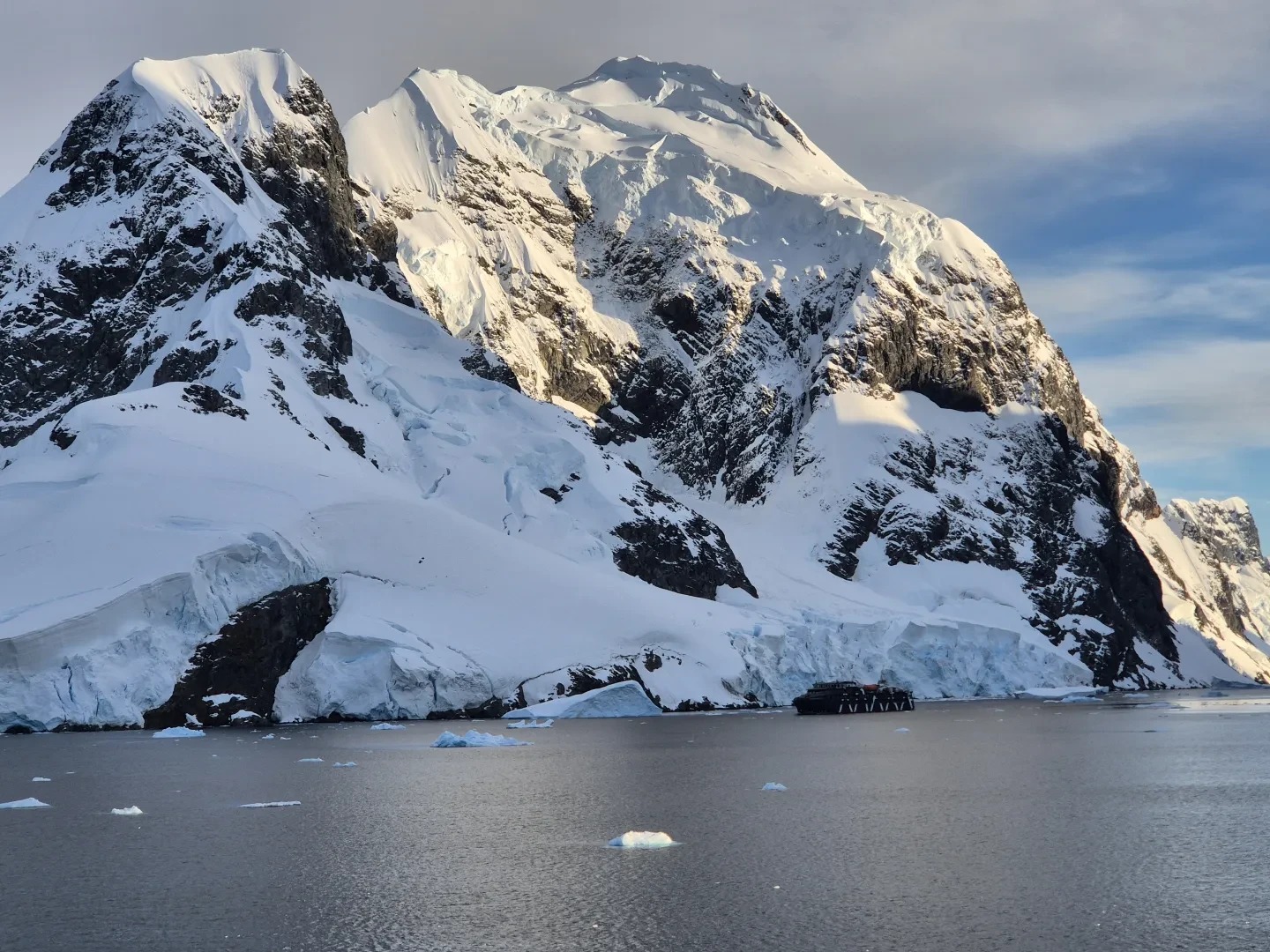
Scientific reports highlight how climate change and increased tourism are impacting the vulnerable ecosystems of Antarctica. Have you seen the effects of these in the region?
It’s hard to judge day by day, but overall, the summer season is getting longer. The summer season typically lasts from October to the end of February. However, because the ice in the region is not only forming later in the year, but also melting earlier in the year, vessels are able to spend longer in Antarctica. Now, vessels are starting to go around September, with the season ending as late as April.
While I can’t stop the bigger cruise ships going to Antarctica – and sometimes I don’t really agree with the tourism taking place – I try my best to raise awareness of this vulnerable ecosystem. I’m an Antarctic Ambassador with The International Association of Antarctica Tour Operators, and educate others about the issues affecting Antarctica.
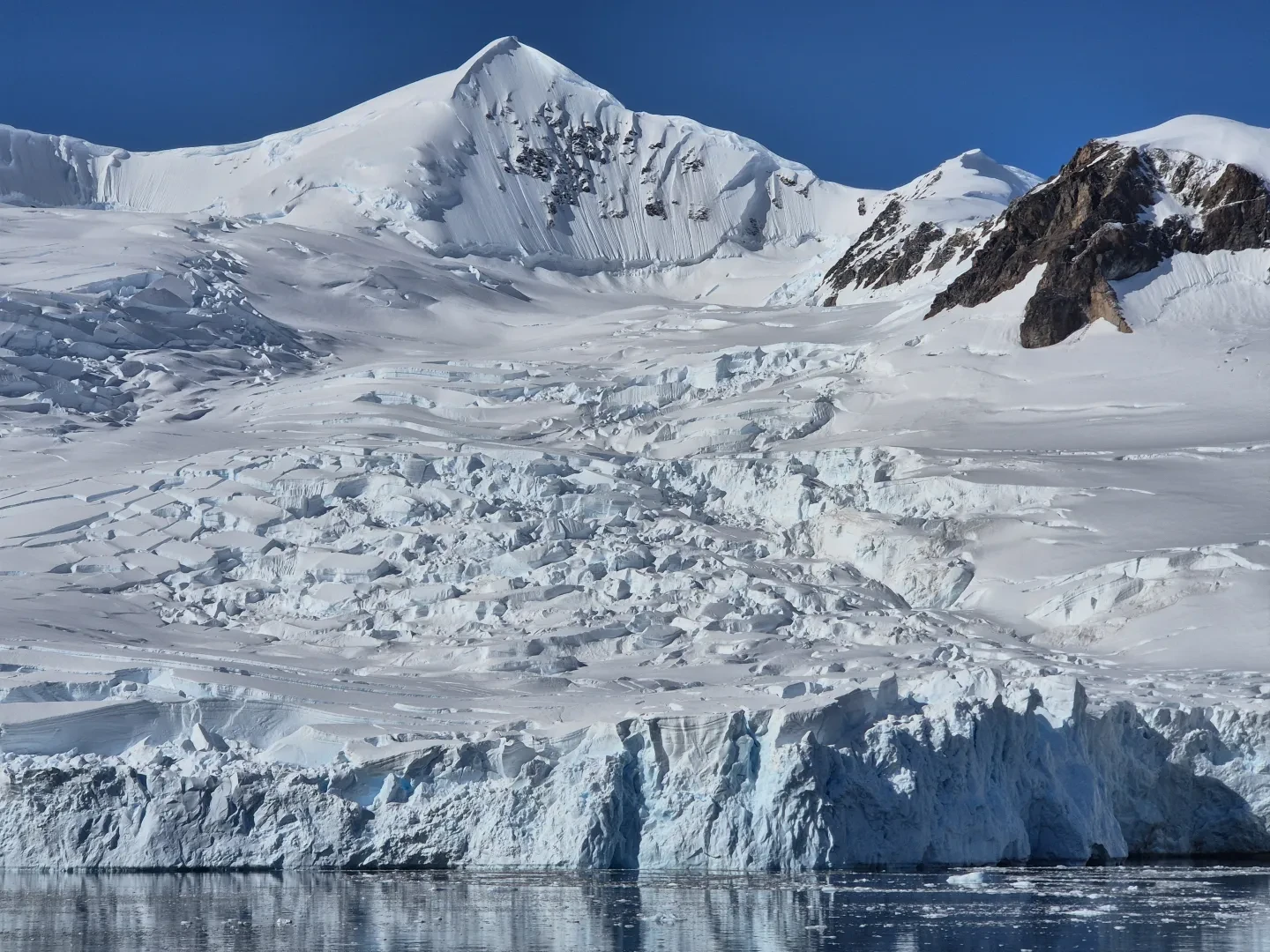
When I’m not at sea, I teach polar navigation courses. During these sessions, I cover everything from the different types of ice to the regulations of the Polar Code – a series of environmental and safety measures for ships operating in the region. Ships operating in the polar areas are subject to more stringent regulations, including speed limits and onboard waste management.
Most people don’t realise that what they do at home also affects the polar regions. Antarctica drives the ocean currents that go all the way around the world, which are influenced by its changing temperatures. The ocean currents are like a giant conveyor belt, which in turn impact the global climate.
Even though the polar regions seem so far away, we can all do our bit to protect them, whether reducing our single-use plastic waste or taking part in beach cleanups.
You’re one of a handful of female British ice captains that hold an Unlimited Masters’ license. Over the course of your career, how has the maritime industry changed for women?
Image
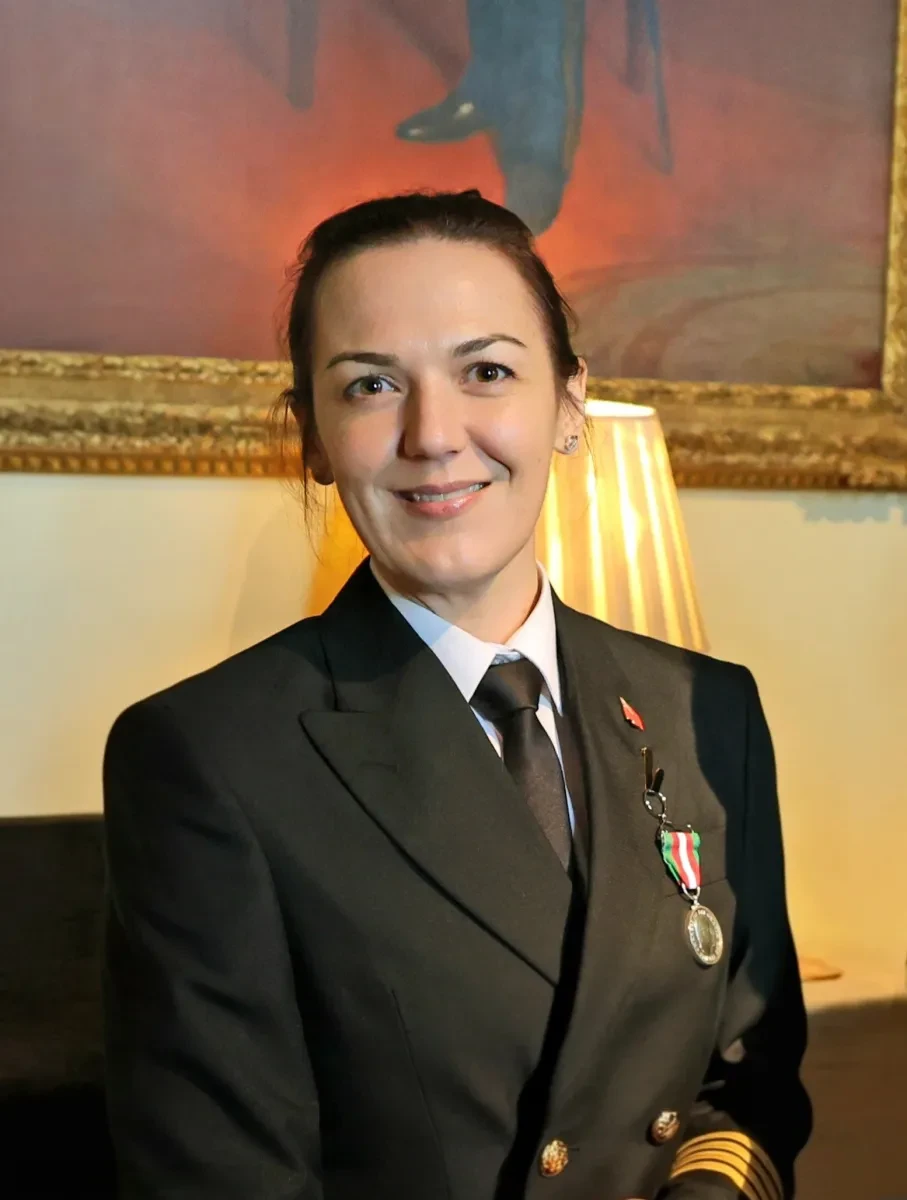
The maritime industry is changing. There’s been a real drive to advance and encourage women within certain sectors such as cruises, yachts, offshore and the North Sea.
I’m a great believer in “if you see it, you can become it.” In my spare time, I’m a Careers at Sea ambassador, which involves going to local colleges and schools to raise awareness of the opportunities within the maritime industry. I also mentor seafarers. My current mentees are based in India, Nigeria and Ghana. It’s nice to have an international perspective – and to support them with the different challenges they experience.
There are challenges for both male and female seafarers, but particularly in certain areas, women are still being held back. For example, there have been instances where women can’t work onboard because there isn’t a shared cabin available for them, and they can’t share with a man. I’ve never worked with any senior female officers either. For whatever reason, it does seem to be difficult for women to break these barriers.
At certain points in my career, it certainly felt impossible to become a captain. I went the long way around and worked for lots of different companies. I did a stint on passenger ships, because they were open to having women on board, but the environment wasn’t right for me. Ultimately, everything did come together, and I’ve now ended up with lots of different experiences and knowledge.
Growing up, I wasn’t passionate about anything, but it wasn’t until I started working at sea that I found my calling. Every day is different. I’ve had the opportunity to go around the world, see lots of places and work with people from so many different cultures.

Making Waves
Stories of incredible women working at sea
Discover more
Image: © Inka Cresswell
Dive deeper
Our partners
With grateful thanks to The TK Foundation for its support of the Making Waves series.
Images courtesy of Captain Philippa Bowden