
From the Geminid meteor shower to the biggest supermoon of 2026, find out what's happening this December.
By Milan (work experience student) and Gideon Bendavid-Walker, Royal Observatory astronomer
Top 3 things to see in the night sky in December 2026
• 4-20 December - catch the Geminid meteor shower
• 21 December - mark the winter solstice, the shortest day of the year
• 24 December - see the Cold Moon, the biggest full supermoon of 2026
The winter solstice
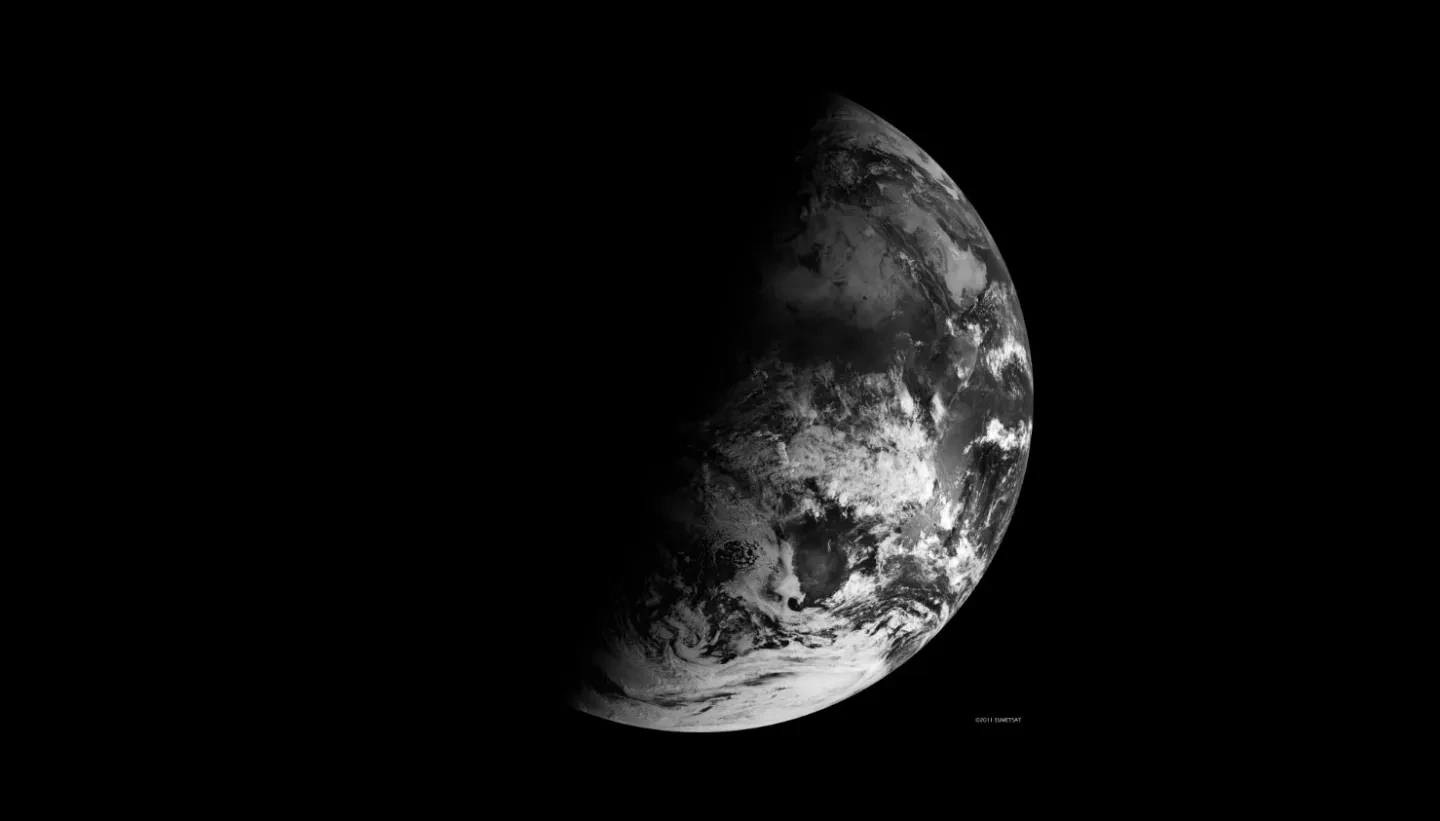
For those of us in the Northern Hemisphere, 21 December is the winter solstice: the longest night and shortest day of the year.
On this day the Northern Hemisphere reaches its maximum tilt away from the Sun, resulting in less direct sunlight exposure. Since the Sun’s apparent path lies closer to the horizon, it spends less time in our view, and its rays are spread over a greater area which results in cooler temperatures.
The name solstice comes from the Latin word solstitium, meaning 'the Sun stands still'. This refers to the apparent pause in the Sun's northward or southward movement across the sky before it begins moving in the opposite direction.
In many cultures the solstice is celebrated as marking the return of light. Monuments such as Stonehenge were constructed to align with the Sun's movements, with its stones framing the midwinter sunset and midsummer sunrise.
Those in the Southern Hemisphere will experience the reverse to us on 21 December, having their summer solstice.
December's Full Cold Moon
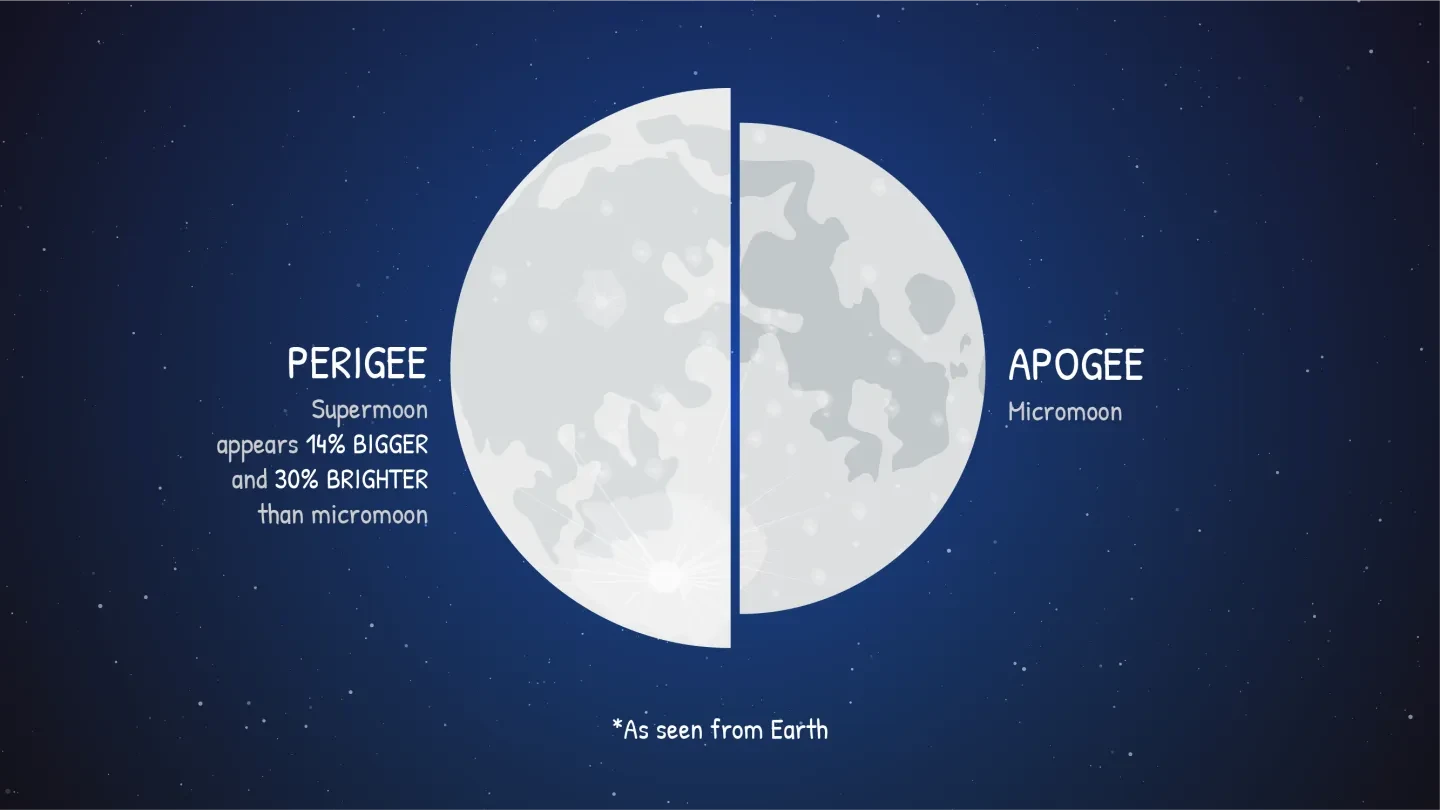
On 24 December there will be another supermoon. This will be the largest supermoon of the year, appearing up to 14% larger and 30% brighter than when the Moon is at the most distant point of its orbit (called a micromoon).
Although 'supermoon' isn't an official astronomical term, NASA uses it to describe a full Moon that occurs when the Moon is within 90% of its closest possible approach to Earth (perigee).
On 24 December at 1.28am the Moon will be 356,738km from Earth. Despite this being its peak, the best time to see the supermoon is actually during the evening of 23 December. It will look especially large while it's low on the horizon and rising due to a perspective effect called the 'Moon illusion'.
The popular name for December's full Moon, 'Cold Moon', is traditionally attributed to the Mohawk people of north-eastern America and south-eastern Canada, although different communities have their own names and traditions for this full Moon.
The Geminid meteor shower
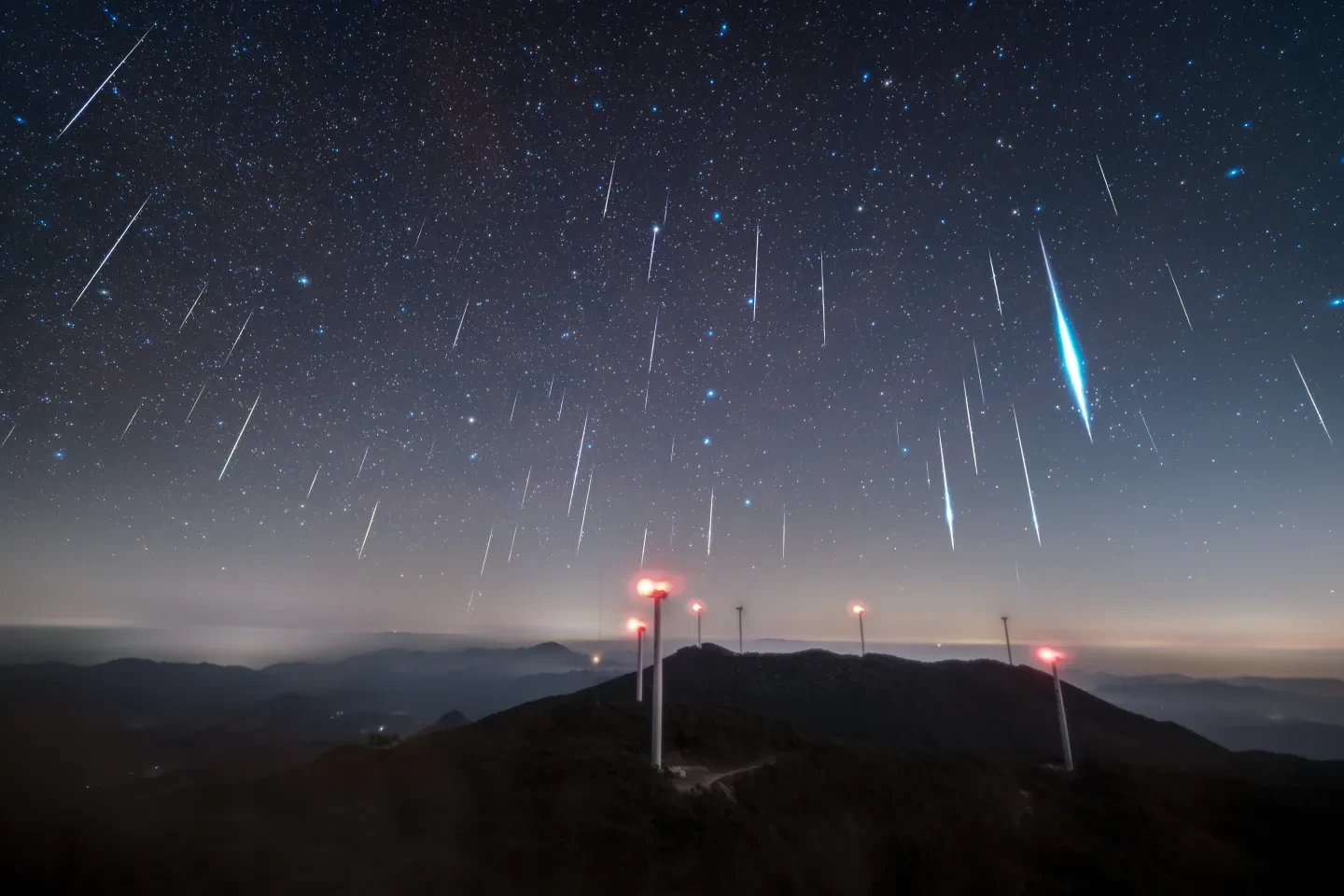
Keep an eye out overnight on 13-14 December from around 10pm for the peak of the Geminid meteor shower. Be ready for a flurry of shooting stars, reaching a maximum rate of 120 per hour in ideal, dark conditions - an early Christmas present, if you will.
The Geminids get their name from the constellation Gemini (Latin for 'The Twins'), since the meteors appear to radiate from a point near the star Castor (the dimmer of the two stars in the twins). While other showers have been recorded by humans for thousands of years, the Geminids were discovered more recently.
The shower had humble beginnings in 1862, documented as a small display of only 10-20 meteors per hour. Since then, the shower has grown into one of the most spectacular annual meteor displays. The evolution of its debris stream is complex, with gravitational influences from planets such as Jupiter playing a role in shaping the orbits of the meteoroids.
Almost every meteor shower originates from icy comets leaking debris as they approach the Sun and warm up. The Geminids, however, originate from an asteroid called 3200 Phaethon, which was discovered in 1983. This was the first asteroid linked to a meteor shower, prompting its rare classification as a 'rock comet'.
The larger debris from 3200 Phaethon results in the fleeting, colourful Geminid shooting stars, as their minerals ionise from the intense heating they experience during their plunge through Earth's atmosphere.
The Ursid meteor shower
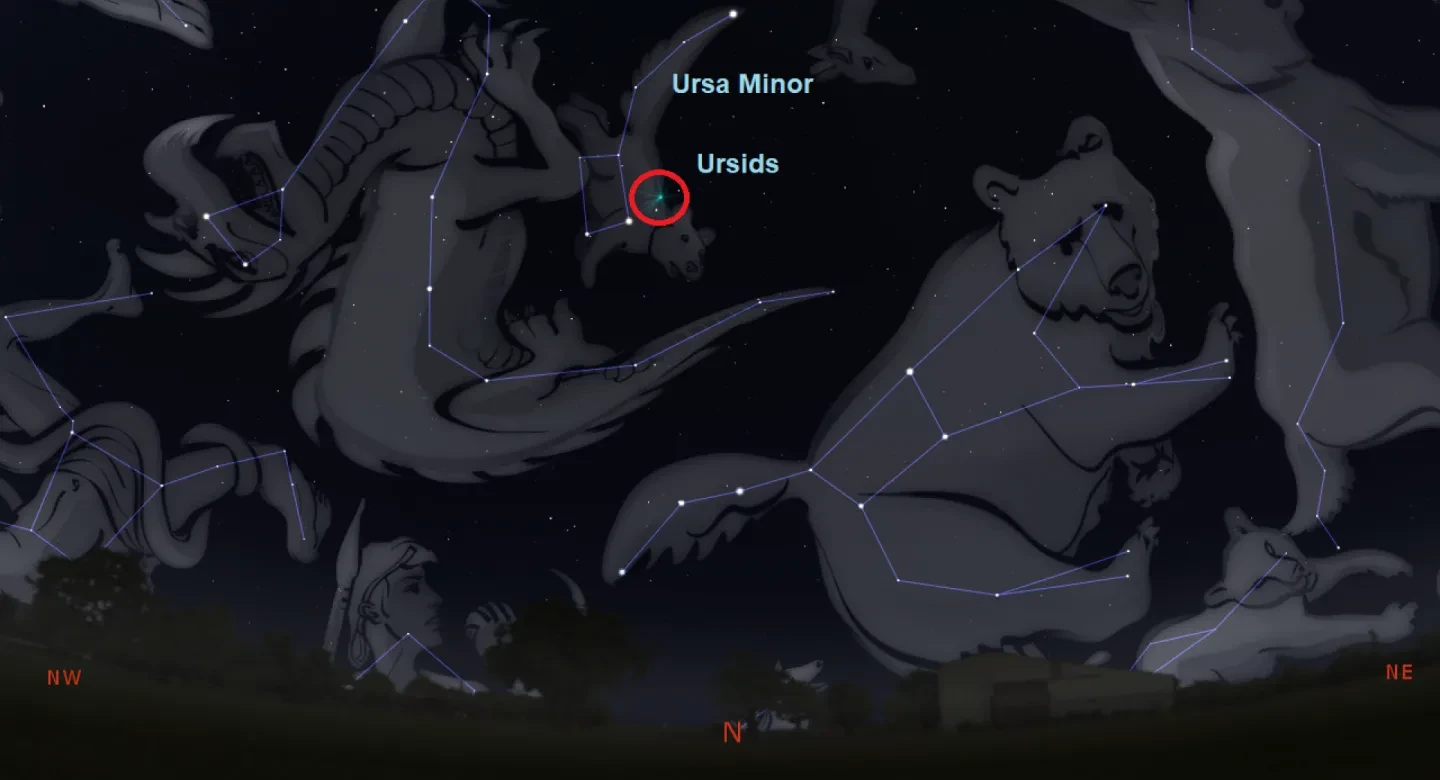
If you can’t get enough of meteors, then December is the month that keeps on giving. The Ursids are a smaller meteor shower active from 17 to 26 December, peaking on 22 December with around 5-10 meteors per hour.
Much like the Geminids, the Ursid shower is named after its radiant, Ursa Minor (little bear) - the constellation the meteors appears to come from. Although the Ursids usually show quite low activity, occasional outbursts have produced considerably higher rates than normal.
Unfortunately, observing conditions in 2026 won't be particularly favourable. The shower peaks just two days before the full Moon, meaning bright moonlight will obscure many of the fainter meteors. Try to position yourself somewhere where buildings or trees can block the Moon without obstructing your view of the rest of the sky.
One last meteor shower closes out the year: the Quadrantids are active from 28 December until 12 January, peaking on 3-4 January.
Moon phases in December 2026
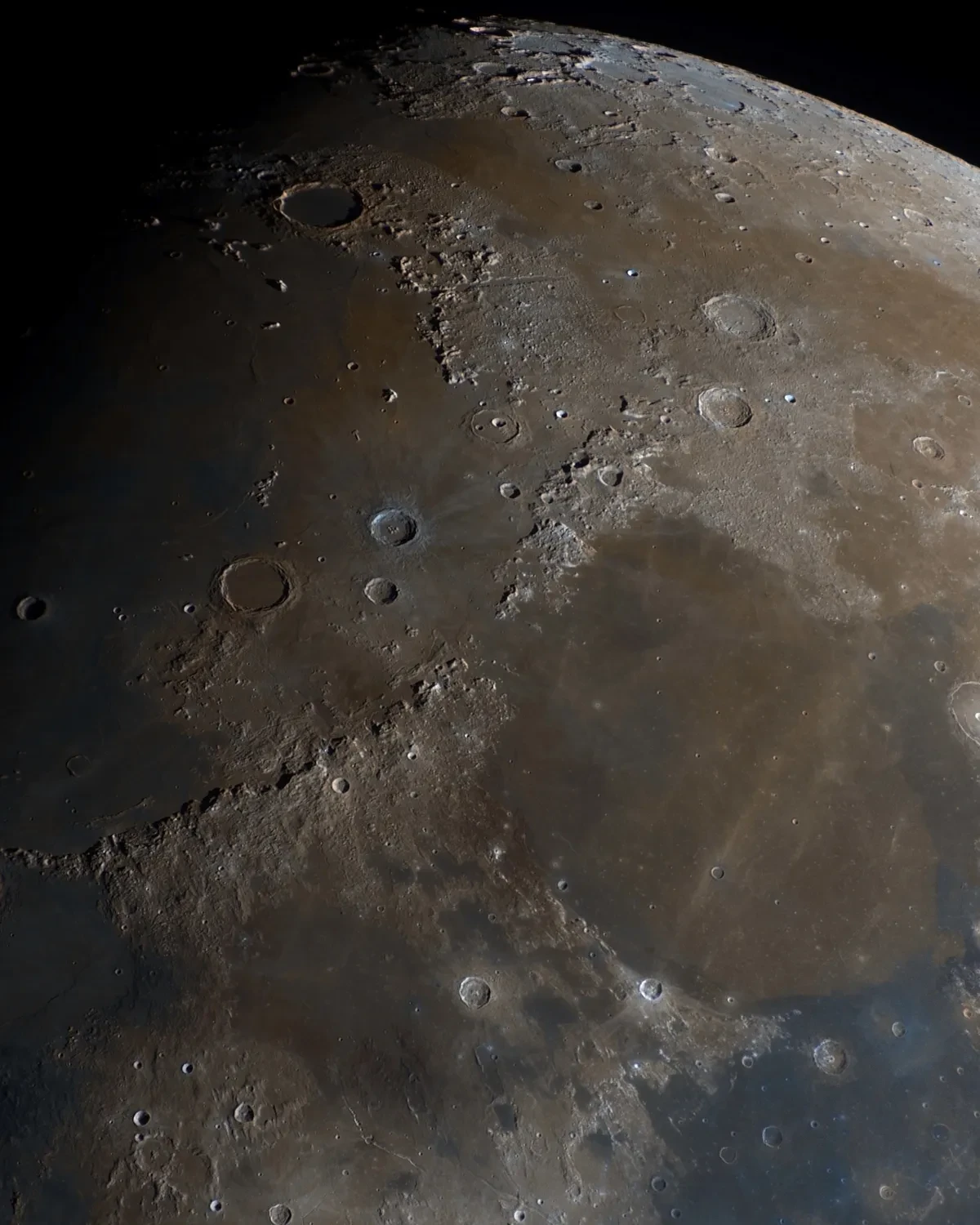
- Last quarter - 1 December (06:09)
- New moon - 9 December (00:52)
- First quarter - 17 December (05:43)
- Full moon (supermoon) - 24 December (01:28)
- Last quarter - 30 December (18:59)
Stargazing tips
When looking at faint objects such as stars, nebulae, the Milky Way and other galaxies, it is important to allow your eyes to adapt to the dark so that you can achieve better night vision.
Allow 15 minutes for your eyes to become sensitive in the dark, and remember not to look at your mobile phone or any other bright device when stargazing.
If you're using a stargazing app on your phone, switch on the red night vision mode.

The winners revealed...
Discover the out-of-this-world winning images from ZWO Astronomy Photographer of the Year 2026.
Read next
Meteor shower guide 2026 and 2027
Want to see shooting stars? Check the key dates for major meteor showers in the UK in 2026 and 2027, and how to see them in the night sky
Artemis Programme: what you need to know about NASA’s Moon missions
NASA's Artemis missions aim to land humans on the Moon again, create a lunar base, and lay the groundwork for a future trip to Mars
Full Moon calendar 2026 and 2027
Check the dates for every full Moon throughout 2026 and 2027, learn about the Moon's phases, 'supermoons' and more
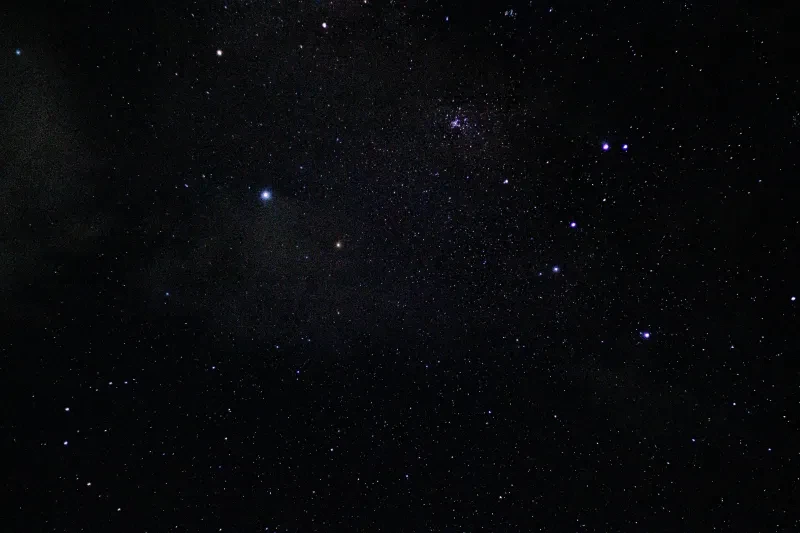
Astronomy with the naked eye
Learn what you could see in the night sky with no equipment from the Royal Observatory Greenwich; from galaxies and meteor showers to comets, star clusters, cloud formations and more

‘I think everyone benefits from being out under the night sky’
Go behind the lens with Jennifer Rogers, who was shortlisted in ZWO Astronomy Photographer of the Year 2026 with her photo of star trails above a Cornish tin mine
How could humans live on Mars?
Astronomer and author Brendan Owens examines the challenges of sending humans to Mars - and what the future holds for our study of the Red Planet
The new space race: a high-stakes competition of politics and power
Competition between the USA, China and Russia will have consequences for all of us here on Earth. But how is this 21st century space race different to the last one?


Header image: The Christmas Tree Star Cluster © Jiang Wu - shortlisted in Astronomy Photographer of the Year 2023