
For Devon-based Jennifer Rogers, astrophotography offers a valuable opportunity to unplug from the modern world and connect to the rugged beauty, nature and wildlife of the South West Coast Path at night.
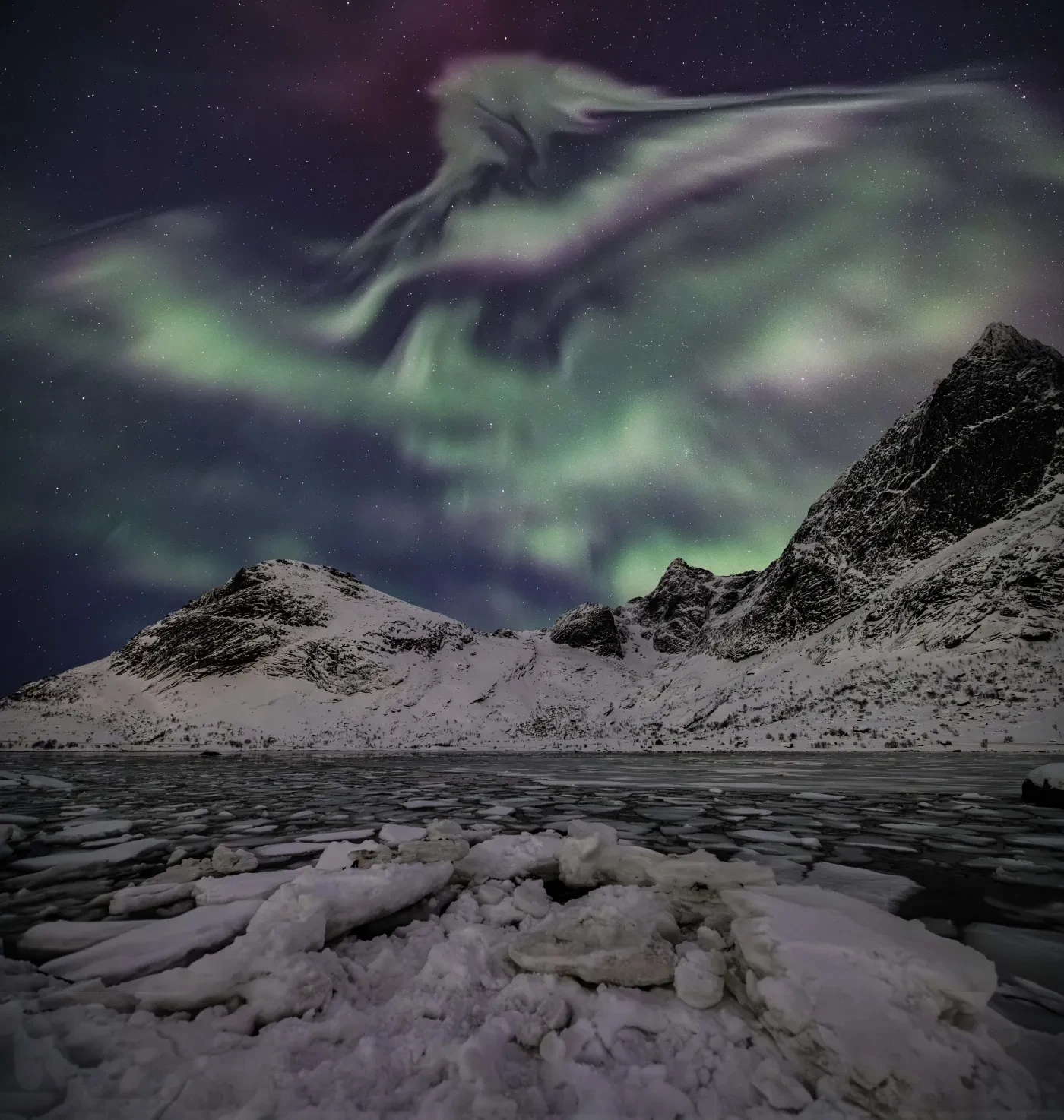
Jennifer was shortlisted in ZWO Astronomy Photographer of the Year 2026 twice with two rather different photos; one depicting star trails circling above a Cornish tin mine, and one of an eagle-shaped aurora flying over a snowy Norwegian landscape.
Learn more about Jennifer, how she took her star trails photo Vortex, and how astrophotography gives her a valuable sense of freedom, adventure and peace.
Image

Vortex
By Jennifer Rogers
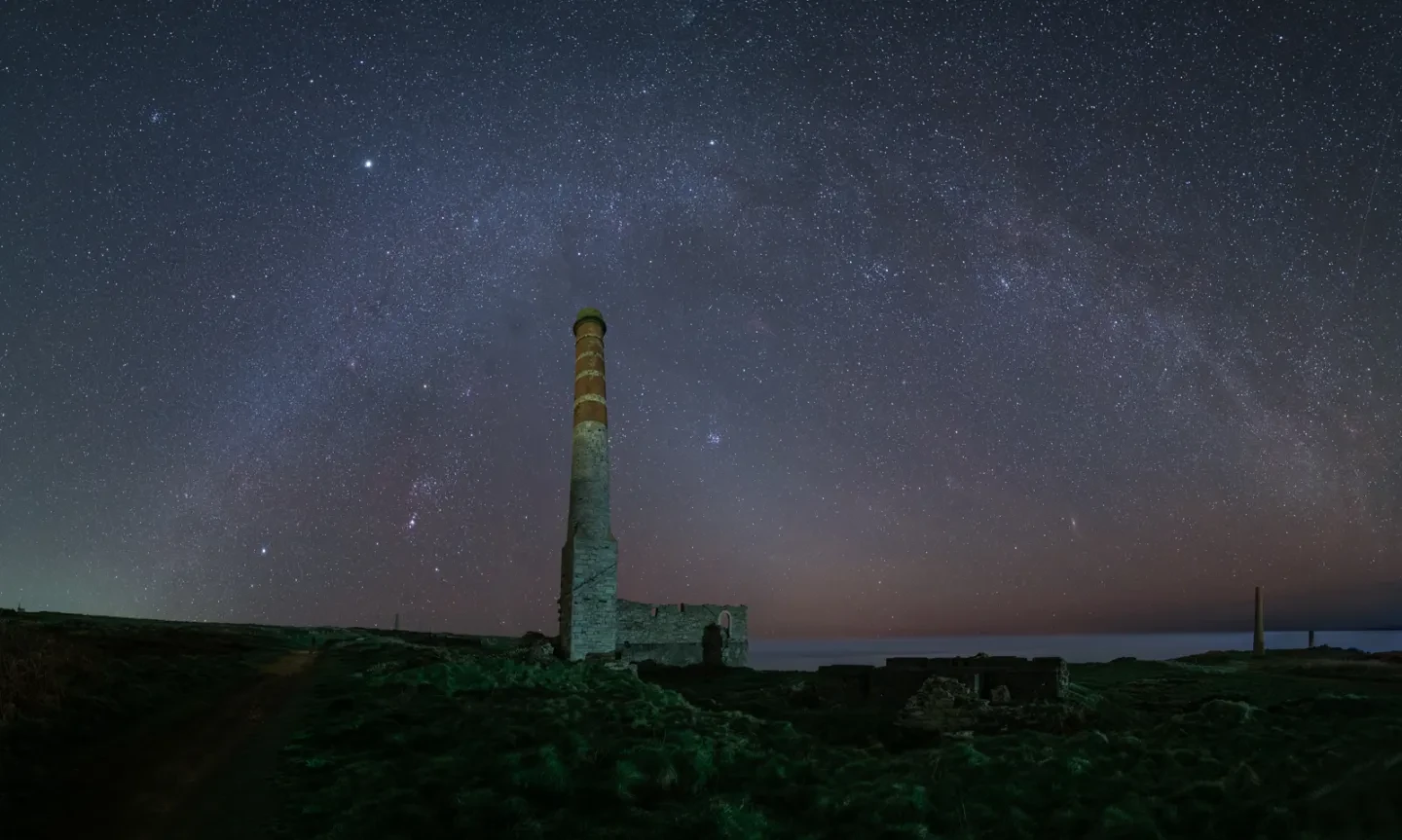
"This image of a star trail aligned with the chimney of the former tin mine Wheal Owles was taken on a cold night in February. I took some time to position Polaris directly above the chimney in my composition. I then set up my intervalometer [automatic shutter release] and took a series of frames that were stacked in Photoshop to create the star trail. I really like the vortex effect it creates. I did a little light painting with a light I placed inside the mine and then blended this with the stacked star trail to add some life to the image."
How did you get into astrophotography?
My husband Seb first sparked my interest in the night sky when we were travelling in Australia and we used to sit out under the stars with a pair of his binoculars, looking up and picking out all the constellations.
He's extremely supportive of me coming out to shoot the night sky and he's come on many adventures with me. Either that or he's looking after our daughter Christina.
I'm a member of Barnstable Camera Club and in 2018 Stephen Banks, who calls himself the Dorset Scouser, came to do a talk. He takes astro images in Dorset and I thought his images were absolutely stunning. I thought ‘I want to try that!’
So that's when I started going out with my pal Jane Kearney whenever there was a clear night to take either star trails or photos of the Milky Way.
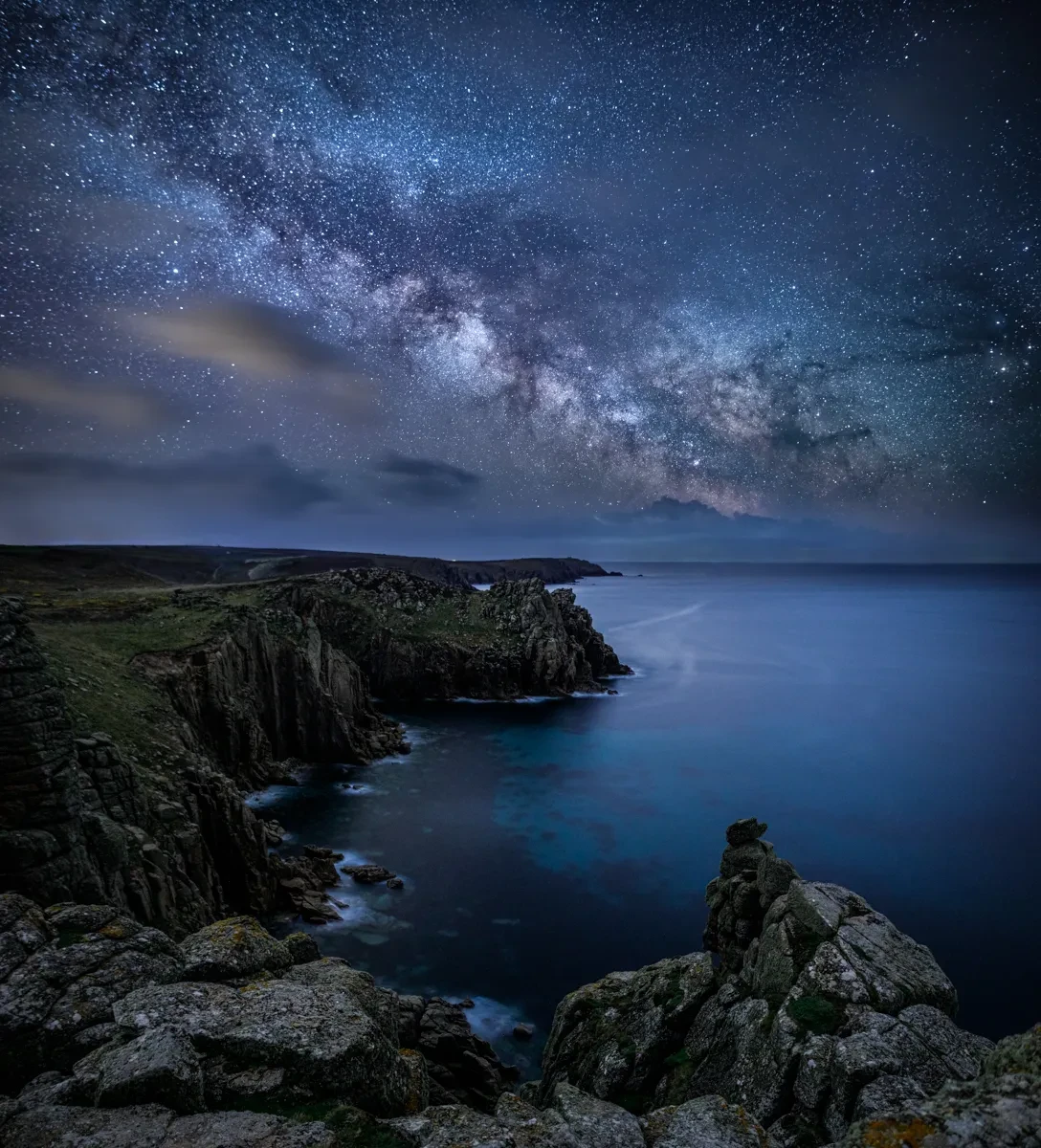
Image
What do you enjoy most about astrophotography?
I think everyone benefits from being out under the night sky. It's so beautiful to stand out under the stars and look up.
It's very calming, especially when you're in a beautiful place like the coast path.
We're based in North Devon and I work part-time, so two or three days a week I'm out on the coast path. I have a real love of wild places, and being on the cliffs or the beach is my happy place.
Seb and I have kayaks and we paddle a lot of the coastline. We like to explore it from below as well and find small beaches and remote places and caves. To me, the southwest is just a giant playground of fantastic wild places to explore.
It's also about coming to these amazing places often when there's nobody else around and just experiencing them.
You see all kinds of wildlife out at night that you wouldn't see out in the daytime. We see deer, badgers, hedgehogs, foxes, rabbits...
When I'm out with my camera, I'm immersed in astrophotography. I'm not thinking about anything else. I'm just there with my camera looking at the night sky, lining up the shot and just existing rather than rushing from one thing to the next. It's wonderful.
Image
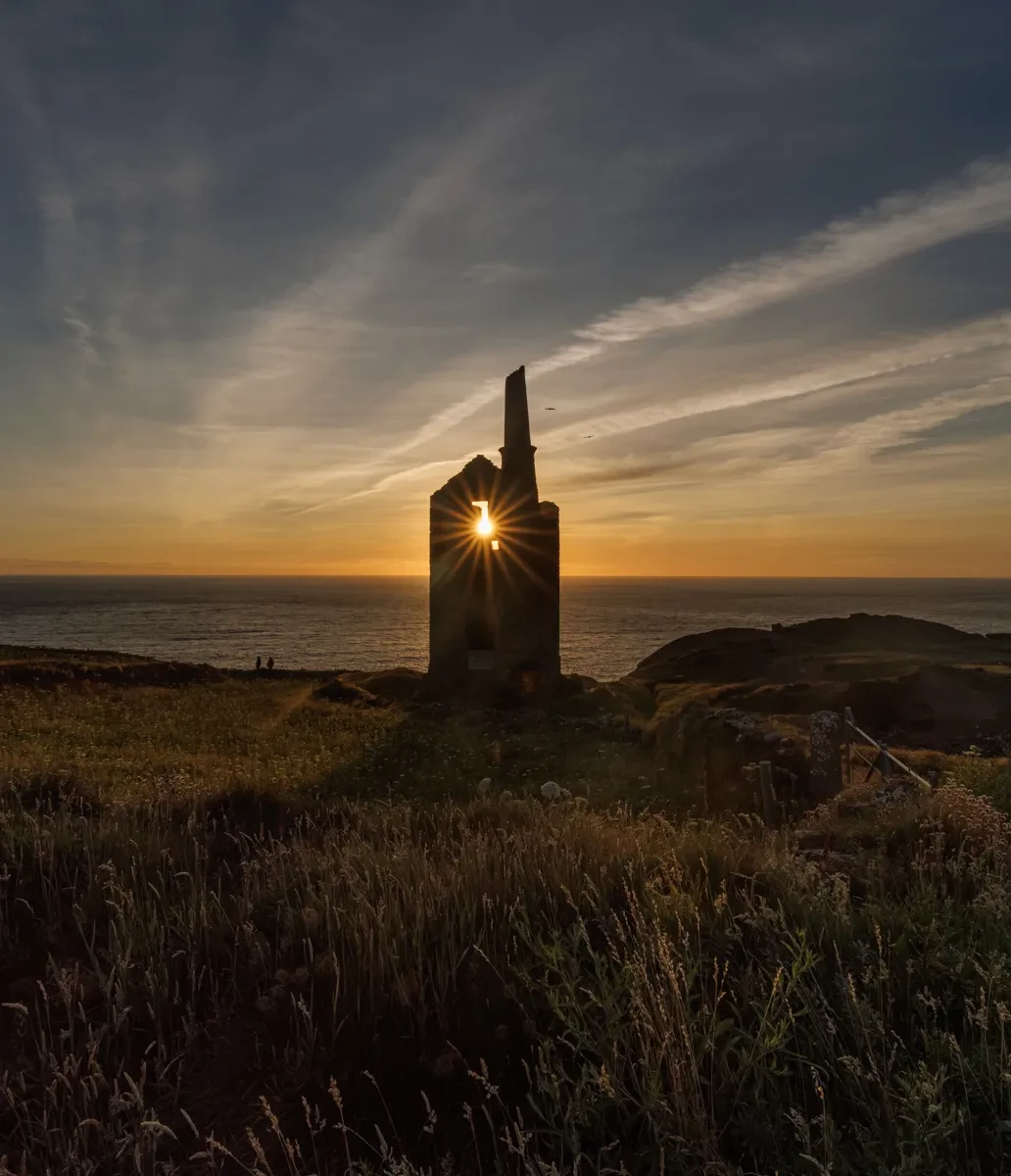
How did you pick the location for your photo Vortex?
The reason I chose Wheal Owles tin mine is its setting here on the dramatic cliffs at Botallack. We come and stay in Pendeen several times a year and I’ve shot the tin mines in all conditions, it's a location I keep returning to. I’d also seen inspirational photographs from local photographers such as Stu Cornell.
It's a fantastic location and an area of very important local history. It's extremely photogenic, but it's also very tragic. It was a site of a mining accident back in 1893, where 20 miners lost their lives when they drilled into a disused mine and it flooded.
Wheal Owles is perfect for star trails because it has a chimney that faces north and aligns with Polaris, which allowed me to create this shot. It also has three windows which I knew would light up well from the inside
How did you take Vortex?
Vortex captures Earth's rotation over a 71-minute period, where the stars are recorded as trails.
I aligned the mine’s chimney with Polaris and I named it Vortex because you've got that circular effect of the star trails around the North Pole.
I used a Canon DSLR camera with a very wide-angle lens at 14 millimetres because I wanted to get as much of the night sky above the mine as possible.
I put my tripod really low to the ground and my camera in portrait position and then I angled it up to get as much of the sky as possible while still including the mine and the chimney.
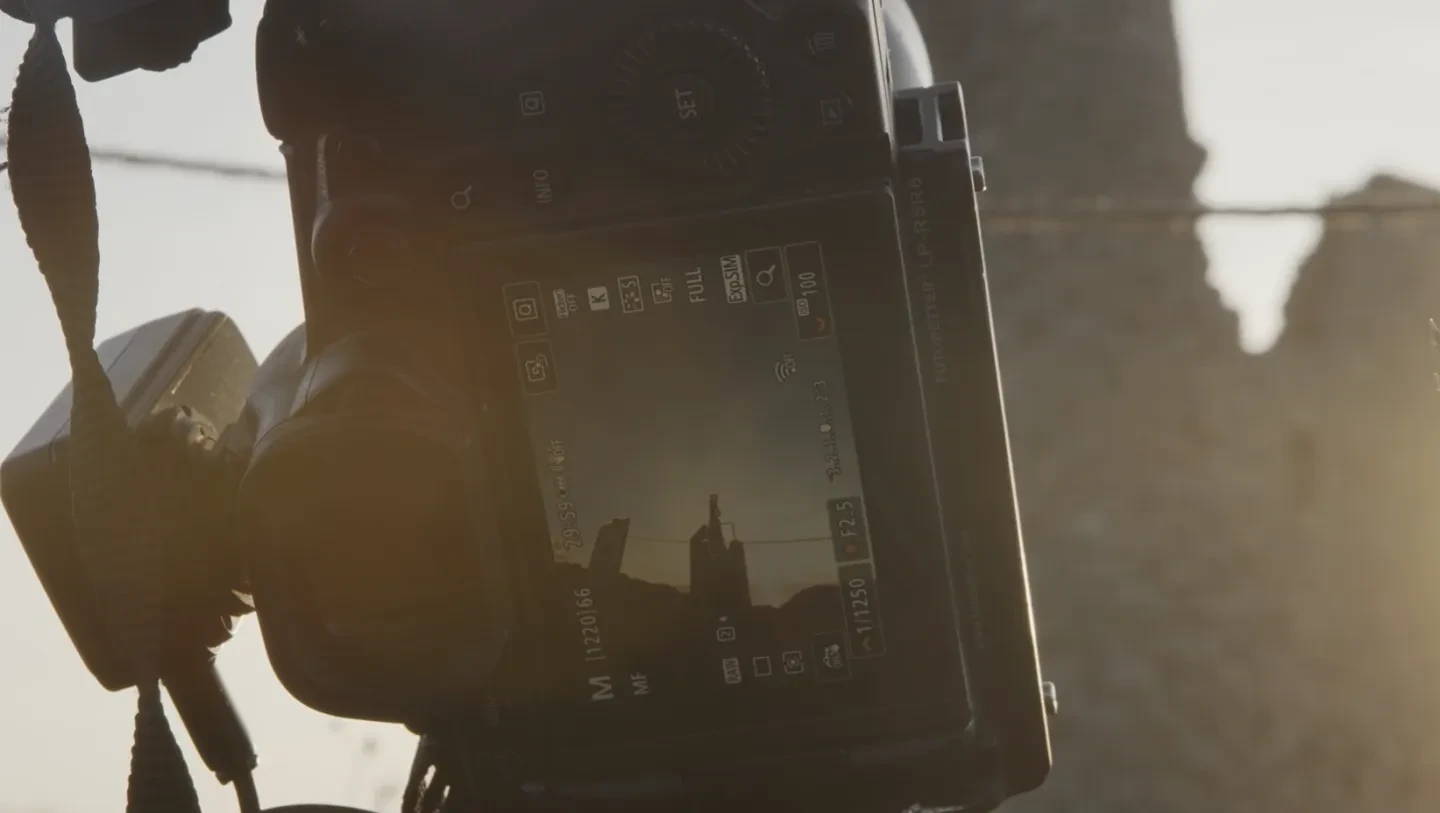
I took 71 lots of one-minute exposures, and I did it that way rather than having the shutter open for 71 minutes because the camera would overheat.
I used something called an intervalometer, which allows me to release the shutter repeatedly for one minute at a time. I did consecutive shots with an interval of one or two seconds between them.
The one-minute exposures were then all stacked in Photoshop to create the star trail effect. I then blended this with a separate shot that I took afterwards, another one-minute exposure with a lantern inside the mine.
What advice would you give to people thinking of taking up astrophotography?
Just go out and have a go; take your phone, put it into night mode and it will take an exposure of the night sky. See what you can see.
You'll see amazing constellations, you'll see planets, and if you're really lucky, whilst we're at solar maximum, you might see some aurora as well if you look north.
You need a dark place away from buildings, lights and cities, so it's a reason to really go and immerse yourself in wild places.
It's also an opportunity to be by yourself or with a small group of people and really experience the space and time of just being, rather than being busy.
What would you like people to get from the image?
I'd like people to take away with them a sense of movement. We're part of this amazing Milky Way galaxy, we're going around the Sun, we're on a planet that's rotating every 24 hours.
Vortex is all about our movement past the stars.
You can follow Jennifer on Instagram or visit her website.
1 / 3
Eagle Aurora by Jennifer Rogers
Jennifer was also shortlisted in the Aurorae category of Astronomy Photographer of the Year 2026 with Eagle Aurora.
She says, "This image captured an incredible aurora over the mountain peaks at Flakstadpollen in the Lofoten islands. I had already been out on the beach for two hours but decided to go out once more. I had seen this bay full of ice earlier in the day and wanted to find it again at night. An adventure ensued as I scrambled down a snowy path in the dark, leapt over a stream and ended up knee-deep in snow on the edge of the fjord.
"When I had set up my camera, I looked up to see the aurora pulsing across the sky, moving very quickly and creating great shapes. I shortened my shutter speed to capture the movement. I can see the shape of an eagle here, spreading its wings over the mountains. I sat alone and watched the aurora for two hours – it was a wonderful experience."
2 / 3
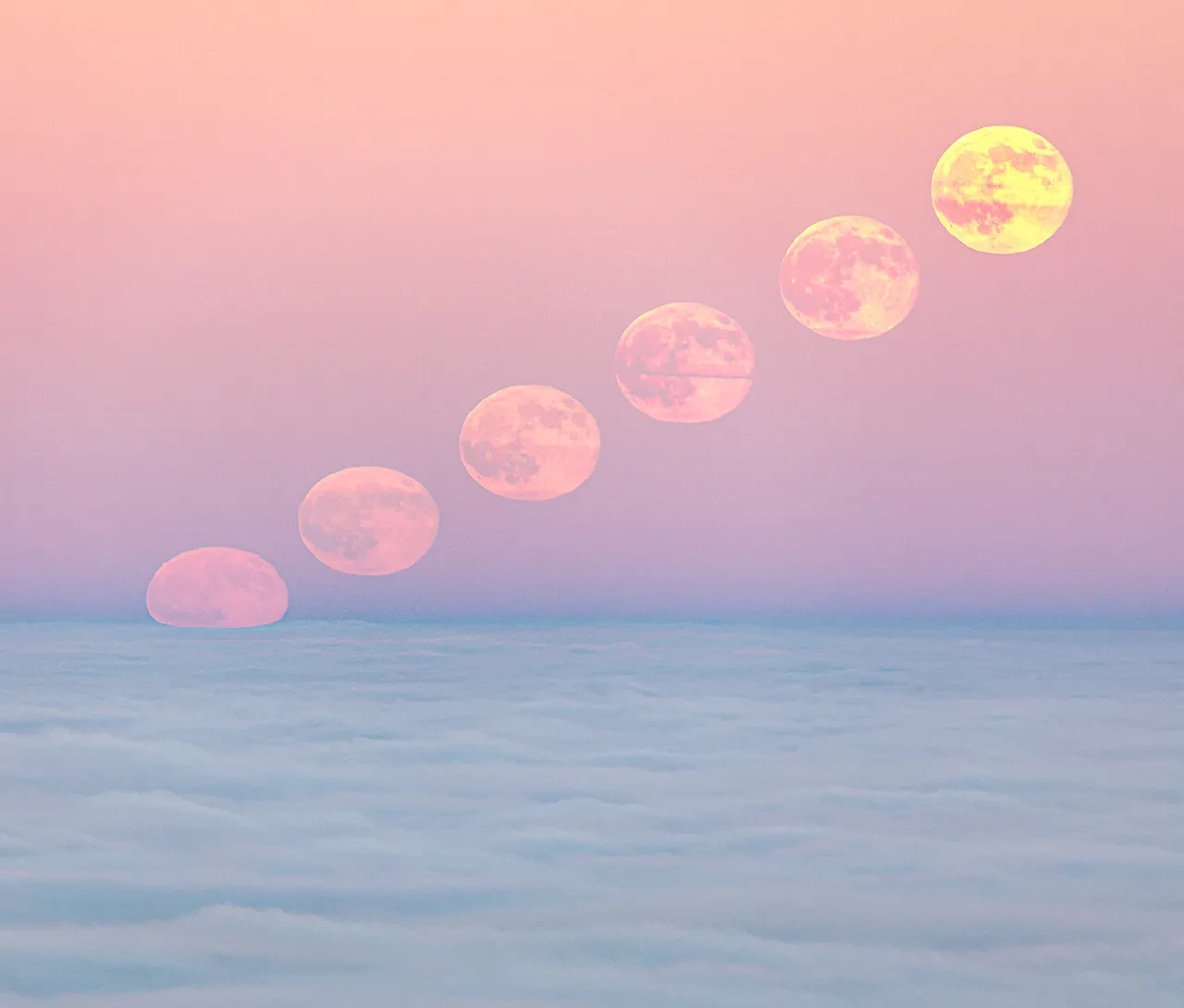
Moonrise Over Cloud Inversion
Shortlisted in Astronomy Photographer of the Year 2022
3 / 3
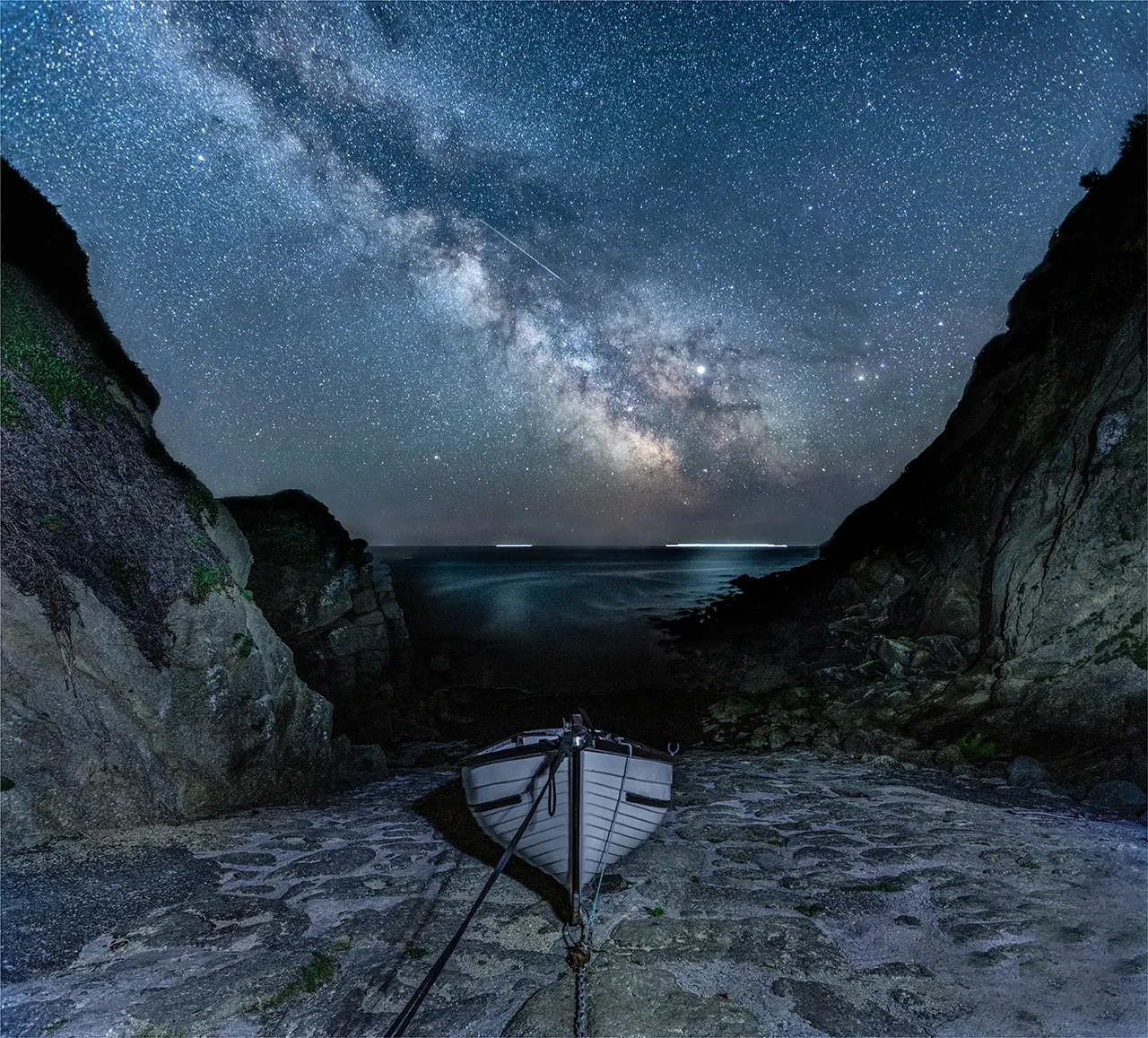
Milky Way and Meteor at Porthgwarra
Shortlisted in Astronomy Photographer of the Year 2020

See out-of-this-world space photography
Glittering stars, shimmering galaxies, fiery suns and silver moons – wherever you are in the Universe, don't miss ZWO Astronomy Photographer of the Year 2026.
Shop the exhibition


Explore the winning and shortlisted images
ZWO Astronomy Photographer of the Year 2026 winners
Take a look at the winning images in the world's biggest space photography competition
Skyscapes 2026 – ZWO Astronomy Photographer of the Year
See the stunning winning and shortlisted images in the ZWO Astronomy Photographer of the Year 2026 Skyscapes category
Our Sun 2026 – ZWO Astronomy Photographer of the Year
See the stunning winning and shortlisted images in the ZWO Astronomy Photographer of the Year 2026 Our Sun category
Galaxies 2026 – ZWO Astronomy Photographer of the Year
See the stunning winning and shortlisted images in the ZWO Astronomy Photographer of the Year 2026 Galaxies category
Our Moon 2026 – ZWO Astronomy Photographer of the Year
See the stunning winning and shortlisted images in the ZWO Astronomy Photographer of the Year 2026 Our Moon category
Aurorae 2026 – ZWO Astronomy Photographer of the Year
See the stunning winning and shortlisted images in the ZWO Astronomy Photographer of the Year 2026 Aurorae category
Planets, Comets and Asteroids 2026 – ZWO Astronomy Photographer of the Year
See the stunning winning and shortlisted images in the ZWO Astronomy Photographer of the Year 2026 Planets, Comets and Asteroids category

People and Space 2026 – ZWO Astronomy Photographer of the Year
See the stunning winning and shortlisted images in the ZWO Astronomy Photographer of the Year 2026 People and Space category
Stars and Nebulae 2026 – ZWO Astronomy Photographer of the Year
See the stunning winning and shortlisted images in the ZWO Astronomy Photographer of the Year 2026 Stars and Nebulae category
Best Newcomer 2026 – ZWO Astronomy Photographer of the Year
See the stunning winning and shortlisted images in the ZWO Astronomy Photographer of the Year 2026 Best Newcomer category
Annie Maunder Open Category 2026 – ZWO Astronomy Photographer of the Year
See the stunning winning and shortlisted images in the ZWO Astronomy Photographer of the Year 2026 Annie Maunder Open Category
Young Competition 2026 – ZWO Astronomy Photographer of the Year
See the stunning winning and shortlisted images in the ZWO Astronomy Photographer of the Year 2026 Young Competition
Find more stories from ZWO Astronomy Photographer of the Year

Photographing a deep-space shark from the Kuwait desert
Explore Ali Alobaidly’s incredibly detailed photo of the Shark Nebula, which was crowned the winner of ZWO Astronomy Photographer of the Year 2026
Billions of stars, one winning photograph: the core of Andromeda
A trio of photographers from China won the ZWO Astronomy Photographer of the Year 2025 competition with a breathtaking image of the core of the Andromeda Galaxy
Earth and space through an astronaut's lens
Discover how NASA astronaut Don Pettit takes out-of-this-world photographs from the unique and constantly moving vantage point of the International Space Station
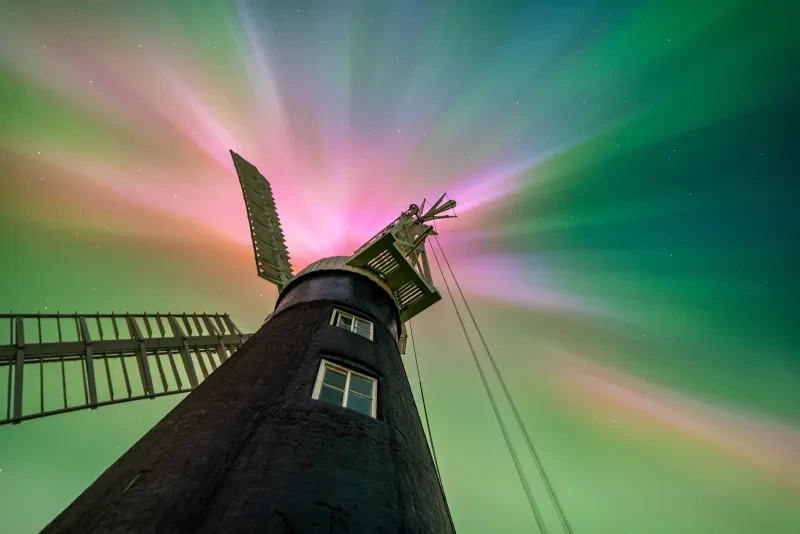
A rare spectacle: photographing the aurora in England
An incredibly strong solar storm in May 2024 made the aurora visible across the UK. Astrophotographer Darren Flinders seized this once-in-a-lifetime opportunity
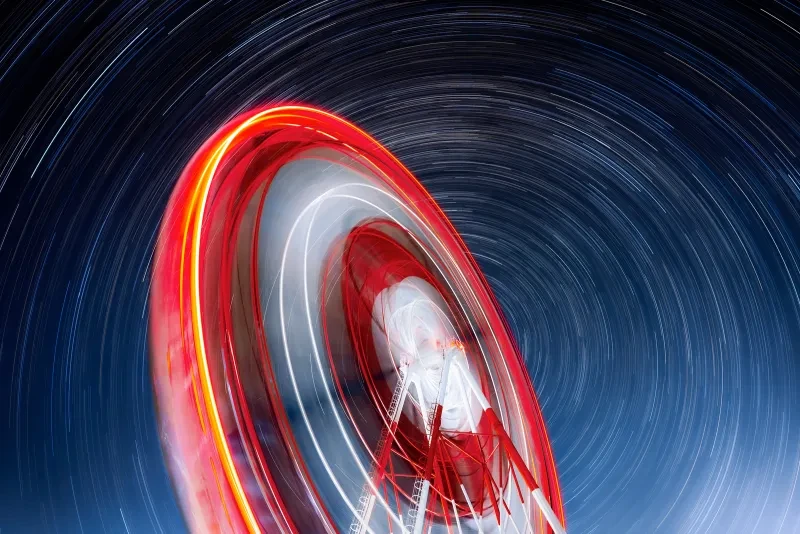
'Observing the Universe reveals how small yet precious we are'
An accident led Takanobu Kurosaki to rediscover life’s beauty and fall in love with astrophotography. Explore his image shortlisted in ZWO Astronomy Photographer of the Year 2025
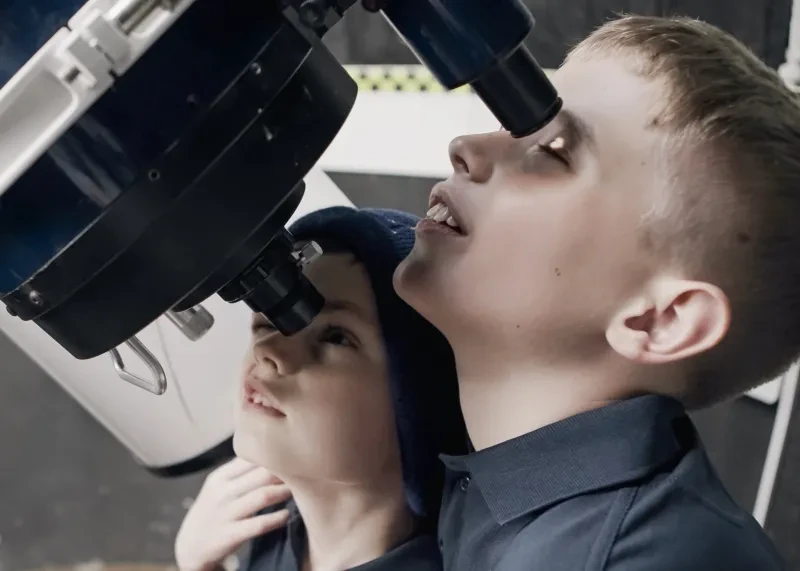
A stellar duo: two young astrophotographers shooting for the stars
Meet the youngest entrants in Astronomy Photographer of the Year 2024: brothers Benjamin and Joshua Lawler
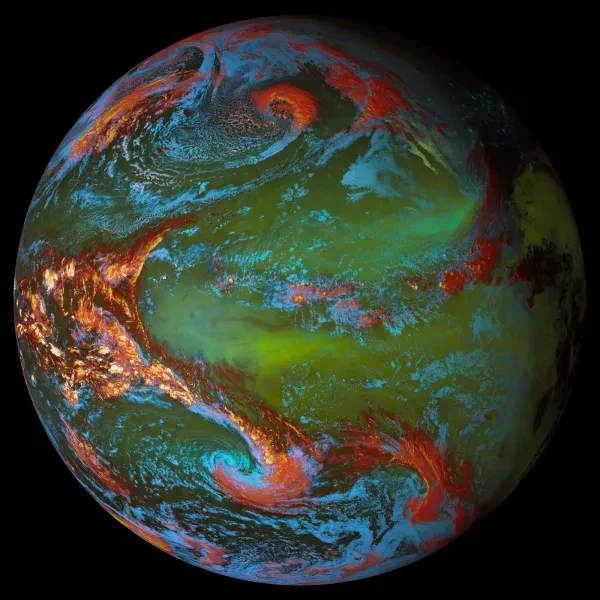
Anatomy of a habitable planet: Earth as you've never seen it before
Sergio Díaz Ruiz uses satellite imagery to explore climate change by creating an image of Earth as it might be analysed by a distant alien civilisation
Beads of sunlight: photographing an annular solar eclipse
Ryan Imperio's spellbinding image of our Sun earned him the top prize in Astronomy Photographer of the Year 2024
'Out with the camera, my senses are heightened' – behind the lens with Paul Haworth
Discover the vibrant nocturnal world of East Anglian astrophotographer Paul Haworth, shortlisted in 2024's Astronomy Photographer of the Year competition
Behind the lens with Monika Deviat
Dancer, educator, heavy metal fan and astrophotographer, discover more about the Aurorae winner of Astronomy Photographer of the Year 2023
Seeing the sound of a black hole: the story of Black Echo
How do you picture something that is invisible and inaudible to humans? Artist and photographer John White has the answer
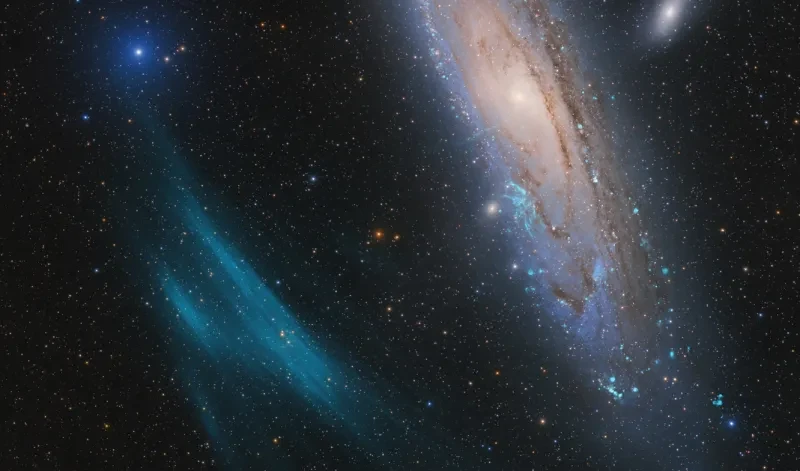
Andromeda, Unexpected - how three amateur astronomers and astrophotographers changed our view of the Universe
Learn about the brand-new discovery that earned Marcel Drechsler, Xavier Strottner and Yann Sainty the title of Astronomy Photographer of the Year – and a place in the science books