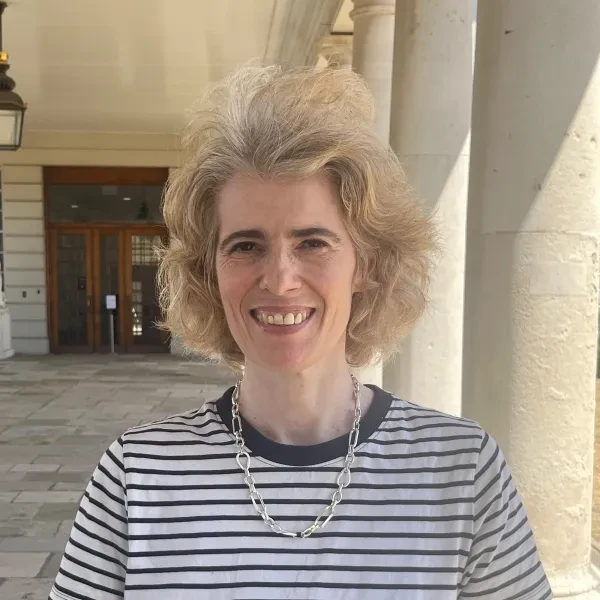
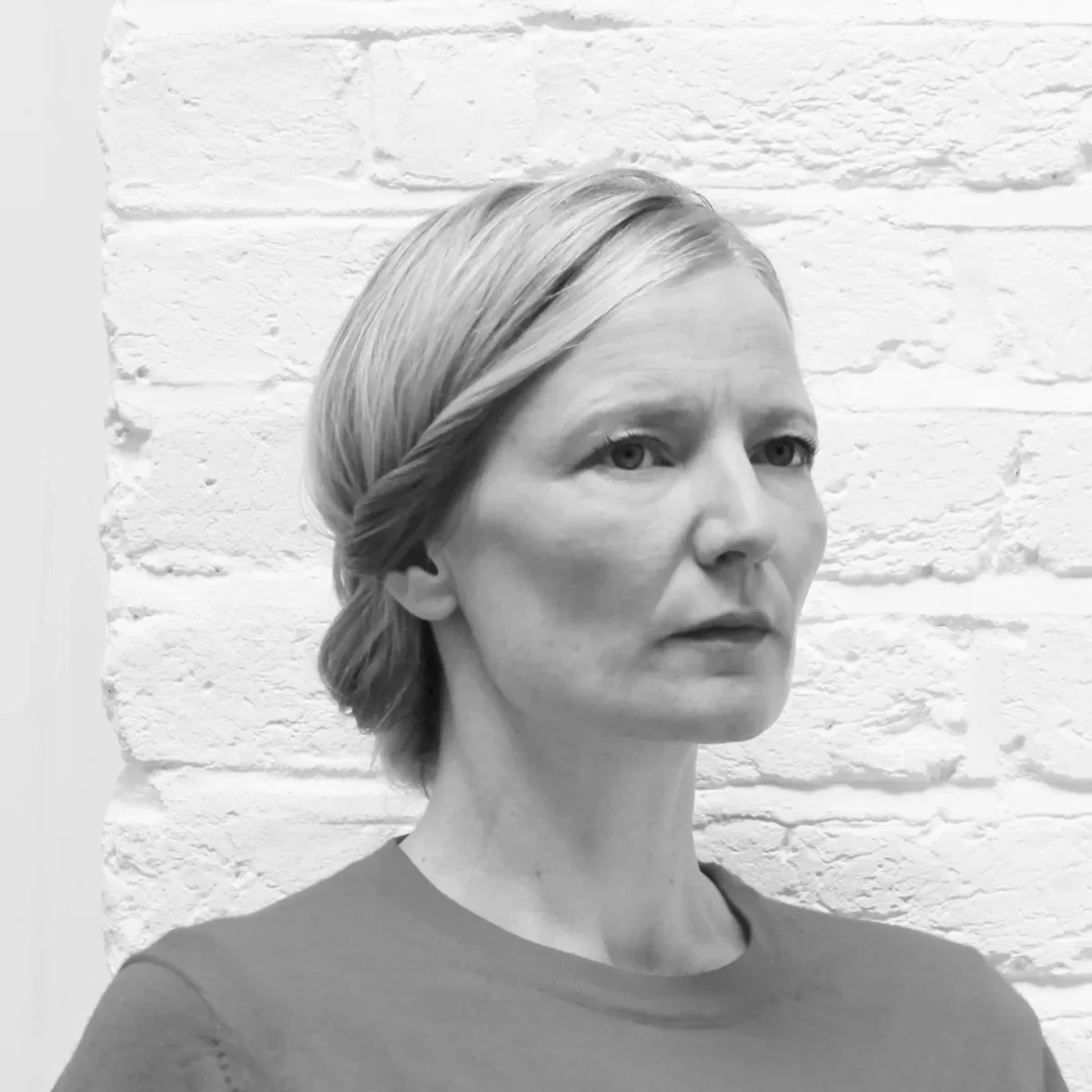
How do you turn complex astronomical concepts into engaging outdoor exhibits for visitors? This is a question that has been at the forefront of Gitta Gschwendtner's mind.
An exhibition, installation and furniture designer, Gschwendtner is known for her narrative-led designs, which weave together fun, functionality – and a dose of humour.
Her latest project is a series of interactive displays and signage for the Royal Observatory's grounds, as part of the First Light project. This landmark endeavour marks 350 years of the scientific institution, and will see the site transformed with new galleries, displays and interactives in spring 2028, alongside innovative architecture, conservation and landscaping.
Gschwendtner is no stranger to large-scale initiatives like this, with previous clients including the V&A, the National Trust and the Natural History Museum. From hidden details to astronomical sculptures, she explains why First Light is a project she’s particularly excited about.
What were your first impressions of the Royal Observatory?
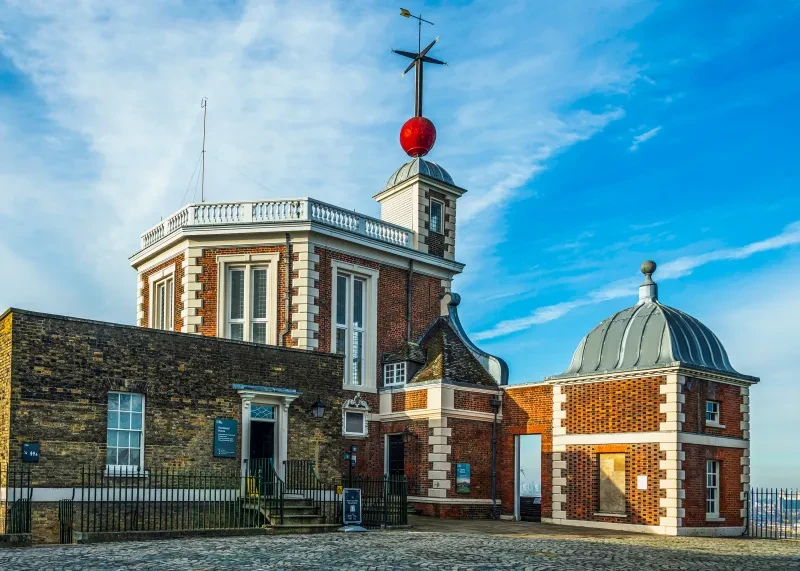
I really liked its quirkiness. It's a prestigious site that has quite a random collection of scientific buildings, each with their own story. There's something nice about working on a site that has a narrative attached to it, so I’ve been very interested in the stories that are here and thinking about what can be added or enhanced.

After my initial visit, I created mood boards which had examples of artists, materials and landscapes that I found inspiring. I then started sketching up ideas on paper and on the computer. It's been fun to work with the architects, landscape architects and the curatorial teams at Royal Museums Greenwich to bounce ideas back and forth, and to pull together the key stories we want to share with visitors.
Image
Can you give an insight into the work you’re doing for the First Light project?
I'm involved in designing the installations and sculptures that visitors will encounter in the grounds of the Royal Observatory. These help to explain astronomical concepts and ideas, which are then explored in-depth inside the buildings.
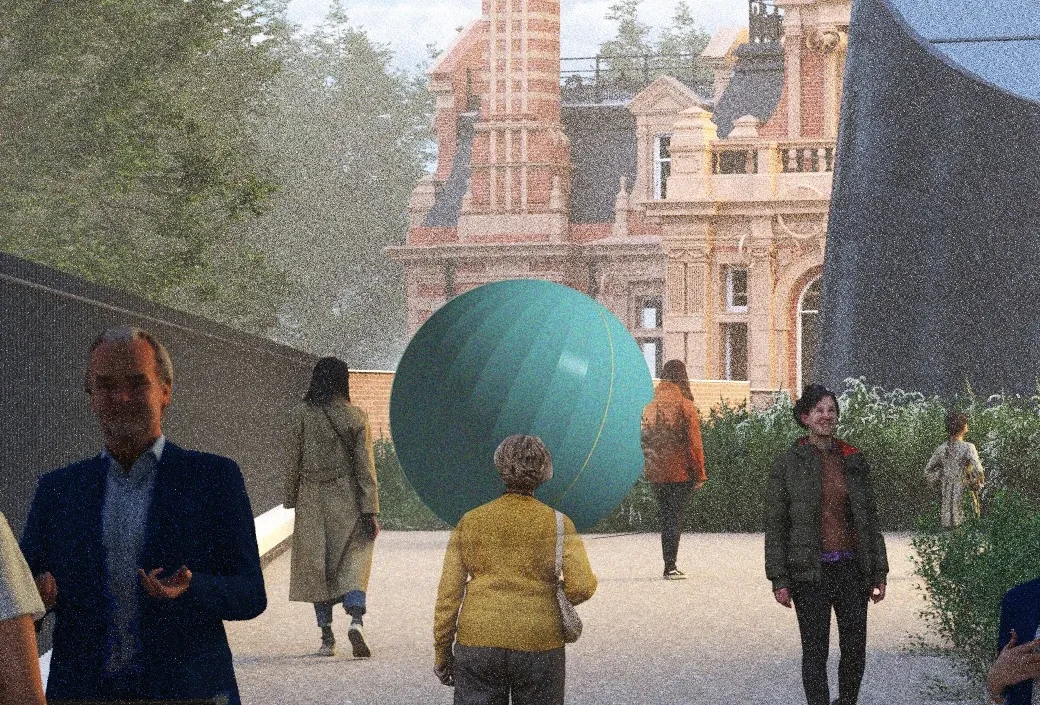
For example, we have a large installation of a 3D Earth on its axis, which visitors are invited to touch and spin. It’s a simple idea, but it highlights how the rotation of the Earth causes day and night, why we have time and hours – which are fundamental to our experience on Earth – and puts this concept at the forefront of visitors’ minds.
The installation will also feature a Prime Meridian Line that extends around the world. This not only references the Prime Meridian Line that visitors will see in the Meridian Courtyard but introduces the history of time measurement.
It’s a real honour to be involved in redesigning the Prime Meridian Line in collaboration with graphic design studio Kellenberger-White, casting it in brass to make it shiny and sculptural. We’re going to work on the paving that surrounds the line, to make it a flatter, more accessible surface.

Another key aspect of the project I’m involved with is wayfinding – signage that tells visitors where to go, and where to find certain things. I’ve been working closely with Kellenberger-White and our team of architects and landscape architects to make sure the graphic language of the site is unified, elegant and contemporary, but also works with the historic elements.
As the Royal Observatory is within the UNESCO World Heritage Site of Maritime Greenwich, we have to be very sensitive to the historic fabric that's there already. The visual impact needs to be considered, and the new materials need to chime with the existing landscape.
You’re known for incorporating fun into your designs. What are some of the playful elements for visitors to discover?
I think it’s great to have a bit of humour, and to engage people in a tactile way. Around the Royal Observatory, there will be hidden details for visitors to find.
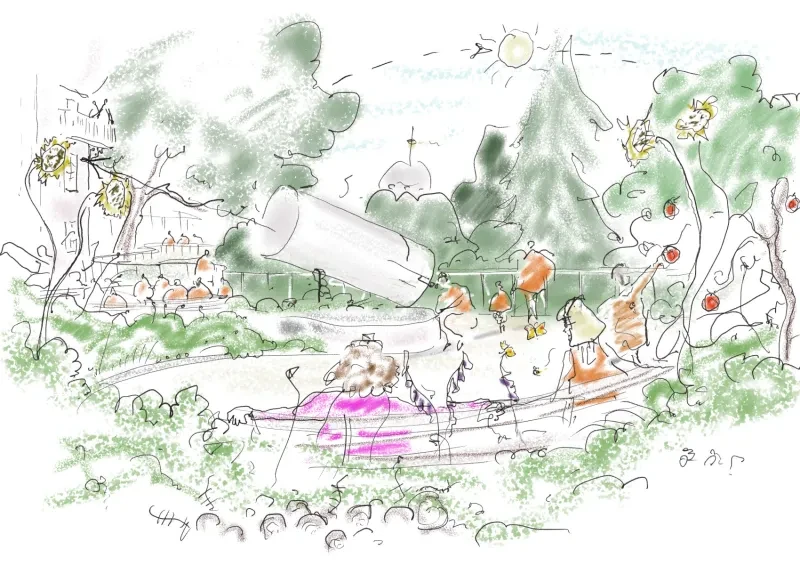
On the handrail that guides people around the site, there are little brass bees – a nod to Astronomer Royal Sir George Biddell Airy, who kept bees within the grounds. There is also a brass apple to find, to reference Isaac Newton’s discovery of gravity. These give visitors an insight into the stories and people connected with the Royal Observatory – and the wider scientific developments that have occurred over its history – in a playful manner.
Another element I’m going to install is a human sundial. A person stands at a specific position depending on the month of the year, and their shadow then becomes the marker to tell the time. It should be really fun for visitors to have this physical experience, which will help them to understand the passage of time.
Image
How do you want visitors to feel after exploring the transformed Royal Observatory?
Visitors come with all sorts of expectations and reasons for visiting, but I hope their curiosity will be sparked. As well as taking their pictures on the Prime Meridian Line, I hope they’re inspired to engage with astronomical concepts too.
I can't believe I’m going to be part of this landmark development. It's an honour to be working on this prestigious site – and to think that my designs will be part of its incredible history.
Discover more