

Every so often, there are projects that feel particularly monumental, explains landscape architect James Fox. The First Light redevelopment project at the Royal Observatory is one of them.
The founder of FFLO, a landscape design company that specialises in sensitive historic landscapes, gardens and public spaces, Fox has worked on projects including the redevelopment of Kensington Palace’s gardens, and the creation of a new park in Exchange Square, City of London.
His work on the First Light project will provide a fresh approach to the Royal Observatory’s landscaping. A handrail will guide the visitor's journey across the site, taking in garden enclosures, terraces and installations, offering space for enjoyment and reflection. Creative planting will also reference aspects of the Observatory's history and scientific endeavours.
For Fox, this project is especially personal, with memories of taking his son to the Observatory to feel the 4.5-billion-year-old meteorite on display. First Light will see the site transformed with innovative architecture, conservation and landscaping, along with new galleries, displays and interactives.
Here, Fox shares what's involved in designing a landscape that celebrates the history and individuality of the Royal Observatory's buildings and landmarks.
Image
What attracted you to the First Light project?
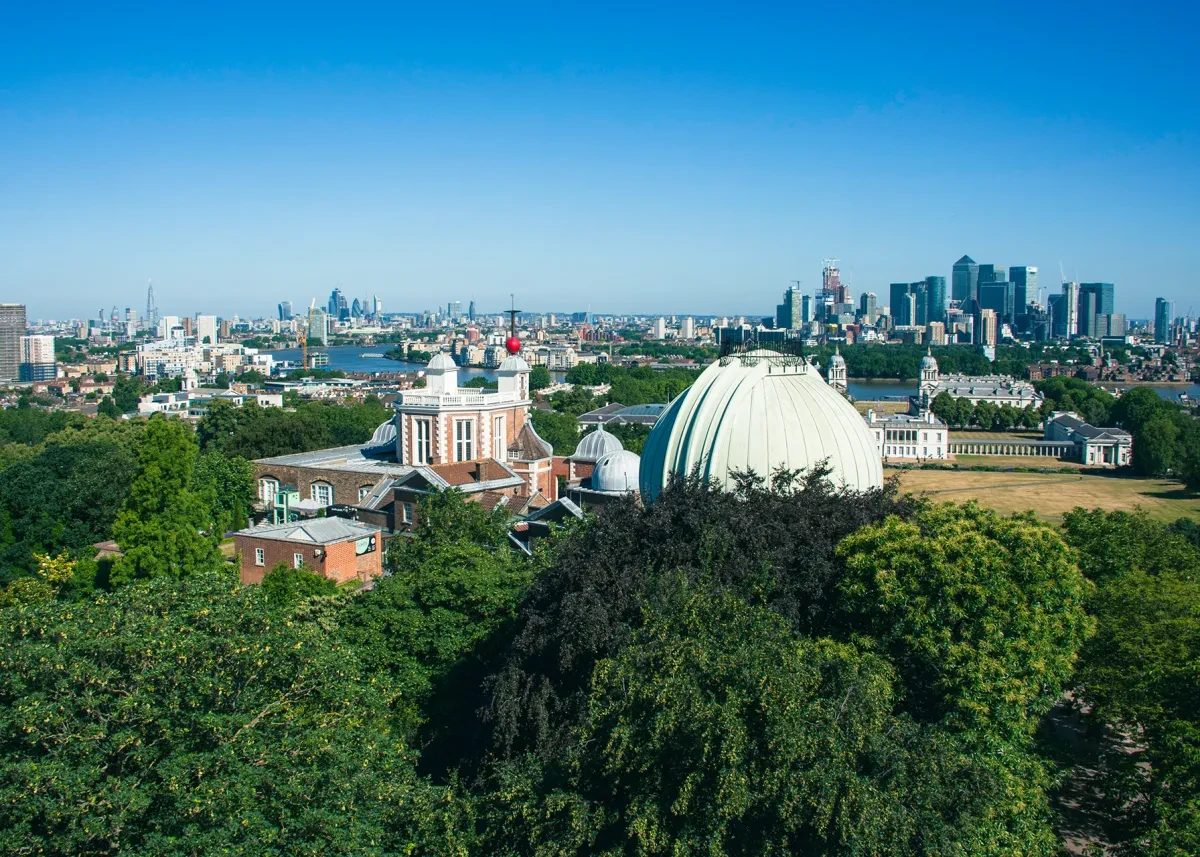
The Royal Observatory is a brilliant place. There's not only the magic of the site itself and its relationship to London, the Thames and the sea, but its setting within Greenwich Park. People have been living on this ridge line for thousands of years: if you look across to the west of the park, you can see hummocks made by Stone Age people, and if you look east, you can see the site of a Roman temple. It’s a place where people have enjoyed living and working.
The First Light project is very exciting because nobody has ever designed the landscape of the Royal Observatory. It’s a very practical landscape: Flamsteed House was built first, and then when new technological advancements were made, buildings were constructed to house the new instruments. There was no logic to the design, except the buildings had to face north-south. This is an incredible opportunity to design a landscape at the Royal Observatory that makes sense of these wonderful buildings, placing them in a logical sequence and a delightful, planted setting.
How will the surroundings of the Royal Observatory be transformed?
One of the challenges with the current layout of the Royal Observatory is that there isn’t a clear route for visitors to navigate.
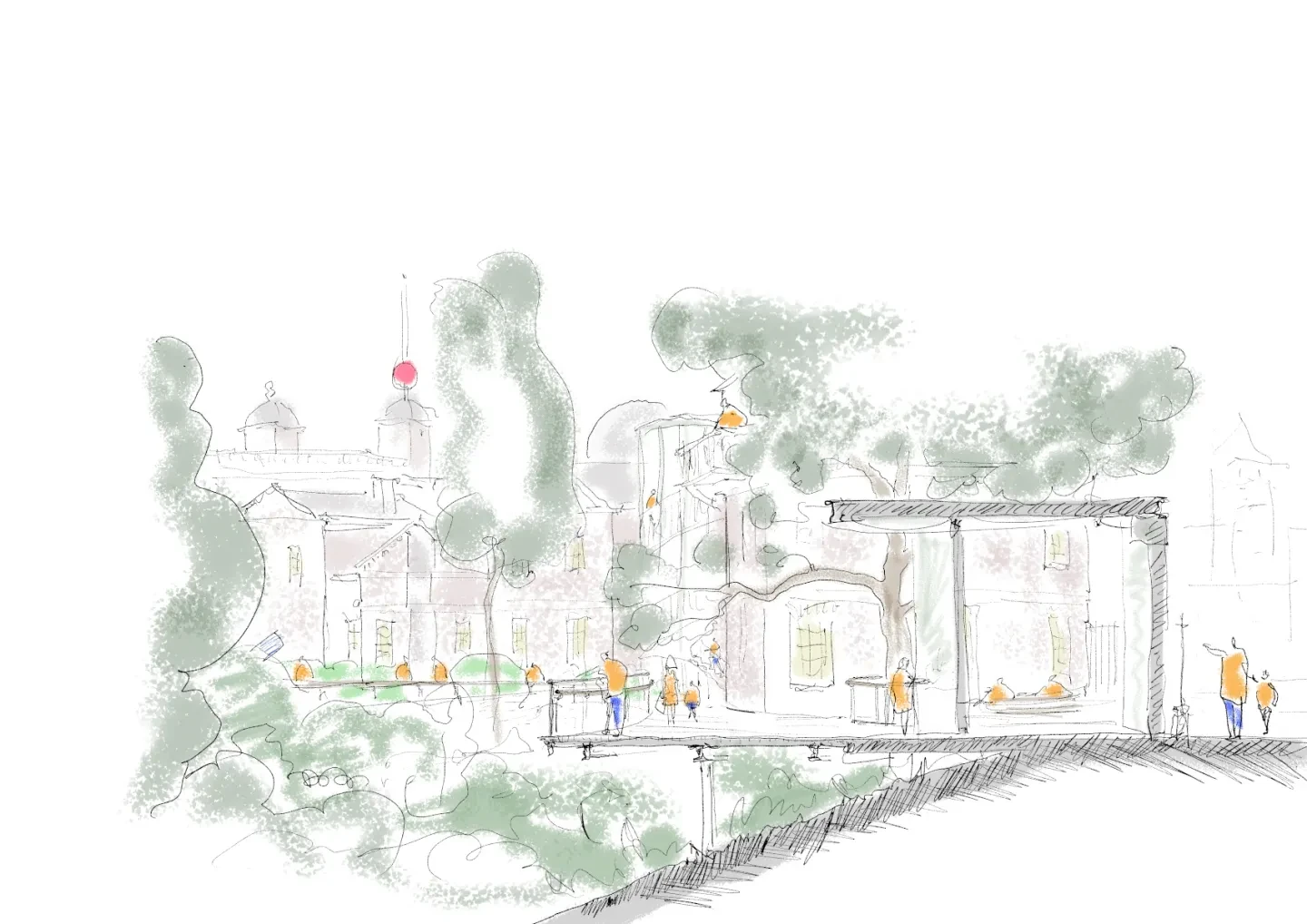
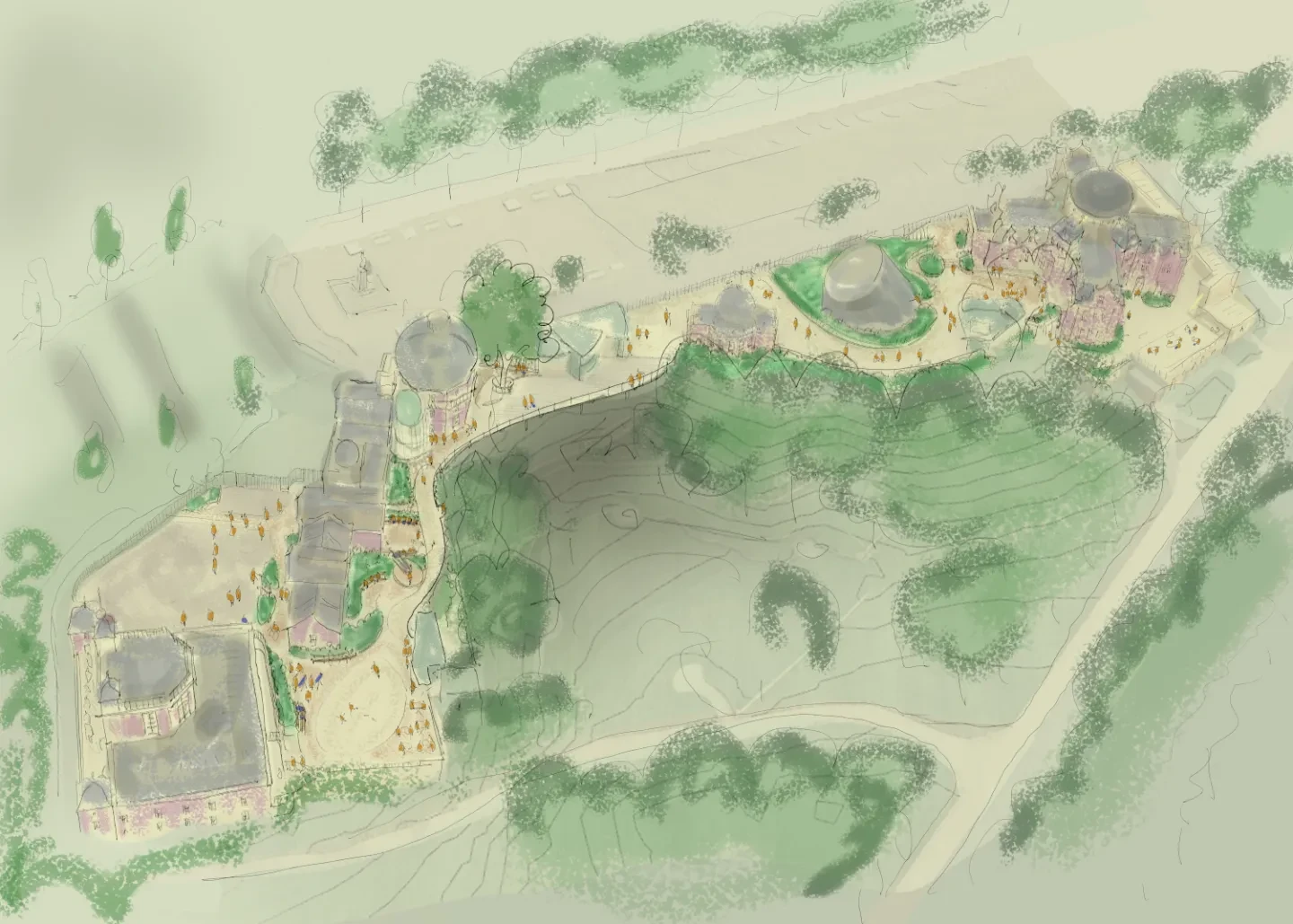
We're going to introduce a path, framed by a handrail and planting, which will take visitors on a step-free journey through the site. The handrail itself will be adorned with motifs, relating to the stories of the Observatory and the individuals who shaped it, so it becomes a visual tool to introduce the history and buildings.
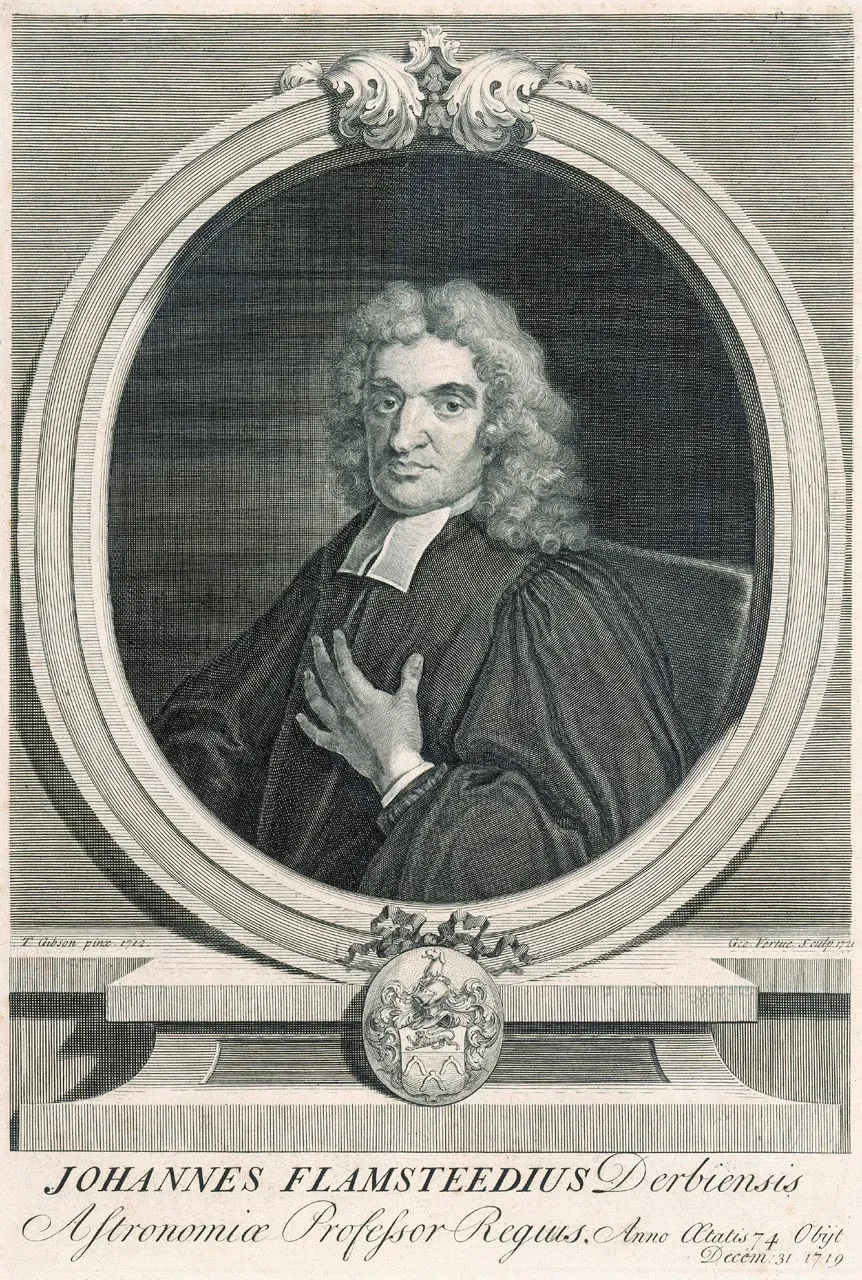
It's important that visitors have time and space to take in the Observatory's surroundings too. For us, the phrase ‘to ponder and measure’ encapsulates how we want visitors to feel as they explore the site. It was influenced by an illustration we discovered in John Flamsteed’s Historia Coelestis Britannica – a catalogue of more than 3,000 fixed stars. Flamsteed was appointed as the first Astronomer Royal by King Charles II in 1675.
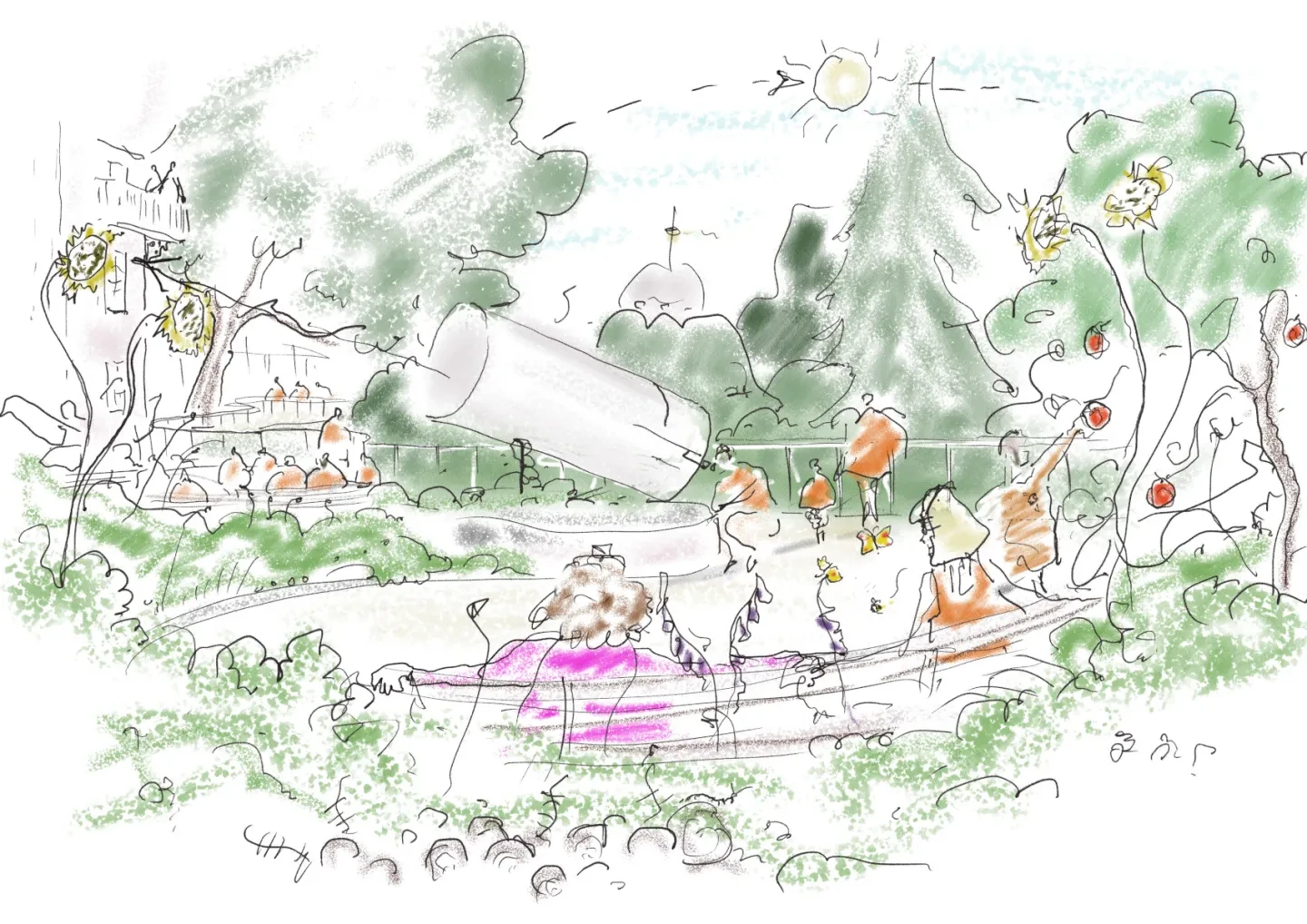
The Royal Observatory was a place where people lived, and its buildings would have been bordered by gardens. We wanted to bring back this history of the site as a garden enclosure and change it from a hard landscape of stone to a softer design. Along the route, there will be a tree walkway, and bays among the planting with places to sit and take a break.
FFLO is known for designing spaces that are personal and promote enjoyment. How have the stories of the Royal Observatory influenced the landscape design?
We were initially inspired by a watercolour of a woman looking at a little beehive in the Royal Observatory garden. The painting was created by Christabel Airy, the daughter of Astronomer Royal Sir George Biddell Airy. We felt there was a wonderful parallel between the astronomers working here, observing infinite nature through the lens of a telescope, and the woman in the watercolour, who is taking a moment to observe the tiny nature within the beehives.
The planting will help enhance the story of the buildings too – and provide a link to the concepts visitors will discover in the redeveloped Observatory. For example, around the Victorian red-brick building at the south end of the site (currently the entrance to the Peter Harrison Planetarium), we’re going to add plants such as hydrangeas and acanthas, which would have been popular in this period.
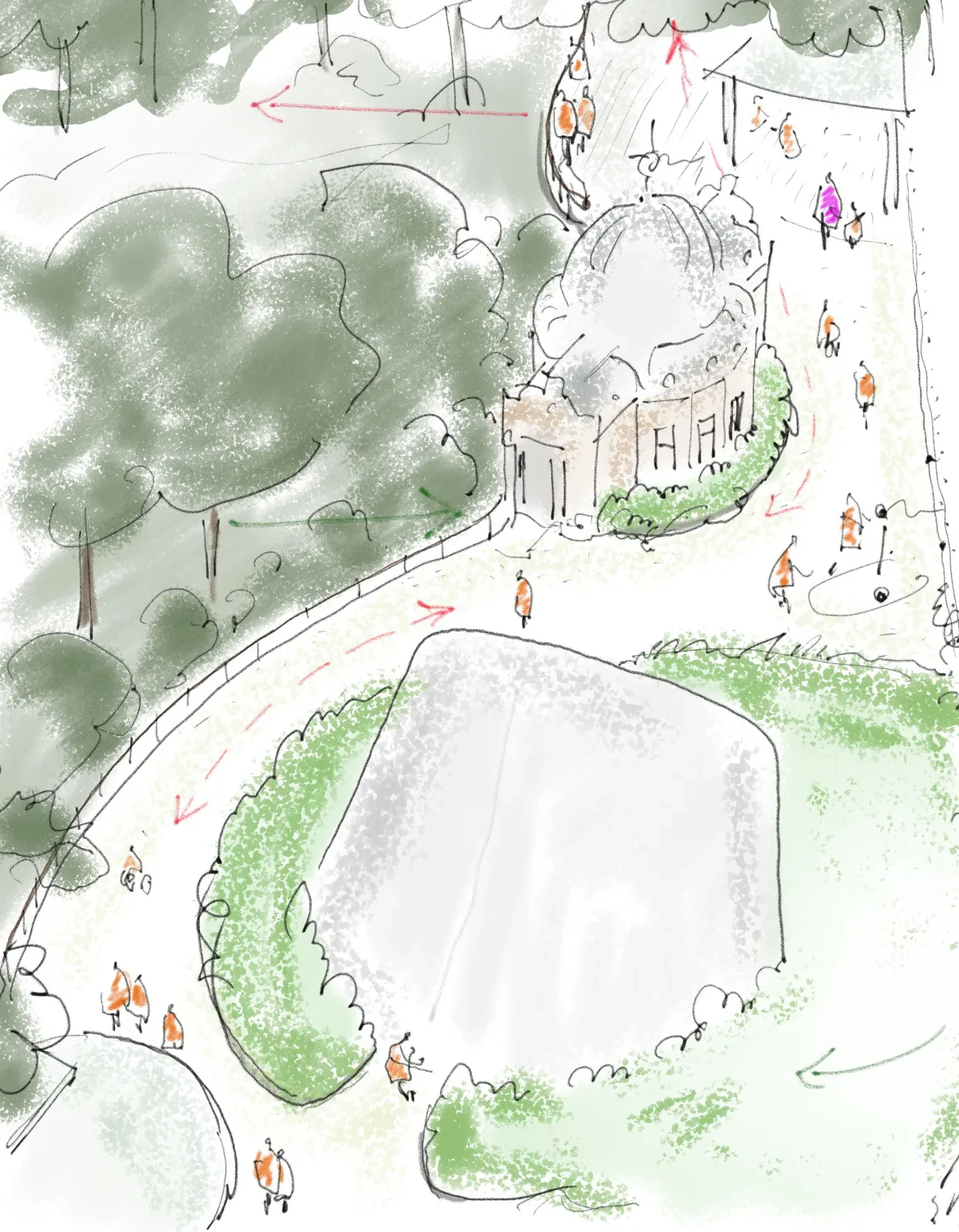
The planting surrounding the bronze planetarium done will be simple and modern: drought-resistant plants, such as grasses, with a few flowers speckled through to create an abstraction of a meadow.
Some of the spaces we’re excited about are the gardens next to the oldest part of the Observatory. One of these will be filled with sunflowers and other plants that follow the path of the Sun, to demonstrate the importance of the Sun as an energy source. Another garden will contain fruit trees – which historically would have been grown here– to highlight our seasonal relationship with the Sun.
The Royal Observatory is a historic site within a UNESCO World Heritage Site. Has this posed any challenges?
Unlike Greenwich Park, which contains features designed by the 17th-century landscape architect André Le Nôtre, the landscape of the Royal Observatory was never formally designed. This means we can make changes to its surroundings; however, we can't alter or remove the historic fragments belonging to earlier buildings on the site.
An example of this is Sextant House, where John Flamsteed built a telescope to measure the position of the fixed stars. This building is crucial to the history of the site, so we’re going to reveal the foundations in the landscape and show it in the planting – a bit like a preserved ruin.
How does it feel to be working on this landmark project, marking 350 years of the Royal Observatory?
It’s hard to imagine a better project in terms of location, historic buildings and associations with nature. We’re at the stage where the first holes are being dug, which I find the most painful! This is the stage where unexpected things can appear and plans need to be revised, so you need to have a good team to fix things quickly.
The Royal Observatory has a personal connection for me. Since 2012, I’ve been a Lecturer within the School of Landscape and Architecture at the University of Greenwich, so I would often walk past the Observatory on my way to work. When my son was younger, I would push him around the site in his pram. Landscape touches everything and everyone, and it’s my job to make this landscape the best it can be.
Discover more
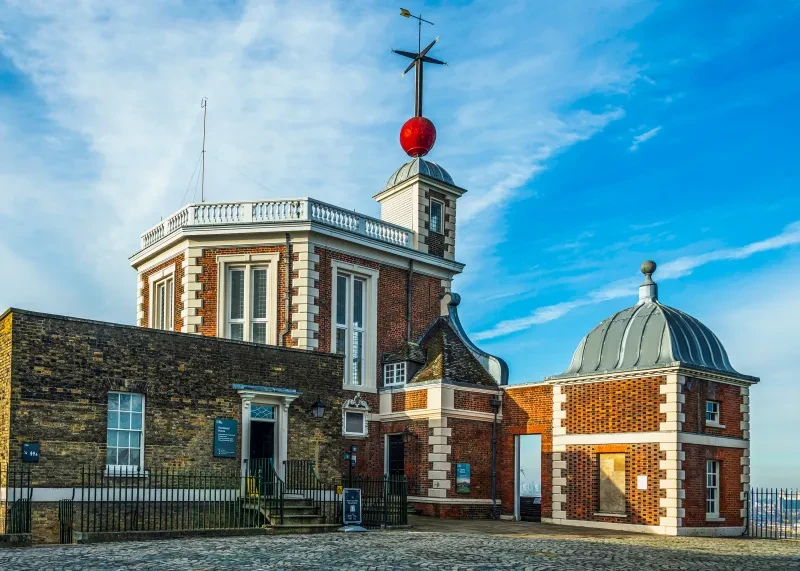

Image of proposed Royal Observatory site redevelopment (courtesy of Jamie Fobert Architects)