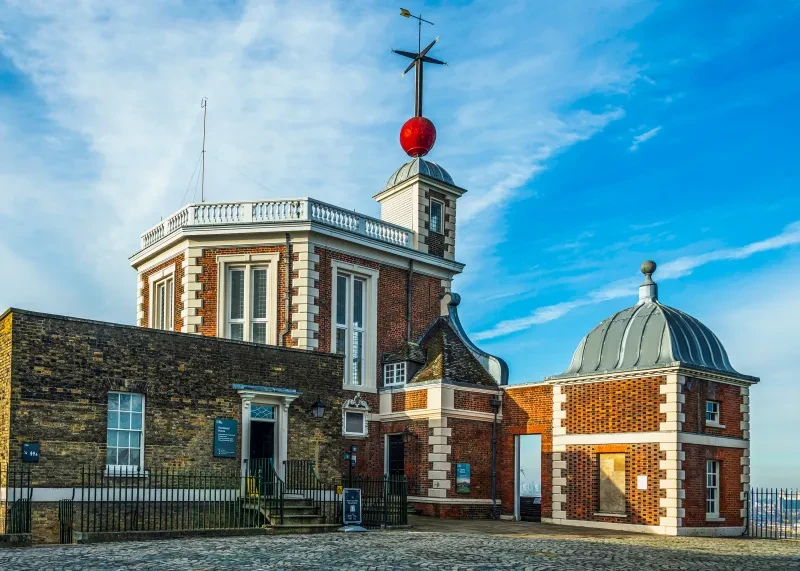
The Royal Observatory has a myriad of stories associated with its 350-year-plus history.
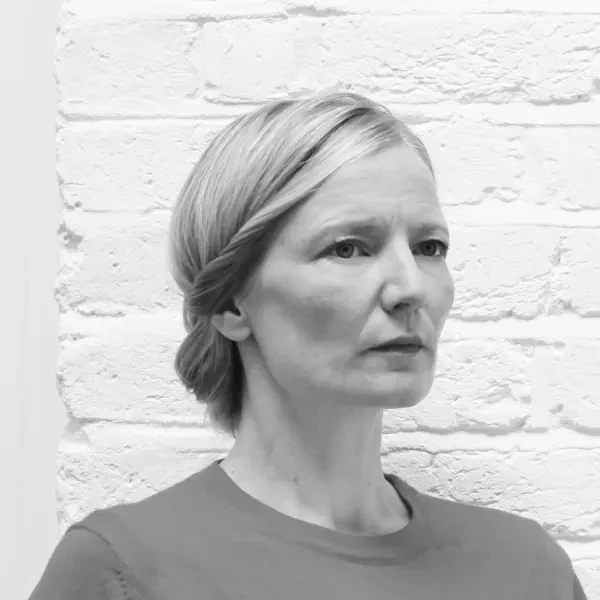
As Senior Content Curator at Royal Museums Greenwich, Dr Claire Warrior’s role involves selecting these key narratives, which will be featured in the Observatory’s new galleries.
This major redevelopment forms part of First Light, a project that will see the Observatory’s interior and external spaces transformed through displays and interactives, alongside architecture, conservation and landscaping.
Image

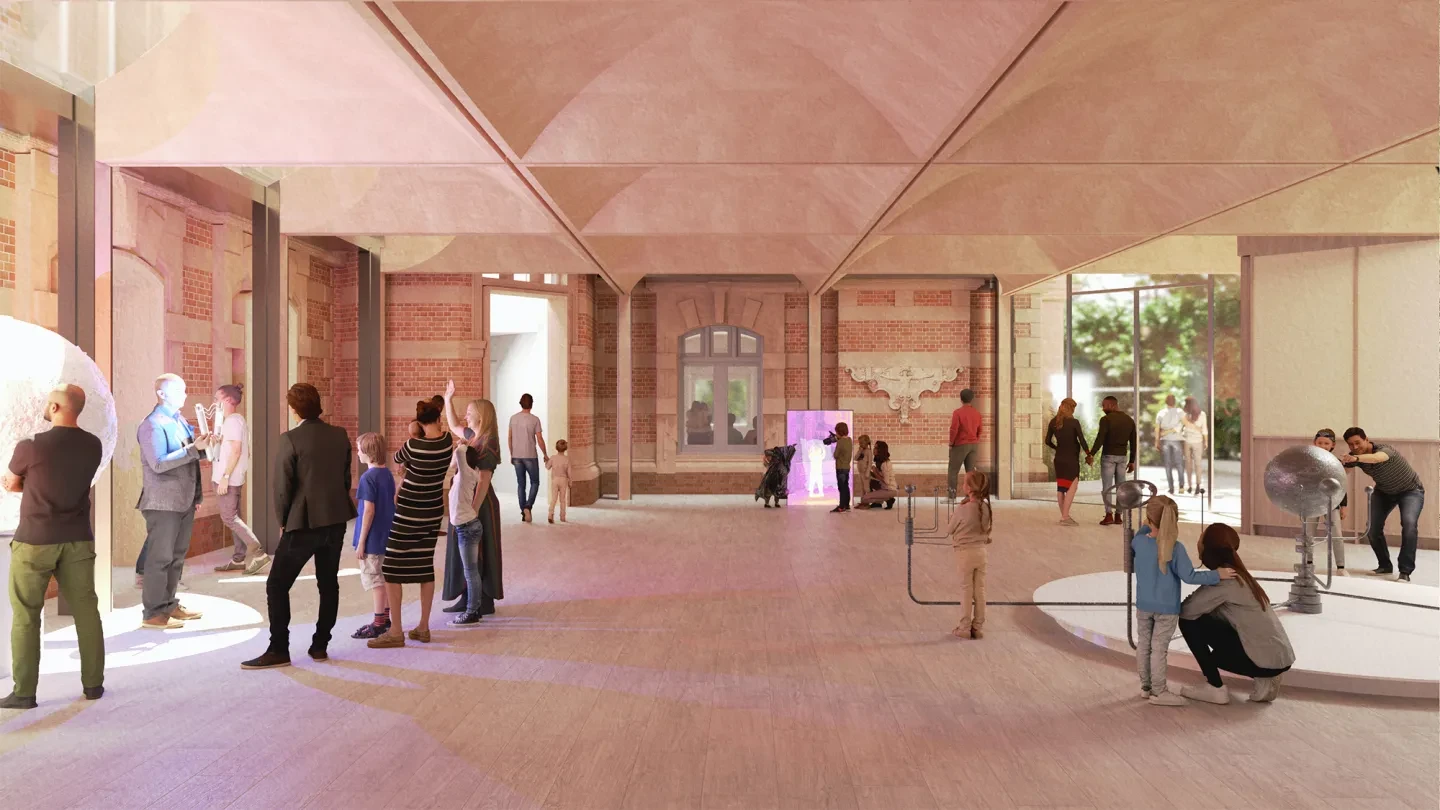
While showcasing the impact of the Observatory on our everyday lives, the permanent galleries will highlight the wider scientific developments that have occurred over its history. Objects, as well as tactile elements and evocative projections, will chart the evolution of astronomy as a discipline – and help to explain complex scientific concepts.
Distilling centuries of astronomical history into a memorable museum visit is no mean feat, but Dr Warrior is versed in doing exactly that. She was part of the team behind the creation of four galleries at the National Maritime Museum in 2018, which included Pacific Encounters, Polar Worlds, Tudor and Stuart Seafarers and Sea Things.
Here, Dr Warrior shares a glimpse into the Observatory’s gallery spaces – and the stories she’s keen for visitors to discover.
What are the first things visitors will see in the new galleries?
Visitors will start by exploring contemporary astronomy – as this is what most of us are more familiar with – learning about what light is and how astronomers use it. A section on supernovae will follow, delving into the life cycle of a star and the connection between stars, ourselves and the formation of the Universe.
Astronomy is a very visual science, so it’s important that the galleries bring these concepts to life in a range of ways, whether that’s through sound or tactile elements. In the gallery that uncovers the dark Universe – the areas of astronomy we don’t know much about – there will be a fun game on black holes.
The contemporary astronomy galleries were quite challenging to develop because the subject area is so vast. This is why we’ve decided to focus on the key principles, such as light and matter.
The Royal Observatory is Britain's oldest purpose-built scientific institution. How are you providing a fresh perspective on its 350-year-plus history?
We want to highlight the Observatory’s rich heritage, but we’re also keen to celebrate the relevance of the Observatory to our everyday lives. The search for longitude at sea and the Harrison chronometers form the foundation of the Royal Observatory. In the galleries within the oldest part of the site, we would like to put this story in its wider historical context.
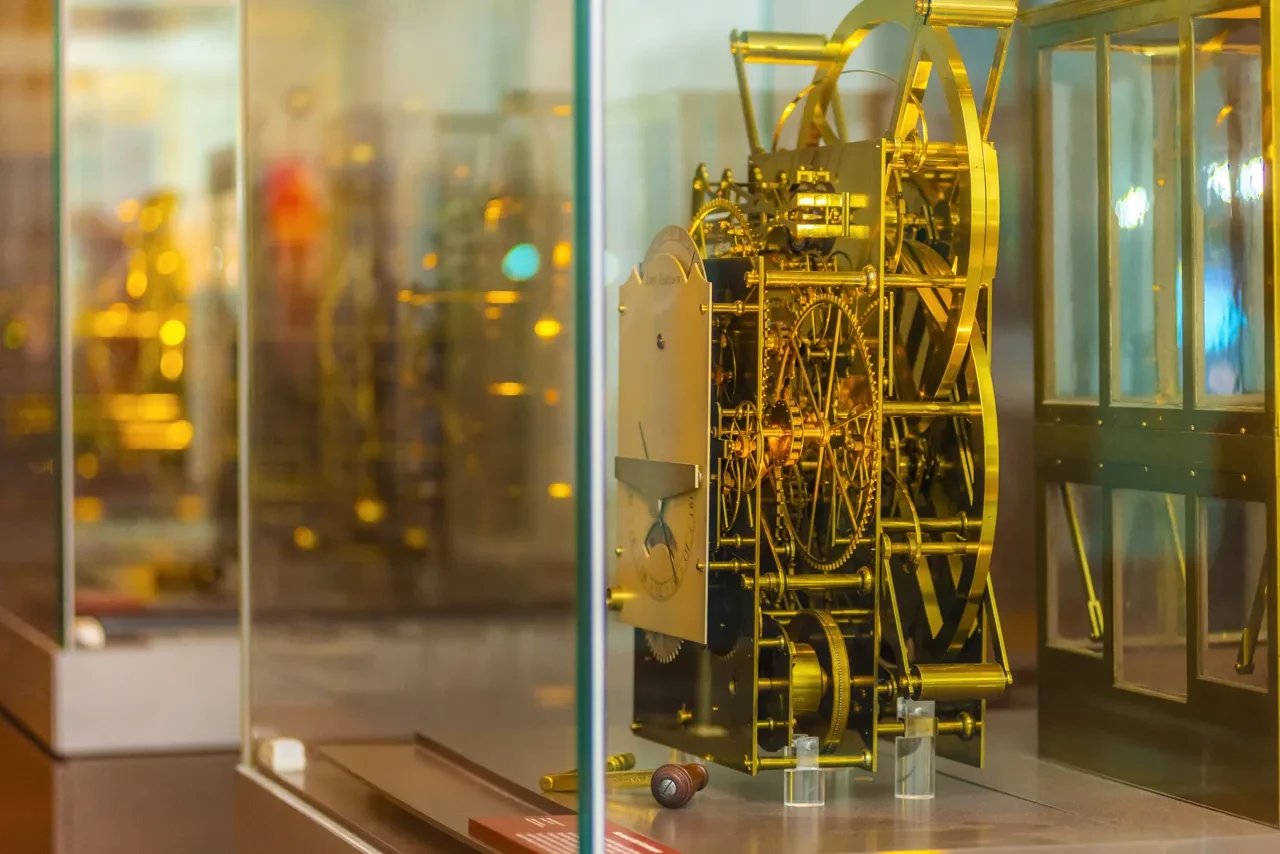
For example, why did the search for longitude happen at this moment in time, what was the significance of east-west trade routes – and how are these factors connected to wider imperial systems?
We’re eager to emphasise how the relationship between longitude, time and place is still very important today. If we’re travelling over time zones, we’re dealing with time and place. The very foundation of GPS and other navigation systems have all come from this tiny building on top of a hill in Greenwich.
Particularly in areas like the Meridian Observatory, which is home to several telescopes, we’re going to create a more evocative experience. We will use sound and graphics to give visitors a sense of what it was like to work at the Observatory, to help them better understand the connection between the telescopes, the Prime Meridian Line and its location in Greenwich.
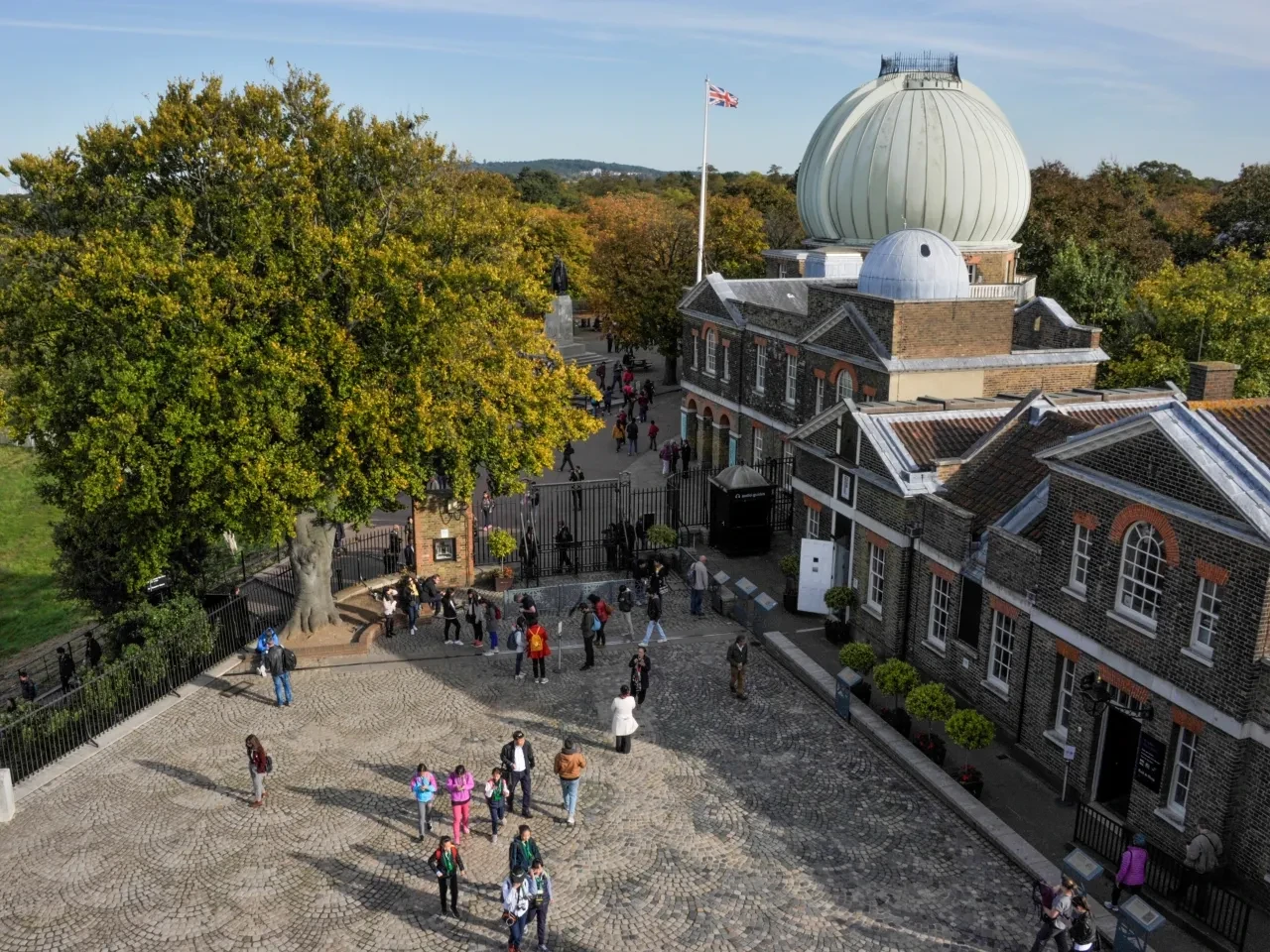
There will be galleries highlighting the Observatory's role in the history of timekeeping too – and the importance of keeping accurate time – through pendulums, quartz and atomic clocks. The former apartments of John Flamsteed, the first Astronomer Royal, will contain a suite of rooms on Greenwich Mean Time, explaining why accurate time came from Greenwich and the process of distributing it.
Image
What are the stories you're most excited to share?
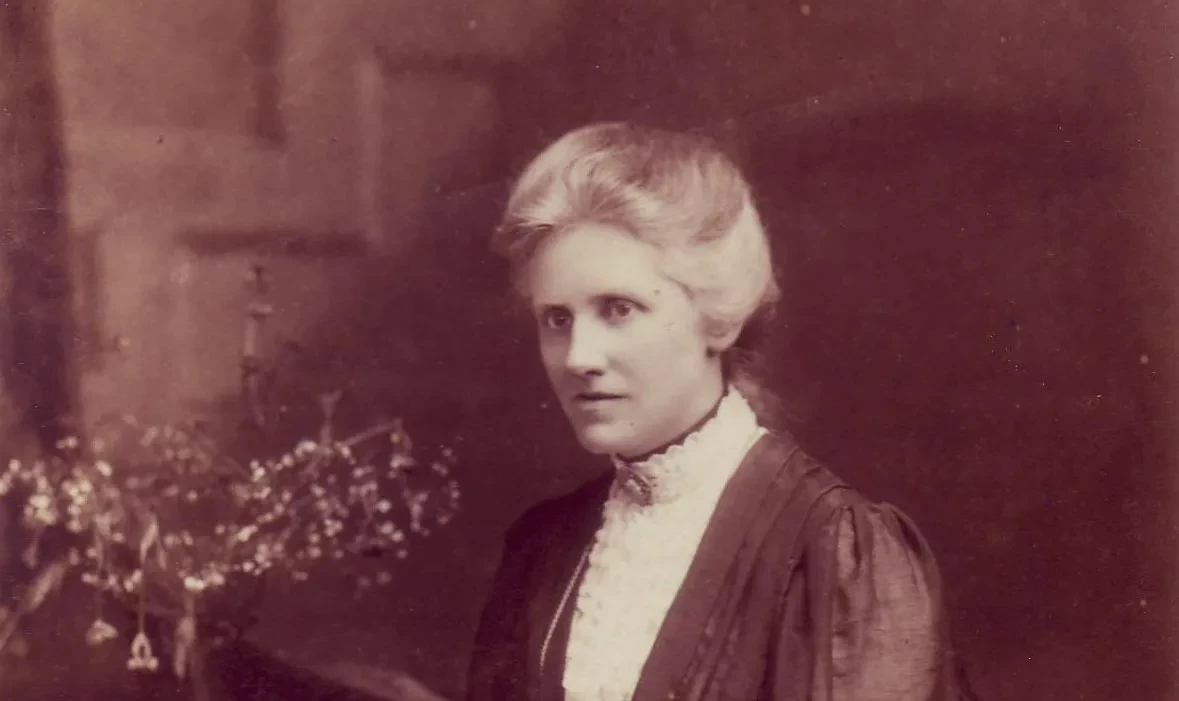
Fundamentally, the Royal Observatory is about people, so we're keen to bring the individuals at the heart of the institution to life. In addition to the discoveries made by the Astronomers Royal, we want to showcase the work of women such as Annie Maunder – the 19th-century astronomer who enhanced our understanding of the Sun.
The Observatory employed a multitude of staff. In the new galleries, we're eager to foreground the stories of the assistants and computers – individuals who analysed and corrected raw observational data.
First Light has allowed us to tell lesser-known stories of the Observatory's history, such as its work during the 19th century. This was a pivotal time: the Observatory expanded its range of scientific disciplines to focus not only on positional astronomy – looking at time and place – but astrophysics too. The Observatory began to focus on meteorology and solar research, bringing in new technologies such as photography and spectroscopy.
What do you want visitors to take away from their visit to the redeveloped Observatory?
The Royal Observatory’s crossover between history and science is something that’s unique to the site, so I hope people get a sense of its heritage, and its importance today. It is a bit daunting to represent 350-plus years of history across a series of galleries – especially when some of the concepts we’re discussing are complex to understand – but by bringing together stories, creative gallery design and interactive elements, we hope everybody gets something out of their visit.
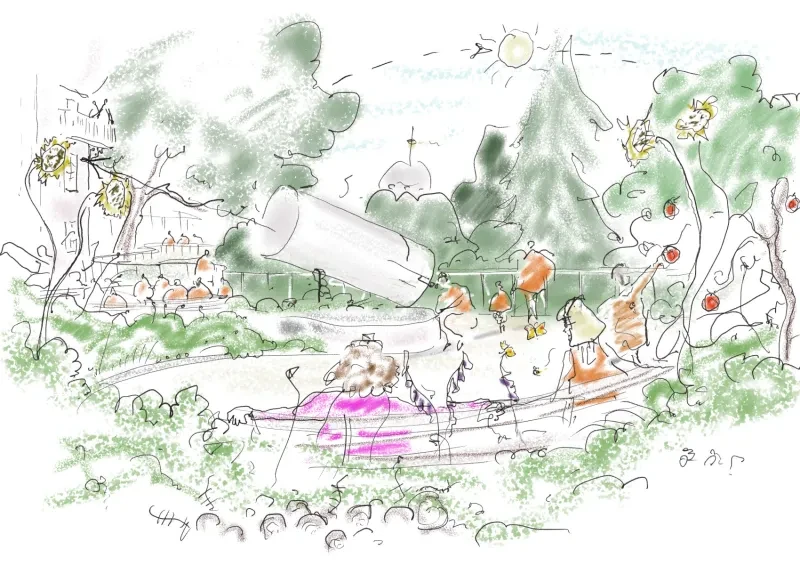
In the grounds, there will be installations and trails that introduce the astronomical concepts, which are then explored inside. There will also be an entirely new space, Astronomers Court, where we will hold science demonstrations and science busking, to provide a rich buffet of options for people to enjoy.
For science lovers visiting the Observatory, I’d love them to come away intrigued by its history. I hope people who are coming to the Observatory for its history will feel the science is for them too.
When the First Light project is completed in spring 2028, the Observatory will feel like a whole new site. It will be completely refreshed, revitalised – and offer a rich day out.
Discover more