
Essential information
| Type |
Family fun
|
|---|---|
| Location | |
| Date and times | Saturday 19 September 2026 | 10.30am-2.30pm |
Free, drop-in
Ever wondered what it takes to explore the surface of the Moon?
CGI is delighted to be supporting Royal Museums Greenwich's Moon Celebration Week with an interactive lunar bots activity!
In this hands-on activity, you can get up close with Sphero Bots and discover some of the amazing science, technology and engineering behind robotic space exploration.
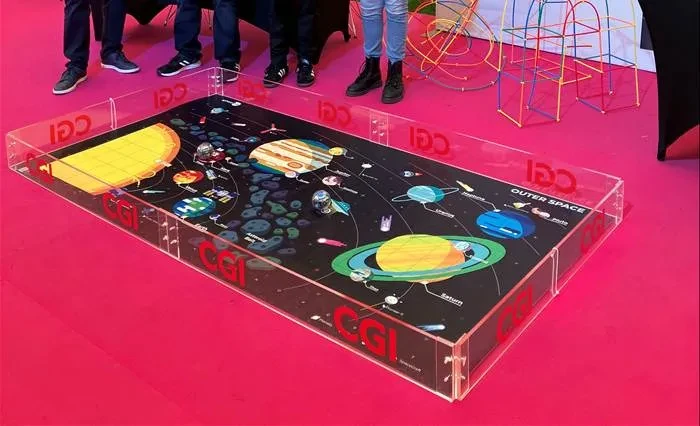
Through coding, challenges and plenty of playful experimentation, you will put your problem-solving skills to the test as you guide your lunar bots across the Moon’s tricky terrain.
Can you programme your robot to complete the mission?
Along the way, you'll explore STEM (Science, Technology, Engineering and Mathematics) skills, including:
- Computational thinking – discover how instructions, sequences and code can bring a robot to life.
- Problem-solving – experiment, adapt and find creative solutions when things don’t quite go to plan.
- Engineering – explore how robots and technology need to be designed to survive challenging environments.
- Curiosity – learn more about the Moon, its surface and the incredible ways we explore it.
- Teamwork and communication – share ideas, work together and take on challenges as a team.
Whether you’re a budding engineer, future space scientist or simply curious about robots, come and see if you have what it takes to complete a lunar bot mission!
- This activity is ideal for families with children aged 10-18.
- This is a free drop-in activity and places are available on a first-come, first-served basis. At busy times, you may need to wait a short while before taking part.
- This activity takes place in the Learning Space inside the National Maritime Museum
Image
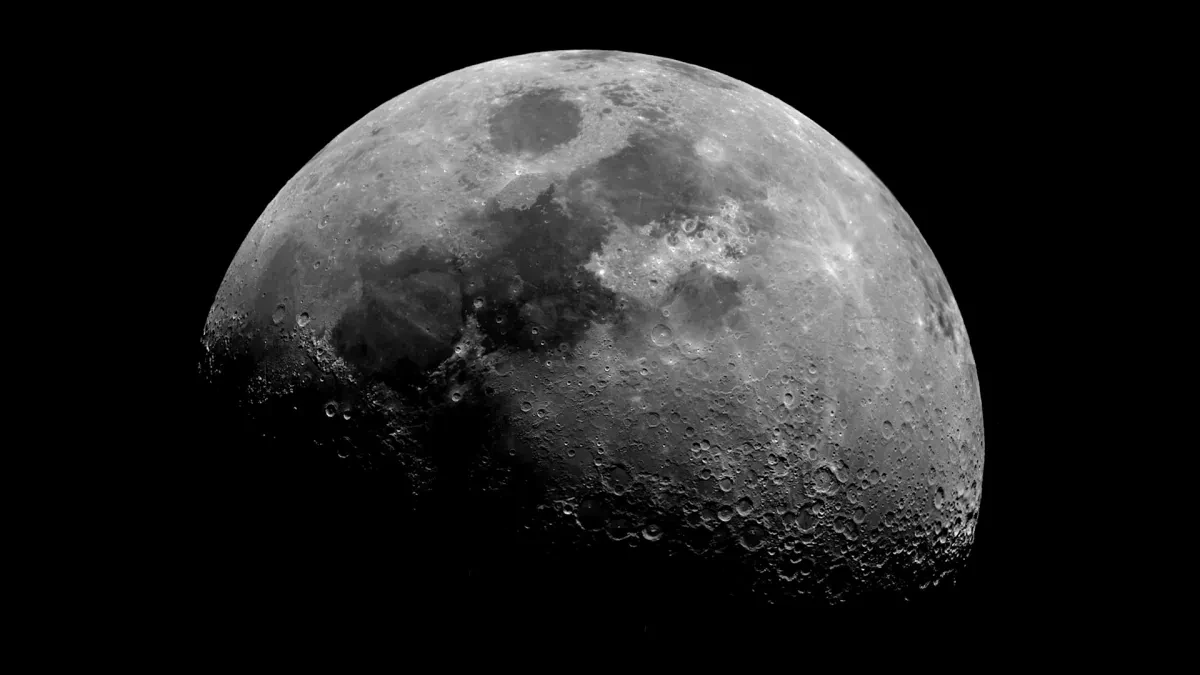
Part of Moon Celebration Week
This activity is held as part of Moon Celebration Week, a week of activities centred on our wonderful celestial neighbour.
What’s on
More space and astronomy events at Royal Museums Greenwich.




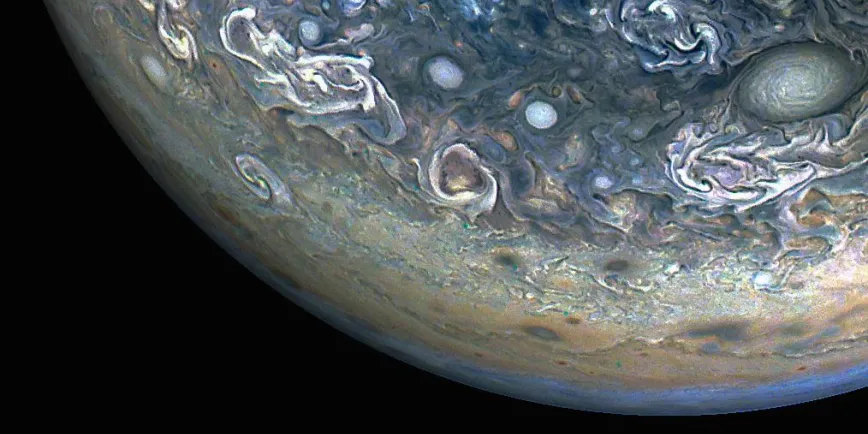
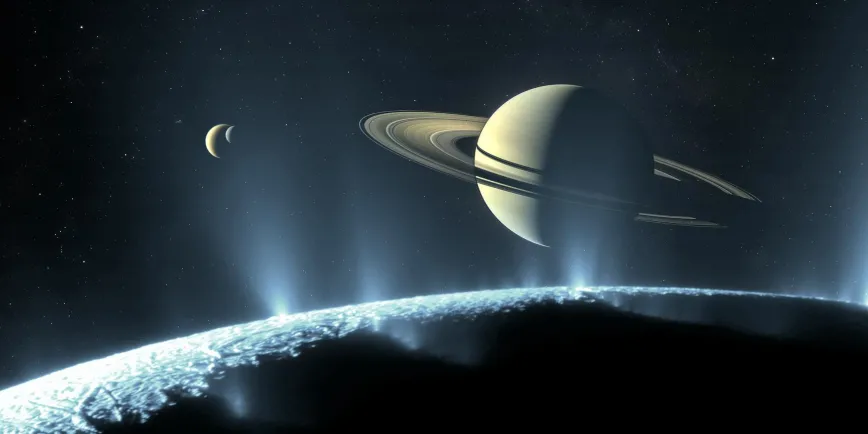
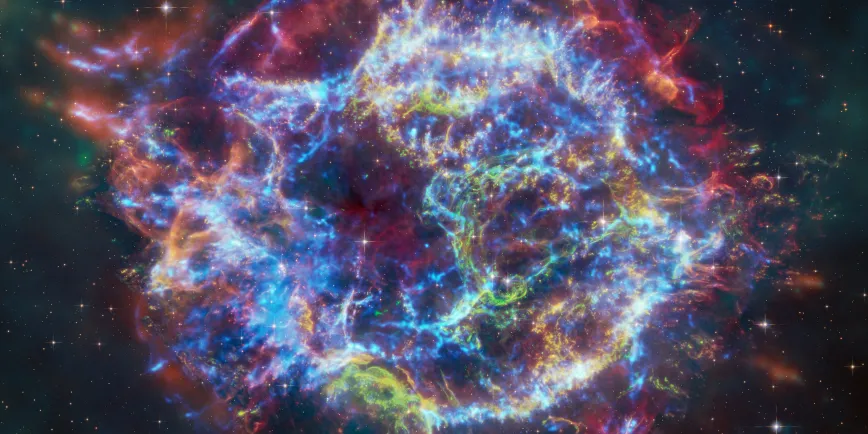
Header image courtesy of NASA.