Essential information
| Type |
Talks and tours
|
|---|---|
| Location | |
| Date and times | Wednesday 25 March 2026 | 1pm-1.30pm |
| Prices | Free |
Taking influence from the life of Penelope Steel, this talk will reflect on Black women's experiences in the 18th-century working world. Black women held a variety of occupations in the 18th-century labour market, ranging from service, to shopkeeping, manual labour to artistry.
In this talk, Marché will discuss specific case studies of Black women from across the century, who each demonstrate the myriad influences that race, gender and class had on their everyday working practices.
This focus stems from her wider research into 650 Black women in the 18th-century British World, and a desire to expand generalised representations of Black women in this period through quantitative and qualitative analysis.
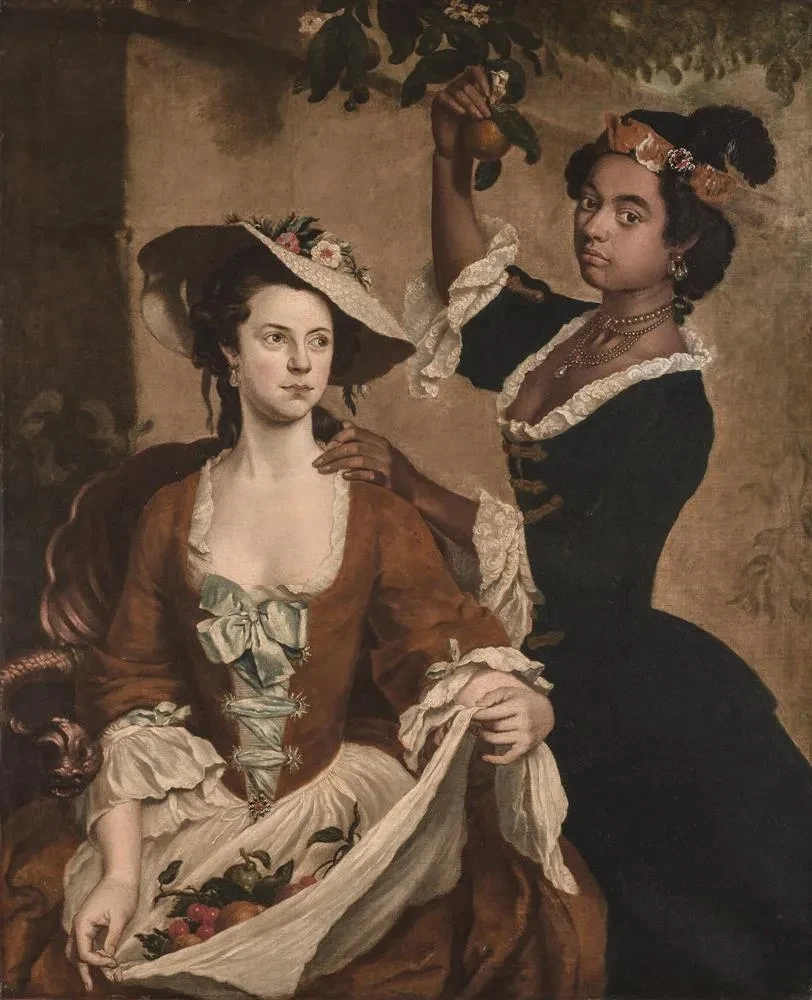
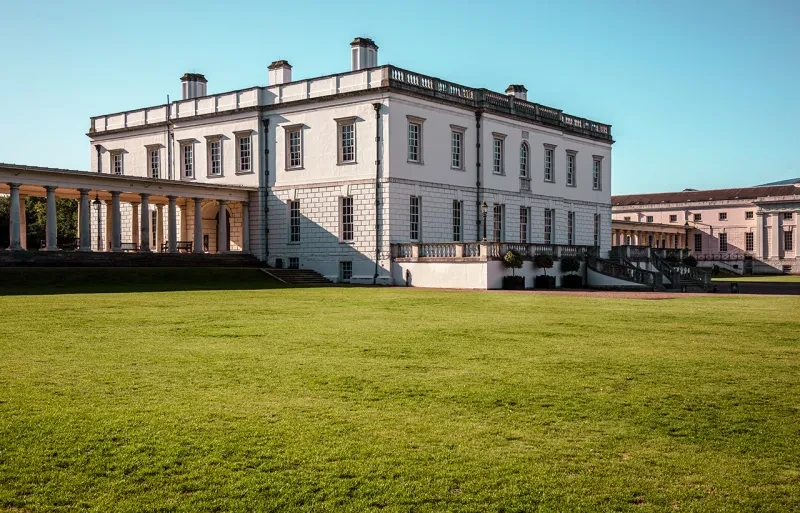
- Attending the talk: This talk will take place next to the display on Penelope Steel located on the first floor of the Queen's House. Staff will be happy to give you directions when you arrive.
About the speaker
Dr Montaz Marché is a historian, writer and theatre director, who completed her PhD at the University of Birmingham.
Her thesis is titled Mapping the Dark and Feminine: Black Women in 18th-Century London, examining black women's lives in 18th-century London. She works as a Project Lead for the This is Black Britain project, which launched the Caribbean Cricket Archive and was recently featured in the Guardian, UKRI and ECB publications.
She also works with the Communities of Liberation project at the Tower Hamlet Local History Library and Archives as their Research specialist, conducting research, training, and consulting on this research and public engagement initiative, centring African lives in the East End between 1567-1802.
She regularly works in historical consultancy, media, television, and public engagement and has recently featured on television and radio projects with the BBC and Channel 4.
Salons in the Queen's House
Image
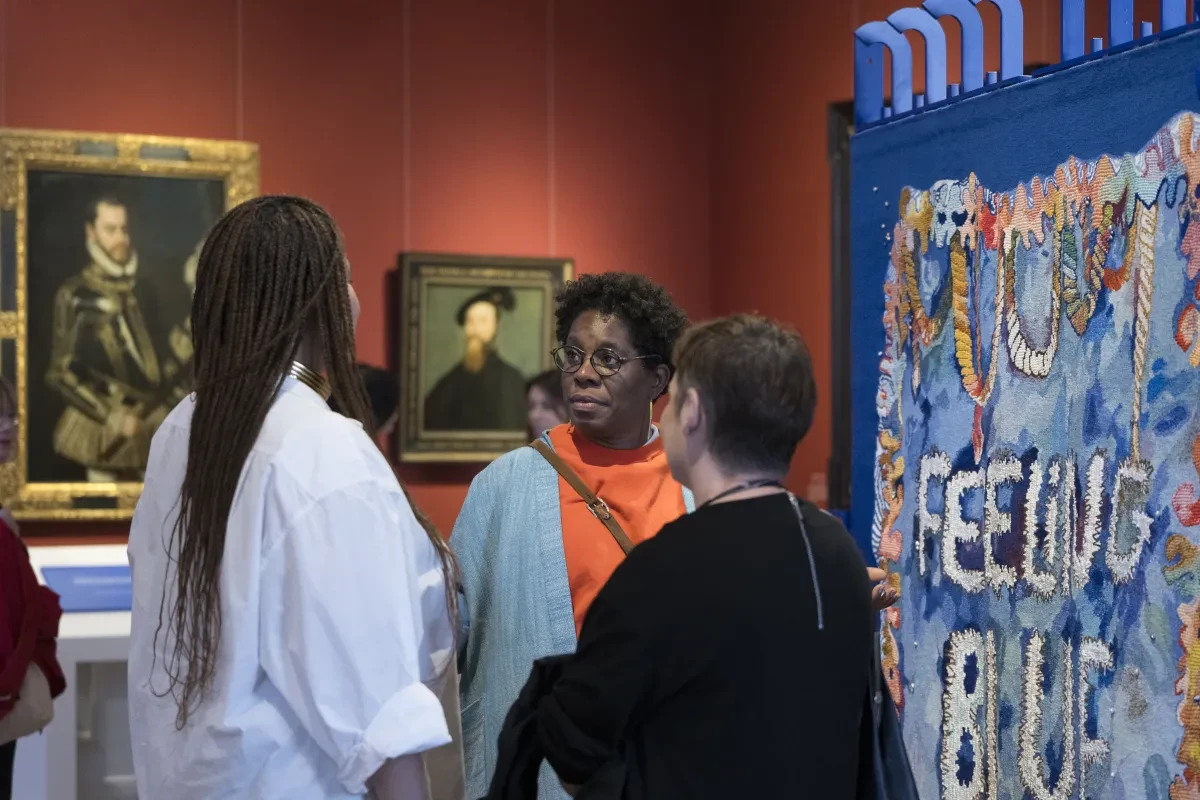
The term ‘salon’ was used historically to describe social gatherings in the domestic sphere. Participation was open to a range of individuals, and women often acted as hosts. Salons were alternative spaces for learning, debate and the exchange of ideas. We continue to explore this tradition at the Queen’s House.
Speakers at our salons include artists, researchers, curators and creative practitioners. Their talks bring to light new insights and share different perspectives.
What’s on
Find more Salons events.
Make the most of your visit