Merchant Navy Day is celebrated annually in the UK on 3 September, to raise awareness and mark the contributions of merchant seafarers, particularly during the First and Second World Wars.
Here we will look at what the Merchant Navy does, its history and the stories of merchant seafarers and vessels which can be found in the collections of Royal Museums Greenwich.
Introducing the Merchant Navy
The Merchant Navy, sometimes called the Mercantile Marine or Merchant Service in the UK, usually refers to the vessels and people working in commercial shipping of all kinds, from cruise ships to cargo, research vessels to ferries.
Rather than a single organisation, it is a collective name for civilian, UK-registered vessels and the crews who work on them.
1 / 2
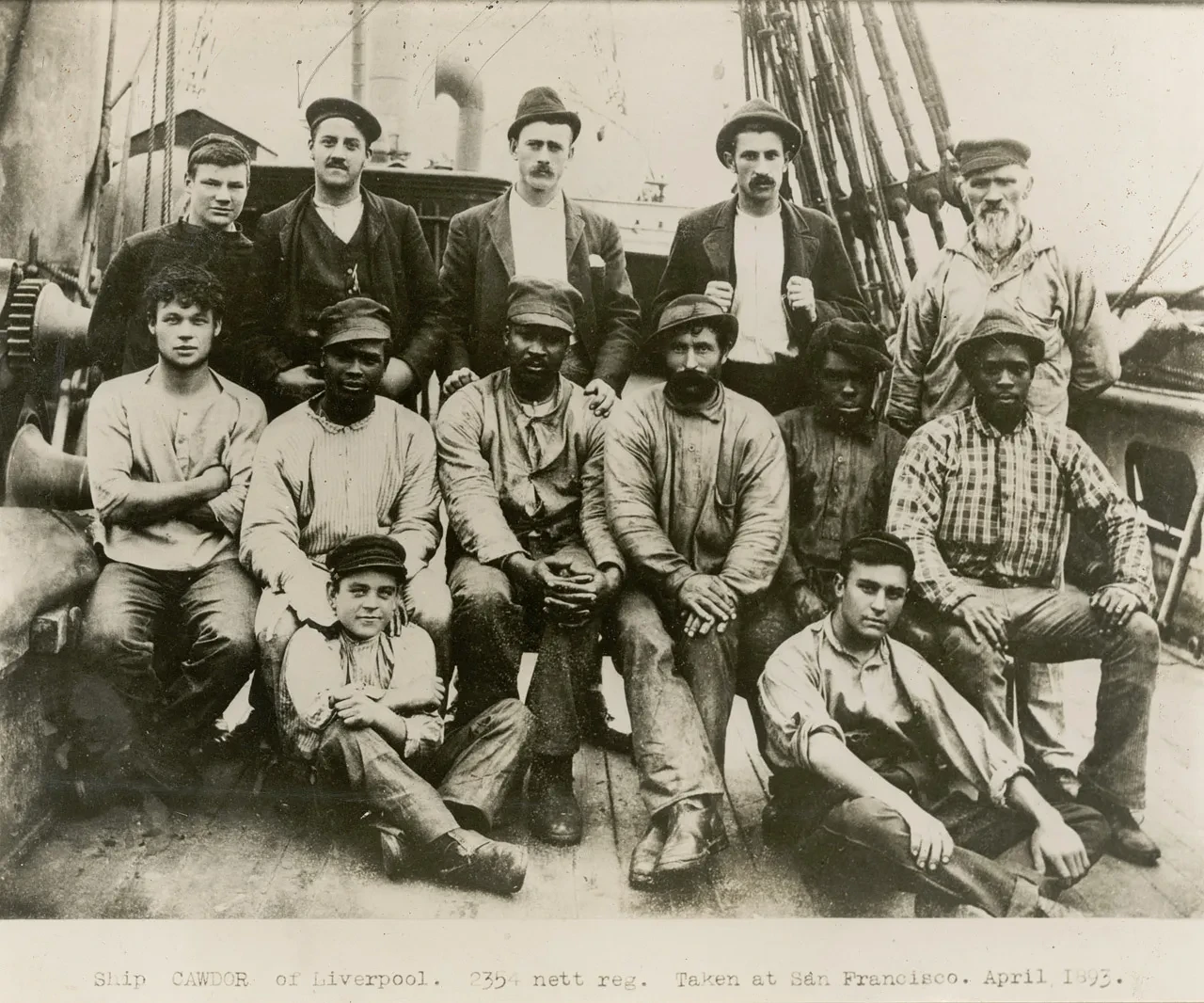
Crew of 'Cawdor' (1884), taken at San Francisco in April 1893
2 / 2
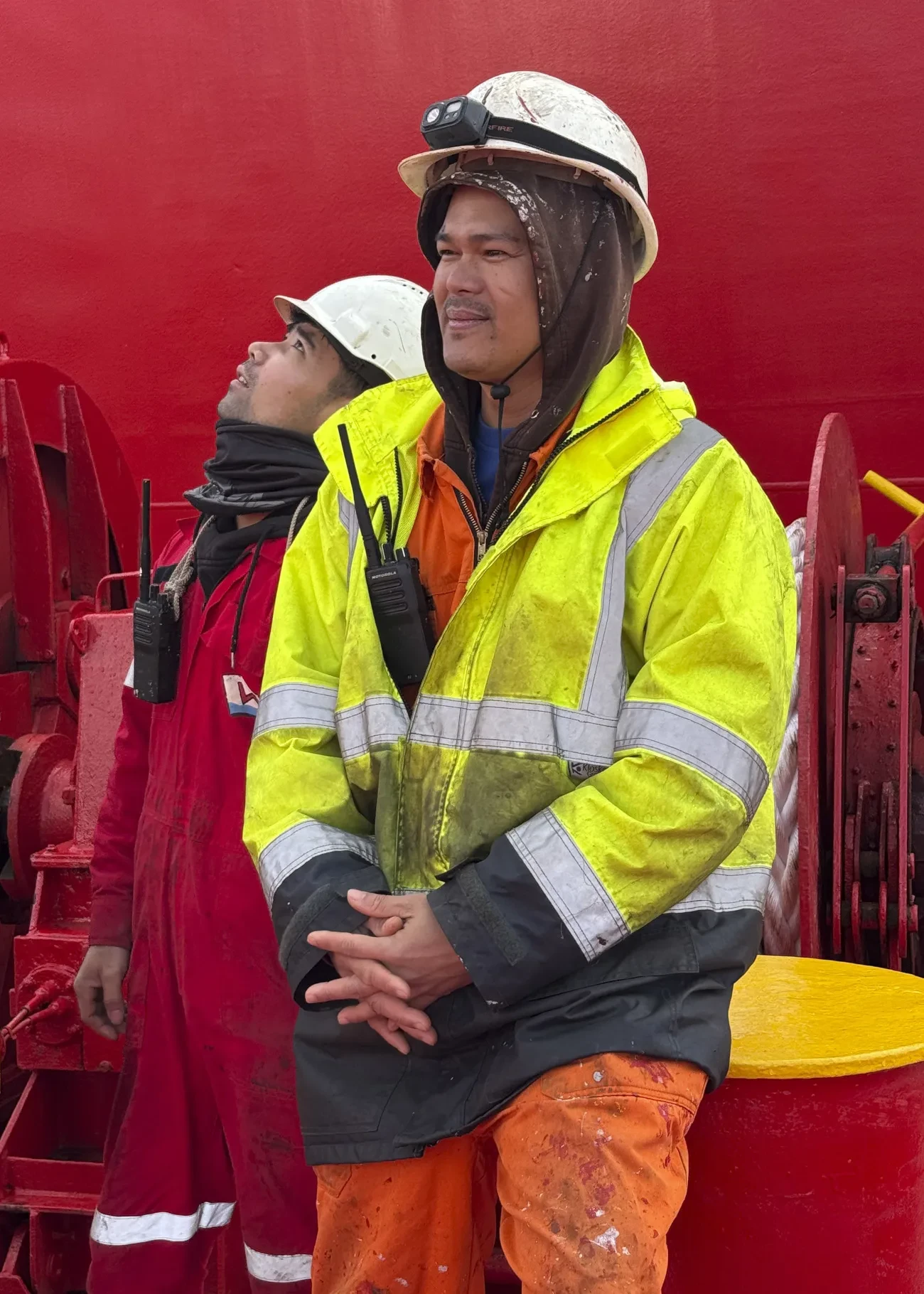
Ordinary Seaman on board MV Nova, chartered by Ellerman City Liners, one of the last British shipping companies © Zoe Childerley
The Red Ensign
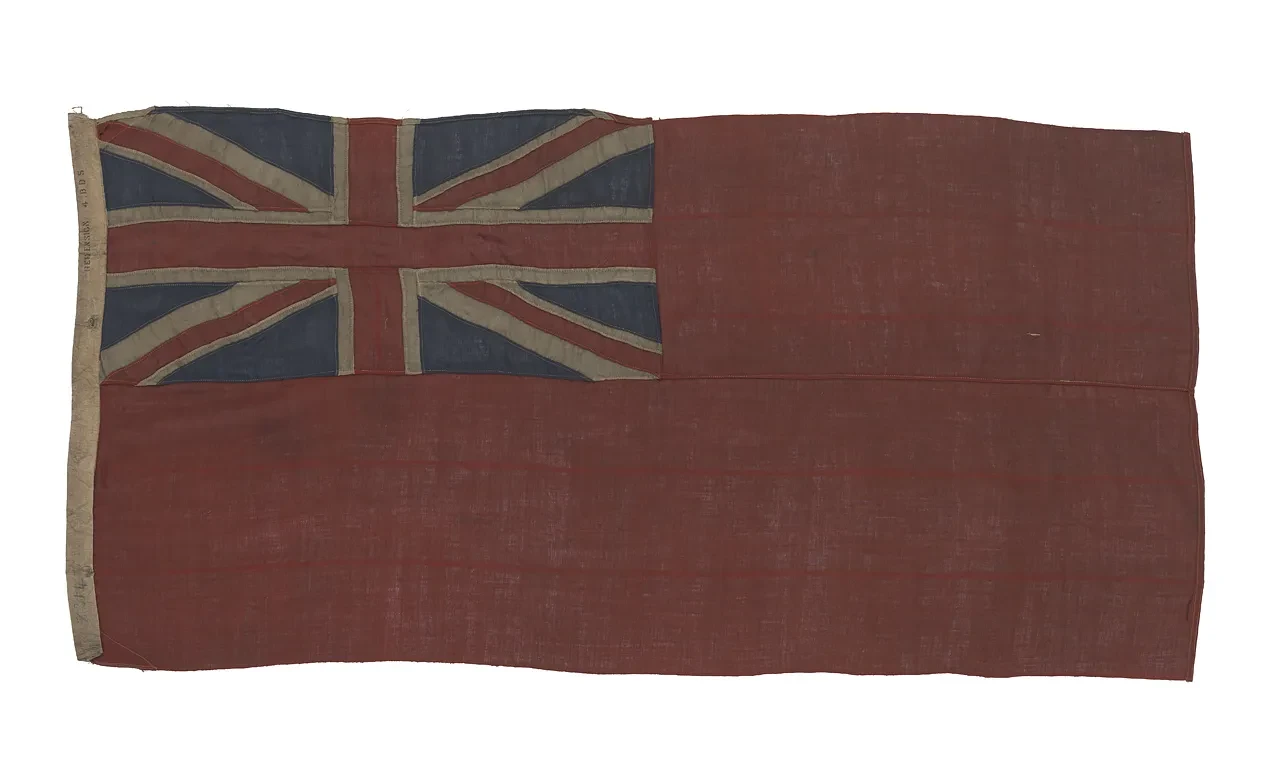
English and later British merchant ships have flown versions of the Red Ensign (or Red Duster) since the 1600s. In 1864 the Red Ensign was officially allocated to British commercial shipping and is still used by Merchant Navy vessels today.
History of the Merchant Navy
Merchant shipping was central to national survival and prosperity for centuries. By the twentieth century, Britain had amongst the largest merchant fleet in the world, but its importance was little acknowledged, with issues of low pay and dangerous working conditions for crew.
First World War attacks on merchant vessels brought the danger and necessity of this work to the nation’s attention. Between 1914 and 1918, 17,000 seafarers from across the world died in service on British merchant ships while carrying essential food, raw materials, supplies and passengers.
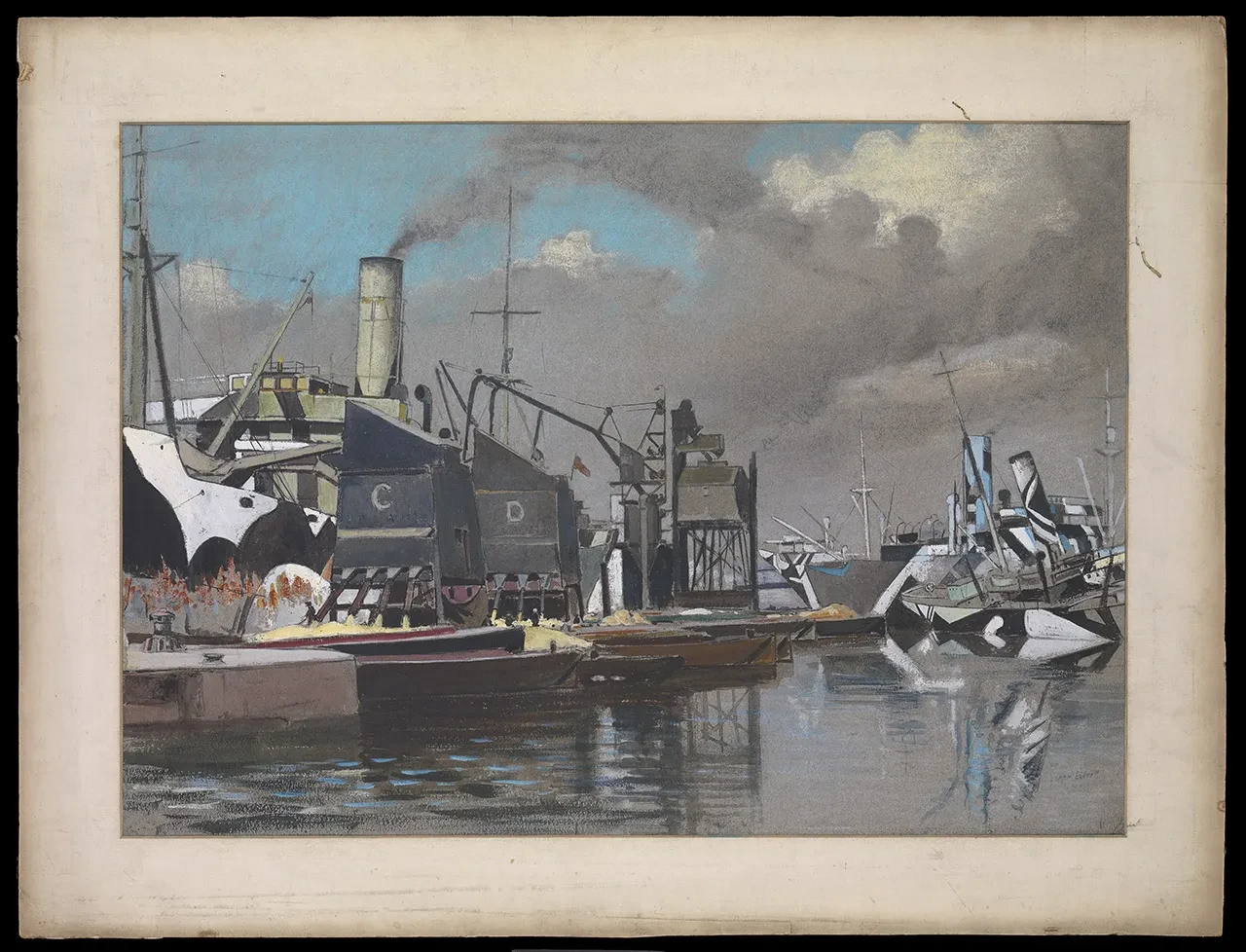
In acknowledgement of this, the official title of Merchant Navy was granted by HRH King George V in 1928. It was supposed to bring the respect shown to the merchant fleet into line with military services.
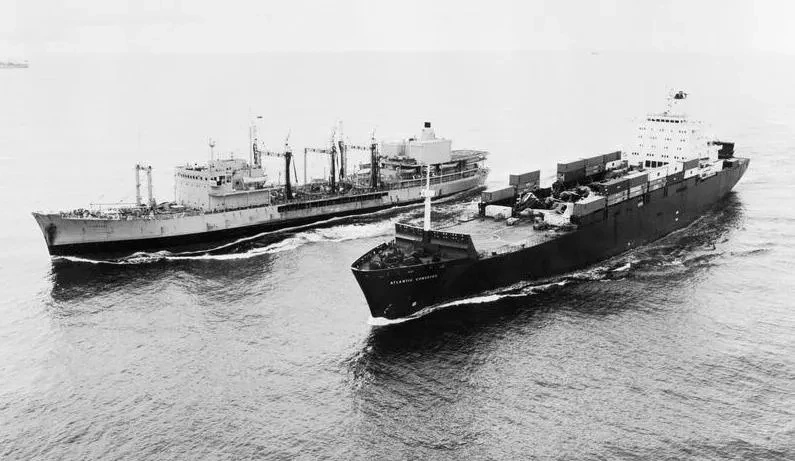
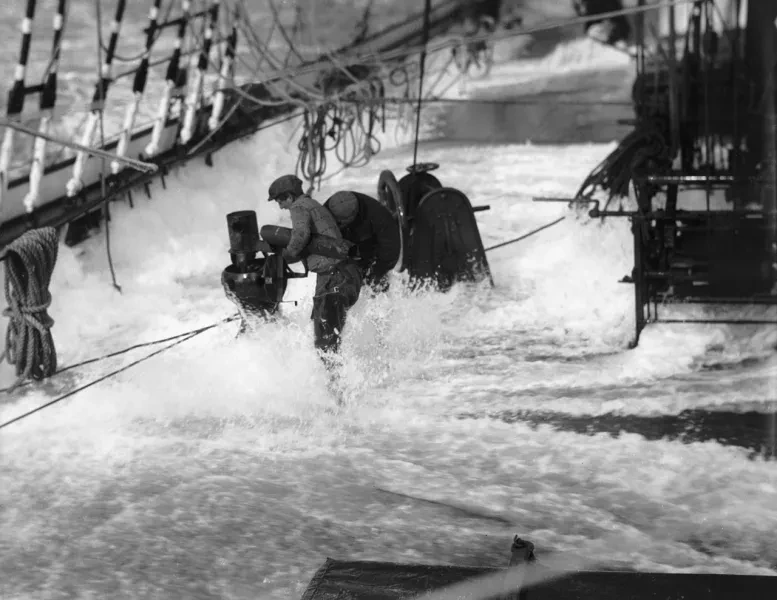
In the Second World War, the Merchant Navy played a pivotal role, not least in the Battle of the Atlantic and the notoriously dangerous Arctic convoys. 35,000 of the 200,000 men and women employed in the Merchant Navy lost their lives, again at a higher proportion than in the armed forces.

Image
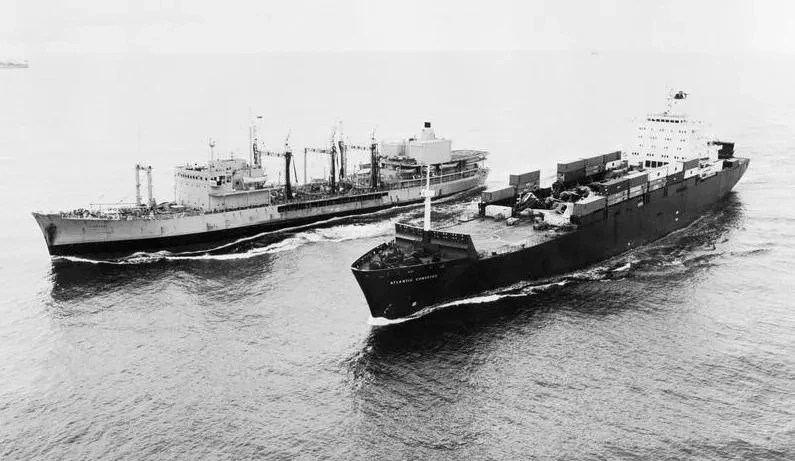
The Merchant Navy has continued to serve in conflicts like the Falklands since, with civilian crews suddenly finding themselves part of a military operation.
Commemorating the Merchant Navy
1928 also saw the creation of the first official war memorial at Tower Hill for the merchant seafarers lost in the First World War ‘who have no grave but the sea’.
However, many felt that their sacrifice had been undervalued. The Merchant Navy had not been included in the official March Past at the Cenotaph on Remembrance Sunday, as it was not recognised as an armed service. Lost merchant ships were therefore not regarded as 'in military service', which meant that casualties were not designated war graves.
Image
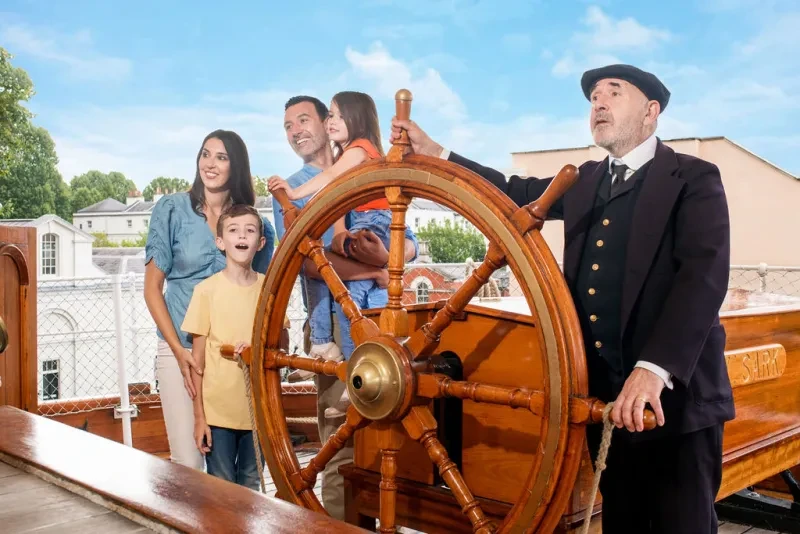
Cutty Sark and the Merchant Navy
When merchant vessel Cutty Sark was going to be preserved in Greenwich, it was decided that the ship should be designated a Merchant Navy memorial.
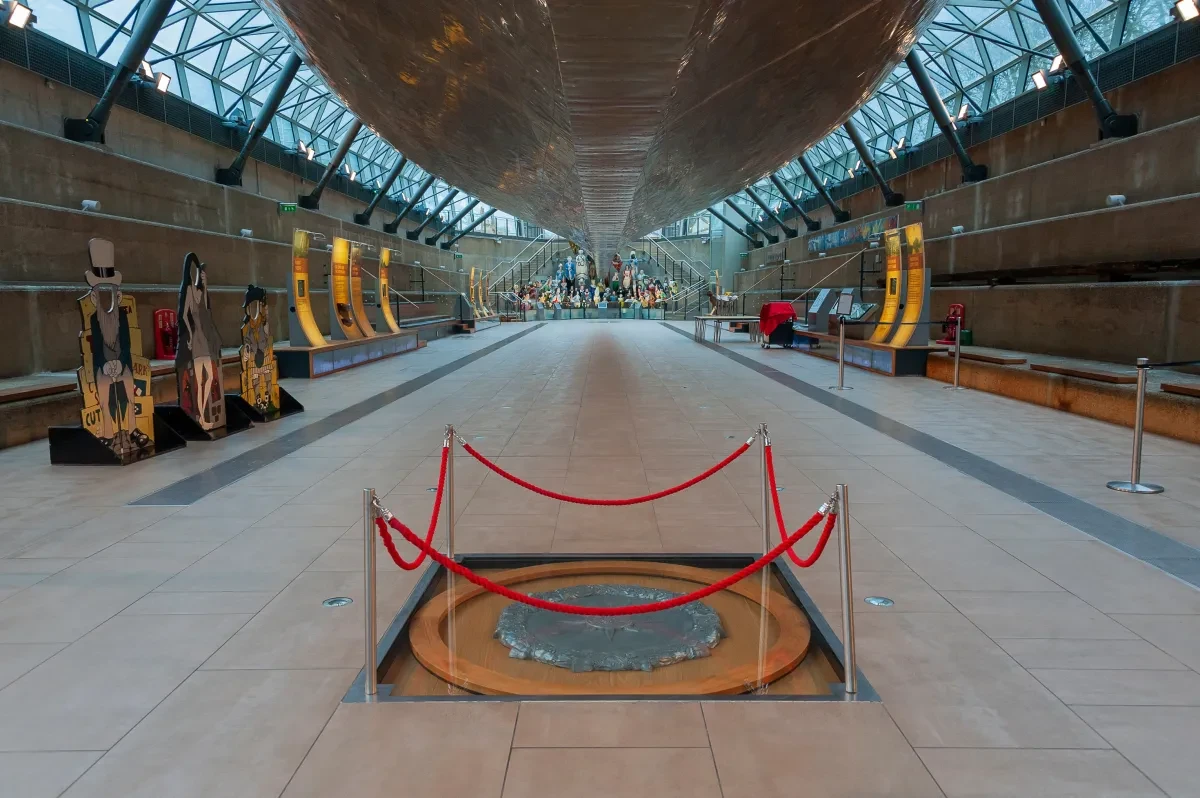
In 1954 sculptor Maurice Lambert designed a memorial for the Dry Dock based on Cutty Sark’s stern decoration. Inscriptions honoured the contribution of merchant crews both in war and the age of sail, ending with a couplet from seafarer and then-Poet Laureate John Masefield:
‘they mark our passage as a race of men
Earth will not see such ships as these again’.
A copy of this memorial can still be seen in the floor of the Dry Dock (pictured).
Merchant Navy Day
Merchant Navy Day was first marked on 3 September 2000. The date was chosen to mark the sinking of the SS Athenia, a passenger ship and the first British vessel to be sunk by Germany in the Second World War, just hours after the declaration of war.
Merchant Navy Day is an opportunity to mark the sacrifices and contributions of merchant seafarers past, present and future.
Merchant shipping and seafarers today
The shipping industry and seafarers are still a vital part of our everyday life in the UK. 95% of all goods entering and leaving the country are carried by sea. Tens of millions of people travel by ferries or holiday on cruises every year. They have made great sacrifices to keep vital supply chains open through international crises like the COVID-19 pandemic. Yet this work still often goes unrecognised.
Image
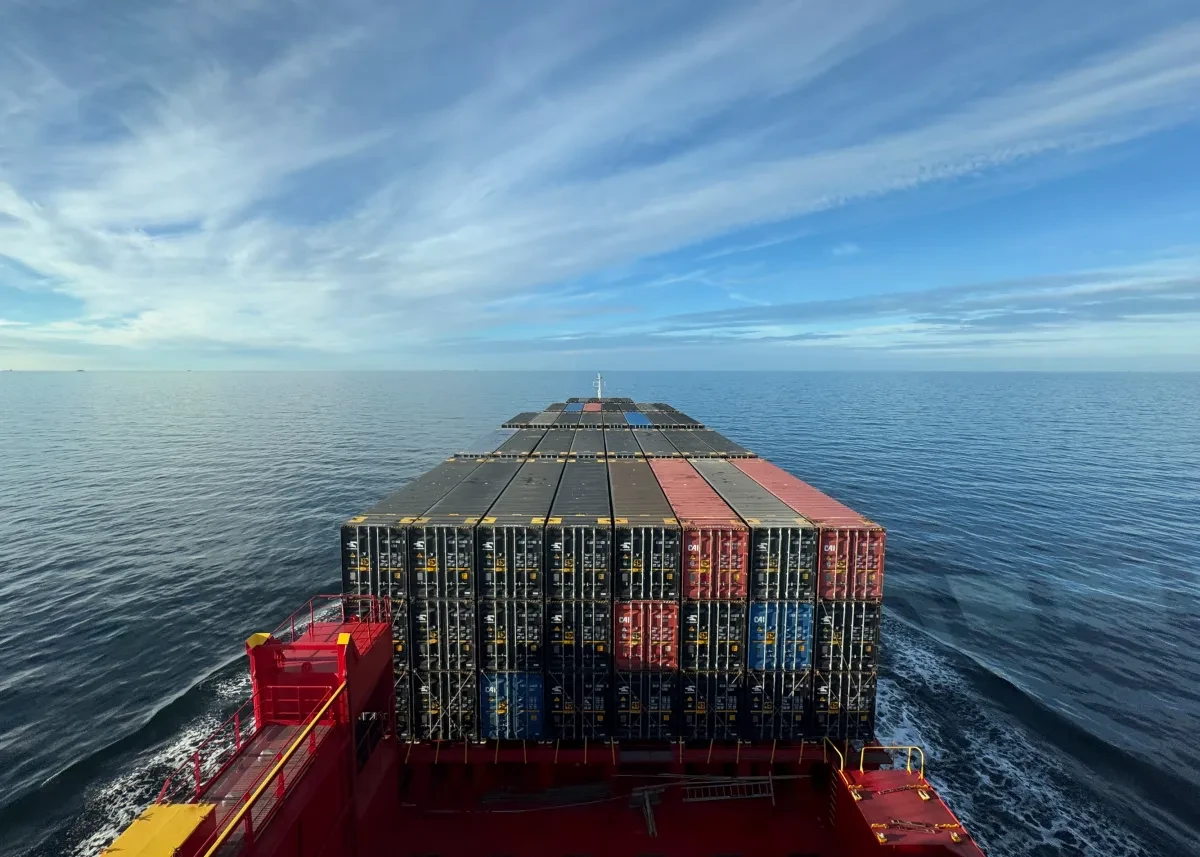
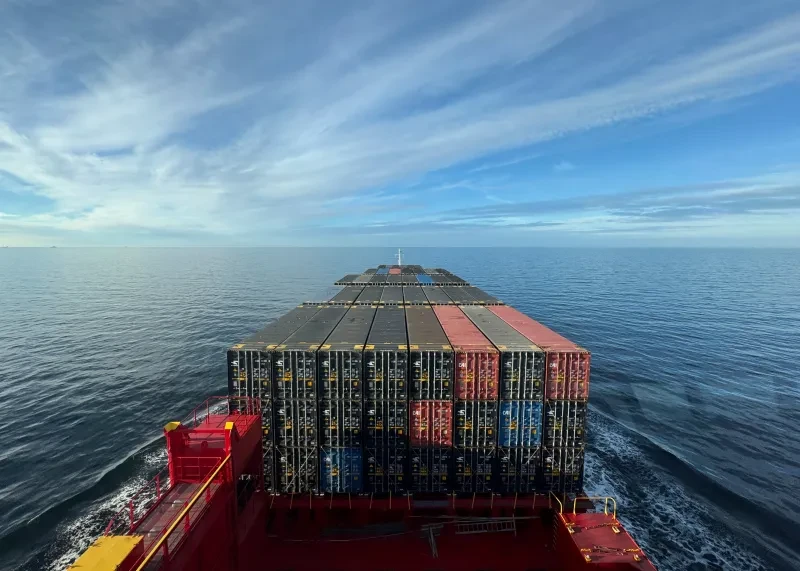
Life on board a container ship
Zoe Childerley is a REACH Collaborative Doctoral Partnership PhD, supported by the National Maritime Museum and the University of Brighton. She is embarking on a project to bring experiences of modern seafarers to light through photography, film and first-hand testimony.
Here, she reveals how she found her first voyage on board a container ship.
Merchant Navy oral histories
The National Maritime Museum is also collecting oral histories and objects, which share the experiences of modern-day seafarers in a variety of ways.
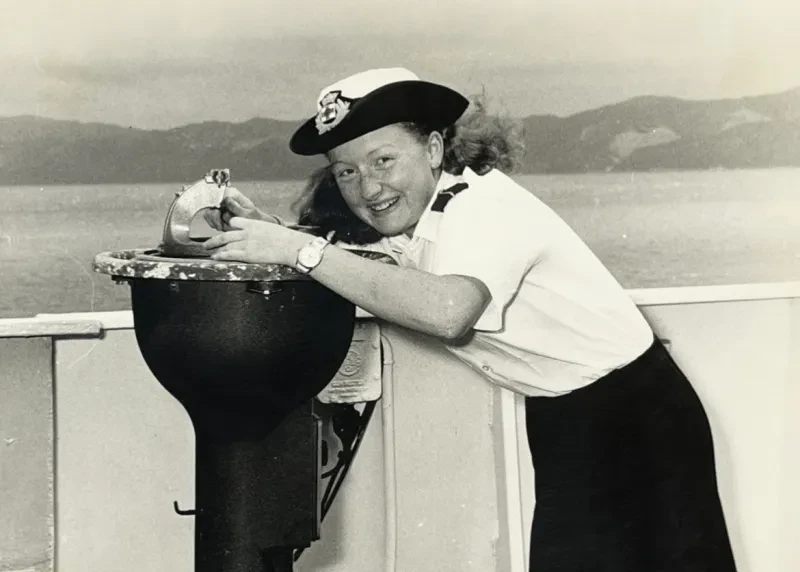
Dr Nina Baker is just one of the seafarers who has shared her story. The first female deck cadet in the British Merchant Navy, she was a pioneer in opening up access to seafaring careers for women.
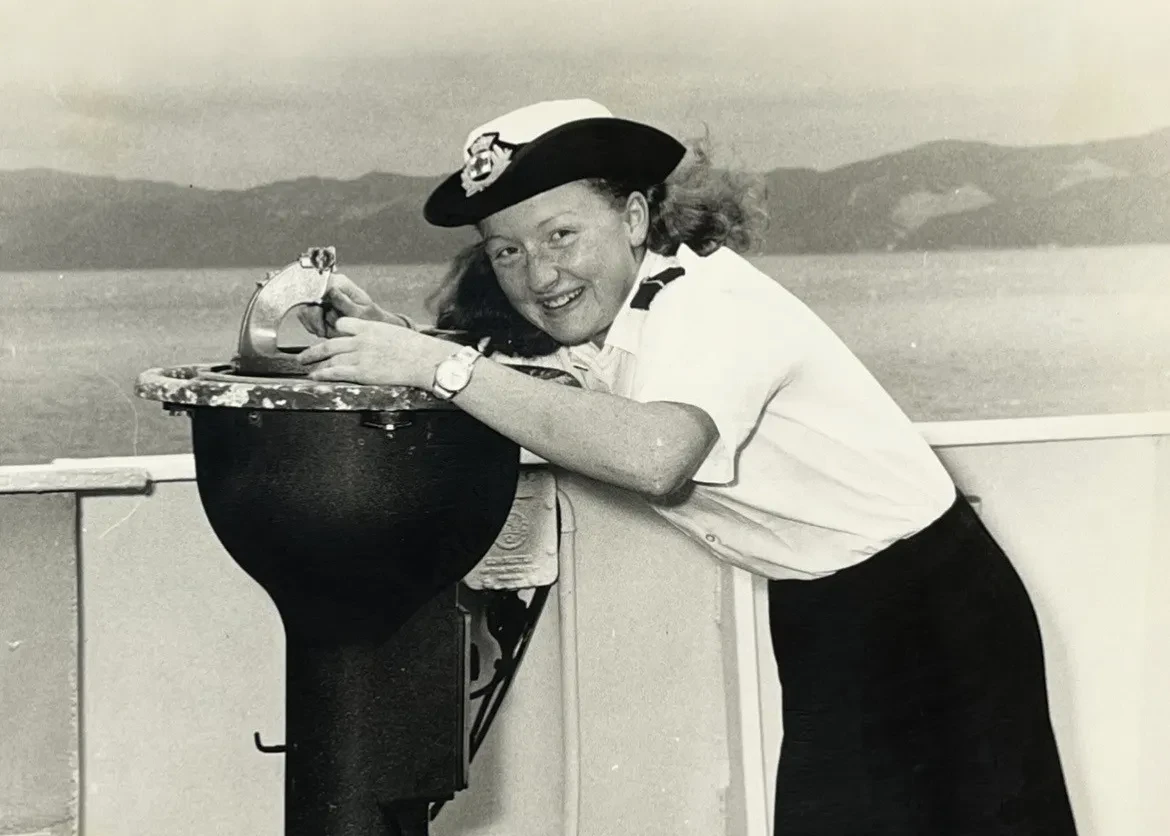
These collections highlight some of the essential work done by merchant seafarers and its impact on their lives.
Discover more