
One of the great Italian artists of the 17th century, Artemisia Gentileschi was celebrated for her dramatic depictions of biblical and historical scenes.
Born in Rome in 1593, Artemisia trained under her father, Orazio Gentileschi, before pursuing a highly successful career in her own right that would take her the length and breadth of Italy and eventually to England.
Artemisia’s links with the Queen’s House stretch back to the late 1630s, when she travelled to Greenwich to help her father finish the original ceiling canvases in the Great Hall. Around this time, she created an oil painting of Susanna and the Elders (c.1638-40), depicting a young woman being harassed by two older male judges. This long-lost work was recently rediscovered in the Royal Collection after it had been misattributed.
As this new loan goes on display in the King’s Presence Chamber, Dr Allison Goudie, Curator of Art Pre-1750, reflects on the significance of ‘welcoming Artemisia back to the Queen’s House’.
Image
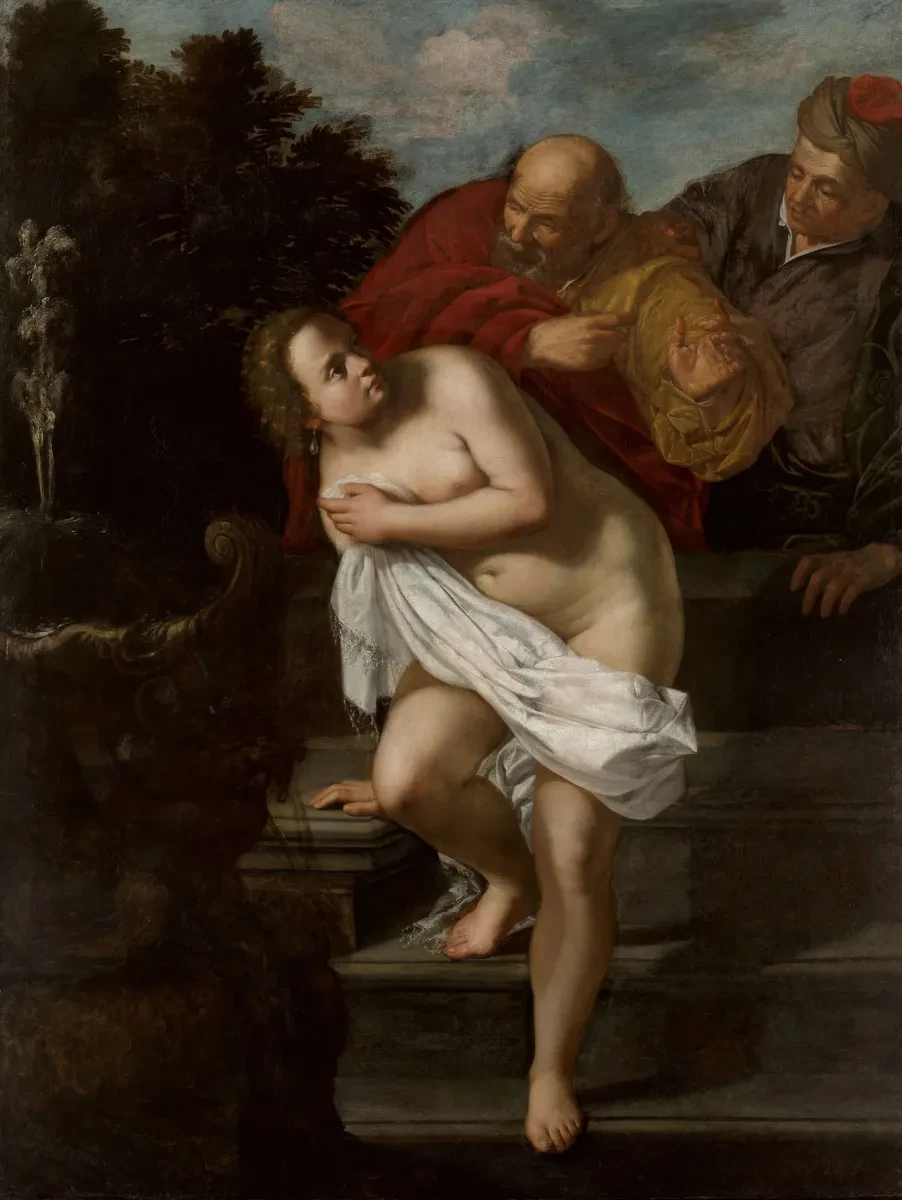
Susanna and the Elders
By Artemisia Gentileschi
© Royal Collection Enterprises Limited 2026 | Royal Collection Trust
A cultural pioneer: Henrietta Maria and the Queen's House
Henrietta Maria’s impact on the cultural landscape of England was considerable but relatively little remains of the physical spaces she inhabited and made her own as a patron of art and architecture.
The Queen’s House is a unique survival as a domestic space completed specifically for her. Finished in the 1630s, it was a place where Henrietta Maria sought to indulge her taste for the contemporary art of the time. However, her vision for the interiors of the Queen’s House ultimately never came to full fruition due to the outbreak of civil war.
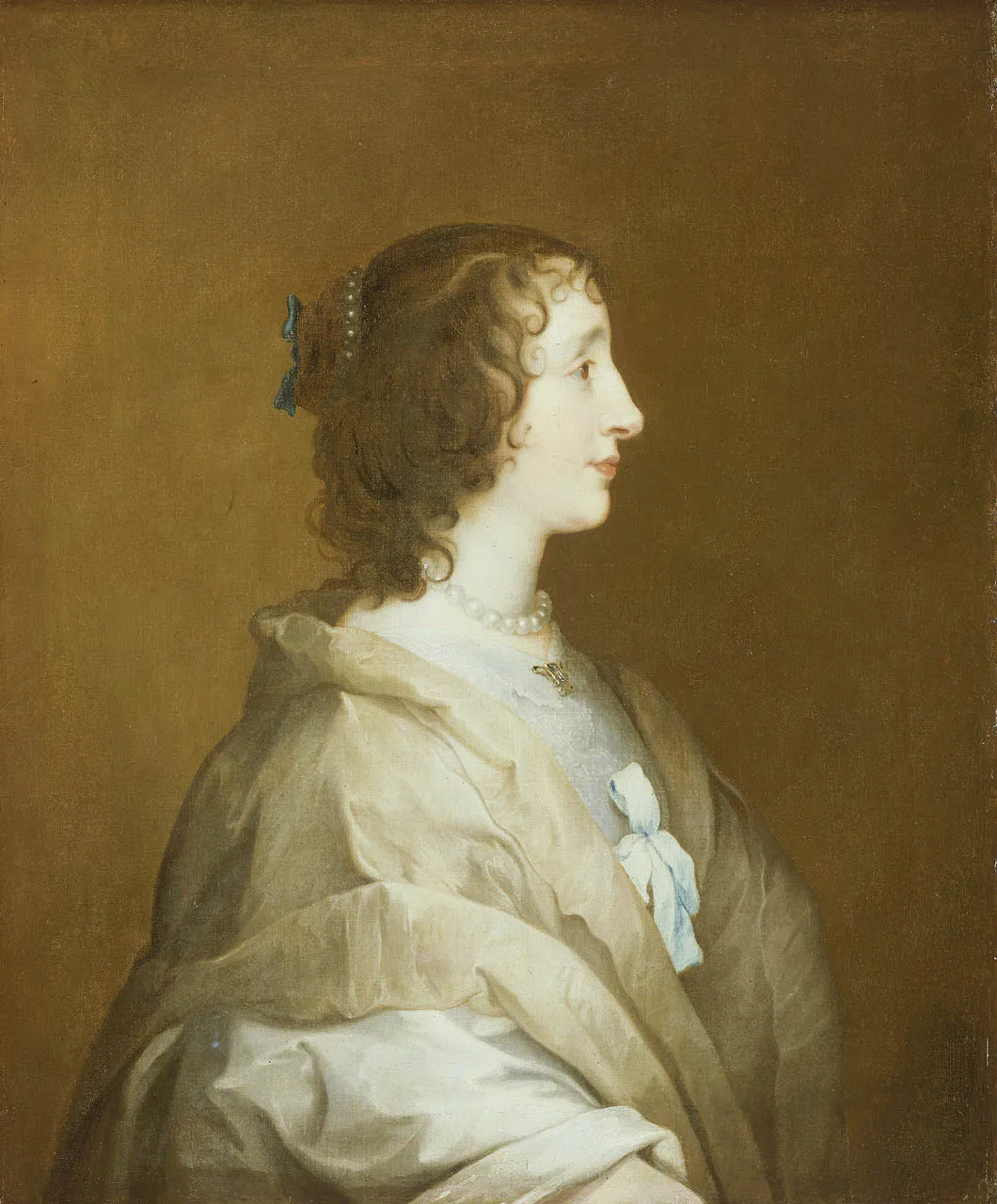
The Royal Collection was sold off under the Commonwealth and over the subsequent centuries the Queen’s House eventually ceased being a royal residence. Partly for this reason, and often understandably something of a surprise to new visitors to the Queen’s House, the permanent collection on display at the House does not include any objects that can be traced to Henrietta Maria’s interiors.
This is why we are so delighted to be able to welcome on loan to the Queen’s House a painting from the Royal Collection that was recently rediscovered as a commission by Henrietta Maria, and from one of the most sought-after painters of the day, no less: Artemisia Gentileschi.
Artemisia Gentileschi's Greenwich connections
Artemisia would have known the Queen’s House well, having probably assisted her dying father, Orazio Gentileschi, in completing the magnificent ceiling canvases which originally adorned the Great Hall (these were moved to Marlborough House on Pall Mall in the early 18th century). A painting by Artemisia of the ancient Roman heroine Lucretia, now lost, is recorded as hanging at Greenwich, possibly in the Queen’s House itself.
Her painting now on display at the Queen’s House depicts the story of Susanna and the Elders, from the Book of Daniel, which forms part of the Old Testament in the Roman Catholic tradition. Although it does not appear to have hung at Greenwich historically, it would have been in keeping with other paintings featuring female protagonists from the Old Testament that we know Henrietta Maria displayed at the Queen’s House, specifically paintings of Lot and His Daughters, The Finding of Moses and Joseph and Potiphar’s Wife by Artemisia’s father, Orazio.
Displaying 'Susanna and the Elders'
Susanna and the Elders was first recorded in about 1639 – around the time the Queen’s House interiors were being decorated – as hanging above the fireplace in Henrietta Maria’s Withdrawing Chamber at Whitehall Palace.
With that interior now sadly lost, however, the Queen’s House, as the only surviving domestic interior completed specifically for Henrietta Maria, makes an exceptionally apt setting for the painting. It is one which allows us to appreciate as best as possible within a real interior how the painting was originally intended to be seen.
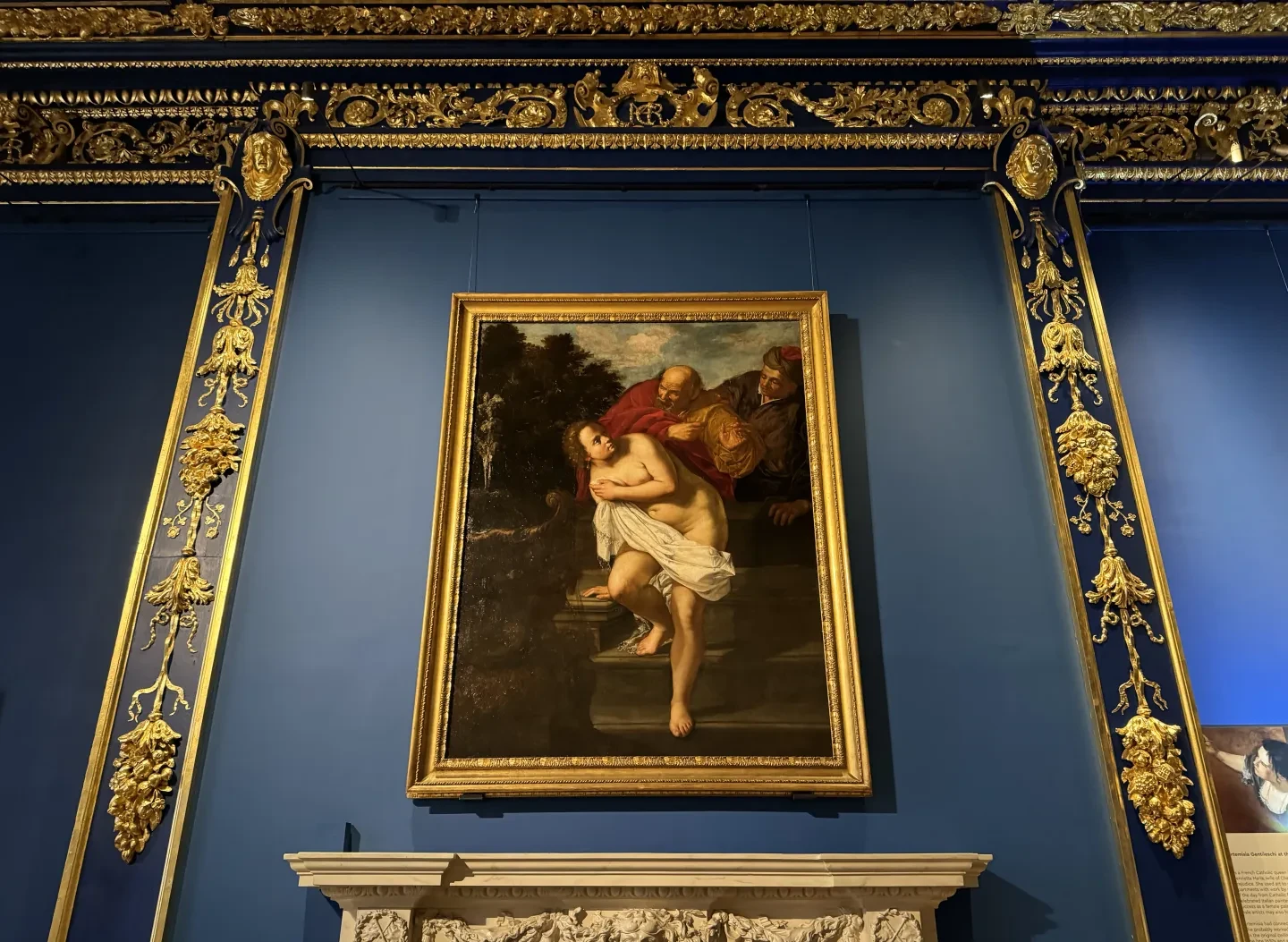
The room we are displaying it in at the Queen’s House, now called the King’s Presence Chamber, was, in Henrietta Maria’s day, her Withdrawing Chamber, the parallel space to the painting’s original location at Whitehall Palace. Mimicking Henrietta Maria’s placement of the painting above the fireplace, we too are displaying it on the chimney breast.
Indeed, Artemisia seems to have had such a position in mind already when she was working on the painting, as Niko Munz and Adelaide Izat, whose research led to the painting’s rediscovery, explain:
Delicately, like a sculpture wandering off its plinth... [Susanna] steps forward as if to move out of the painting. …
Hung above the chimney, these foreshortened dynamics must have seemed theatrical and illusionistic: the mantlepiece ledge would have seemed to have continued the steps downwards, and the painted water would have appeared to be ready to douse the real flames below.
The drama of the composition is particularly effective from a low vantage point, suggesting that Artemisia designed the work with its intended position [over a fireplace] in mind.
Niko Munz and Adelaide Izat, ‘Artemisia Gentileschi’s “Susanna and the elders” painted for Henrietta Maria’, The Burlington Magazine, vol.165 (October 2023), p. 1061
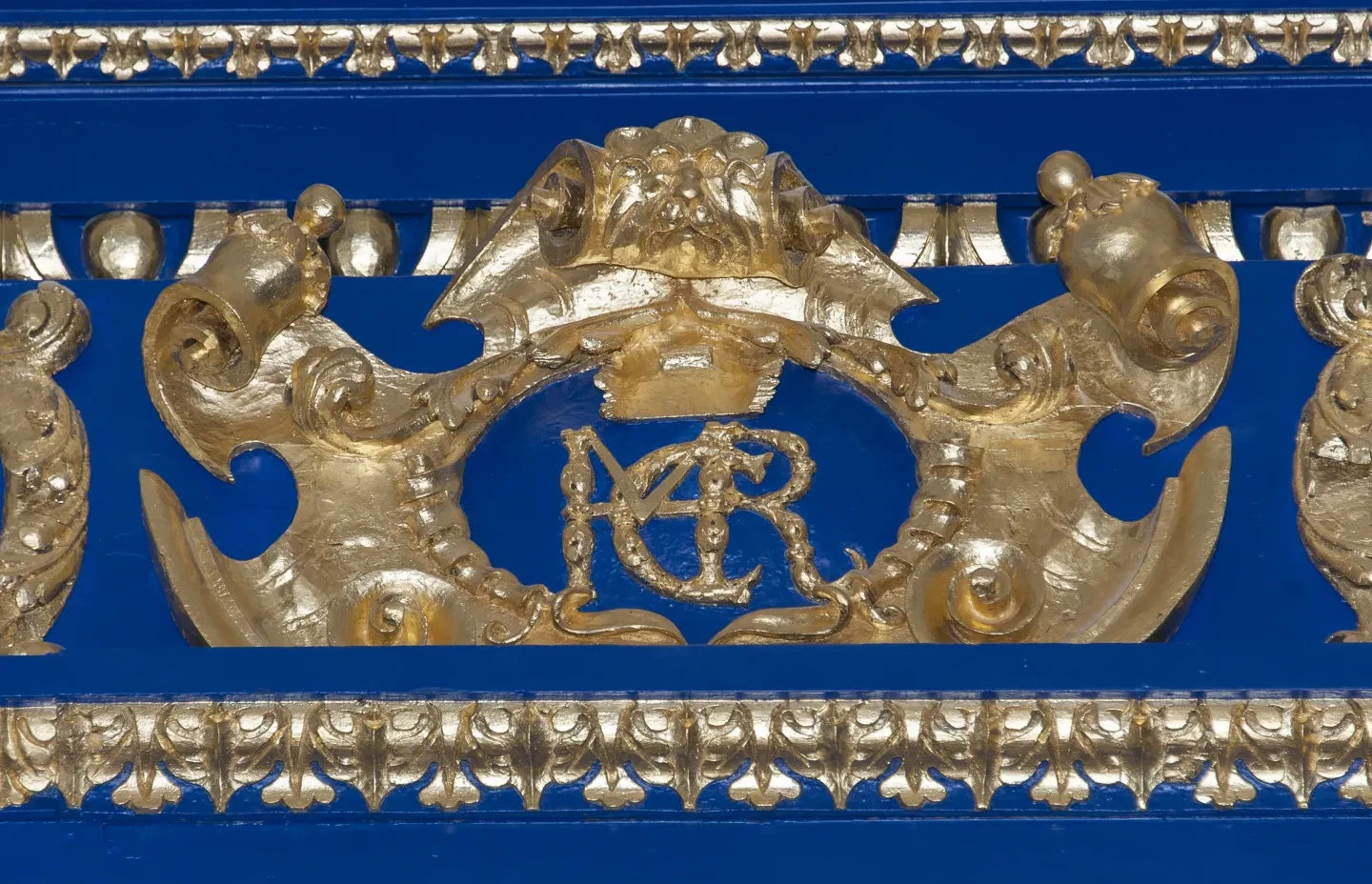
A final flourish in the parallels between the space at Greenwich and the lost interior of Whitehall is found in the gilt carved royal cipher ‘HMCR’ (Henrietta Maria Charles Rex/Regina) which crowns the chimney breast at the Queen’s House. This echoes Henrietta Maria’s cipher which we know was carved into the marble mantelpiece of her Whitehall Withdrawing Chamber.
This may be the first time Artemisia’s Susanna and the Elders has hung at Greenwich, but it is very much at home in the setting of the Queen’s House.
Further reading
Niko Munz and Adelaide Izat, ‘Artemisia Gentileschi’s “Susanna and the elders” painted for Henrietta Maria’, The Burlington Magazine, vol.165 (October 2023), pp. 1053-1073.
Niko Munz, ‘Artemisia Gentileschi in England’, The Burlington Magazine, vol.167 (December 2025), pp. 1178-1191.
Read more about the Queen's House rehang

Introducing new contemporary art at the Queen's House for 2026
Victoria Lane, Senior Curator of Art and Identity, explores highlights from some of the contemporary artworks that have gone on show
Highlights of the Queen's House refresh
What to look out for in the inspiring new take on the Queen’s House’s displays in 2026
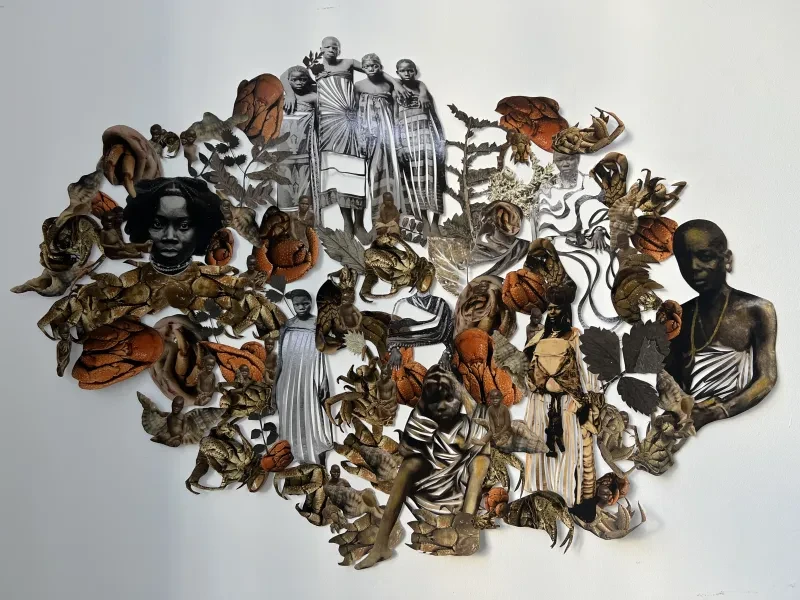
Look inside: The Many Invincible Ones by Sharon Walters
Find out about the artworks in Sharon Walters’ display, now on show in the Queen’s House
Mapping uncharted histories: the 19th century woman who developed London’s map trade
Artist Remiiya Badru’s new display in the Queen’s House tells the story of maritime publisher, Penelope Steel
‘I want people of the African diaspora to see ourselves in a positive light’
Artist Sharon Walters reveals the journey behind the making of her new display, 'The Many Invincible Ones'
Migration and art: introducing the new Queen's House display 'Crossings'
As a new collection of artworks reflecting on migrant experiences opens at the Queen's House, curator Tim May explores the role of physical and invisible borders in the story of migration

Reframing the Pacific in the Queen’s House
Curators Katherine Gazzard and Hannah Cusworth highlight the steps involved in redeveloping a room in the Queen's House
Writing a museum label with 'Gendering the Museum'
Dr Kit Heyam explains the process behind writing the first co-curated label in the Queen's House for a painting of James I