
How do you tell when a gallery is getting old? Do the displays look tired? Have some of the objects been removed? Do the texts on the walls reflect ways of thinking that have been questioned? Are relevant voices and perspectives omitted?
Being alert to these signs is a significant part of our role as curators, but making improvements often takes time and requires careful thought and consultation.
Historically, much of this behind-the-scenes work has gone unseen, but an increasing number of museums are now looking to bring greater transparency to the process of reviewing and rethinking displays.
In that spirit, this article shines a light on our ongoing work to update one of the rooms in the Queen’s House, shares the questions that we are asking ourselves and introduces some of our collaborators on the project.
The 'Enlightenment Views' room before redevelopment
The Enlightenment Views room is on the first floor of the Queen’s House, overlooking Greenwich Park. Since 2016, it has showcased selected landscapes and portraits from our extensive collections of eighteenth-century British art.
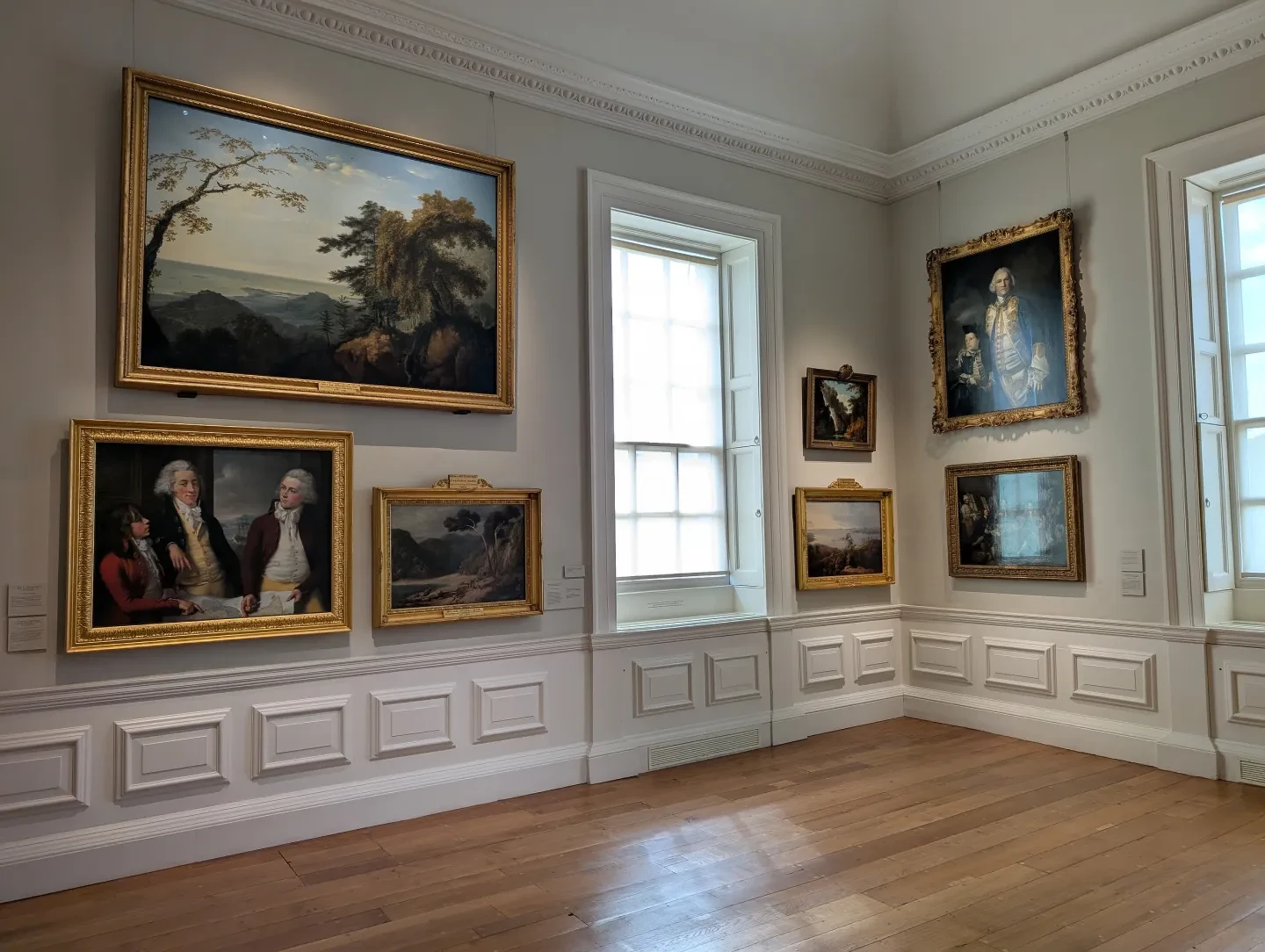
The introductory text panel, written in 2016, describes the room as a display of ‘Enlightenment Views’. It states:
Often termed 'the enlightenment', the 18th century was when the British and European view of the world, and mankind's place in it, greatly expanded. This was generally based on the rise of rational science, but artists were also crucial in presenting the widening world to an increasingly art-conscious public.
As British trade and naval power extended, artists interpreted both new landscapes and people for this new age. We display some of these works here.
‘To enlighten’ means ‘to give greater knowledge and understanding’. The term ‘Age of Enlightenment’ describes an intellectual movement in eighteenth-century Europe. It highlights the era’s growing emphasis on reason, scientific thought, religious tolerance and individual liberty.
Yet the same period was also characterised by colonial violence, exploitation and the emergence of pseudo-scientific racialized hierarchies. This included transatlantic enslavement and the growing power of the British East India Company. Some historians believe that using the word ‘enlightenment’ obscures these histories.
We are now questioning whether we should employ this contested term in the gallery and whether the text should do more to highlight the violence and complexities associated with this period in British history.
The artworks on display
The range of artworks displayed in the gallery has changed over time. Some paintings have remained in place since the room opened in 2016, but others have since moved to different galleries. New acquisitions have also been added to the display.
The paintings currently on show in the room either represent or allude to diverse global locations and histories. However, one challenge that we face as curators is bringing cohesion to this varied assortment.
Browse a selection of the works in the gallery below.
1 / 5
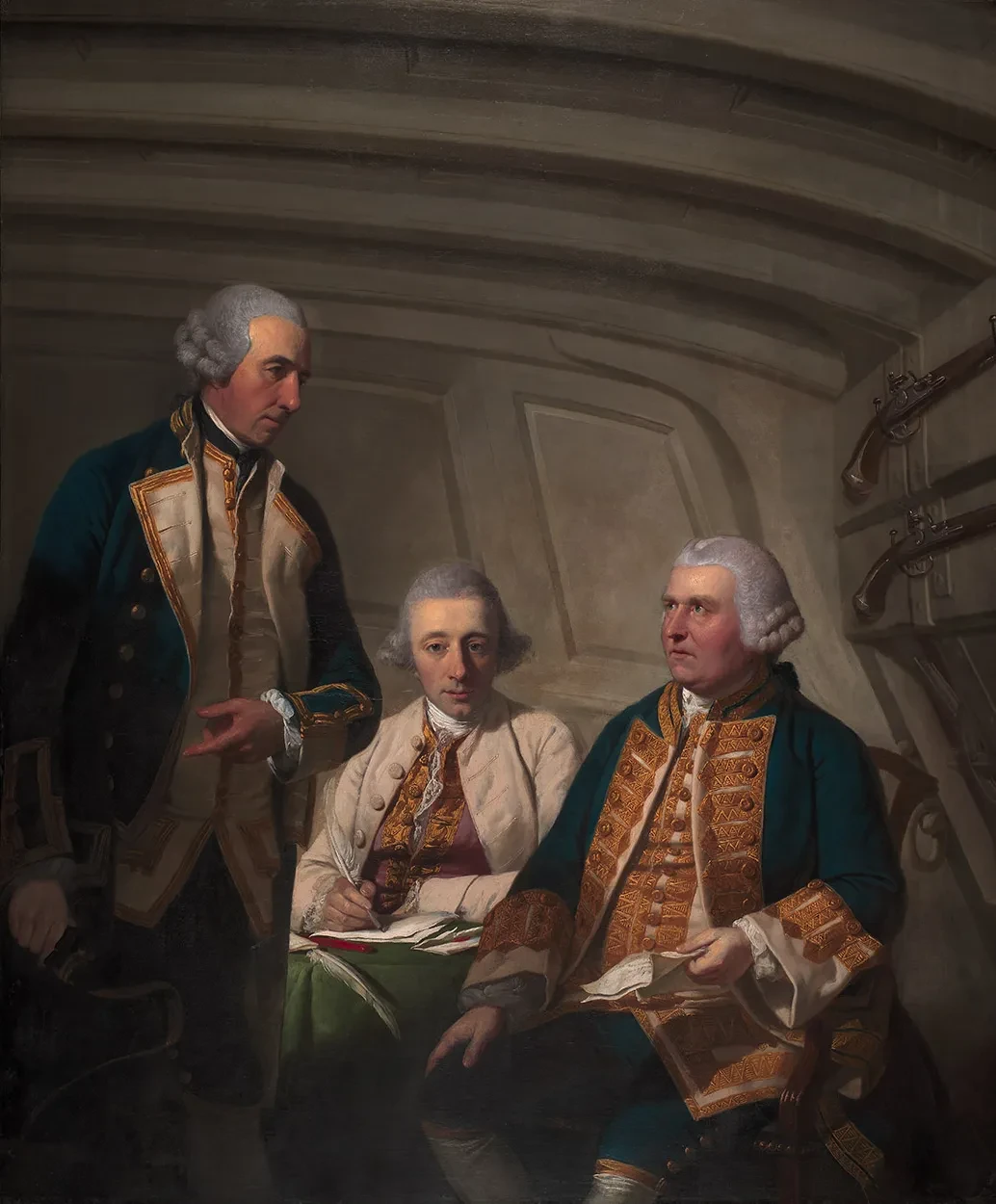
Vice-Admiral Sir Samuel Cornish, Captain Richard Kempenfelt and Thomas Parry by Tilly Kettle (1768)
Purchased with the support of the Art Fund, the Rought Fund and the Society for Nautical Research Macpherson Collection Endowment Fund.
2 / 5
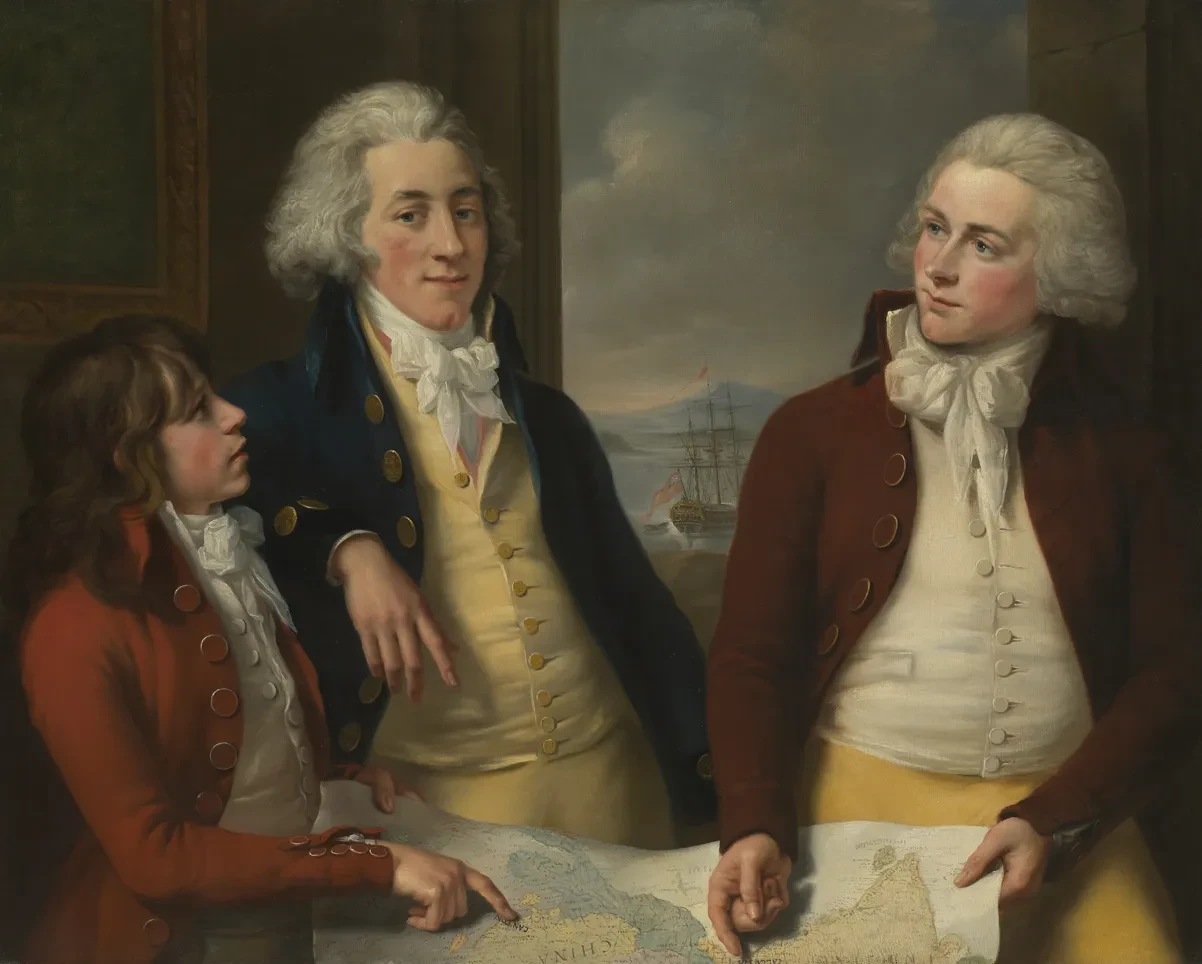
The Money Brothers: William Taylor, 1769-1834, James, 1772-1833, and Robert, 1775-1803 by John Francis Rigaud (1788–92)
3 / 5
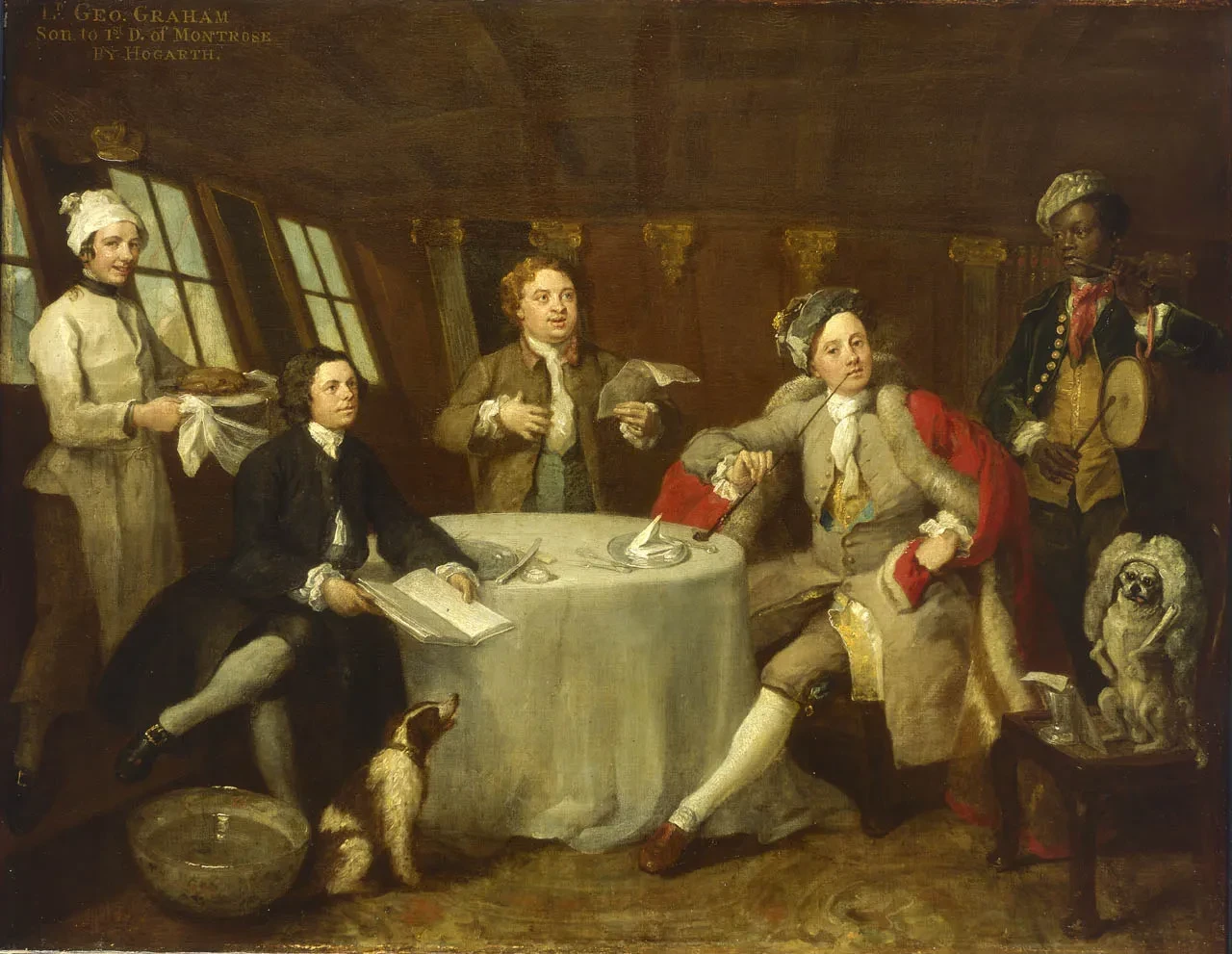
Captain Lord George Graham, 1715-47, in his Cabin by William Hogarth (1742–44)
4 / 5
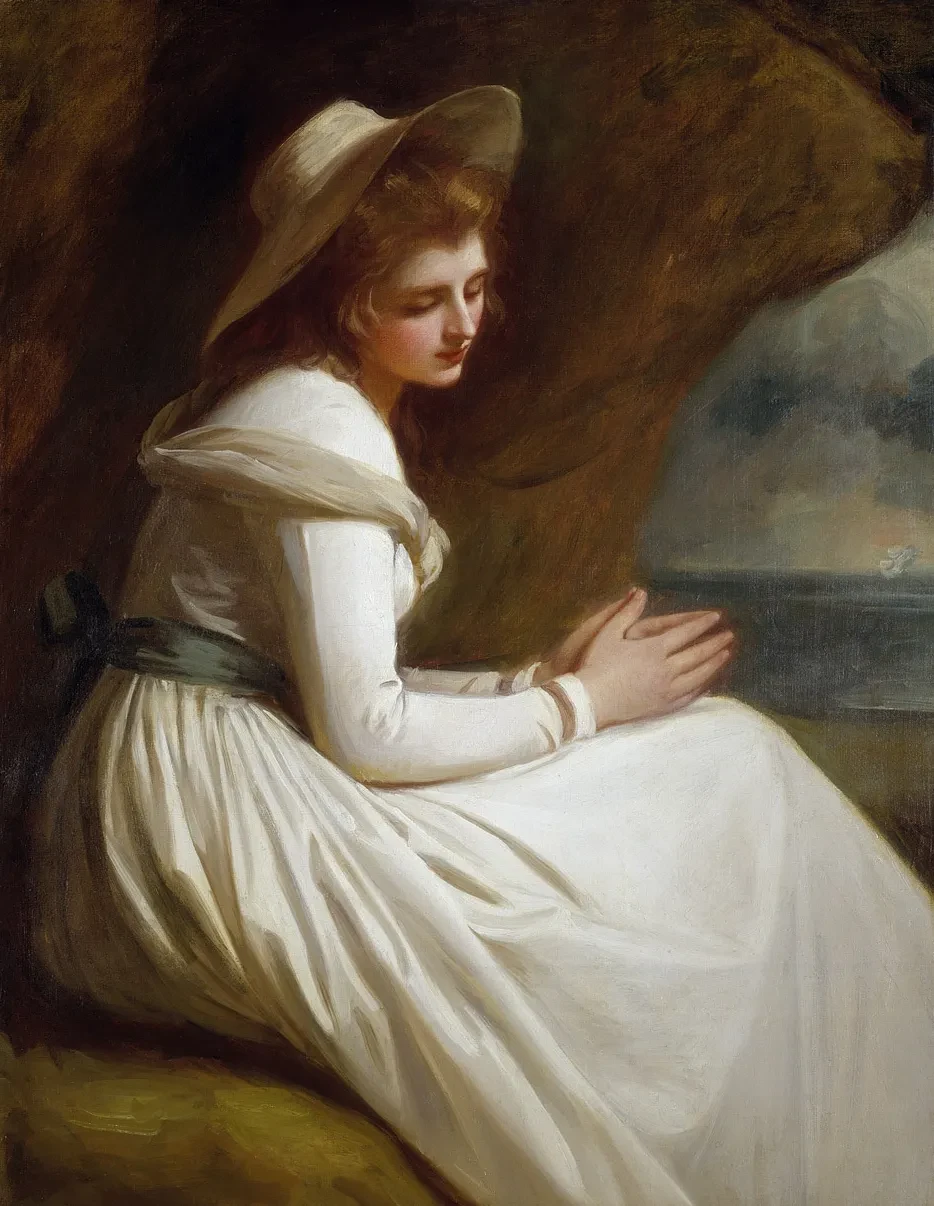
Portrait of Emma Hart (Lady Hamilton) as Absence by George Romney (1785–86)
5 / 5
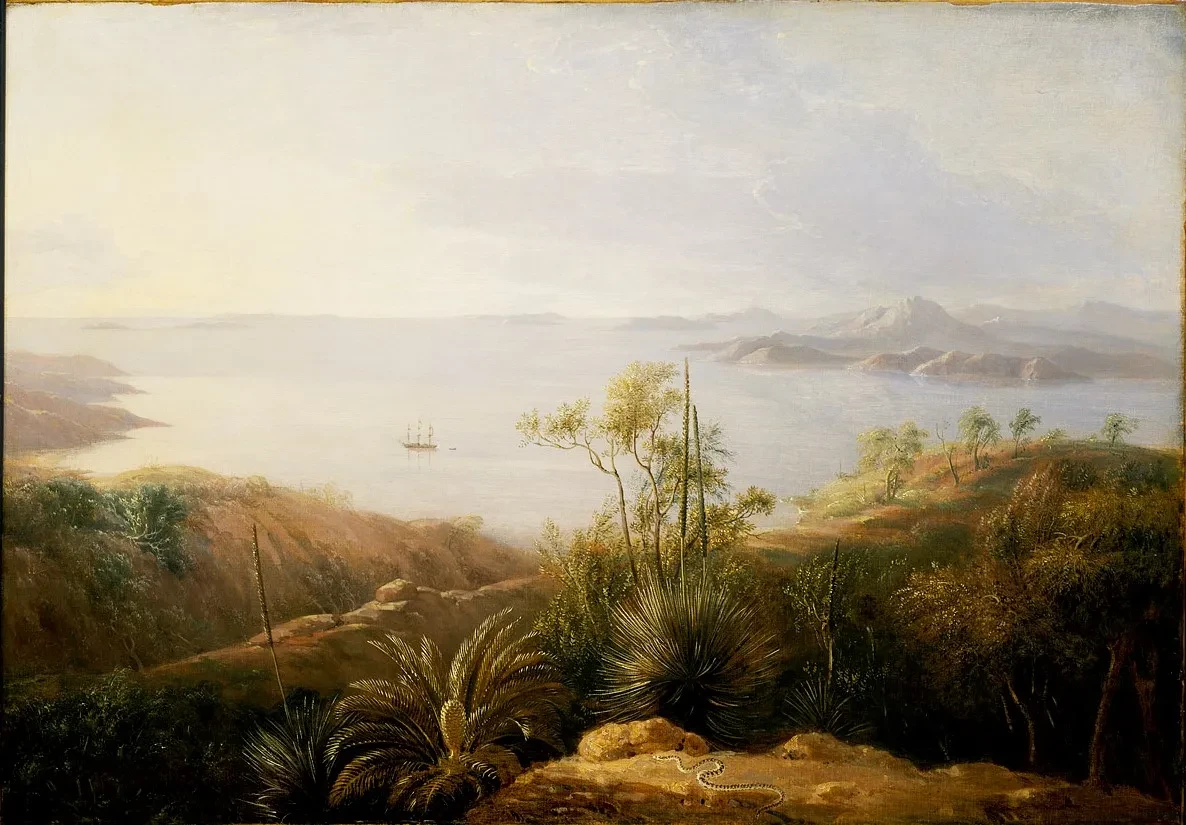
A bay on the south coast of New Holland, January 1802 by William Westall (1809–12)
Expanding perspectives
For all their variety, the paintings in the room have something in common. All of them are the work of British artists and reflect the perspectives of British naval commanders and colonial officials. They offer a one-sided view of history, obscuring or ignoring the viewpoints of people around the world whose lives and communities were impacted by British maritime activity.
What is the effect of these paintings on visitors to the Queen’s House, especially those from diasporic communities whose homelands and histories are represented? How might the gallery be changed to incorporate a broader variety of perspectives?
Answering these questions requires consultation and collaboration. As curators, we cannot speak for groups to whom we do not belong ourselves. Instead, we must listen to and amplify their voices.
Redeveloping the gallery: rethinking the works of William Hodges
Reimagining an entire gallery is a big job, so we decided to start small, taking six of the paintings in the room as an initial case study.
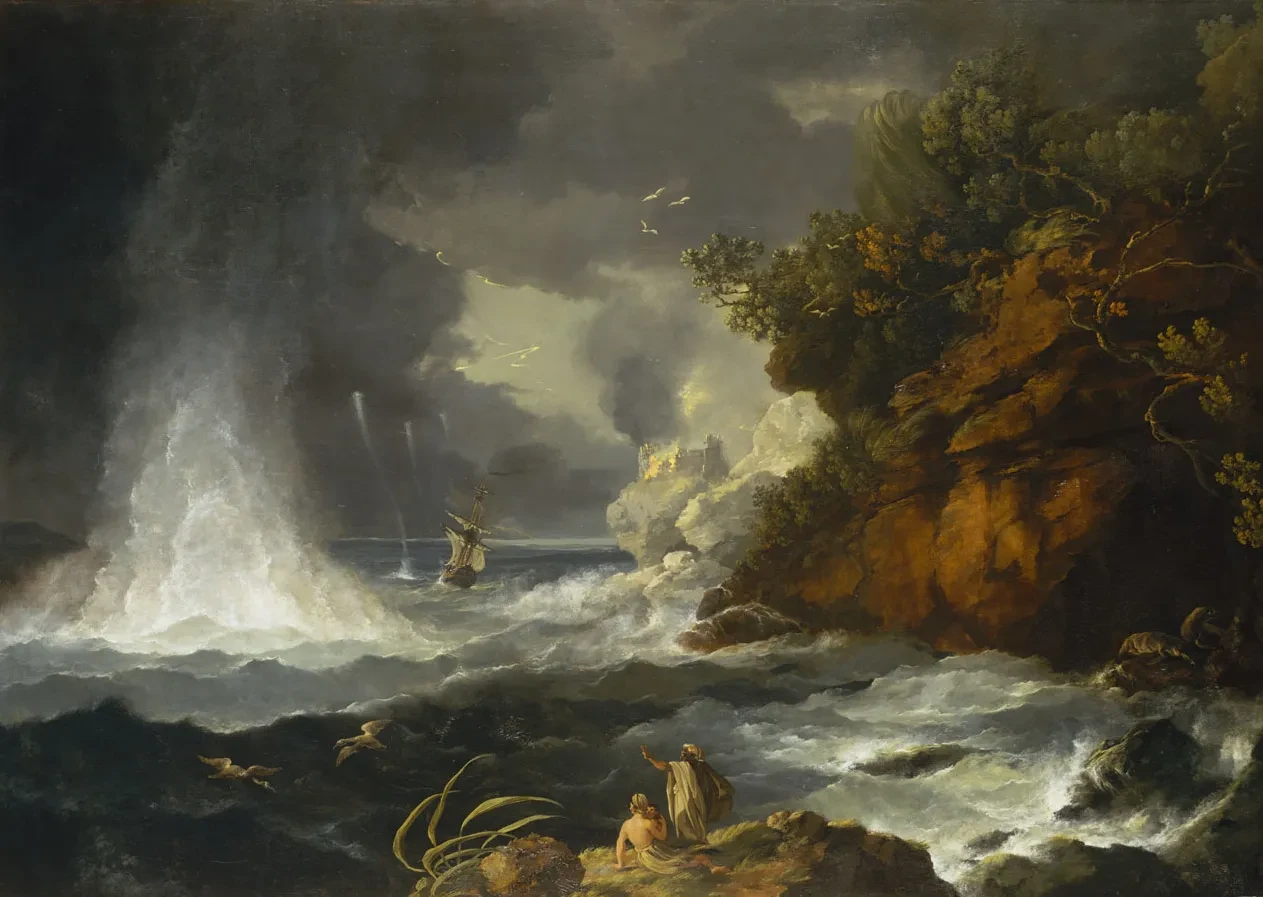
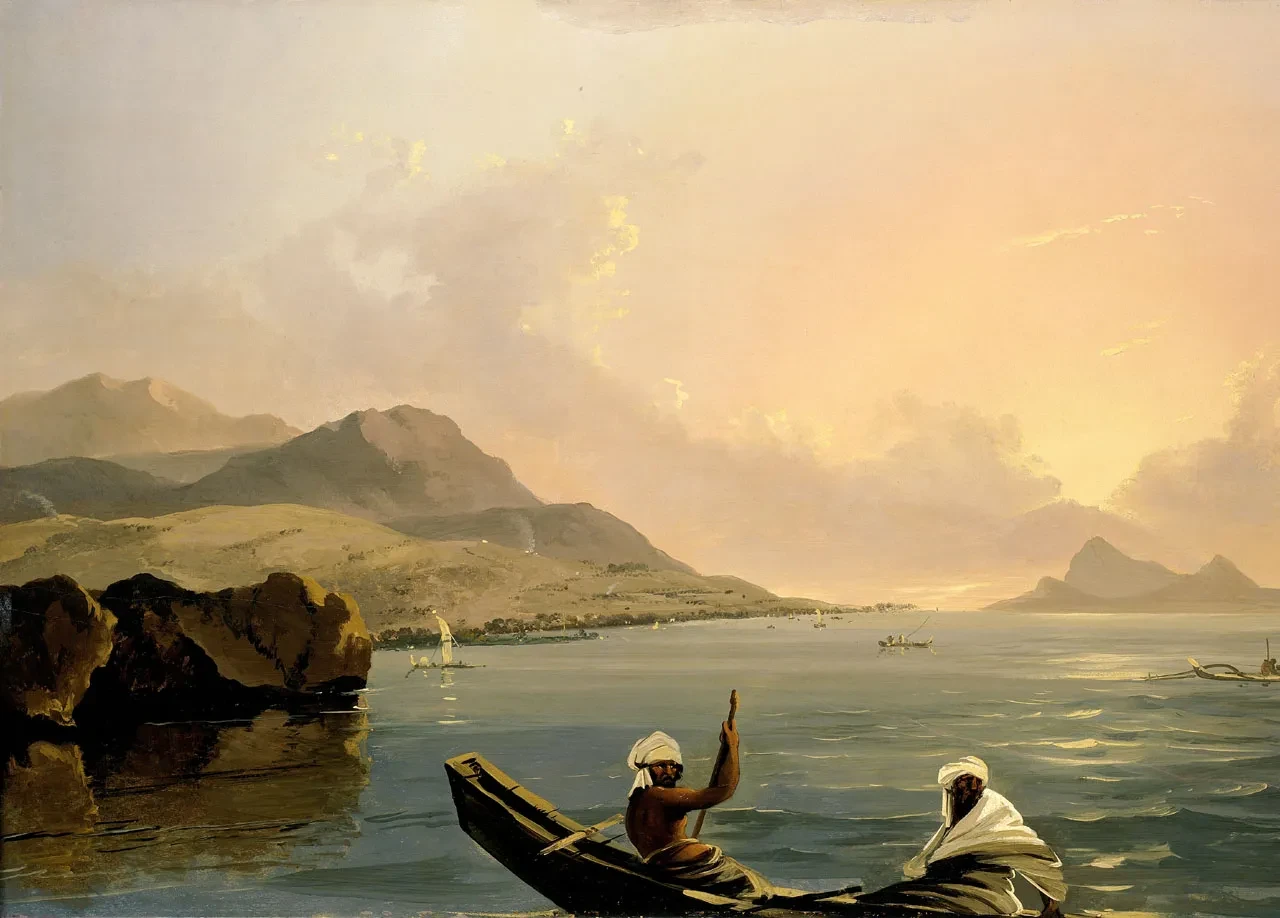
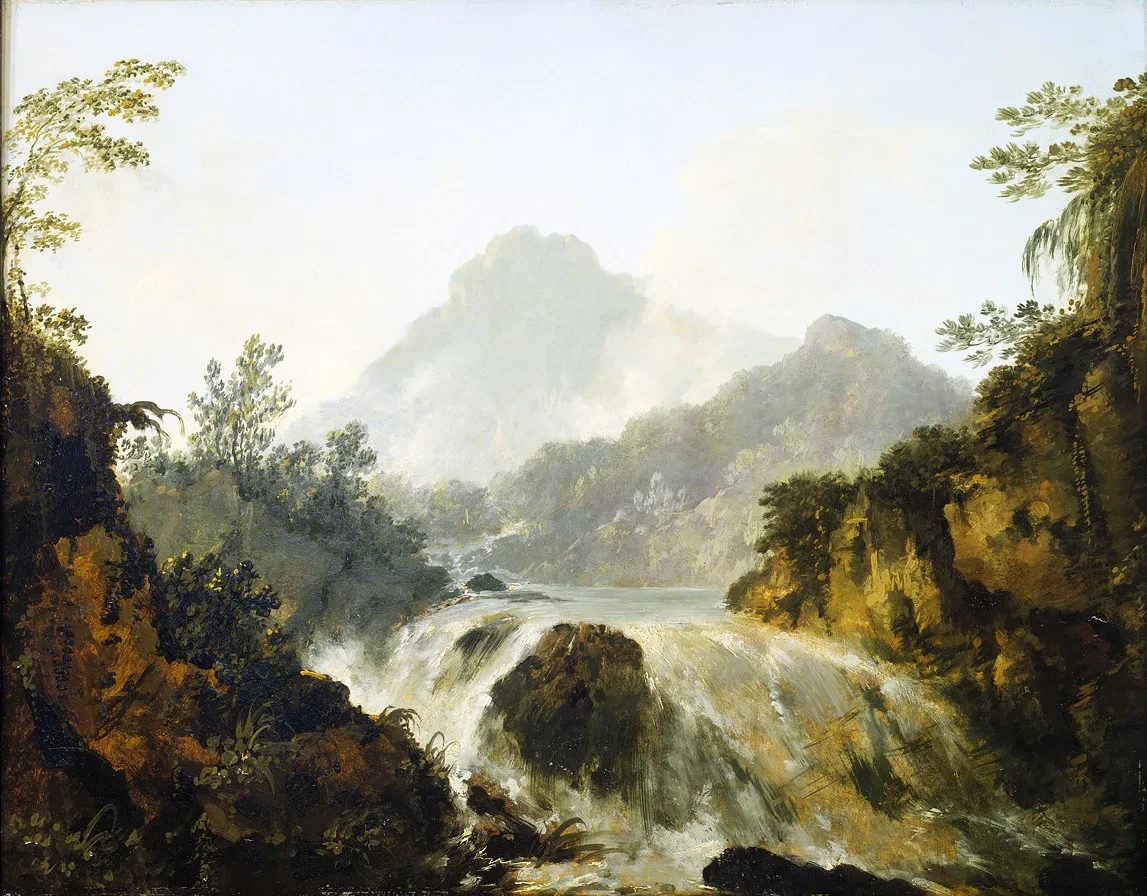
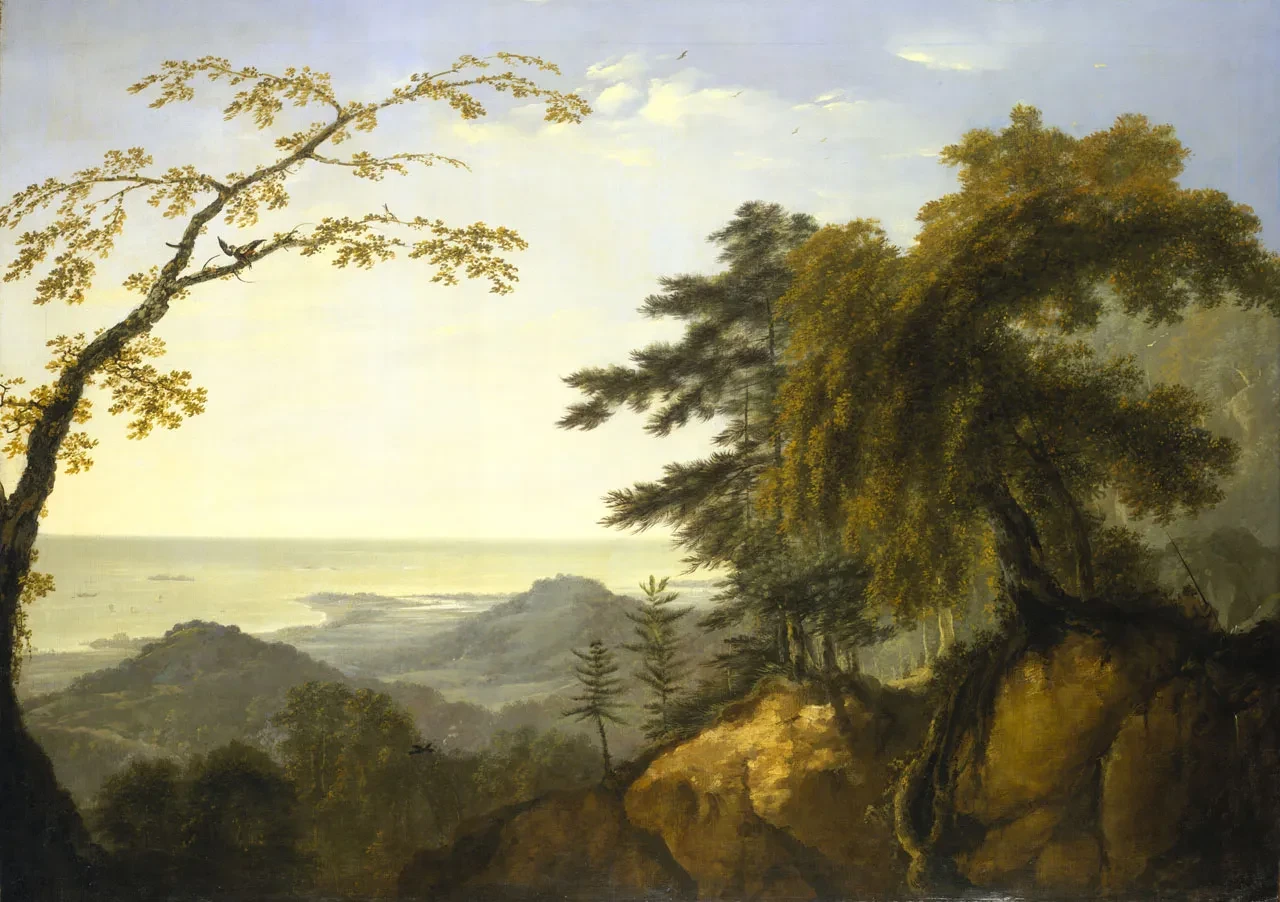
The selected paintings depict landscapes from locations in the Pacific, including Aotearoa-New Zealand, New Caledonia, Tahiti and Rapanui. They were produced by artist William Hodges, who sailed with Captain James Cook on a British naval expedition to the Pacific in 1772 to 1775. This was the second of Cook’s three Pacific voyages.
1 / 6
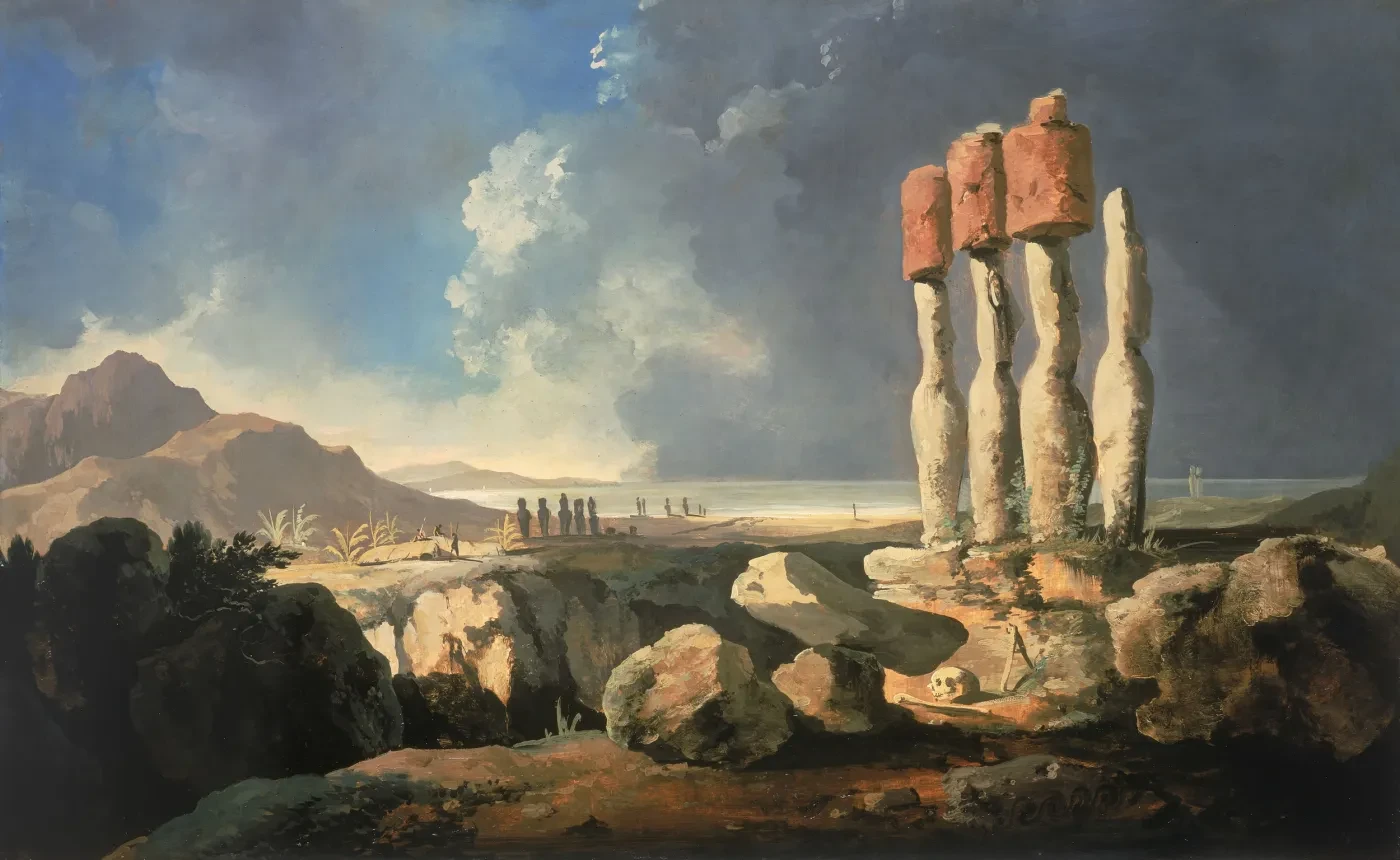
A View of the Monuments of Easter Island [Rapanui] by William Hodges (about 1776)
3 / 6
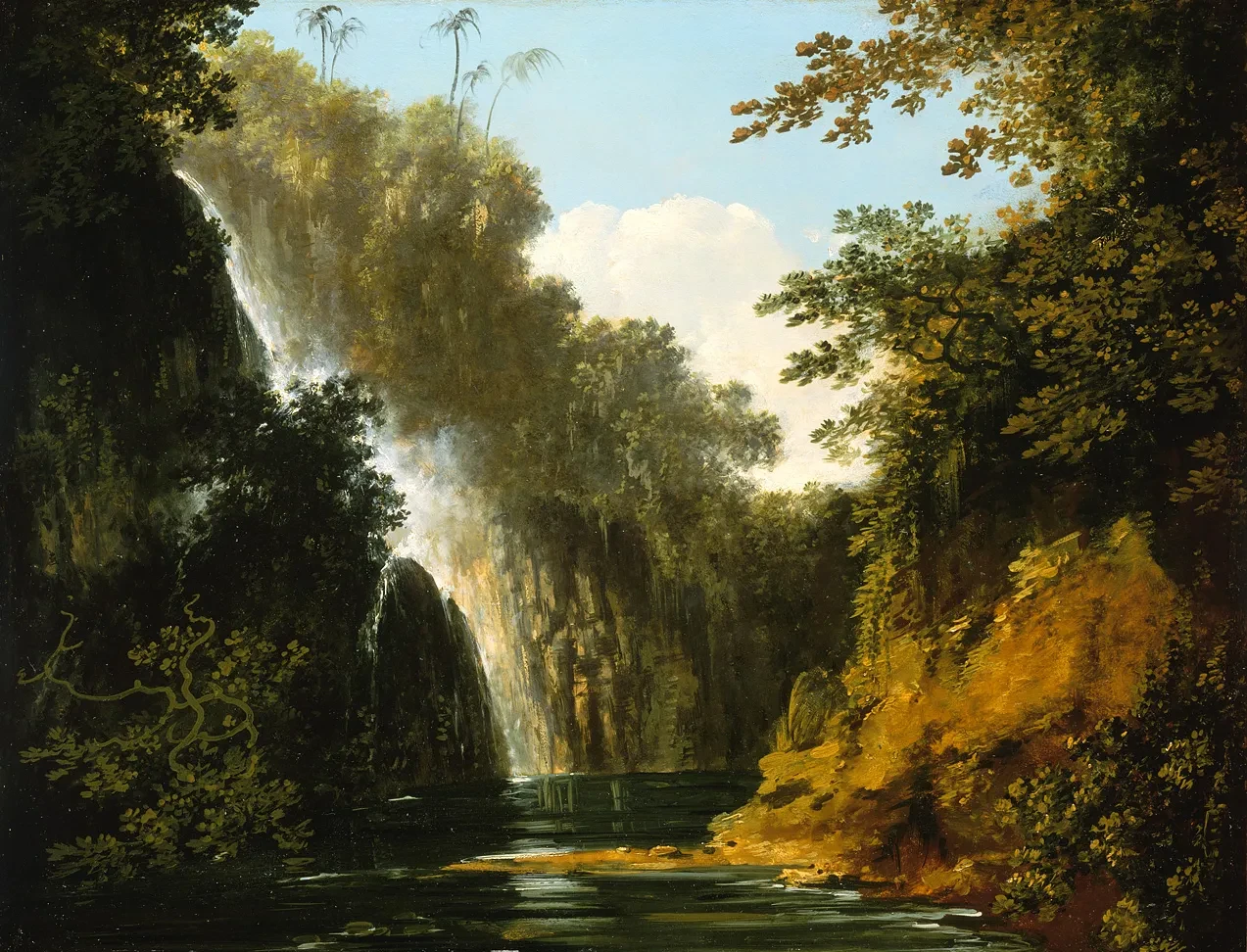
A View of Cape Stephens in Cook's Straits with Waterspout by William Hodges (around 1776)
4 / 6
View of the Province of Oparree [Pare], Island of Otaheite, with part of the Island of Eimeo [Moorea] by William Hodges (about 1776)
6 / 6
A View of the Island of New Caledonia in the South by William Hodges (around 1777–78)
The purpose of the voyage was to search for landmasses and to undertake studies of local plants, animals, people and celestial phenomena. This work was not motivated purely by intellectual curiosity. The British Admiralty’s instructions to Cook made it clear that scientific investigation went together with the pursuit of opportunities for trade, resource extraction, conquest and colonisation.
As the official voyage artist, Hodges’s role was to depict the people and places that Cook’s ship visited. He made drawings and oil sketches during the voyage, then worked these studies up into finished paintings when he was back in his London studio.
The resulting pictures were displayed in public exhibitions and published as book illustrations, shaping how people in eighteenth-century Britain imagined the Pacific – a place that they were unlikely ever to visit.
The six paintings on display in the Queen’s House are from a set of twenty-four that Hodges made for the Admiralty. Hanging in the corridors and offices of Admiralty House, the pictures provided more than just decoration: they were mission statements, asserting the British government’s desire for global expansion.
But what do people from Pacific communities see when they look at these paintings?
A pretence of accuracy
Cook assured viewers that Hodges’s paintings were accurate, writing in his official account of the voyage that the pictures served ‘to give a more perfect idea…than could be formed from written descriptions only’.
However, this claim of veracity was misleading. Hodges’s landscapes were in fact carefully constructed and even fictionalised images, which reflected British prejudices and colonial interests.
Artwork in focus
Image
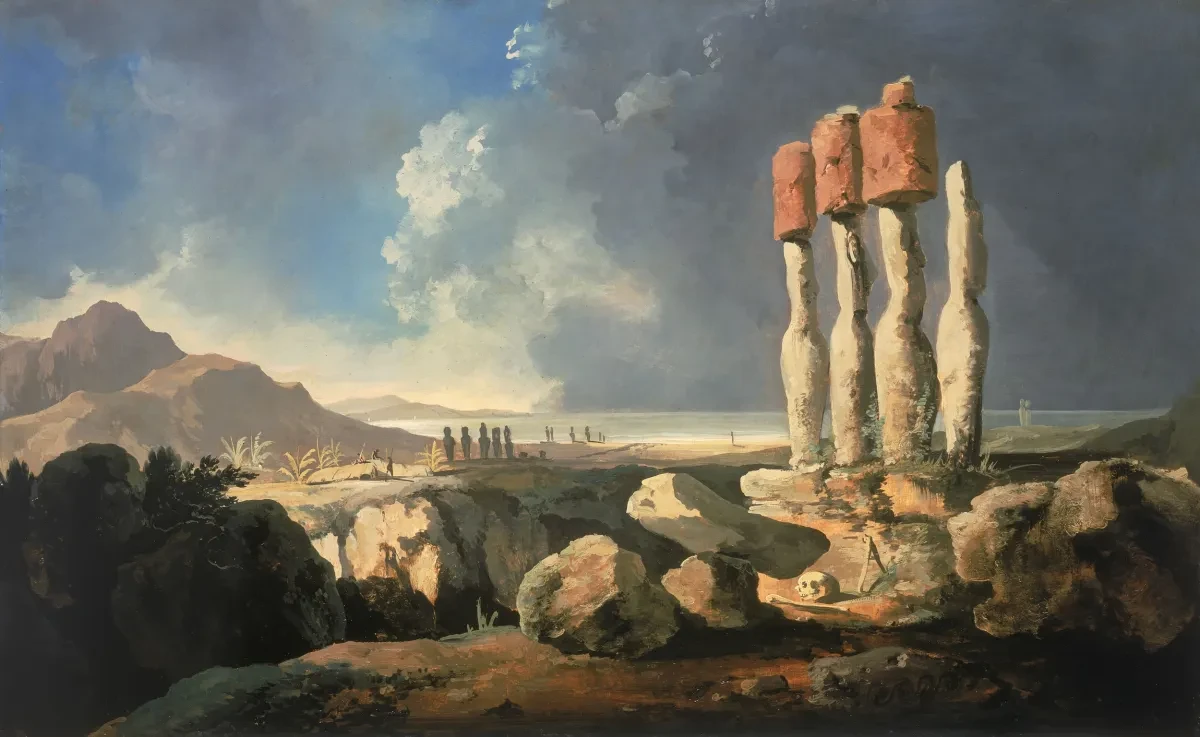
'A View of the Monuments of Easter Island [Rapanui]' by William Hodges
In this painting, the monuments stand on stony ground. Three islanders gather in the distance, bowing their heads. They are barely more than blobs of paint and do not look at one another or engage in any visible activity. A more prominent place in the foreground is given over to a collection of bones and a skull.
The skeletal remains combine with the ancient monuments, desolate landscape and listless islanders to present Rapanui as the site of a once-great civilisation, now fallen into decay. Indigenous culture is presented as belonging in the past. This reflects the attitude of the British Admiralty, which refused to acknowledge indigenous inhabitants as legitimate claimants of the land.
Working with Pacific communities
To understand how Hodges’s paintings are experienced by members of Pacific communities, we needed input from someone with an intimate connection to the region. Fortuitously, Mangaian master carver, Robbie Atatoa, was visiting the Museum in summer 2025 as part of a British Council ‘Connections Through Culture’ residency.
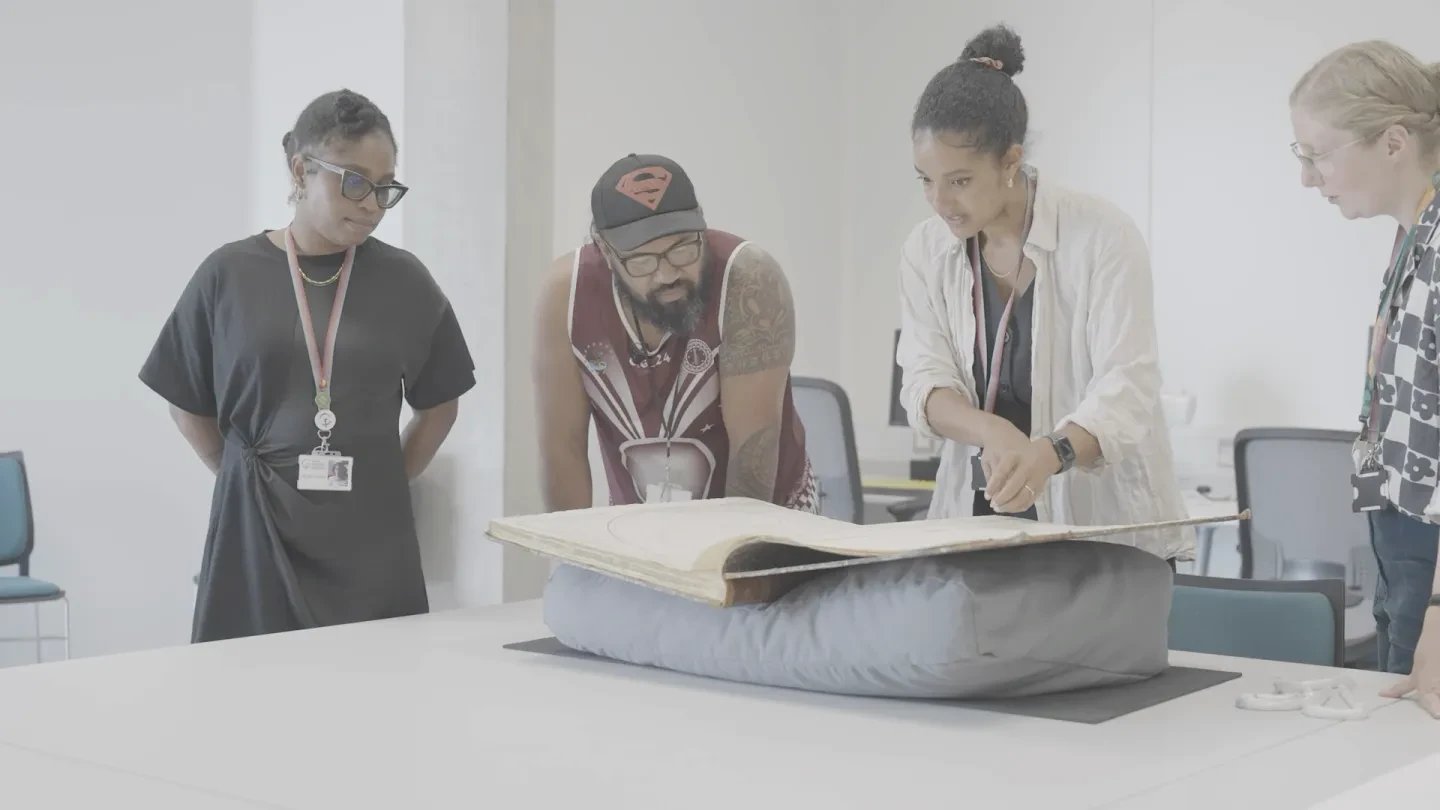
Robbie’s work with the Museum was principally focussed on taonga (treasured items) from Mangaia in the collection. However, he and his wife Polly, who is from New Zealand, generously donated a day of their time to spend with us looking at Hodges’s Pacific pictures.
Robbie and Polly offered insights into the places, people, clothing and taonga depicted in the paintings. They pointed out instances where Hodges’s ignorance of Pacific cultures had led him to misunderstand or misrepresent certain details.
They also noted that Hodges often evoked scenes from the Bible or from Ancient Greece and Rome. Such subjects were familiar to him as a British artist but bore no relationship to the lives of the indigenous peoples of Tahiti, Aotearoa-New Zealand, New Caledonia and Rapanui.
Different perspectives: ‘The view from the canoe’
One of the most revealing and powerful moments during our day with Robbie came when we were looking at Hodges’s painting of the northern coast of Tahiti, looking towards the island of Moorea. In the foreground are two Tahitian men in a canoe. Robbie was drawn to these figures, commenting that, if he were there, he would be fishing from a canoe – just like them.
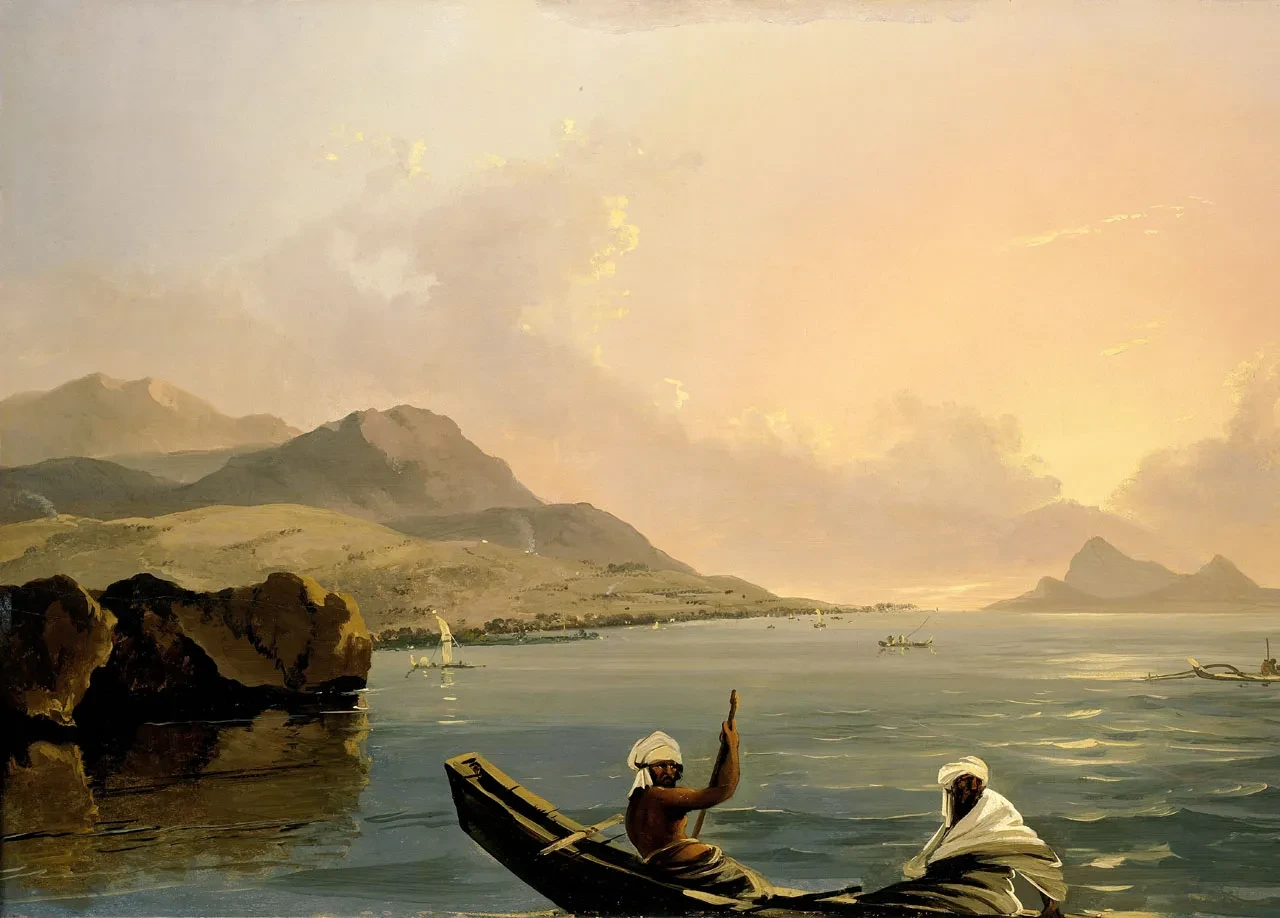
This comment from Robbie stayed with us because it echoed an online article by art historian Manon Gaudet, which had inspired our curatorial approach. Entitled ‘Whose View? The Limitations of Labels’, Gaudet’s piece analysed Hodges’s View of Matavai Bay in the Island of Otaheite [Tahiti] in the collection of the Yale Centre for British Art.
In Gaudet’s words, ‘as viewers of Hodges’s painting, we share in the artist’s elevated position on a ship overlooking the bay’, but she also points out this is ‘not the only subject position available’.
Drawing on the work of Tuscarora artist and scholar Rick Hill, Gaudet encourages us to consider not only the ‘view from the ship’ (the British perspective) but also the ‘view from the canoe’ (the Indigenous one).
As a settler scholar, Gaudet makes no claims to know what the view from a Tahitian canoe would have looked like in the 1770s, nor what a present-day Tahitian perspective on Hodges’s painting might be – and neither do we. However, we embraced the invitation, as Gaudet puts it, ‘to look differently and think critically about whose perspectives are privileged and whose are absent from the interpretive framework on offer [in the gallery].’
Robbie’s identification with the men in the canoe affirmed to us the importance of bringing the ‘view from the canoe’ into the Queen’s House. It also underscored the necessity of working with co-curators from Pacific communities to achieve this.
What's next?
Our day with Robbie showed us that there are other ways of looking at the paintings on display in the Queen’s House. However, more work is needed to incorporate different perspectives in the gallery in a meaningful way.
We want to meet with more individuals and communities who have a connection to the places and histories represented in the paintings. It is our hope that they will become co-curators on the project and that their insights will inform and shape the changes that we make within the gallery.
In so doing, we hope to bring the approach in the Queen’s House into line with the Pacific Encounters gallery in the National Maritime Museum, which was created in collaboration with communities from across the Pacific Ocean.
Changes in the Queen’s House might include new labels, either in addition to or instead of the existing text on the walls. We may also look to move or change certain artworks.
Whatever we do will depend on the availability of budget and resources. More importantly, it will also hinge on what our co-curators believe is worthwhile.
Read more about the Queen's House rehang
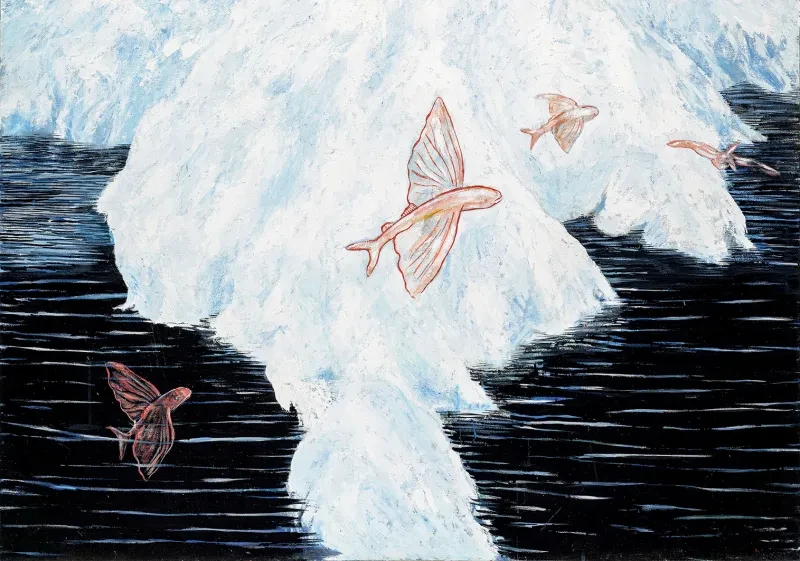
Introducing new contemporary art at the Queen's House for 2026
Victoria Lane, Senior Curator of Art and Identity, explores highlights from some of the contemporary artworks that have gone on show
Highlights of the Queen's House refresh
What to look out for in the inspiring new take on the Queen’s House’s displays in 2026
Artemisia Gentileschi at the Queen's House
A painting by Artemisia Gentileschi recently rediscovered in the Royal Collection is now on loan at the Queen's House. Allison Goudie reveals Artemisia's Greenwich connections – and why the Queen's House is a fitting place to see the painting
Migration and art: introducing the new Queen's House display 'Crossings'
As a new collection of artworks reflecting on migrant experiences opens at the Queen's House, curator Tim May explores the role of physical and invisible borders in the story of migration
Mapping uncharted histories: the 19th century woman who developed London’s map trade
Artist Remiiya Badru’s new display in the Queen’s House tells the story of maritime publisher, Penelope Steel
Writing a museum label with 'Gendering the Museum'
Dr Kit Heyam explains the process behind writing the first co-curated label in the Queen's House for a painting of James I