
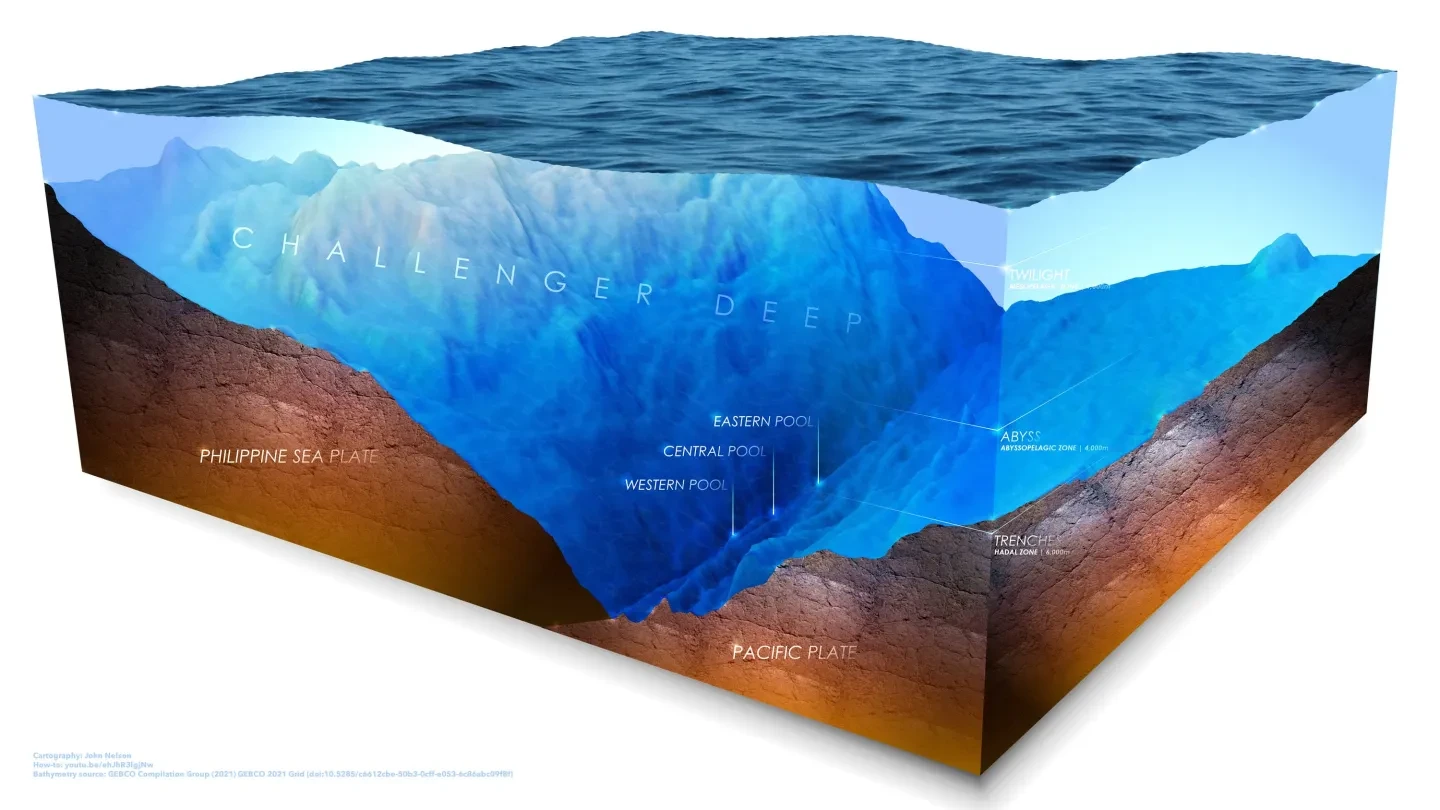
Challenger Deep is the deepest point in the deepest part of the ocean.
If you dropped Mount Everest into it, the peak wouldn’t just disappear beneath the waves: it would lie more than a mile underwater.
Challenger Deep is a place of complete darkness and bone-crushing pressure. But humans have still left their mark there...
Let's dive in:
The average depth of the ocean is around 3.7 kilometres (or 2.3 miles). Challenger Deep is nearly three times deeper.
- Depth: around 10,935 metres (35,876 feet)
- Pressure: over 1,000 times the standard pressure at sea level
- Temperature: water in Challenger Deep is only just above freezing, between 1°C and 4°C.
Where is Challenger Deep?
Challenger Deep is found within the Mariana Trench, a canyon in the western Pacific Ocean. The area is actually made up of three separate depressions or 'pools': the Western, Central and Eastern Pools.
How Challenger Deep got its name
Challenger Deep is named after HMS Challenger, a 19th century British research vessel that went on a global voyage of exploration between 1872 and 1876. The expedition travelled 68,890 nautical miles (127,580 km) and discovered almost 5,000 new species.
On 23 March 1875, Challenger scientists took a depth measurement to the south-west of the Mariana Islands in the Pacific Ocean. They were initially cautious when the reading revealed a depth of of 4,475 fathoms (8,183 metres), but a second measurement confirmed the result.
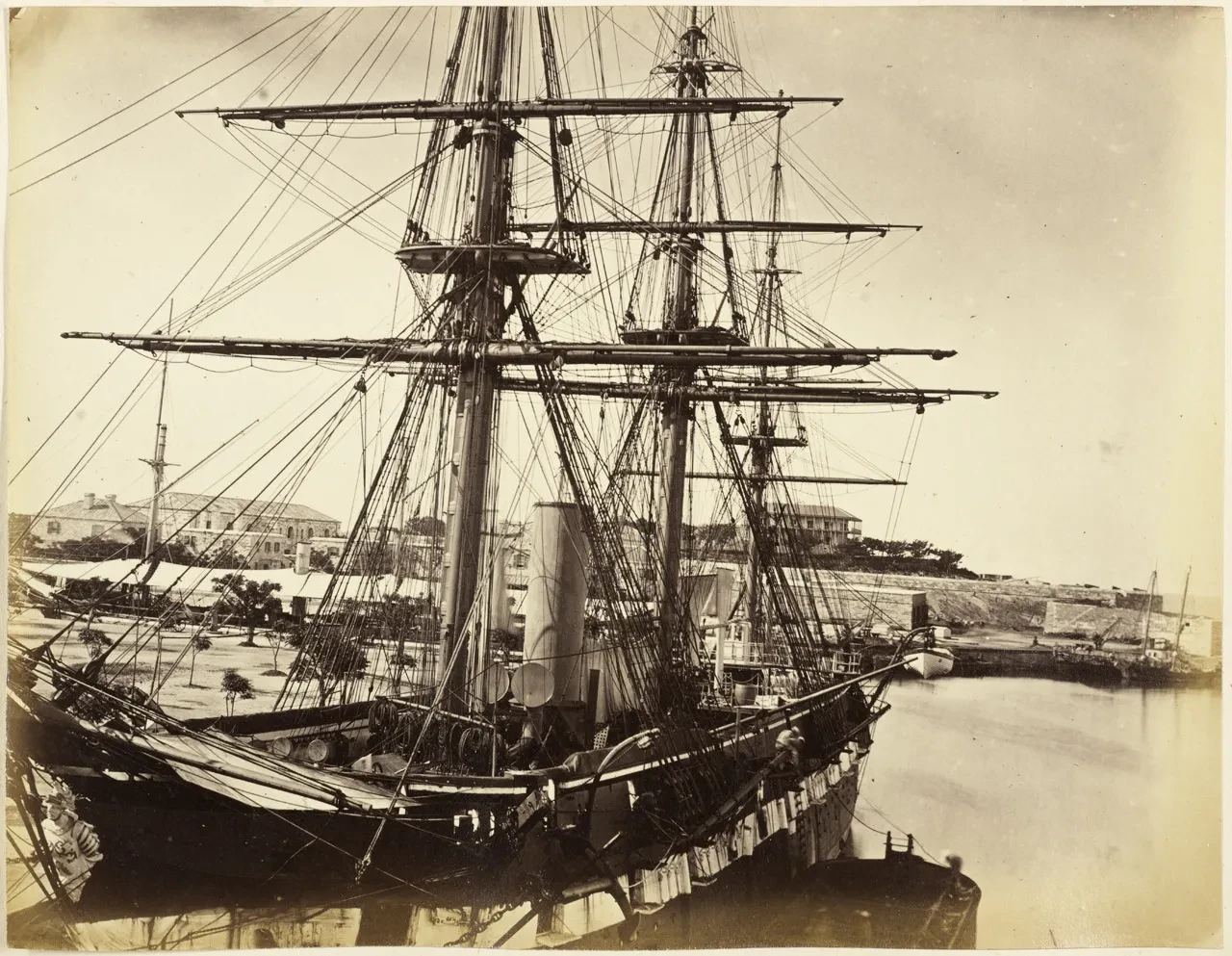
‘Challenger’s depth soundings were highly accurate, given the technology of the time,’ writes Erika Jones in The Challenger Expedition: Exploring the Ocean's Depths. ‘On an 1877 map published by German cartographer Augustus Petermann the location was named "the Challenger Deep". While it would take several decades and further voyages for scientists to outline its features, Challenger had discovered a flank of the Mariana Trench, the deepest ocean trench on Earth.’
Life in the Hadal Zone
The Mariana Trench forms part of what scientists call the Hadal Zone, which is any area of ocean deeper than 6,000 metres. The Hadal Zone is named after Hades, the Greek god of the underworld.
For a long time scientists assumed the Hadal Zone was a biological wasteland. How could anything survive this far down?
‘As we descend deeper and deeper in this region its inhabitants become more and more modified, and few and fewer, indicating our approach towards an abyss where life is either extinguished, or exhibits but a few sparks to mark its lingering presence,’ naturalist Edward Forbes wrote in a work published in 1859.
The species discovered by the Challenger expedition proved otherwise, and showed that life could exist even in the deepest parts of the ocean. More recent exploration of the Mariana Trench has revealed even more.
Xenophyophores – saucer-shaped single-celled creatures that can grow up to 25cm, making them the largest single-celled organisms on Earth – have been filmed more than 10,600 metres down in the Mariana Trench.
In 2017 the Mariana snailfish was found and filmed at 8,178 metres deep, making it the deepest known recording of any fish.
Unfortunately, traces of human life have also been found in the deepest parts of the ocean. American explorer Victor Vescovo witnessed plastic waste on the sea floor during his record-breaking dive to Challenger Deep in 2019.
Who has been to Challenger Deep?
Image
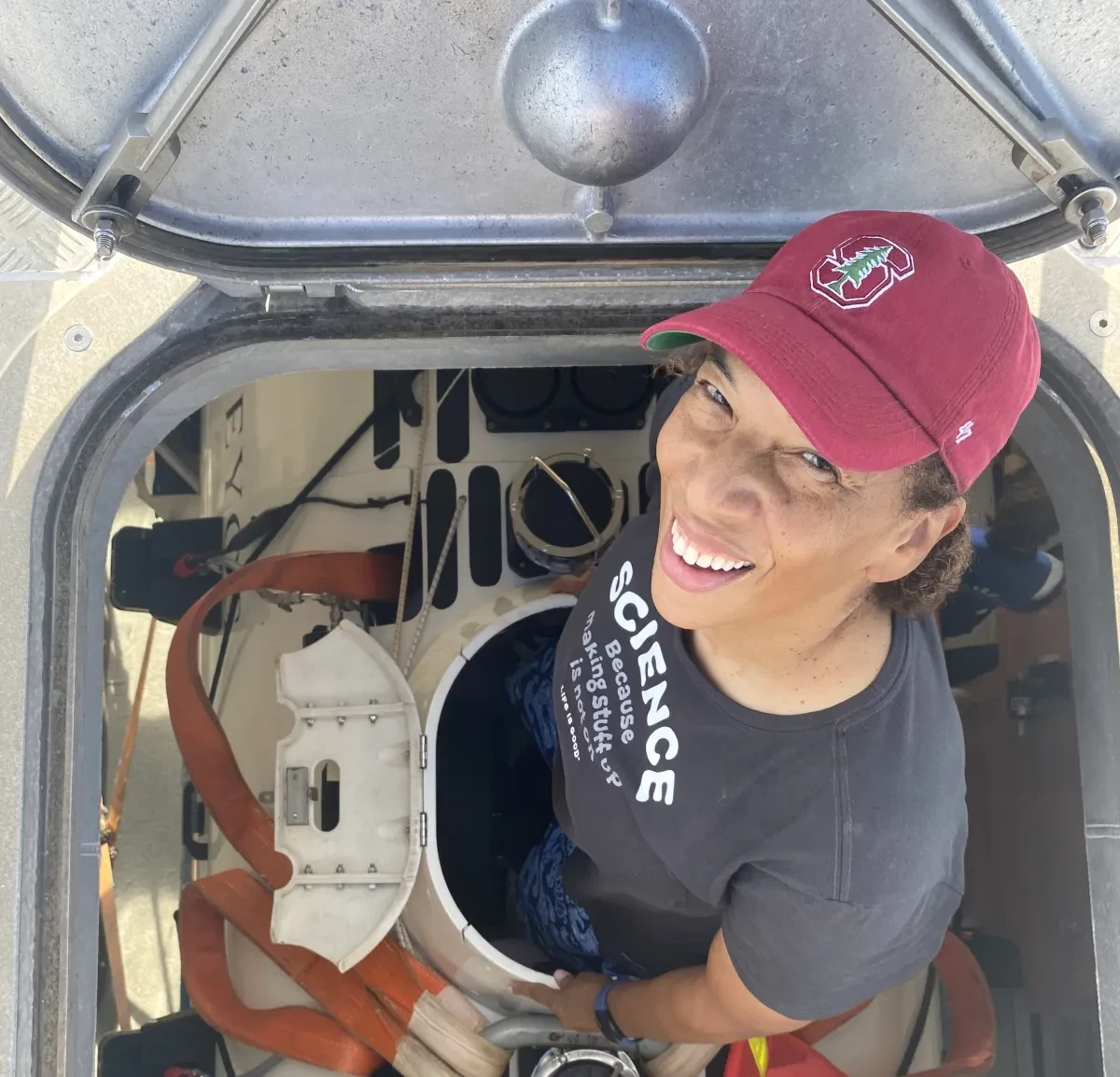
The human history of deep ocean exploration is pretty short: just 27 people (as of 2022) have ever visited Challenger Deep.
Don Walsh and Jacques Piccard made history on 23 January 1960 when they became the first humans to reach Challenger Deep.
In 2012 director and explorer James Cameron became the first person to dive solo to the deepest part of the ocean.
Victor Vescovo set the record for the deepest dive yet with a recorded depth of 10,927 metres (35,849 feet). He is also the person who has made the most dives of Challenger Deep.
On 12 July 2022, American scientist Dr Dawn Wright became the first Black person to dive Challenger Deep. She even brought along her favourite toy, which she later donated to the National Maritime Museum. ‘Descending into the ocean feels like going on a smooth, quiet elevator ride,’ she says. ‘It’s not at all like going into space where it’s very disruptive and you’re feeling all the G-forces.’
Discover more ocean worlds
What is coral?
Are corals really animals? What causes coral bleaching? And why are coral reefs so important? Your ocean questions answered
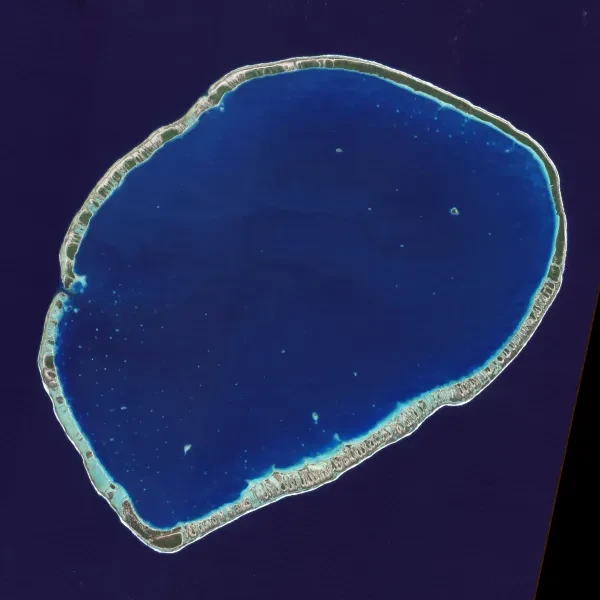
Atolls and climate change
Atolls are perceived as being most at risk from rising sea levels. Professor Ilan Kelman explores what the future could hold for these islands in the middle of the ocean
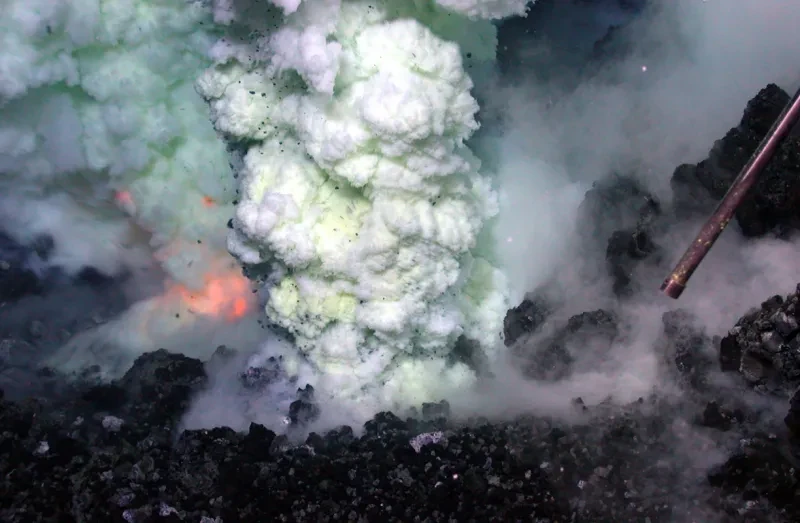
Submarine volcanoes
Submarine volcanoes are found deep on the ocean floor. They can erupt just as violently as volcanoes found on dry land
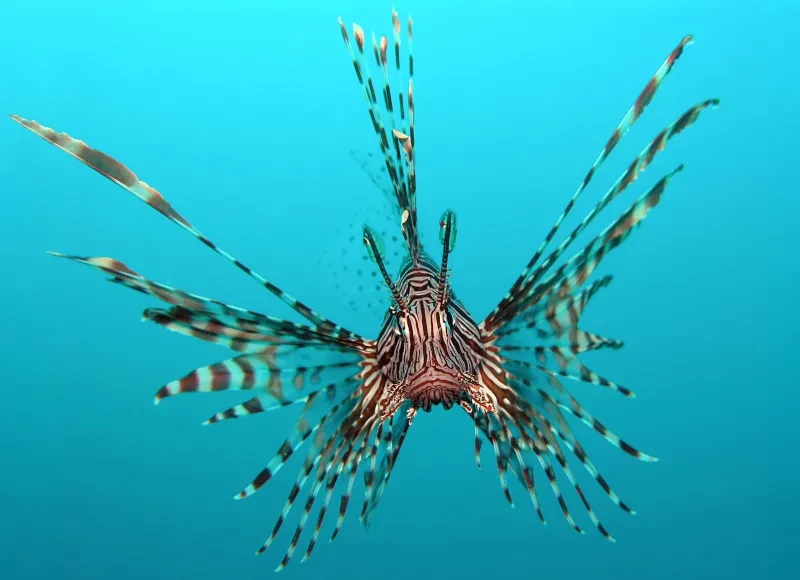
Invasive species in the ocean
Invasive species are everywhere in our ocean – but what does it mean when we say a species has 'invaded', and how do they spread in the first place?
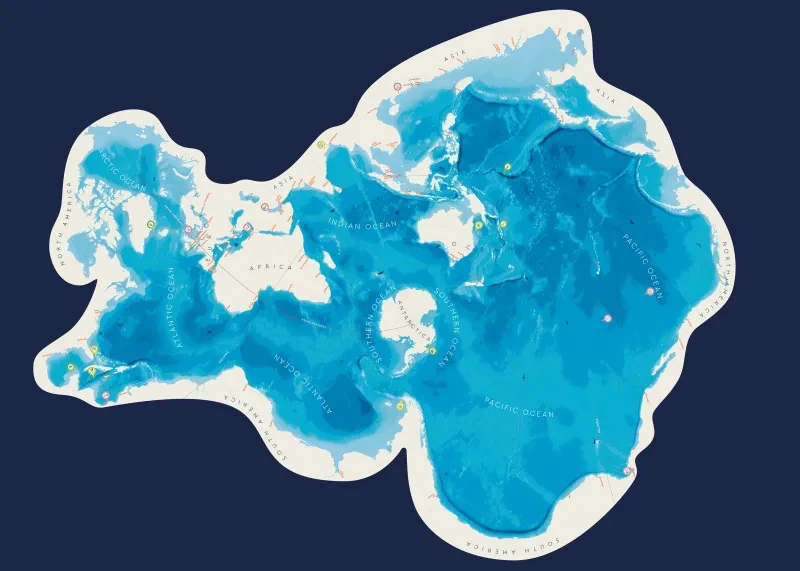
Turning our view of the world inside out: introducing the new Ocean Map
The National Maritime Museum's Ocean Map reminds us just how much of the Earth is covered by water – and how important the ocean is to our planet
The ocean
Our relationship with the sea is changing. Discover how the ocean impacts us – and we impact the ocean – with the National Maritime Museum
Explore the ocean in Greenwich

Main image courtesy of Victor Vescovo via Wikimedia Commons, CC BY-SA 4.0