

April’s night sky brings a rich mix of sights, from the inner rocky planets Venus and Mercury to meteor showers and even distant colliding galaxies.
Top 3 things to see in the night sky in April 2026
- 22 April - try to spot the Lyrid meteor shower
- 13-20 April - celebrate International Dark Sky Week!
- Throughout the month - spot Venus in the sky at dusk
The 'Pink' Easter Moon
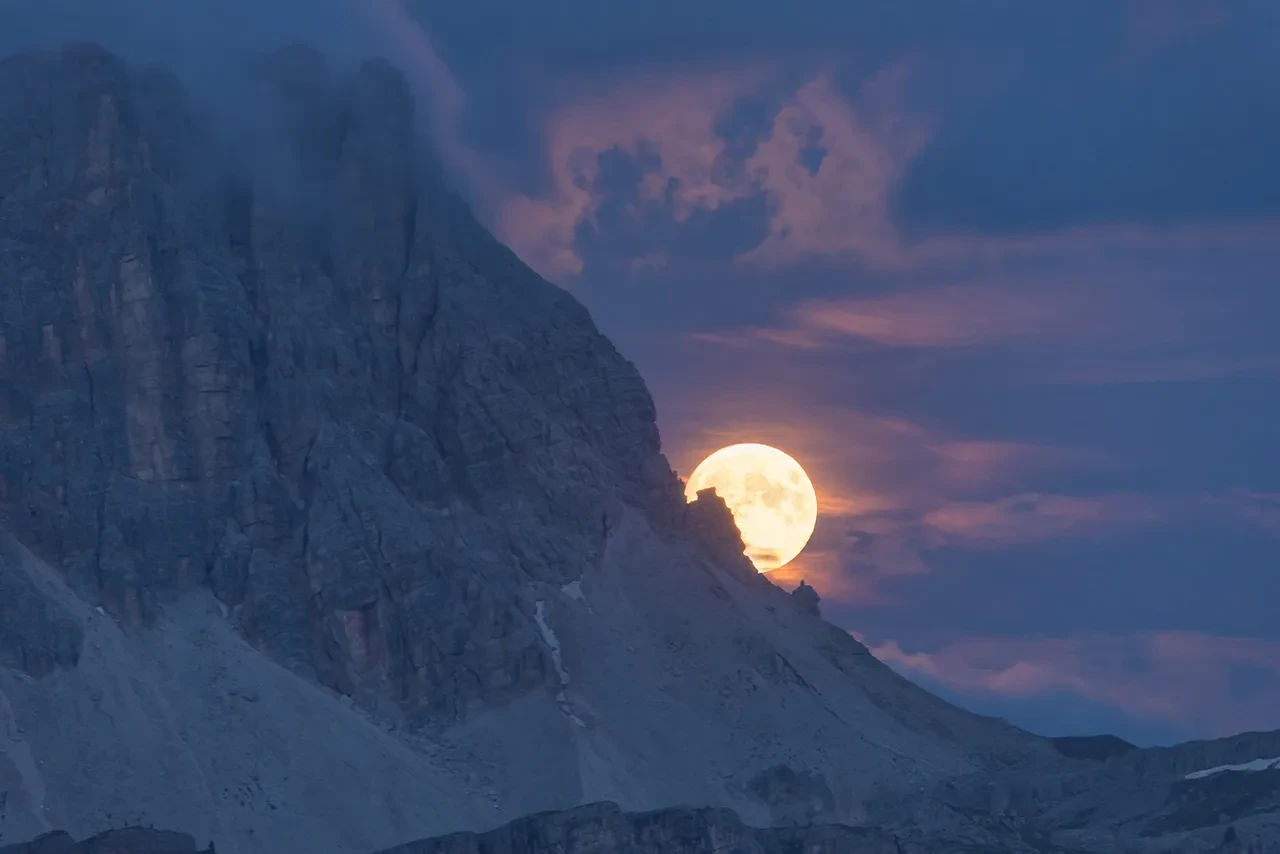
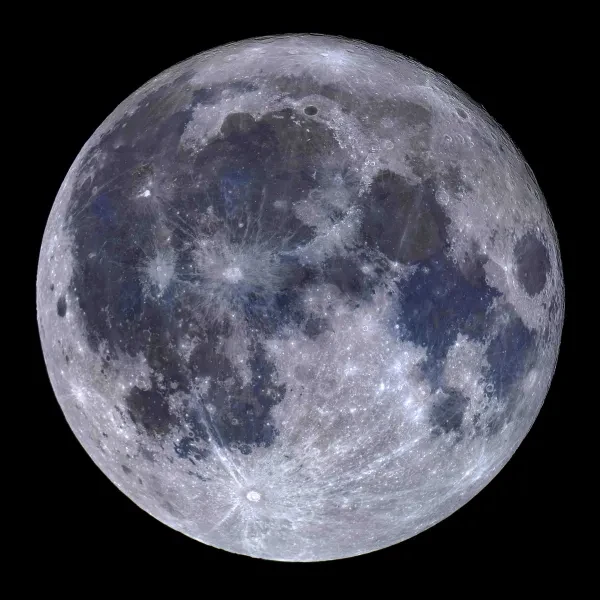
The full Moon takes centre stage at the start of the month. There are three full moons in astronomical spring, beginning with the full Moon on 2 April.
In some Native American traditions, April’s full moon is known as the 'pink moon', named after a seasonal wildflower rather than the Moon’s colour. In other cultures, this moon is called the 'sprouting grass moon', the 'egg moon', and the 'fish moon'.
The waltz of the Sun and Moon shapes the timing of one of the most celebrated holidays around the world this month: Easter. And with it, a guilt-free chocolate binge.
Easter’s timing is determined by a complex astronomical formula: it is celebrated on the first Sunday after the first full Moon on or after the spring (vernal) equinox. This is known as the Paschal Moon, and connects a major religious holiday with lunar and solar cycles. This timing is aligned with the Jewish Passover, which is also determined by lunar phases.
This connection to the spring equinox is significant, as it reflects the ancient practice of tying festivals to natural celestial events. The full Moon itself has long been seen as a symbol of illumination and new beginnings, making it a fitting celestial cue for holidays centred on themes of renewal and rebirth.
April meteor showers
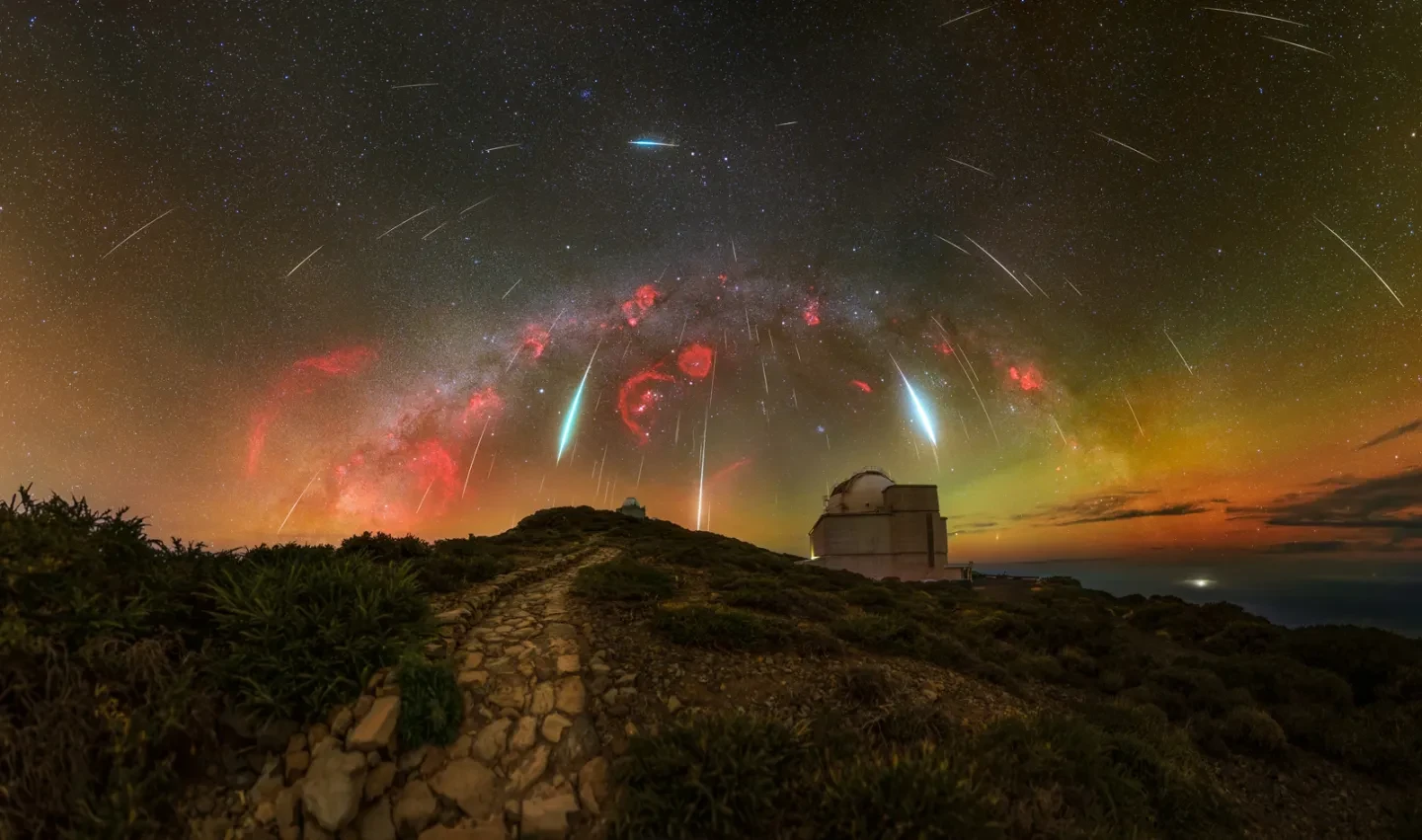
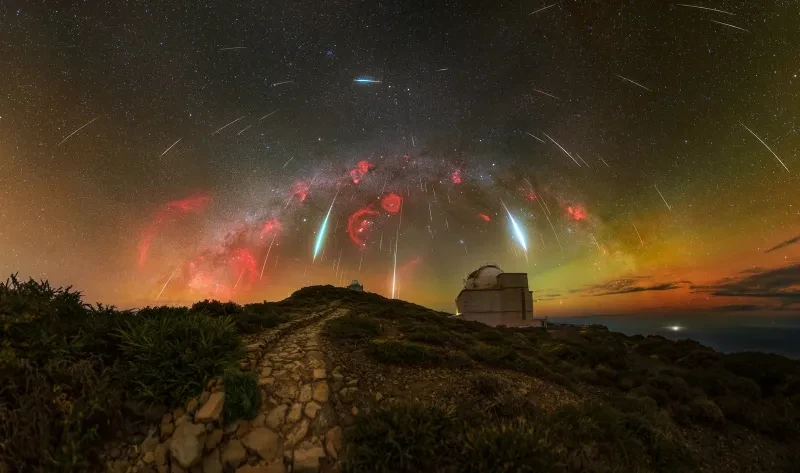
April showers are arriving, and it’s not the rain we're excited about. The Lyrids are the first meteor shower we get to enjoy this year, with many more to come. They are active during the second half of April (16-25th) and peak on the night of the 22nd, 2 days before the first quarter Moon. The Moon will be around 37% illuminated, but thankfully won’t be bright enough to drown out the meteors.
While the Lyrids are not as magnificent as some other meteor showers, such as the Perseids in August, they are among the oldest, with recorded sightings dating back more than 2,700 years.
The Lyrids are named after the constellation Lyra, from which the meteors appear to emanate, but their parent object is the comet C/1861 G1 Thatcher, which does a lap of the Sun once every 415 years. Expect to see about 18 meteors per hour, with some leaving behind bright trains of dust as they burn up in the atmosphere.
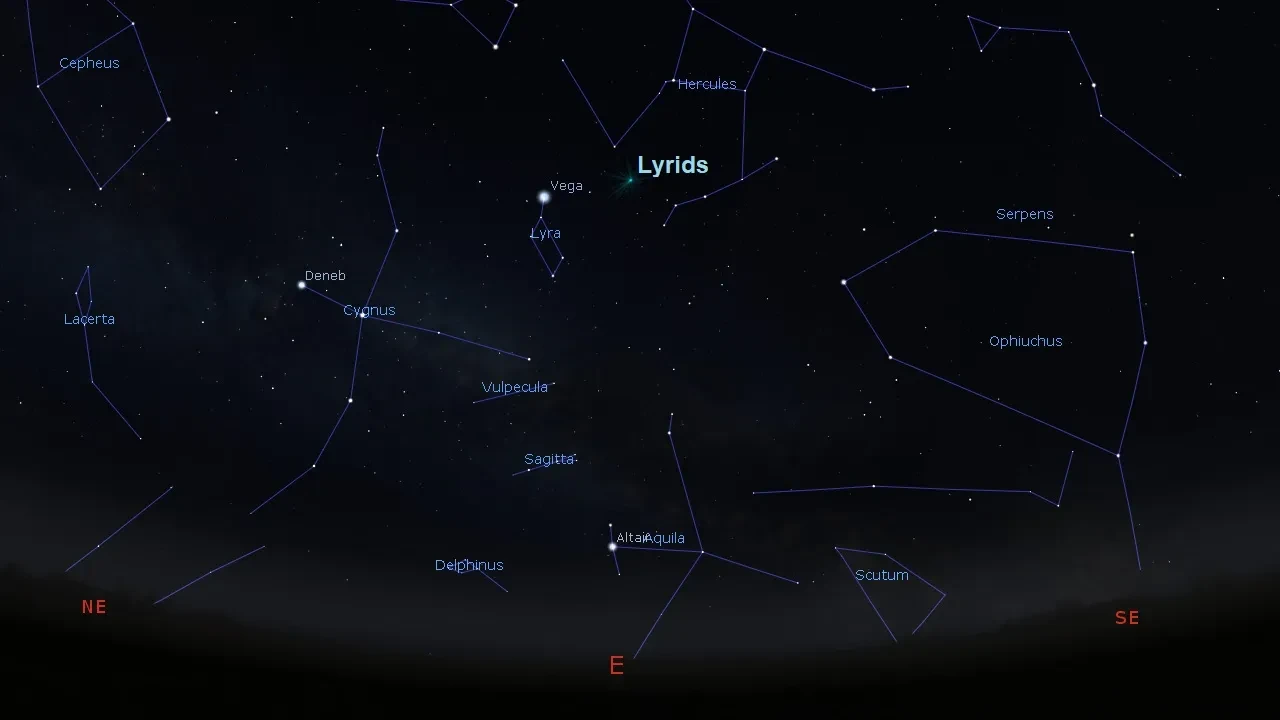
For the best views, head out after midnight. To find the radiant point in Lyra, spot the bright white star Vega, which climbs well clear of the eastern horizon by this time. The higher it rises, the more meteors you'll catch. Just don't push it too close to dawn, or the brightening sky will steal the show.
As for how to watch: lie on the ground, fill your entire view with sky, and wait. A blanket is optional, though we'd strongly recommend it. And don't be fooled by the approaching summer; spring nights are still cold, so wrap up.
Finally, keep an eye out from 19 April onwards for the first hints of the Eta Aquariids, a stronger shower emanating from the Aquarius constellation that overlaps with the Lyrids and builds toward its own peak on May 5.
Venus and Mercury
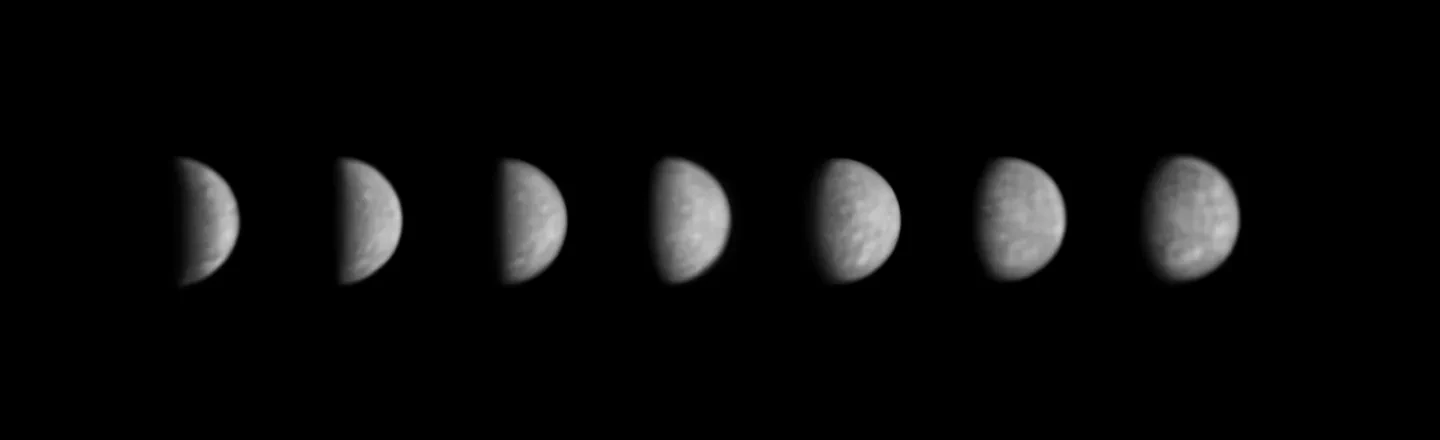
Turning our gaze inward toward the Sun, our rocky inner neighbours Venus and Mercury put on a fine show this month. On 3 April, Mercury will be at its greatest elongation - a point in its orbit where it’s farthest from the Sun, and so less prone to being washed out by the Sun’s glare. You’ll have a good chance of observing the smallest planet in the Solar System just before sunrise in the eastern sky.
Venus, the brightest planet in the sky, returns to the western evening sky and climbs higher as the month progresses. Look to the west on 19 April to see Venus about 4 degrees, or about the width of 3 fingers, south of the Pleiades star cluster.
On the 19th, the Moon will be at perigee, meaning it’s closest to the Earth in its orbit, which occurs approximately once a month. In the evening, the very thin waxing crescent Moon will be positioned a few degrees north of the Pleiades star cluster, with Venus and Uranus clustering nearby.
Collisions, crows and sombreros
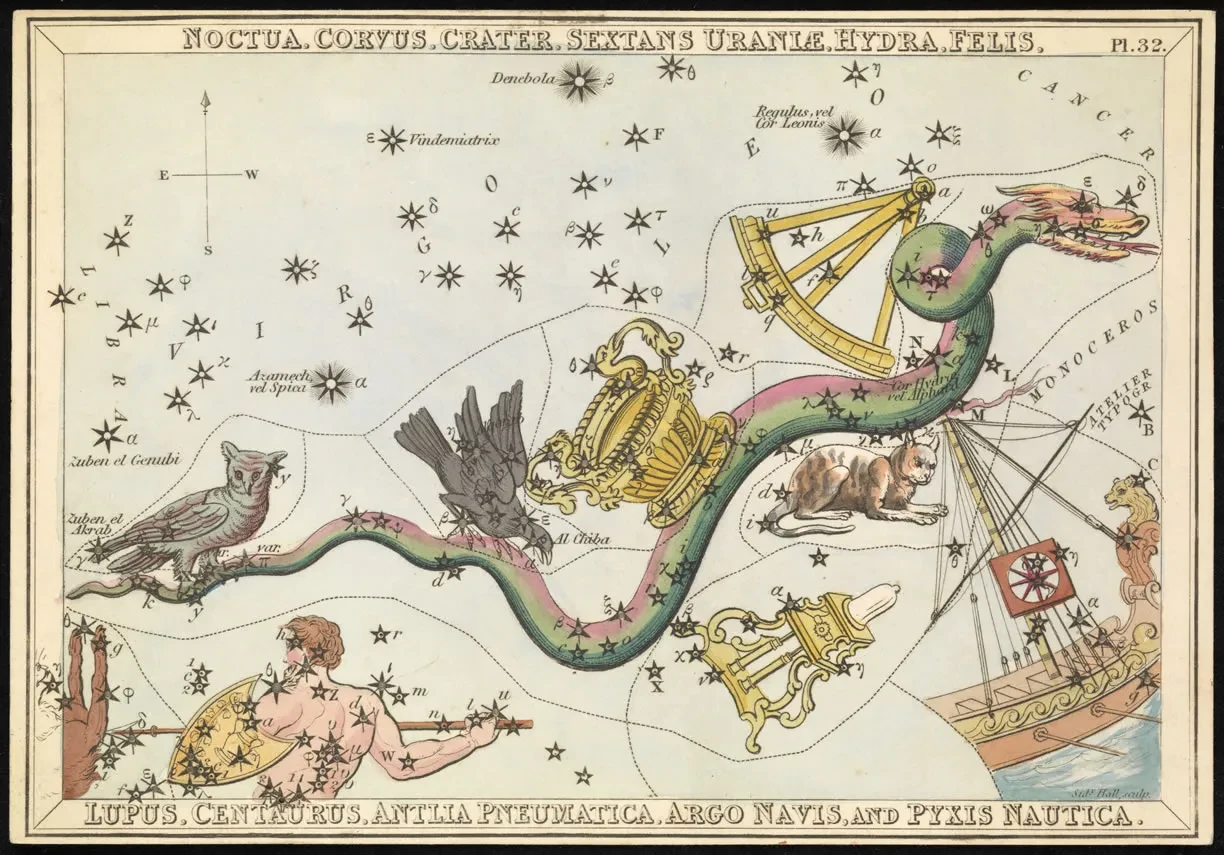
Looking southwards after sunset, we find the constellation Corvus, the crow. It is certainly a test of the imagination to trace a crow out of the four bright stars of Corvus, which form a quadrilateral. It's more suggestive of a tent, as Arab astronomers described it, or the sail of a ship in old nautical tradition.
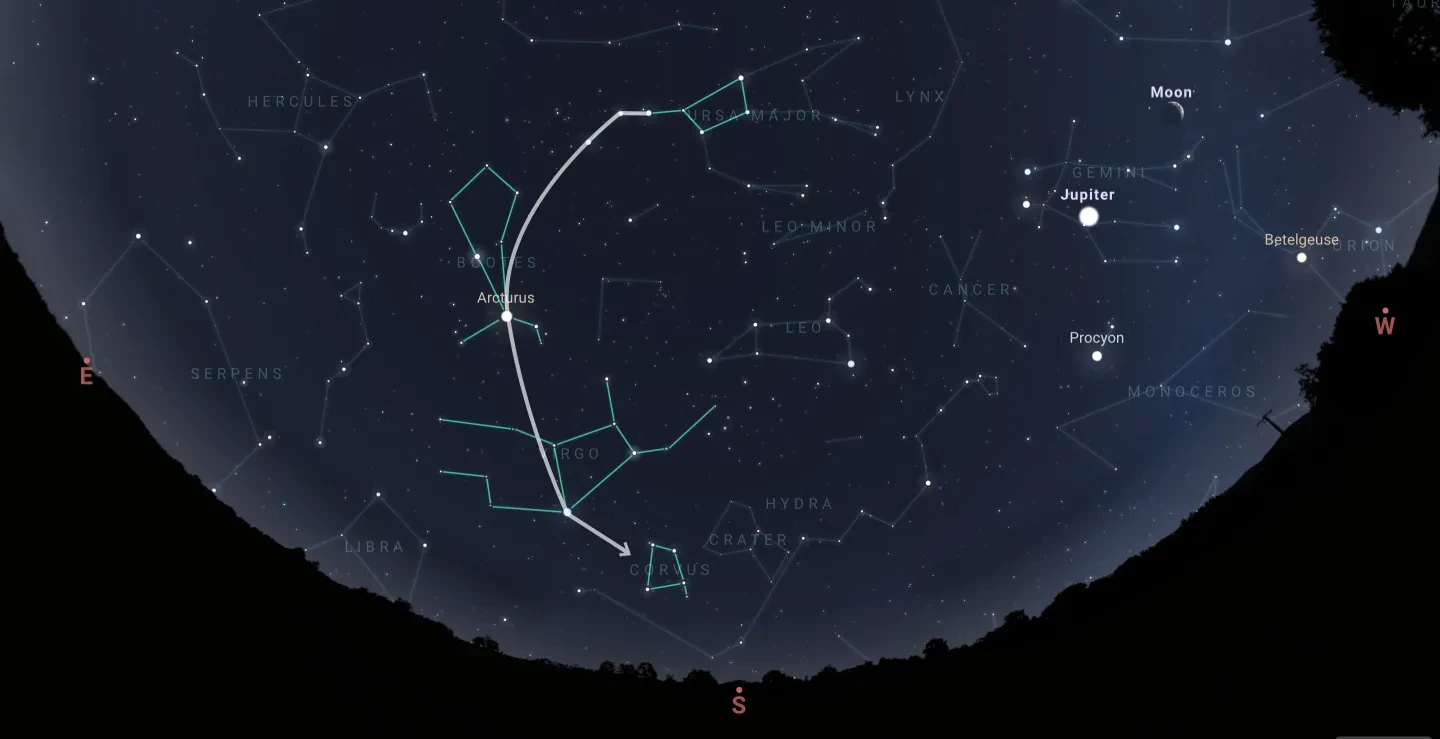
We can navigate our way to it with the technique of star-hopping. Starting at the handle of the Plough/Big Dipper, which can be found high in the north-eastern sky, trace an arc eastwards to find the bright, orange star Arcturus in Boötes. Continue southwards to locate the blue-white star Spica in Virgo. From Spica, scan southwest (down and to the right) to locate the quadrilateral shape of Corvus.
Located to the right of the quadrilateral shape of Corvus sits one of the most dramatic scenes in the Universe - the Antennae Galaxies. These are a pair of colliding galaxies located around 66 million light years away. The merger is triggering a massive starburst phase as gas clouds collide, creating billions of new stars. A larger telescope is needed to appreciate this object, as it is about 100 times too dim for the naked eye.
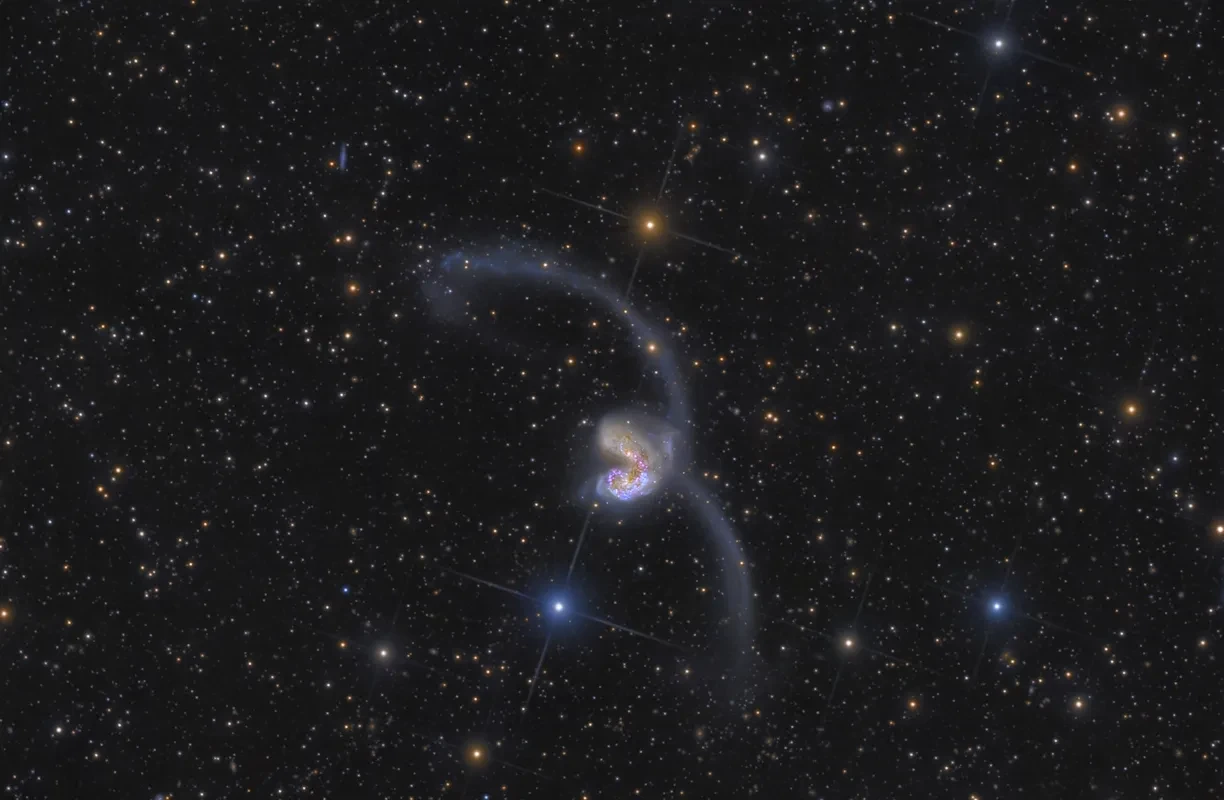
The reason astronomers find this object so fascinating is personal. The Antennae Galaxies show a likely future of the Milky Way and our next-door neighbour, the Andromeda Galaxy, when the two eventually collide. So we may essentially be looking at a slow-motion rehearsal of our own galaxy's fate.
Another, albeit less scientific reason, to love Corvus is that a small, otherwise unremarkable star in this constellation called LHS-2520, 27 light-years away, was chosen by Neil deGrasse Tyson in 2012 as the location of Krypton, Superman's home planet. DC Comics asked Tyson to pick a real star that Krypton could plausibly orbit, and he chose this one. So officially, in DC canon, Superman is from Corvus the crow.
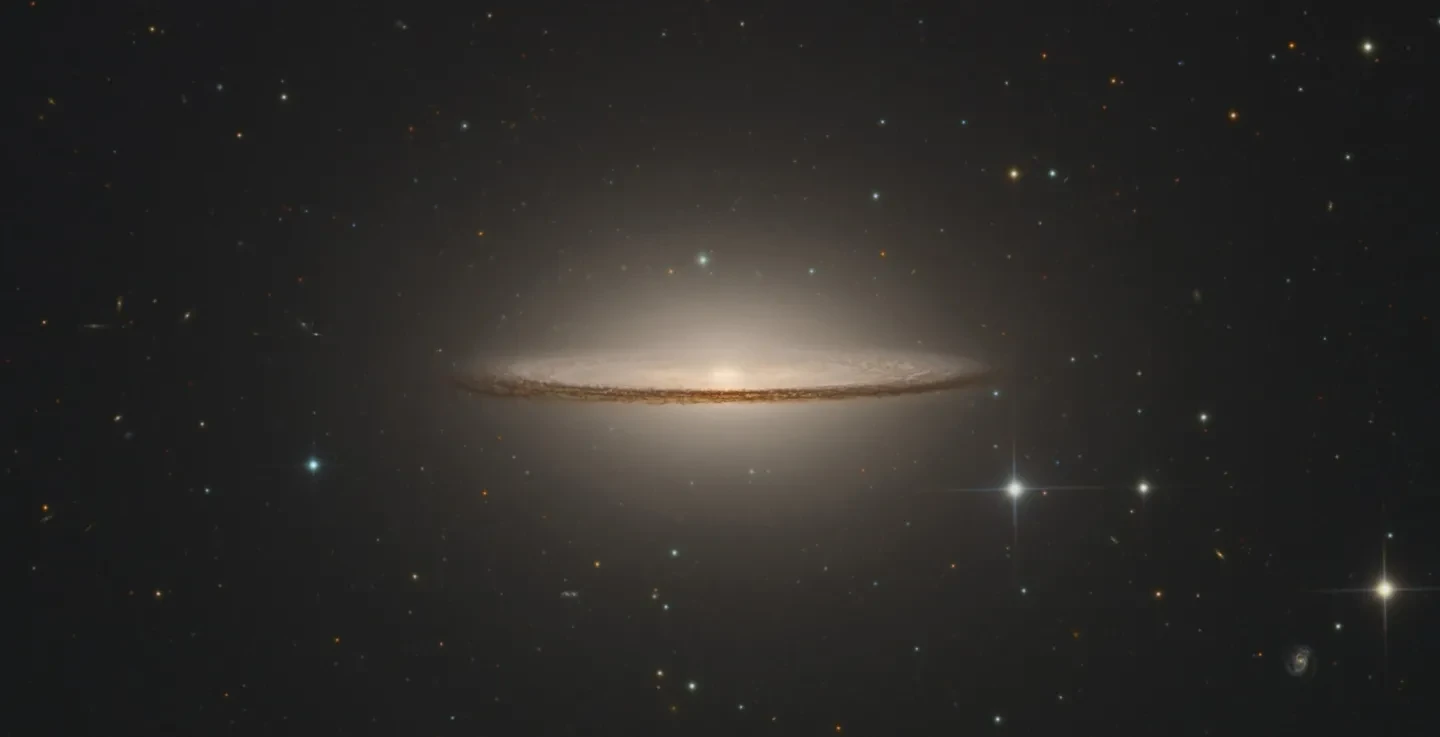
Sandwiched between Corvus and the star Spica is the Sombrero Galaxy, boasting a bright spiral structure, a white bulbous core hosting a supermassive black hole one billion times the mass of the Sun, and an edge-on orientation revealing thick dust lanes where new stars are forming.
At a distance of 30 million light years away, it is below naked eye visibility at magnitude 8, but a small telescope will provide a good view.
Chances of aurora
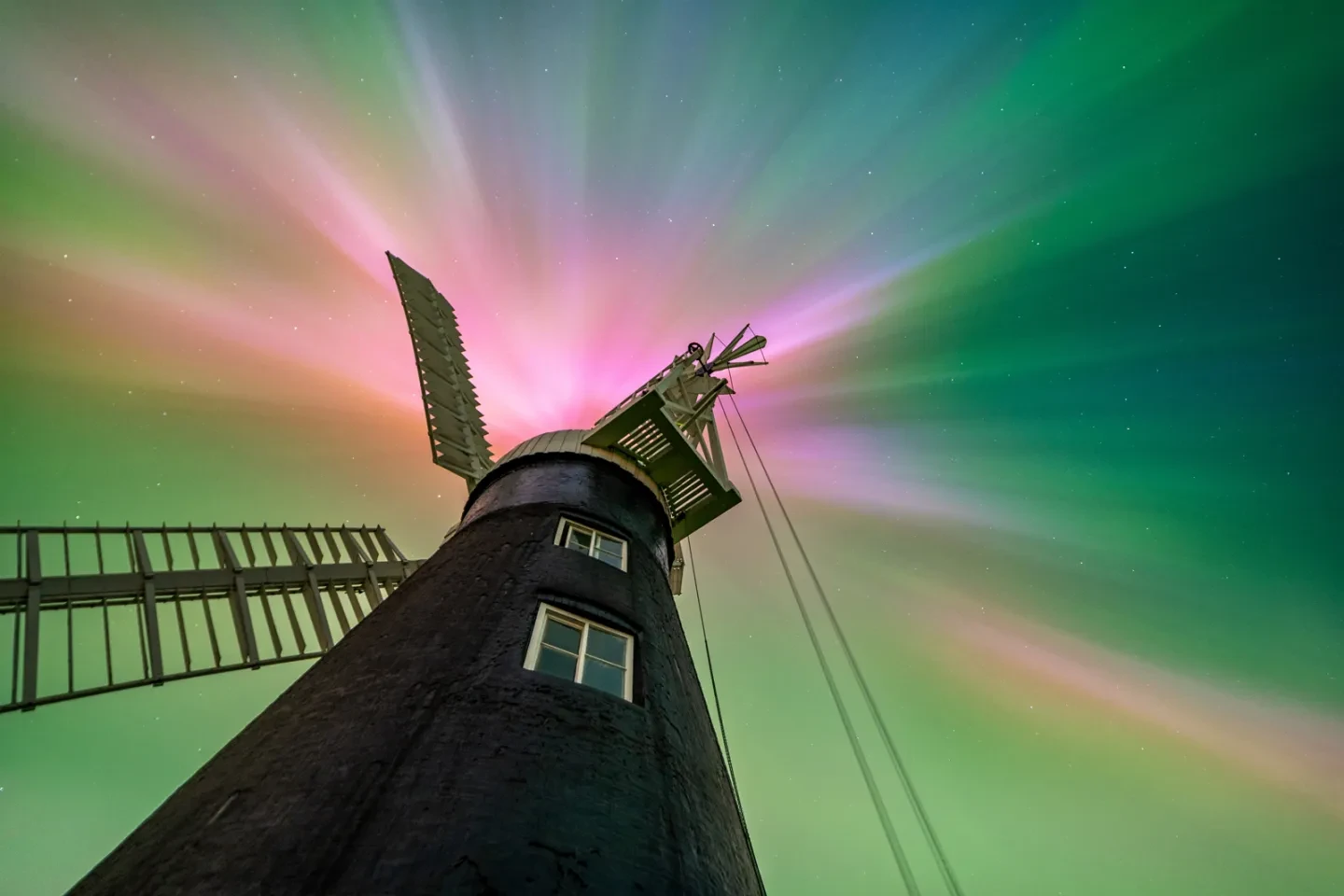
This month, the mesmerising display of the Northern Lights may return to our skies. In spring, there is a greater chance of seeing the Northern Lights, largely due to something called the Russell-McPherron effect. This occurs around the spring equinox, when the alignment between the Sun and the Earth creates conditions that roughly double your chances of seeing the aurora.
The Sun has been in a heightened state of activity over the past couple of years. While the peak of its current 11-year cycle was confirmed by NASA back in October 2024, the heightened number of sunspots and activity led to more frequent eruptions of solar flares and coronal mass ejections, producing some extraordinary aurora displays across Britain.
Solar activity is forecast to remain high enough through 2026 that major events remain very much on the cards. It only takes one well-aimed solar flare or coronal mass ejection to light up our skies.

Annie Maunder was an astronomer, astrophotographer and science communicator who made pioneering contributions to solar research and imaging while working at the Royal Observatory Greenwich. She was the first to show how sunspots move from the Sun's poles towards its equator during the 11-year cycle, producing the influential ‘Butterfly Diagram’ that would transform our understanding of the Sun and help us predict solar activity to this day. Annie Maunder was born on 14th April 1868, so this month she would be celebrating her 158th birthday.
Celebrating darkness
International Dark Sky Week falls between April 13 and April 20 this year, during the week of the new Moon, when the night sky is darkest. This annual, worldwide event draws attention to light pollution and promotes solutions to mitigate the issue. It is also a time to celebrate the awe-inspiring beauty of the night sky and our deep, enduring, but threatened connection to it.
The issue of light pollution doesn’t just upset astronomers and stargazers; it has wide-ranging negative effects on human health, animal activities and energy usage. So Dark Sky Week is a great time to get together with friends and family and enjoy the darkness, as well as spreading the word about the importance of protecting our night environment.
Southern Hemisphere stargazing
Born to be wild - the Carina Nebula
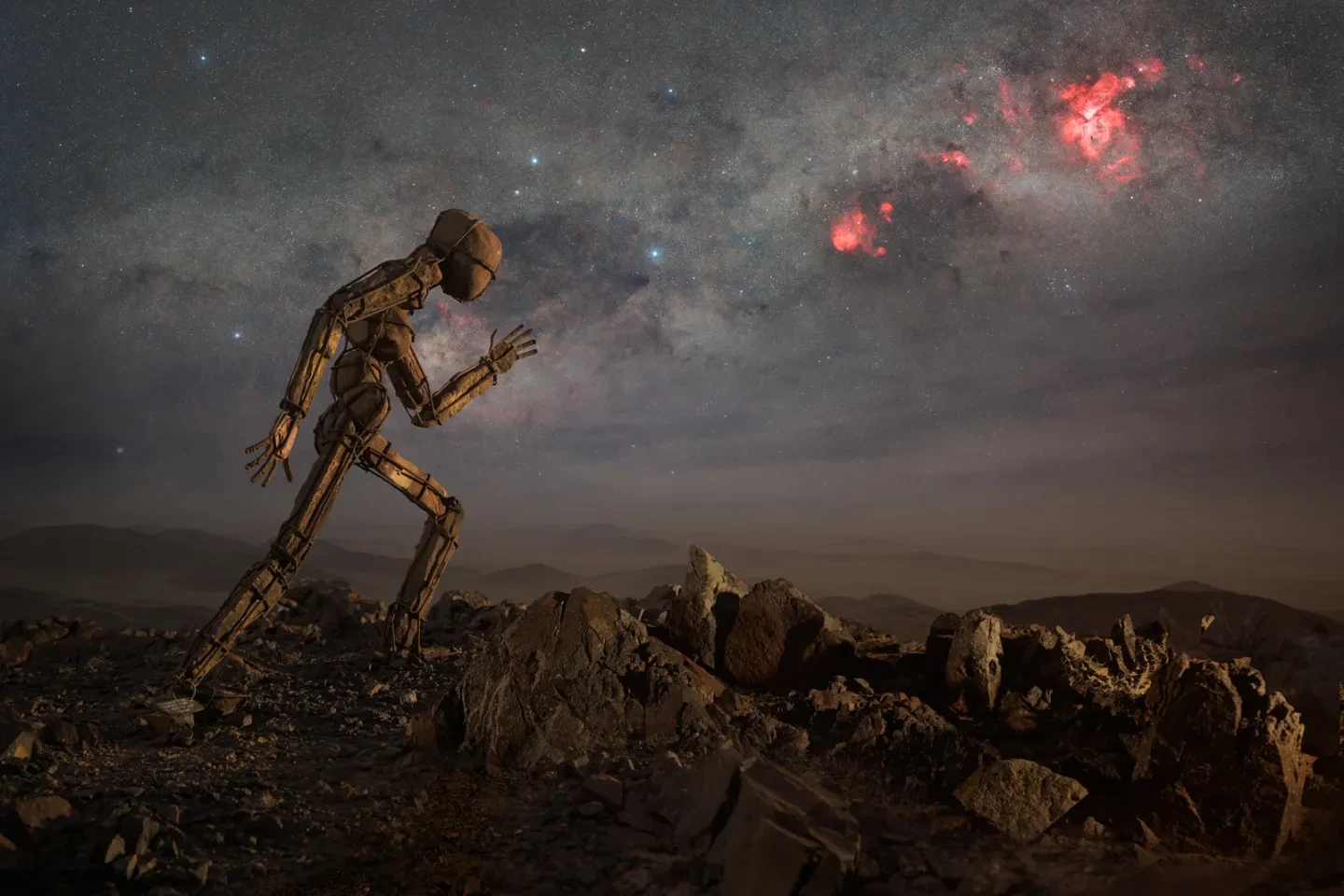
Last month, we marvelled at Omega Centauri as a possible refugee from an ancient galaxy. This month, we turn to one of the most dramatic objects in the entire southern sky - the star Eta Carinae and the surrounding Carina Nebula.
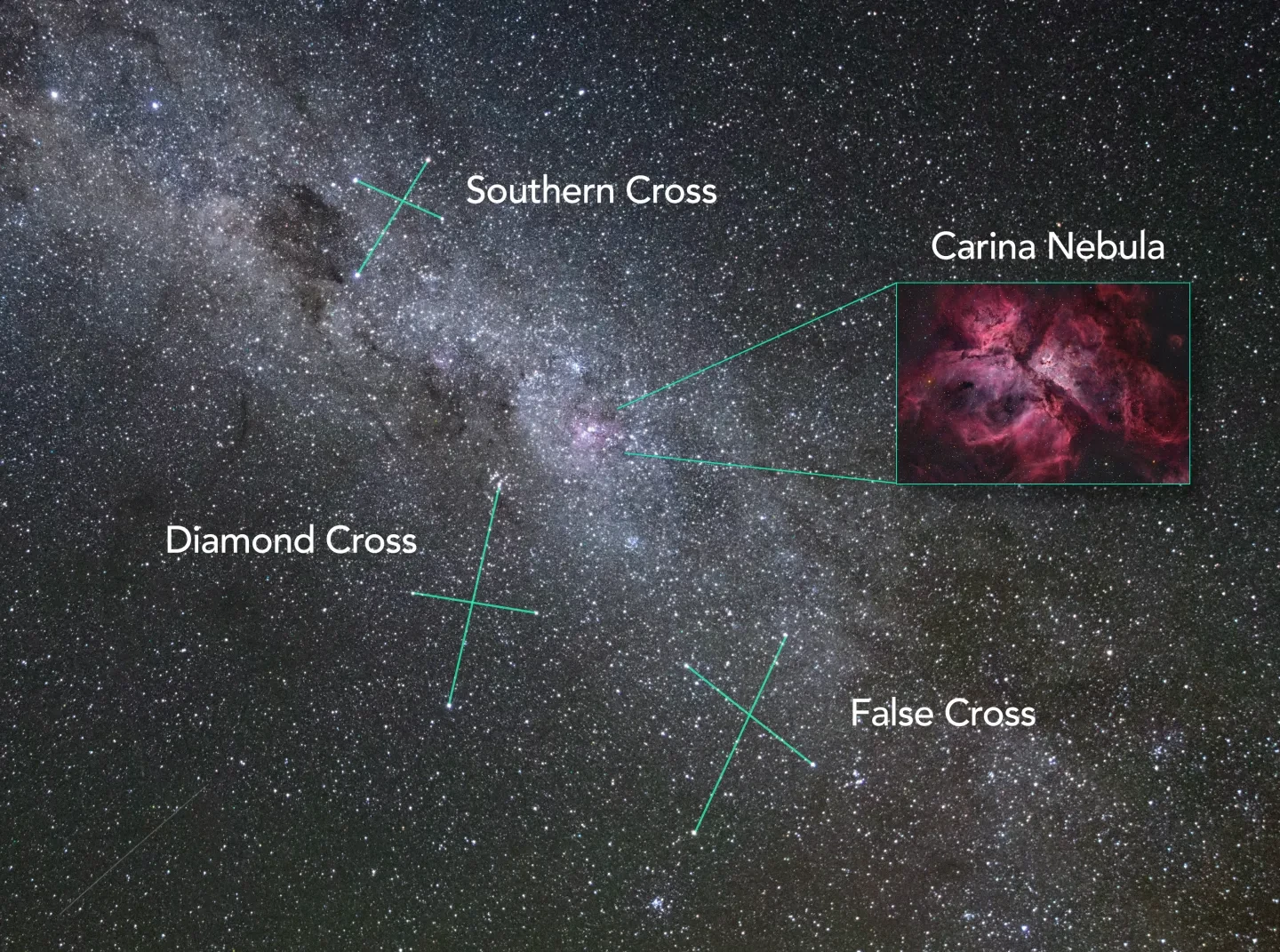
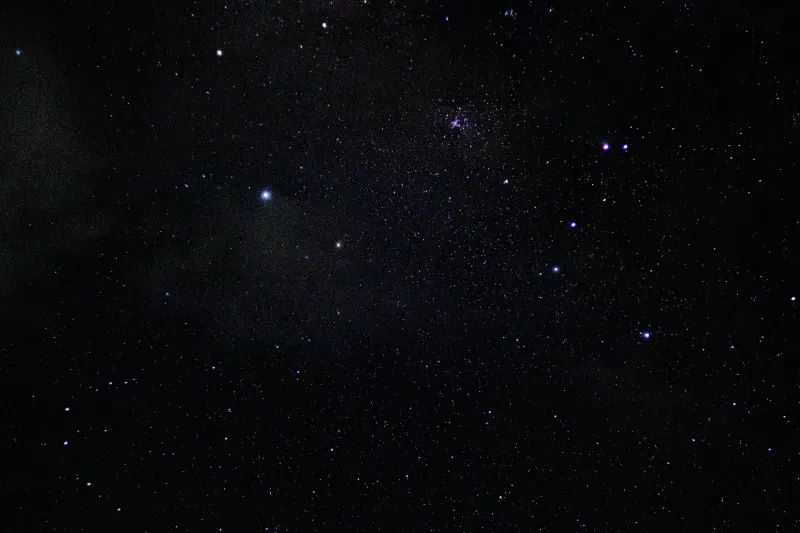
The Carina Nebula sits within a region dominated by three prominent diamond-shaped asterisms: the Southern Cross, the False Cross and the Diamond Cross. To find it, trace a line from Crux along the bright, hazy band of the Milky Way, towards the False Cross. You will find Eta Carinae sitting roughly halfway along - appearing to the naked eye as a faint grey smudge with a bright star at its heart.
That bright star is Eta Carinae itself, an ageing binary star system that radiates around five million times more energy than the Sun. Combined with other extraordinarily luminous nearby stars, it illuminates the surrounding gas and dust spectacularly, most famously captured in the James Webb Space Telescope's breathtaking 'Cosmic Cliffs' image.
In 1843, observers across the Southern Hemisphere watched in astonishment as Eta Carinae briefly became the second brightest star in the entire night sky, surpassed only by Sirius, before gradually fading below naked-eye visibility over the following decade.
This event, known as the Great Eruption, released nearly as much energy as a supernova explosion, and yet the star survived. Around 10% of its mass was expelled into space, forming a dense, double-lobed cloud of gas that still surrounds the star today. Astronomers call it the Homunculus Nebula, from the Latin for 'little man'.
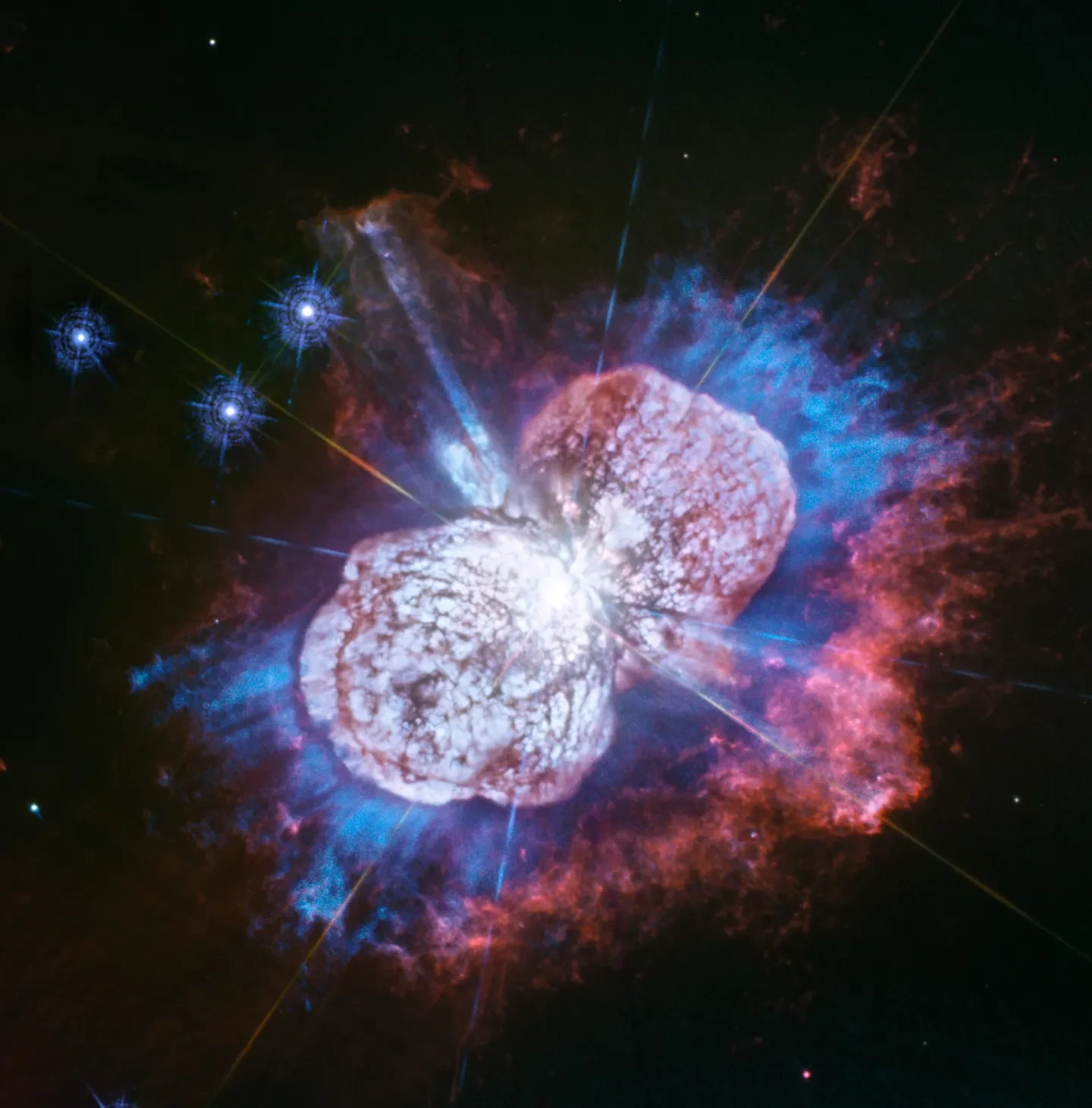
What caused it remains one of astronomy's unsolved mysteries. What we do know is that Eta Carinae is still in the final, unstable chapter of its life, quietly ticking towards an eventual supernova, so it’s worth keeping an eye on it.
The Moon's phases in April 2026
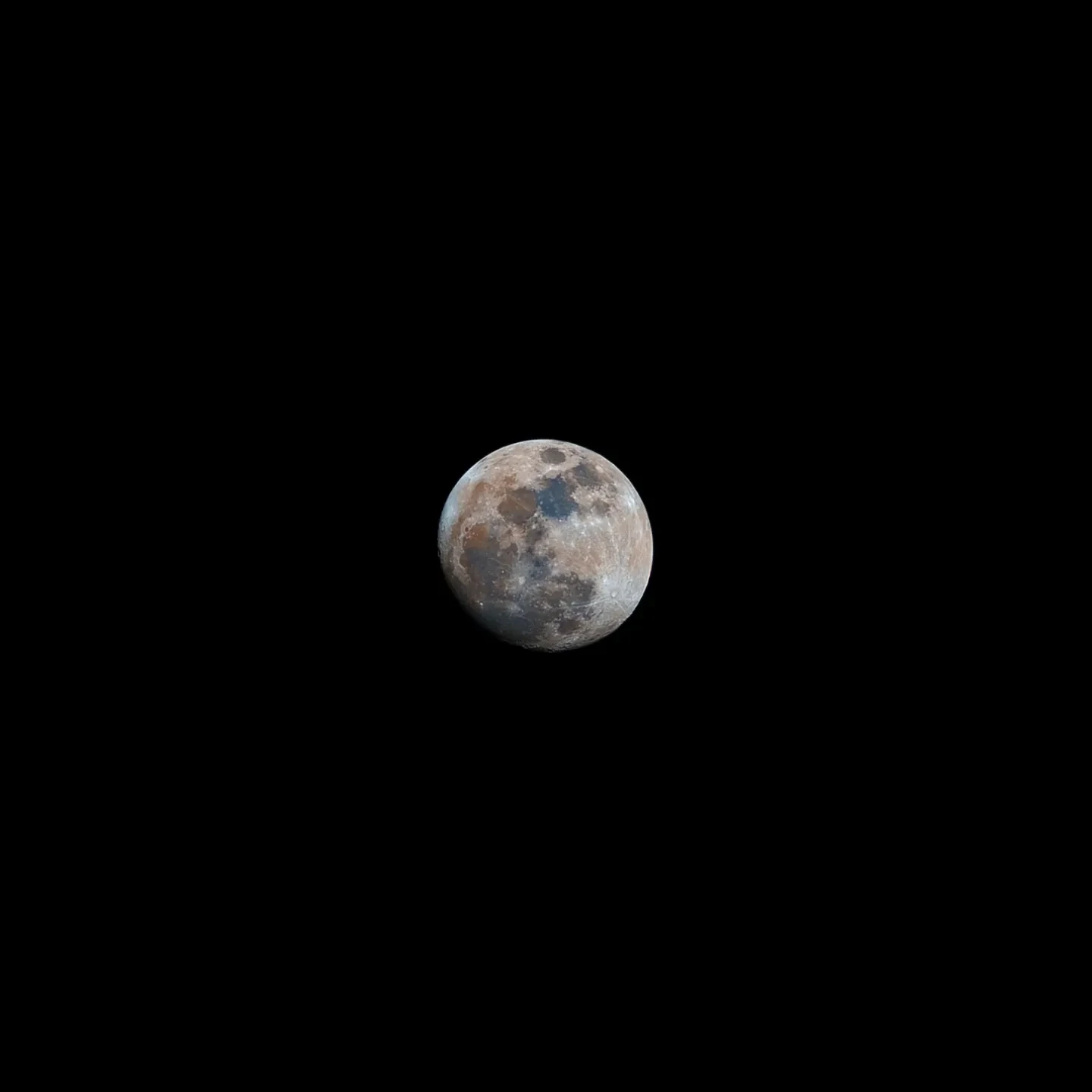
- Full Moon - 2nd April (03:12)
- Last quarter - 10 April (05:51)
- New moon - 17 April (12:51)
- First quarter - 24 April (03:31)
Stargazing tips
When looking at faint objects such as stars, nebulae, the Milky Way and other galaxies, it is important to allow your eyes to adapt to the dark so that you can achieve better night vision.
Allow 15 minutes for your eyes to become sensitive in the dark, and remember not to look at your mobile phone or any other bright device when stargazing.
If you're using a stargazing app on your phone, switch on the red night vision mode.
You may also be interested in
Night sky highlights - May 2026
May’s night sky brings a rare blue moon, meteors from Halley’s Comet, and a strange galactic hamburger. We’ll also explore Coma Berenices and use it to find star clusters and distant galaxies.
Artemis Programme: what you need to know about NASA’s Moon missions
NASA's Artemis missions aim to land humans on the Moon again, create a lunar base, and lay the groundwork for a future trip to Mars
Space and astronomy highlights in 2026
What should you keep your eyes on the skies for in 2026? Discover this year's standout moments with Royal Observatory astronomers
Meteor shower guide 2026
Want to see shooting stars? Check the key dates for major meteor showers in the UK in 2026, and how to see them in the night sky
Full Moon calendar 2026
Check the dates for every full Moon throughout the year, learn about the Moon's phases, 'supermoons' and more
Astronomy with the naked eye
Learn what you could see in the night sky with no equipment from the Royal Observatory Greenwich; from galaxies and meteor showers to comets, star clusters, cloud formations and more
'Observing the Universe reveals how small yet precious we are'
An accident led Takanobu Kurosaki to rediscover life’s beauty and fall in love with astrophotography. Explore his image shortlisted in ZWO Astronomy Photographer of the Year 2025