
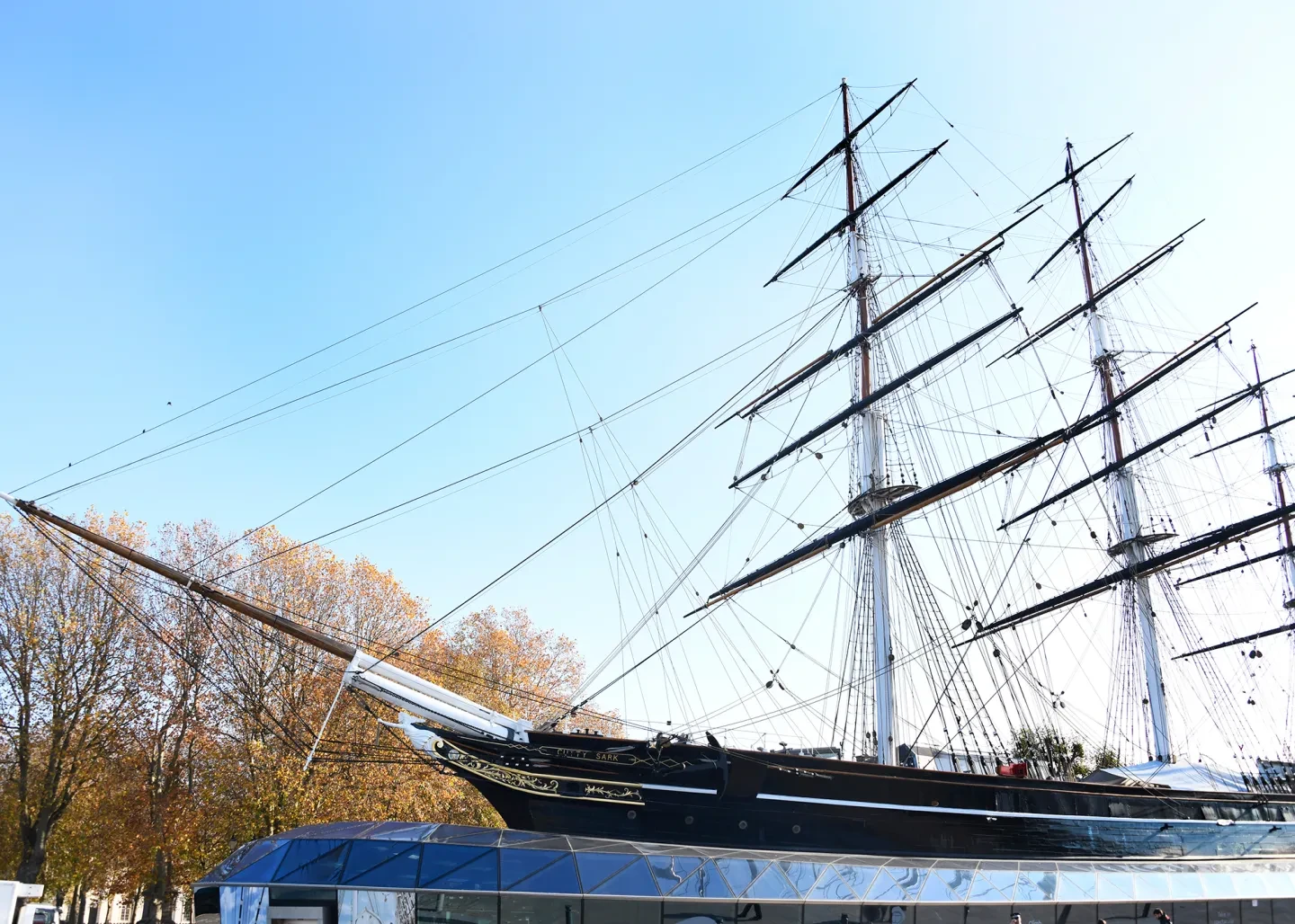
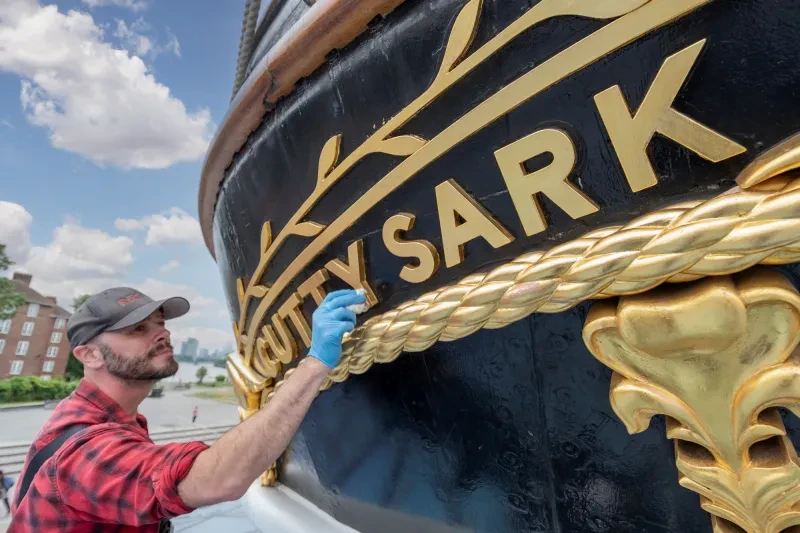
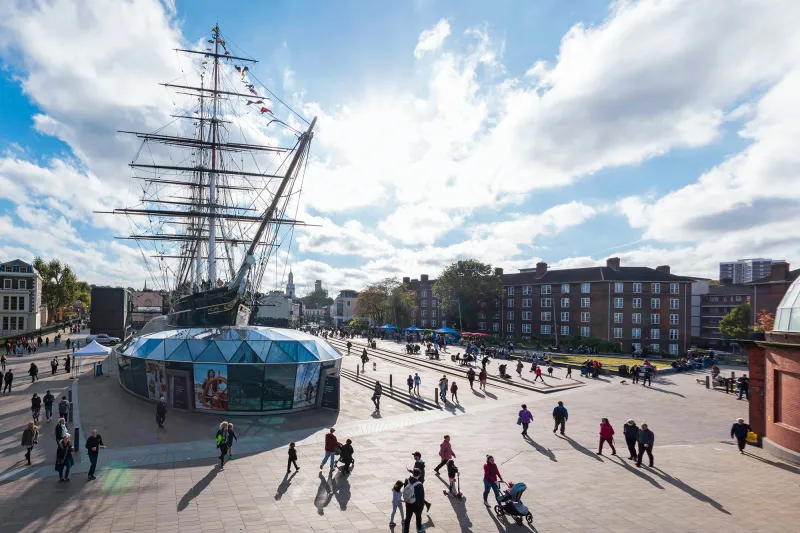
In the 1870s the sailing ship Cutty Sark carried around 600 tonnes of tea per voyage from China to Britain.
Today, almost two million tonnes of tea are shipped around the world every year – just one tiny part of a vast system of global maritime trade.
Many developments contributed to this expansion, yet few have proven as transformative as one seemingly mundane invention: the shipping container.
On 26 April 1956 a converted oil tanker named the Ideal X left port in Newark, New Jersey carrying 58 metal containers. When it arrived in Texas five days later, the containers were unloaded directly onto to waiting trucks. It was a small experiment with enormous consequences.
Seventy years on this simple idea has fundamentally changed how goods move around the world. But aside from major news events such as the 2021 blocking of the Suez Canal, it's easy to forget just how much of everything we buy is brought by sea.
How did the container transform life at sea and in the docks? And is there a price to being able to ship goods from the other side of the world so cheaply?
Cargo before containerisation
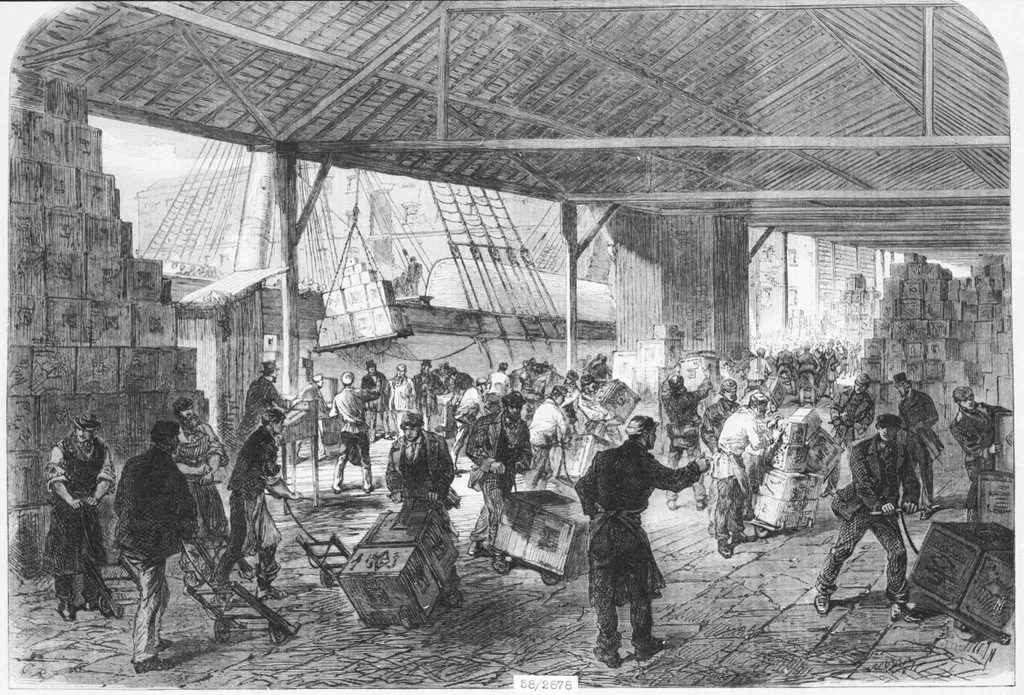
The 19th and early 20th centuries saw a revolution in the way ships were built, powered and sailed. However, the way goods were actually handled changed remarkably little.
Simple hoists, cranes and equipment like this docker’s hook, made around 1936, were still the main tools of a highly dangerous and labour-intensive trade. Barrels, sacks, bales and crates all had to be handled piece by piece as they were lifted onto the ship and stowed in the hold.

At the other end of the voyage, every individual item had to be unloaded again and stored in warehouses until it could continue its journey. Delays were routine and theft common.
Dangers at the docks
Dock work wasn't just dangerous; it was highly insecure too. Just like so-called 'gig economy' workers today, dockers were typically employed only for specific roles at times of high demand. Workers would have to wait at the gates of the docks in the hope of being selected.
Trade unionist Ben Tillett vividly described the conditions for London dockworkers in a speech later published in the English illustrated magazine in 1890:
‘To obtain employment we are driven into a shed, iron-barred from end to end, while outside a foreman or contractor walks up and down with the air of a dealer in a cattle market, picking and choosing from a crowd of men, who in their eagerness to obtain employment trample each other under foot, and like beasts fight for the chances of a day's work.’
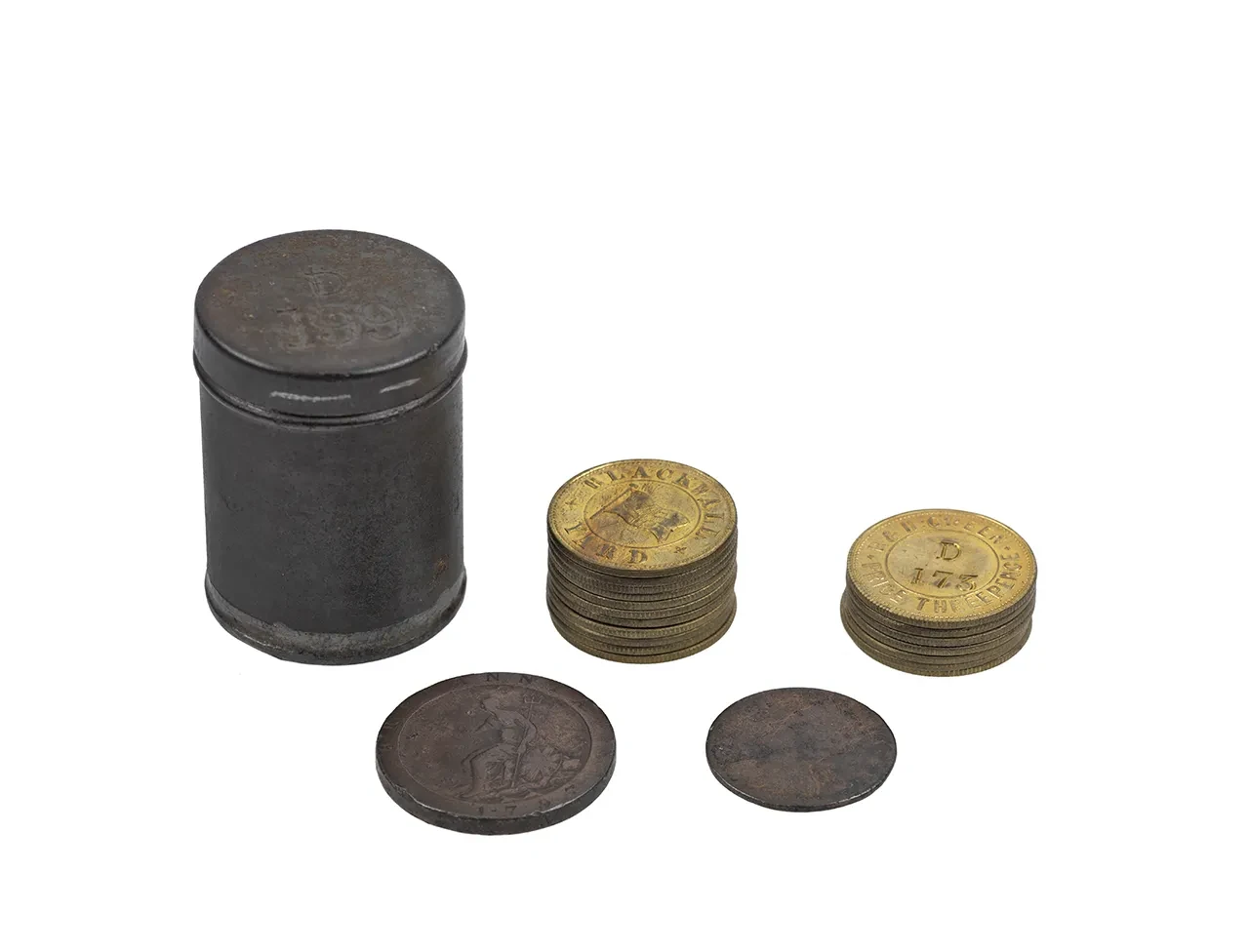
These 'coins' from Blackwall Yard illustrate another form of exploitation: dockers were regularly paid in tokens rather than cash. Workers could redeem these tokens only at company shops, where goods might be of lesser quality or sold at a premium.
In 1888 a report in medical journal The Lancet highlighted the physical toll of dock labour. A surgeon working at Poplar Hospital estimated that 'during the course of five years' constant work, out of a hundred men the majority would suffer some accident; in fact, hardly any would escape.' The investigation found that 'insufficient food', 'reckless speed' and 'the desire for cheapness' all contributed to a high level of preventable accidents at the docks.
'Here lives are needlessly squandered; men are ruptured, their spines injured, their bones broken, and their skulls fractured, so as to get ships loaded and unloaded a little quicker and a little cheaper,' the report concluded.
'Come mister tally man, tally me banana'
Harry Belafonte's 'Day-O (The Banana Boat Song)' featured on the first album to sell more than a million copies. You may well have heard it – but do you know the song's shipping origins?
The traditional Jamaican work song revolves around workers loading bananas on to a ship, waiting for the 'tally man' to count their stacks and give them their pay. 'Work all night on a drink of rum,' the song goes. 'Daylight come and me wan' go home'.
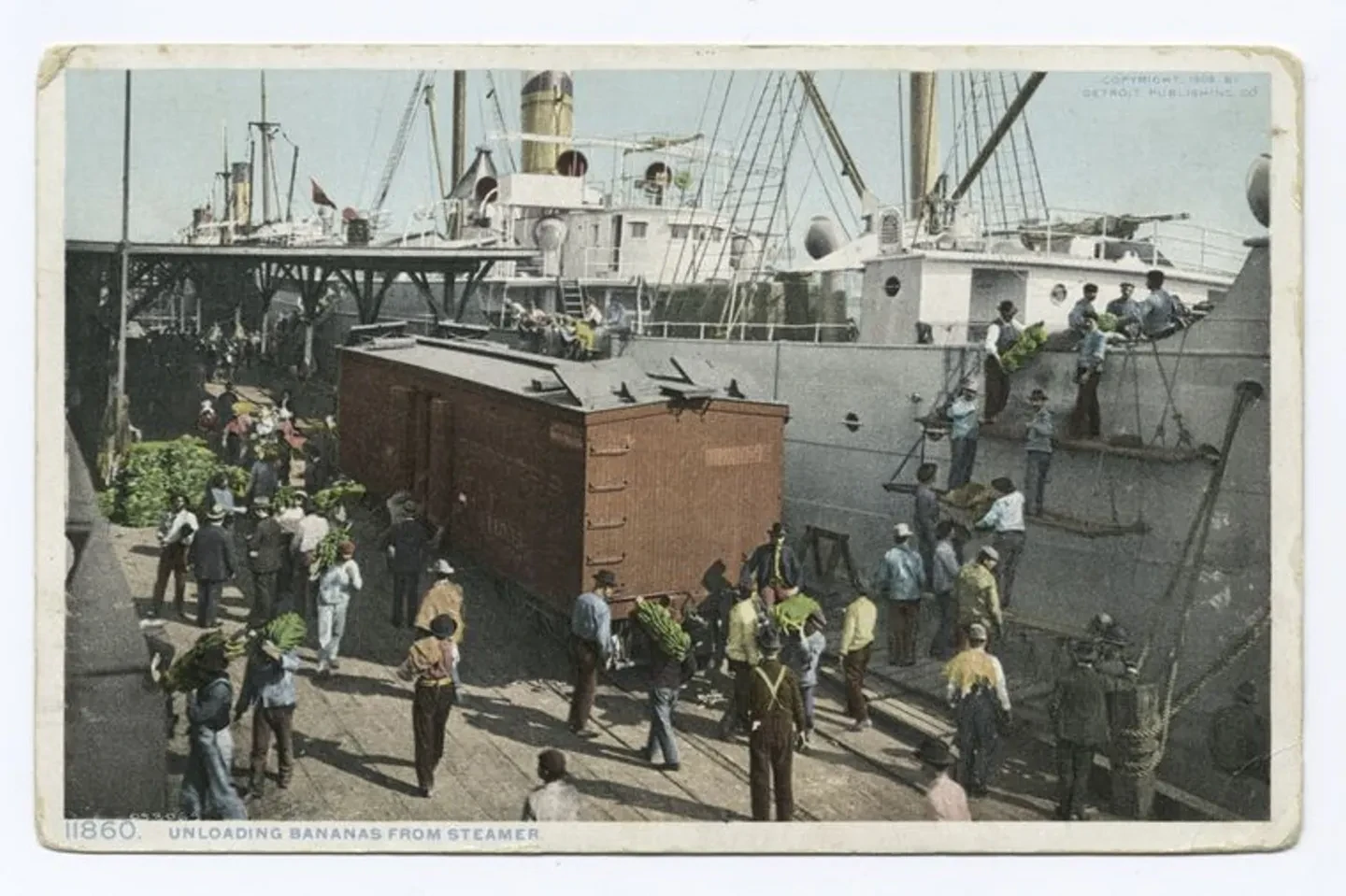
'People sing and delight and dance and love it,' Belafonte told NPR in 2011. 'They don't really understand unless they study the song that they're singing a work song that's a song of rebellion.'
The origins of the shipping container
Dock safety began to improve in the UK during the 20th century. Research by Dr Guy Collender published by the Lloyd’s Register Foundation found that fatalities fell from 115 in 1899 to 69 in 1939.
However, even by the 1950s dock work was still incredibly dangerous, with an injury rate three times that of construction workers and eight times that of manufacturing. Regular strikes for improved pay and working conditions increased the already-long turnaround times in ports. Unions and ship owners were seemingly often pitted against each other.
Several attempts had been made to use containers for transporting goods before the Second World War. However, these had been limited in scale and confined to specific back-and-forth routes.
In the 1950s, American trucking entrepreneur Malcolm McLean began to explore how containers might ship goods more efficiently.
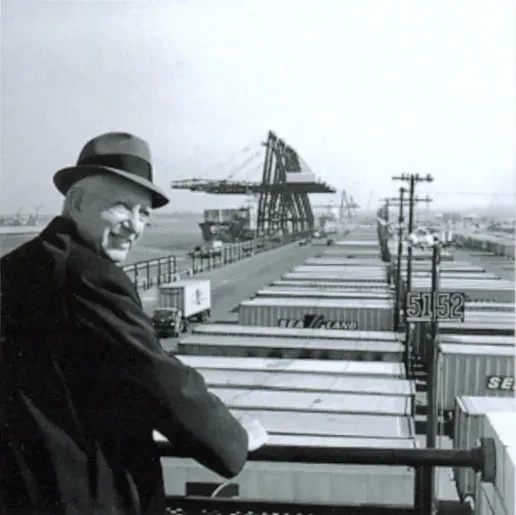
An outsider to the shipping industry, McLean identified that it would be quicker and easier to unload goods from ships on to trucks or trains directly. Initially McLean explored loading a lorry complete with its container on to the ship. However, the space limitations and the conditions the vehicles would face on the open ocean made this impractical. Instead, he developed the idea of loading just one part: the box itself.
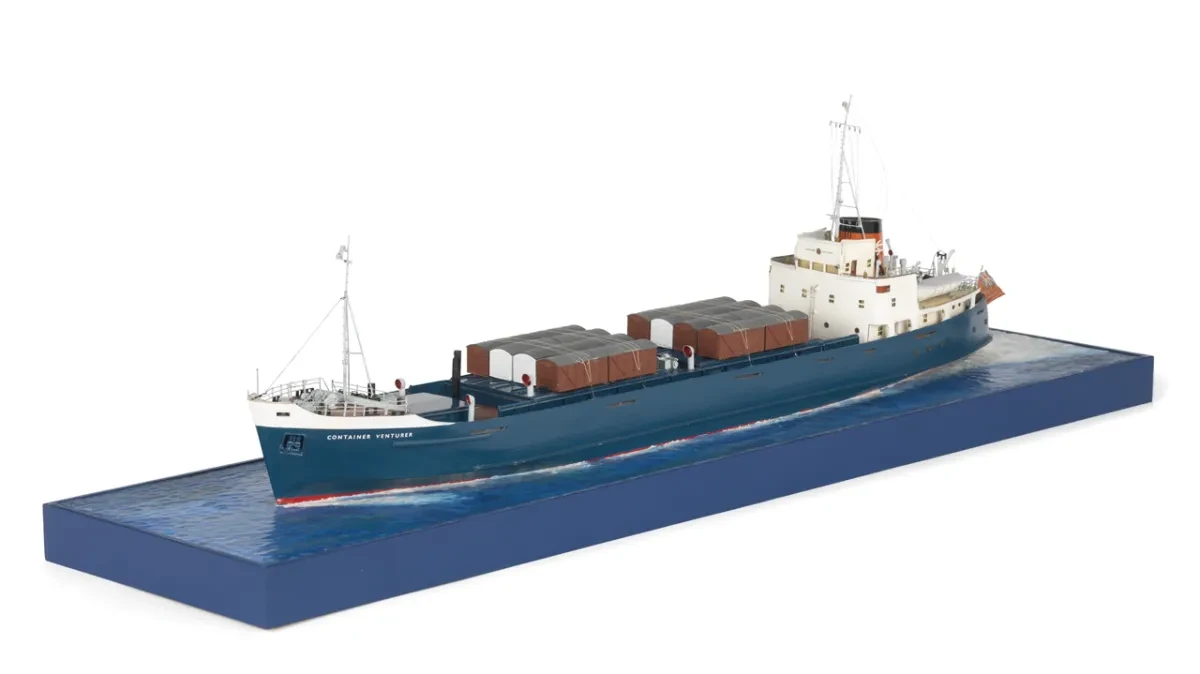
McLean purchased a former military ship, renamed it the Ideal X and configured it to carry his metal containers. On 26 April 1956 the first test voyage carrying 58 containers left New Jersey for Texas. The modern shipping container was born.
How ports changed after containerisation
Despite the potential safety benefits, dockers' unions were quick to realise that containerisation would mean far fewer workers – a key motivator for inventor McLean himself.
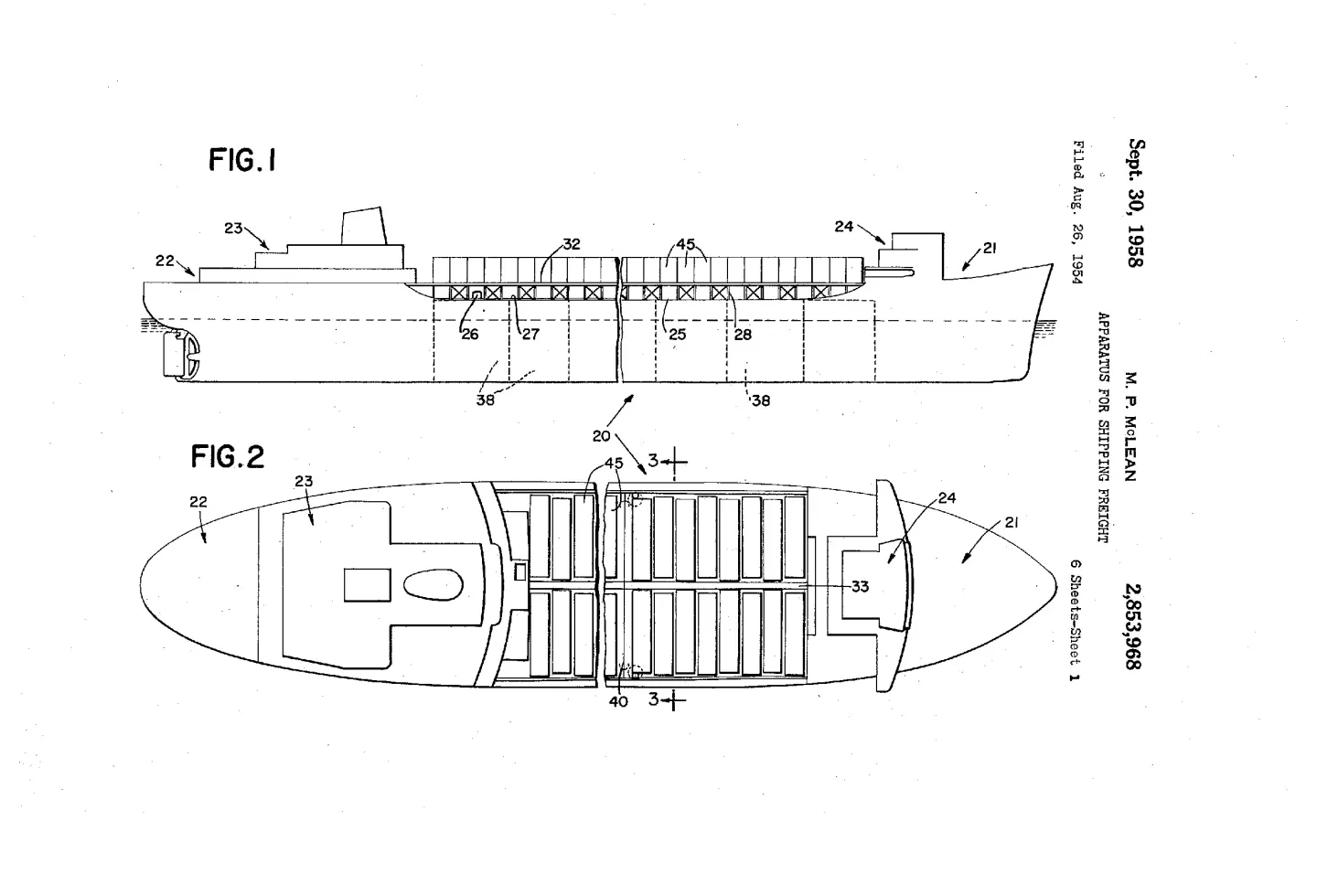
In a patent filed in 1954, McLean wrote, 'A major impediment to transoceanic trade resides in the relatively high cost involved in moving a small shipment of merchandise from a consignor to a consignee. Such merchandise may be handled as many as ten or more times due to the number of loading, unloading and storing operations involved, and the cost of labor as well as the time involved are major factors in determining the cost of moving the shipment.'
As the number of people needed to work the docks fell, there was no longer any need to locate ports close to residential areas. In addition, as the vessels became larger to hold more containers, many city ports lacked sufficient deep water facilities. Cheaper locations with deeper waters and faster road and rail connections could be developed to handle the increasingly large ships.
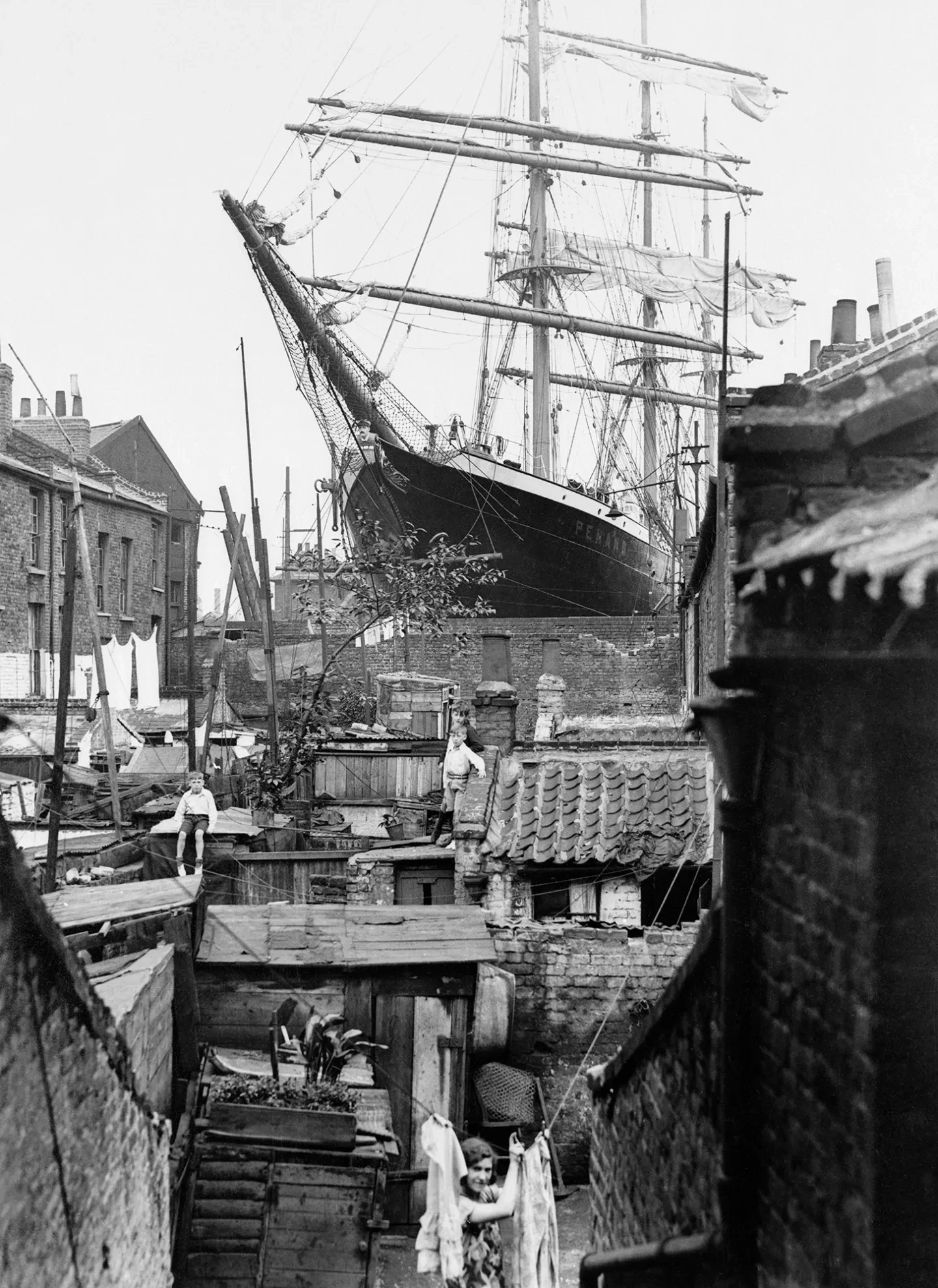
Scenes such as this photograph from 1932 showing the cargo ship Penang towering over houses and gardens in Millwall, south east London became a thing of the past. The ships and seafarers that carried goods around the world became increasingly invisible to the consumers themselves.

Northfleet Hope container terminal
SLR2160 • Ship Models
A model of the Northfleet Hope container terminal made of wood with metal and plastic fittings and painted in realistic colours. The Northfleet Hope Berth was built in 1978 and was the first purpose-built container terminal to be established in the UK. The terminal was initially designed to handle the large volume of refrigerated containers common to the Australian and New Zealand trade, and was equipped to handle 1,000-plus containers at sub-zero temperatures.
Slow ships, fast fashion
Containerisation may have decreased the visibility of the maritime world, but it has dramatically increased the amount of global trade.
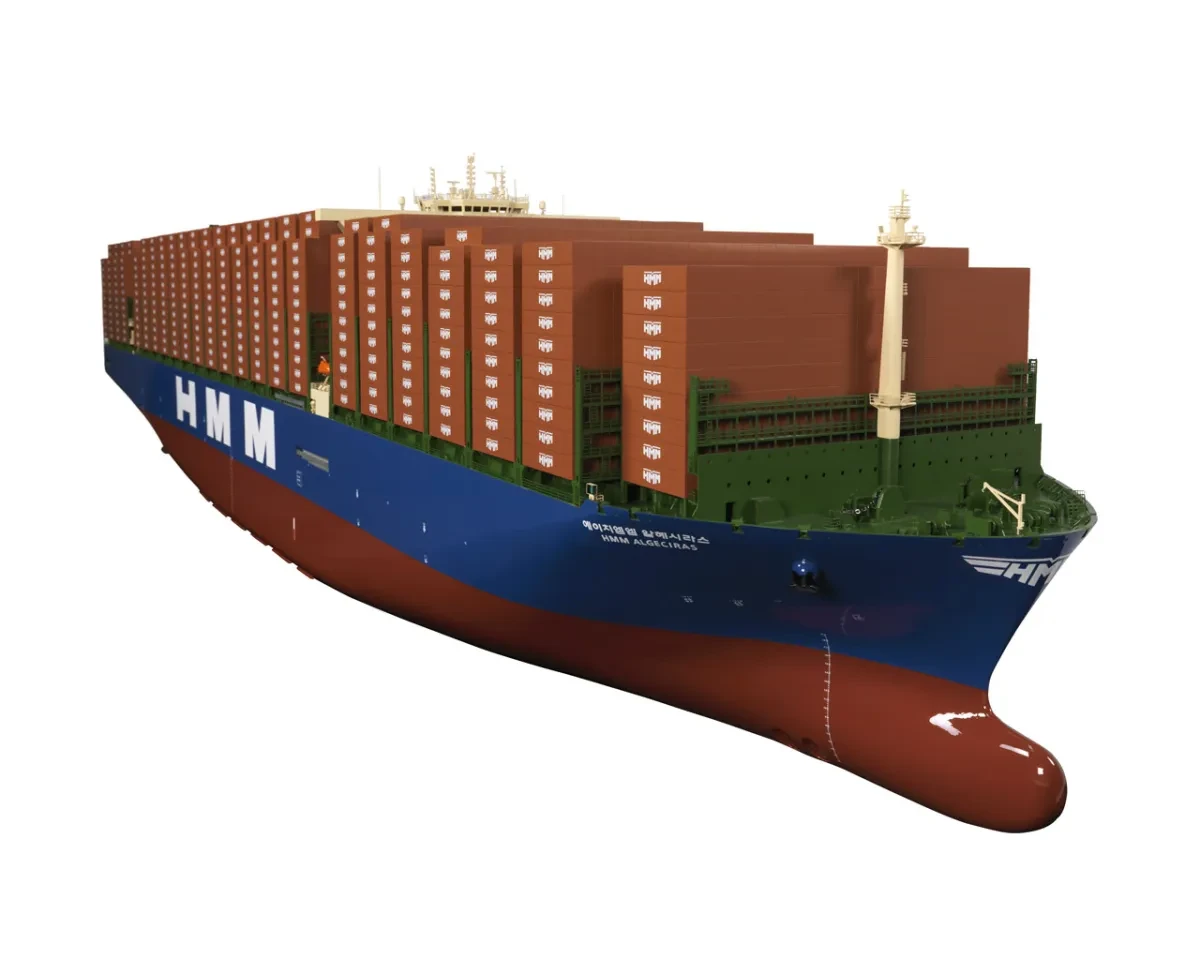
In the year 2000, the biggest ships could carry just over 4,000 containers. Today, they carry 23,000. These ever-larger ships feed modern consumer appetites.
One of the starkest examples of how container shipping has changed society is in the retail industry and the growth of 'fast fashion'. A single container can hold 10,000 pairs of jeans, making the shipping cost per item almost negligible. Low transport costs mean cheaper clothes and longer supply chains, and create the risk of poorer working conditions, environmental controls and traceability standards.
As a society we have become used to access to affordable, almost ‘throw-away’ fashion. The average person in the UK buys around 61 items of clothing per year, more than any other country in Europe. More clothes means more waste, with more than 711,000 tonnes of textiles sent to landfill or incinerated in the UK each year.
Even when clothes are donated instead of dumped, 70 per cent of the used clothes are exported. The same system of containerisation that transported items in the first place are now used to export the problem of what to do with clothes when they are no longer wanted.
Ghana is the world's largest importer of used clothing, with the BBC World Service reporting that an estimated 15 million items of clothing arrive in the country every week. A Greenpeace investigation in 2025 found that 40 per cent of the clothing was unusable, resulting in waste textiles being dumped and harming protected wetland habitats.
Going green? The environmental impact of container shipping
Containerisation has ushered in cargoes that would have been unthinkable to the crews and dockers who worked with Cutty Sark in the 19th century. The difference of course is that, compared to the fossil fuel-powered ships of today, Cutty Sark relied on sail power alone.
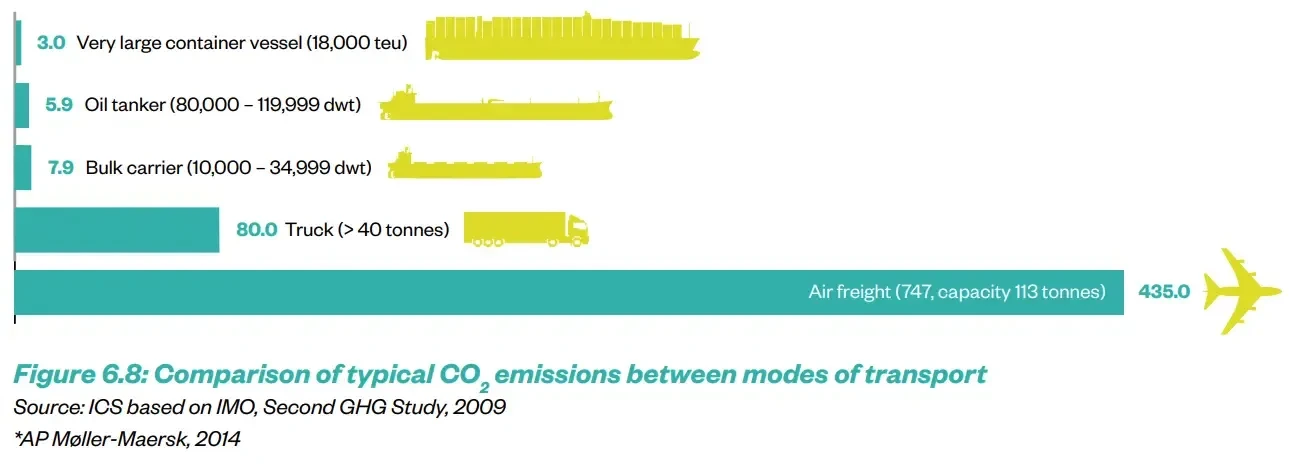
While the sheer size of the vessels makes ships more carbon-efficient compared with planes and trucks, shipping as a whole is still responsible for roughly three per cent of global greenhouse gas emissions. Efforts to clean up the maritime industry have faced major hurdles: a vote to agree a 'Net Zero Framework' at the International Maritime Organisation, the UN agency responsible for world shipping, was delayed in October 2025.
In the meantime, the environmental costs of moving goods around the world continue to rise. Greenhouse gas emissions from shipping were the highest on record in 2024 according to data analysed by the European Federation for Transport and Environment, with container ship emissions in particular rising by 46 per cent.
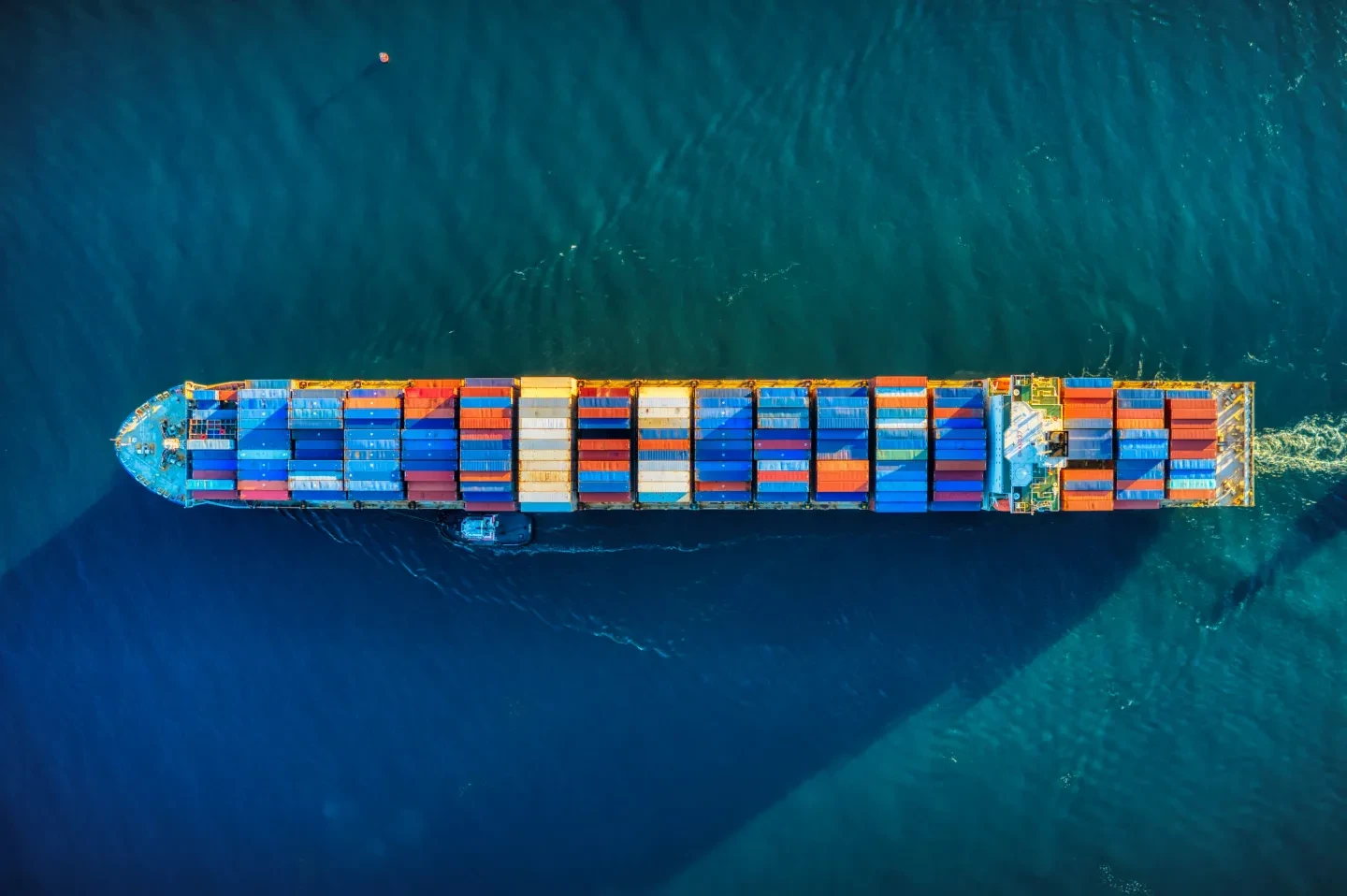
That year, ships travelling between Asia and Europe were forced to avoid the Suez Canal due to security concerns in the Red Sea. Instead, companies opted for the much longer route around Africa, travelling faster and burning more fuel to meet delivery deadlines.
Malcolm McLean’s container helped make the modern world possible. Seventy years on, its legacy invites a harder question: not just how efficiently goods move, but at what cost.
An ocean to explore
Read more
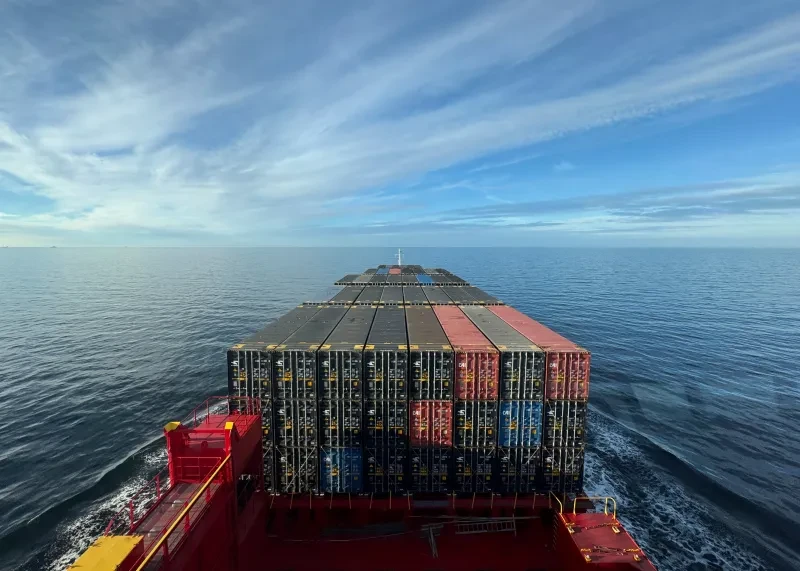
Life on board a container ship – in pictures
Artist Zoe Childerley is embarking on a project with the National Maritime Museum to bring experiences of modern seafarers to light. How did she find her first voyage on board a container ship?
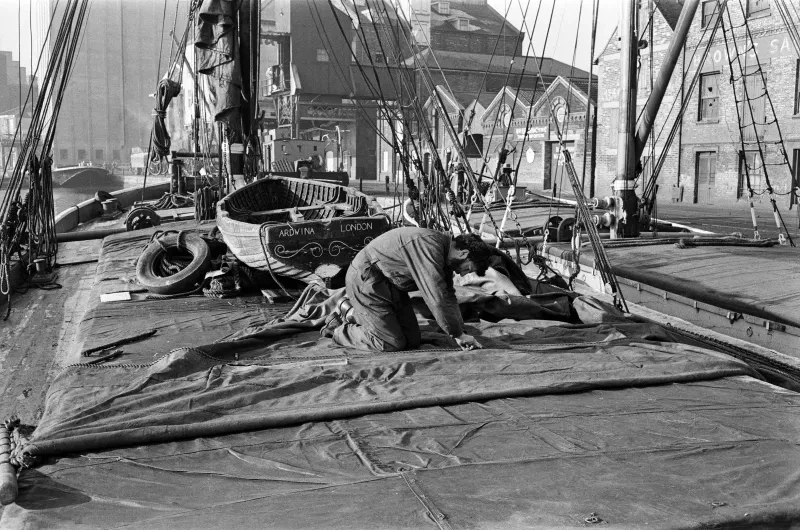
Thames barges and London docks – an oral history
Gordon 'Willie' Williamson worked aboard Thames barges throughout the 1960s, and witnessed the final years of central London as a busy cargo hub
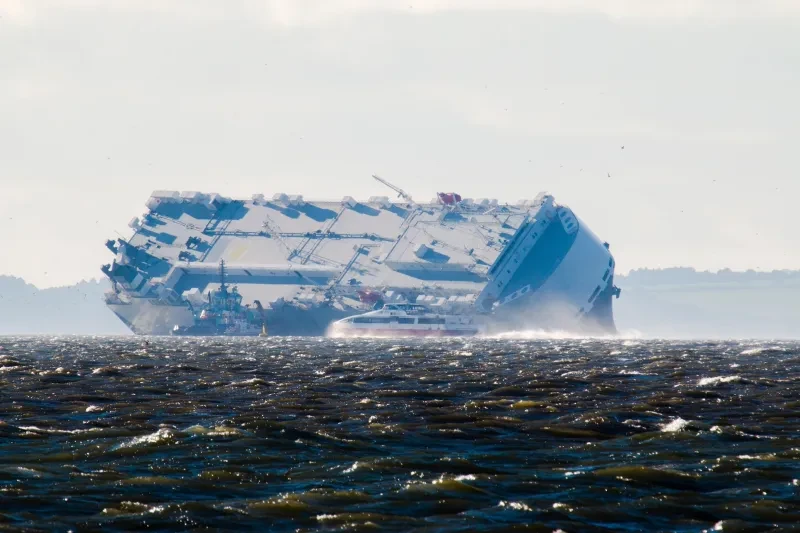
How does the UK respond to a maritime emergency?
If a ship runs into trouble in UK territorial waters, an individual known as ‘SOSREP’ is often one of the first to be notified. Who are they, and how do they help prevent disaster at sea?

Remembering the Sea Empress oil spill
Cliff Benson reflects on how efforts to save oiled sea birds inspired a lifetime's dedication to wildlife protection

Making Waves
Stories of incredible women at sea
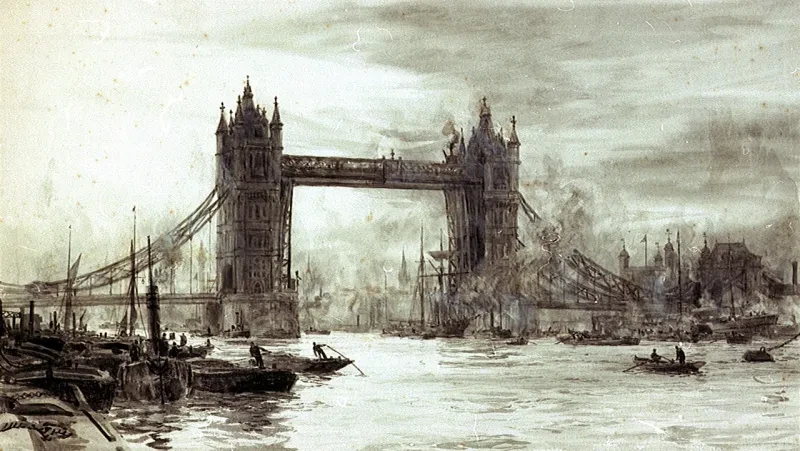
Pollution in the River Thames: a history
Lifeline, water source, sewer – follow the murky history of London's relationship with the River Thames
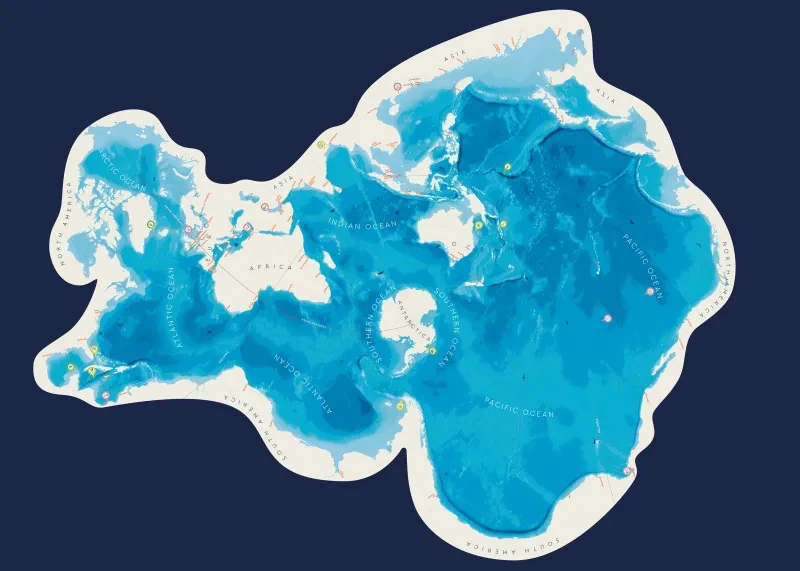
Turning our view of the world inside out: introducing the new Ocean Map
The National Maritime Museum's Ocean Map reminds us just how much of the Earth is covered by water – and how important the ocean is to our planet