
In 1999 Sonali Banerjee graduated as India’s first female marine engineer. She was the only woman in a college of 500 cadets.
More than 25 years on, her trailblazing career demonstrates how far India has come in supporting women in the shipping industry – and the challenges that still remain.
‘What really matters is what lies within you,’ Banerjee says. ‘It is very important that we believe in our own ability, believe in our own instincts and then move ahead with what we most believe in.’
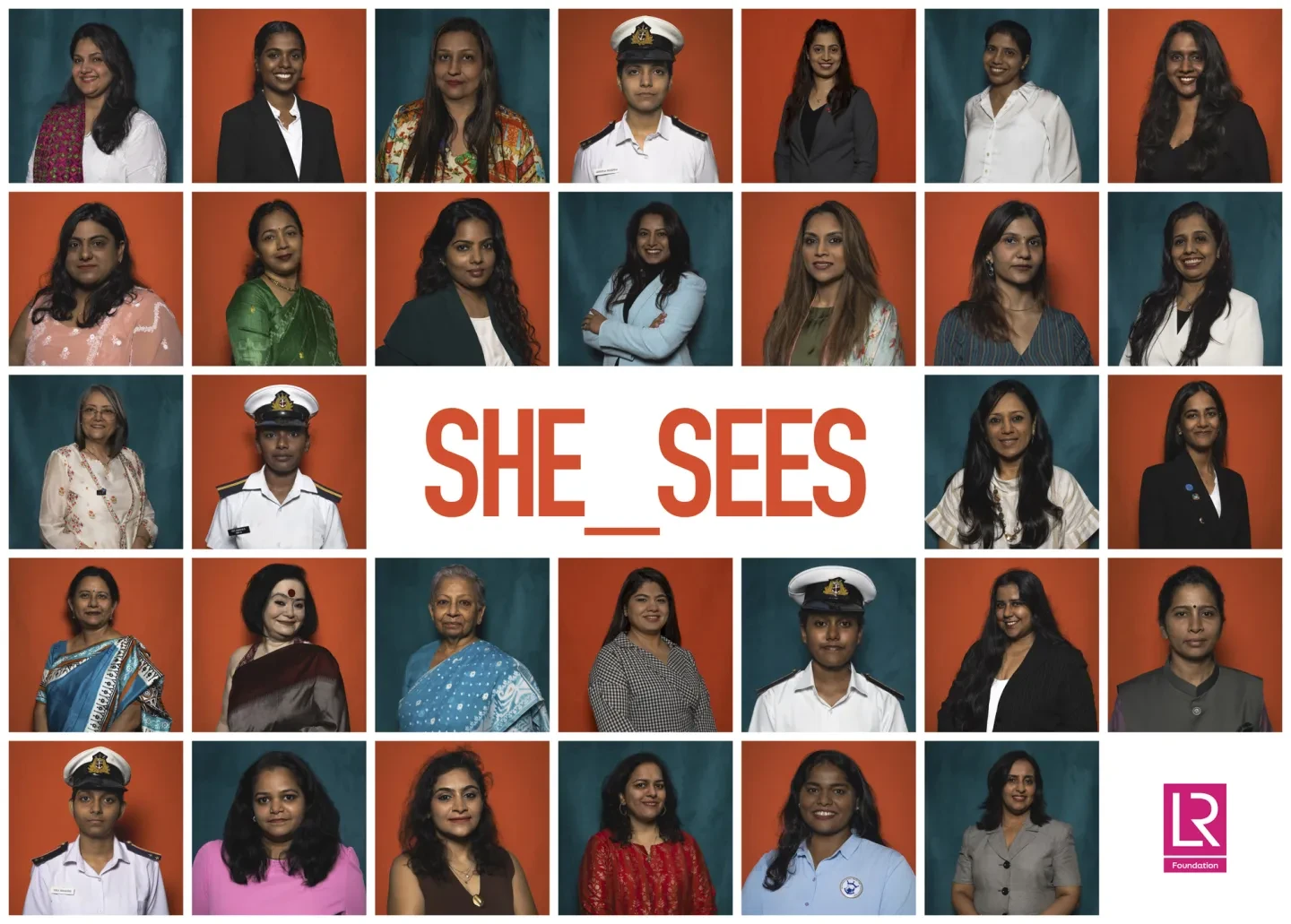
Banerjee's story features in SHE_SEES India, a new project by Lloyd’s Register Foundation that documents the experiences of women working in India’s maritime sector. Through a series of interviews and portraits, the project celebrates women who have forged a path in what is still a male-dominated industry.
Banerjee later became the first woman to reach the rank of Chief Engineer and is now a leading surveyor in India’s Register of Shipping. She says her experience at sea had a profound influence on her life and career. ‘Life at sea is very different from working ashore, where you have back-up and many options if things go wrong,’ she says. ‘At sea, your resources are limited. You can’t call up somebody and ask for some more help; you have to manage with whatever’s available in terms of people, materials and equipment. That teaches you a lot about life.’
Curators at Royal Museums Greenwich are partnering with Lloyd’s Register Foundation to bring stories of women in the maritime world, both past and present, to light. Exploring how individual perspectives from India compare with historical accounts will help the Museum better understand how women's roles and experiences within the industry have changed.
Banerjee’s story has interesting parallels with that of Dr Nina Baker, who in 1972 became Britain’s first female deck cadet. In 2020 Baker participated in an oral history with the National Maritime Museum, where she reflected on her efforts to break into the maritime industry.
‘Anybody I met who had any connection with the Merchant Navy, I was up saying, “You know, I want to go to sea, and do you think this might be possible?”,’ she recalled, knowing that seafaring was not a typical career path for women at the time. ‘And some of them would say, “Well, the only women at sea are stewardesses on the cruise ships.”’
India is a valuable case study when studying diversity and inclusion within the maritime sector more broadly according to the project’s authors. ‘In terms of maritime diversity, India is further ahead than many countries,’ explains writer and editor Nicola Good. ‘According to the International Maritime Organization WISTA Survey 2024, it accounts for some 7% of women seafarers, which is substantially higher than the overall global average of 1%. So, we also sought to use this opportunity to gain an understanding of why Indian women are more readily getting on board.’
The team interviewed more than 30 women during India Maritime Week in October 2025 from across the industry. Each person was asked about their motivations for pursuing their career and what more could be done to encourage women to thrive in maritime.
Redneshwary Kandeepan, who works in crewing for tugs and barges, said, ‘Society must understand that this is a field where a woman can thrive and we need to make sure vessels have the facilities to accommodate women.’
The issue of suitable facilities was also highlighted by the Port of London's Senior Harbour Master Cathryn Spain, who told Royal Museums Greenwich in 2023. ‘I still hear stories of young women working in the ports and at sea who are experiencing harassment and discrimination. There are other elements that need to change too: for example, ensuring that there are appropriate changing facilities on the shoreside and appropriate provisions for ships in ports.’
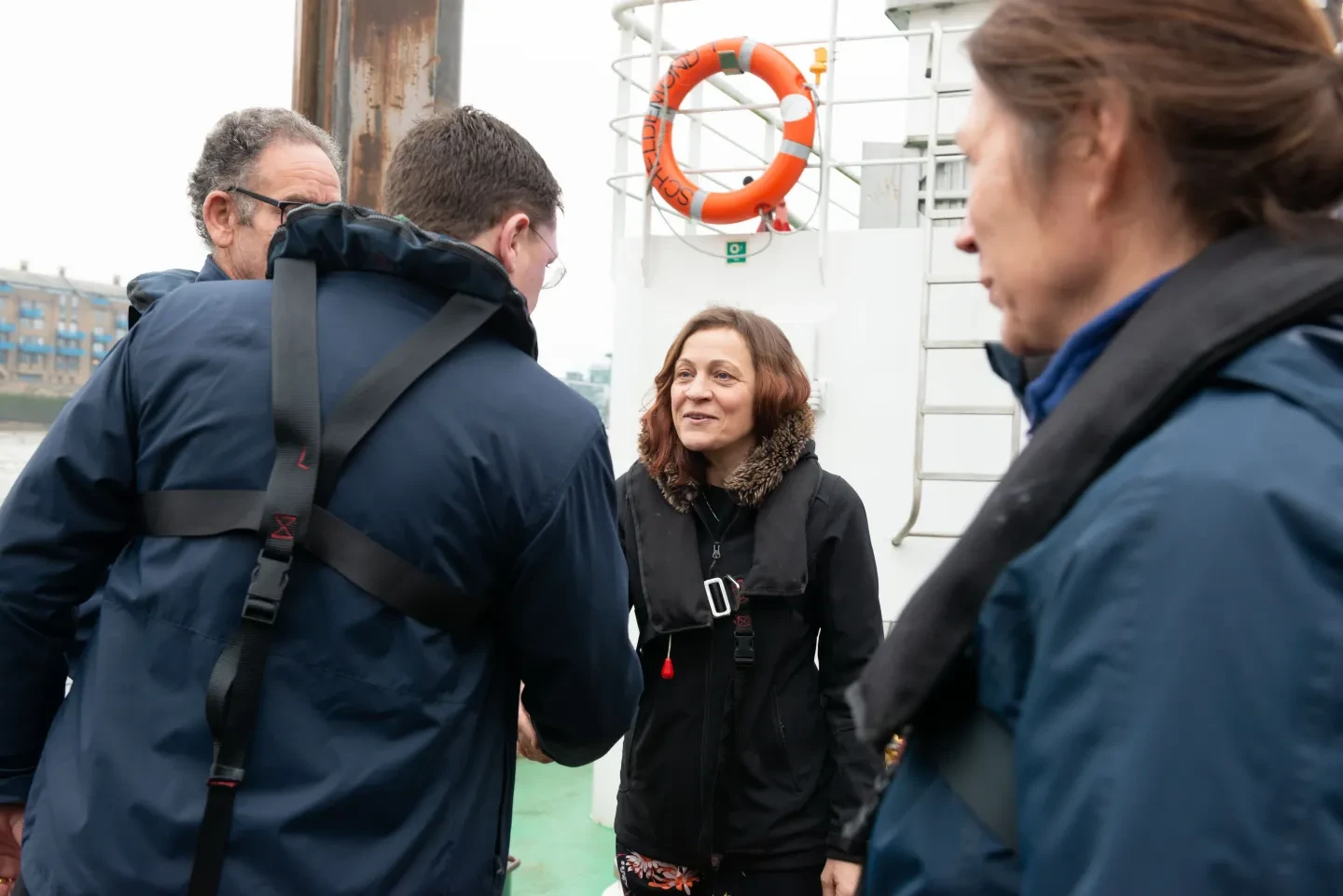
Emphasising the need for pastoral care and professional support was also a common thread both through the SHE_SEES India stories and interviews conducted by Royal Museums Greenwich.
‘For those women who are already at sea, we need to empower them with a sense of psychological safety so they can speak up when they are disadvantaged,’ said Divya Nair, a clinical psychologist at Fleet Management. ‘I've always noticed that as women, we are so driven to prove ourselves in male dominated fields that we don't readily open up. We feel we must bear the burden solo and work through the challenges ourselves.’
Explore the SHE_SEES India series on the Lloyd’s Register Foundation Heritage website, and find more stories of women throughout maritime history below.
Editor’s note: Lloyd's Register Foundation supports Royal Museums Greenwich through its Grants programme. Learn more about the partnership, 'Creating ocean citizens for a safer world'.
Read more
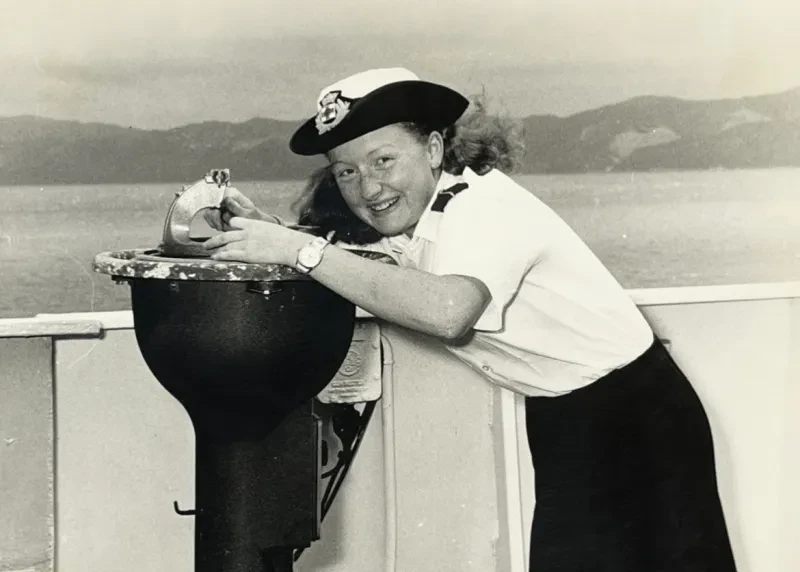
'I want to go to sea, do you think this might be possible?' – Nina Baker in her own words
Dr Nina Baker became the first female deck cadet in the British Merchant Navy. Listen to her account of a pioneering career
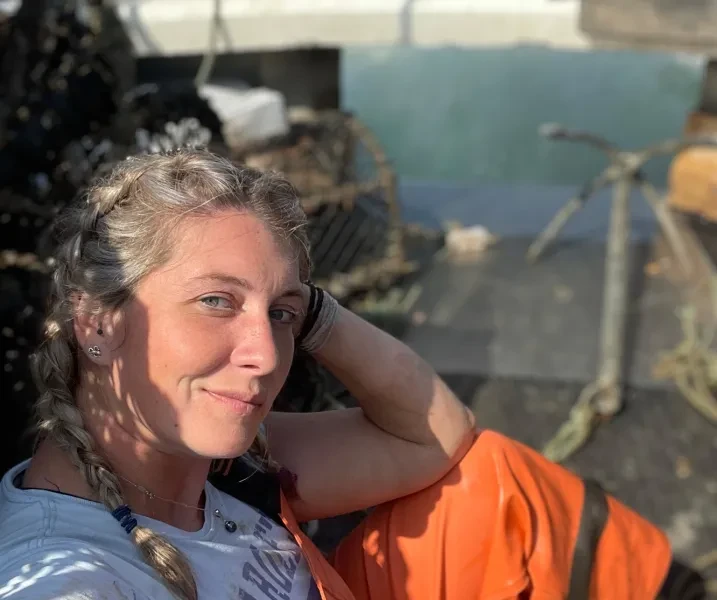
‘We need to normalise seeing women in this industry’
Ashley Mullenger lifts the lid on the life of a female fisherman
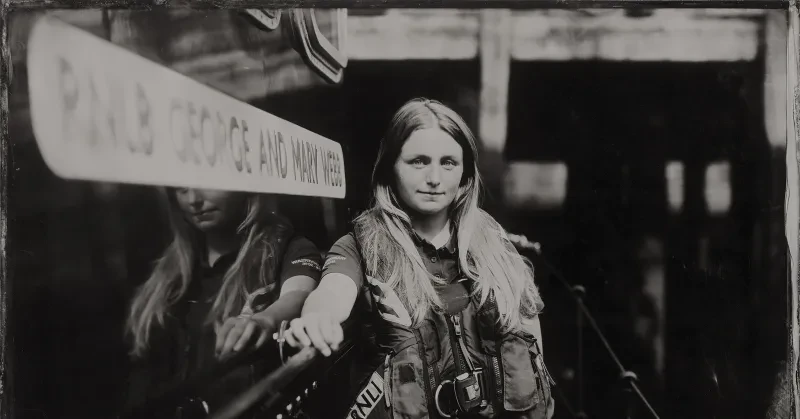
Oral histories: the women of the RNLI
Listen to the stories of women who volunteer with the Royal National Lifeboat Institution – part of a series of recordings by the National Maritime Museum
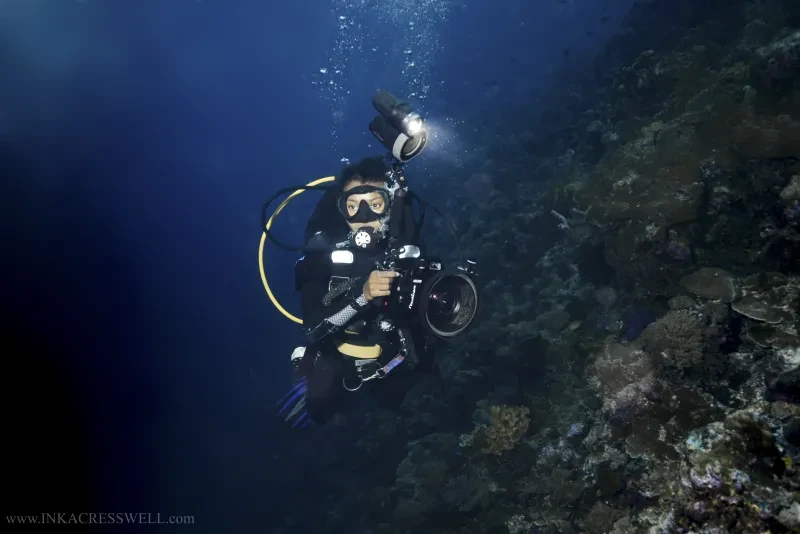
‘Our actions will define the future of our oceans’
How wildlife filmmaker Inka Cresswell is inspiring the next generation to save our seas
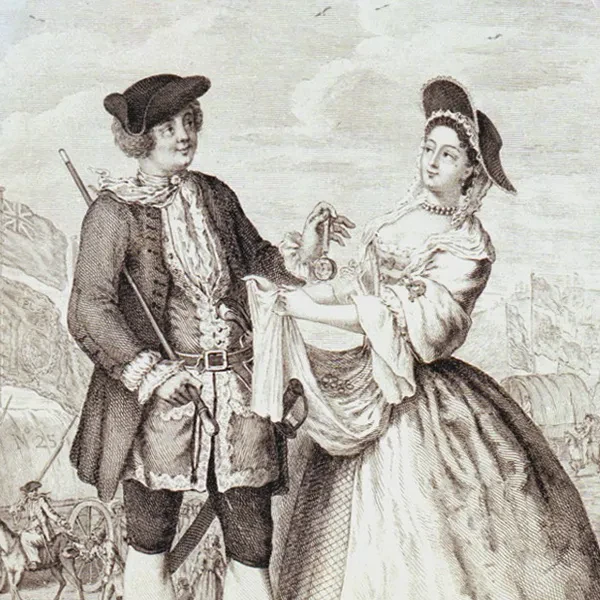
Tenacious women in the kingdom of letters
The correspondence between mothers and wives to John Markham, on the Admiralty Board, reveals the surprising role these women played in attempting to secure their family's survival
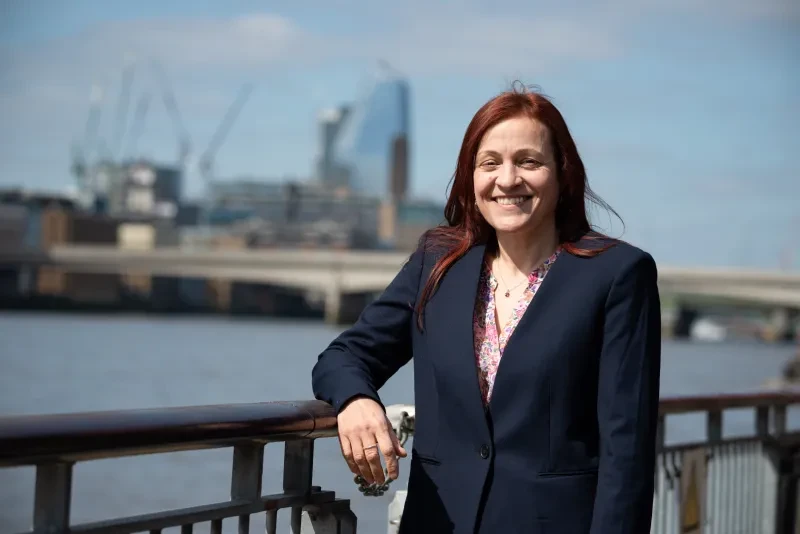
'The maritime industry has got better for women – but there’s more to be done'
Meet Senior Harbour Master Cathryn Spain, who oversees navigational safety on the River Thames
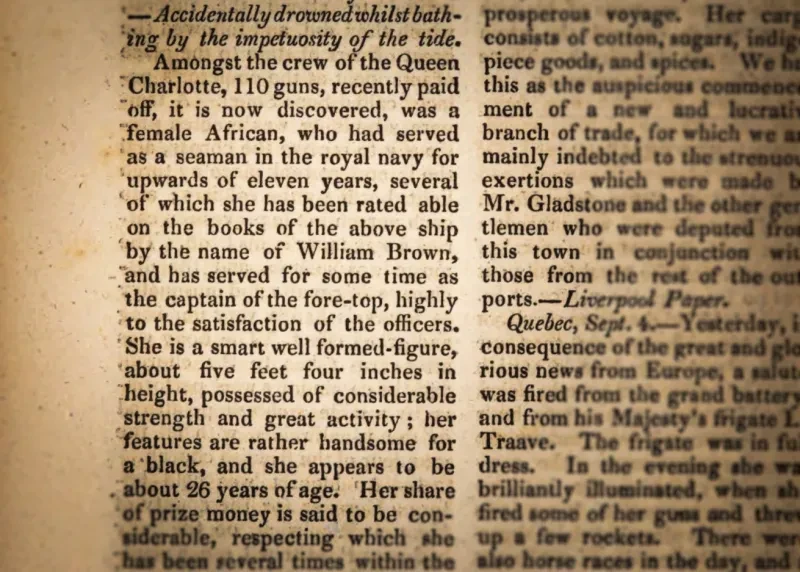
From mapmakers to mariners
Artist Remiiya Badru explores the stories of three pioneering women found in the collections of Royal Museums Greenwich
Making Waves
Stories of incredible women at sea
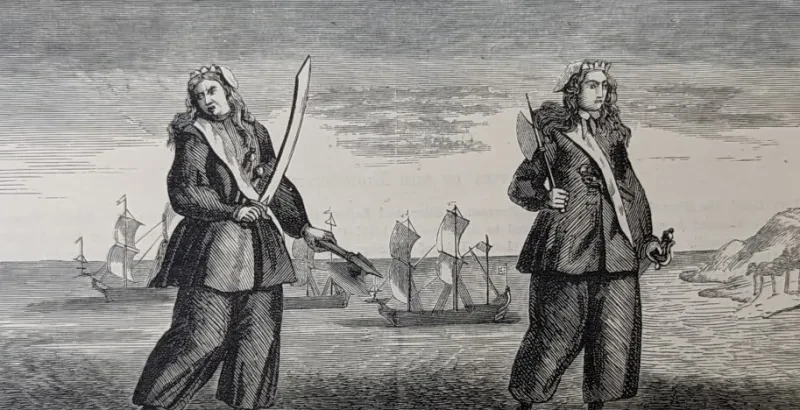
The women who went to sea – dressed as men
Barred from the seafaring life, women had to disguise themselves as men if they wanted to experience the high seas - and brave the consequences of being found out
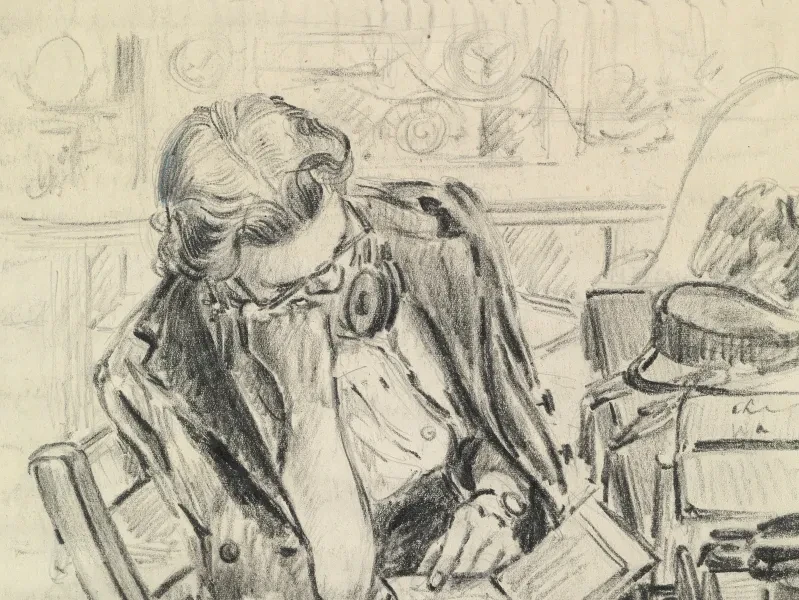
Research guide: women and the sea
This guide outlines useful sources for research on women and the sea, chiefly at the National Maritime Museum but also The National Archives

An ocean of stories
Visit the National Maritime Museum to learn about the past, present and future of our watery world
Main image © Emilie Sandy, via Lloyd's Register Foundation