
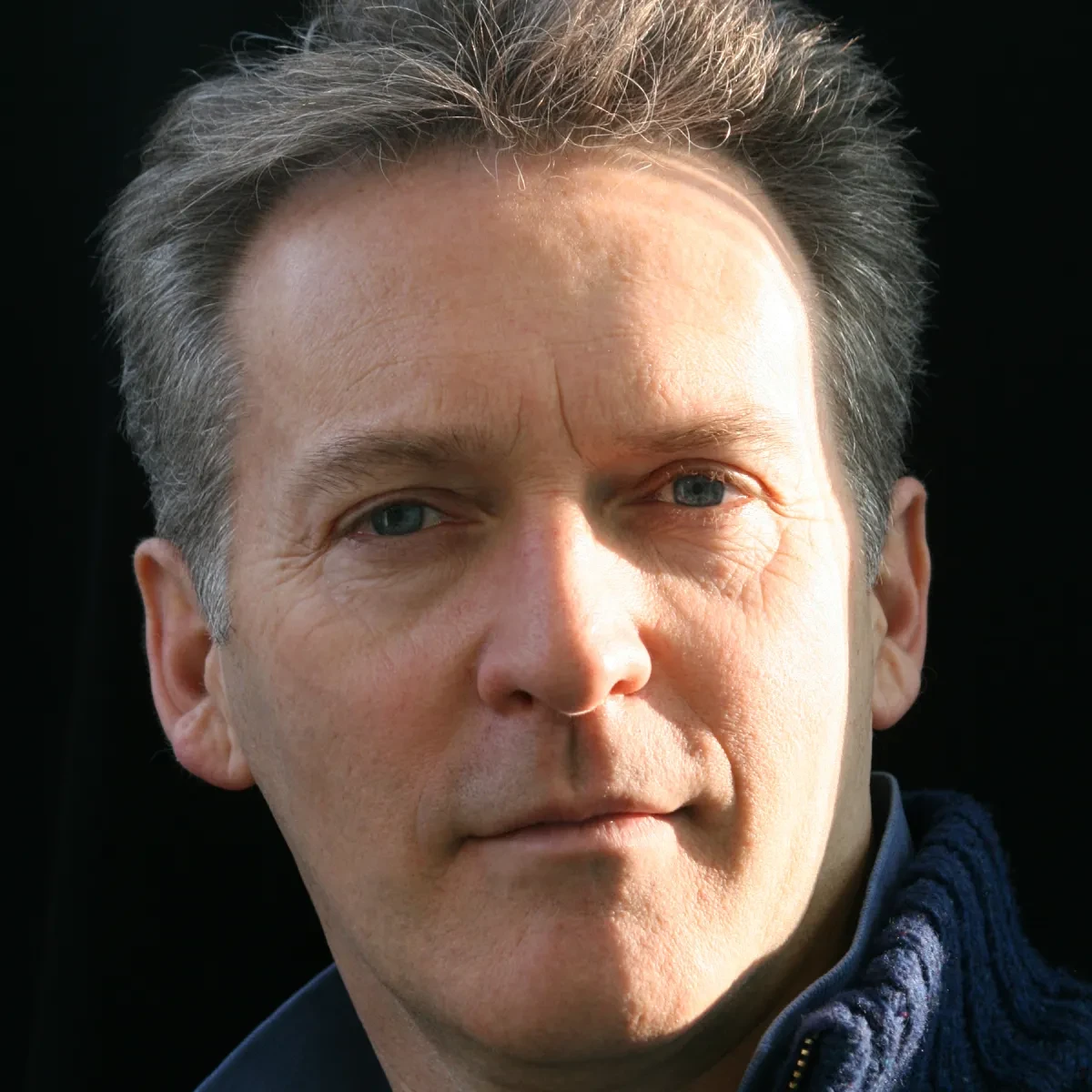
I am absolutely delighted to be part of the 30-year celebration of the Thames Footpath, as its poet in residence.
What does this last phrase conjure up for you, dear reader? Maybe a wanderer with a busy notepad writing through sun and rain, or a man in a pea-green boat fishing thoughts from the depths, or…
In fact, I am more likely to be found in scattered conversation with the countless people who use the river: walkers and rowers, lockkeepers and river workers, old and young, occasional strollers and committed ramblers… And then I’ll go back, open my laptop, and try to capture some of those exchanges in concise and evocative words.
My simple aim is to reflect the presence of the River Thames, and convey what is has meant – and continues to mean – to all those who encounter it via the glory that is the Thames Footpath.
Follow the trail
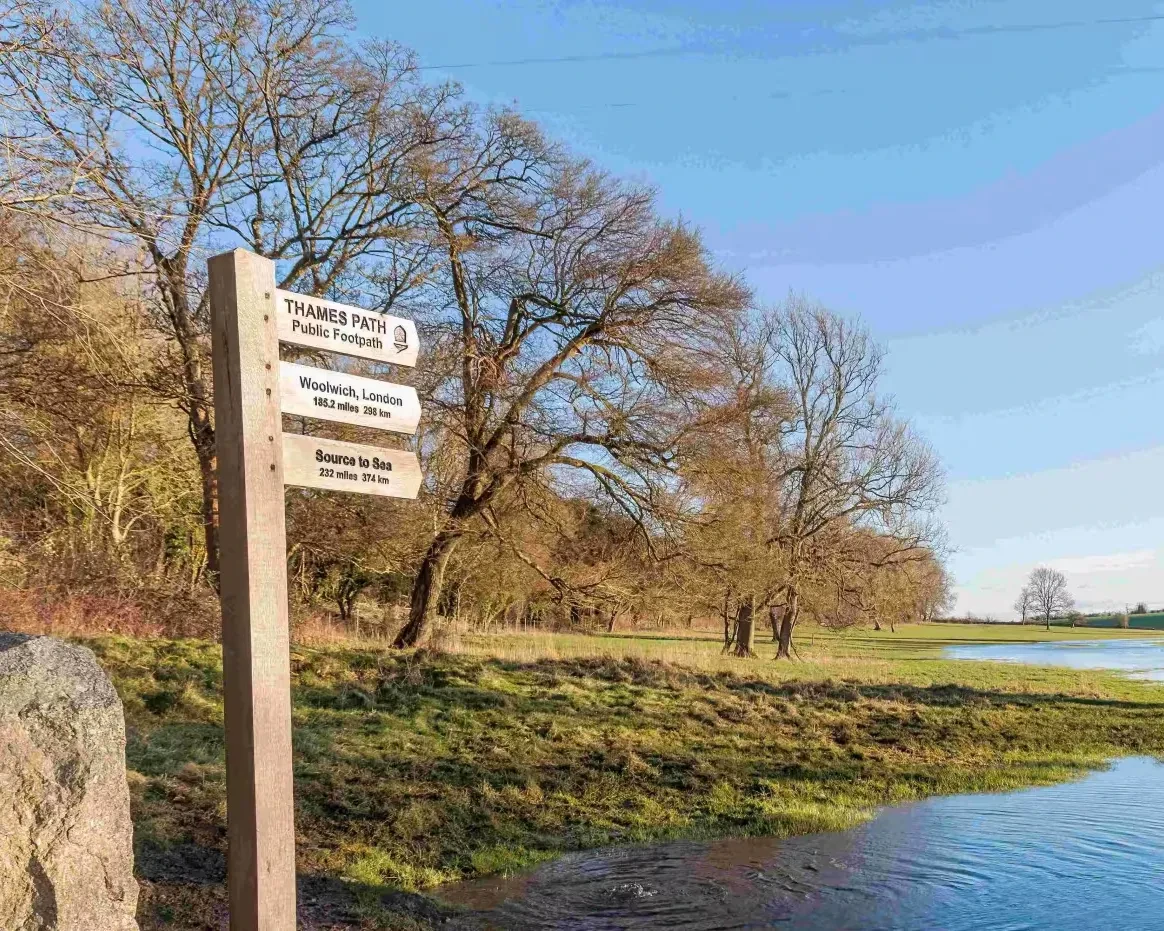
The result of all these exchanges will be a trail: 30 short texts or poems, beginning at the source of the river and ending at the sea, accessible via QR codes on the footpath’s finger posts. You’ll be able to hear my voice reading them too.
There will be words of reflection about the power of nature to take us somewhere else, nowhere embodied more expressively than in a river – which literally takes us on a journey. We cannot stand still! At Barnes Wetlands Centre for example I learned about the migratory journey of the arctic tern, which travels an extraordinary 25,000 miles every year, almost forgetful of wings, breaking its journey at this river haven.
There will be words about activity, about walking and running, wild swimming, the camaraderie of rowing, the sedate mystery of angling. Walkers spoke of the footpath almost as pilgrims do: that sense of a destination and a rhythm of steps, to listen to heart, gut, the stranger body.
…and the river remembers
Image
There will be words about history and myth, the river as time, transporting us back to other moments which are still connected to us through the flow of water.
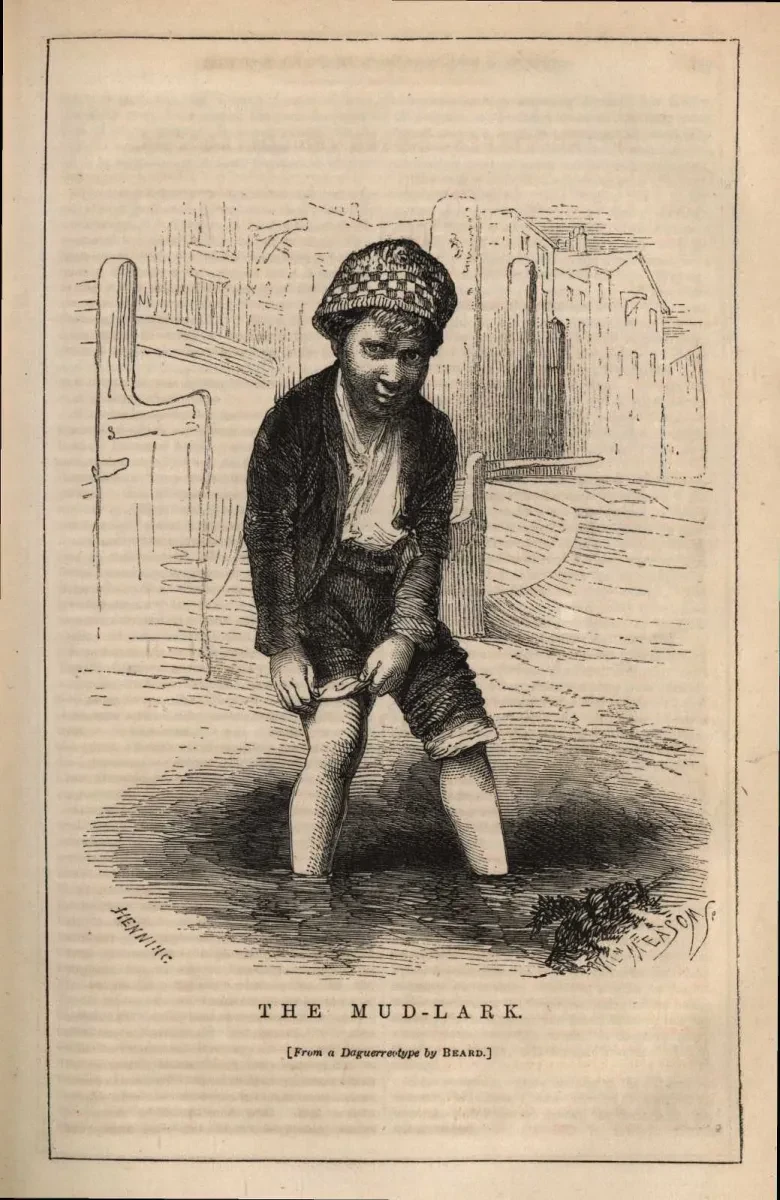
The fragmentary finds of mudlarks, a broken piece of this moment, this river, this world; palaces like Hampton Court, their glittering comings and goings; the trade journeys conjured up by the streamlined presence of the Cutty Sark; or rivers of memory evoked in the children’s classic Wind in the Willows, its story tinged with real-life tragedy.
And there will be words about the world: how we have not cared enough about it and yet are all connected to it. Ashes scattered in the Thames for Hindu burial rituals will eventually flow into the rivers of the world as they dissolve in the water – I give her to let her go.
What has become absolutely clear to me in working on this fascinating project is how important this river is, and how a river means so much more than a river. All the lives I live in the patterns they make. Within a couple of minutes of my many conversations people were not telling me about a river; they were telling me about how they live their lives.
Get involved
To complete the project, I’ll be writing a community poem at its finale, capturing in one place what this river means to everyone in their own words.
If you’d like to be part of this, simply send me a short phrase or three words that evoke what the River Thames is for you (robertseatter@hotmail.com).
And all the poems will ultimately be available in a hand-printed publication, RIVER, created in partnership with visual artist Jessica Palmer, and published in June 2026 by Paekakariki Press.
Flowing through history
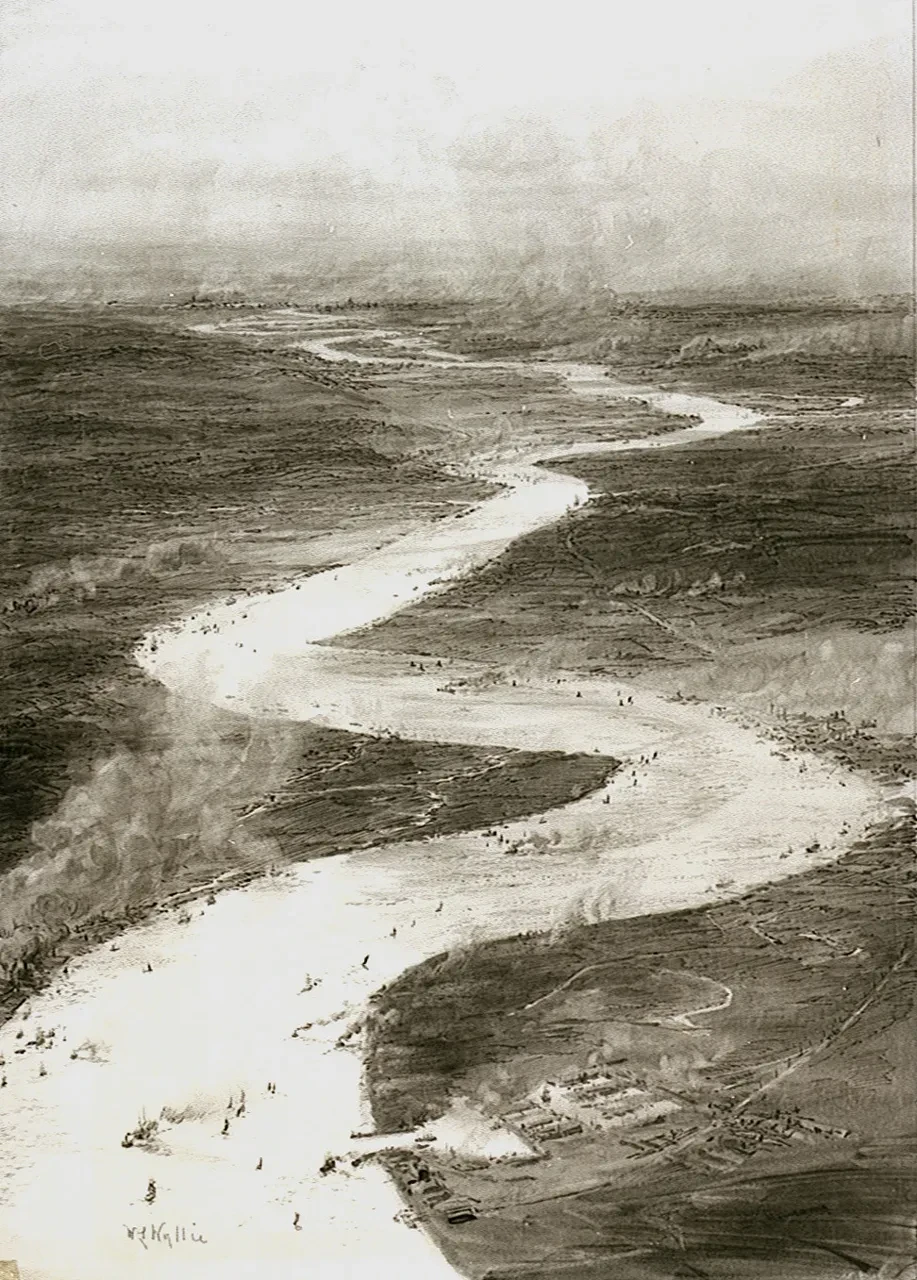
Explore images of the River Thames from the collections of Royal Museums Greenwich.
Flowing through history
Explore images of the River Thames from the collections of Royal Museums Greenwich.
2 / 11
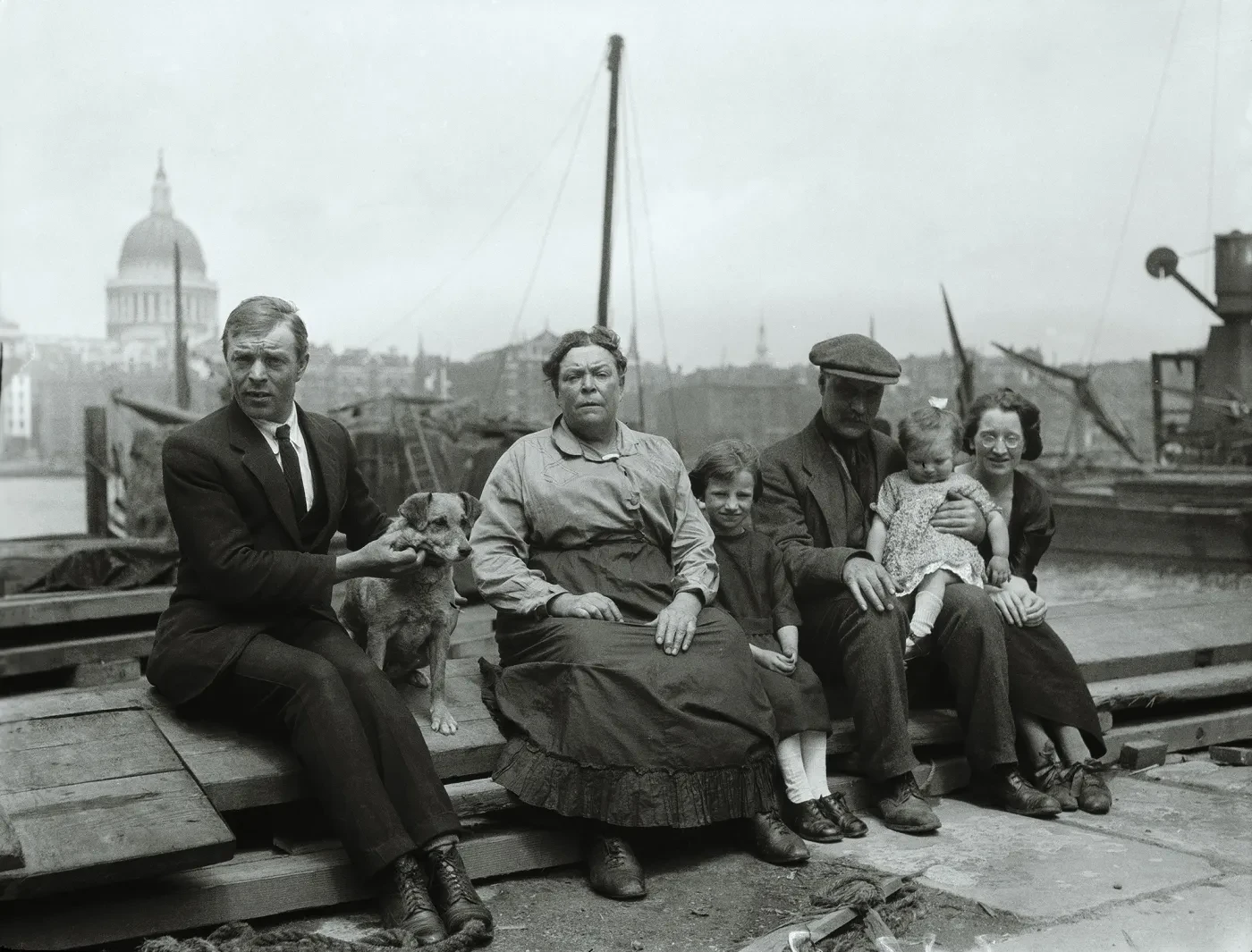
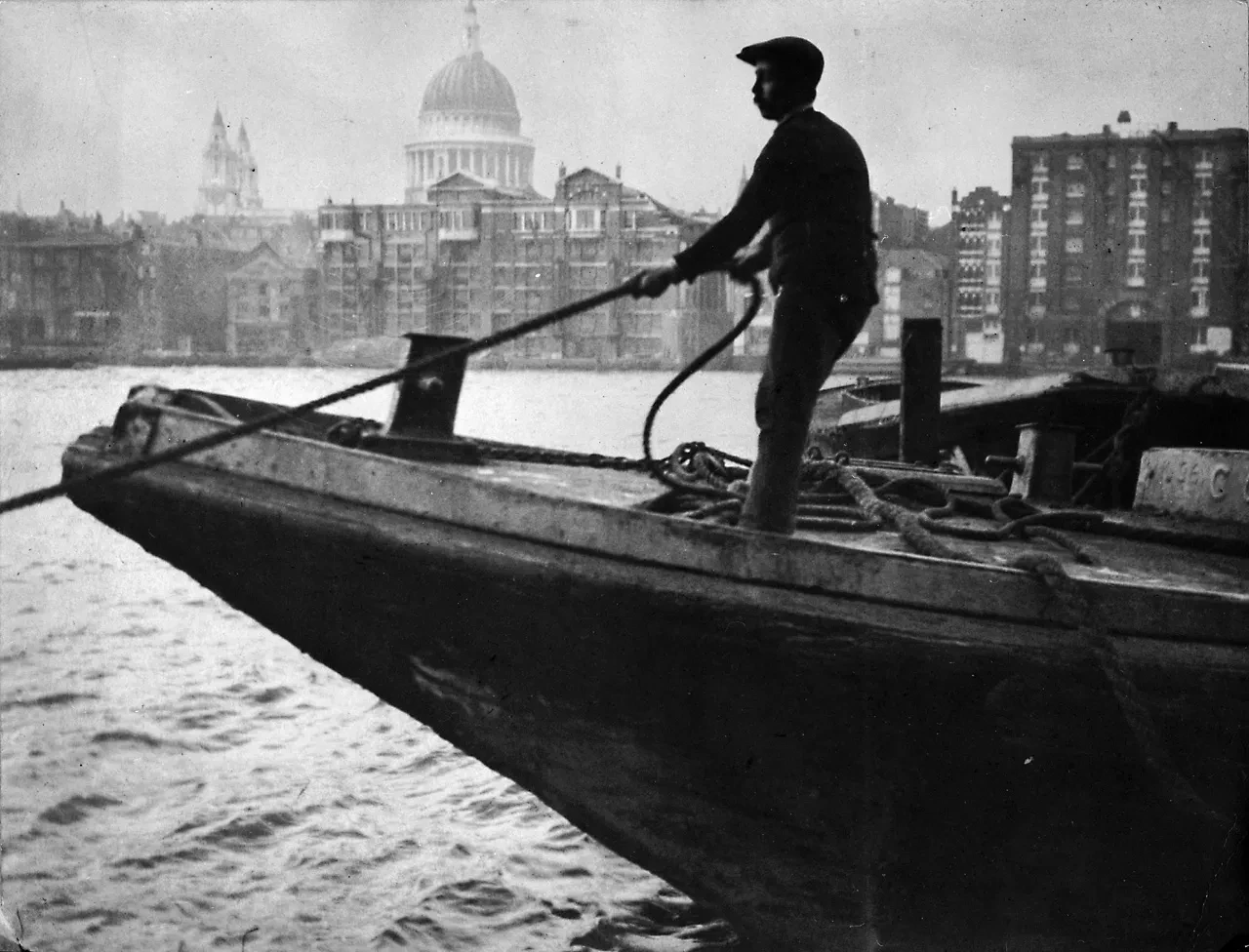
Dock-keepers, the Edwards family on the banks of the Thames, opposite St. Paul’s Cathedral, 1923
P27565
3 / 11
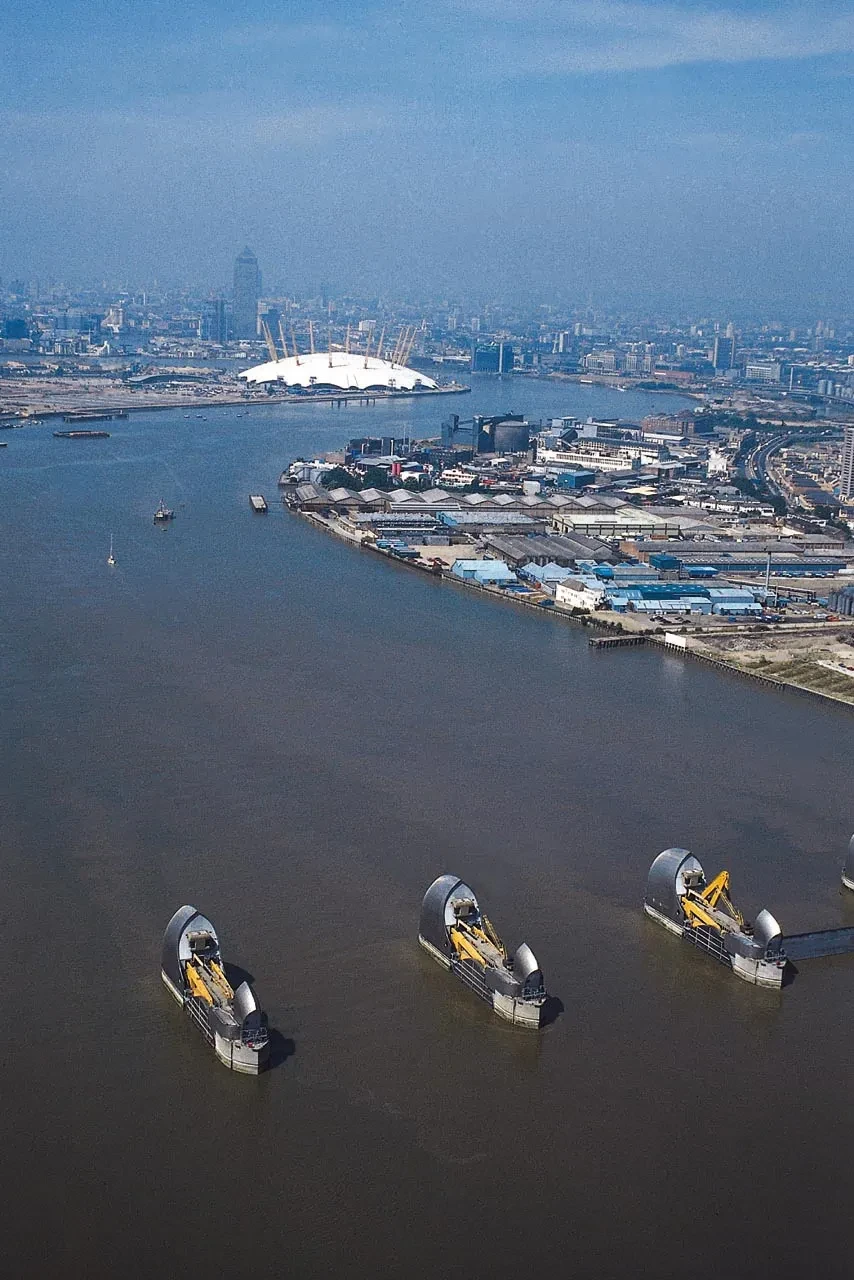
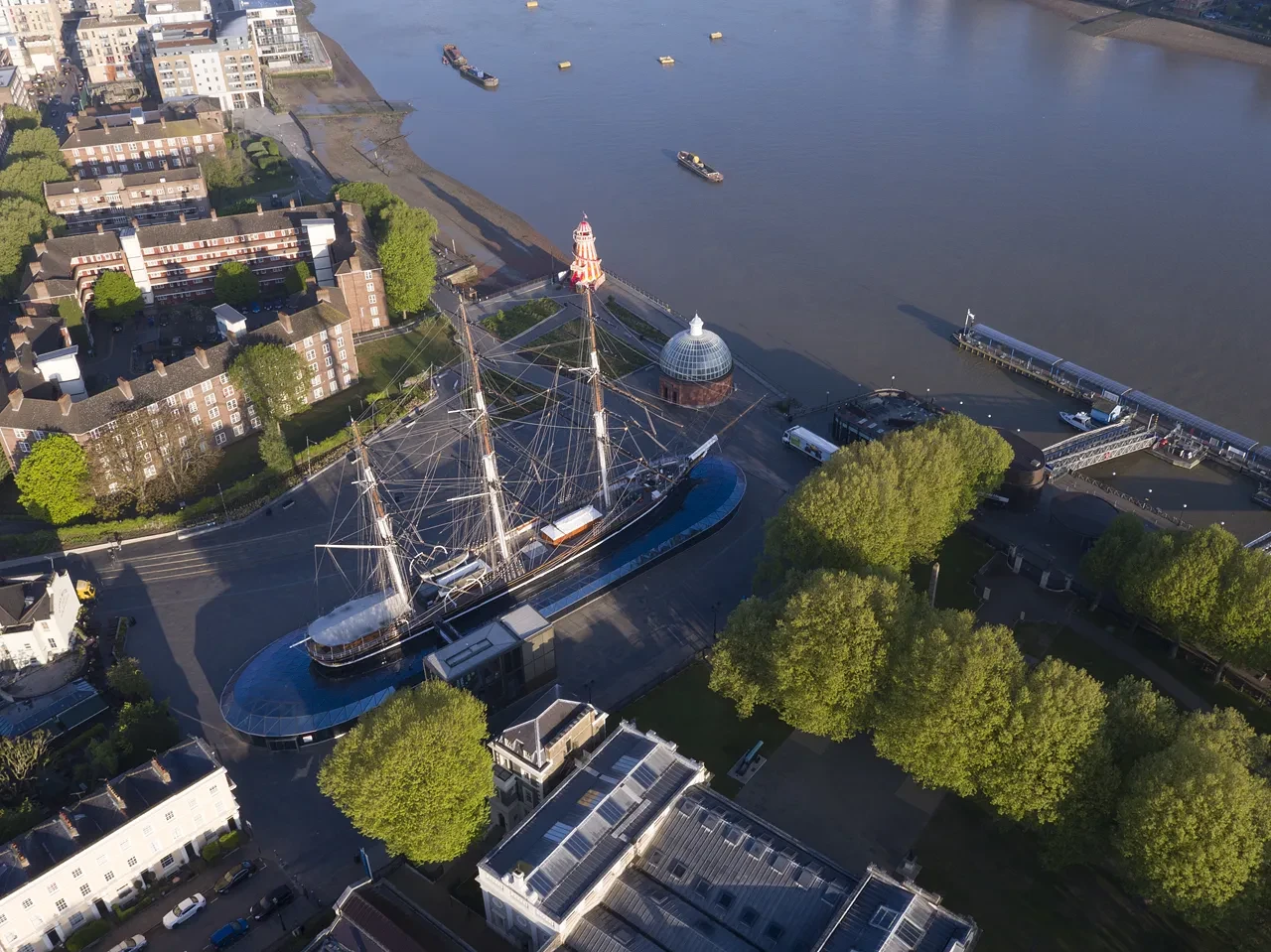
Aerial photograph of the Thames Barrier, looking towards central London and the Millennium Dome
4 / 11
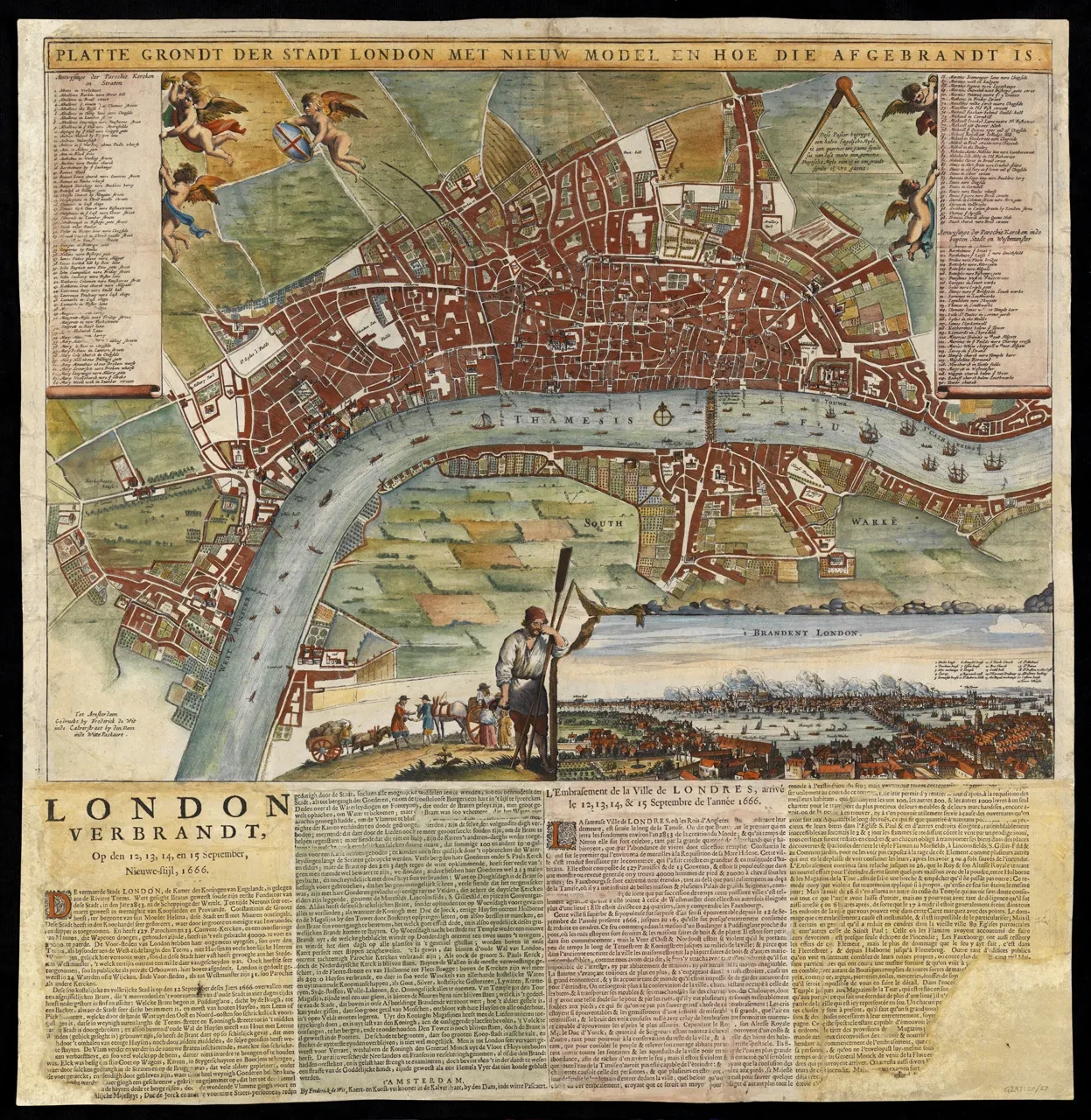
London Verbrandt
A Dutch hand-coloured engraved pictorial map, showing the extent of the Great Fire in 1666.
5 / 11
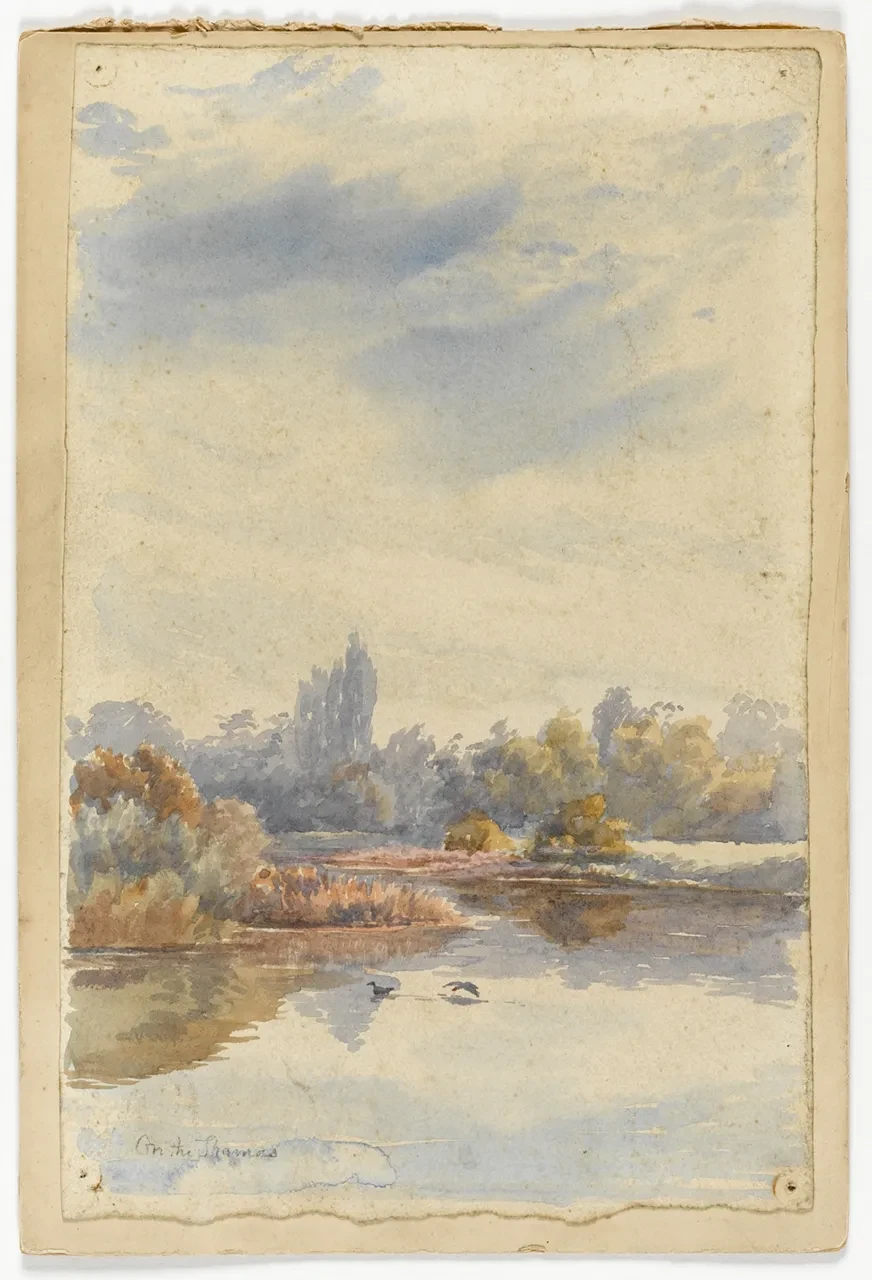
'On the Thames'
Watercolour by Matilda Rose Herschel, the daughter of mathematician and astronomer John Herschel.
9 / 11
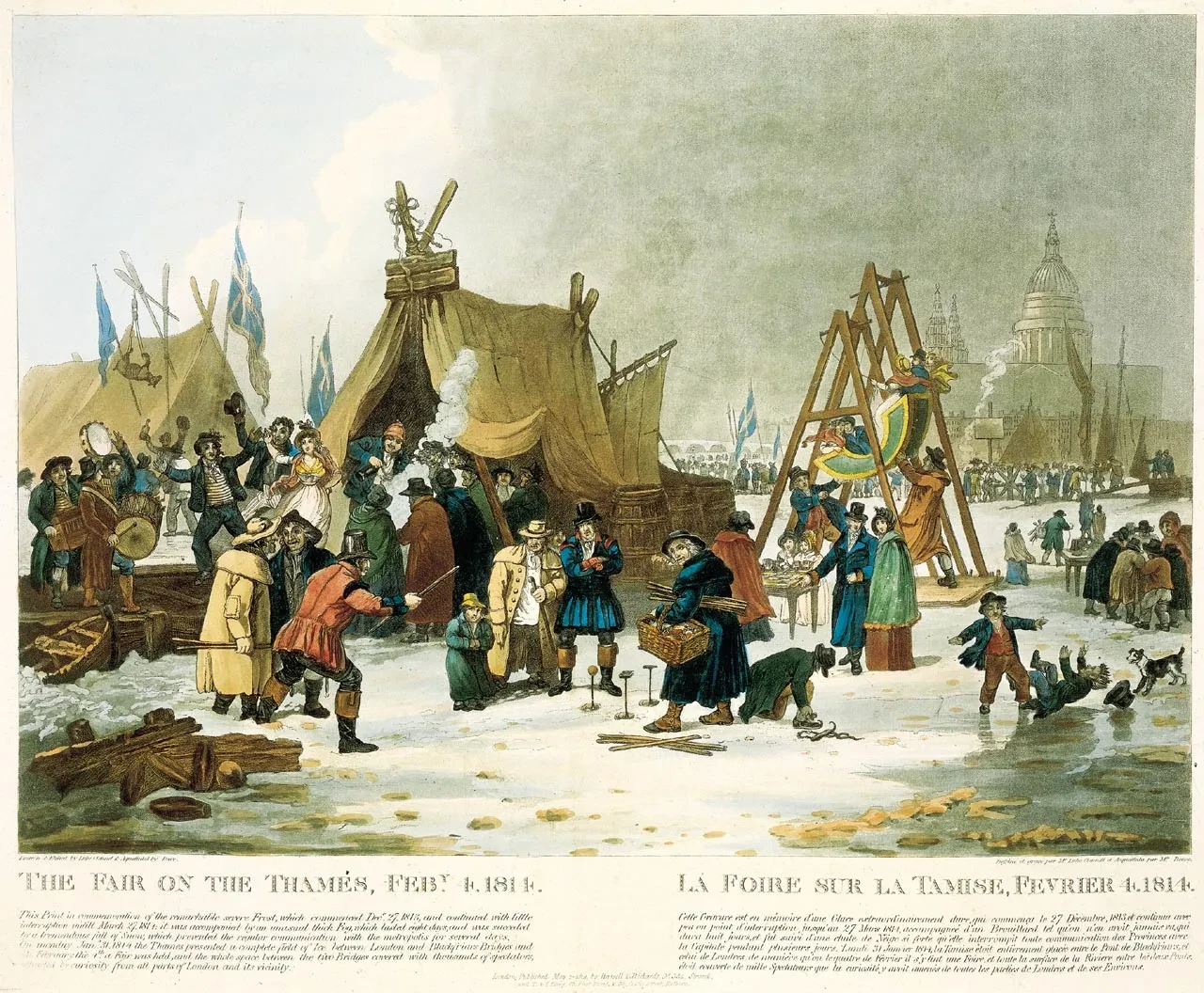
The Fair on the Thames
Print depicting a scene from the last great 'frost fair' of 1813-14.
10 / 11
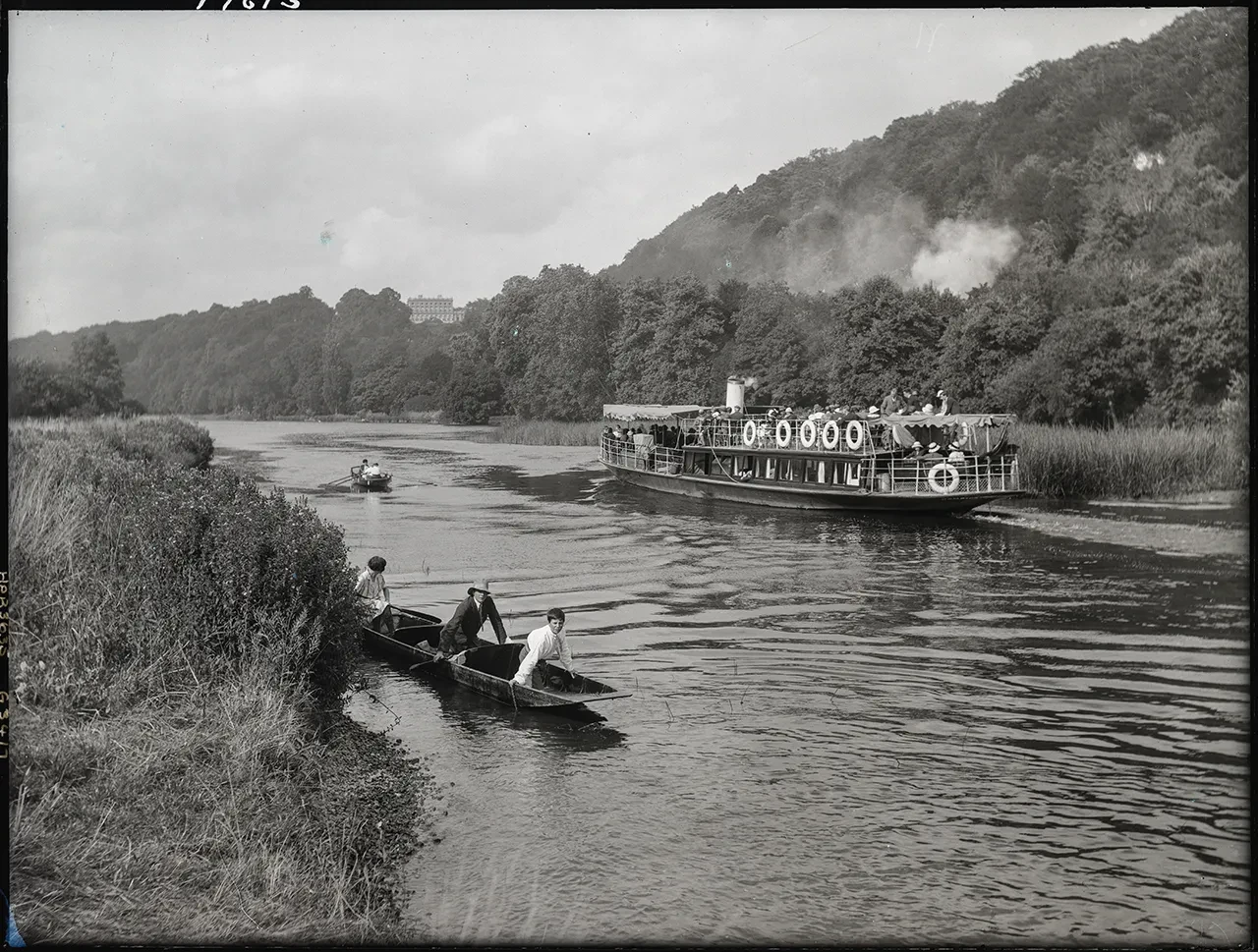
A view of the passenger steamer 'Hampton Court' under way on the Thames passing Cliveden Woods heading upstream
11 / 11
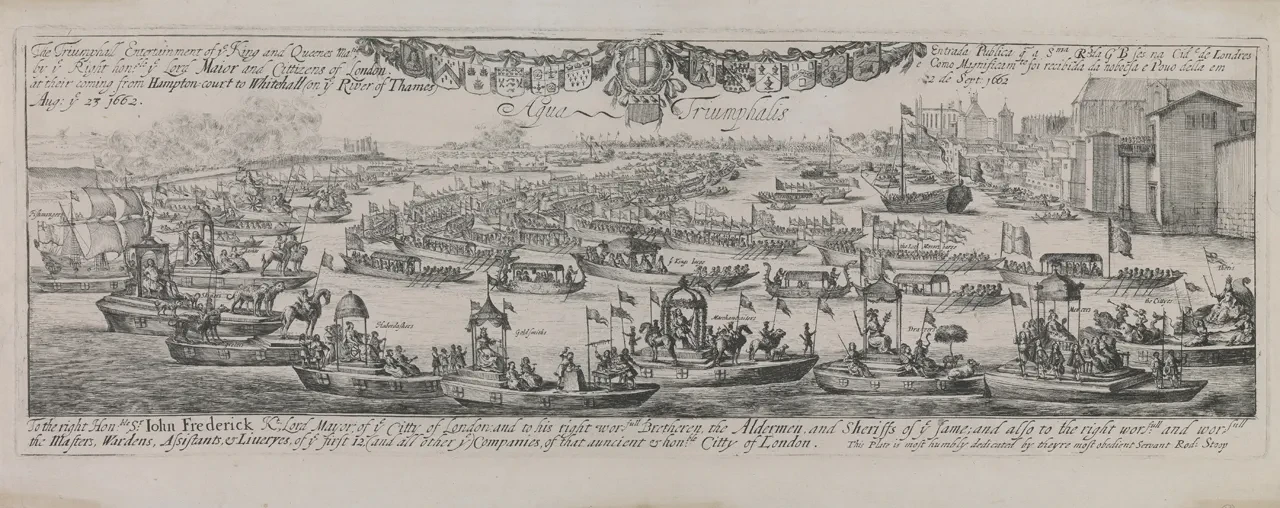
'The Triumphall Entertainment of ye King and Queenes Matie by ye Maior of London at their coming from Hampton Court to Whitehall'
Print from a series depicting the marriage of Charles II and Catherine of Braganza, showing a river procession from Hampton Court to Whitehall.
Learn more
Explore the history of the River Thames with Royal Museums Greenwich
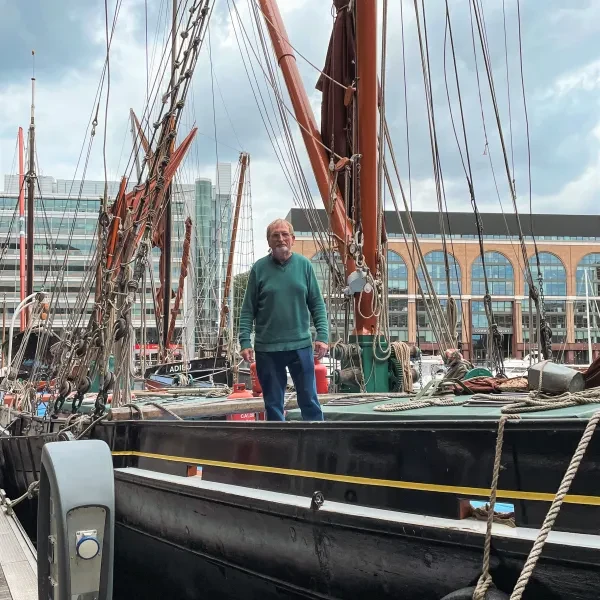
'There was an awful smell once we got to the Thames'
Gordon 'Willie' Williamson worked aboard Thames barges throughout the 1960s, and witnessed the final years of central London as a busy cargo hub

Niki Gorick: Dock Life
A snapshot of the culture and communities of London’s docklands, on display at Cutty Sark
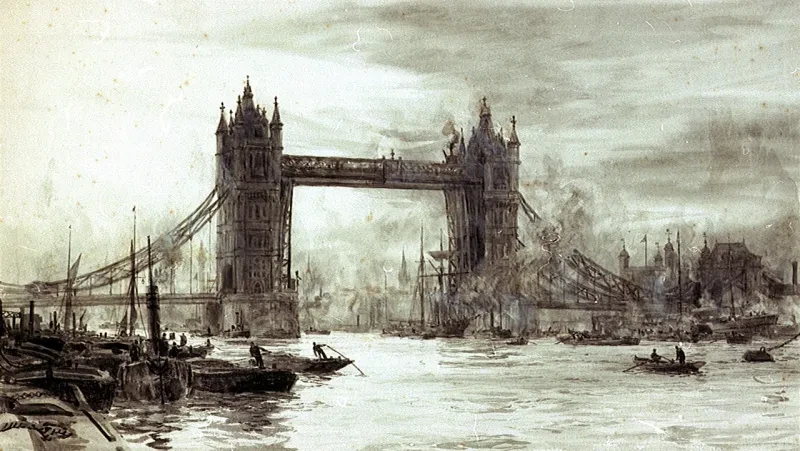
Pollution in the River Thames: a history
Lifeline, water source, sewer – follow the murky history of London's relationship with the River Thames
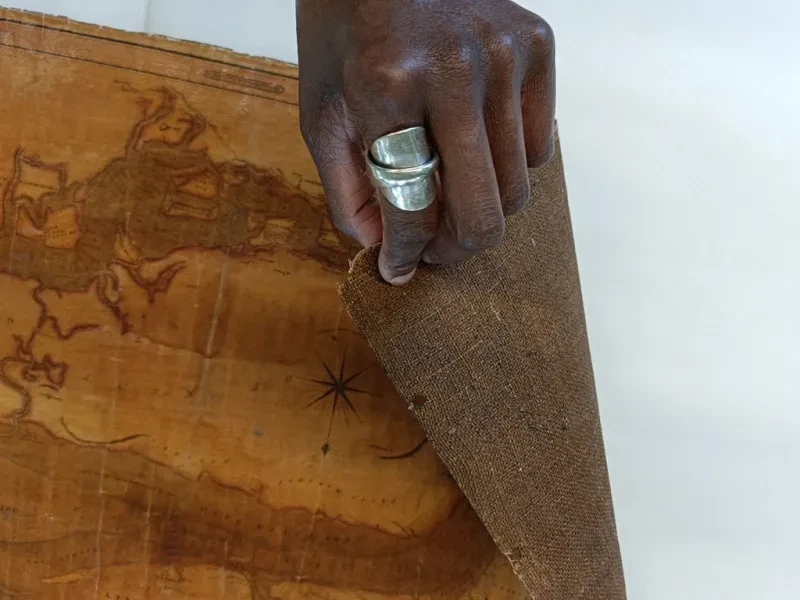
Mapping uncharted histories: the 19th century woman who developed London’s map trade
Artist Remiiya Badru’s new display in the Queen’s House tells the story of maritime publisher, Penelope Steel
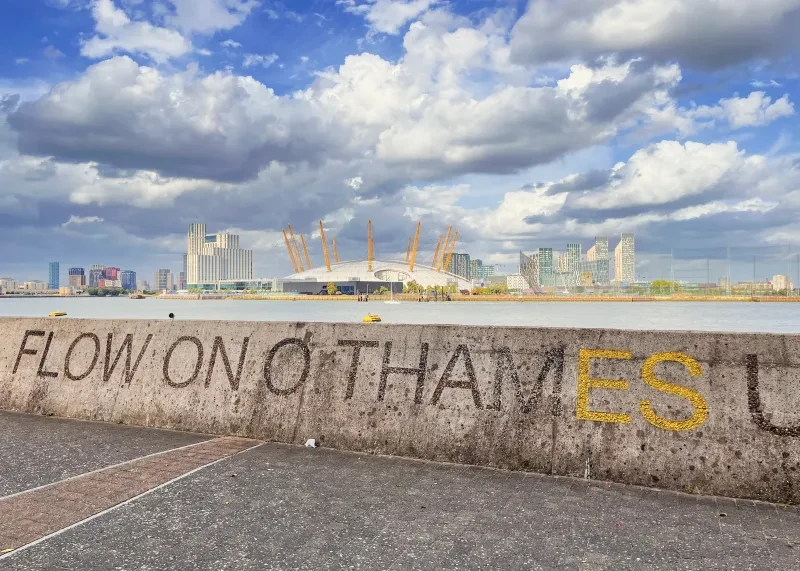
Strange finds in the River Thames
Author Vanessa Taylor explores how discoveries by the banks of the Thames continue to shape our relationship with the river
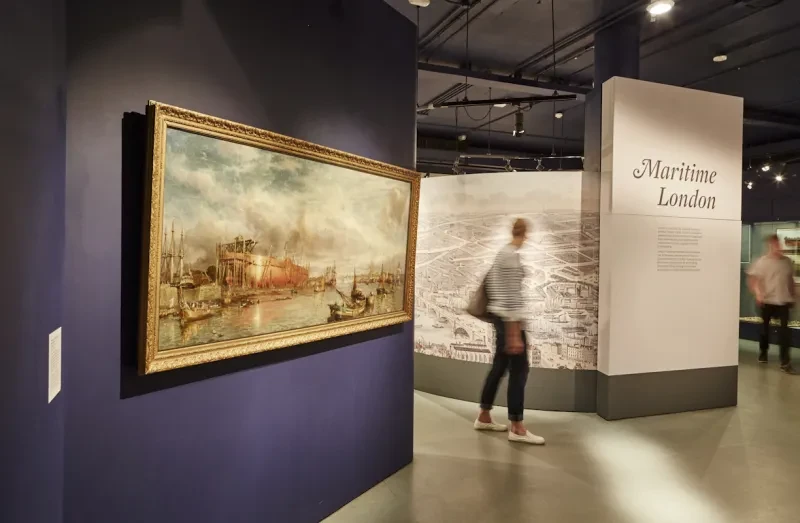
Maritime London gallery
Discover how life on the River Thames has evolved in the past 300 years at the National Maritime Museum's Maritime London gallery
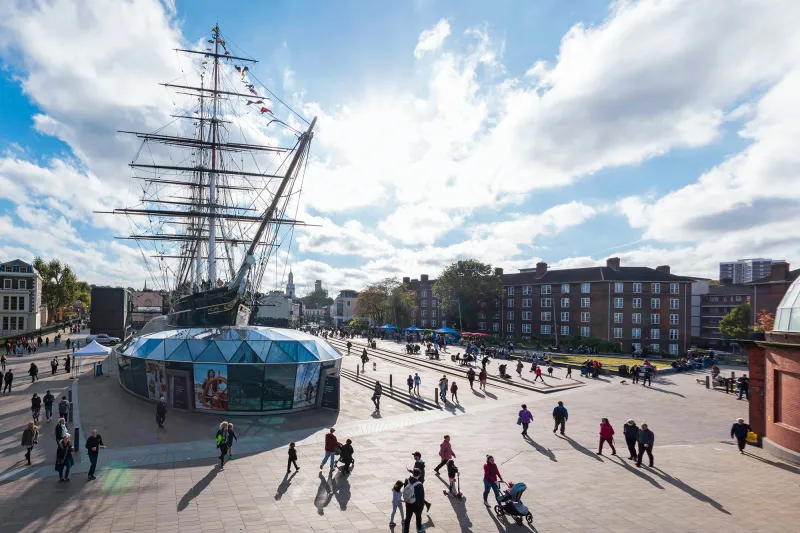
Guide to Maritime Greenwich: London's UNESCO World Heritage Site
In 1997, UNESCO recognised Greenwich as a World Heritage Site. Discover what's so special about London's famous maritime hub
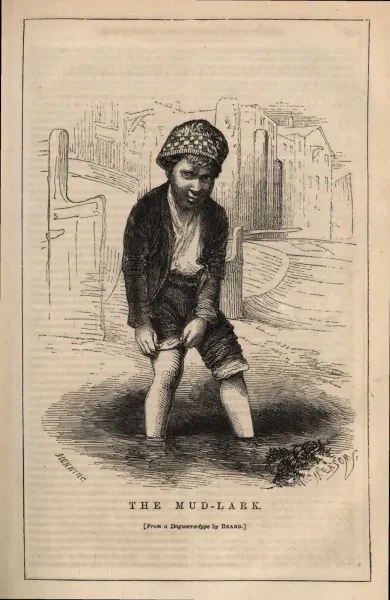
Mudlarks: the murky world of London’s river scavengers
If we were able to return to Victorian London and head down to the banks of the Thames at low tide, we could observe silent human figures aged from childhood upwards, bent over, wading (sometimes waist-high) in the wet mud
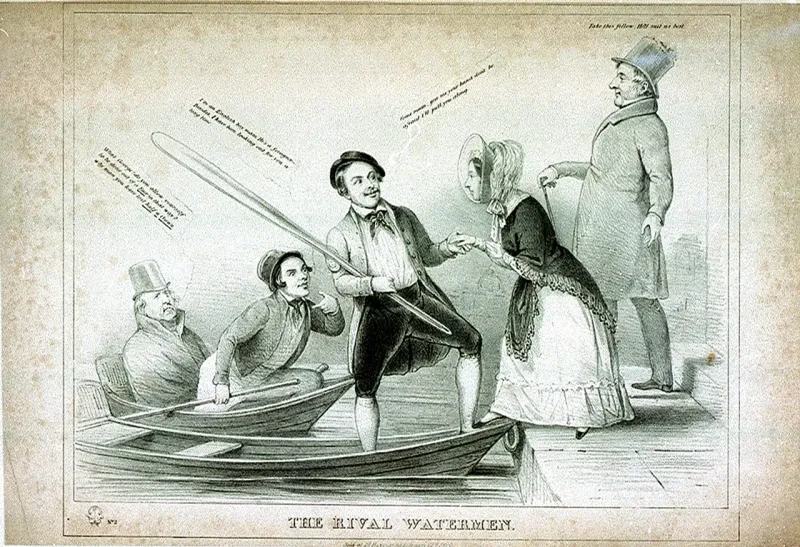
A closer look at the Thames lightermen and watermen
In this blog we look at the larger-than-life characters who carried people and goods on London’s river in centuries gone by.
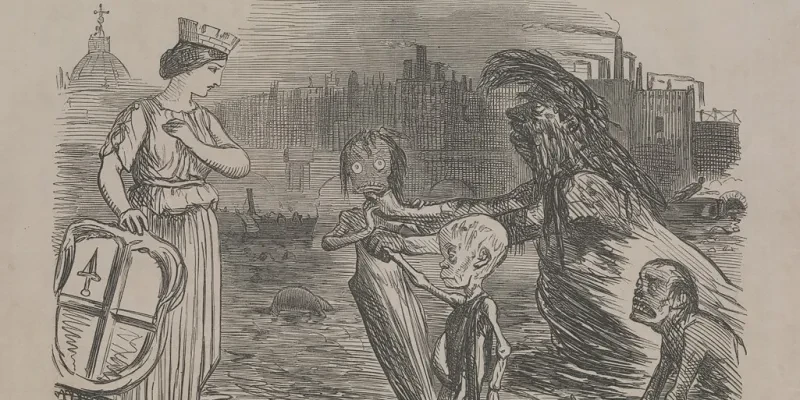
Dickens and The Great Stink of 1858
For many, Charles Dickens is synonymous with Christmas jollity. However, there was a darker side to Dickens’ work. Not only did he repeatedly refer in his novels and articles to the contemporary filth of the Thames, which culminated in the Great Stink crisis of 1858, he was also actively involved in kick-starting the reform programmes to resolve the issue.

Visit Cutty Sark
Step aboard the historic tea clipper, the fastest ship of its time and now a famous sight in the heart of Greenwich's UNESCO World Heritage Site.
Main image: Bridges on the River Thames by Jaanus Jagomägi via Unsplash