
Over two nights camping in the desert in Kuwait, Ali Alobaidly used his telescopes and cameras to reel in a special cosmic target: the Shark Nebula.
Capturing over 28 hours of exposure of this faint, distant cloud of gas and dust, Ali's image The Quiet Predator features a remarkable level of detail for a nebula 650 light years away.
This very special catch saw Ali crowned the overall winner of ZWO Astronomy Photographer of the Year 2026, the world's largest astrophotography competition.
Competition judge and BBC Sky at Night Magazine's art editor Steve Marsh explains: “Perfectly rendered softly glowing stars to the very edges of the frame, thin wisps of tenuous nebulosity consistent across the whole shark and a brilliantly resolved dark nebula patch for the eye put this at the very forefront of modern-day astrophotography."
Learn more about The Quiet Predator, including how it was taken and why it was awarded the top prize.
Image
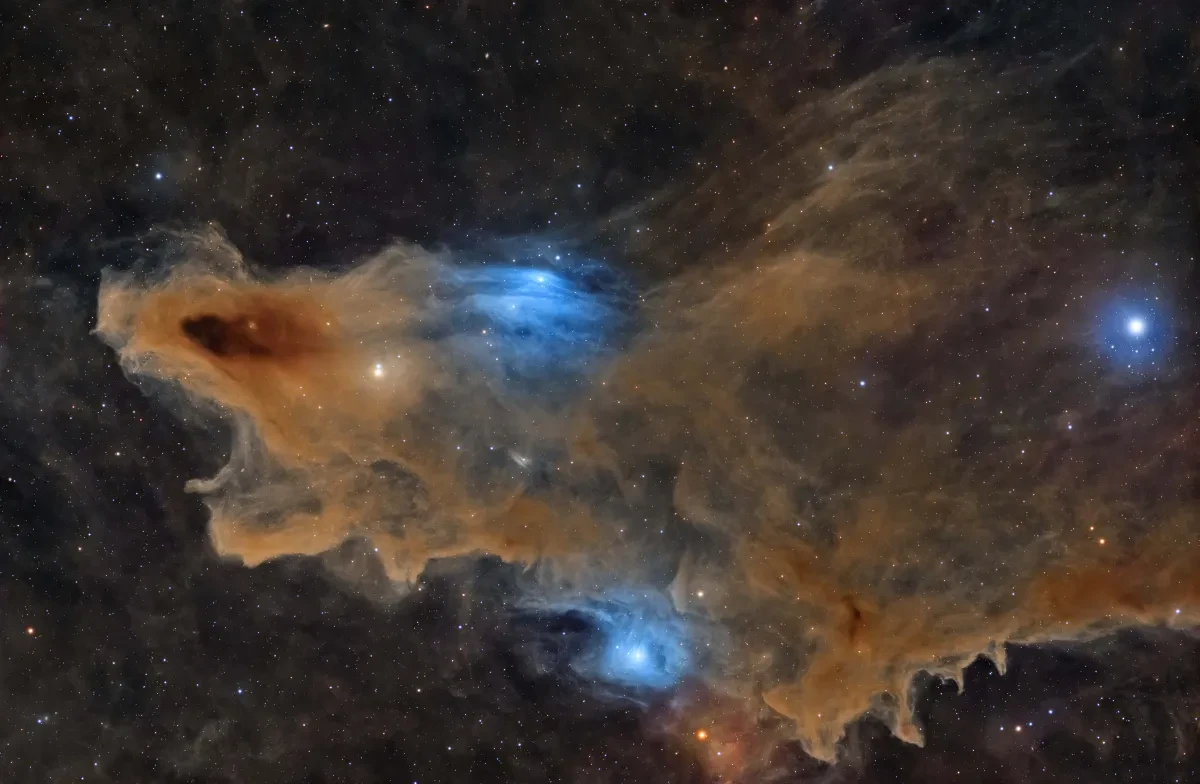
The Quiet Predator
By Ali Alobaidly
Ali explains, "The Shark Nebula (LDN 1235) prowls 650 light years away in the constellation Cepheus, its silhouette carved not from flesh and teeth, but from interstellar dust dense enough to block starlight.
"This predator drifts silently through space, camouflaged against the faint glow of the background stars, lit only by nearby blue-coloured reflection nebulae.
"Unlike its oceanic cousins, the Shark Nebula doesn’t bite, but it does photobomb astrophotographers with a molecular cloud big enough to make Earth look like a speck of plankton."
Why was this image selected as the winner of ZWO Astronomy Photographer of the Year 2026?
Steve Marsh, competition judge, says: “You’re looking at an image that contains some extreme contrasts of light and dark areas, yet there are no bright bleached-out spots that obscure detail, and the darker areas still show rich detail inside them.
"The fine nebulosity captured is exquisite. You can zoom in to a very high magnification and there is never a drop in quality.”
He continues, "The stars are also perfectly rendered to the very edges of the frame. Often, stars can stretch and distort on the fringes of very deep and detailed images like this, but there simply is no place where this has happened.
"The way the surrounding gas of some of these larger stars glows a rich blue in this image is also really beautiful.”
Steve adds, "On top of this, the judges’ scrutiny of the image revealed several tiny galaxies visible behind the nebula. These galaxies are vast distances away and are being captured through a dense cloud of gas and dust, yet the photographer still manages to tease out detail in them. You can even see some of them have bright galactic cores, such as the galaxy up and to the right of the shark's ‘eye’."
Image
How was the image created?
We spoke to photographer Ali Alobaidly to find out how he took his image and transformed it into the final result.
Picking the target
There was a practical reason for choosing this target. Ali explains: "The Shark Nebula lies extremely far north in Cepheus. It’s circumpolar from Kuwait, it never actually sets below my horizon. On the nights I photographed it (21 and 22 August 2025), it followed an almost ideal path for my location.
"The faint nebula remained relatively high in the sky for essentially the entire dark part of the night, giving me a long, uninterrupted imaging window. For such an extraordinarily faint broadband target, where every hour of clean data matters, that made it a particularly attractive choice."
But Ali also found a personal and ancestral connection to the subject matter.
He says: "Kuwait’s history and identity have always been shaped by both the sea and the desert. Generations of Kuwaitis made their lives as sailors, traders and pearl divers, while others were deeply connected to the desert and its nomadic traditions, both using the stars to navigate and survive.
"The juxtaposition of an oceanic predator prowling through the skies above the Kuwaiti desert is something I find deeply poetic."
Image
Setting up camp
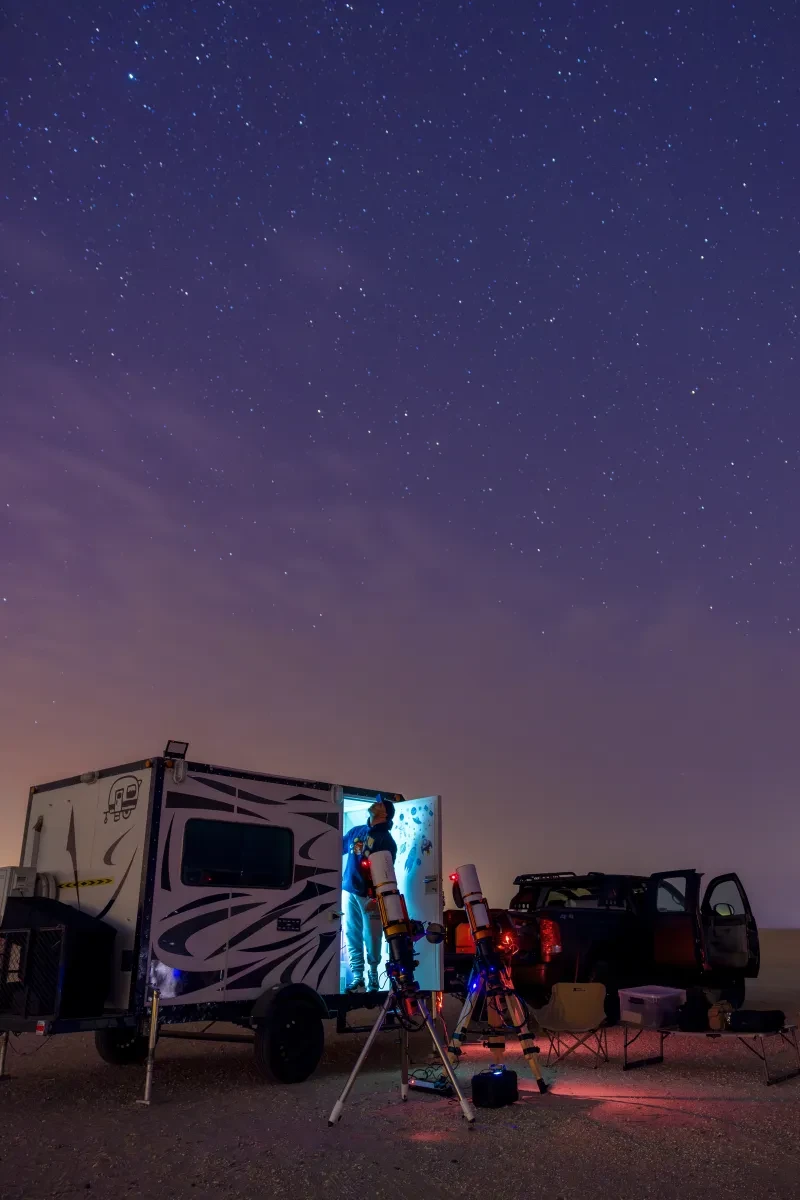
Ali explains, "I am very much a travelling astrophotographer, and most of my work begins with loading my truck with more than 150kg of both astrophotography equipment and camping gear and heading out into the desert!”
The Quiet Predator was captured from Al Salmy Desert in western Kuwait, which Ali calls "the only truly dark sky within my tiny country."
The Bortle dark-sky scale is used to measure the brightness of the night sky from a particular location. It ranges from Bortle 1, a very dark-sky site, to Bortle 9, inner-city light levels.
Ali says, "The desert site sits at roughly Bortle class 4.5, genuinely dark for a small and brightly lit country, though never far from a horizon glow."
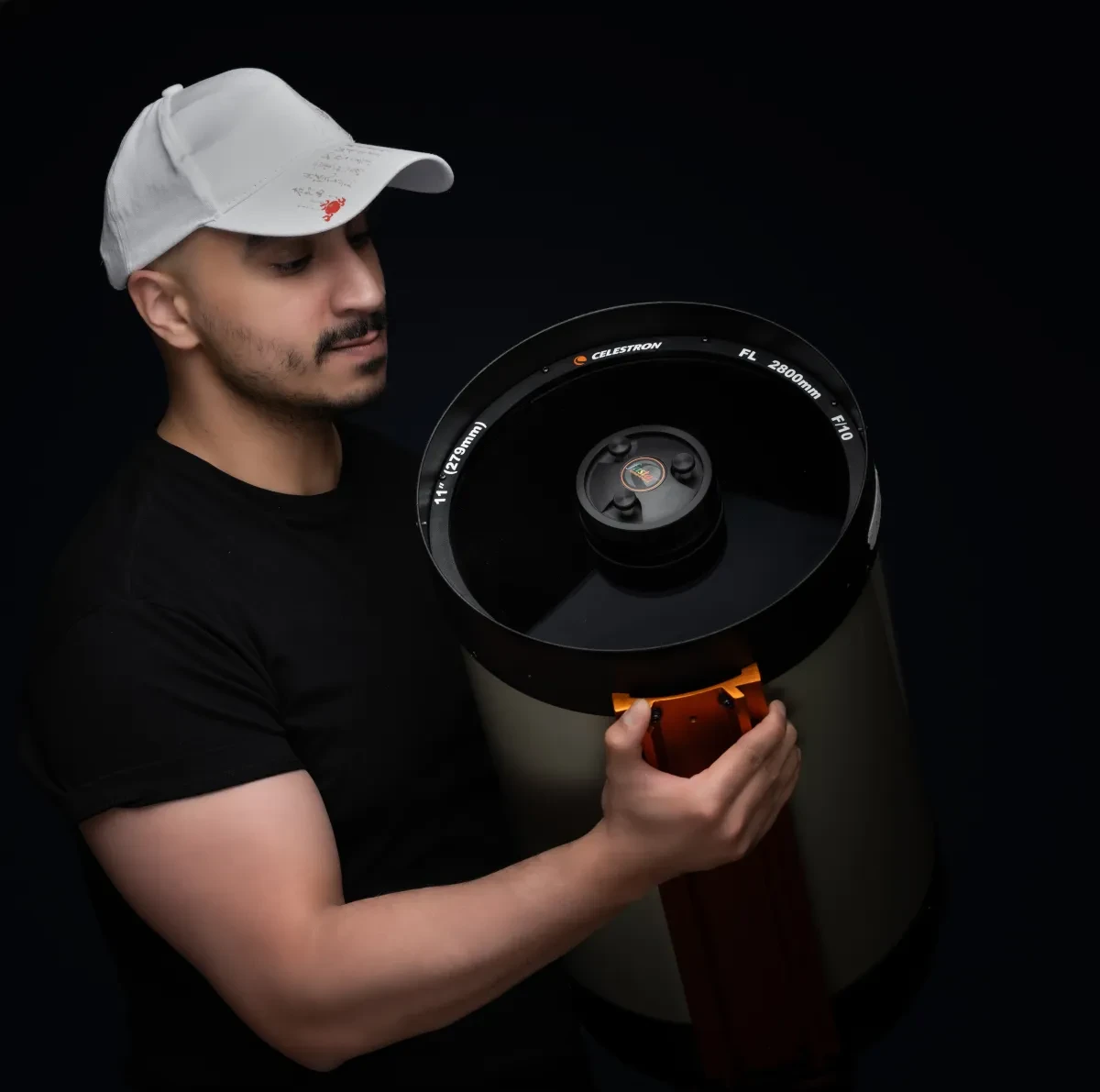
He continues, "For this project I brought two identical Askar 140 APO refractors, each paired with a ZWO ASI2600MM Pro monochrome camera, running side by side on separate mounts to maximise data acquisition.
"Once everything is assembled, powered, polar-aligned and focused, I usually settle in for the night, surrounded by the desert, periodically checking that my automated sequence is running smoothly."
Taking the image
Ali explains, "The Shark Nebula is extremely faint, so taking the photograph was really an exercise in patience. Rather than a single exposure, the final image is made from hundreds of long exposures collected over multiple nights, adding up to 28 hours and 30 minutes of light.
“This means it was captured across relatively wide portions of the visible spectrum rather than isolating specific emission lines."
Ali used luminance, red, green and blue filters (LRGB). A luminance (L) filter captures the fine details, sharpness and structure of a target, while the red (R), green (G) and blue (B) filters add the colour. When you combine these together, you get a detailed colour photo.
Ali explains: "The final image uses a true colour LRGB palette, designed to reproduce the subtle brown dust and blue reflection nebulosity as naturally as possible."
Processing the image
Once the data is collected, processing it is the next important stage.
Ali says, "The Shark Nebula is a dark cloud of interstellar dust rather than a bright glowing nebula, so much of what you see in the finished photograph is incredibly subtle.
"I had to carefully bring out the faint dust and surrounding reflection nebulae without pushing the data so far that it stopped looking natural.”
He adds, "In many ways, the finished photograph represents not one moment, but several entire nights spent beneath the desert sky, and many more hours behind a computer screen stacking, calibrating and processing the data collected."
The judges make their decision
Competition judge Steve Marsh describes the reaction to The Quiet Predator inside the judging room: "When you’re looking at images of the calibre necessary to reach the final stage, deciding a winner is rarely straightforward and there are always options. I can’t recall a time when we had an instant, unanimous vote during my tenure as a judge."
However, he says, "The longer you debate an image, the closer you look at it. In doing so, this really helped us to see that The Quiet Predator had features that pushed it to the top of the pile. By the end, the judges all agreed that this image pretty much made our jaws drop."
Winning the competition
Ali's long nights photographing the nebula, alongside his work bringing out the best of the data in post-processing, rewarded him with the biggest prize in the global astrophotography competition.
He reminisces, "Seeing the final image was deeply satisfying because it brought together several nights of work, solitude and patience in the desert into a single photograph."
As for how he feels about being named 2026’s Astronomy Photographer of the Year, Ali says, "Winning the competition is incredibly meaningful, and I feel both honoured and proud that an image created under the skies of Kuwait has been recognised on such an international stage."
You can follow Ali on Instagram, YouTube, or check out his website.
Keep up to date
Subscribe to the Royal Observatory's space newsletter to keep up to date with the ZWO Astronomy Photographer of the Year competition.

Explore 2026's winning and shortlisted images
Skyscapes 2026 – ZWO Astronomy Photographer of the Year
See the stunning winning and shortlisted images in the ZWO Astronomy Photographer of the Year 2026 Skyscapes category
Our Sun 2026 – ZWO Astronomy Photographer of the Year
See the stunning winning and shortlisted images in the ZWO Astronomy Photographer of the Year 2026 Our Sun category
Galaxies 2026 – ZWO Astronomy Photographer of the Year
See the stunning winning and shortlisted images in the ZWO Astronomy Photographer of the Year 2026 Galaxies category
Our Moon 2026 – ZWO Astronomy Photographer of the Year
See the stunning winning and shortlisted images in the ZWO Astronomy Photographer of the Year 2026 Our Moon category
Aurorae 2026 – ZWO Astronomy Photographer of the Year
See the stunning winning and shortlisted images in the ZWO Astronomy Photographer of the Year 2026 Aurorae category
Planets, Comets and Asteroids 2026 – ZWO Astronomy Photographer of the Year
See the stunning winning and shortlisted images in the ZWO Astronomy Photographer of the Year 2026 Planets, Comets and Asteroids category

People and Space 2026 – ZWO Astronomy Photographer of the Year
See the stunning winning and shortlisted images in the ZWO Astronomy Photographer of the Year 2026 People and Space category
Stars and Nebulae 2026 – ZWO Astronomy Photographer of the Year
See the stunning winning and shortlisted images in the ZWO Astronomy Photographer of the Year 2026 Stars and Nebulae category
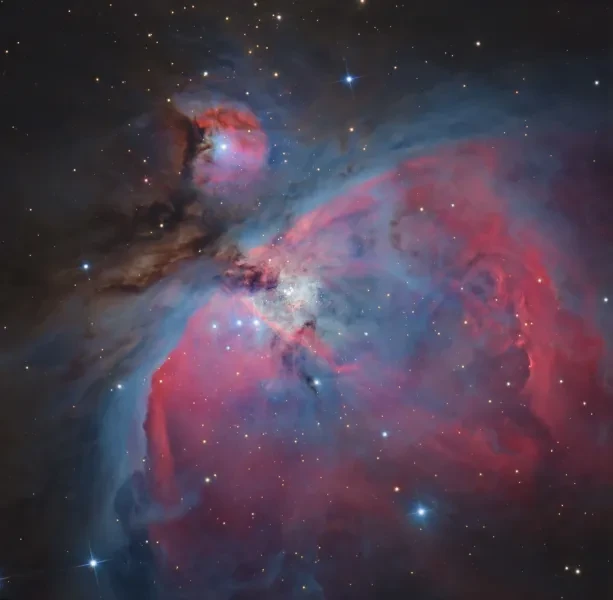
Young Competition 2026 – ZWO Astronomy Photographer of the Year
See the stunning winning and shortlisted images in the ZWO Astronomy Photographer of the Year 2026 Young Competition
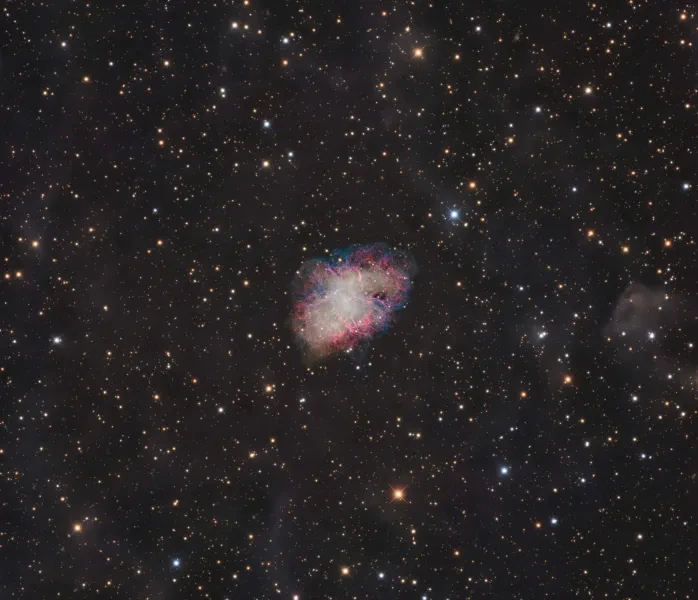
Best Newcomer 2026 – ZWO Astronomy Photographer of the Year
See the stunning winning and shortlisted images in the ZWO Astronomy Photographer of the Year 2026 Best Newcomer category
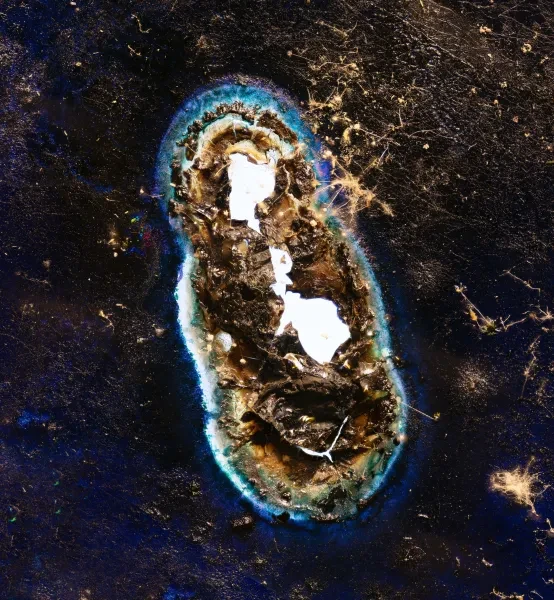
Annie Maunder Open Category 2026 – ZWO Astronomy Photographer of the Year
See the stunning winning and shortlisted images in the ZWO Astronomy Photographer of the Year 2026 Annie Maunder Open Category
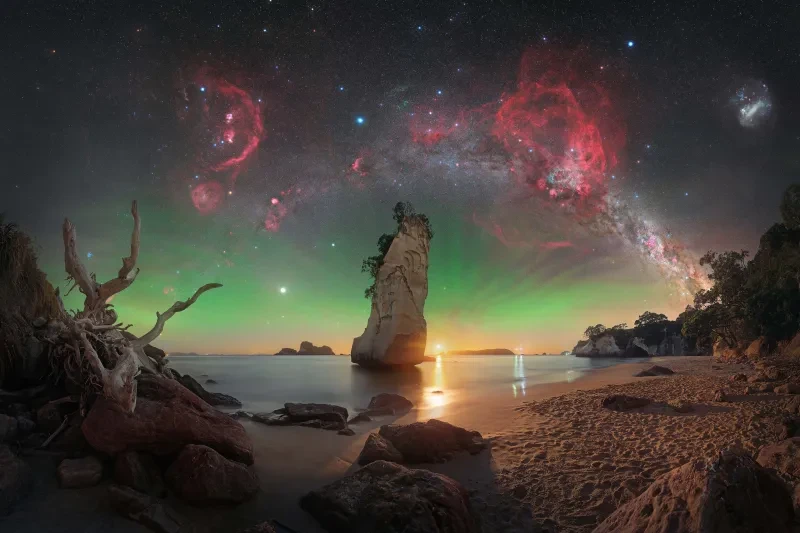
People's Choice Award 2026 - ZWO Astronomy Photographer of the Year
Who is your ZWO Astronomy Photographer of the Year? See the shortlisted images and cast your vote
Find more stories from ZWO Astronomy Photographer of the Year

‘I think everyone benefits from being out under the night sky’
Go behind the lens with Jennifer Rogers, who was shortlisted in ZWO Astronomy Photographer of the Year 2026 with her photo of star trails above a Cornish tin mine
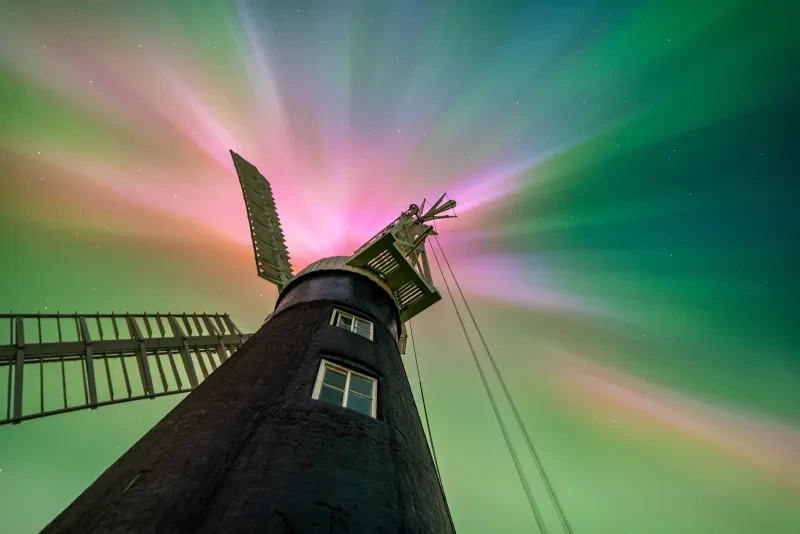
A rare spectacle: photographing the aurora in England
An incredibly strong solar storm in May 2024 made the aurora visible across the UK. Astrophotographer Darren Flinders seized this once-in-a-lifetime opportunity
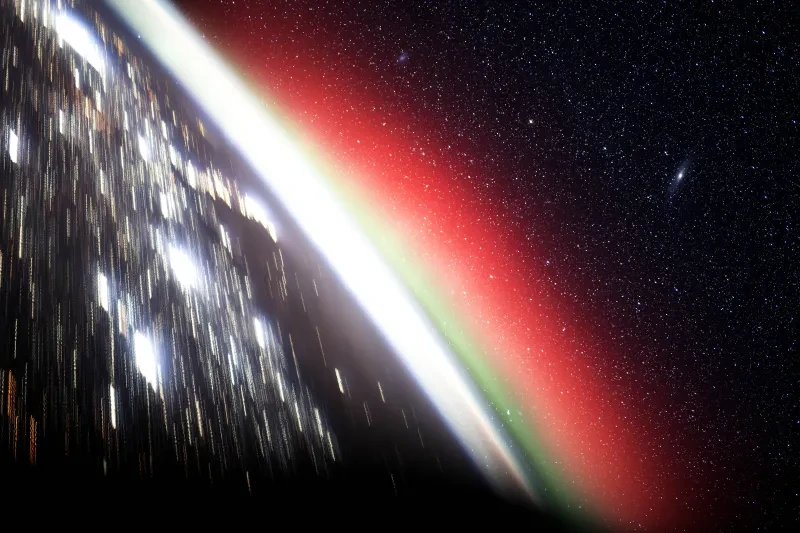
Earth and space through an astronaut's lens
Discover how NASA astronaut Don Pettit takes out-of-this-world photographs from the unique and constantly moving vantage point of the International Space Station
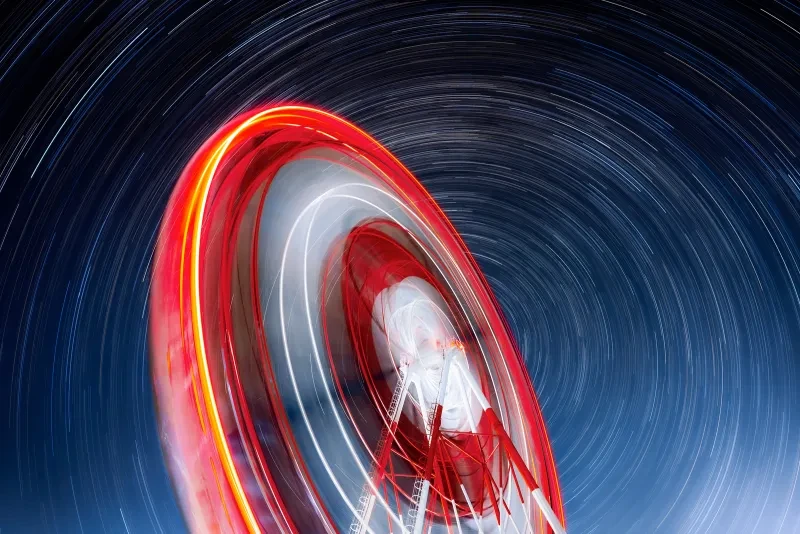
'Observing the Universe reveals how small yet precious we are'
An accident led Takanobu Kurosaki to rediscover life’s beauty and fall in love with astrophotography. Explore his image shortlisted in ZWO Astronomy Photographer of the Year 2025
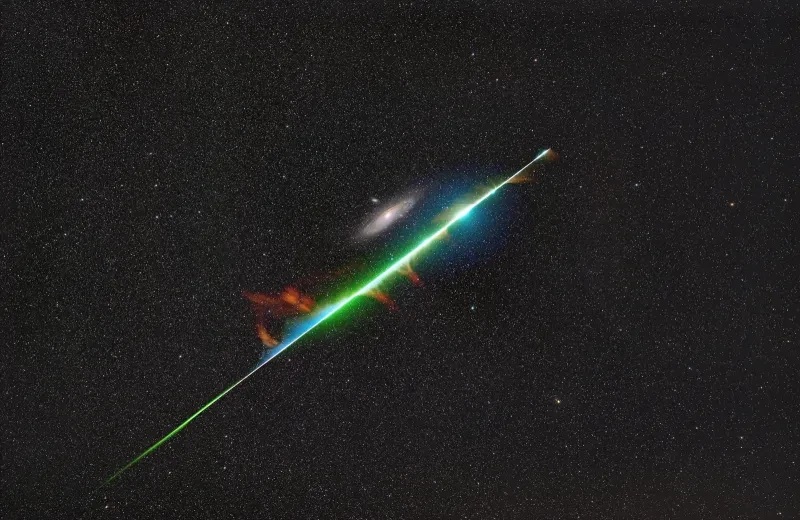
A happy accident: photobombed by a meteor
Learn more about this breathtaking accidental capture of a fleeting fireball meteor, winner of Best Newcomer in ZWO Astronomy Photographer of the Year 2025
Photographing a natural optical illusion
Meet Marcella Giulia Pace, who won the Our Moon category of the ZWO Astronomy Photographer of the Year 2025 competition with her unique image of a natural optical spectacle
Andromeda, Unexpected - how three amateur astronomers and astrophotographers changed our view of the Universe
Learn about the brand-new discovery that earned Marcel Drechsler, Xavier Strottner and Yann Sainty the title of Astronomy Photographer of the Year – and a place in the science books
Beads of sunlight: photographing an annular solar eclipse
Ryan Imperio's spellbinding image of our Sun earned him the top prize in Astronomy Photographer of the Year 2024
A stellar duo: two young astrophotographers shooting for the stars
Meet the youngest entrants in Astronomy Photographer of the Year 2024: brothers Benjamin and Joshua Lawler
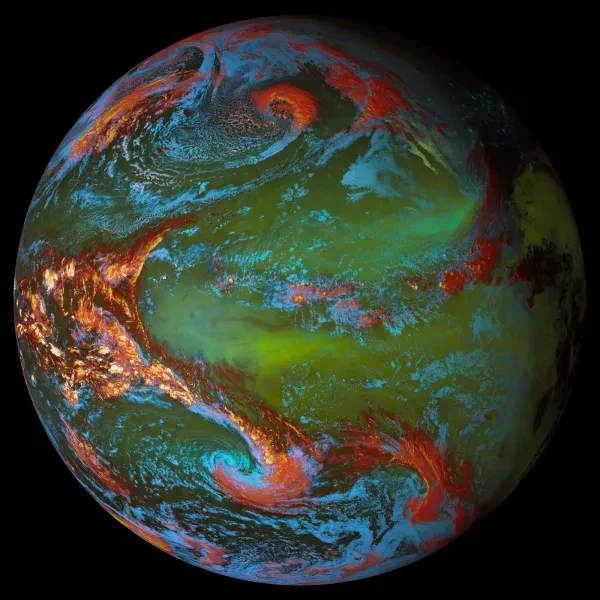
Anatomy of a habitable planet: Earth as you've never seen it before
Sergio Díaz Ruiz uses satellite imagery to explore climate change by creating an image of Earth as it might be analysed by a distant alien civilisation
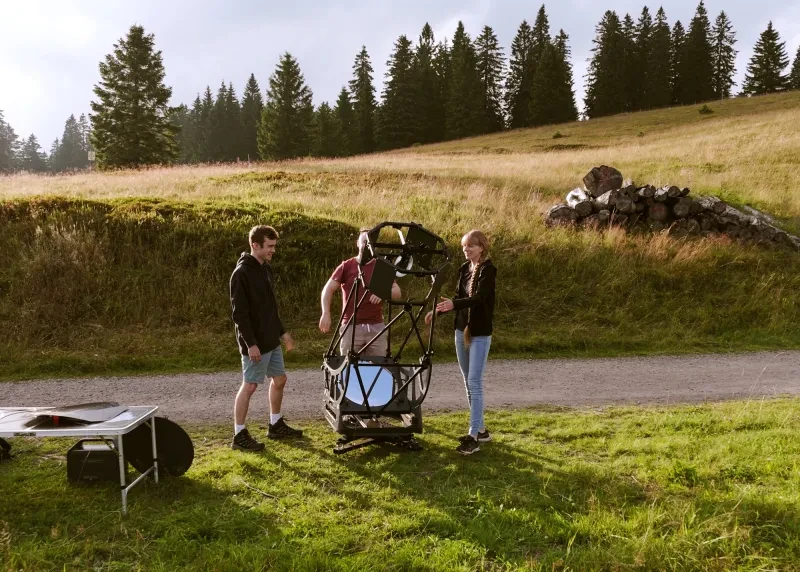
Finding community through astrophotography
Sophie Paulin and Tom Williams struck up a friendship in an online astrophotography forum. Discover how they combined their expertise to win a prize in Astronomy Photographer of the Year
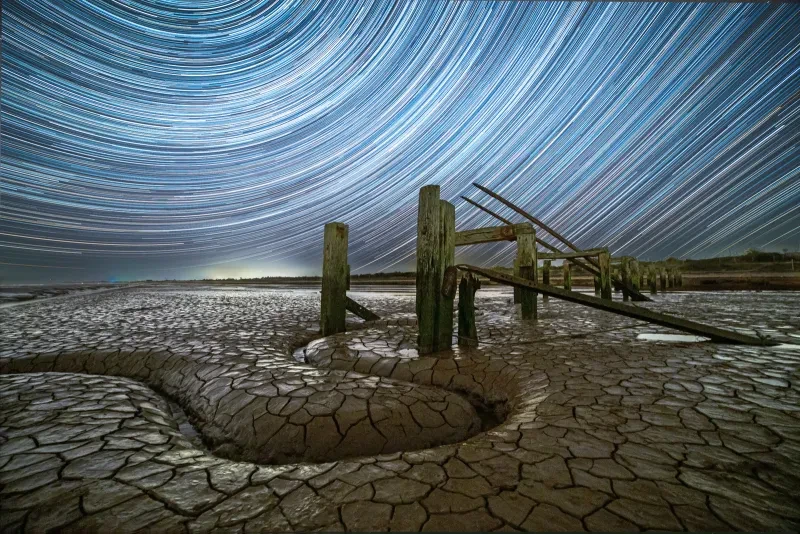
'Out with the camera, my senses are heightened' – behind the lens with Paul Haworth
Discover the vibrant nocturnal world of East Anglian astrophotographer Paul Haworth, shortlisted in 2024's Astronomy Photographer of the Year competition