
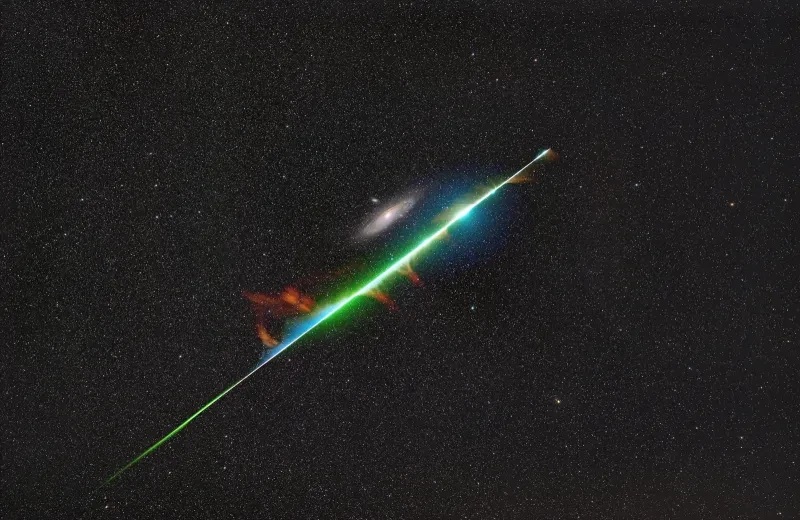
Yurui Gong and Xizhen Ruan were photographing the Andromeda Galaxy when a special photobomb transformed the image into a once-in-a-lifetime capture.
After setting up the camera to gather data overnight, they returned in the morning to see they’d caught a Perseid 'fireball' meteor burning up in the atmosphere in a streak of colours.
Titled Encounter Across Light Years, the photo was crowned the winner of the Best Newcomer category of ZWO Astronomy Photographer of the Year 2025.
Take a closer look at this incredible photo.
Image
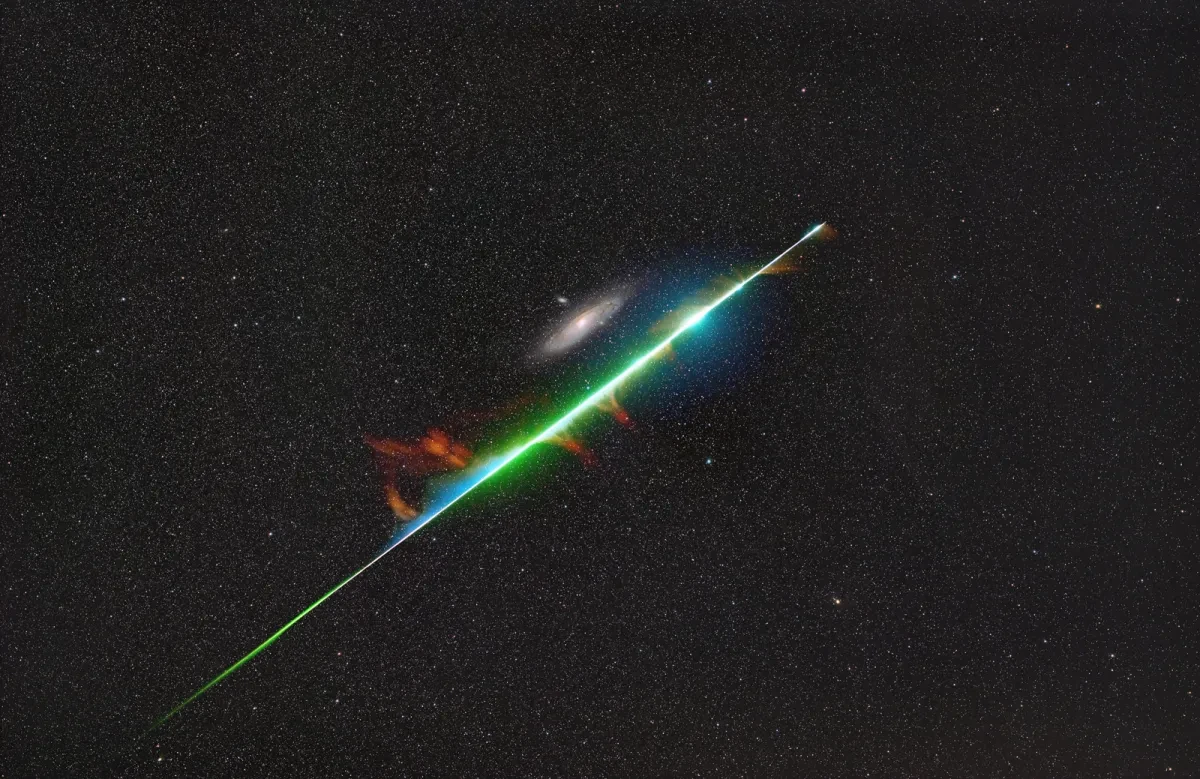
Encounter Across Light Years
By Yurui Gong and Xizhen Ruan
"Happenstance created this alluring comparison. Our view of Andromeda is fixed (at least over the course of a human lifetime), whereas rocky material burning up in our atmosphere flares up as a fireball for just a few seconds.
"Though the distant galaxy is home to phenomenally energetic processes, the transitory streak across the sky seems even more powerful. For just a moment, the annihilation of an object no bigger than a football steals the attention from the home of over a trillion stars."
- Ed Bloomer, ZWO Astronomy Photographer of the Year competition judge
The original target: the Andromeda Galaxy
Yurui Gong and Xizhen Ruan originally set out to capture one of the most photographed targets in the night sky: M31, also known as the Andromeda Galaxy. It’s the nearest large galaxy to us at around 2.5 million light years away.
Andromeda is a barred spiral galaxy, like our own Milky Way. It’s made up of a spiral structure of dust, gas and stars, which are connected by a dense, bar-shaped concentration of bright giant stars in the core.
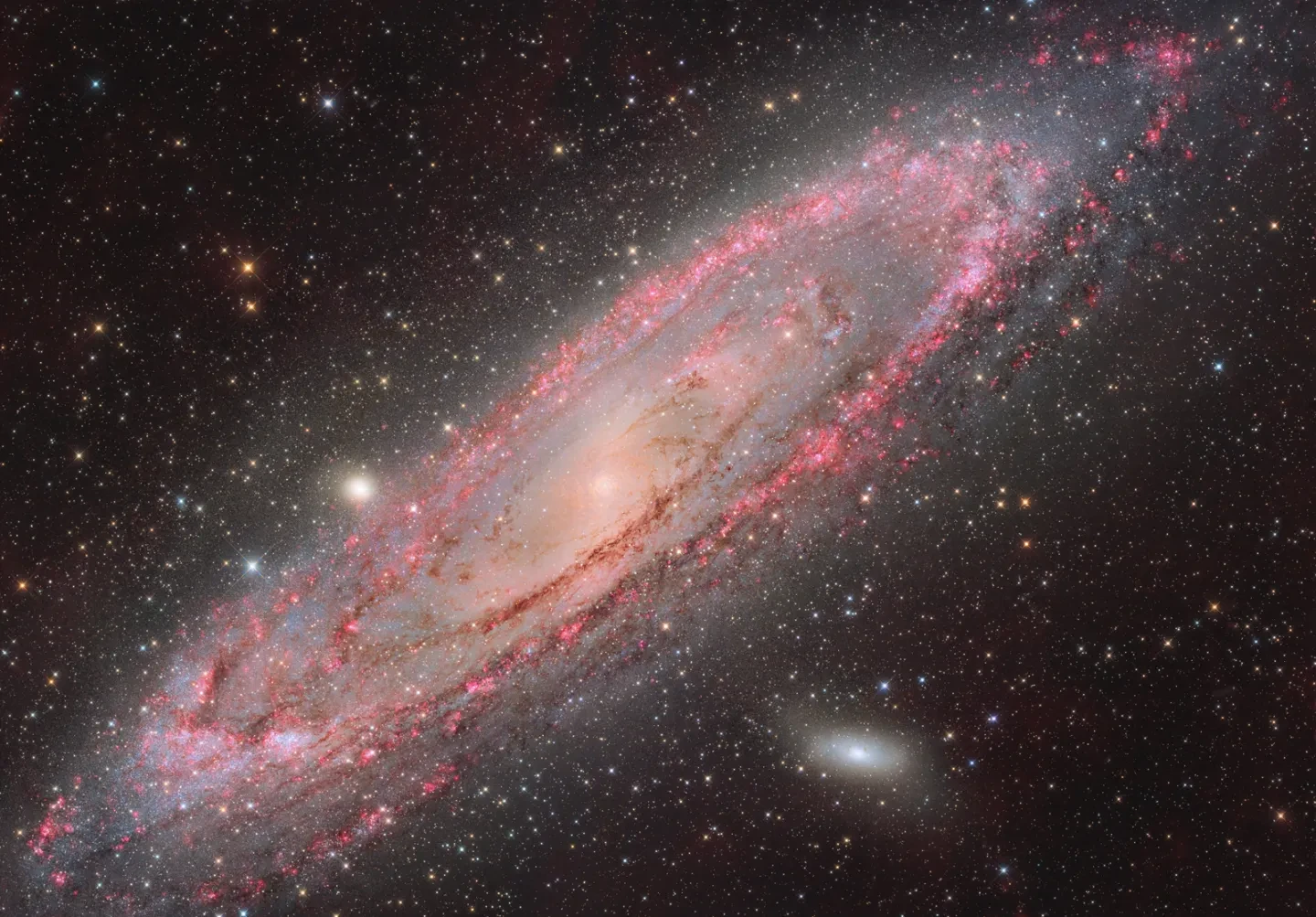
The photographers pointed their equipment at Andromeda and, safe in the knowledge their camera was collecting data overnight, went to sleep.
Andromeda is a naturally striking sight. However, the photographers got more than they bargained for when they checked the camera the next day and saw they’d also caught a meteor burning up in the atmosphere.
A colourful fireball
The meteor they captured was from the Perseid meteor shower, a period of intense meteor activity that occurs annually between mid-July and late August.
Meteor hunters look forward to this shower every year because of the high hourly meteor rate at the peak, with up to 150 meteors per hour visible in some years.
What’s more, this shower is a little more comfortable to watch than others, taking place when the weather is usually mild outdoors overnight.
In Encounter Across Light Years, Yurui Gong and Xizhen Ruan not only caught a Perseid meteor, but they managed to capture a particularly special one called a ‘fireball’.
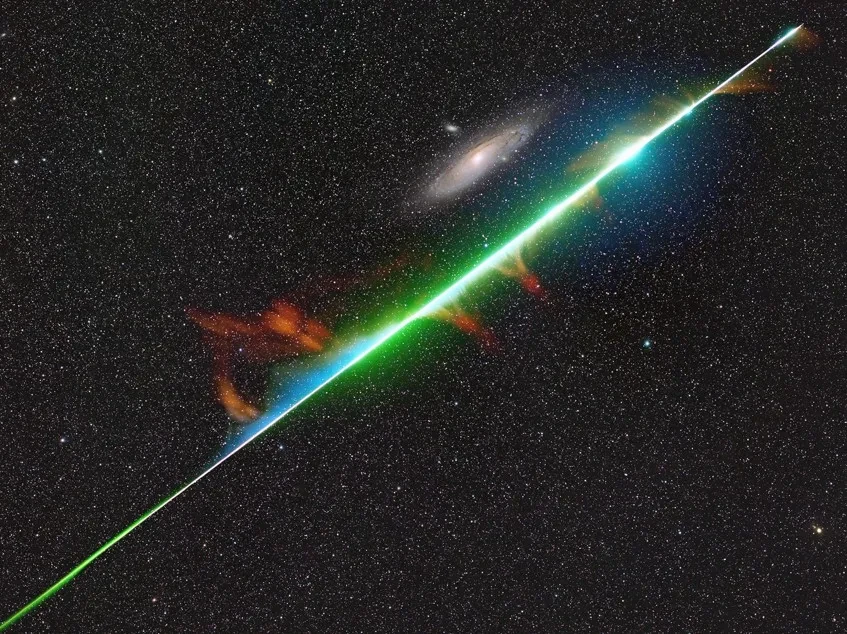
Fireballs are very bright and dazzling meteors. Because they burn for longer than normal meteors, they are more likely to display a range of colours.
The colours are emitted by different elements in the meteor as they reach extreme temperatures. For example, magnesium burns a bluish or green colour, nitrogen and oxygen burn red, and iron produces a yellow hue.
Find more stories from ZWO Astronomy Photographer of the Year
Billions of stars, one winning photograph: the core of Andromeda
A trio of photographers from China won the ZWO Astronomy Photographer of the Year 2025 competition with a breathtaking image of the core of the Andromeda Galaxy
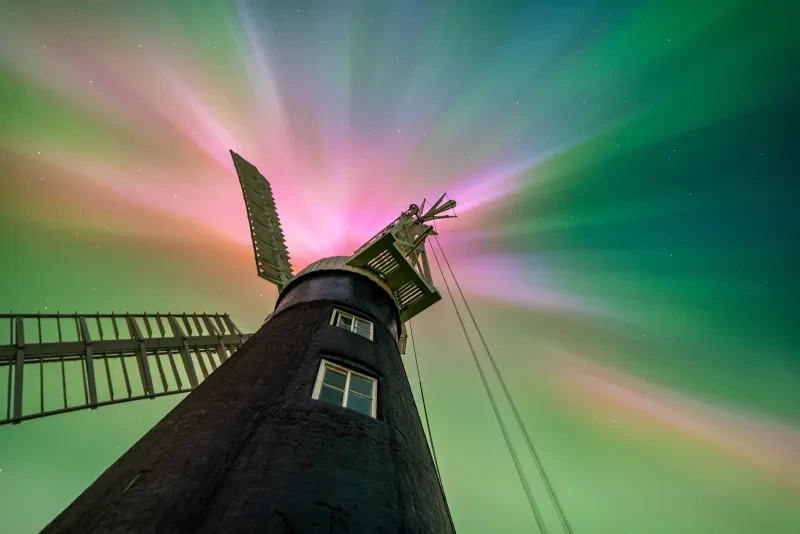
A rare spectacle: photographing the aurora in England
An incredibly strong solar storm in May 2024 made the aurora visible across the UK. Astrophotographer Darren Flinders seized this once-in-a-lifetime opportunity
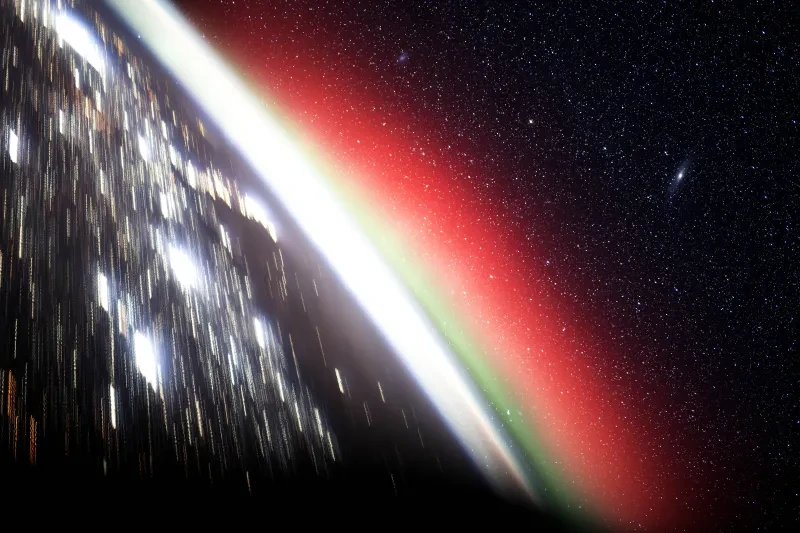
Earth and space through an astronaut's lens
Discover how NASA astronaut Don Pettit takes out-of-this-world photographs from the unique and constantly moving vantage point of the International Space Station
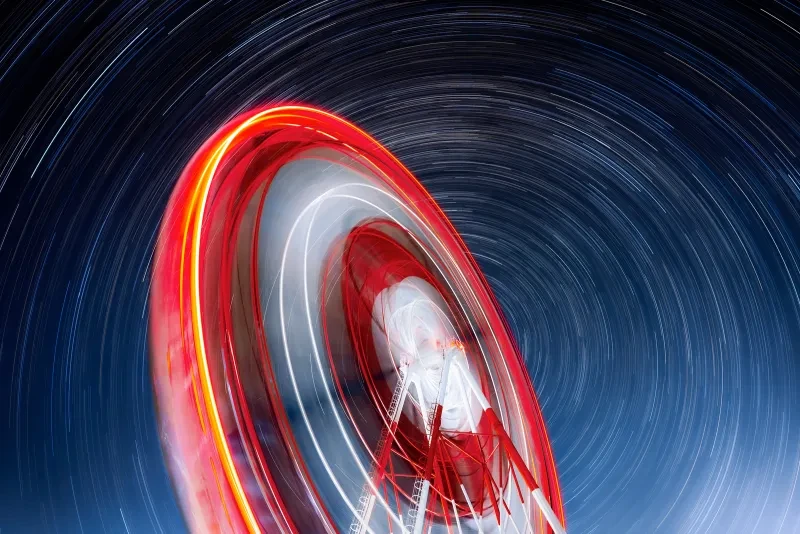
'Observing the Universe reveals how small yet precious we are'
An accident led Takanobu Kurosaki to rediscover life’s beauty and fall in love with astrophotography. Explore his image shortlisted in ZWO Astronomy Photographer of the Year 2025
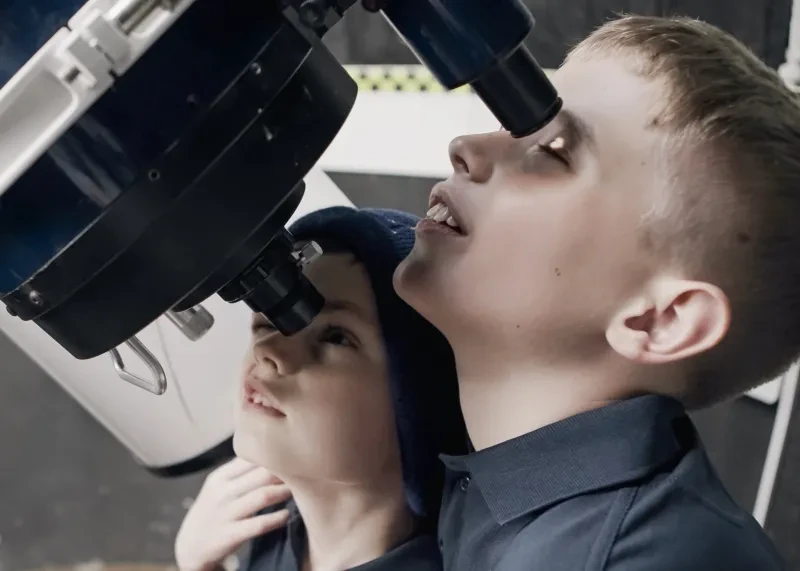
A stellar duo: two young astrophotographers shooting for the stars
Meet the youngest entrants in Astronomy Photographer of the Year 2024: brothers Benjamin and Joshua Lawler
Anatomy of a habitable planet: Earth as you've never seen it before
Sergio Díaz Ruiz uses satellite imagery to explore climate change by creating an image of Earth as it might be analysed by a distant alien civilisation
Beads of sunlight: photographing an annular solar eclipse
Ryan Imperio's spellbinding image of our Sun earned him the top prize in Astronomy Photographer of the Year 2024
Finding community through astrophotography
Sophie Paulin and Tom Williams struck up a friendship in an online astrophotography forum. Discover how they combined their expertise to win a prize in Astronomy Photographer of the Year
'Out with the camera, my senses are heightened' – behind the lens with Paul Haworth
Discover the vibrant nocturnal world of East Anglian astrophotographer Paul Haworth, shortlisted in 2024's Astronomy Photographer of the Year competition
Behind the lens with Monika Deviat
Dancer, educator, heavy metal fan and astrophotographer, discover more about the Aurorae winner of Astronomy Photographer of the Year 2023

Seeing the sound of a black hole: the story of Black Echo
How do you picture something that is invisible and inaudible to humans? Artist and photographer John White has the answer
Andromeda, Unexpected - how three amateur astronomers and astrophotographers changed our view of the Universe
Learn about the brand-new discovery that earned Marcel Drechsler, Xavier Strottner and Yann Sainty the title of Astronomy Photographer of the Year – and a place in the science books
Explore the winning and shortlisted images
ZWO Astronomy Photographer of the Year 2025 winners
Take a look at the winning images in the world's biggest space photography competition 2025
Skyscapes 2025 – ZWO Astronomy Photographer of the Year
See the stunning winning and shortlisted images in the ZWO Astronomy Photographer of the Year 2025 Skyscapes category
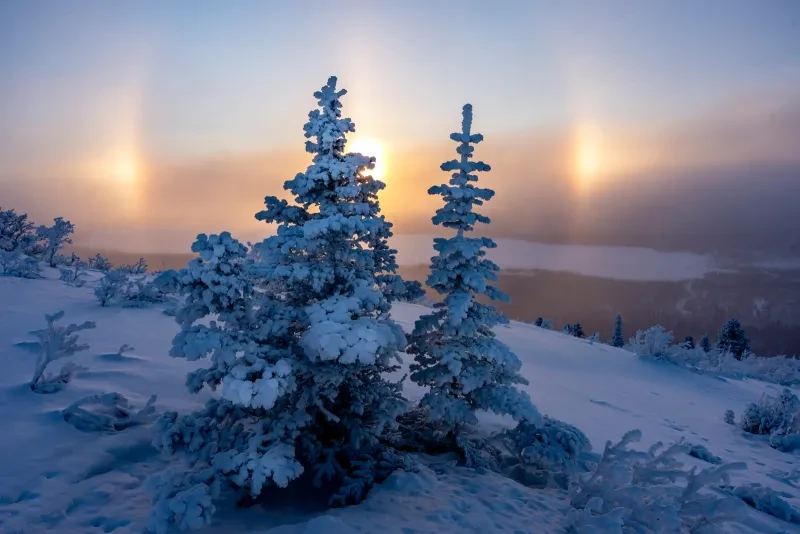
Our Sun 2025 – ZWO Astronomy Photographer of the Year
See the stunning winning and shortlisted images in the ZWO Astronomy Photographer of the Year 2025 Our Sun category
Galaxies 2025 – ZWO Astronomy Photographer of the Year
See the stunning winning and shortlisted images in the ZWO Astronomy Photographer of the Year 2025 Galaxies category
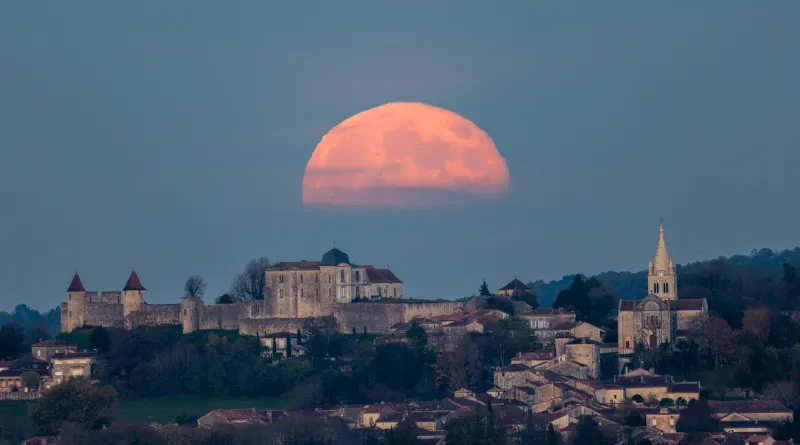
Our Moon 2025 – ZWO Astronomy Photographer of the Year
See the stunning winning and shortlisted images in the ZWO Astronomy Photographer of the Year 2025 Our Moon category
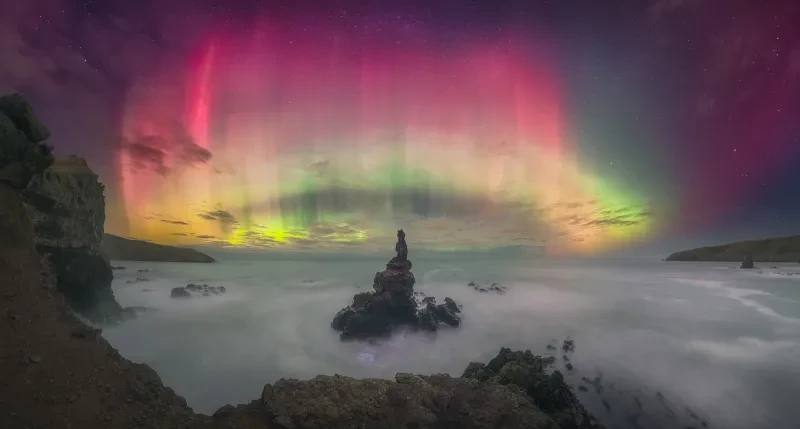
Aurorae 2025 – ZWO Astronomy Photographer of the Year
See the stunning winning and shortlisted images in the ZWO Astronomy Photographer of the Year 2025 Aurorae category
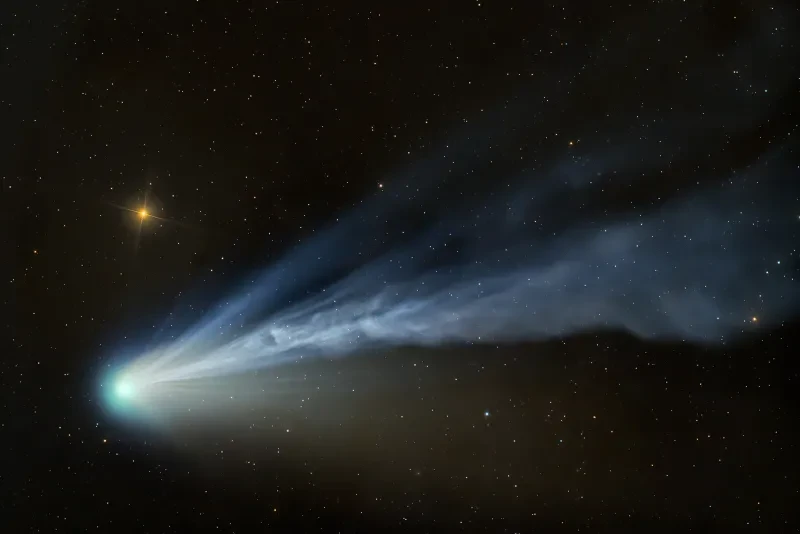
Planets, Comets and Asteroids 2025 – ZWO Astronomy Photographer of the Year
See the stunning winning and shortlisted images in the ZWO Astronomy Photographer of the Year 2025 Planets, Comets and Asteroids category
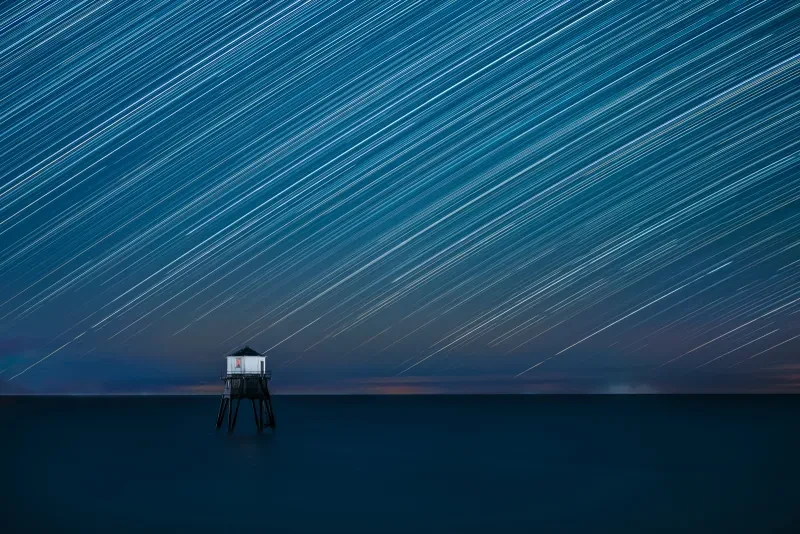
People and Space 2025 – ZWO Astronomy Photographer of the Year
See the stunning winning and shortlisted images in the ZWO Astronomy Photographer of the Year 2025 People and Space category
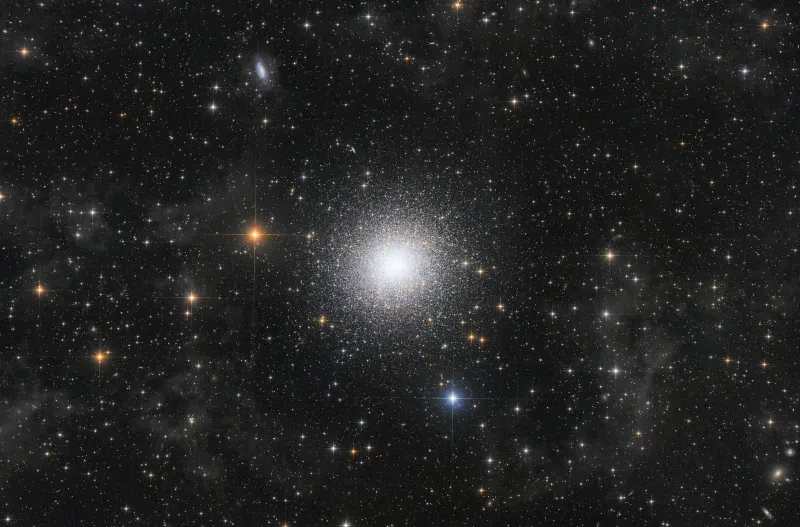
Stars and Nebulae 2025 – ZWO Astronomy Photographer of the Year
See the stunning winning and shortlisted images in the ZWO Astronomy Photographer of the Year 2025 Stars and Nebulae category
Best Newcomer 2025 – ZWO Astronomy Photographer of the Year
See the stunning winning and shortlisted images in the ZWO Astronomy Photographer of the Year 2025 Best Newcomer category
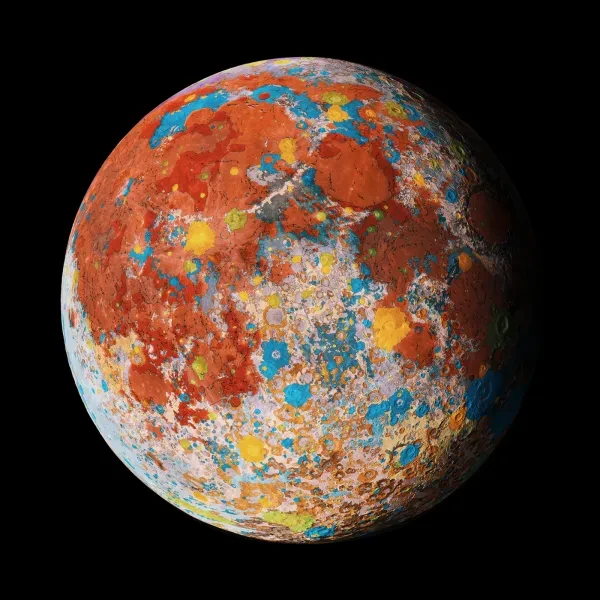
Annie Maunder Open Category 2025 – ZWO Astronomy Photographer of the Year
See the stunning winning and shortlisted images in the ZWO Astronomy Photographer of the Year 2025 Annie Maunder Open Category
Young Competition 2025 – ZWO Astronomy Photographer of the Year
See the stunning winning and shortlisted images in the ZWO Astronomy Photographer of the Year 2025 Young Competition


