
Since its foundation in 1616, the Queen’s House has been a space for female creativity and artistic expression.
The building was the vision of Queen Anne of Denmark. A keen patron of the arts, Anne commissioned architect Inigo Jones to create a garden retreat for her cultural activities.
Under Queen Henrietta Maria, the Queen’s House was transformed into a ‘House of Delights’ showcasing the leading creatives of the age, including ceilings once painted by Orazio Gentileschi and his daughter, Artemisia.
Now an acclaimed art gallery, the Queen’s House continues to champion ingenuity and innovation. It contains a range of art by trailblazing women artists, from paintings and textiles to sculpture and photography.
Discover more about some of the works by women artists on display with Royal Museums Greenwich’s art curators. The Queen's House is free to visit and open daily from 10am-5pm.
Image
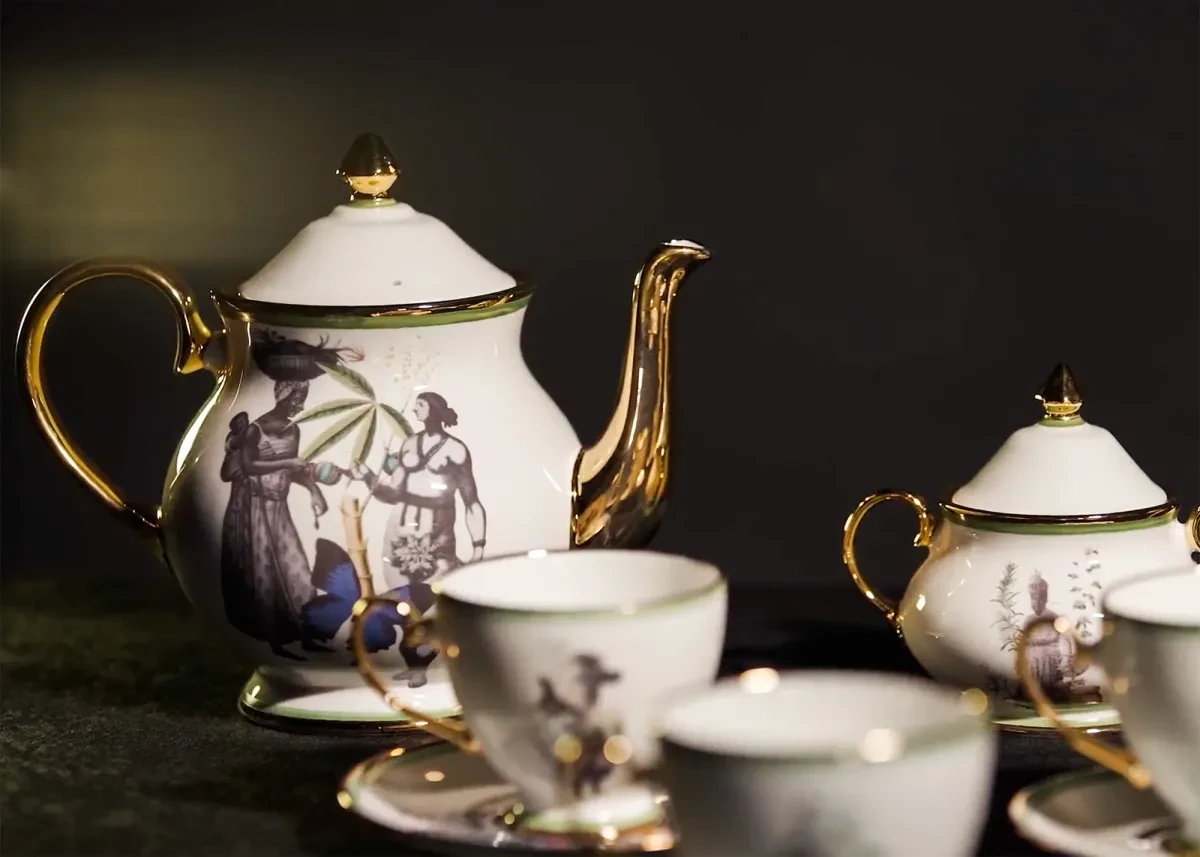
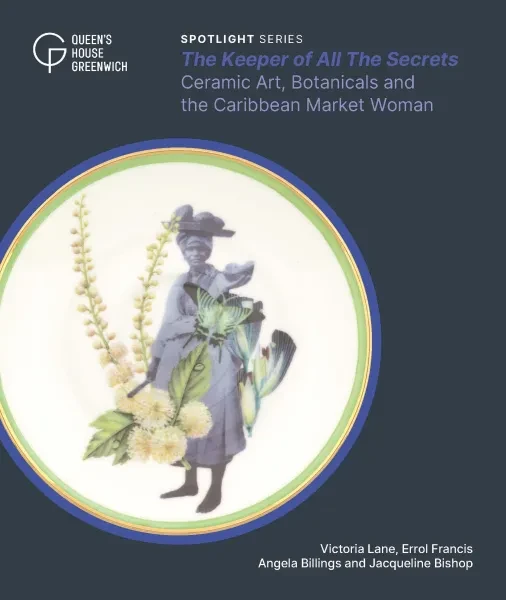
The Keeper of All The Secrets by Jacqueline Bishop
Jacqueline Bishop (born 1971) is an artist, a writer, poet and scholar, based in Jamaica and the USA. Her practice is focused on Black female agency. Royal Museums Greenwich has recently acquired one of her ceramic works, The Keeper of All The Secrets (2023), which takes the form of a traditional British tea service.
It explores the significance of the Caribbean 'market woman', a role that both Bishop’s grandmother and great-grandmother undertook in Jamaica. The tea service is adorned with the artist’s collages of Caribbean market women intertwined with local flowers and plants.
Since the time of enslavement, the market woman has been central to the community as a healer and a trader, preserving and transmitting cultural knowledge – but her role has been critically overlooked.
Victoria Lane, Senior Curator of Art and Identity
Supported by Cockayne Grants for the Arts, a Donor Advised Fund, held at The Prism Charitable Trust. The Keeper of All The Secrets display in the Queen’s House has been developed in partnership with Culture&, as part of their Time, Space and Empire programme.
Image
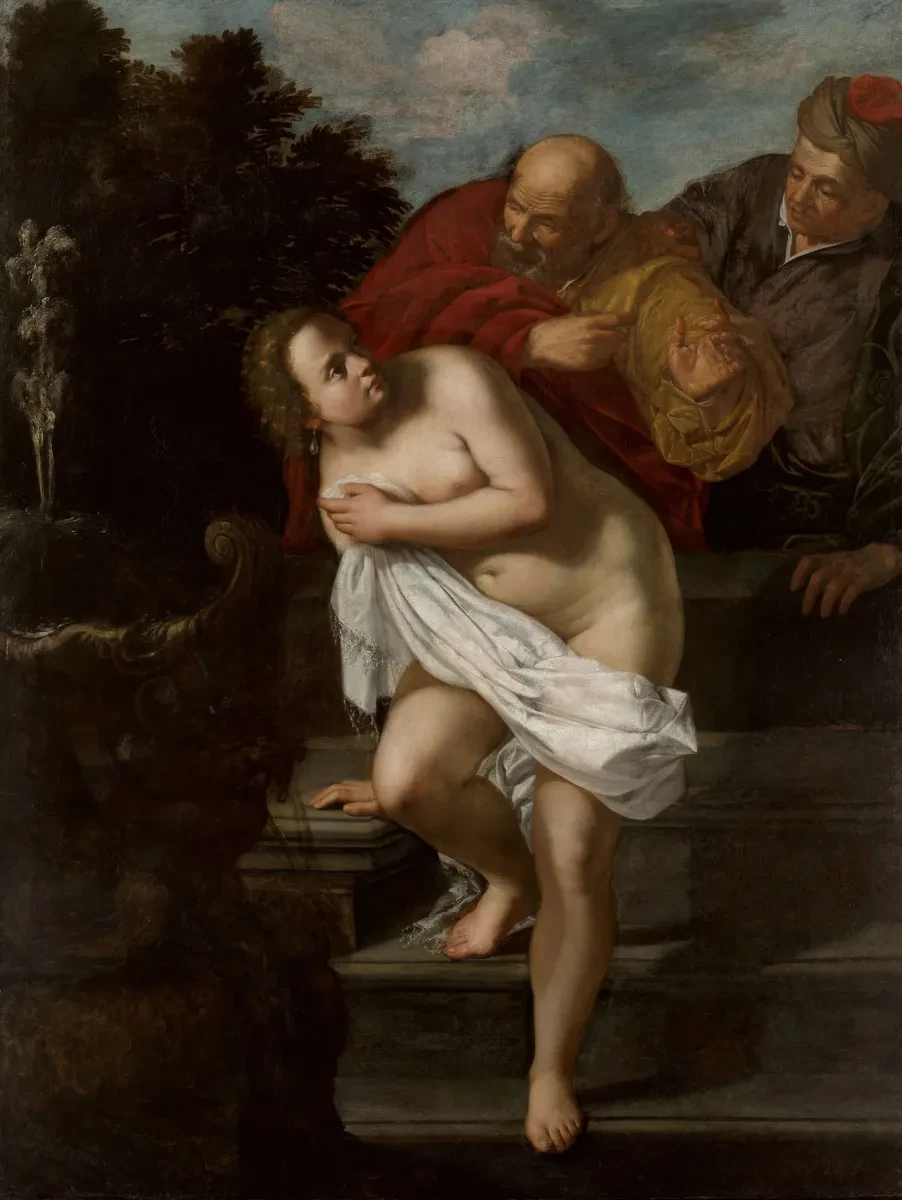
Susanna and the Elders by Artemisia Gentileschi
We are delighted to be able to welcome on loan to the Queen’s House a painting from the Royal Collection that was recently rediscovered as a commission by Henrietta Maria, made by one of the most sought-after painters of the day: Artemisia Gentileschi.
Artemisia would have known the Queen’s House well, having probably assisted her dying father, Orazio Gentileschi, in completing the magnificent ceiling canvases which originally adorned the Great Hall (these were moved to Marlborough House on Pall Mall in the early 18th century). A painting by Artemisia of the ancient Roman heroine Lucretia, now lost, is recorded as hanging at Greenwich, possibly in the Queen’s House itself.
Her painting now on display at the Queen’s House depicts the story of Susanna and the Elders, from the biblical Book of Daniel. It was first recorded hanging in Henrietta Maria’s Withdrawing Chamber at Whitehall Palace in the late 1630s, around the time the Queen’s House was being furnished. With her Whitehall Withdrawing Chamber lost to history, you can now see the painting – thanks to this generous loan from the Royal Collection – in what was Henrietta Maria’s Withdrawing Chamber in the Queen’s House.
Although this is probably the first time Artemisia’s Susanna and the Elders has hung here, it is very much at home in this setting. Its scale, style and subject are entirely in keeping with other large Baroque paintings featuring female protagonists from the Old Testament that we know Henrietta Maria displayed at the Queen’s House, specifically paintings of Lot and His Daughters, The Finding of Moses and Joseph and Potiphar’s Wife by Artemisia’s father, Orazio.
Allison Goudie, Curator of Art
Image
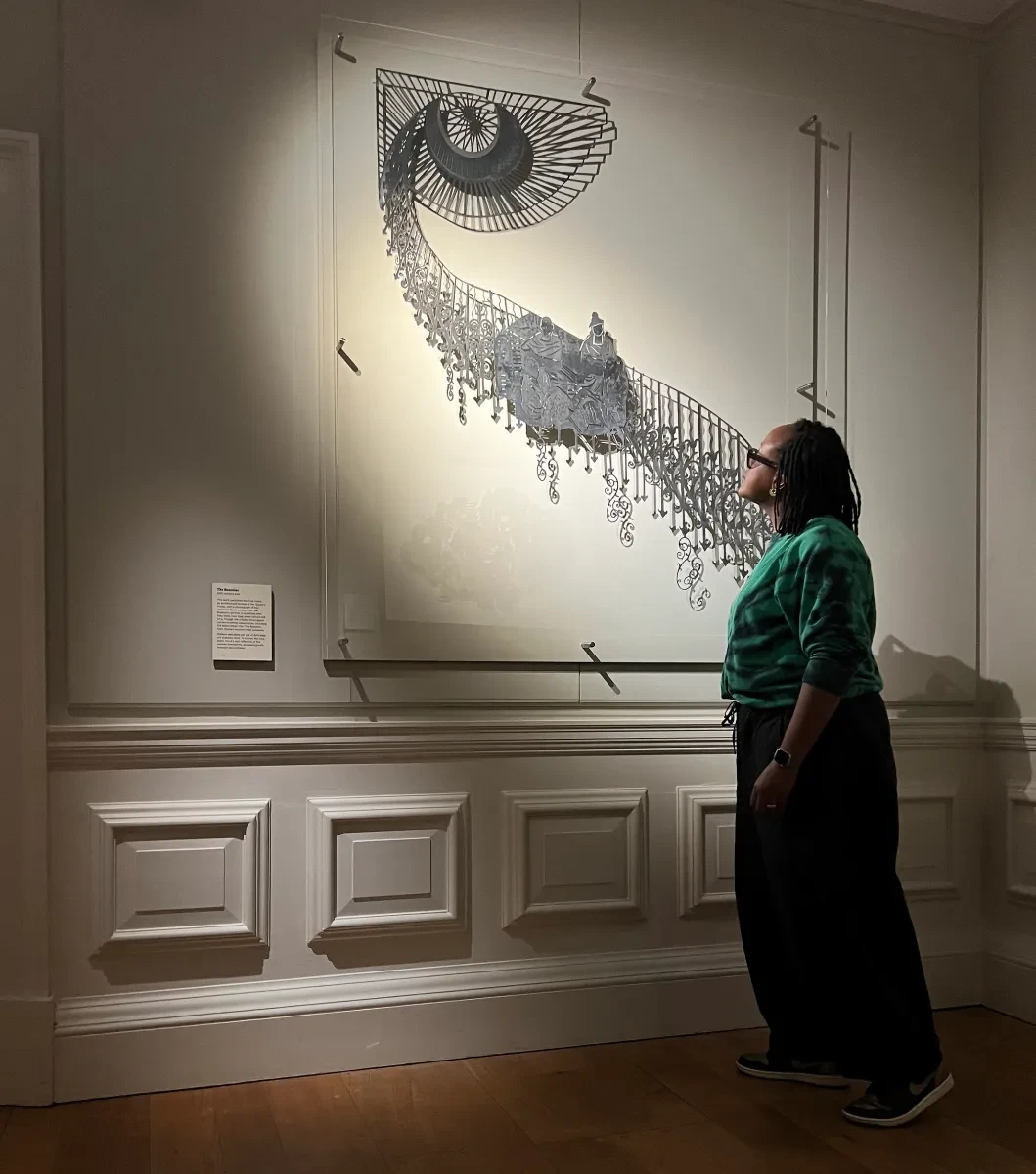
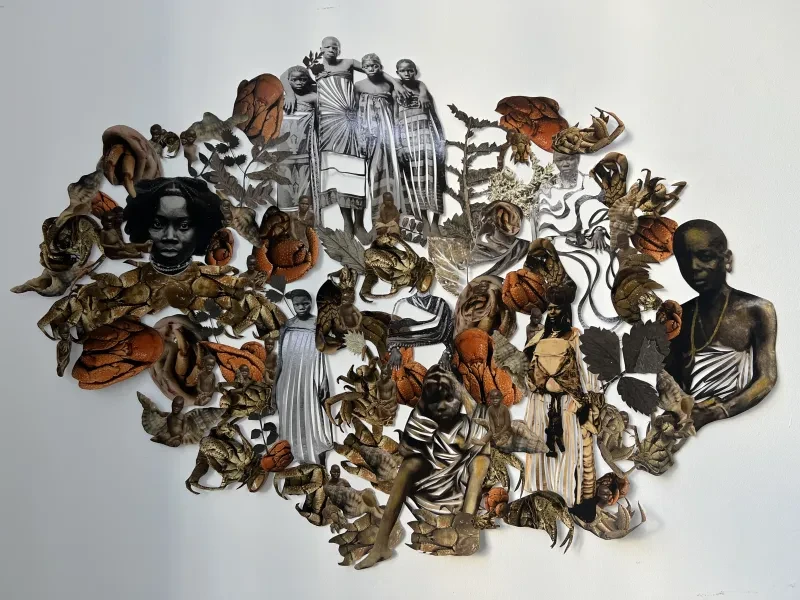
The Many Invincible Ones by Sharon Walters
Exploring themes including resilience, reconnection and hope, The Many Invincible Ones is a new display made by artist Sharon Walters.
The six pieces respond to a historic photograph in Royal Museums Greenwich's collection, which depicts formerly enslaved children on board HMS Flying Fish in Madagascar. For Walters, this project – created during her Caird Research Fellowship in 2024-2025 – has pushed the boundaries of her artistic practice. The Many Invincible Ones incorporates textiles, film, paper-cut collages, engraved stainless steel and bronze, and weaves together aspects of her family story.
The artworks include The Beauties, which reworks a historic image of four unnamed Black women in the Museum's collection through photographs and delicately cut stainless steel. In Held Tenderly, a large-scale collage work, Walters reimagines an alternative future for the children on board HMS Flying Fish in 1875.
Image
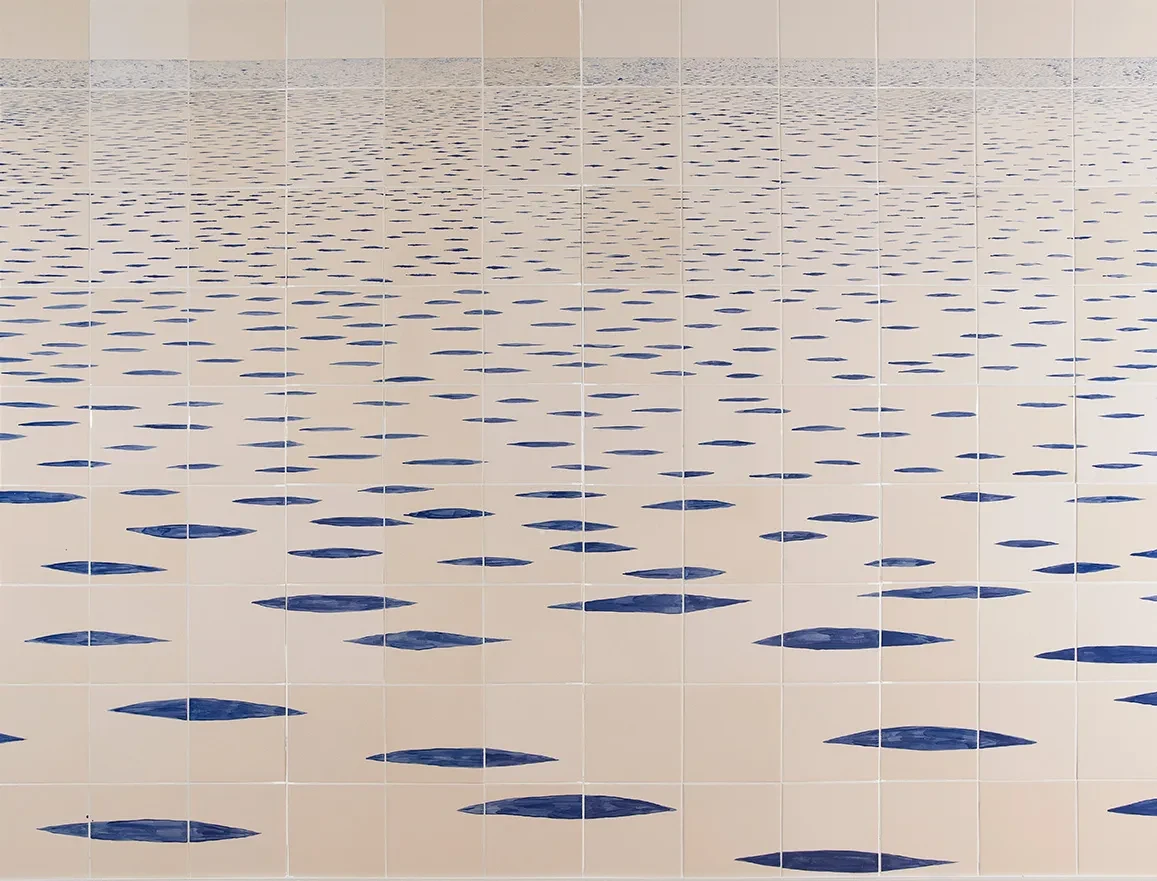
Sea Mark by Tania Kovats
Tania Kovats (born 1966) is a renowned British artist whose practice and research encompasses sculpture, installation, drawing and writing. Her work explores our experience and understanding of landscape through our relationship to water, increasingly with a focus on environmental issues around our oceans.
Sea Mark (2014) is a large seascape made from handmade ceramic tiles glazed with cobalt blue painted brush strokes. It immerses the viewer in the broken motion of the surfaces of the sea, receding into a remote horizon. In 2022, Kovats spoke of her inspiration for the ongoing Sea Mark series, suggesting that "at this time in our collective history, our island status is more important than ever in how we see ourselves."
Kovats exhibits internationally, publishes regularly and her work is held in several major collections. She is currently Professor of Teaching and Research at Duncan of Jordanstone College of Art and Design.
Victoria Lane, Senior Curator of Art and Identity
Discover more great art
Sign up to the art newsletter for more information about Royal Museums Greenwich's art collection, and learn about upcoming exhibitions and events.
Image
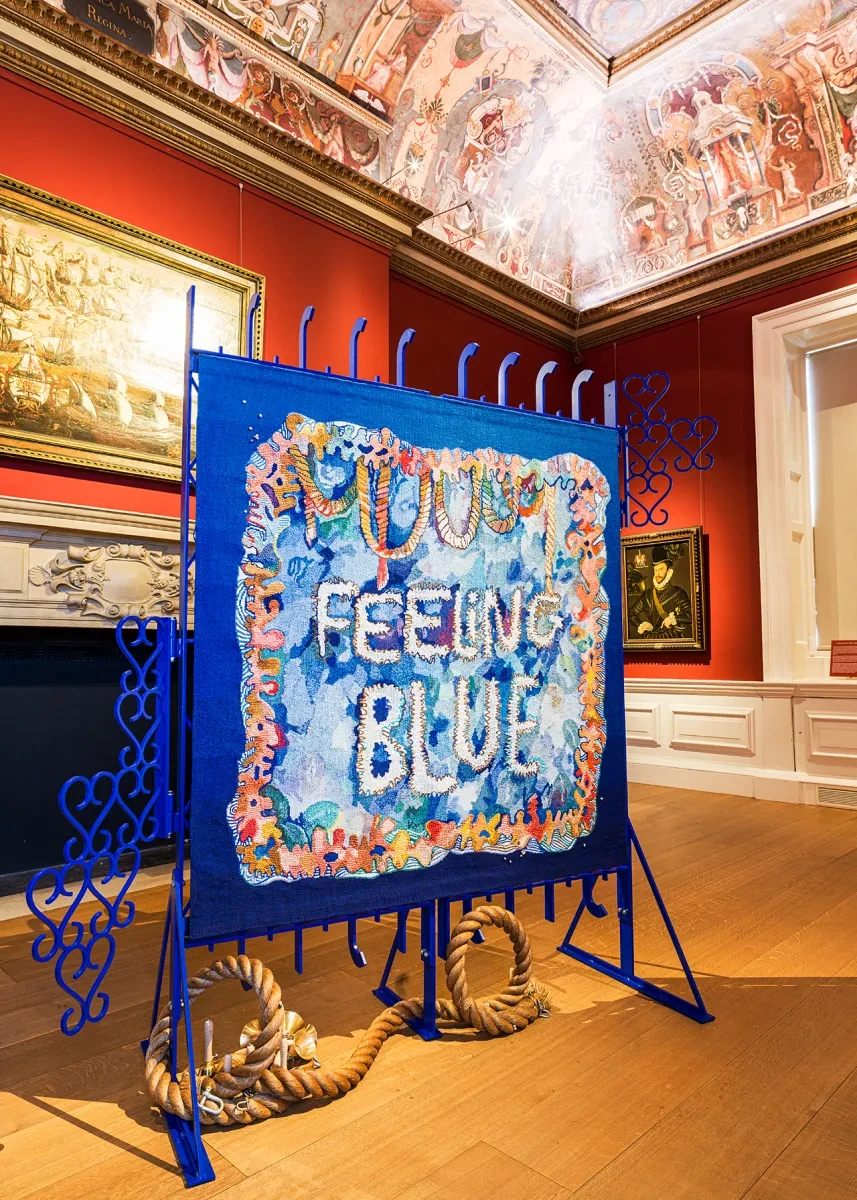
Feeling Blue by Alberta Whittle and Dovecot Studios
Alberta Whittle (born 1980) is a Barbadian-Scottish artist, researcher and curator. As an artist, she works across different media and has produced films, prints, sculpture and performance. Her practice recognises and explores the legacies of colonialism and anti-Blackness and the harm they do today, but also seeks to create spaces for conversation, collective care and healing around these issues.
In 2022, Royal Museums Greenwich commissioned Whittle to design a tapestry installation for the Queen’s House, in collaboration with Dovecot Studios. The resulting work, titled Feeling Blue, is a celebration of African-Caribbean culture. It references Blues music, Barbadian Chattel House architecture and spiritual resistance within the African diaspora, such as the Akan symbol of Sankofa, seen in the heart-shaped details in the gate structure.
It also explores environmental exploitation and what Whittle calls 'the accumulated grief of empire' through language, colour and its construction and display.
Maya Wassell Smith, Assistant Curator of Art
Image
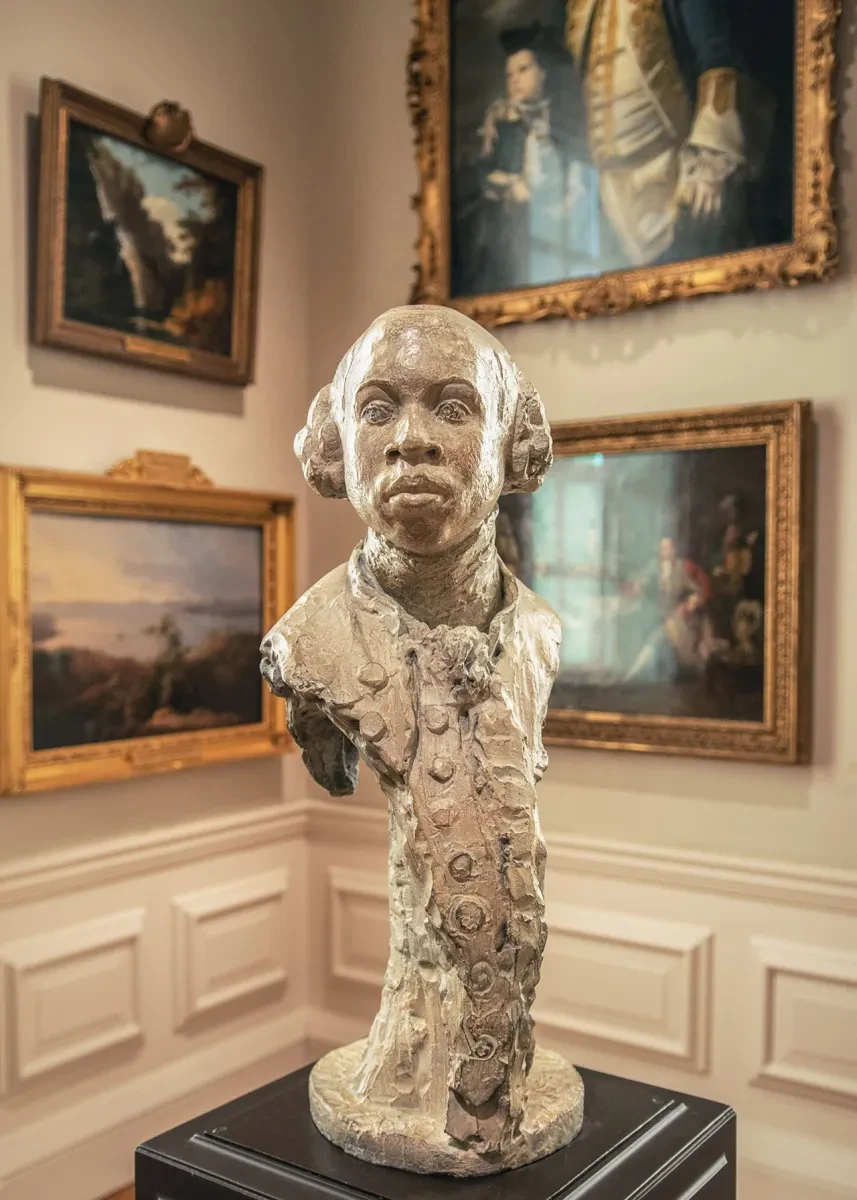
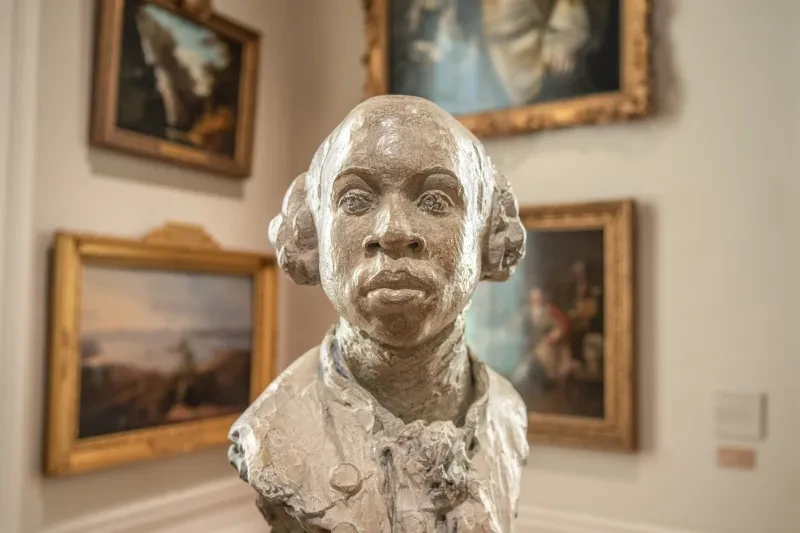
Olaudah Equiano – African, slave, author, abolitionist by Christy Symington
Christy Symington (born 1962) is Head of Sculpture at The Art Academy London. From 1996 Symington studied traditional figure sculpture and life drawing in Paris and then studied in New York, returning to London for postgraduate study at Byam Shaw School of Art (now Central Saint Martins). Her work champions the achievements of overlooked historical figures.
Made in 2006, Olaudah Equiano – African, slave, author, abolitionist tells the story of the 18th-century abolitionist's life and legacy. Born into what is now south-eastern Nigeria, Equiano was sold into slavery around the age of 11. He documented his experiences in his autobiography The Interesting Narrative of the Life of Olaudah Equiano, one of the first books in Europe by a Black African writer.
His role as an abolitionist is referenced in the chains and shackles that wind around the back of the sculpture. Details of the ‘Brookes’ slave ship diagram – an image that represents how enslaved people were crammed into ships that crossed the Middle Passage – can be seen around the sides of the work. The shape that forms the back of Equiano's shoulders implies the continent of Africa.
Image
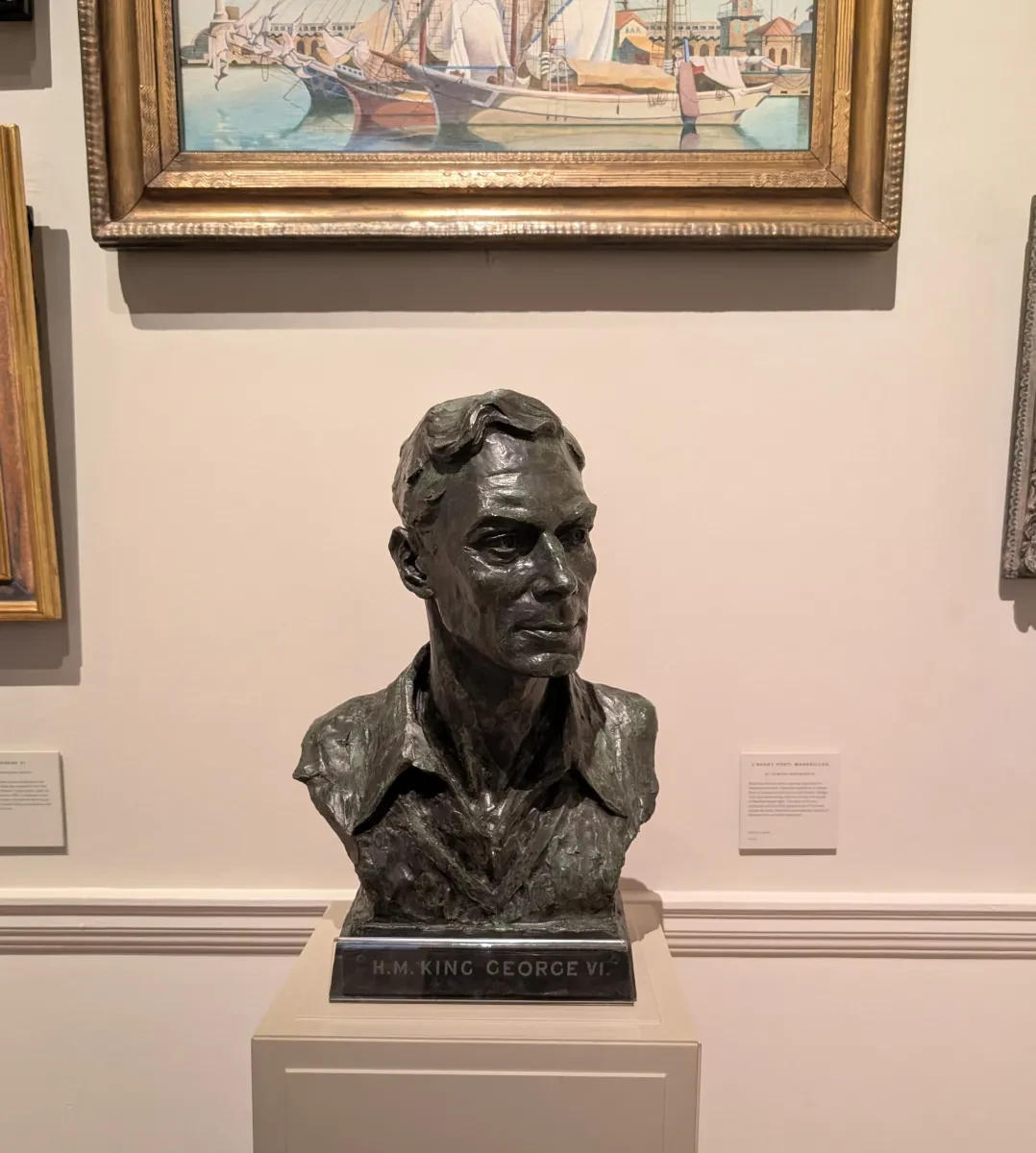
Bust of George VI by Kathleen Scott
Sculptor Kathleen Scott (1878–1947) shows an informal side of George VI in this bronze bust, depicting the King without any royal regalia in a V-neck jumper and open-necked shirt. The work exemplifies the humanity and vulnerability that she often brought to her sculptures of male subjects.
After studying in London and Paris, Scott created sculptural models to guide pioneering plastic surgeon Harold Gillies when he operated on servicemen injured in the First World War. After the war, she enjoyed a successful career producing portrait busts and public memorials. Yet her reputation is also bound up with her experience of personal tragedy. Among her most well-known sculptures is a tribute to her first husband, Robert Falcon Scott, who perished in the Antarctic in March 1912.
Katherine Gazzard, Curator of Art
Image
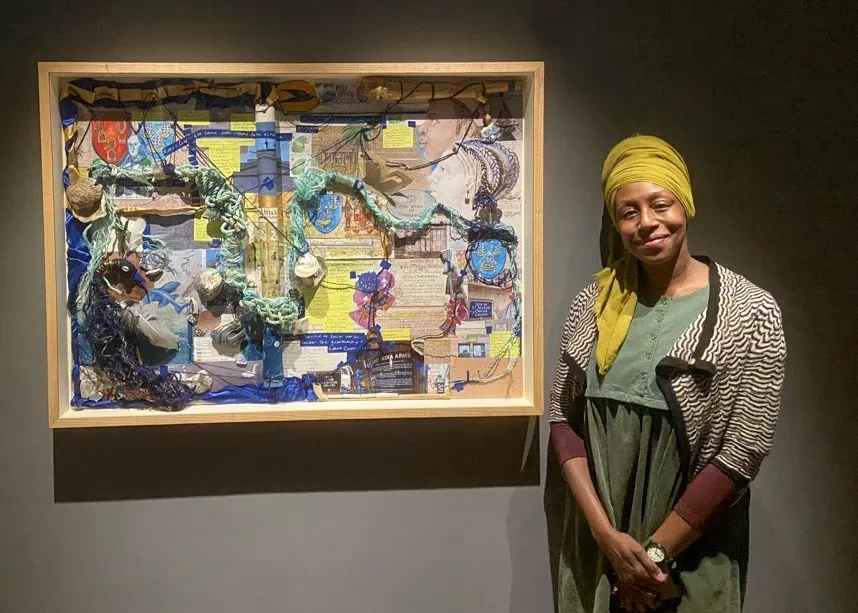
The Rhumblineage of Penelope Steel by Remiiya Badru
Multidisciplinary artist Remiiya Badru brings the life of pioneering mapmaker Penelope Steel into focus through The Rhumblineage of Penelope Steel, a new work on display in the Queen’s House. Drawing on research undertaken during her 2024 Creative Research Fellowship at Royal Museums Greenwich, Badru combines map, family tree and timeline to explore identity, migration, memory and the complicated legacies of empire.
Inspired by Steel’s maps and her connection to the River Thames, Badru weaves rope, thread and images into a richly layered artwork. At its heart are ‘rhumblines’ – navigational lines reimagined by Badru as ‘lines of energy’ that connect stories and recover memories lost to history.
Victoria Lane, Senior Curator of Art and Identity
Visit the Queen's House
Read more
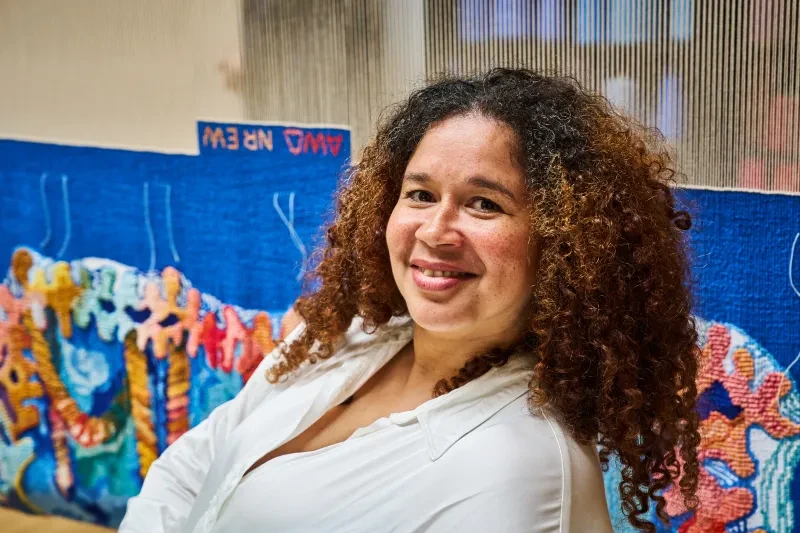
Beneath the blue: Alberta Whittle on the making of Feeling Blue
Artist Alberta Whittle shares the inspiration behind Feeling Blue, a tapestry created in collaboration with Dovecot Studios
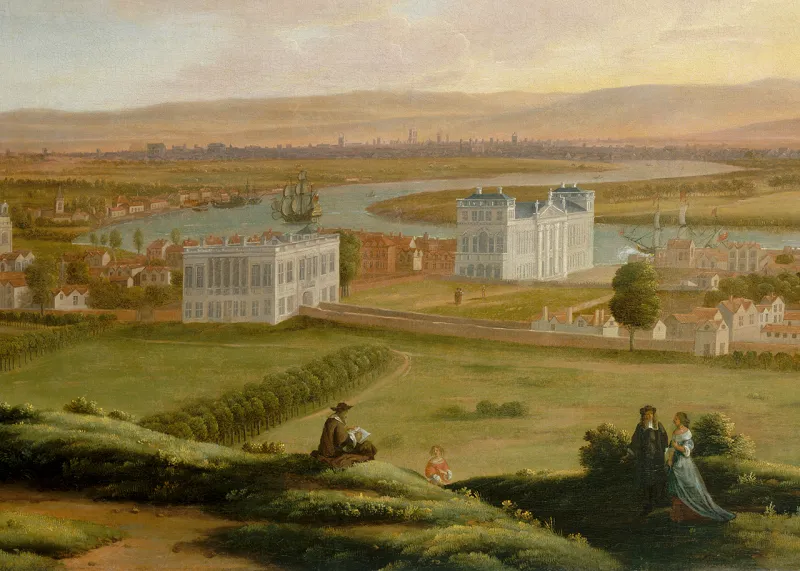
History of the Queen's House
The centre of Greenwich for hundreds of years, the beautiful Queen's House has also been at the heart of royal life
Moving masterpieces: behind the scenes at the Queen's House
How do galleries move and hang artworks? Follow what happens as curators, conservators and art handlers prepare for an exciting new display at the Queen's House
Reunited at last: William and Catherine Kerr
After nearly 40 years apart, the portraits of a married couple have been reunited at Royal Museums Greenwich
Reframing Black history: Joseph Ijoyemi and the Atlantic Worlds gallery
From resilience to resistance, two new paintings in the Atlantic Worlds gallery at the National Maritime Museum celebrate the history of pre-colonial Africa

Seeing Ourselves podcast
How does it feel to see 'yourself’ represented – or misrepresented – in museum spaces?
Banner image: © Alberta Whittle and Dovecot Studios. Photo: © National Maritime Museum, Greenwich, London