
Essential information
| Type |
Events and festivals
|
|---|---|
| Location |
Online
|
| Date and times | Wednesday 12 August 2026 | 6.15-7.30pm |
| Prices | Free |
A partial solar eclipse will be visible from the UK and Ireland on 12 August 2026, during which the Moon will cover up to 90% of the Sun.
Here at the Royal Observatory Greenwich we will be live streaming the eclipse using one of our modern telescopes, giving you a chance to watch this big event safely.
Royal Observatory astronomer Dr Greg Brown will host the broadcast, talking you through the science of the Sun and solar eclipses as we watch the Moon block the Sun from view.
Coverage will start live on YouTube and Facebook from 6.15pm.
Never miss an eclipse
Sign up to our space newsletter for exclusive astronomy news, guides and events.
What is a partial solar eclipse?
In the UK and Ireland this is a partial solar eclipse, which means the Sun's light will not be fully blocked by the Moon.
How long will the 2026 partial solar eclipse last?
From the UK and Ireland, the partial eclipse will last around 1 hour and 50 minutes. Timings vary slightly depending on the location you're viewing from.
When was the last solar eclipse in the UK?
The last UK partial solar eclipse took place on 29 March 2025, when around 30-40% of the Sun was obscured at the maximum.
When is the next total solar eclipse in the UK?
If you want to see a total solar eclipse in the UK, we're afraid you're going to have to wait until 2090!
How can I see the solar eclipse?
Warning: never look directly at the Sun. This can cause serious eye damage or blindness.
If you want to see a solar eclipse yourself, you must use adequate eye protection.
- Check if your local astronomical society is hosting a solar eclipse event, as they will have many instruments specifically for solar viewing or telescopes that have been fitted with the right filters.
- If you can’t get out to these events and still want to look at the eclipse directly, you can purchase solar eclipse viewing glasses. Please note that sunglasses or 3D glasses will not protect your eyes.
- The safest and cheapest way to view the event is by pinhole projection. This is very safe as there is no need to look directly at the Sun and the display can be shared by a few people together.
How to make a pinhole projector
- Make a hole in a piece of card.
- Hold the card up to the Sun, and hold a piece of paper behind the card.
- See the shape of the Sun projected onto the paper - a small version of the event!
Discover more with the Royal Observatory
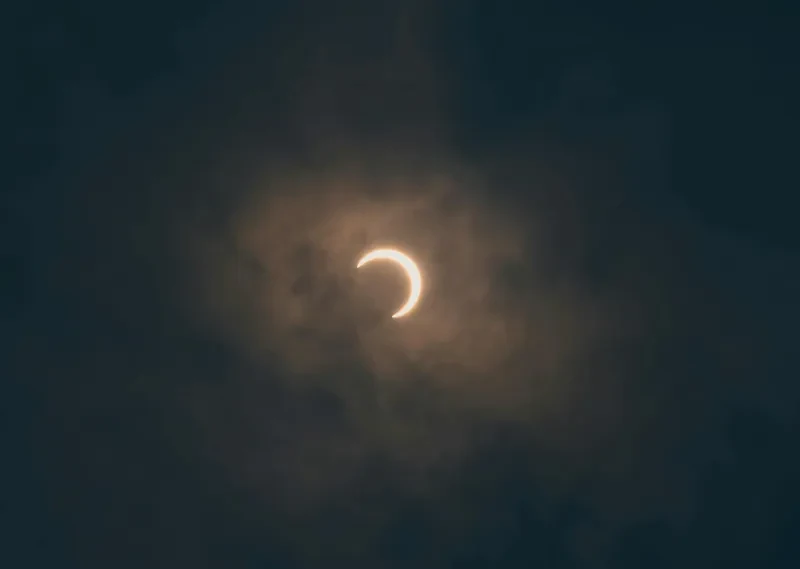
How to see the 12 August 2026 partial solar eclipse
Learn more about the best solar eclipse visible from the UK and Ireland so far this century, when around 90% of the Sun will be covered by the Moon
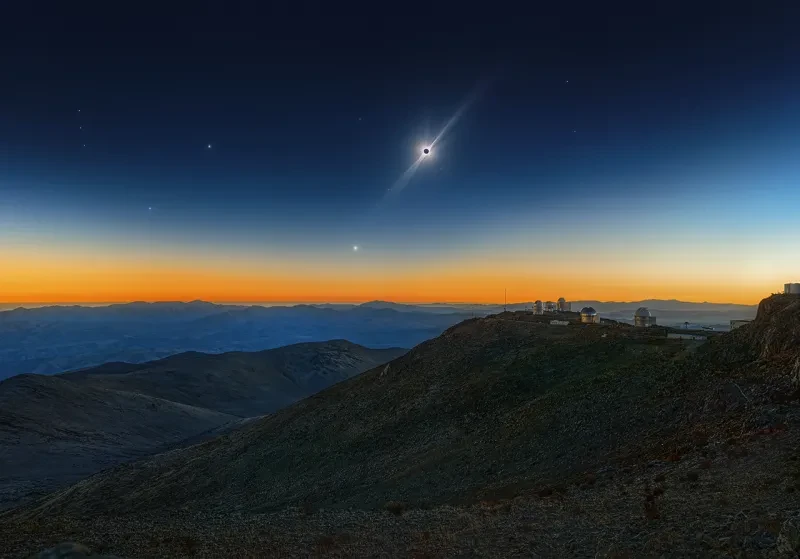
Solar eclipses explained
Find out everything you wanted to know about partial and total solar eclipses, including when to see them in the UK
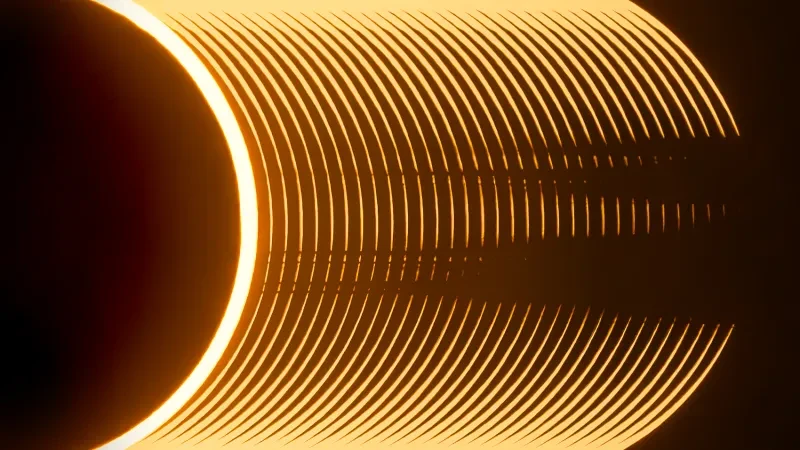
Beads of sunlight: photographing an annular solar eclipse
Ryan Imperio's spellbinding image of our Sun earned him the top prize in Astronomy Photographer of the Year 2024
Space and astronomy highlights in 2026
What should you keep your eyes on the skies for in 2026? Discover this year's standout moments with Royal Observatory astronomers
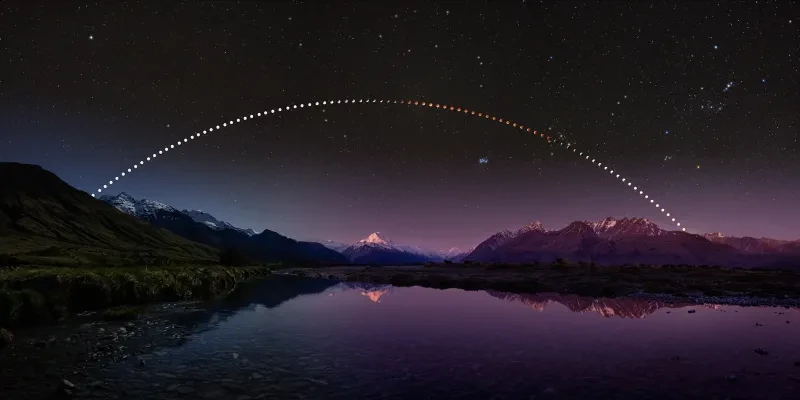
Lunar eclipse guide: When and where to see in the UK
Find out what a lunar eclipse is and when the next total lunar eclipse in the UK will occur
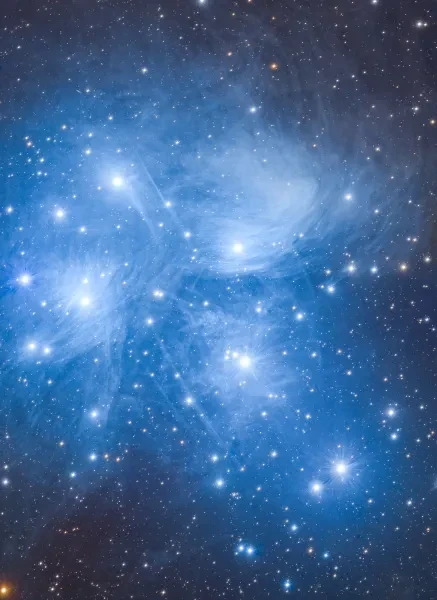
What are the Pleiades?
Take a closer look at the Pleiades, an extremely hot cluster of young stars. Also known as the 'Seven Sisters' or M45, this stellar family has been the subject of numerous myths in cultures worldwide

The dwarf planets: Pluto, Ceres, Haumea, Makemake and Eris
We’ve all heard of the planets, but what is a dwarf planet? And why isn’t Pluto a planet anymore?

Your support makes this happen
The Royal Observatory is part of Royal Museums Greenwich, a charity that relies on your support to maintain our telescopes and preserve our historic buildings. If you enjoy our live shows or want to support our astronomers’ important work, please donate today.
Supported by
This event is supported by Michael Edwards OBE


Main image by Adriel Arevalo on Pexels