
The ship's biscuit
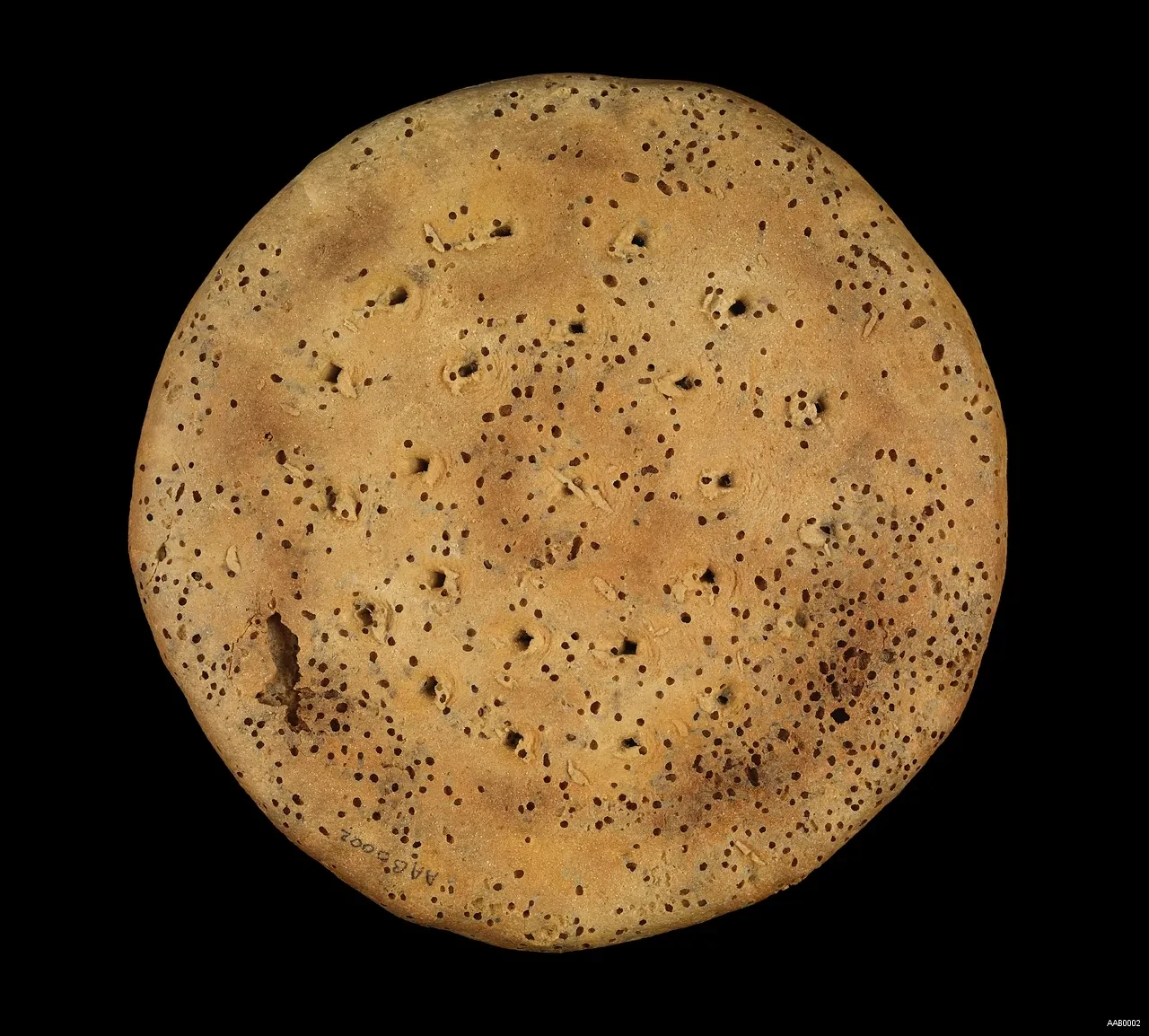
The ship’s biscuit was an important part of a sailor's sea diet before the introduction of canned foods.
Long journeys at sea meant food needed to be able to survive the journey. One solution to this was the ship's biscuit - also known as hard tack.
There are references to Richard I (the Lionheart) setting out from England in 1190 with his ships suitably stored with ‘biskit of muslin’ (mixed cornmeal made of barley, rye and bean flour).
Ships at the time of the Spanish Armada in 1588 had a theoretical daily allowance of 1 lb (0.45 kg) of biscuit, but it was Samuel Pepys who first regularised Navy ‘victualling’ (the provision of food supplies) and worked out the first comprehensive table of rations.
These included ‘one pound daily of good, clean, sweet, sound, well-baked and well-conditioned wheaten biscuit (plus a galleon of beer and other victuals).’
How were ship's biscuits made?
Ship's biscuits were made from stone-ground flour, water and salt, which were mixed into a stiff dough, baked in a hot oven for 30 minutes and then left to harden and dry.
As you can imagine, however, this meant that they weren’t particularly appetising. By the time sailors came to eat them they were mouldy, stale or infested with weevils.
Recipe for making a ship's biscuit
Navy provisions in the 18th and 19th centuries
Biscuits were still an important part of the sailor’s sea diet in Lord Nelson’s (1758–1805) time, and remained so until bread and canned foods were introduced.
Preserved beef in tins was officially issued from 1847 – although some tinned items had previously been used for Arctic expeditions. Canned meat was first marketed in 1813.
Bread became a Navy issue item in the mid-1850s and was referred to as ‘soft bread’ in the Royal Navy to distinguish it from biscuits, which had sometimes been called ‘bread’.
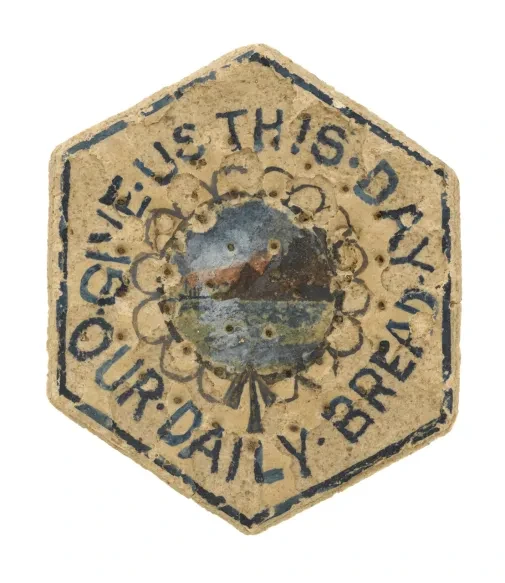
‘Hard tack’ was, however, the most well-known term for the ship’s biscuit.

Visit the National Maritime Museum
Find out more about life at sea and discover epic stories of exploration and endeavour that have shaped our world today
More maritime history
Learn more about life at sea
The mystery of the Mary Celeste
A brigantine found abandoned in the middle of the Atlantic, its crew never seen again... discover the enduring maritime mystery of the Mary Celeste
Life at sea in the age of sail
What did it mean to be 'tarred and feathered' and why were punishments so harsh at sea?
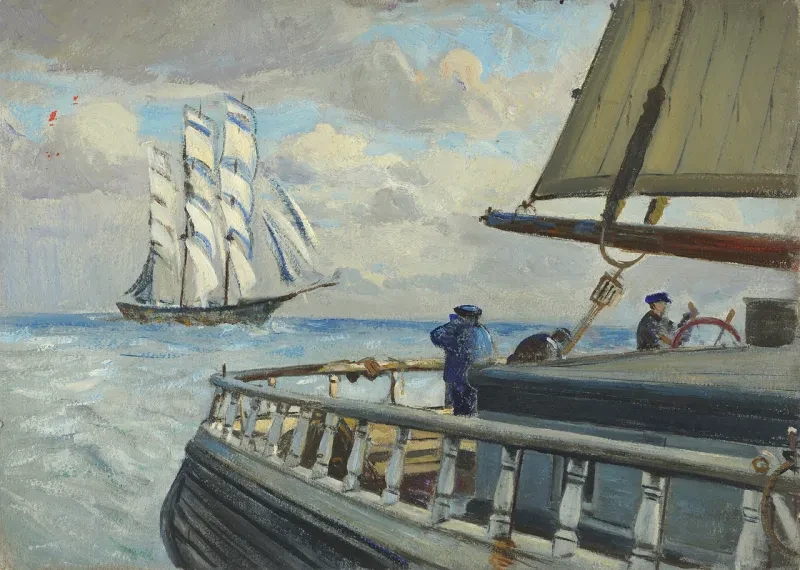
The nautical origins of everyday phrases
Ever heard that traffic was chock-a-block, been called a son of a gun, or told someone you like the cut of their jib? Learn the maritime origins of phrases you hear every day
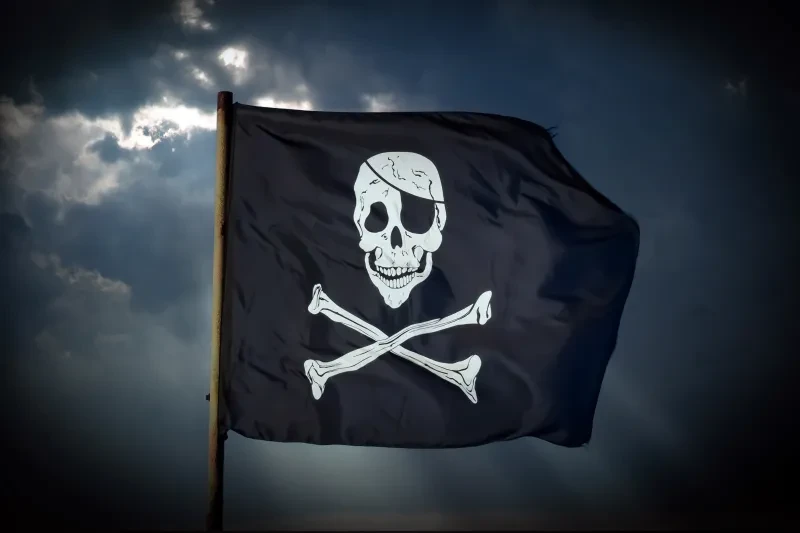
Pirate flags decoded
Learn more about pirate flags, including where they came from, how they were used, and the designs of some famous Jolly Rogers
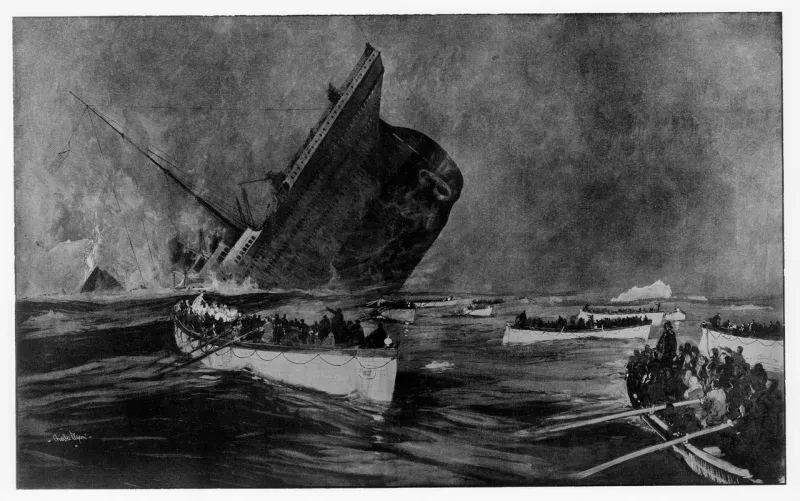
A whistle for a life: surviving the Titanic tragedy
Meet steward Cecil and passenger Lillian, two young people whose fates intertwined during the sinking of the Titanic
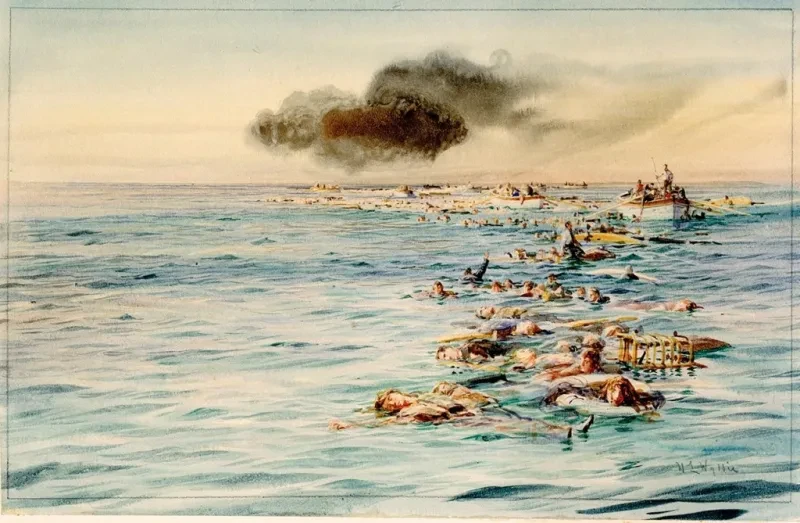
The Sinking of the Lusitania
Learn more about the sinking of the passenger ship Lusitania off the south coast of Ireland.
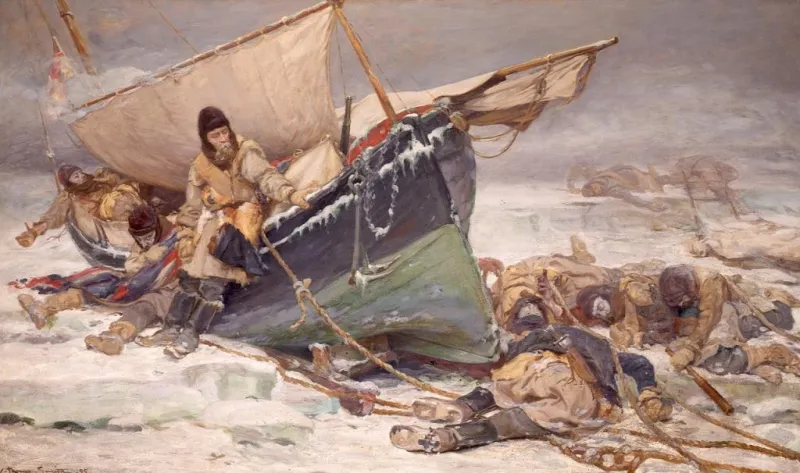
What happened to the crew of Erebus and Terror?
Sir John Franklin's final voyage in 1845 in HMS Erebus and HMS Terror became the worst disaster in the history of British polar exploration

Remembering the Sea Empress oil spill
Cliff Benson reflects on how efforts to save oiled sea birds inspired a lifetime's dedication to wildlife protection
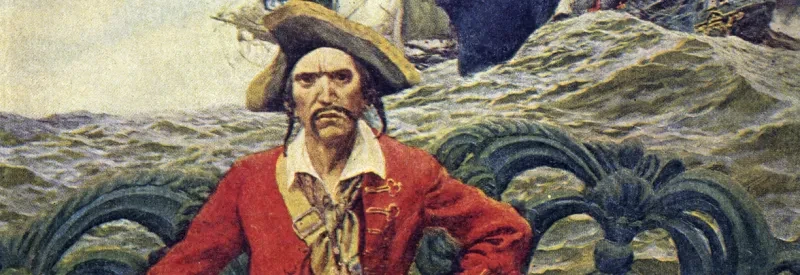
The 'golden age' of piracy
The so-called 'golden age' of piracy lasted for less than 50 years - but its history has shaped centuries of pirate stories and myths
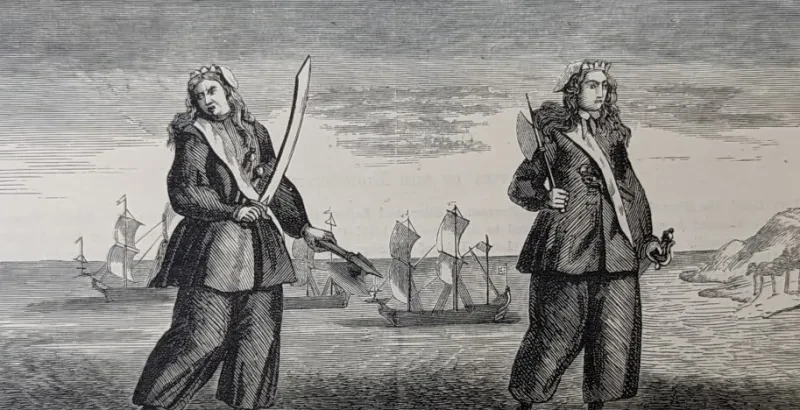
Who were Anne Bonny and Mary Read?
What do we really know about the notorious pirate duo, and how have later accounts shaped our perception of female pirates?
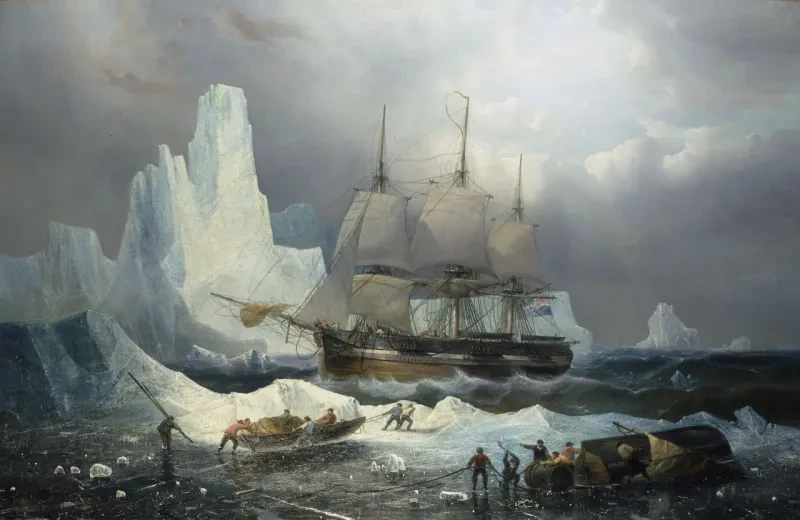
The lost chronometer: the timepiece that sailed with Charles Darwin and Sir John Franklin
Learn more about the marine chronometer that journeyed on board HMS Beagle before being lost at sea during Sir John Franklin's disastrous expedition
Maritime history
Join museum experts online for a voyage across the world’s oceans, and explore the legacies of our seafaring past