Essential information
| Type |
Experiences
|
|---|---|
| Location | |
| Date and times | Wednesday 12 August 2026 | 10am-8pm (eclipse from 6.17-8pm) |
| Prices | This event is now SOLD OUT |
Entry on the day is restricted to ticket holders only; please arrive for your allocated entry time. This is a really popular day and visitors may need to queue.
Can't join us in person? Watch our free online live stream instead.
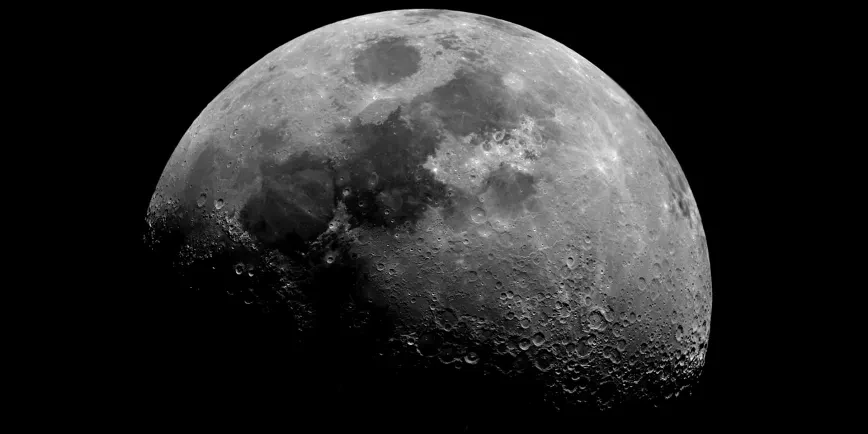
Head to the Royal Observatory Greenwich on 12 August for a Sun-and-Moon-themed day to celebrate the big UK and Ireland partial solar eclipse taking place at sunset.
The Moon and Sun will line up for the best solar eclipse the UK and Ireland has seen in almost thirty years. It's the closest the UK has come to totality since 1999, and we won't see another eclipse this good until 2081. From London around 90% of the Sun will be covered.
Between 6.17pm and 8pm you can watch the partial solar eclipse safely with eclipse glasses, pinhole projectors or using solar telescopes operated by the Flamsteed Astronomy Society. The Royal Observatory will be open until 8pm to allow you to see the best of this rare event.
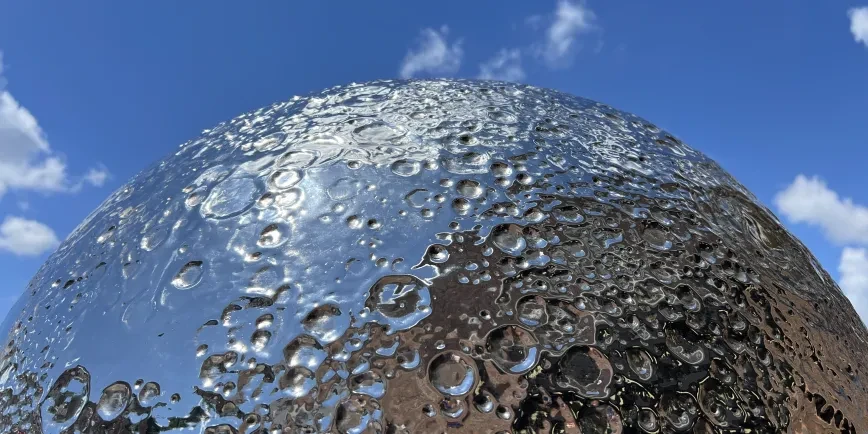
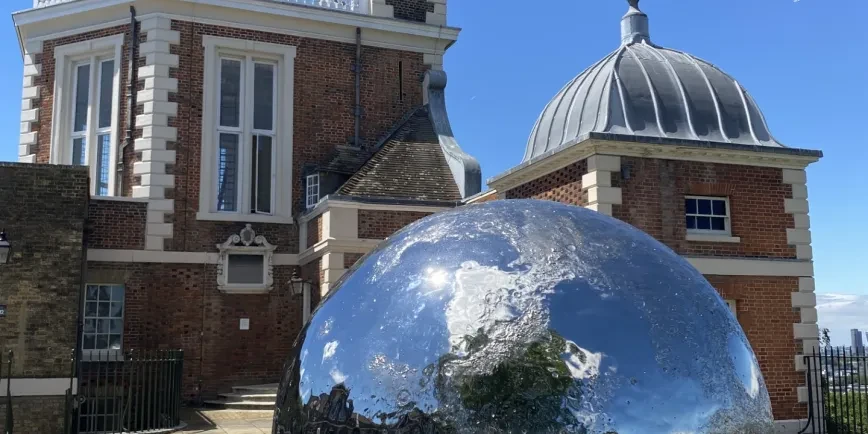
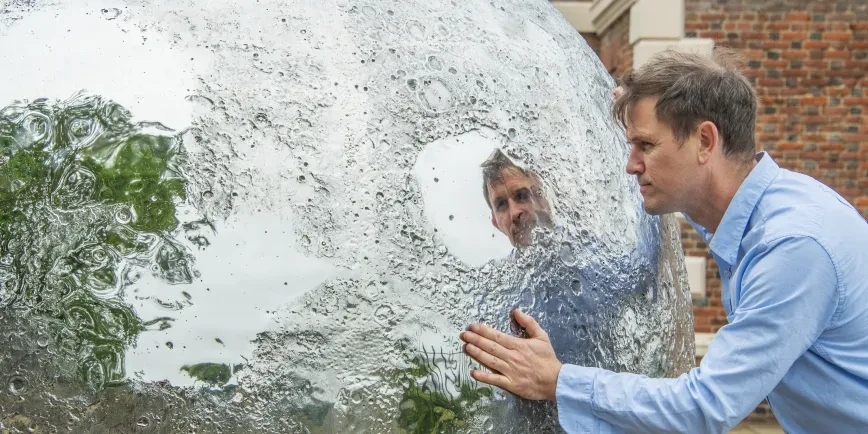
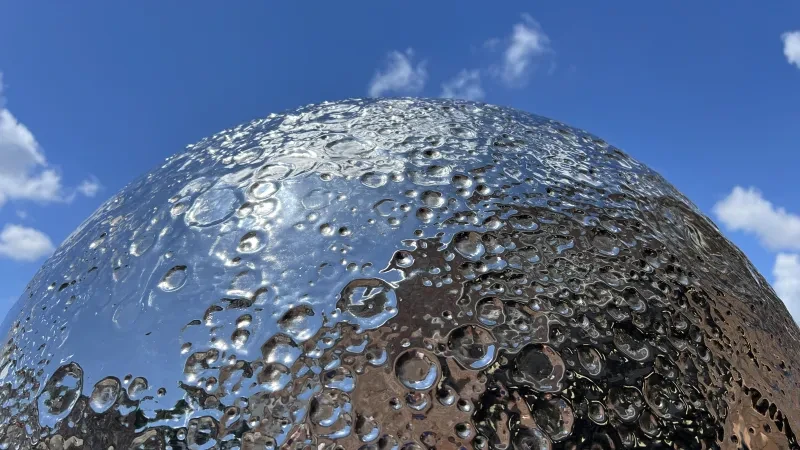
Find more details below, and find out what else you can do at the Royal Observatory while you're here - including seeing Luke Jerram's new installation Mirror Moon.
Solar eclipse glasses are now sold out both in our shops and online.
Image
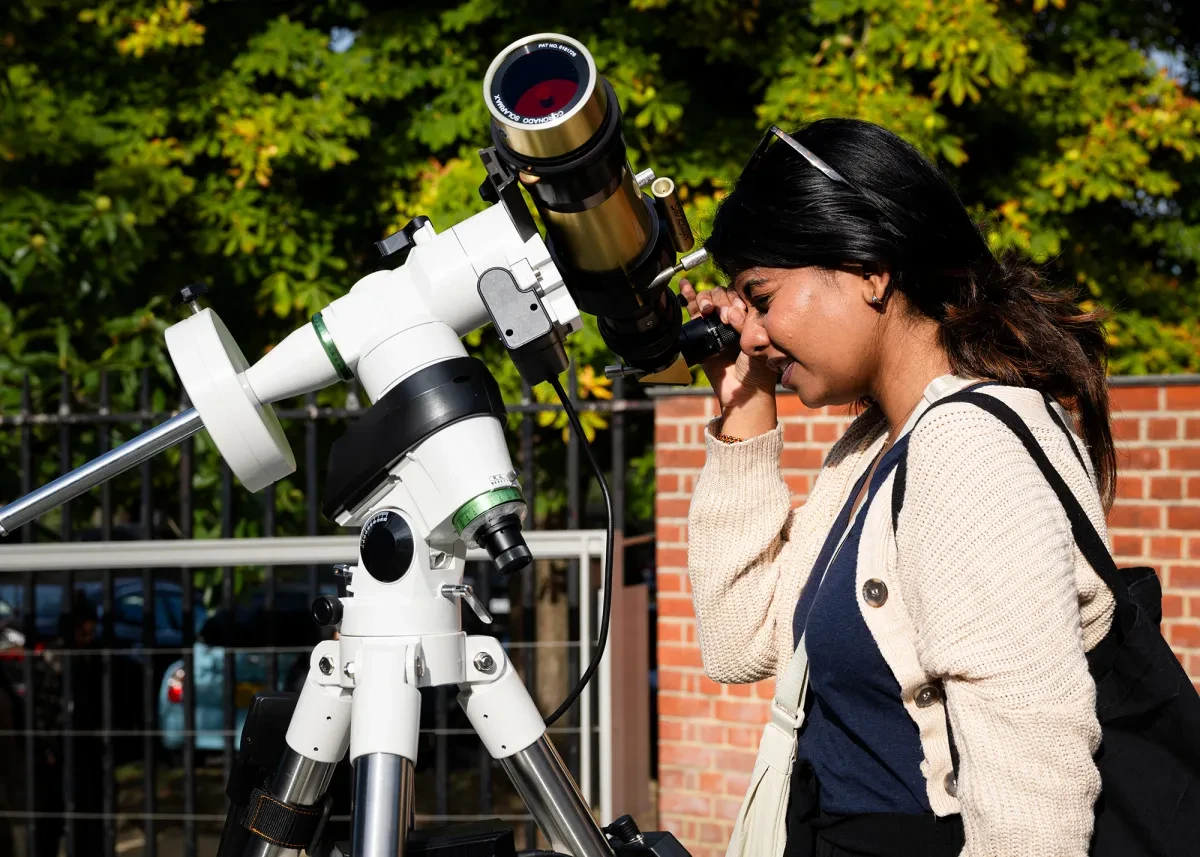
Solar observing
From 4pm onwards | Included with Royal Observatory entry
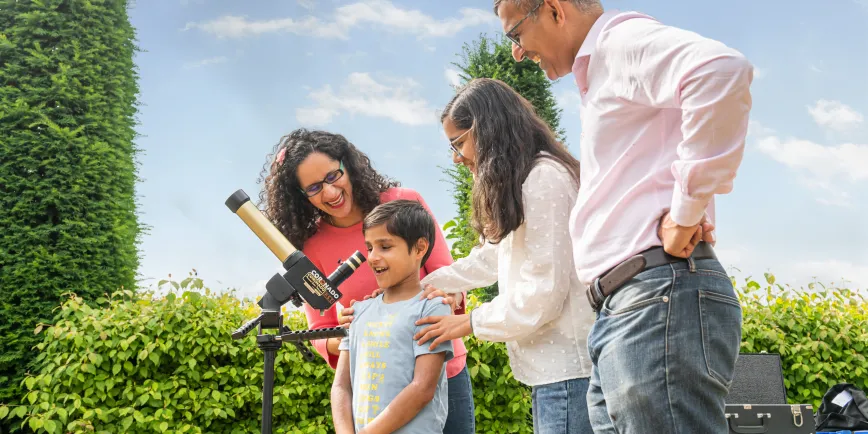
Join the Flamsteed Astronomy Society to safely observe the Sun using solar telescopes, pinhole projectors and solar eclipse glasses.
The partial solar eclipse will begin in London at 6.17pm with 'first contact' (when the Moon first covers the disc of the Sun). Maximum coverage will happen at 7.12pm, with around 90% of the Sun covered from London, and the eclipse will end at around 8pm.
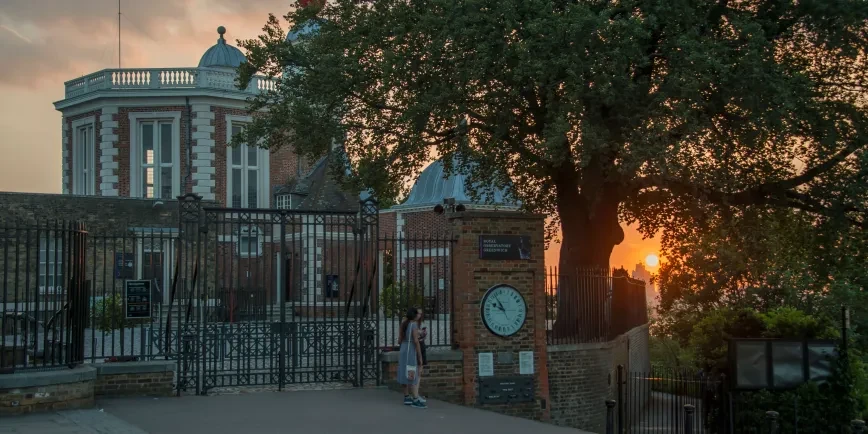
Please note that the only place to see the eclipse from the Observatory is from the Dolphin Sundial courtyard, as this area faces west. There will be a queuing system set up so that as many people can see the eclipse as possible.
Please note you should never look at the Sun through a telescope without a special solar filter on it.
Visit Greenwich this summer
What’s on
See more space and astronomy events at Royal Museums Greenwich.