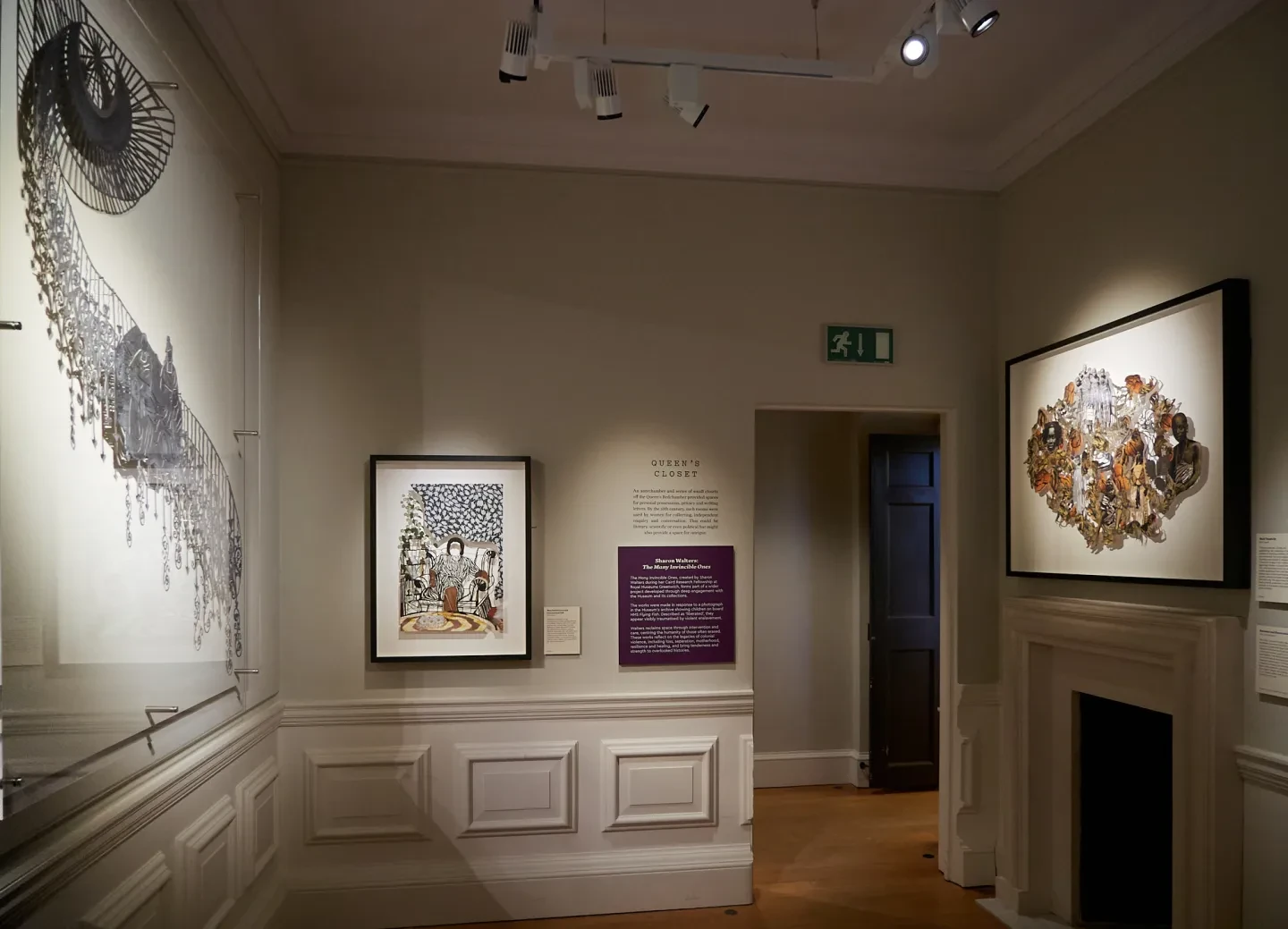
From intricate metal reliefs to bold paper collages, a series of six artworks have transformed the intimate space of the Queen’s Closet in the Queen’s House. These works form The Many Invincible Ones, a display created by multidisciplinary artist, Sharon Walters.
Known for her intricate paper collage works, Walters’ display was produced during her Caird Research Fellowship in 2024-2025. Harnessing her interest in maritime stories – particularly of the African diaspora – Walters embarked on a practice-based project, creating a body of work in response to the Museum’s sites and collections.
The Many Invincible Ones is her most ambitious series of artworks yet. Her display responds to photographs in the Museum’s collection, Catherine E. McKinley’s photographic collection in New York and research at the Natural History Museum with Principal Curator of Crustacea, Miranda Lowe. It incorporates textiles, film, paper-cut collages, engraved stainless steel and bronze, weaving together aspects of her family story.
Here, she talks about pushing the boundaries of her practice, bringing tenderness to overlooked histories and creating works rooted in hope.
Putting care at the centre
The idea for the artworks came when Walters looked at a historic photograph in the Museum’s collections. Dating from 1875, the picture depicts a group of formerly enslaved children aboard HMS Flying Fish in Madagascar.
It was an image that Walters found deeply upsetting. “My response to the work was an overwhelming, visceral one,” she explains. “When I saw the photograph, I didn’t feel as though the children were liberated, there was a sense of loss.”
The name of the vessel, ‘Flying Fish’ also provoked a strong reaction. For Walters, flying fish and cou-cou – the national dish of Barbados – was associated with love and tenderness, of memories eating the meal at her grandmother’s house. However, for the children in the photograph, the setting of HMS Flying Fish reinforced their separation from their families.
“It tore me emotionally. For me, flying fish has always had a positive connotation,” she says. “Being of Caribbean heritage and looking at an image of children who looked like me – and could be from my family – was difficult to deal with.”
Care and connection are central to Walters’ practice. Her multi-layered works have been praised for their heartfelt and sensitive portrayal of their subjects. Her pieces have been featured in shows including The Royal Academy Summer Exhibition and commissioned and acquired by the National Portrait Gallery.
When it came to developing ideas for Royal Museums Greenwich’s Caird Research Fellowship, Walters wanted to create a body of work that responded to the historic photographs and their depiction of Black people, while exploring themes spanning reconnection, resilience and healing. The title of the display – The Many Invincible Ones – emphasises strength and endurance, and references the Betsileo people of Madagascar, who adopted the name after resisting invasion in the 19th century.
However, at the heart of the display, Walters wanted to imagine an alternative future for the children, one rooted in maternal love and hope. “I wanted to recreate something that reimagines the reunification of the children with their mothers,” she says.
Introducing 'The Many Invincible Ones'
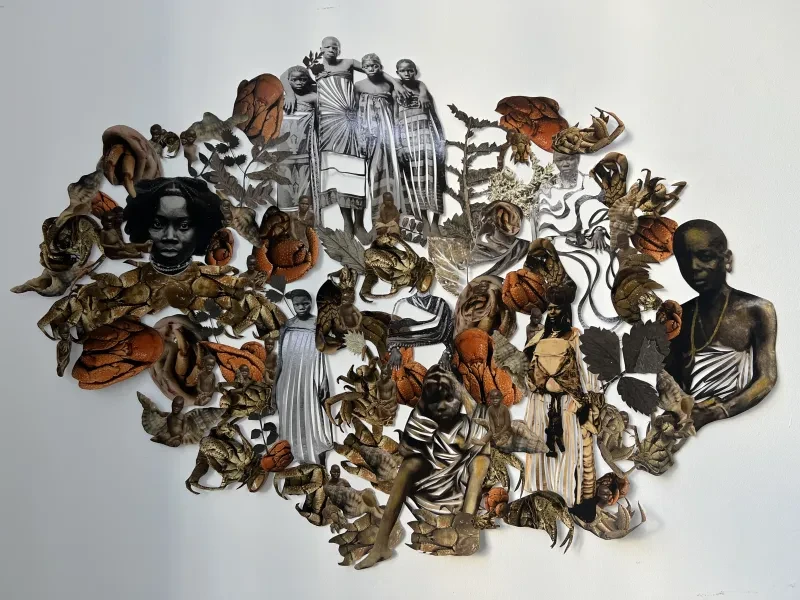
One of the largest pieces in the display is Held Tenderly. Located above the fireplace in the Queen’s Closet, this vibrant collage work reunites children, mothers and ancestors. It incorporates photographs held in Royal Museums Greenwich’s archive and the curator and writer Catherine E. McKinley’s photographic collection.
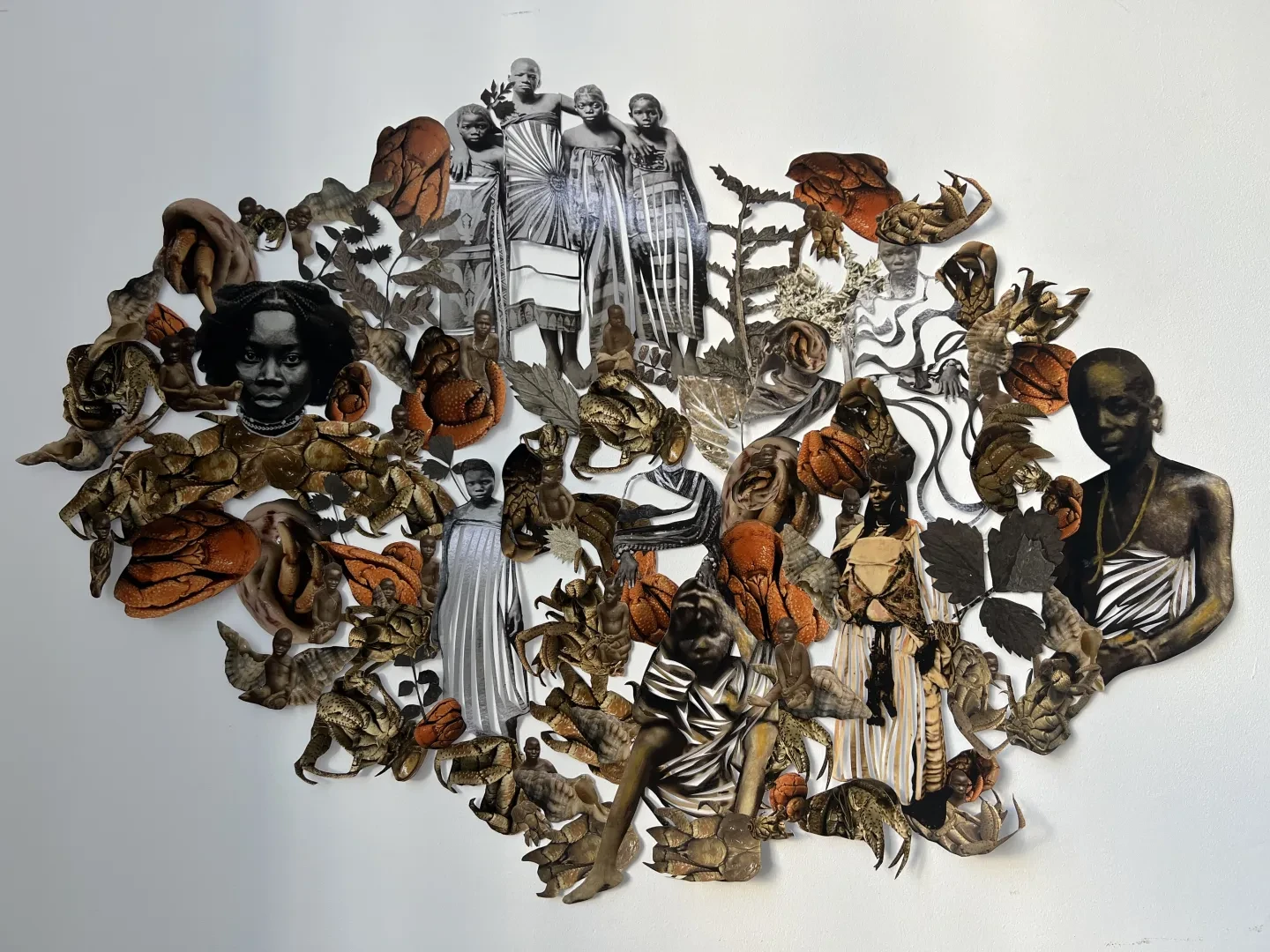
While the original photograph depicts conditions on board HMS Flying Fish in 1875, Walters’ research led to the discovery that samples of crustaceans had been collected on the vessel’s later voyages. These samples are held in the collection of the Natural History Museum.
Walters worked in close collaboration with Principal Curator of Crustacea, Miranda Lowe, to gain an insight into the sea life that would have surrounded the ship – and how the specimens would have been stored.
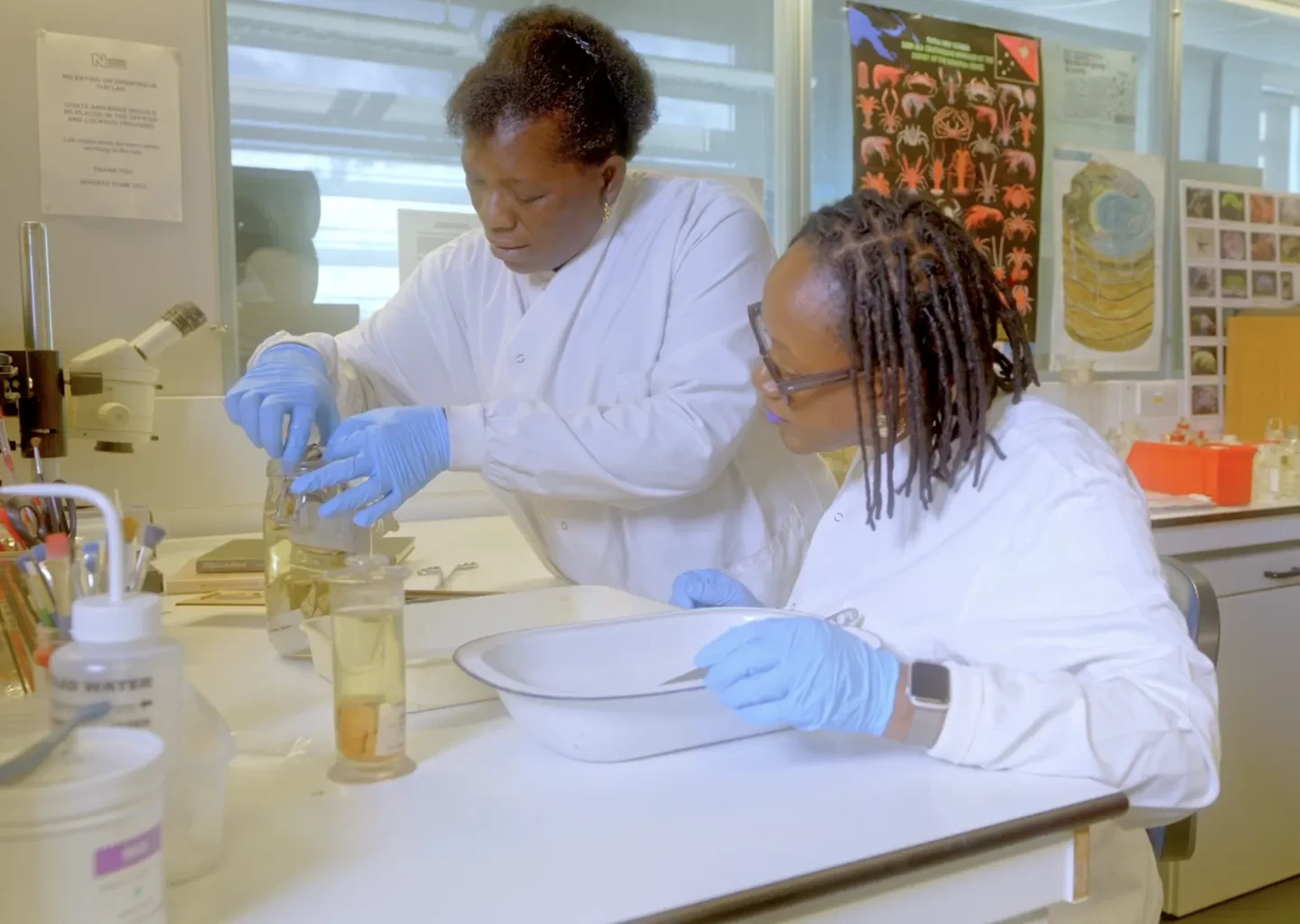
“There was something about handling these carefully preserved crabs, the stench of the alcohol and the beautifully written labels, that made me think about how their treatment lay in stark contrast to the unnamed Africans who were categorised homogenously, with so little care and respect and love,” she explains.
The experience also deepened her connection to her creative practice. “As I watched the crabs slowly unfurl, it felt like a metaphor for the kind of work that I had been doing,” she adds. “You delve into history, you delve into stories, and this slow unfurling feels like a beautiful, powerful thing.”
Image
Seeing Ourselves
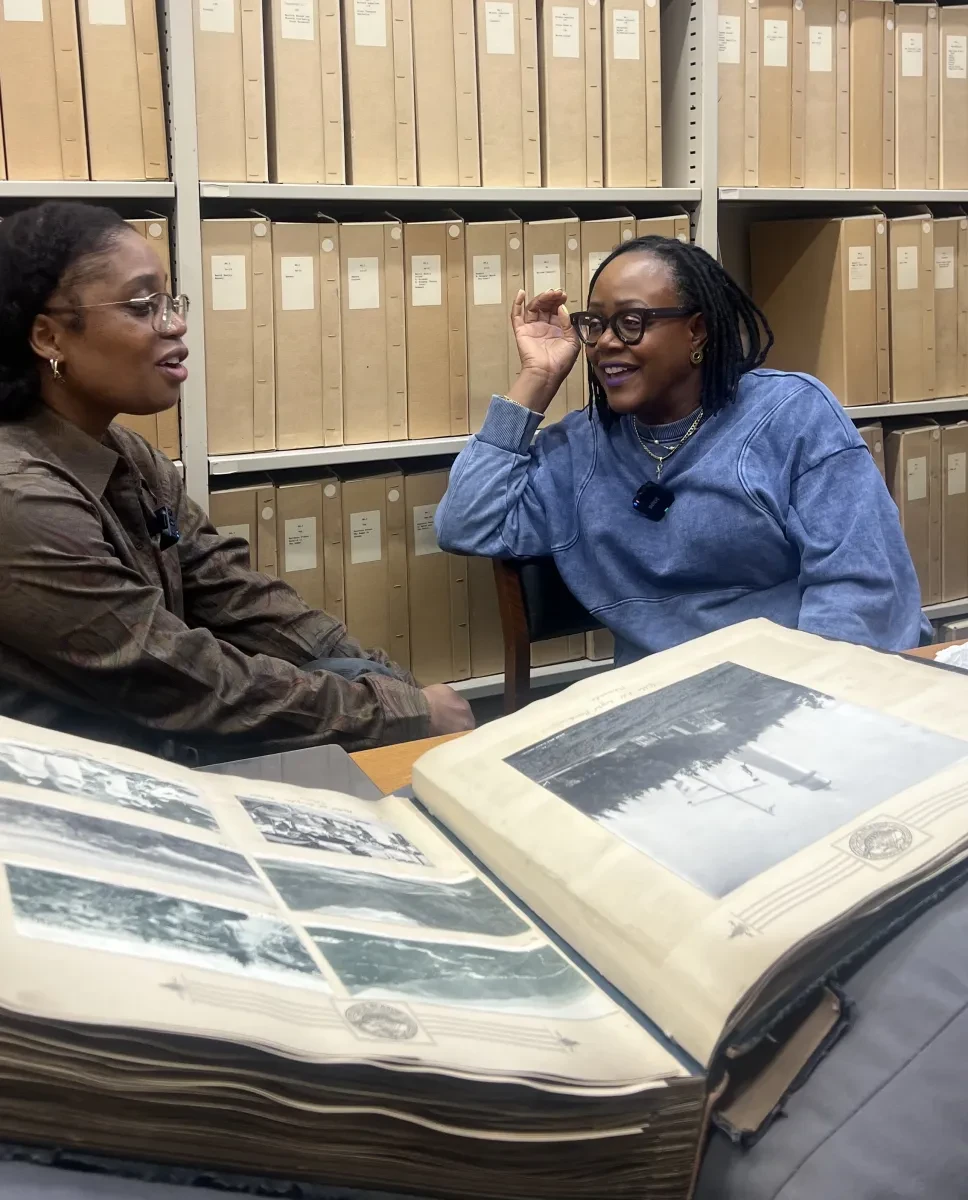
The Many Invincible Ones display forms part of Walters’ much larger body of work, titled Seeing Ourselves. The series celebrates the power, grace and dignity of Black women, and combines various mediums and sources to explore ideas of femininity, race and belonging. Walters explains that the series offers a counter-narrative to the “othering” of Black communities often experienced in mainstream culture.
Prior to her Caird Research Fellowship, Walters collaborated with Royal Museums Greenwich to produce her podcast ‘Seeing Ourselves,’ which expanded upon these themes. Featuring guests including historians Serena Lee, Fiona Compton and writer and curator Ekow Eshun, the episodes focused on the representation – and misrepresentation – of Blackness in museum collections.
“I wanted to look at the narratives within archives and collections and ask, ‘whose gaze is a story being told through?’” she says, “I wanted to look at the stories that were missing, and how those voices were being told and shared.”
Delving deeper
The idea of the objectifying gaze is explored in another piece in The Many Invincible Ones display. Occupying a wall in the Queen’s Closet, The Beauties reworks a historic photograph of four unnamed Black women in the Museum’s collection, annotated in an accompanying manuscript as ‘The Beauties’.
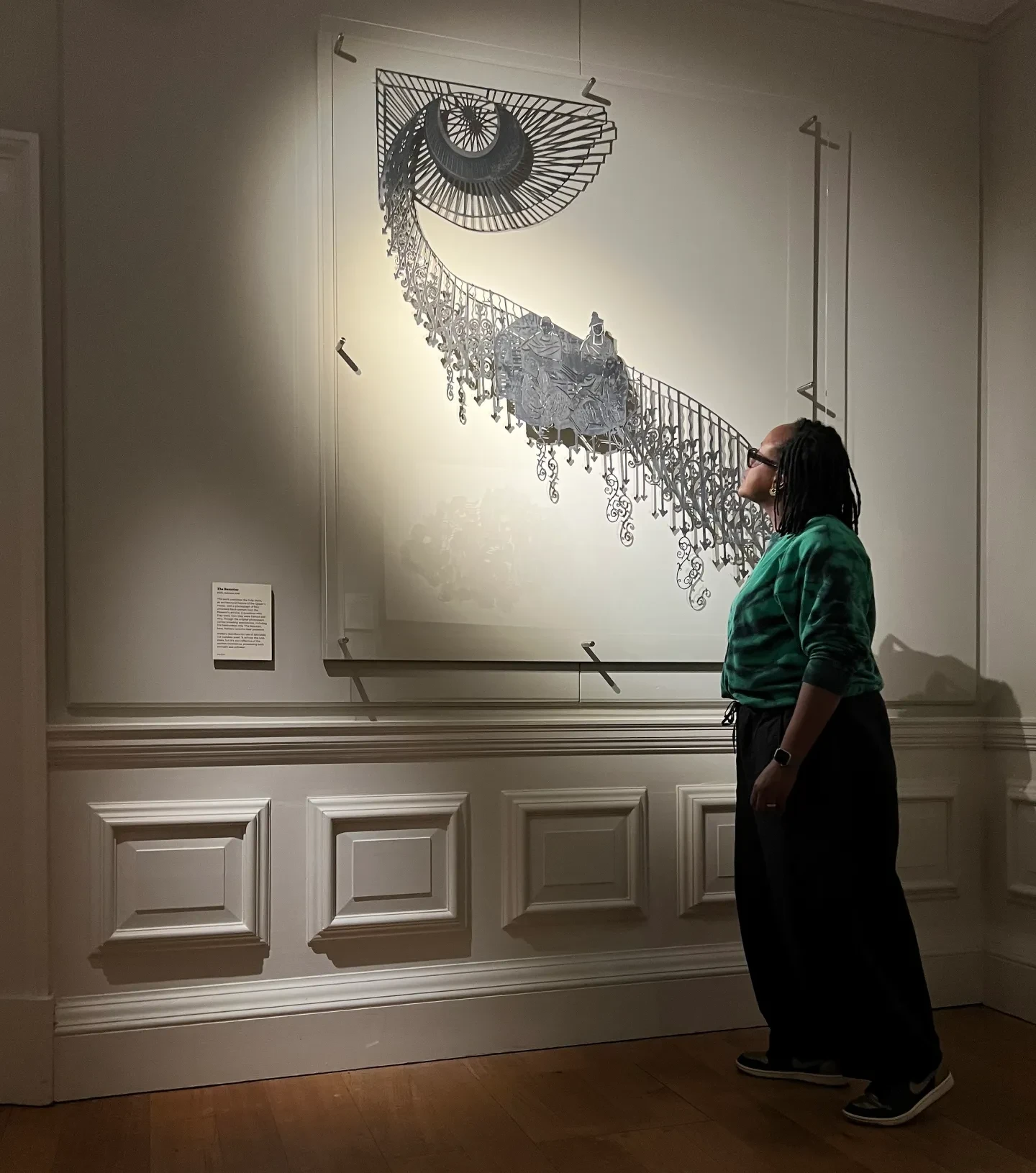
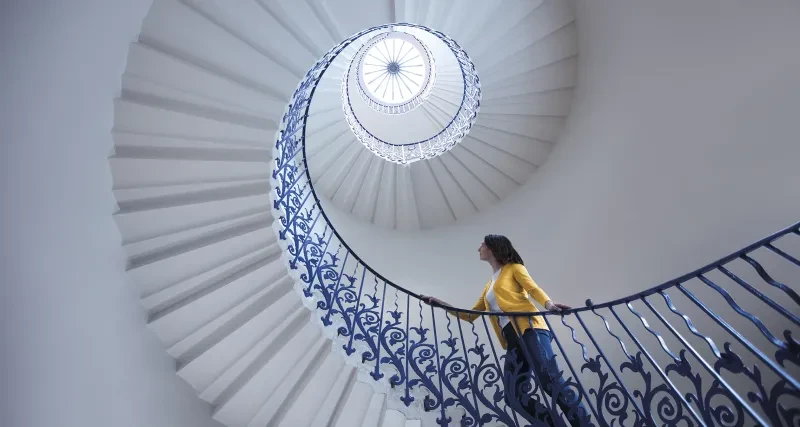
“The image immediately made me question: ‘Why are these women being selected as beauties, and what’s the relationship between them and the photographer?’” she says. Walters was determined to centralise the women’s stories. Her final piece places them on a backdrop of delicately cut stainless steel, echoing the Tulip Stairs in the Queen’s House.
This is the first time Walters has worked in metal and is one of the ways the Caird Research Fellowship has pushed her work in a new direction. “The Fellowship has been a good opportunity to expand my practice,” she says. “It’s enabled me to explore different materials and to look back historically at figures who I feel as though I connect with – and see myself in.”
Image
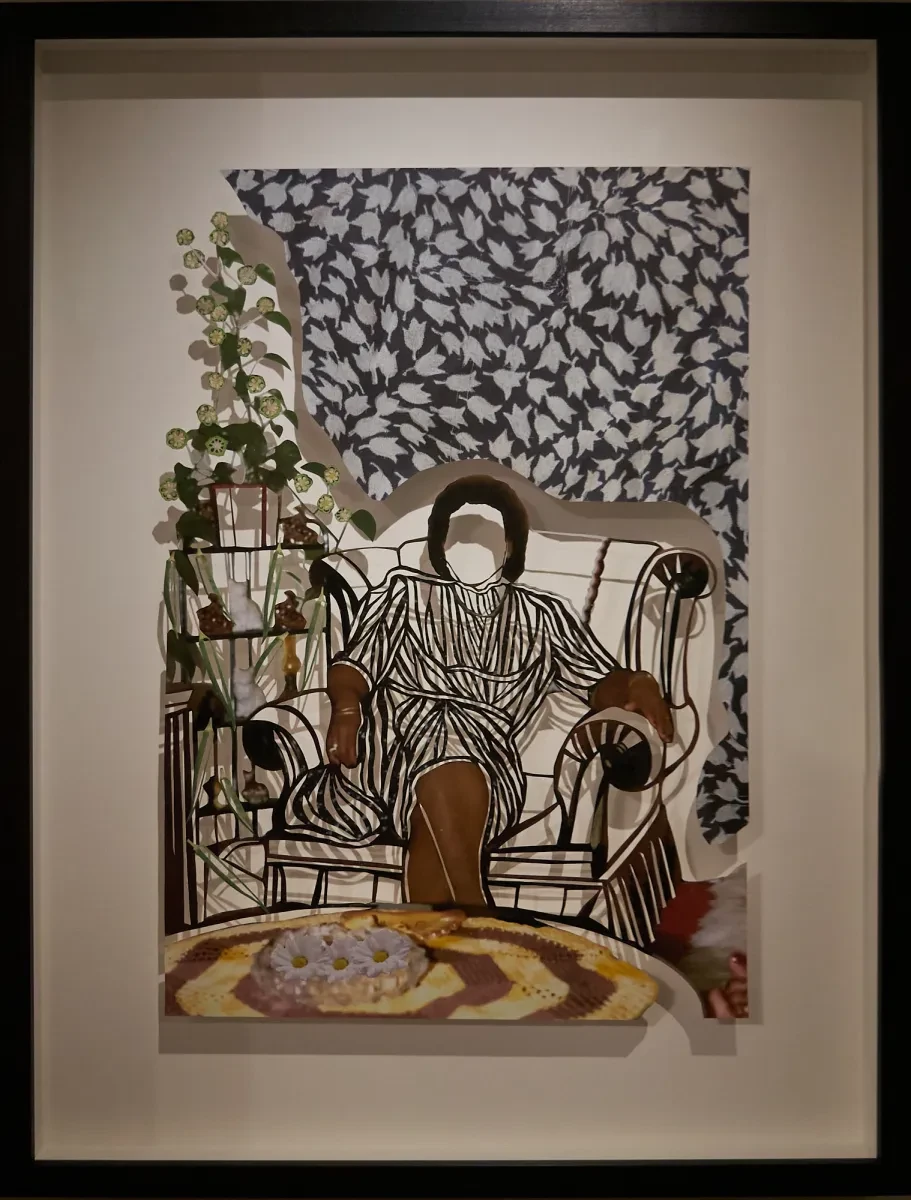
While the display features new artforms, it also stays true to Walters’ roots, showing works that feature her signature paper cut-outs and collages. Her piece Nan Fed Us Love with Cou-cou and Fish depicts her late grandmother sitting at home. Walters explains that it is inspired by the maternal love she gave to her family in many ways, including her cooking.
Look closely, and her grandmother is faceless, which Walters reveals was deliberate. “By removing her face, people who look like me are able to place themselves – and their family members – in this work.”
Rest and resistance
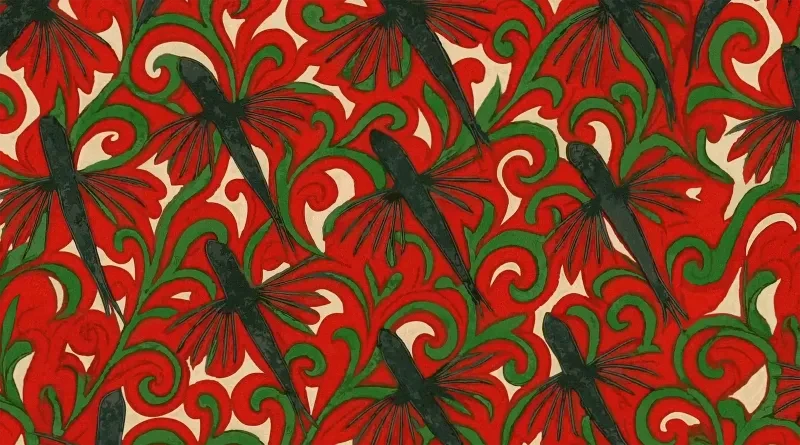
Family and cultural reconnection thread throughout the display, providing nods to Walters’ lived experience. In a corner of the Queen’s Closet, a red armchair is adorned with images of flying fish and cou-cou – a printed fabric designed by Walters – to link to her Barbadian heritage.
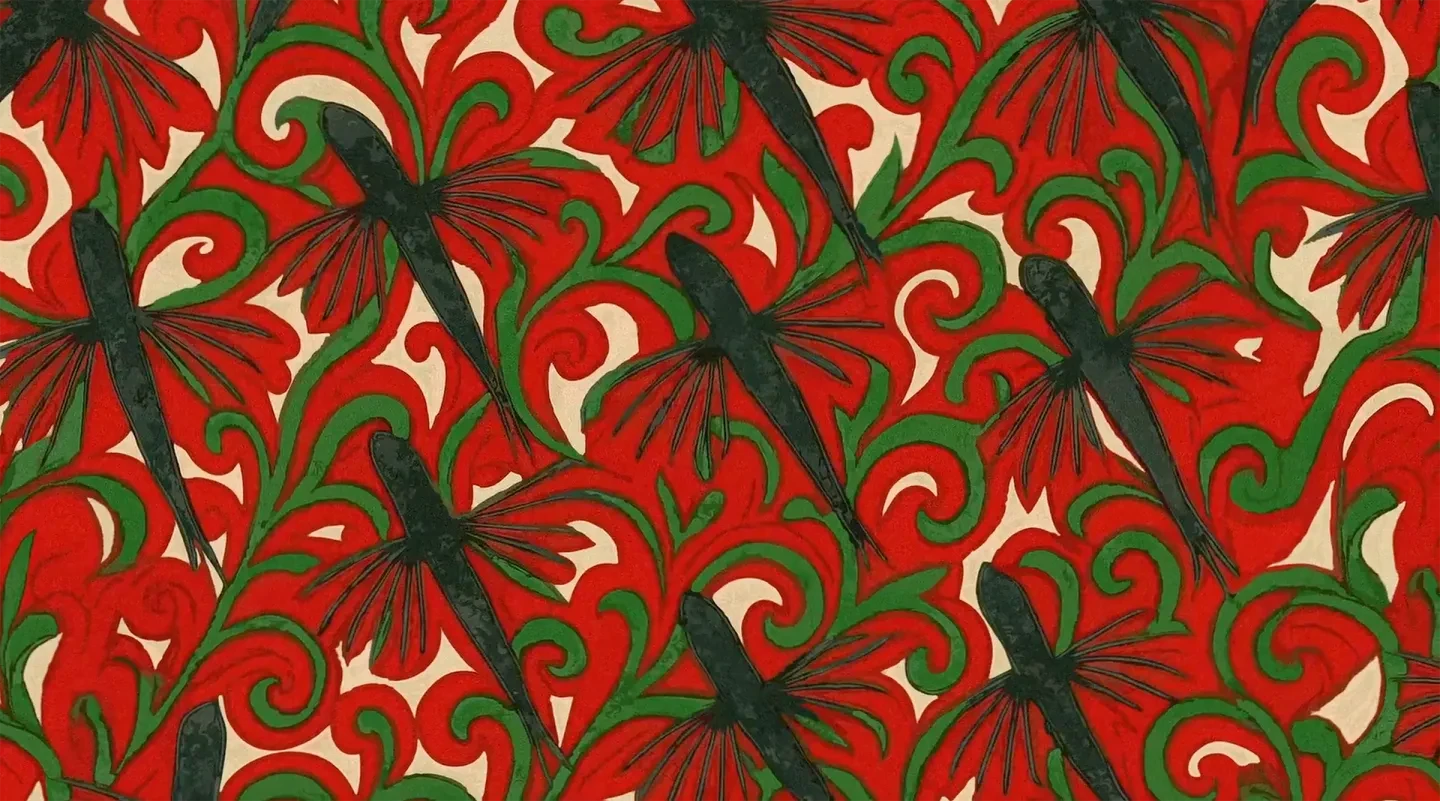
“It references the fish itself and the golden colour of cornmeal, used in cou-cou,” says Walters. “The dish provides important cultural reconnection for diasporic communities.” Titled Renewal and Restoration, the chair emphasises the importance of rest, which had been at the forefront of Walters’ mind.
“When creating the design, I was thinking about the work of creative Tricia Hersey, where she talks about rest being a form of resistance,” she explains. “I think there’s too much emphasis – especially for Black women – to be strong and resilient, which is all well and good, but I like the idea of us being able to take up space, to be softer, calm and more restful.”
Many of the works in the display were created in her west London studio, a serene space furnished with finished artworks – and various others in stages of progress – and the peal of church bells in the distance. “I have found the creation of the work to be really healing,” she says. “I’ve learnt so much about giving myself grace, and the importance of rest.”
An ongoing legacy
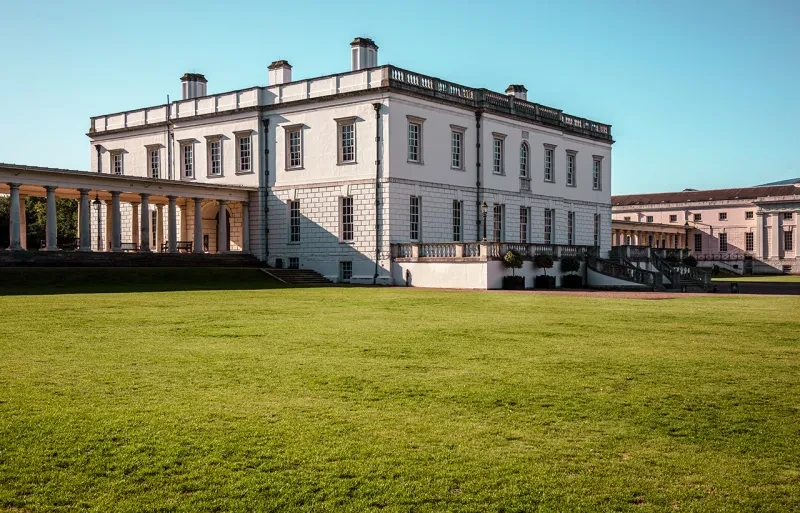
For Walters, the opportunity to exhibit her work at the Queen’s House is important. “It’s significant for me as a Black woman to be in this space – a place that wasn’t designed for me and wasn’t meant to entertain me when the Queen’s House was originally built,” she says. “I’m somehow reclaiming the space.”
Other artworks in the space, which include Ancestral Healing – a bronze and printed paper piece – and Reflection, a film about her fellowship journey, open up dialogues between the past, present and future.
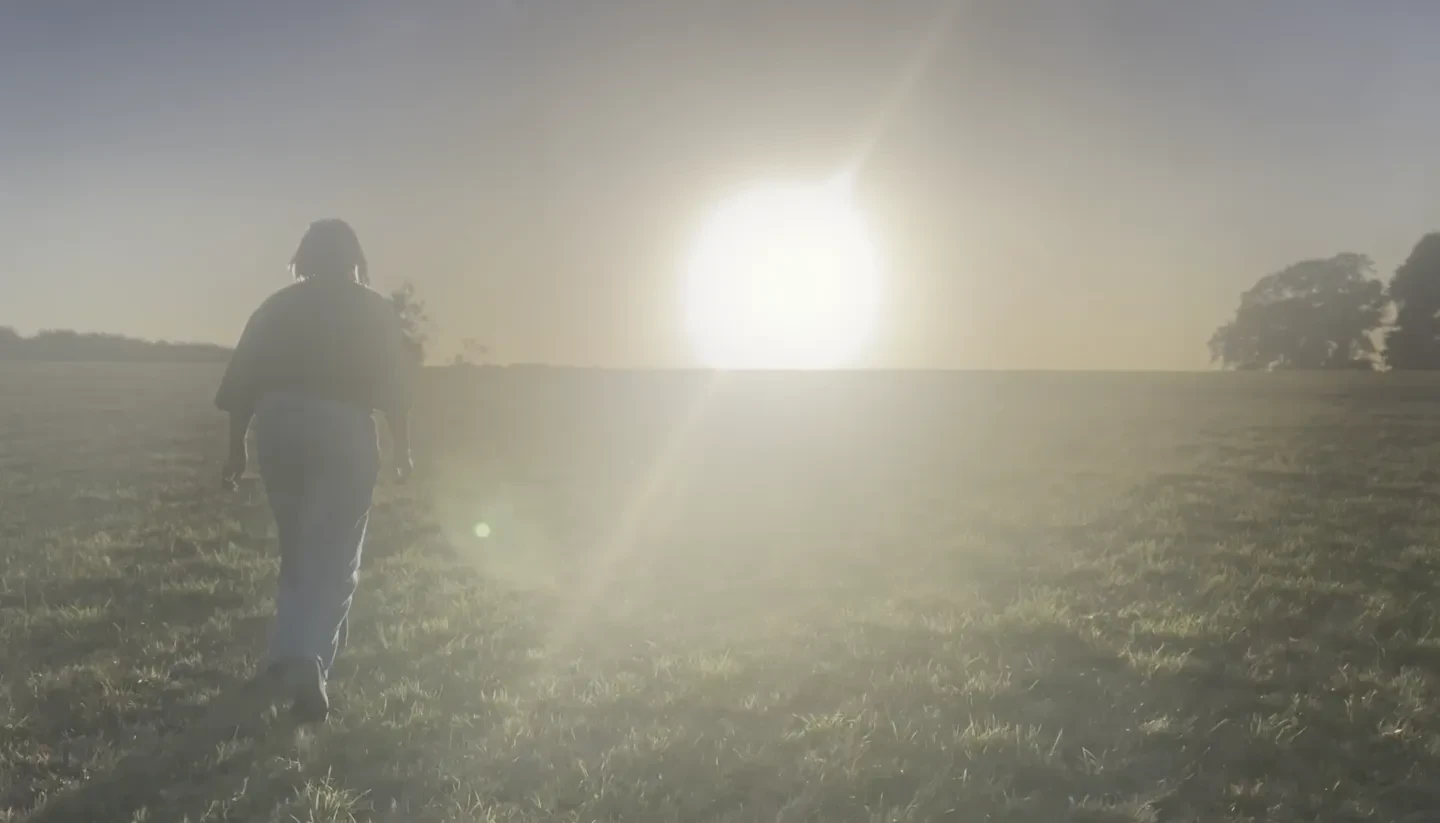
Using art to inspire positive change is crucial to her. “For so many people of the diaspora, it’s very difficult to find your story or to find that connection, especially in museums and collections,” she says, "I want us to be able to see ourselves in a positive light where possible."
She adds: “The work isn't just about the pictures, the conversations, the collaborating with people I love. It’s about legacy and impact, which is really important to me.”
As for the future, Walters is excited about what's to come: “The work has been all-encompassing, and it feels impossible to think of this as the end.” She adds: “A display of my work in the Queen’s House is simply the beginning.”
Discover more

Read more about the Queen's House rehang
Highlights of the Queen's House refresh
What to look out for in the inspiring new take on the Queen’s House’s displays in 2026
Introducing new contemporary art at the Queen's House for 2026
Victoria Lane, Senior Curator of Art and Identity, explores highlights from some of the contemporary artworks that have gone on show
Mapping uncharted histories: the 19th century woman who developed London’s map trade
Artist Remiiya Badru’s new display in the Queen’s House tells the story of maritime publisher, Penelope Steel
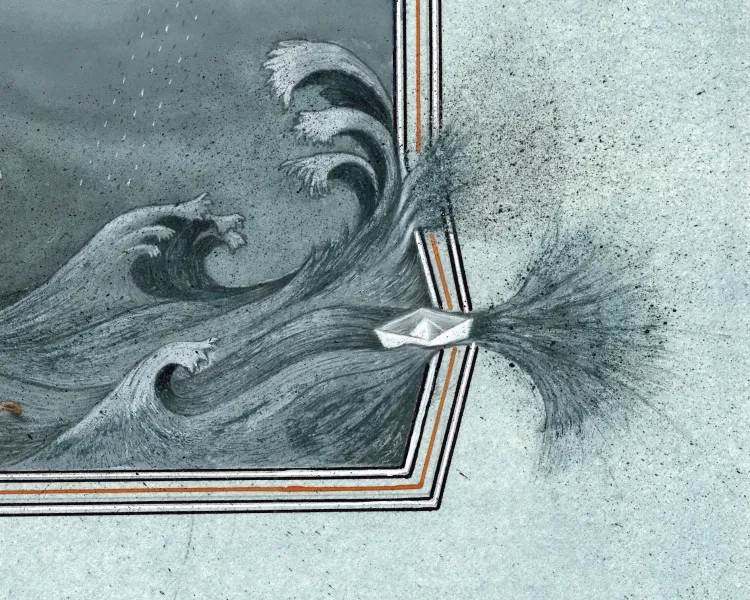
Migration and art: introducing the new Queen's House display 'Crossings'
As a new collection of artworks reflecting on migrant experiences opens at the Queen's House, curator Tim May explores the role of physical and invisible borders in the story of migration
Artemisia Gentileschi at the Queen's House
A painting by Artemisia Gentileschi recently rediscovered in the Royal Collection is now on loan at the Queen's House. Allison Goudie reveals Artemisia's Greenwich connections – and why the Queen's House is a fitting place to see the painting
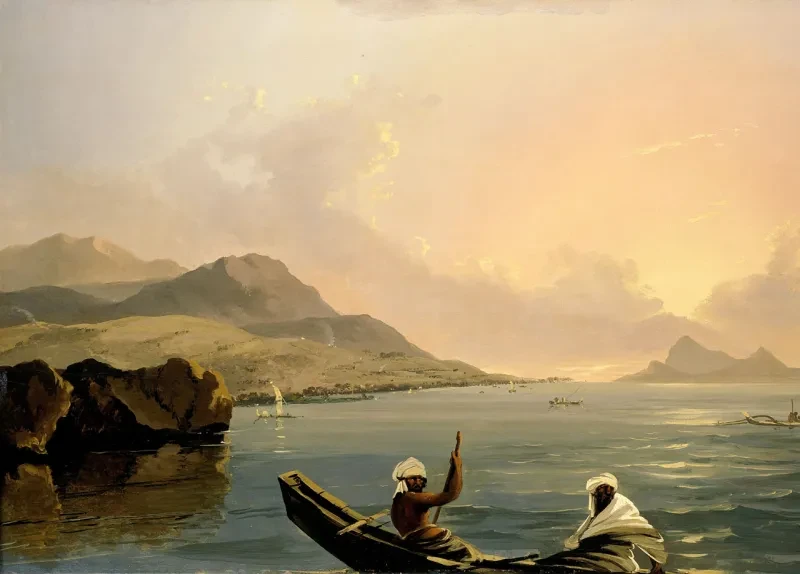
Reframing the Pacific in the Queen’s House
Curators Katherine Gazzard and Hannah Cusworth highlight the steps involved in redeveloping a room in the Queen's House
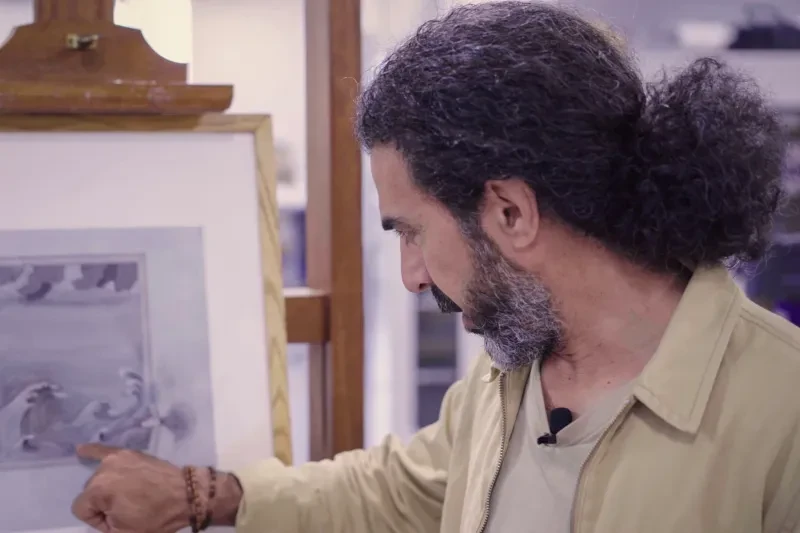
Facing the waves: how Shorsh Saleh found power to share his story through art
In his work Crossing Border, the Khurdish artist reflects on his experience of fleeing his homeland and crossing the Mediterranean Sea by boat: ‘When I look at the artwork I just don’t see a painting. I see a story’
Writing a museum label with 'Gendering the Museum'
Dr Kit Heyam explains the process behind writing the first co-curated label in the Queen's House for a painting of James I
More about the Queen's House